What We Do Most in This Area
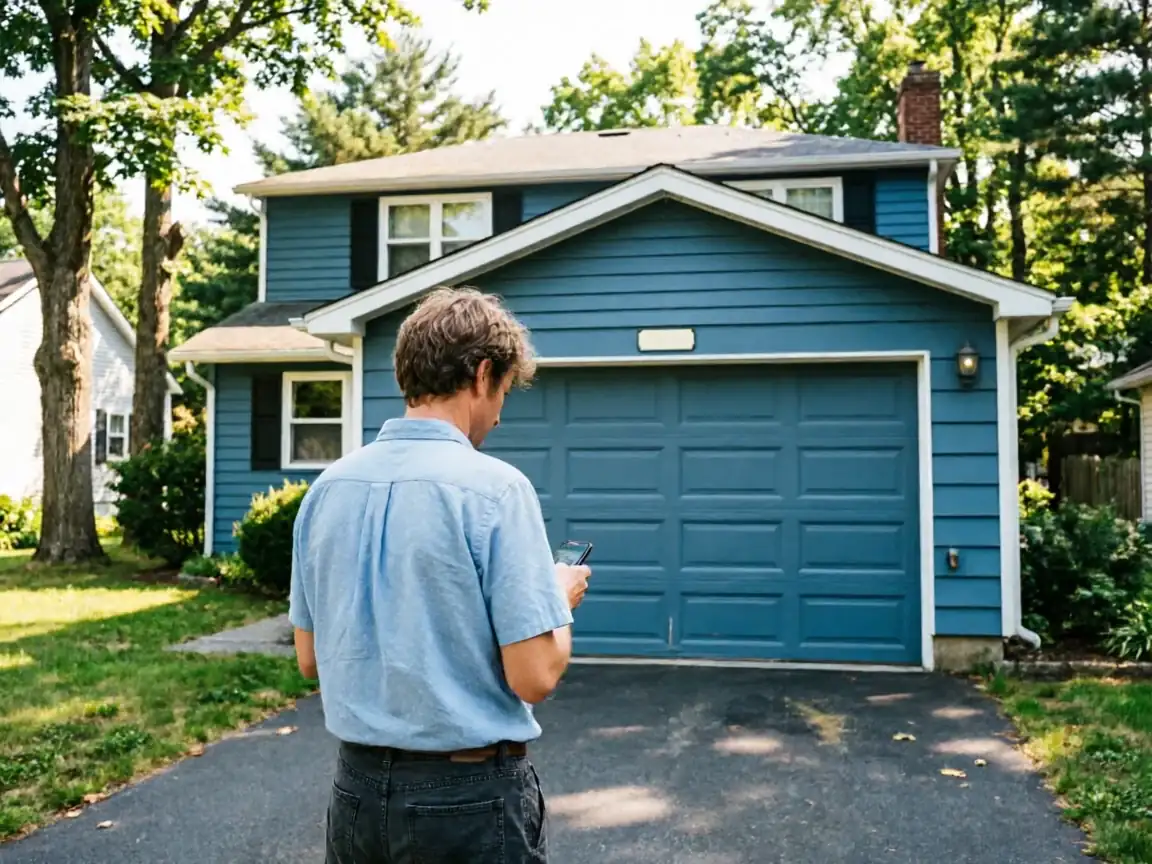
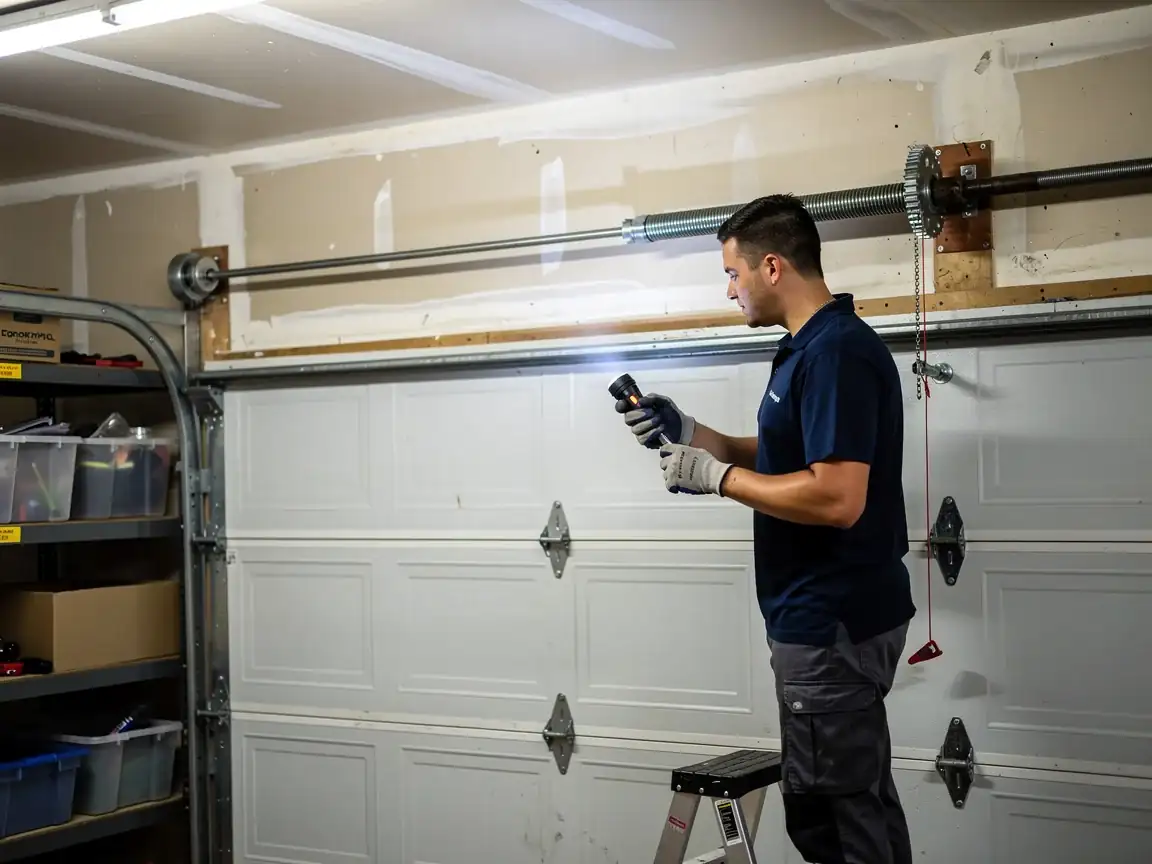
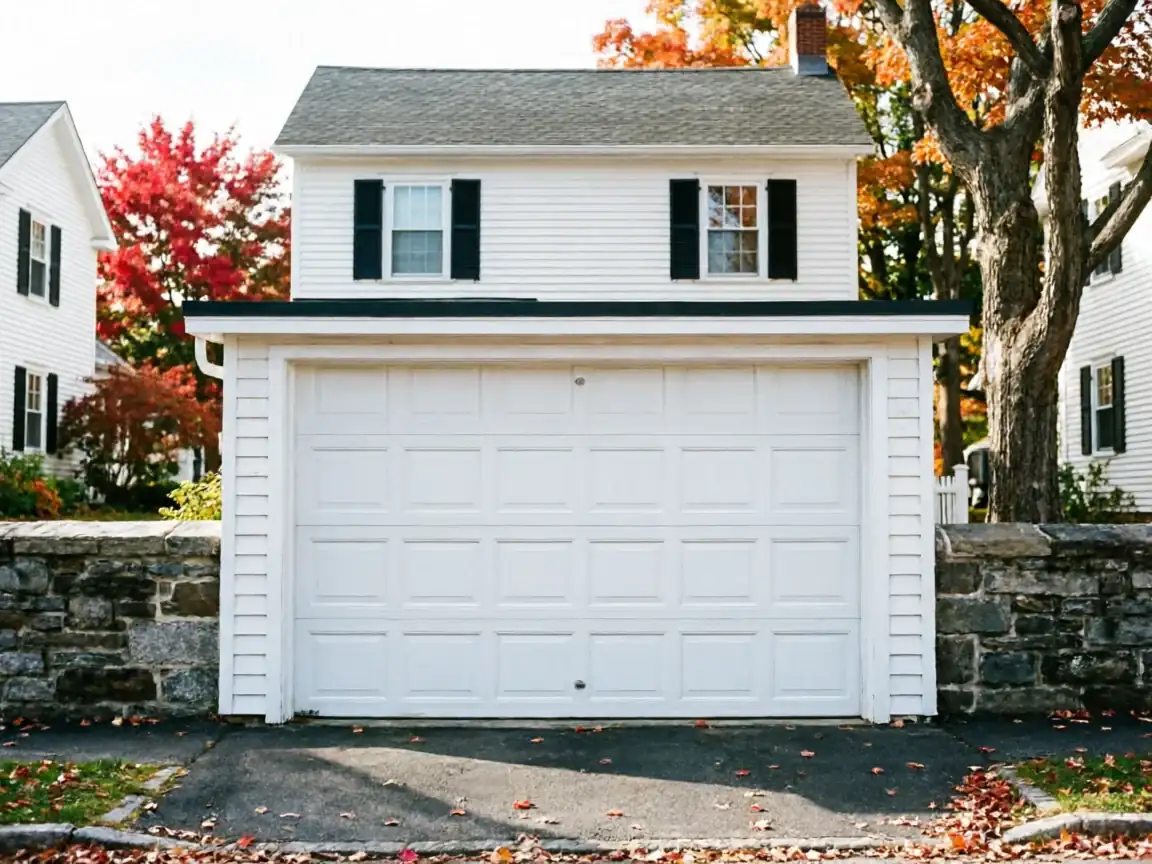
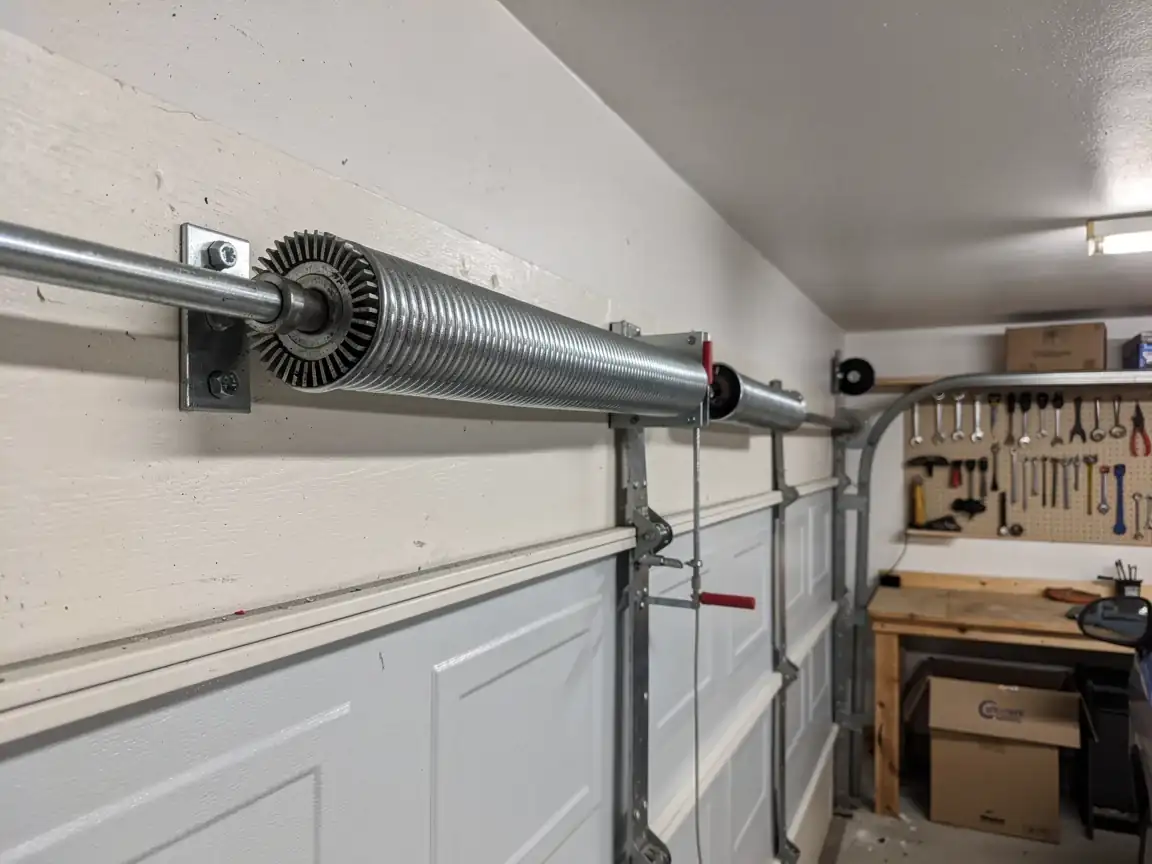
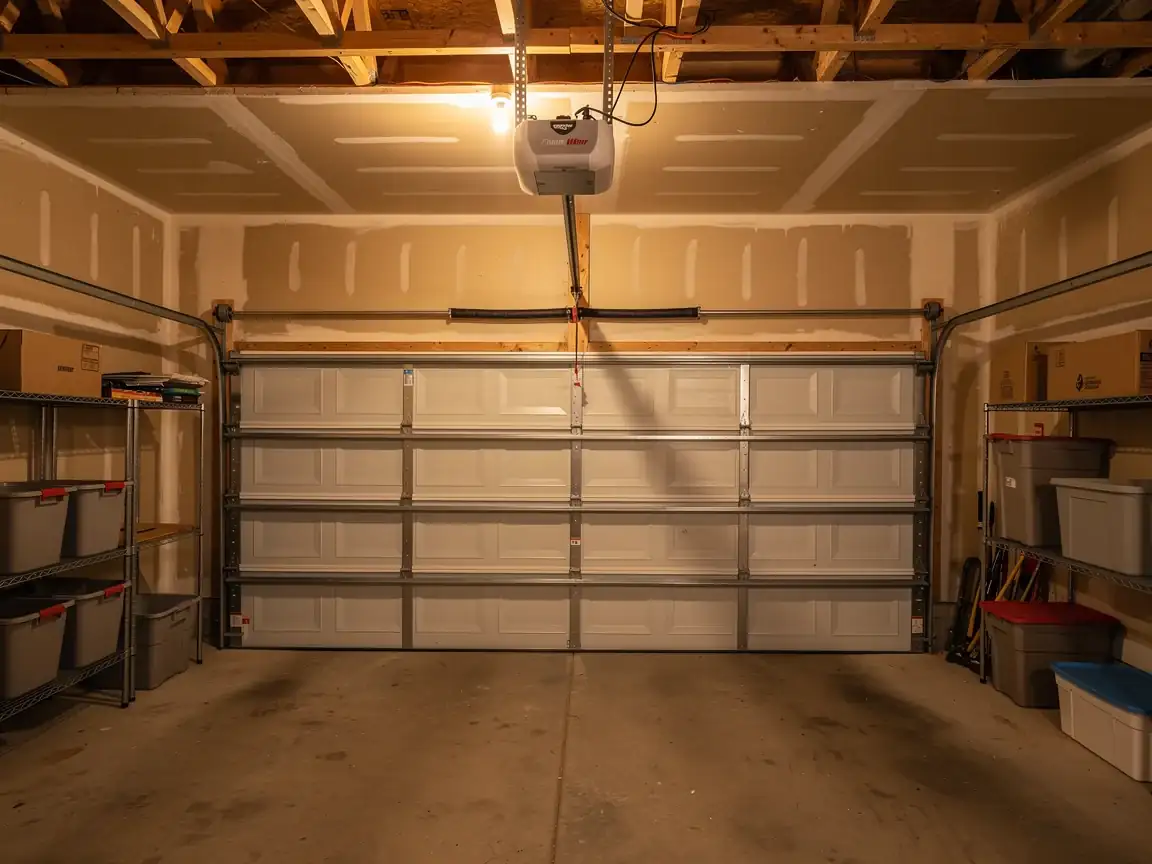
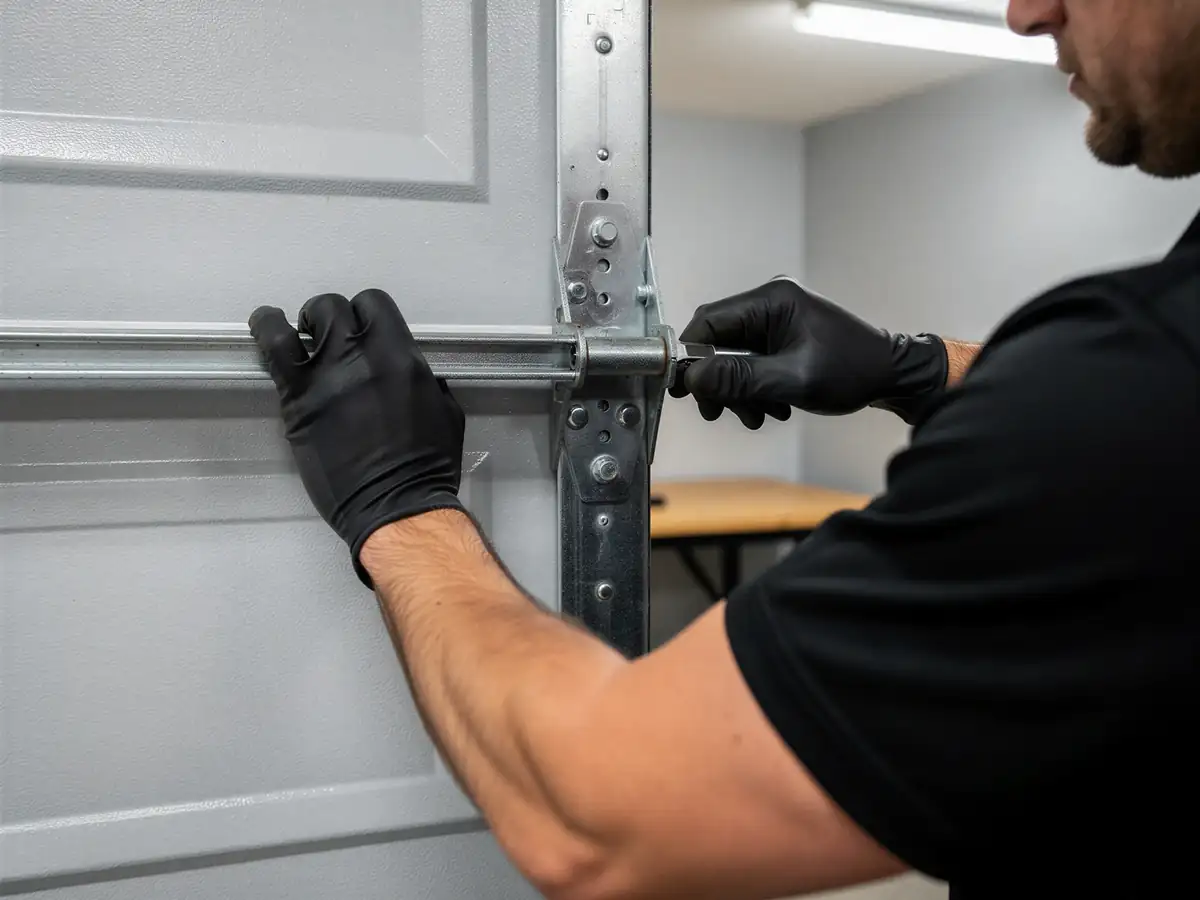
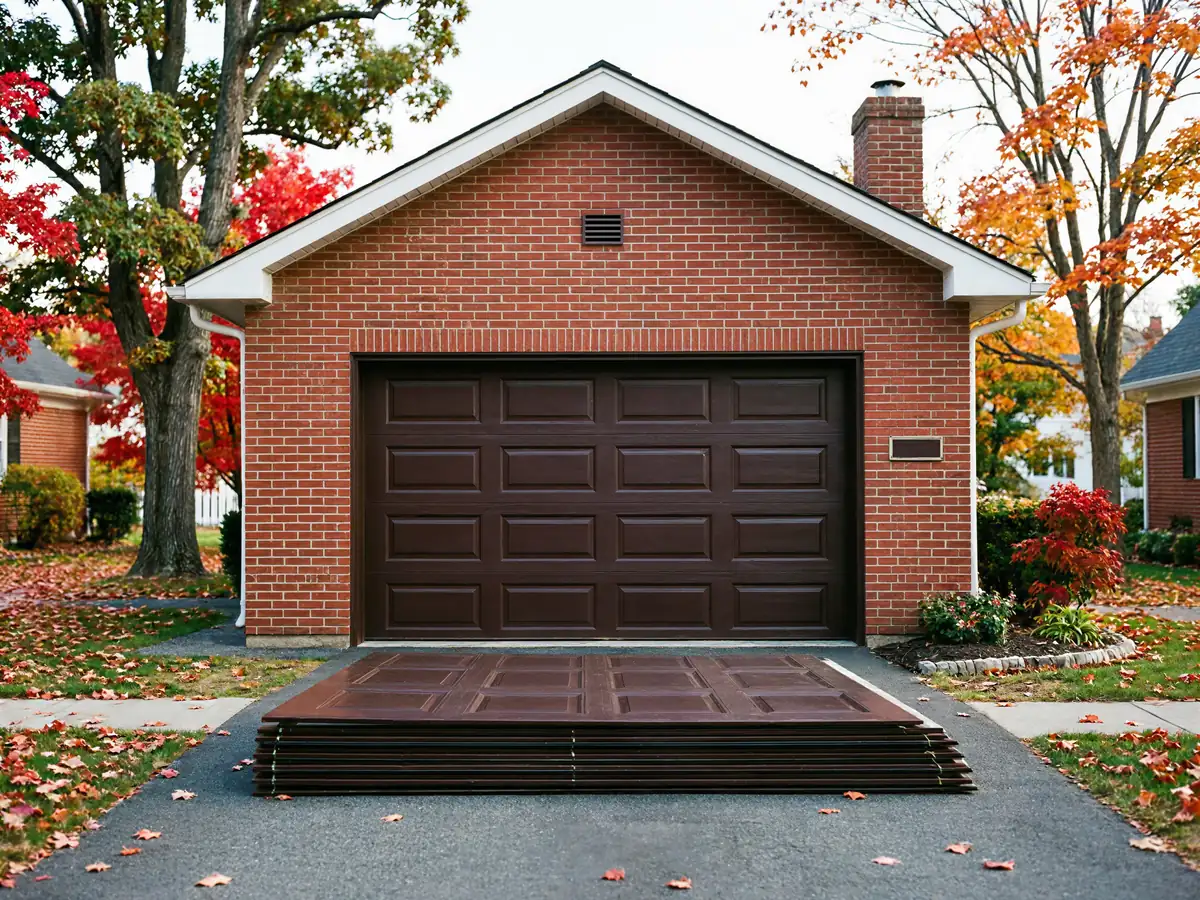
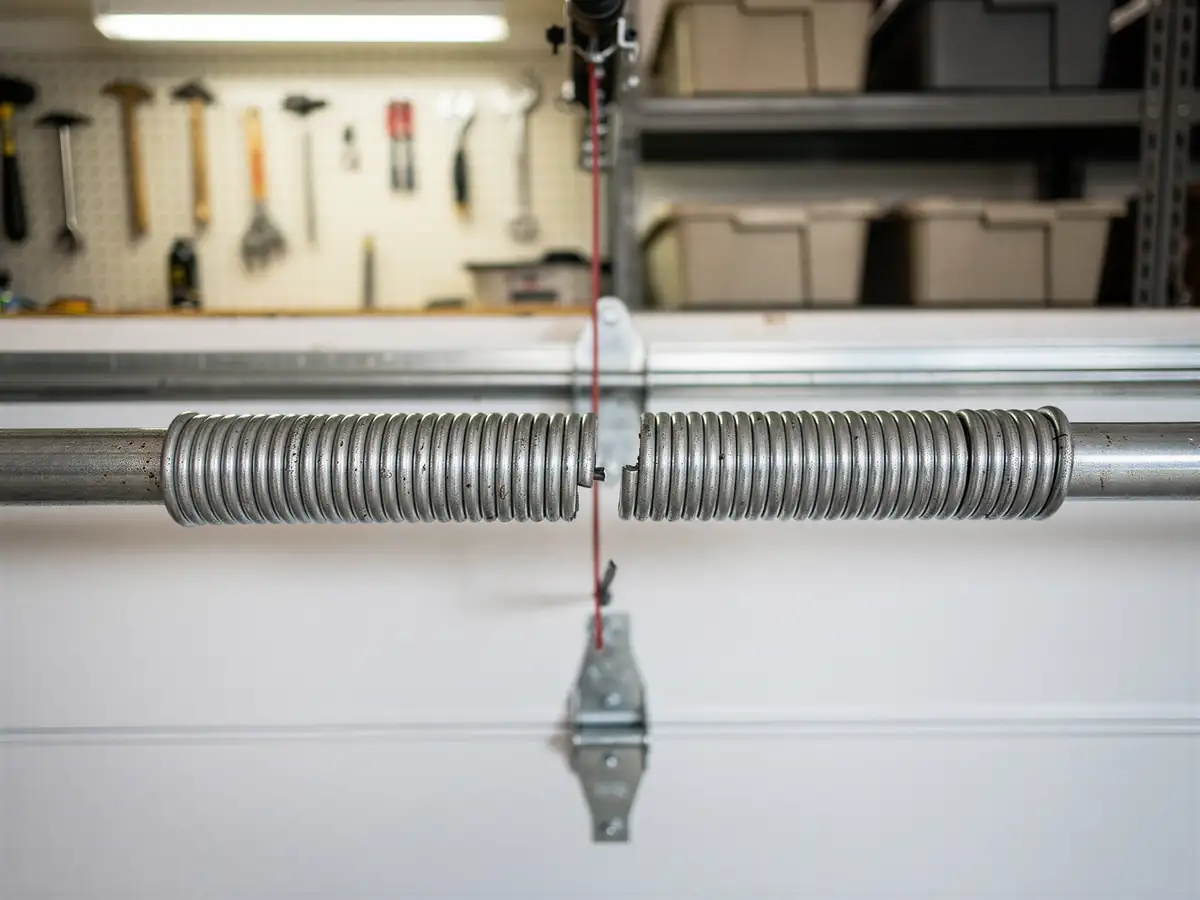
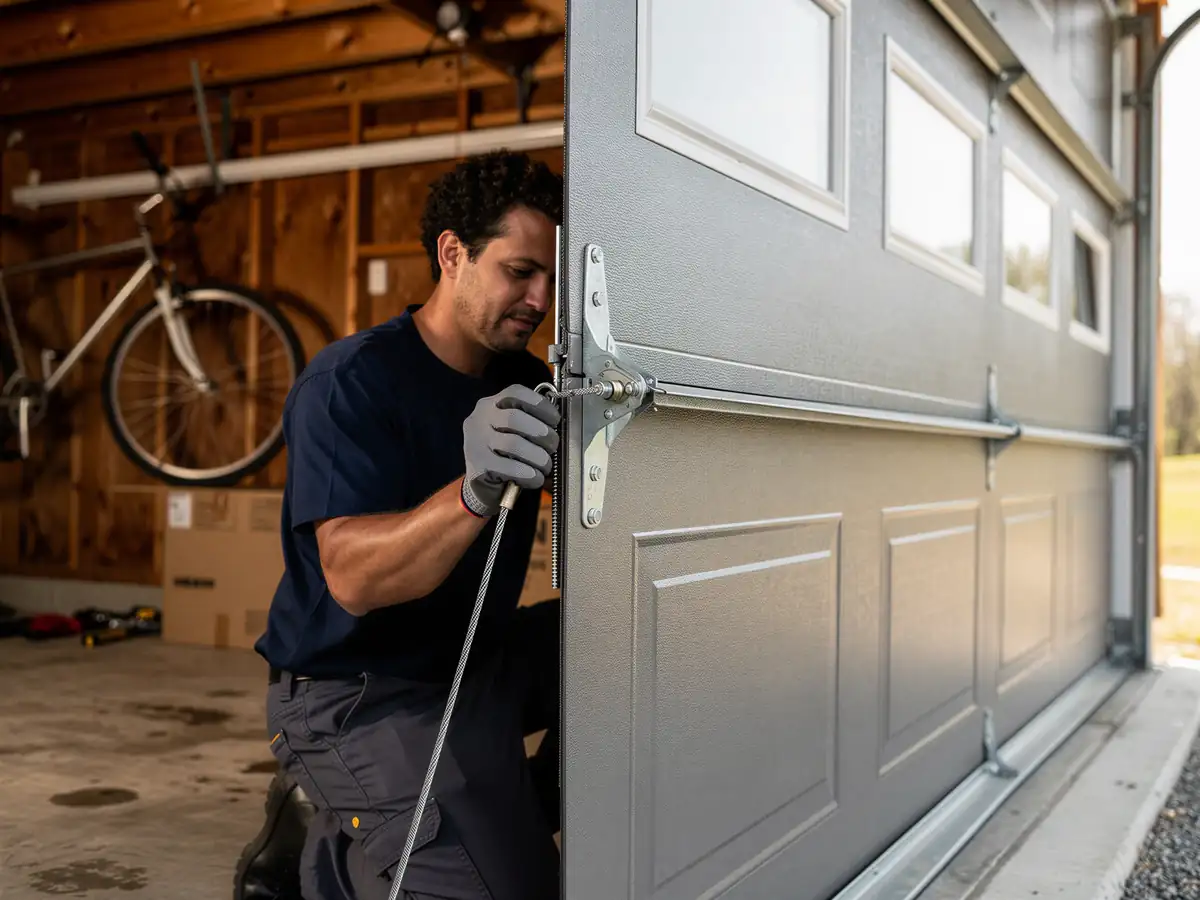
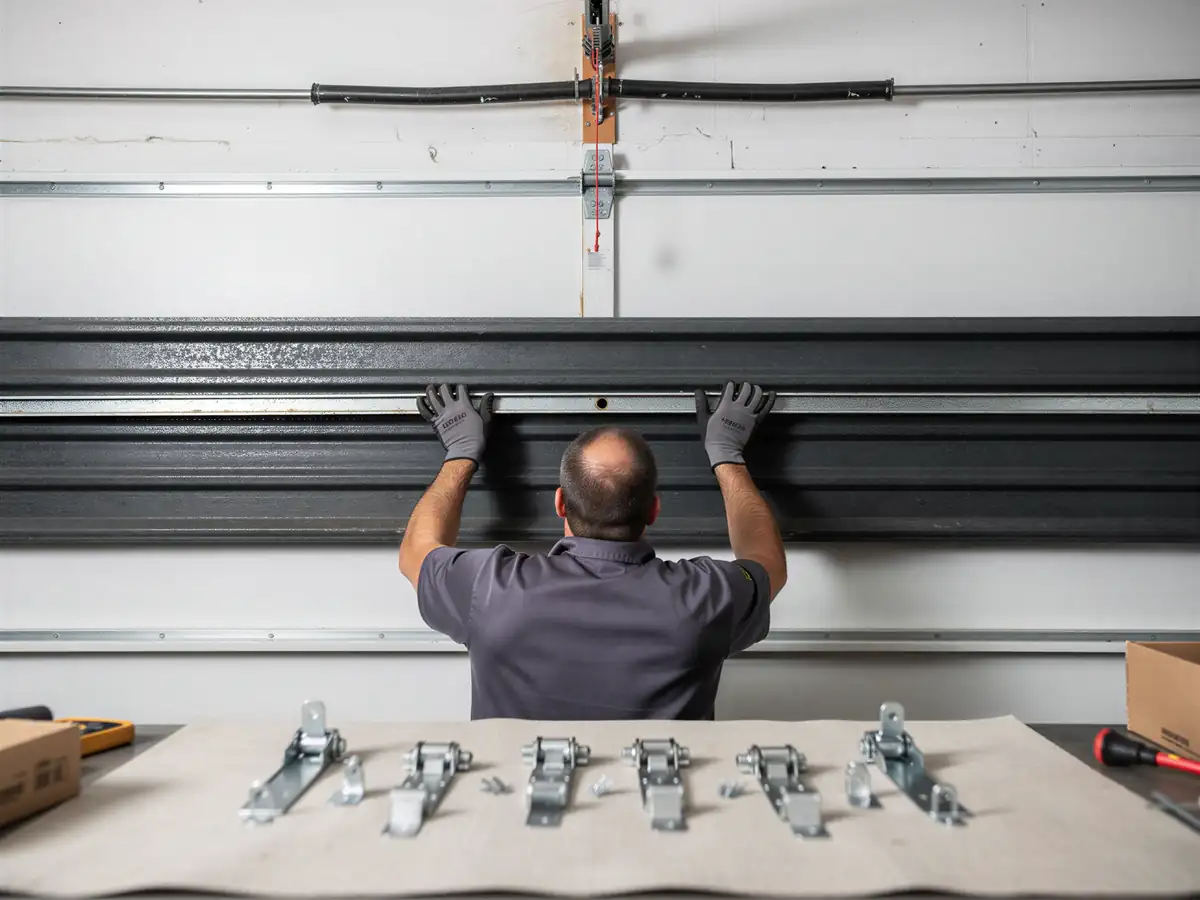
We drive the 7 miles out from Allentown to Northampton more often for spring and hardware failures than for anything else, and that's because of when this area was built. Median year built here runs to 1938, which is a good two decades older than the 1964 median across the wider service area. That gap matters. A door installed on a house from the late 1930s or 1940s was almost never retrofitted with modern safety cable or a current opener bracket unless a prior owner paid for it. So the most common call out here is a snapped torsion spring on original side-mounted hardware, followed by track realignment on doors that have been forced through decades of settling framing. We also get a fair number of calls on panel replacement where steel has rusted through at the bottom section, a problem that shows up earlier on older, thinner-gauge doors than on anything built after 1990. We don't stock every obsolete bracket on the truck, so if your door uses hardware from that era, expect us to confirm the part before we commit to a same-visit fix.
The Split Between Old and New
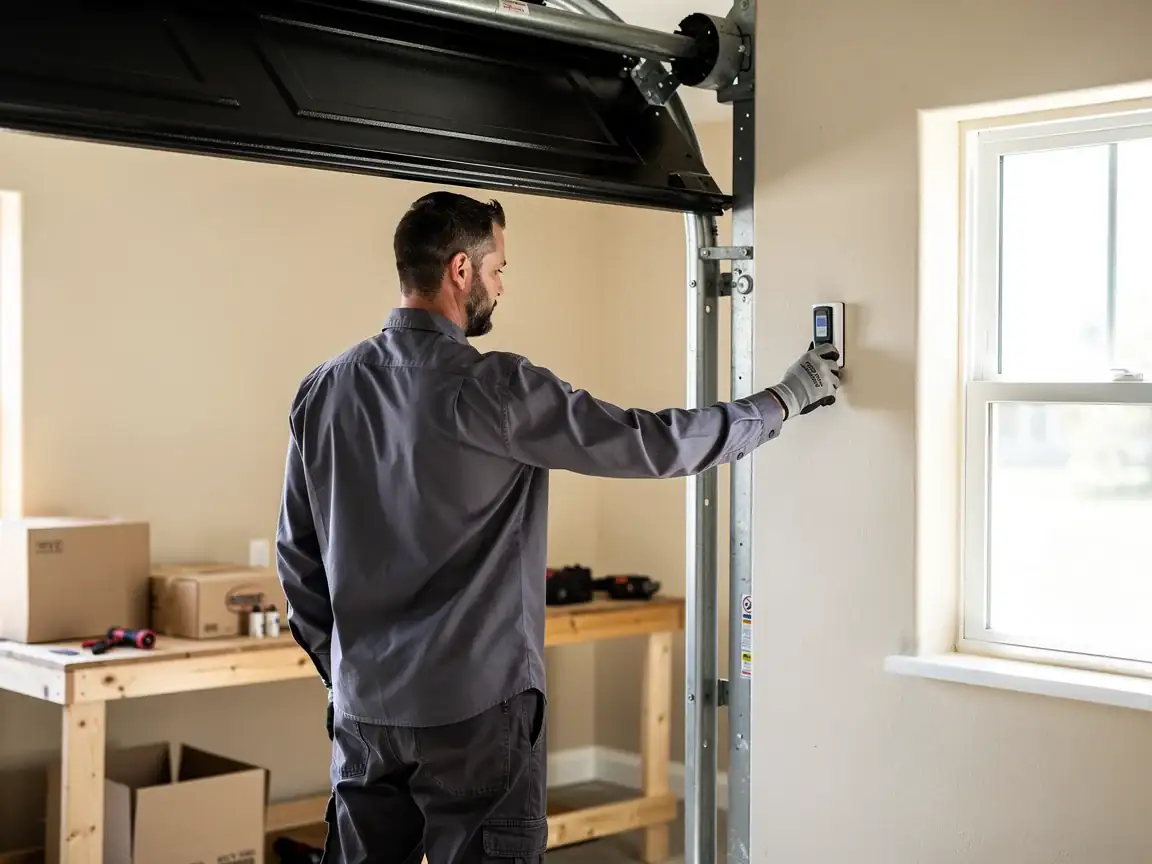
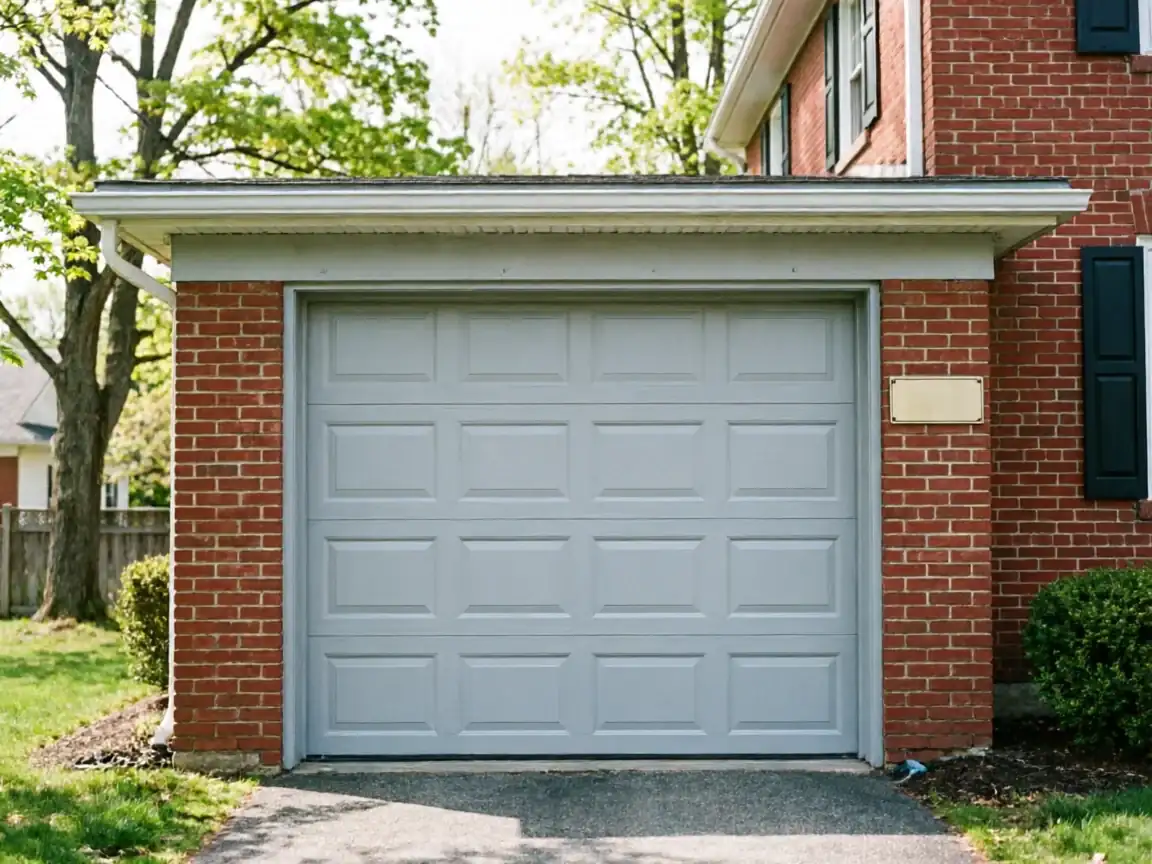
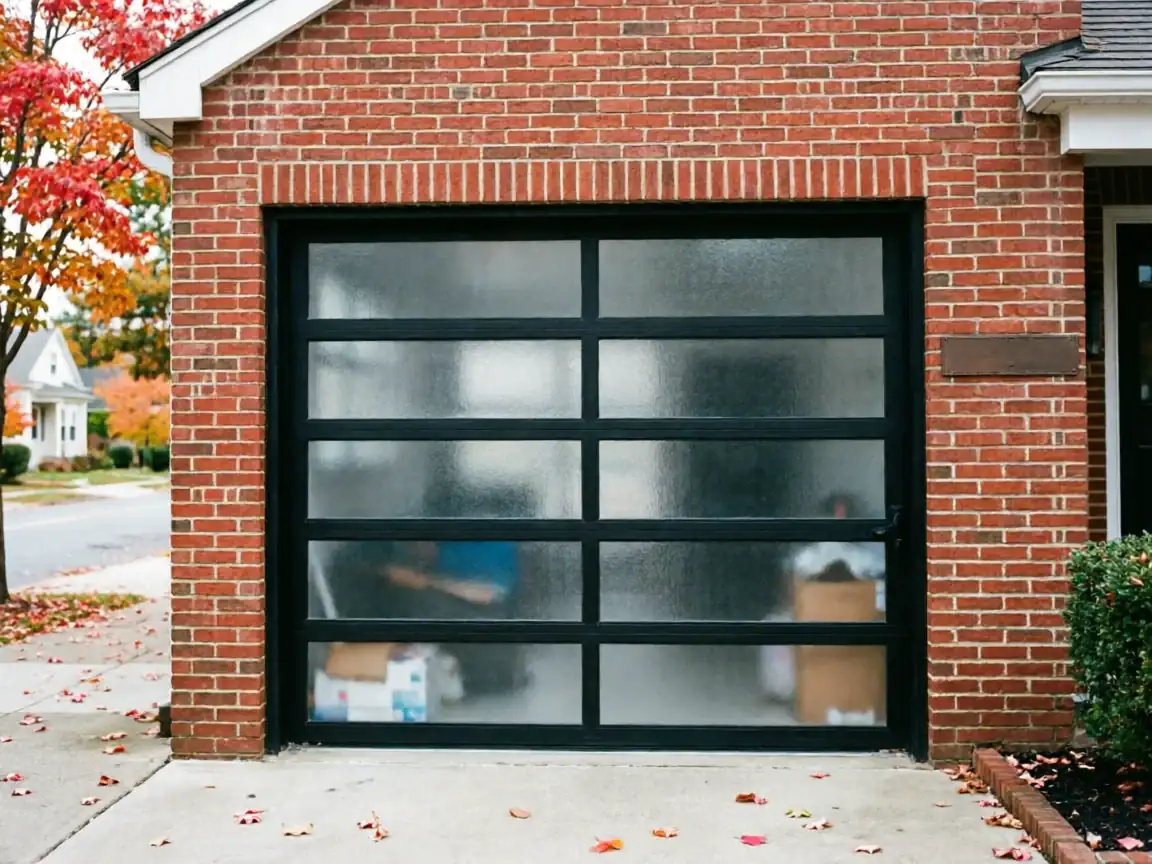
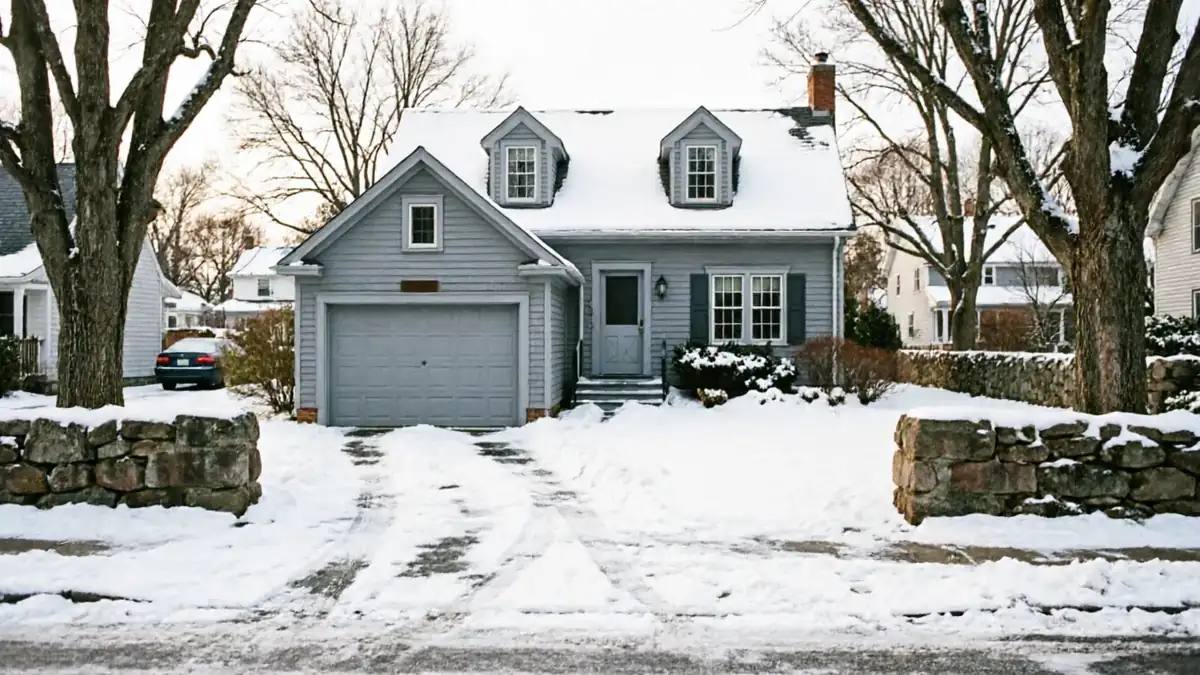
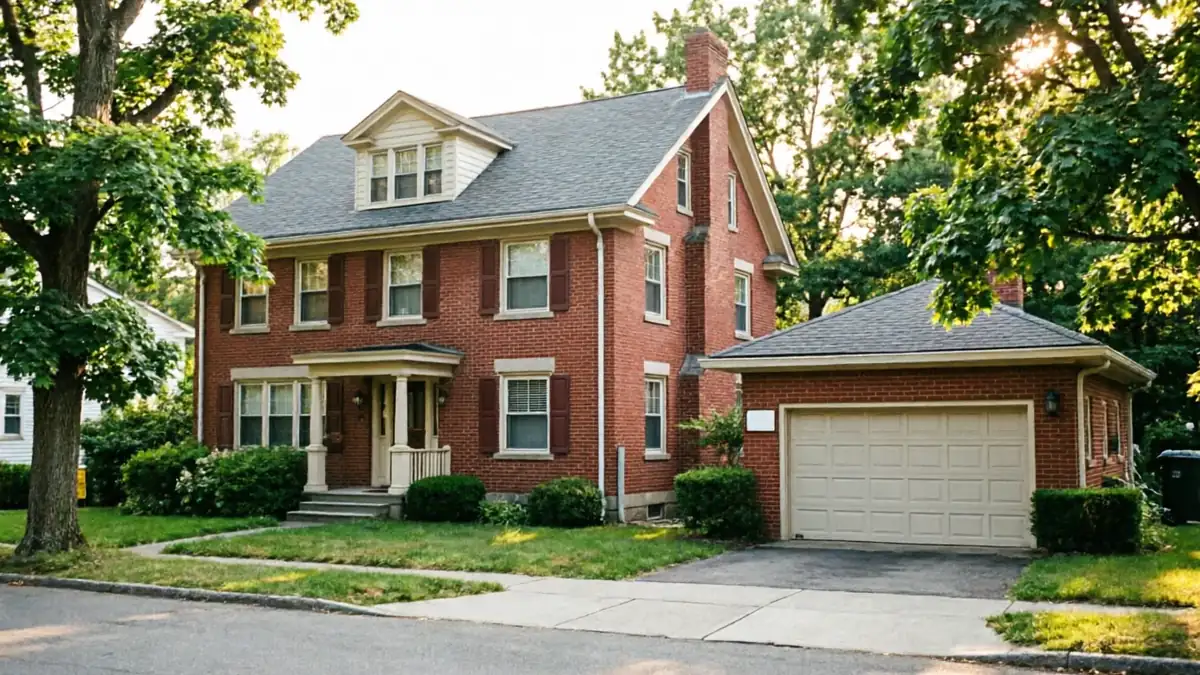
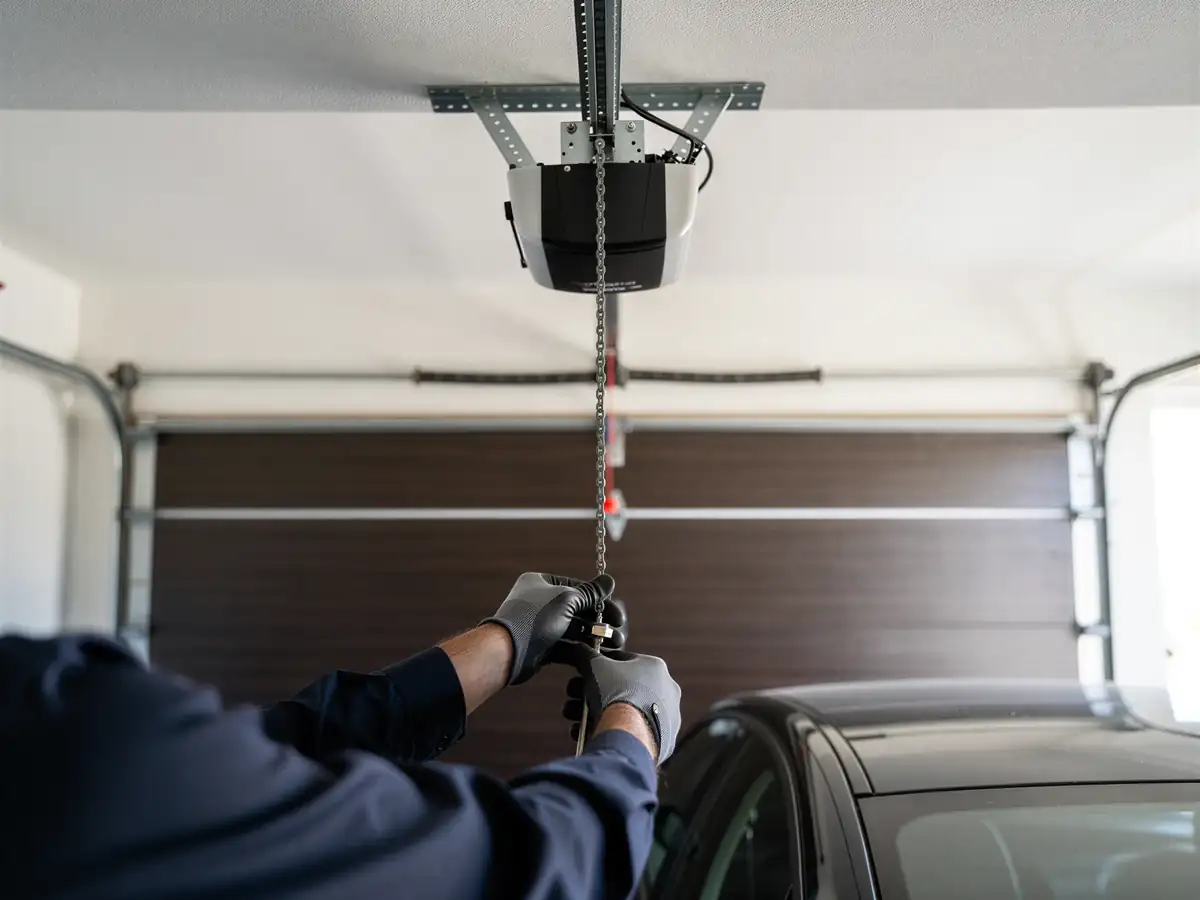
Across the broader area covered from Allentown, housing runs from 1938 up through 2005, with most of the 52 named communities sitting in that 1960s-70s band. Northampton sits well outside that average, anchored at the early end near 1938. That's not a small difference - a house built in 1938 predates almost every standard garage door track width and spring tension chart still printed by manufacturers today. Newer construction nearby uses deeper-set jambs and taller headroom, built for double-track extension springs or modern torsion systems with safety cables as factory standard. Older Northampton housing was often built for a single-car garage with a narrower opening, later widened or converted, which creates mismatched hardware: a newer door panel hung on an old frame, or an old spring rated for a different weight class than the door it's lifting. When we come out here we're checking the match between what's on the door and what the opening was actually built for, not assuming factory specs line up.
What the Housing Means for Your Door
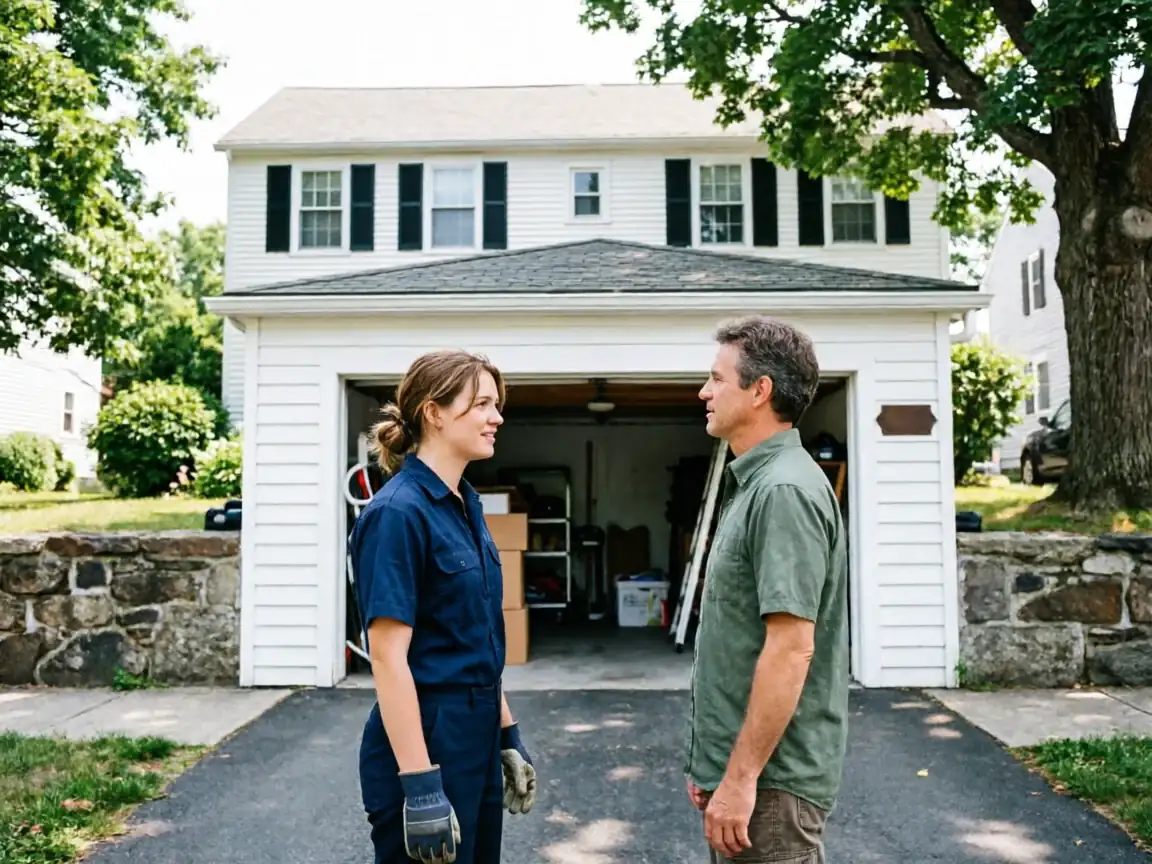
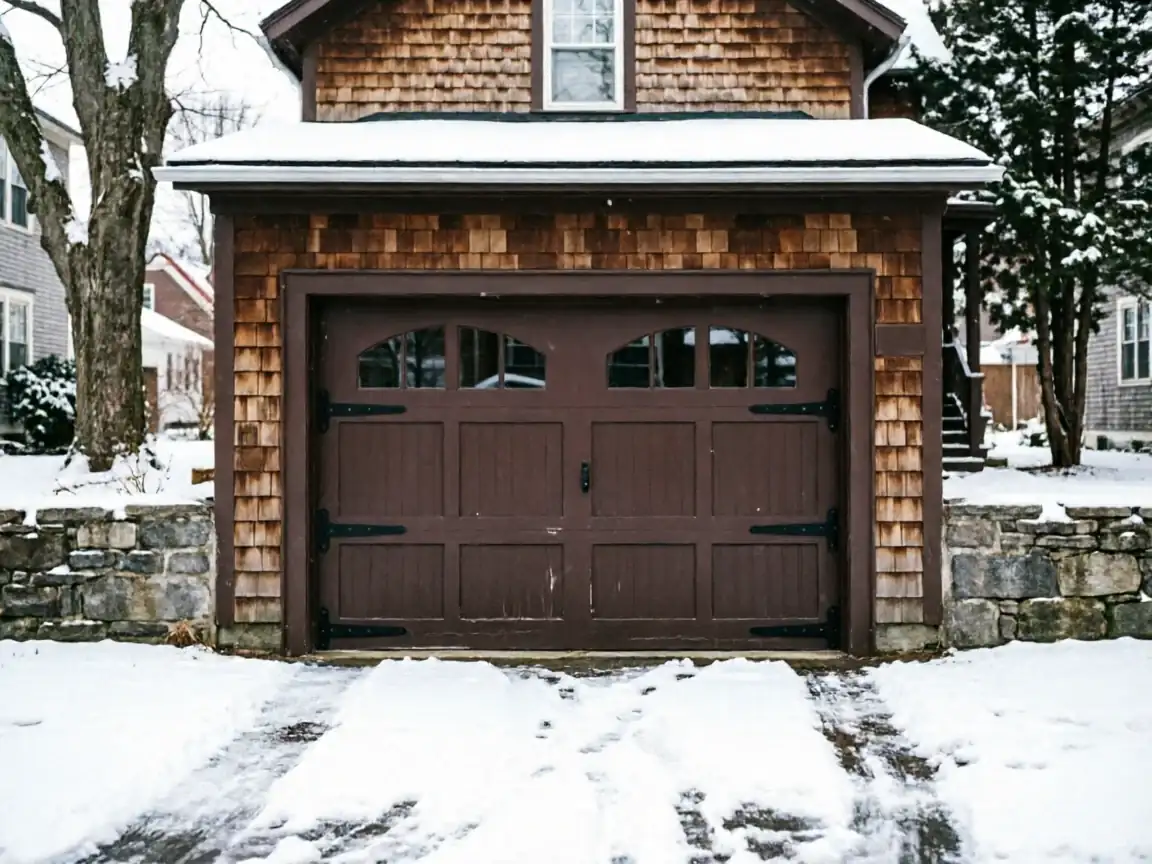
If your house in Northampton was built anywhere near that 1938 median, your door is likely running on older torsion or extension hardware that wasn't engineered with today's safety cable standard, and parts for it aren't something we keep stocked for every job. We'll tell you straight if a bracket or drum needs to be special-ordered rather than pulled off the truck - that's the honest limitation here, and it can mean a second trip instead of one. Cold-and-severe winters add to the wear on that older steel, since metal that's already fatigued from decades of temperature swings cracks and snaps faster than newer galvanized stock. For some of these doors, especially ones that have been patched more than once, replacement ends up cheaper over five years than repeated spring and track repair. We'll give you that option honestly rather than pushing a fix we don't think will hold. If you're not sure which category your door falls into, that's a quick thing to check on-site before any work starts.