The Cost of This Job
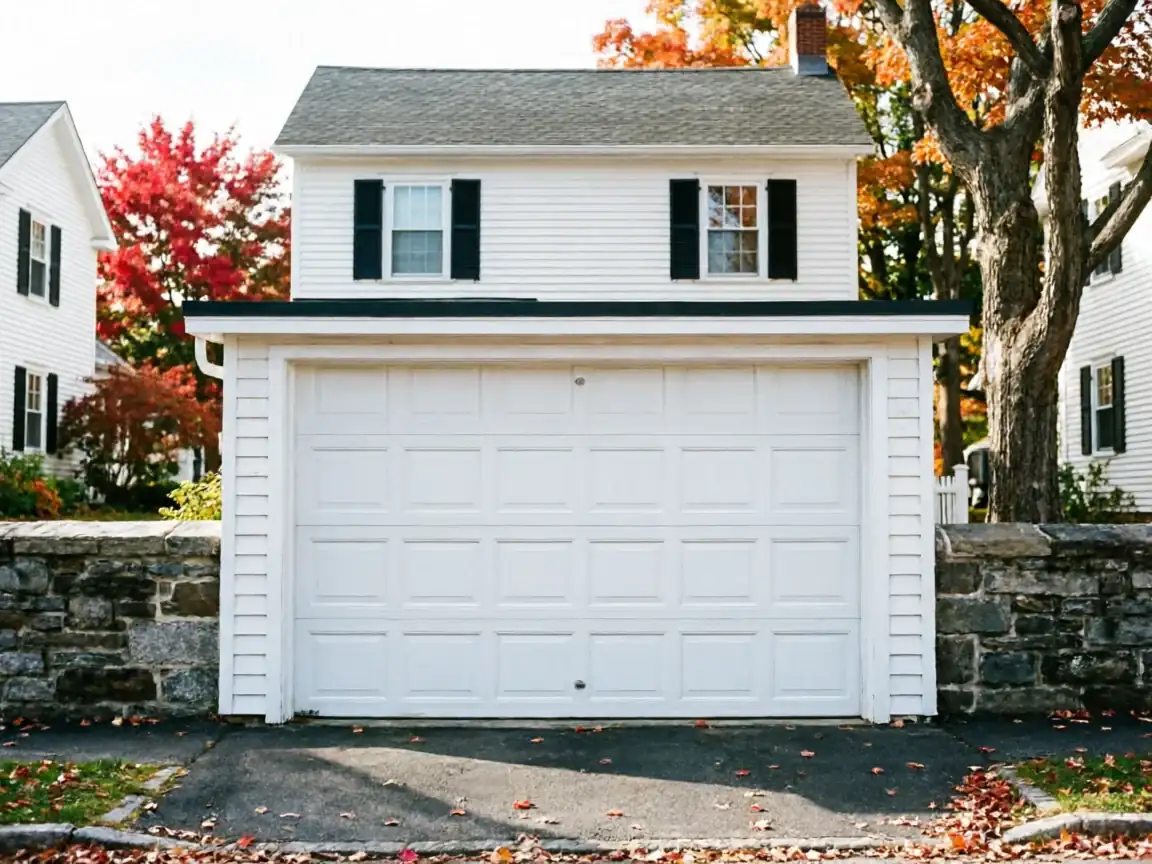
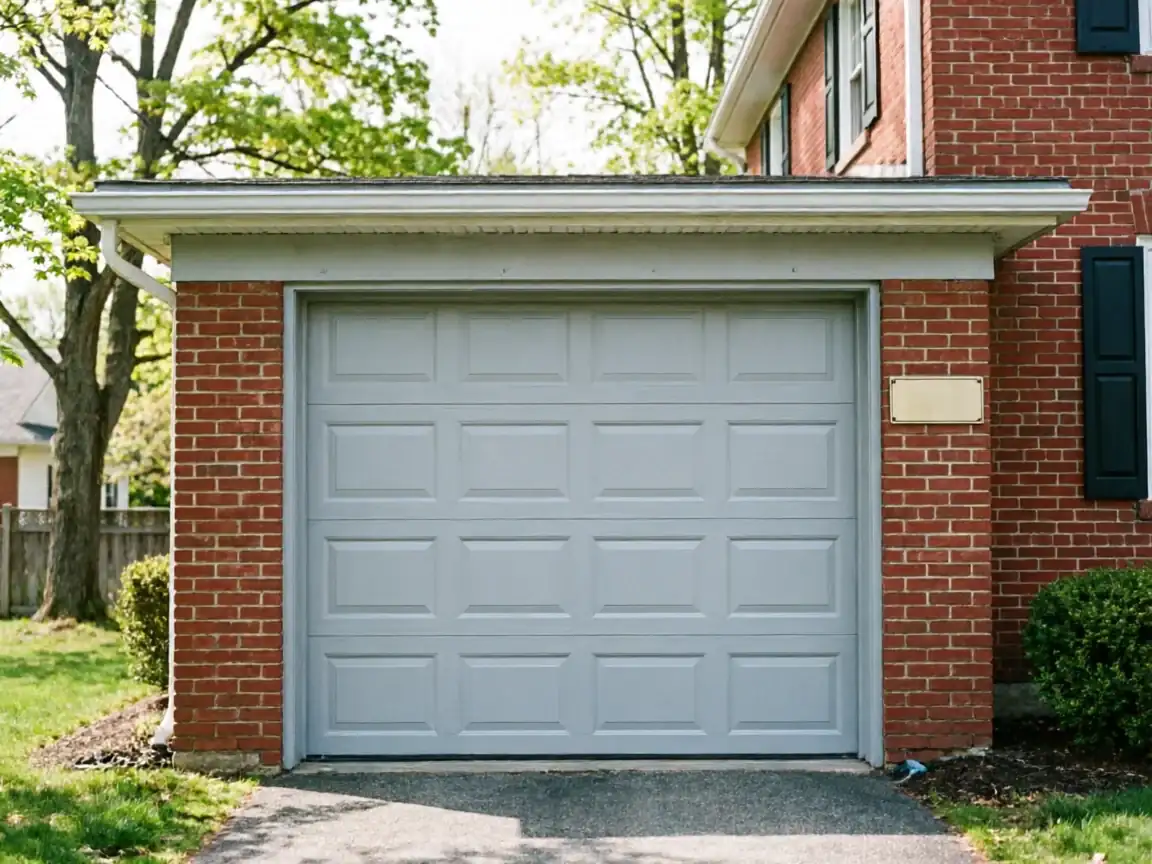
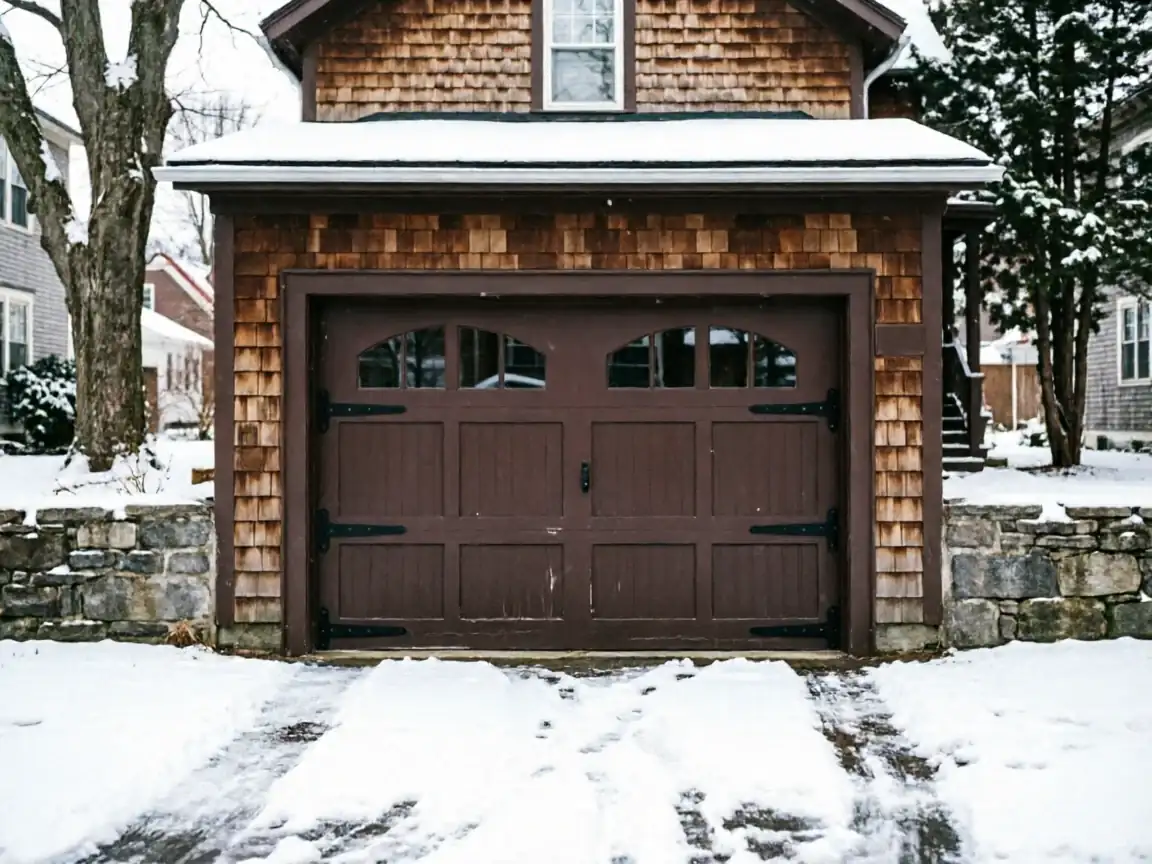
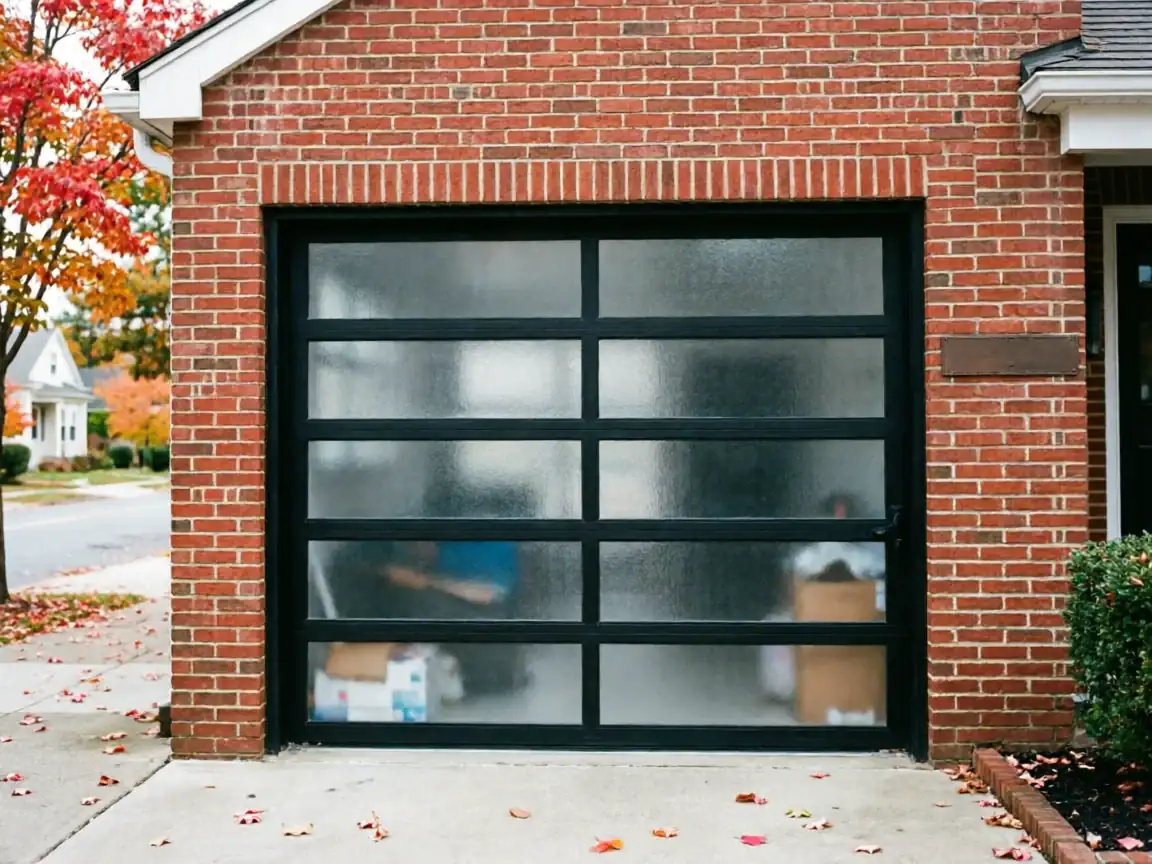
Northampton is a small town by household count, about 4,316 of them, which means the work here runs narrower than in the bigger suburbs we cover. You don't get the mix of brand-new builder-grade doors next to century homes. You get one dominant era: houses that went up around 1938, decades before the rest of our 52-area service territory, which averages closer to 1964. That matters for pricing because older openings often run narrower or shorter than today's standard sizes, so a straight off-the-shelf replacement door doesn't always fit without framing work. Median household income here is $82,719, close to the area-wide $82,797, so there's no unusual budget pressure either way - most jobs we quote in Northampton land in line with what we quote anywhere else we drive to. What changes the number is the door itself: a 1938-era single track and old-style hardware costs more to match than a 2005-era double door with standard torsion springs. We can't give you a number without seeing the opening, but expect the age of the house, not the town's income, to be the thing that moves the estimate.
Can You Do This Yourself
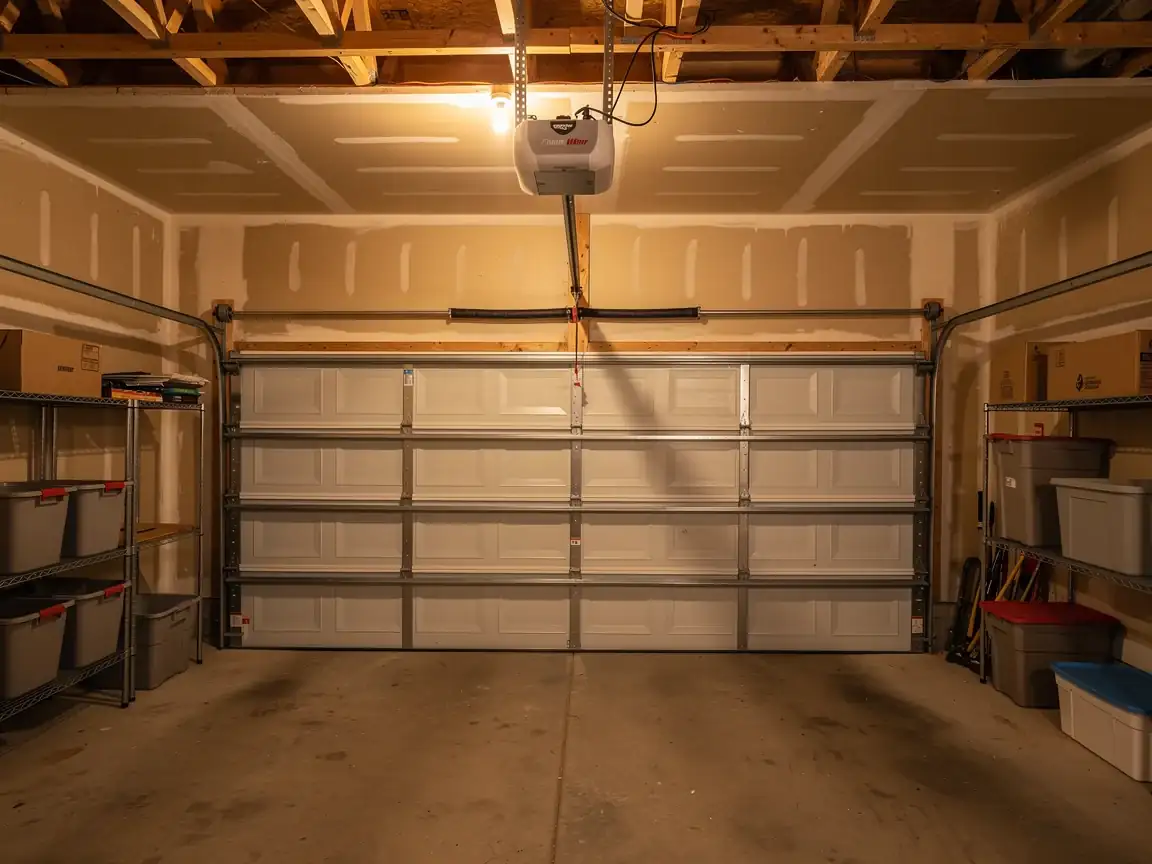
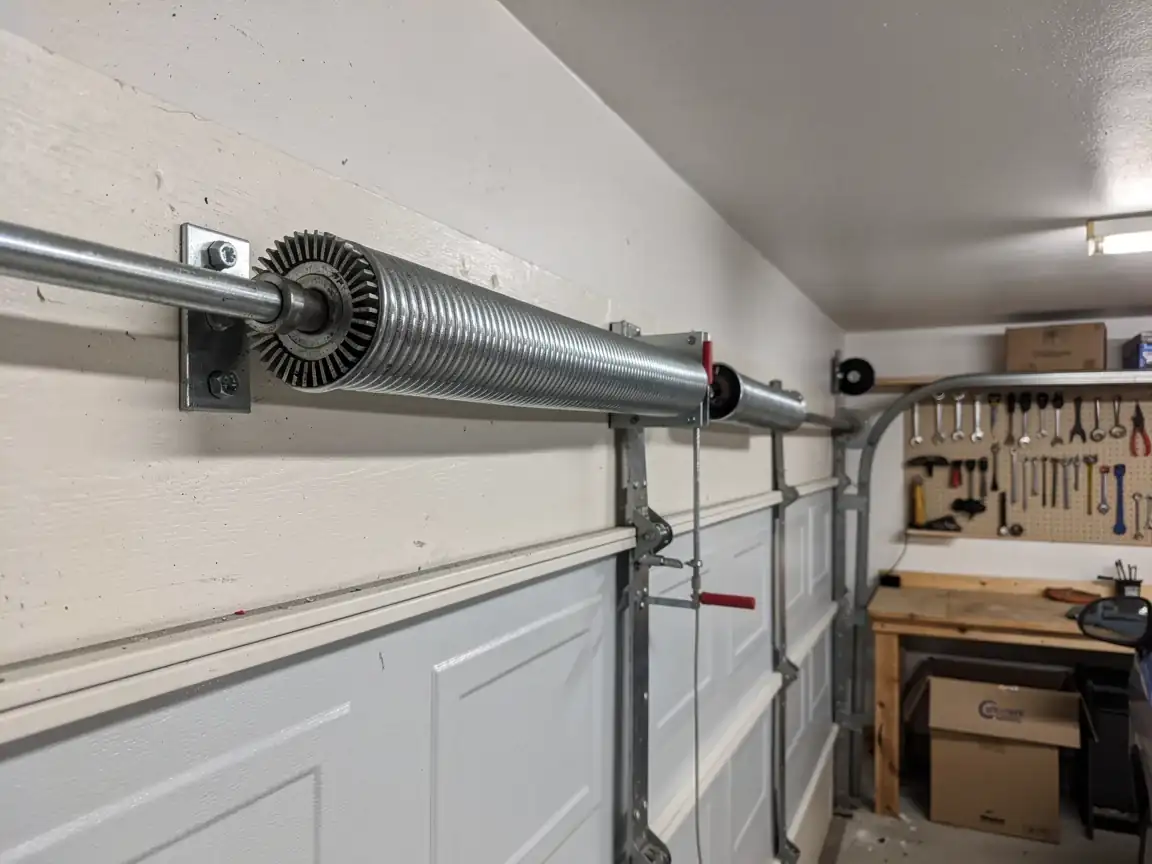
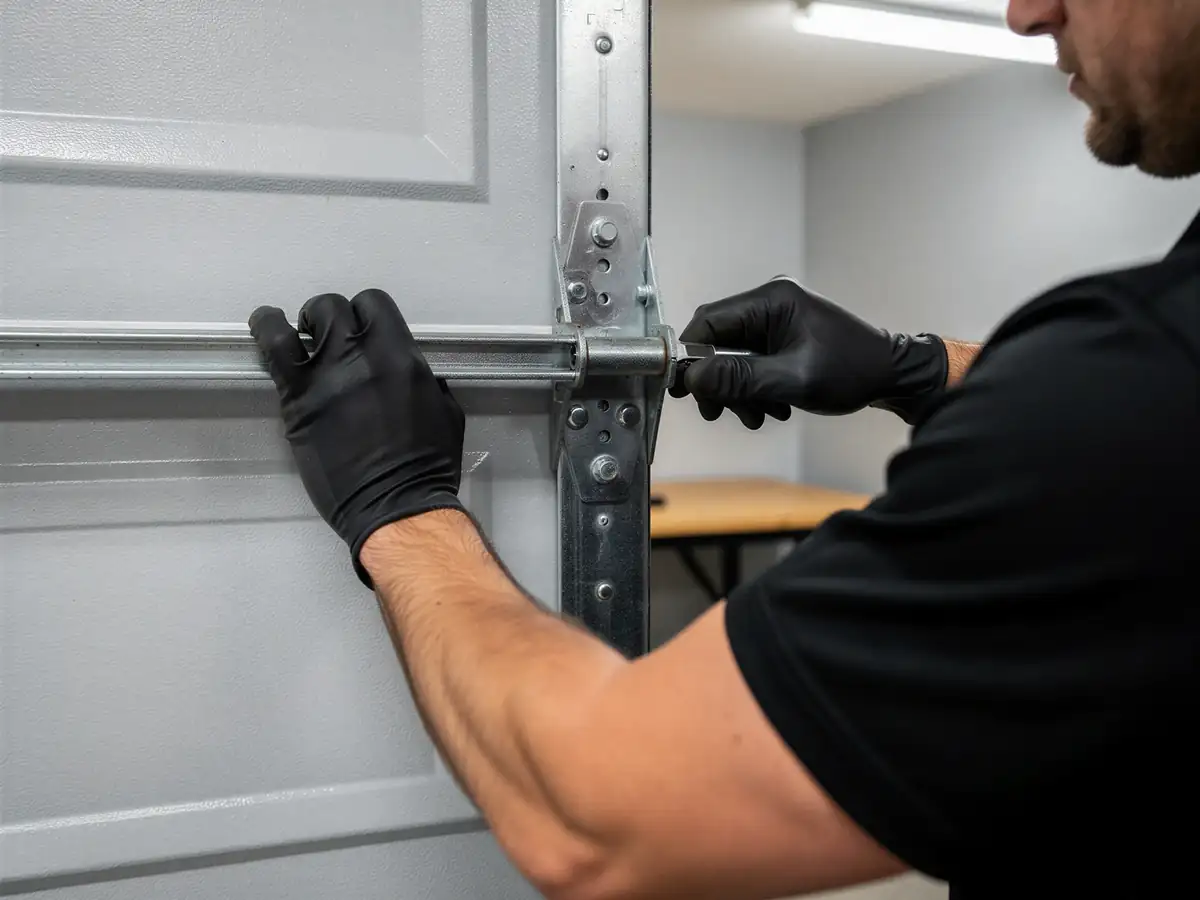
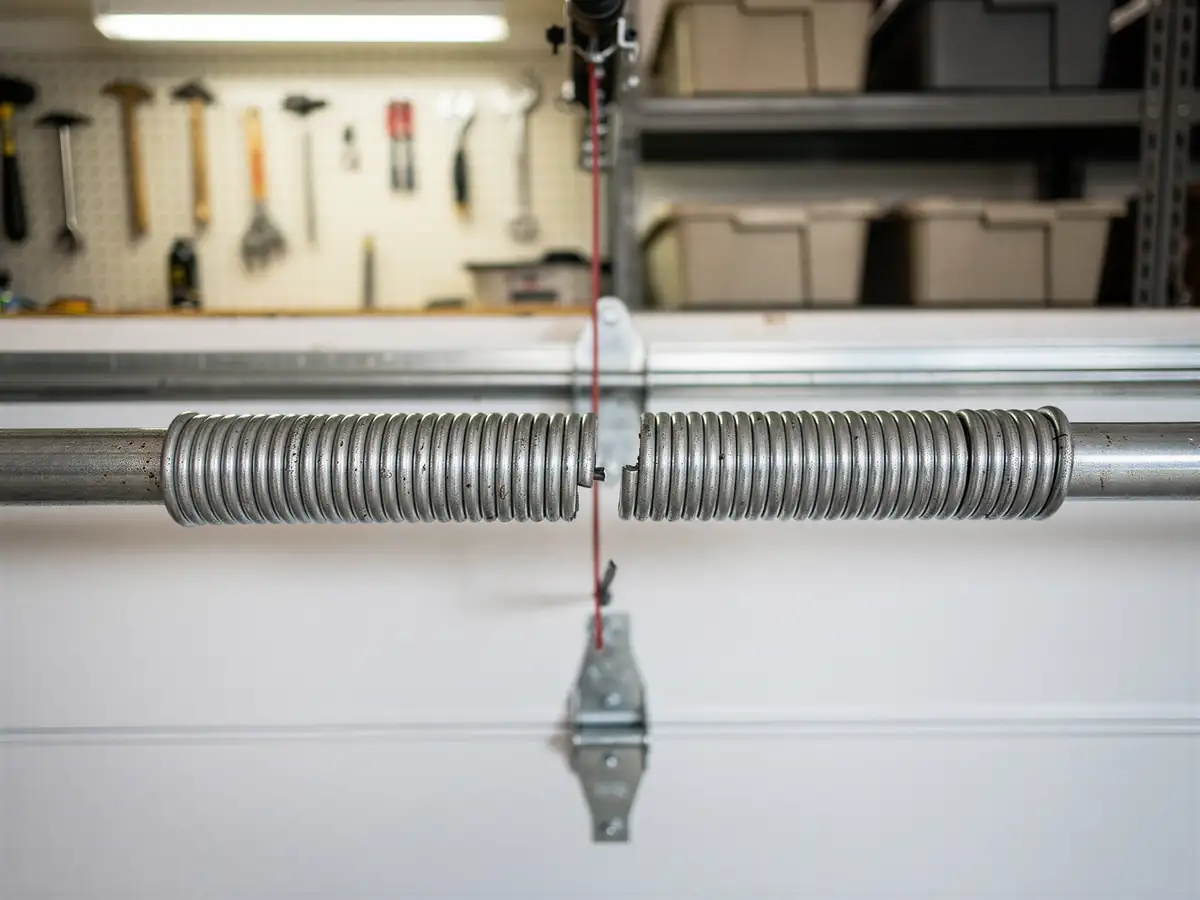
A torsion spring under tension can break a hand or worse, and that risk doesn't change because your house is older or newer. What does change in a town like Northampton is what you're working with once the cover comes off. Houses from 1938 often still carry replacement hardware installed decades after the house itself, which means you might find a newer opener bolted to an original wood jamb, or a spring sized for a door that's since been swapped. That mismatch isn't something you can judge from a video. If you're comfortable with a roller, a hinge bolt, or lubricating a track, do it. Spring adjustment, cable replacement, and anything involving the opener's travel limits on an older frame is where we'd tell you to call instead of climb a ladder.
What the Fix Involves
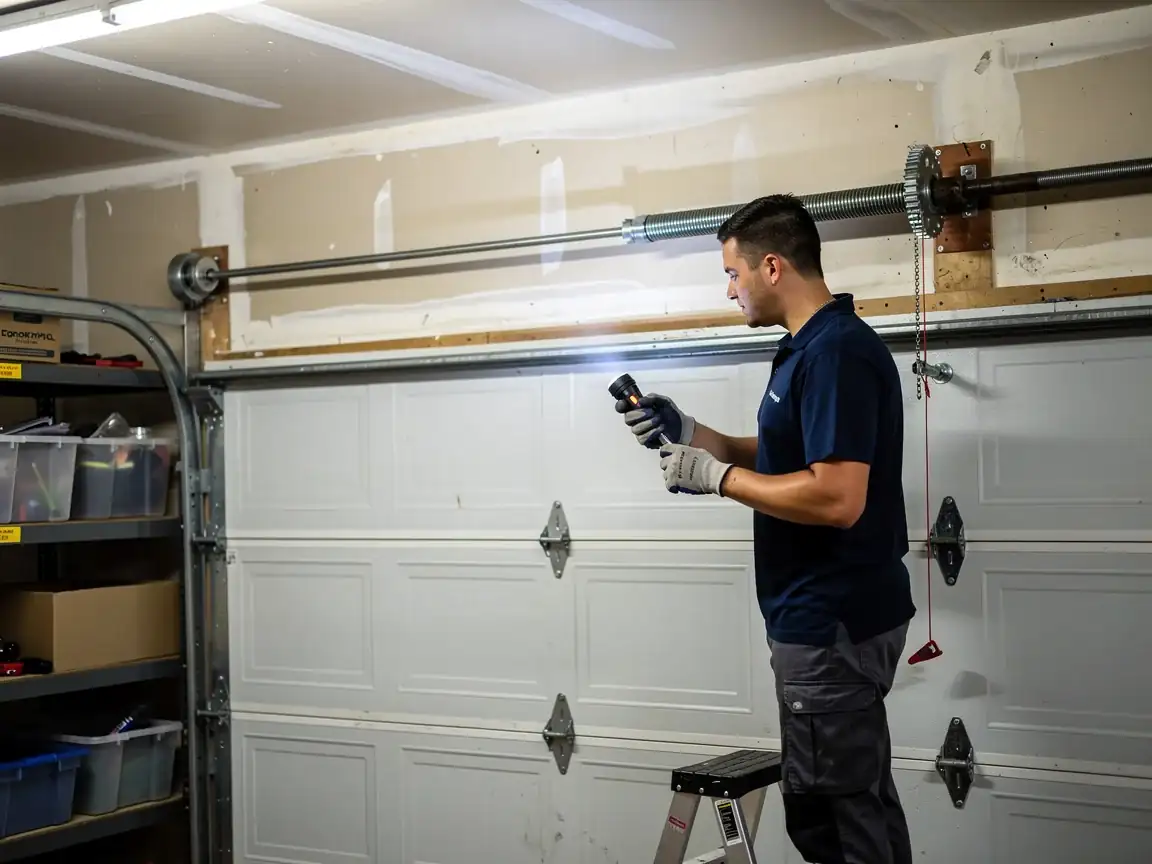
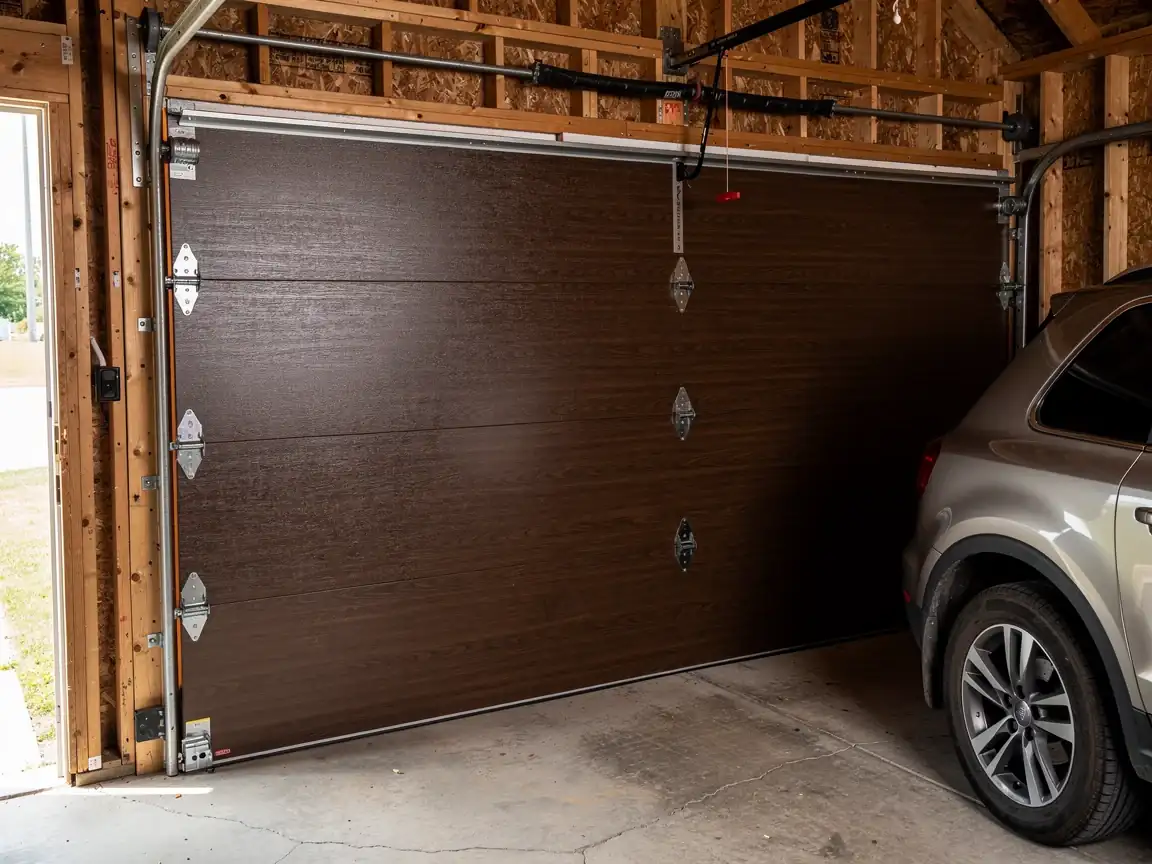
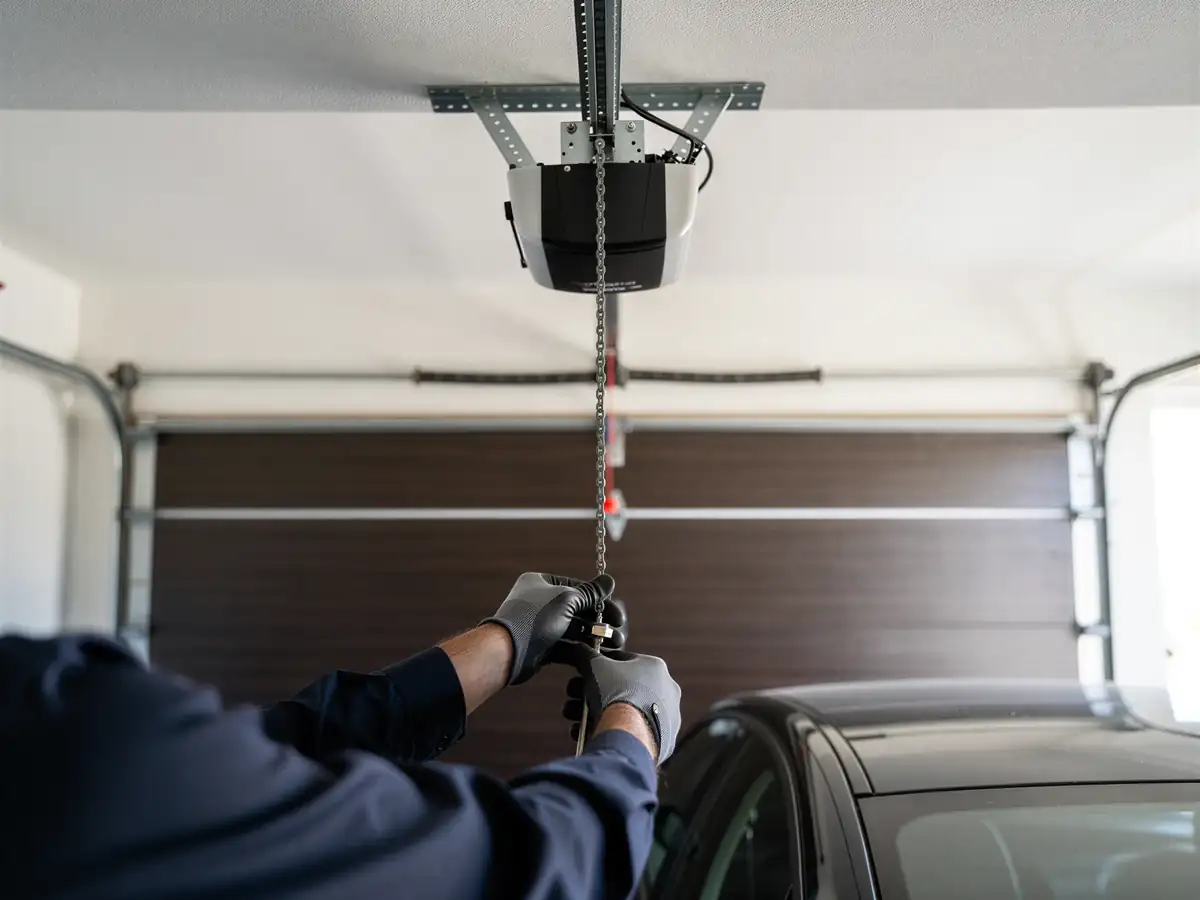
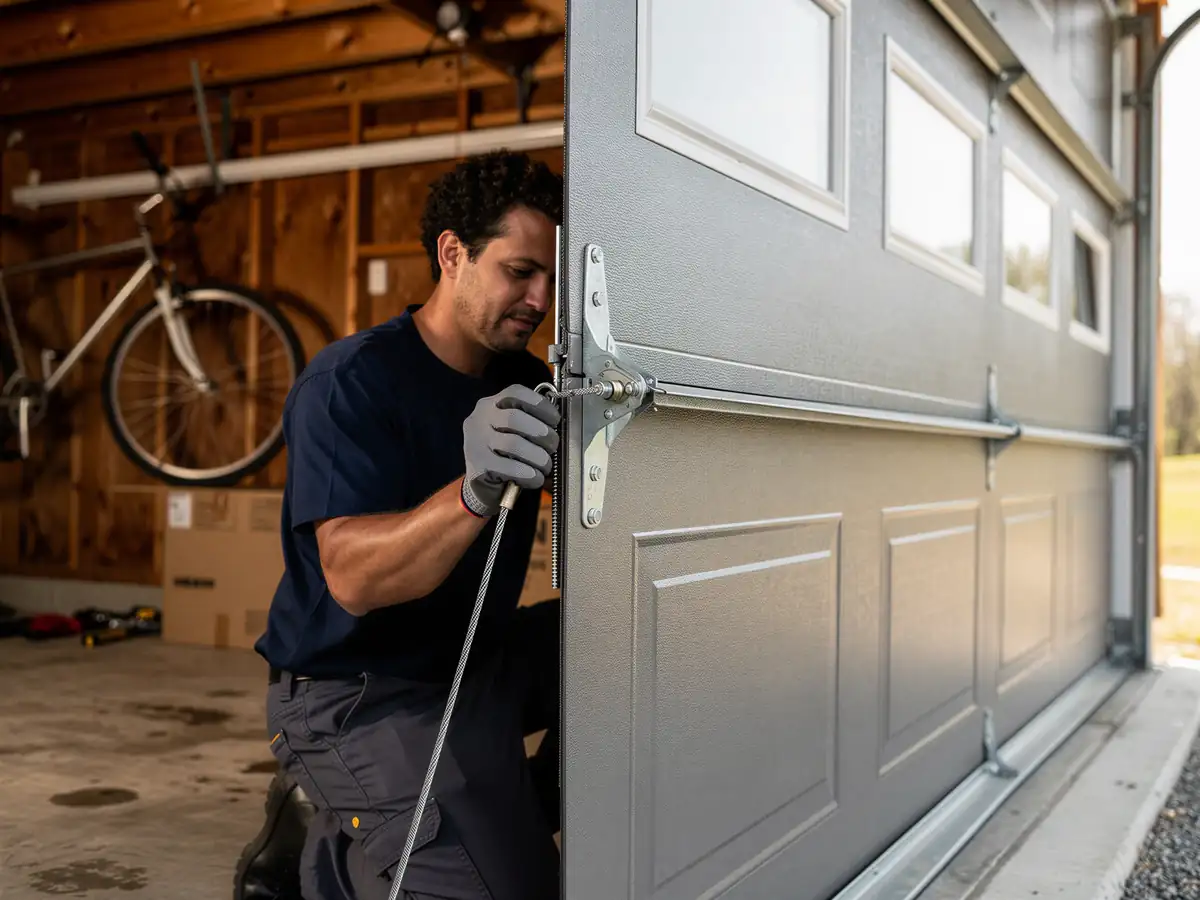
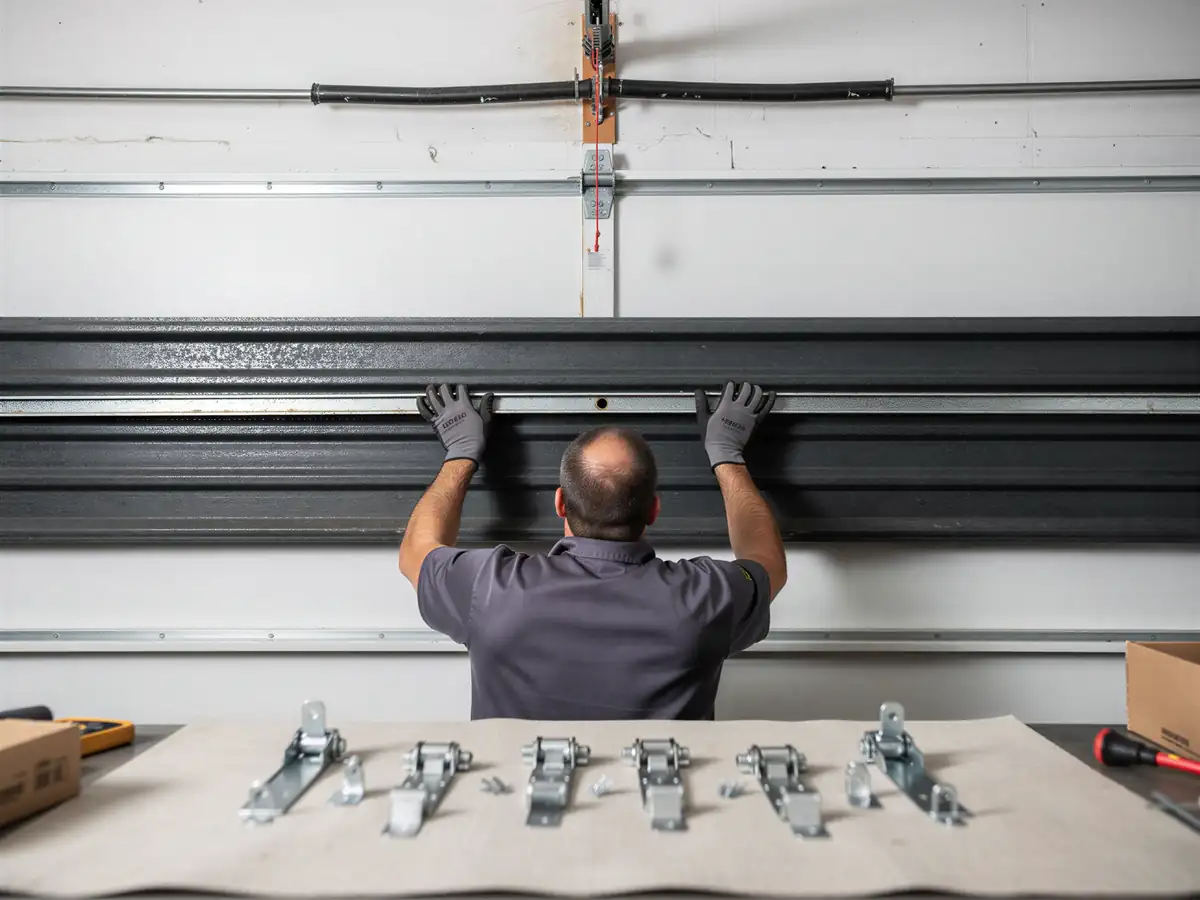
On a house built around 1938, the two most common calls are spring failure on original or long-replaced torsion hardware, and track misalignment where decades of settling have pulled the jamb slightly out of square. Both are mechanical fixes, not cosmetic ones - we're not repainting a panel, we're putting the door back on a true track with hardware rated for its actual weight. Given the cold-climate severity of this part of Pennsylvania, insulation and weatherstripping come up more here than they would in a milder region: older doors from this era rarely shipped with any insulation at all, and that's usually visible the first cold morning the opener strains to lift a door that's picked up ice weight on the bottom seal. We check the seal, the hinges, and the spring sizing together rather than one at a time, because on a house this age they tend to fail as a set, not individually.
Where This Job Goes Sideways
The honest limitation first: if your door's hardware is old enough that the track width or spring mount doesn't match anything we stock on the truck, that part has to be ordered, and we won't pretend otherwise. This comes up more in Northampton than in newer-stock towns simply because the houses are older. The other place things go sideways is winter. Severe cold in this region means metal track contracts, grease stiffens, and a door that worked fine in October can bind or stall in January - and on a house built in 1938, the track itself has had eighty-some years to warp slightly, so cold-weather binding shows up faster here than on a newer frame. We'd rather tell you that up front than have you wait on a truck that's carrying the wrong spring.