What to Look At First
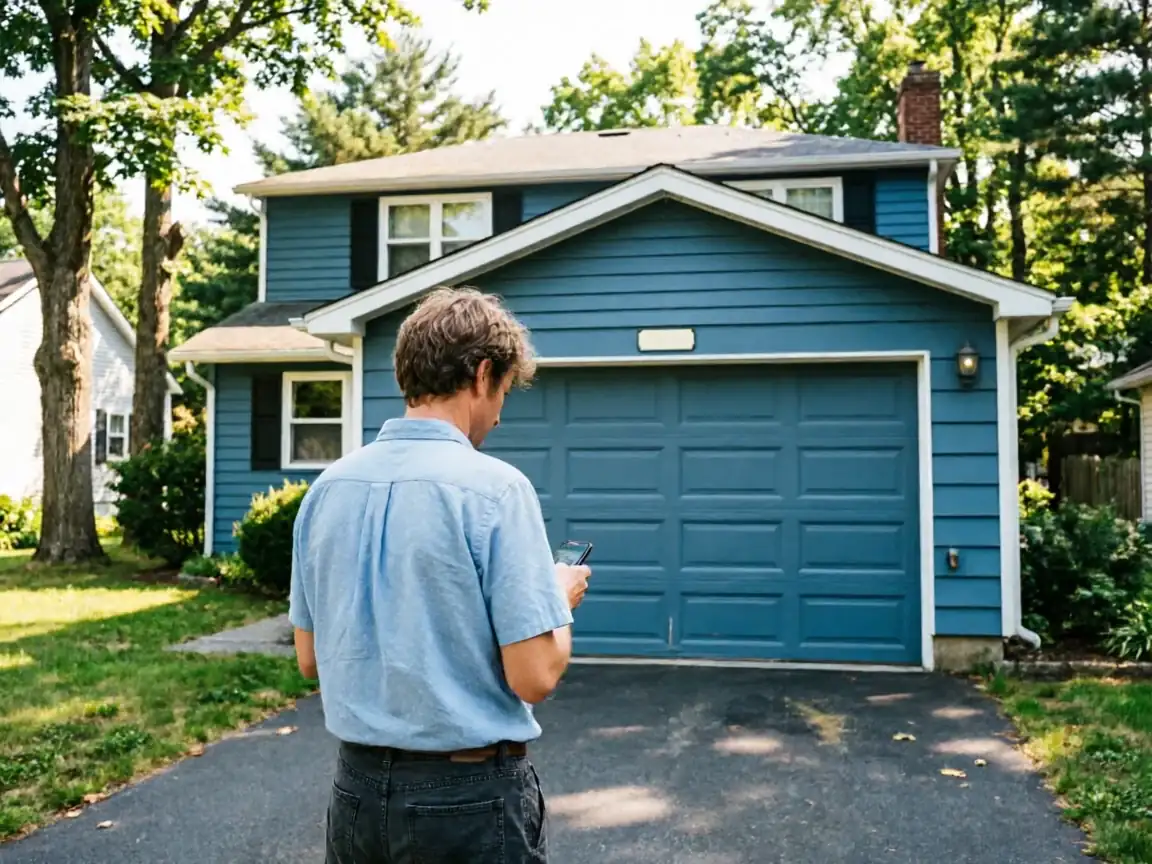
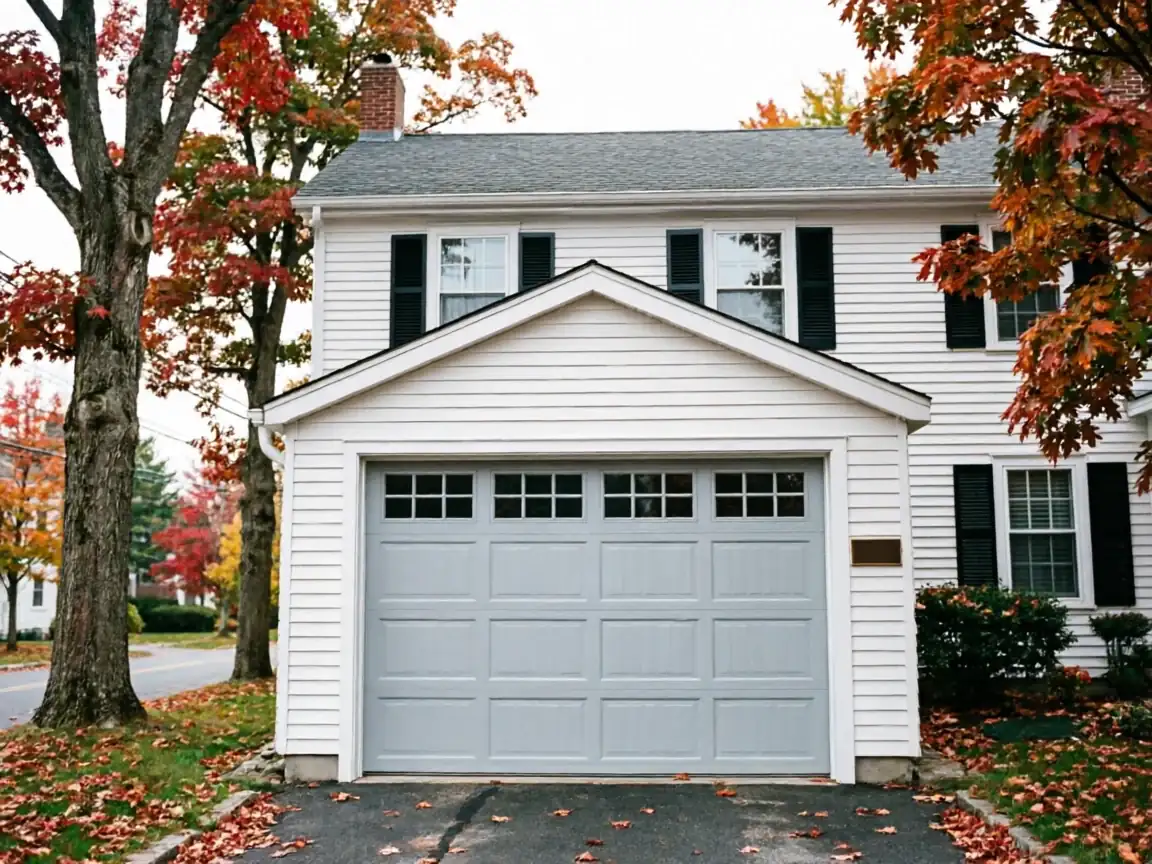
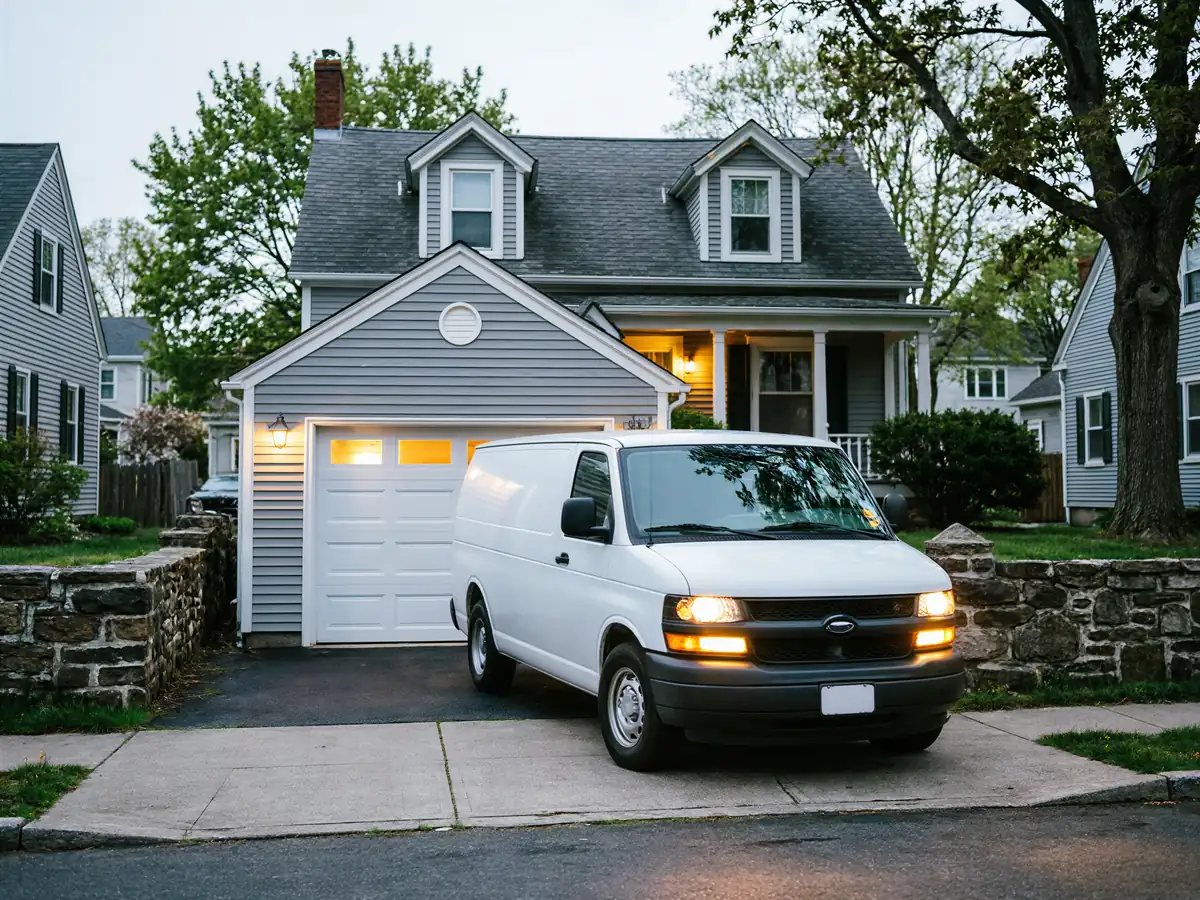
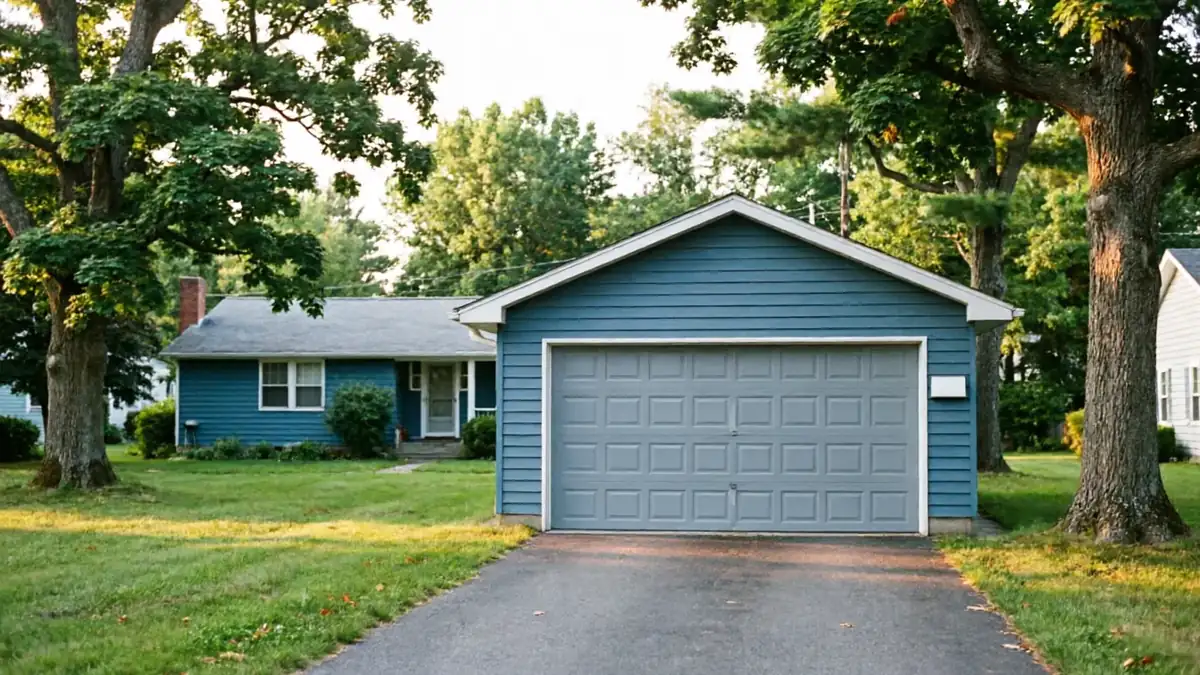
Walk out and look at how your garage connects to the house. In the older pockets of Allentown, where homes date back toward 1938, you'll often find a detached garage set back from the house, sometimes down the driveway, built as a separate structure with its own stud wall and roofline. Newer construction, filling in through the 1960s and 70s and running up to 2005 in some of the 52 named areas around the city, tends to put the garage under the same roof as the living space, usually with a bedroom or bonus room sitting right above or beside it.
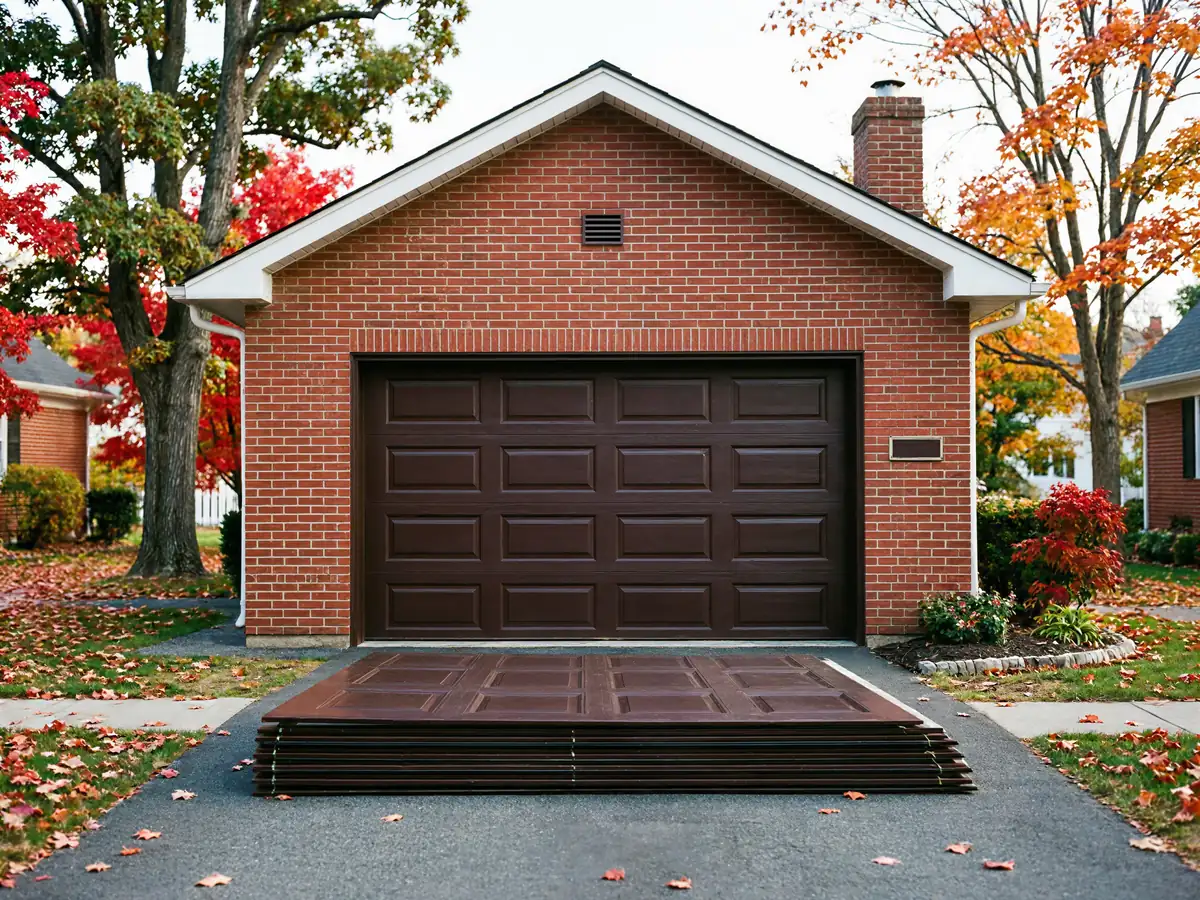
That difference changes what you're checking. On a detached garage, look at the header above the door opening and the condition of the jambs - these structures weren't always built to the same standard as the house, and 60-plus years of settling shows up as a door that doesn't sit square anymore. On an attached garage, check the wall and ceiling that back onto living space. If that door seal is gone, you're not just losing heat from the garage, you're losing it from the room next to it.
Either way, start with the weatherstripping at the bottom and sides. It's the cheapest part on the door and the first thing that fails.
When to Call Someone
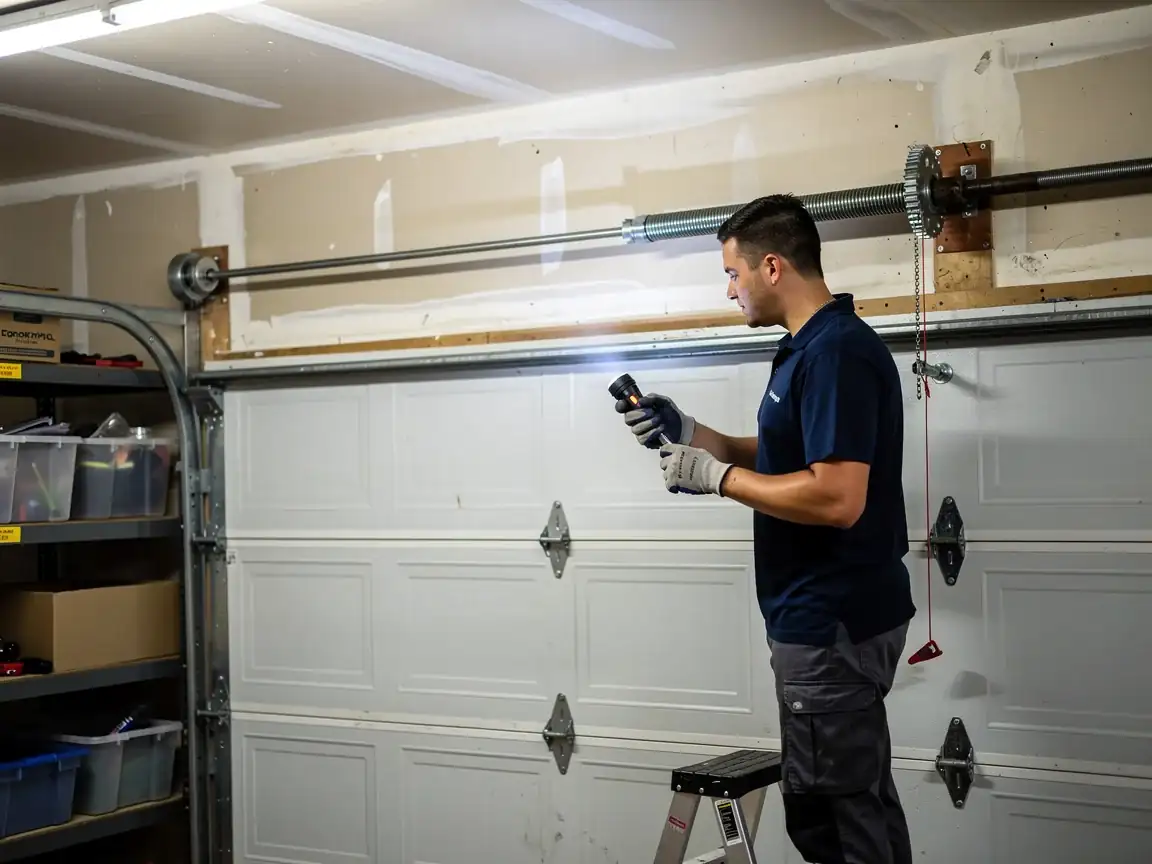
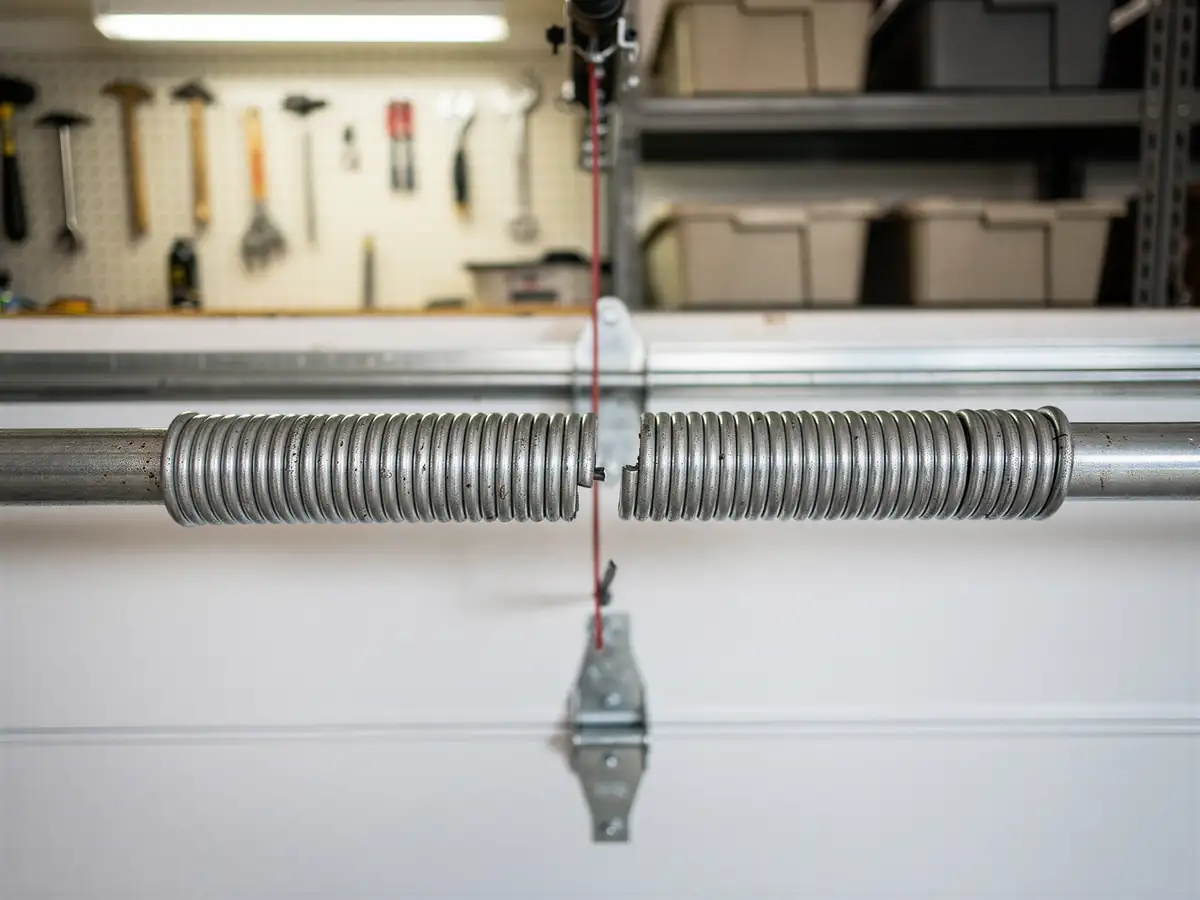
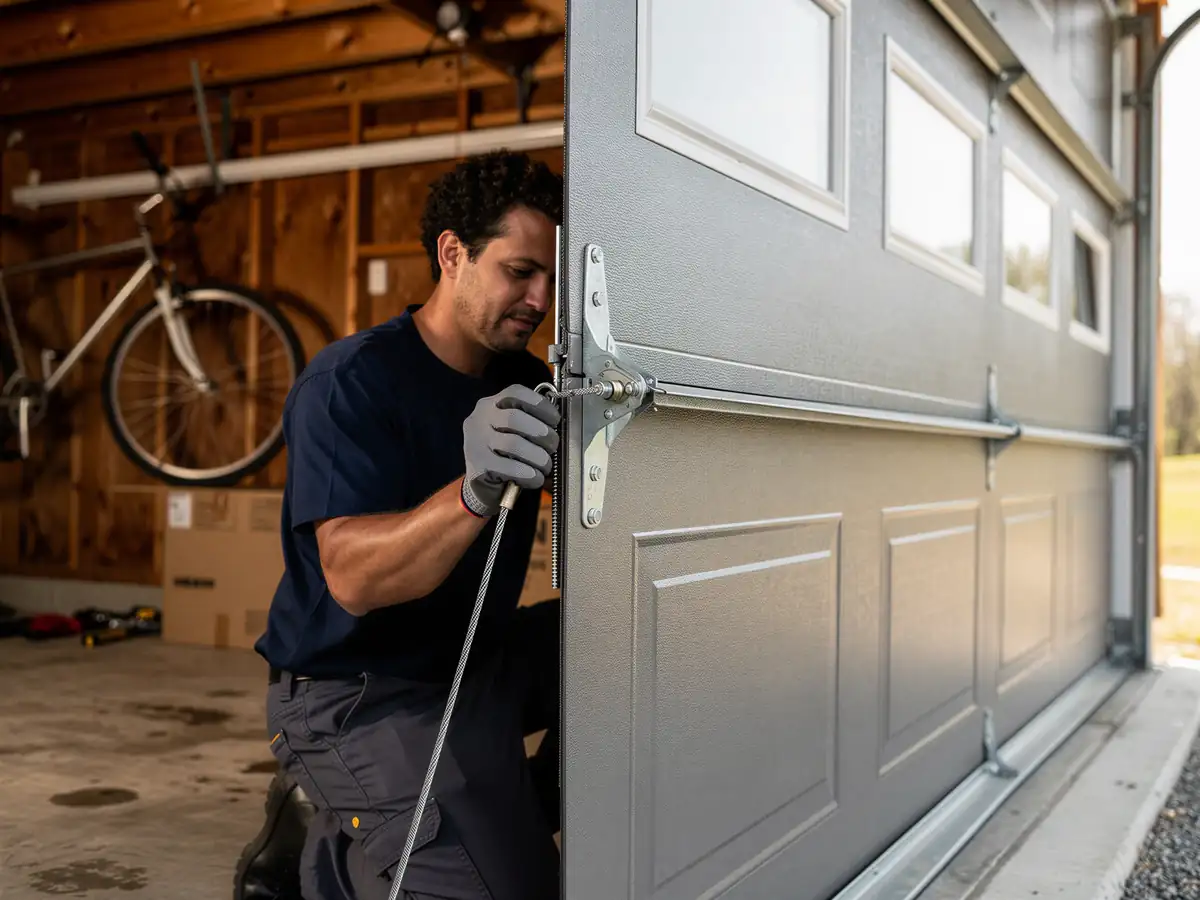
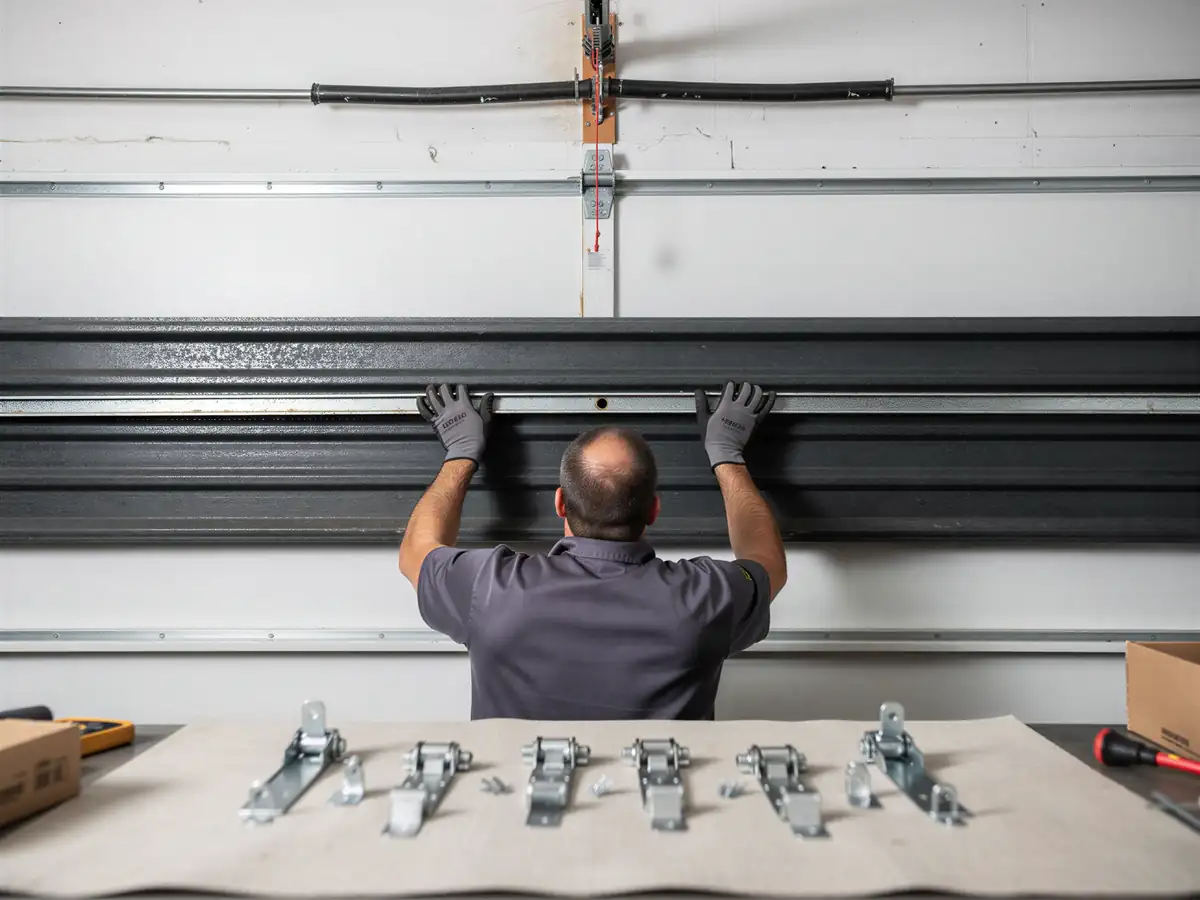
If the door is detached-garage old - original hardware from anywhere near that 1964 median build year - and it's binding, dragging, or the spring looks like it's stretched out of shape, that's not a DIY adjustment. Torsion springs under tension have hurt people who thought it was a five-minute fix.
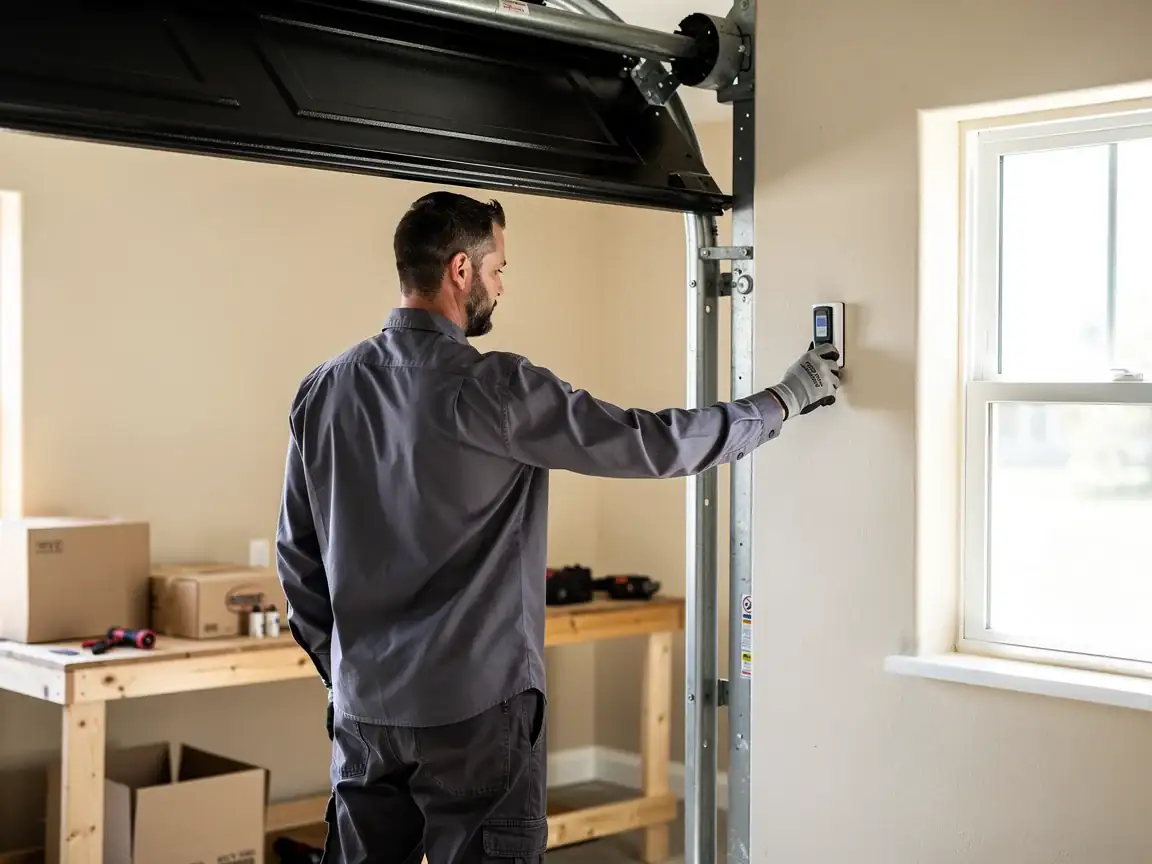
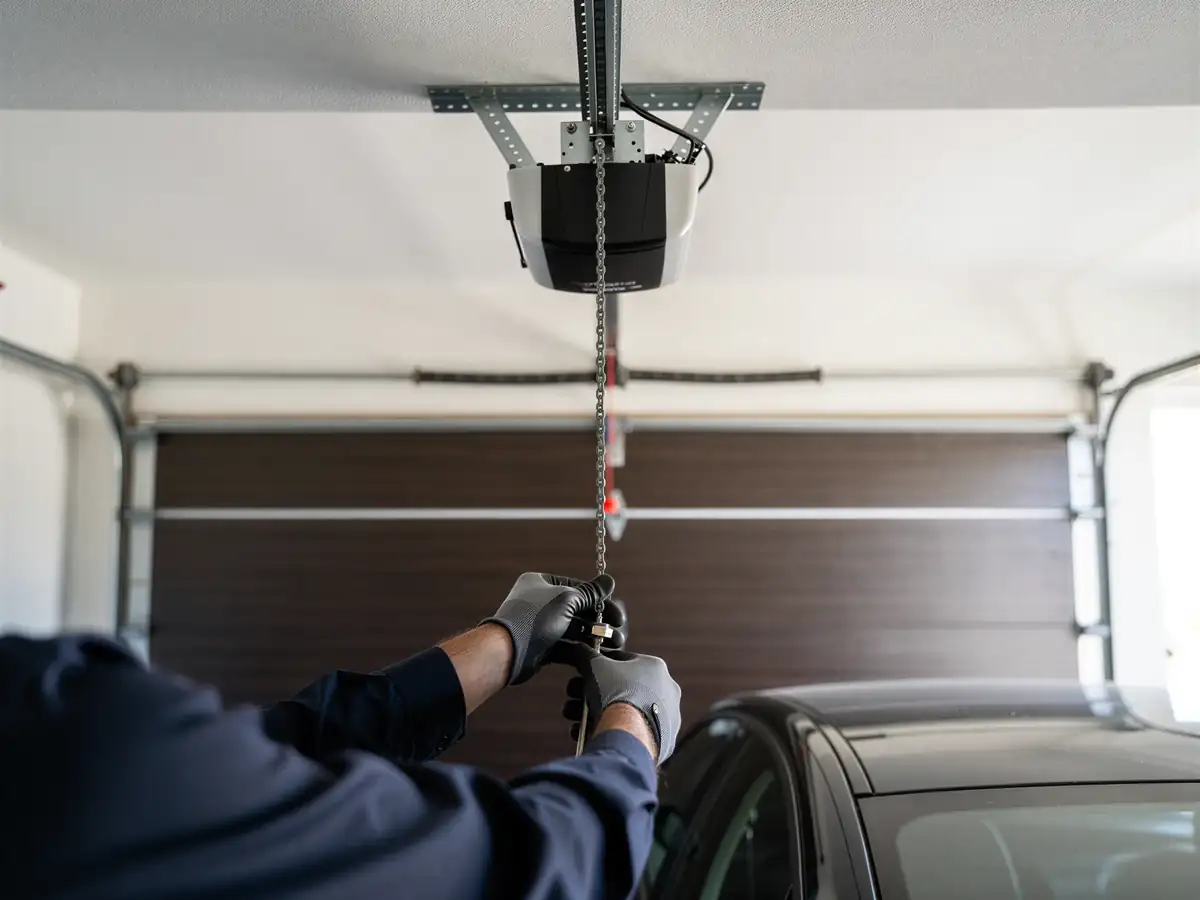
On an attached garage, call sooner rather than later if you're feeling a draft in the room next to it or hearing the opener strain. In a cold climate like this one, a door that's out of balance works the opener harder every single cycle, and that wear adds up fast once temperatures drop and stay down.
We'll be straight with you: if the garage is detached and the structure itself is sagging or the framing around the opening has shifted, that's a carpentry problem before it's a door problem, and that's outside what we handle. We can tell you when it's a door issue and when it's bigger than that, but we're not going to reframe a header.
What Is Going On
A lot of what we see traces back to when the garage went up
Housing in this area spans 1938 to 2005, with the bulk of it concentrated in the 1960s and 70s, and detached garages from that earlier wave were often built light - single-wall construction, no insulation, hardware sized for the door of that era rather than anything heavier. When an owner swaps in a heavier insulated door later without checking the spring rating or the track, the opener and hardware end up mismatched to the door's weight.
Attached garages built later in that same window, closer to the 1970s-2005 range
Were more often framed as part of the house structure from the start, with the garage ceiling doing double duty as the floor of a room above. That means the door and its seal aren't just a garage component, they're part of the building envelope for that part of the house.
Neither setup is wrong
They just fail differently, and the fix depends on which one you've got.
How Local Conditions Play In
This area sits in a cold-climate band with severe winter exposure, and that hits detached and attached garages differently. A detached garage with a loose seal mostly costs you on what's stored inside - tools rust, paint cans freeze, a car sitting there overnight is colder than it needs to be. Annoying, but contained.
An attached garage with the same loose seal costs you inside the house. Cold air sitting against a shared wall or ceiling in a severe-cold climate pulls heat out of the adjoining room all winter, and that shows up on the heating bill long before anyone thinks to check the garage door.
Spring tension also behaves differently in the cold - steel contracts, lubricant thickens, and a door that was balanced in October can feel noticeably heavier by January. That's true whether the garage is attached or detached, but it's one more reason not to ignore a door that's starting to drag as temperatures drop across this area.