What to Look At First
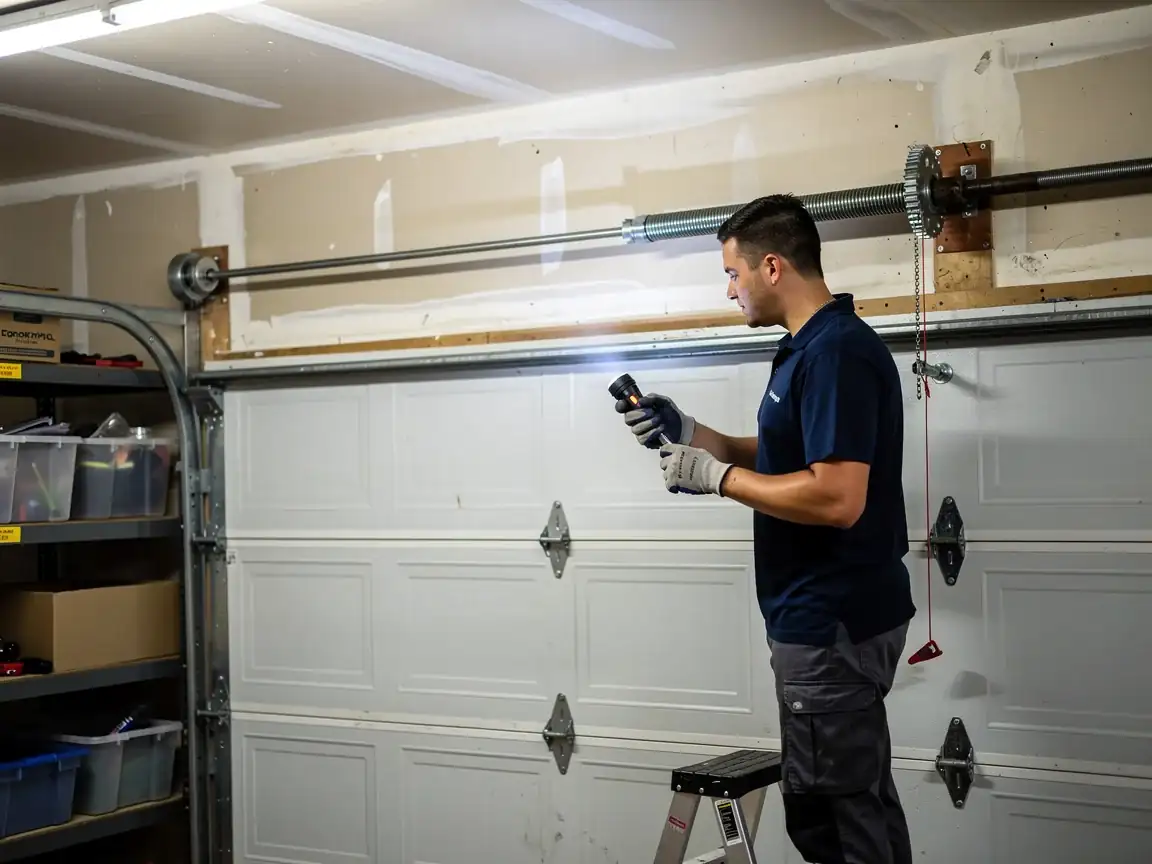
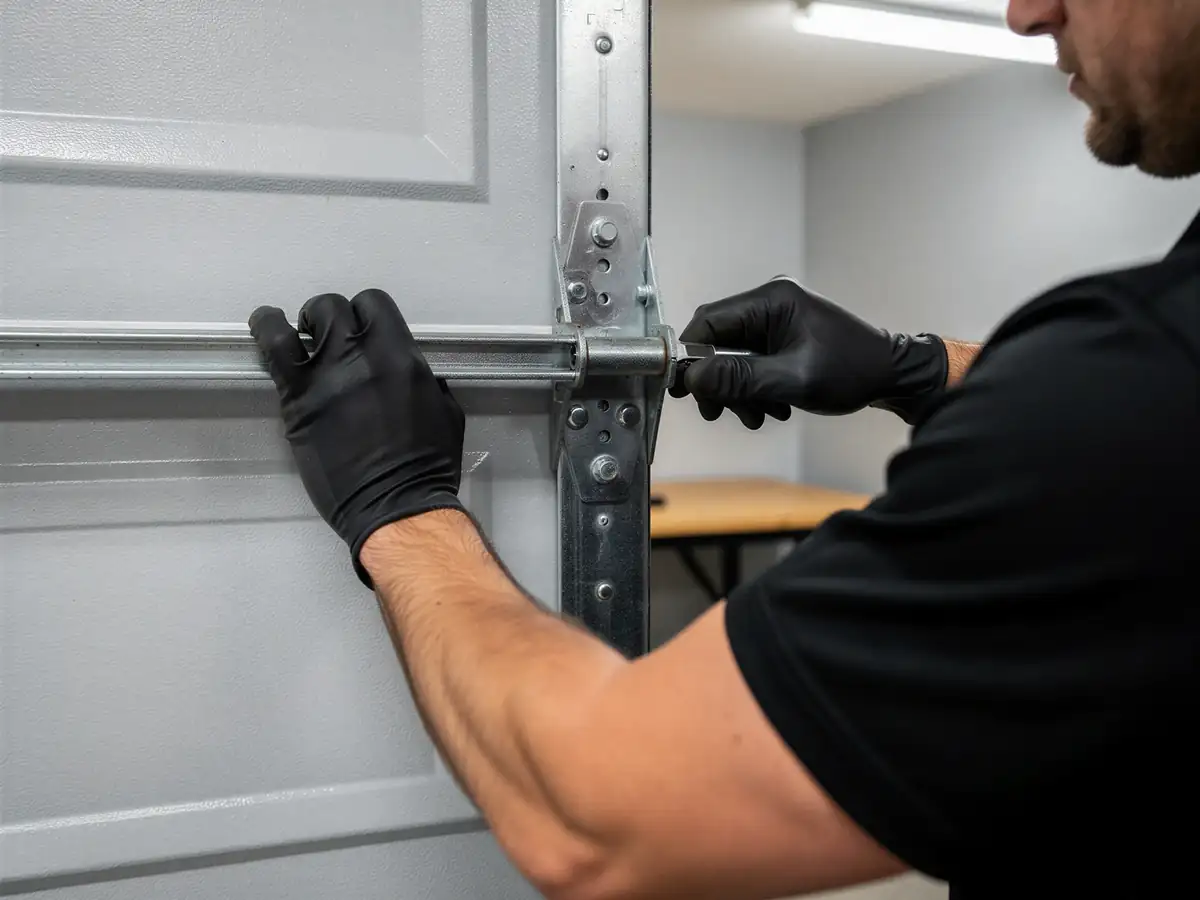
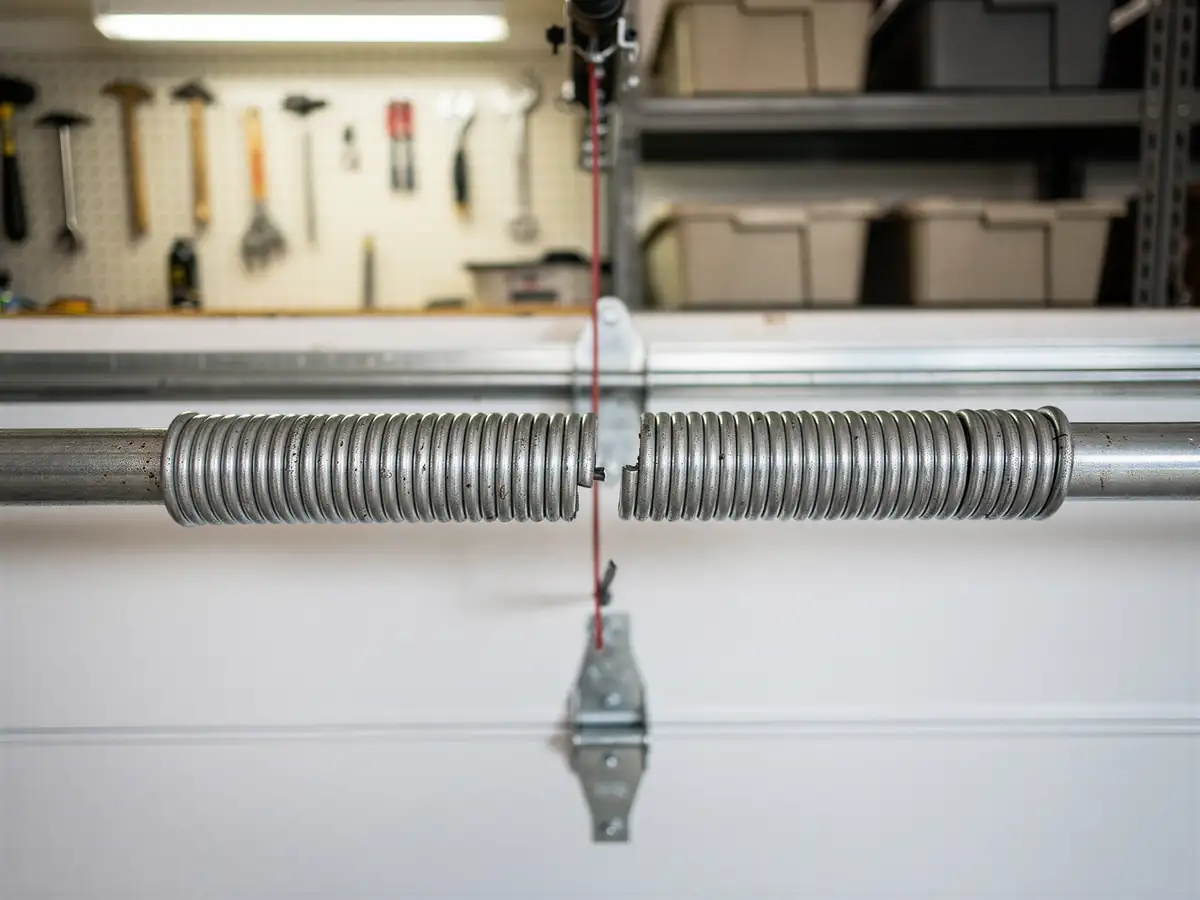
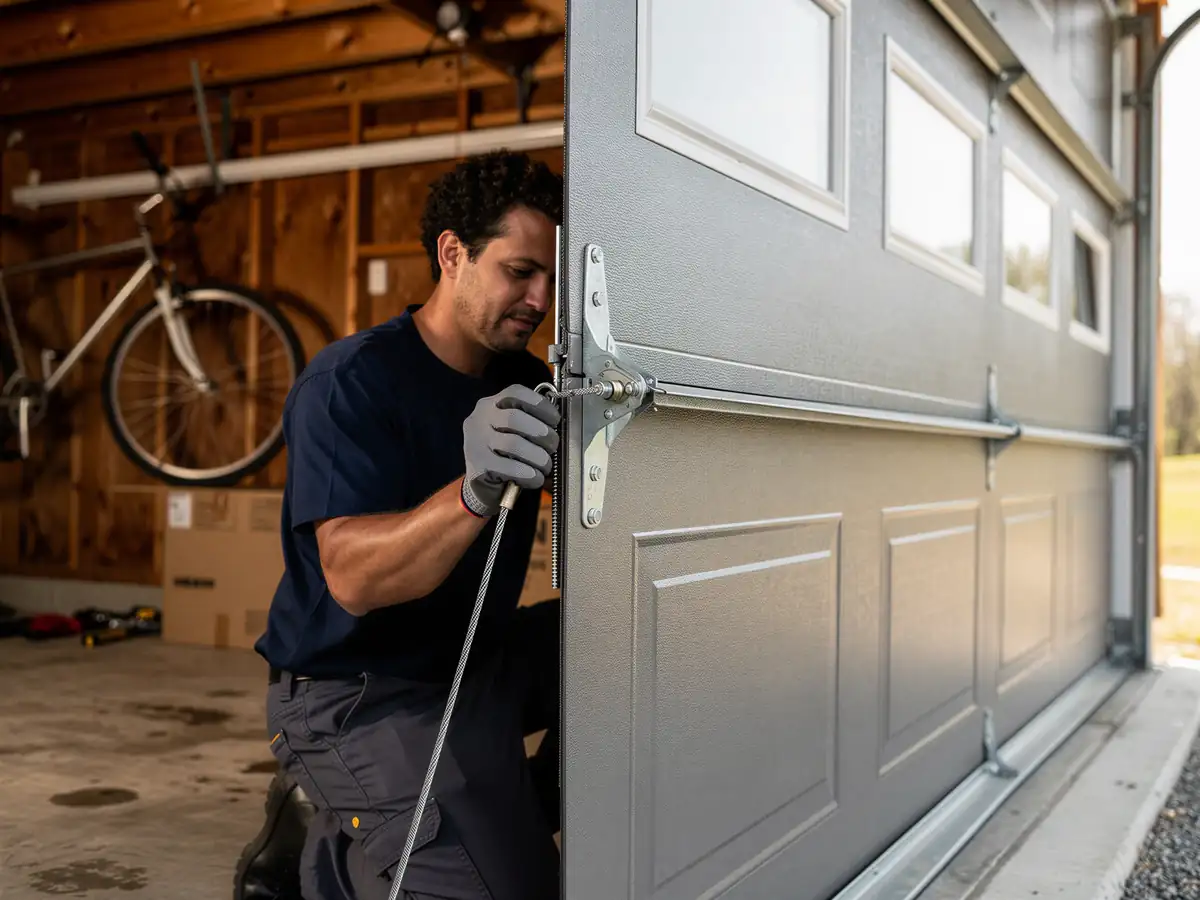
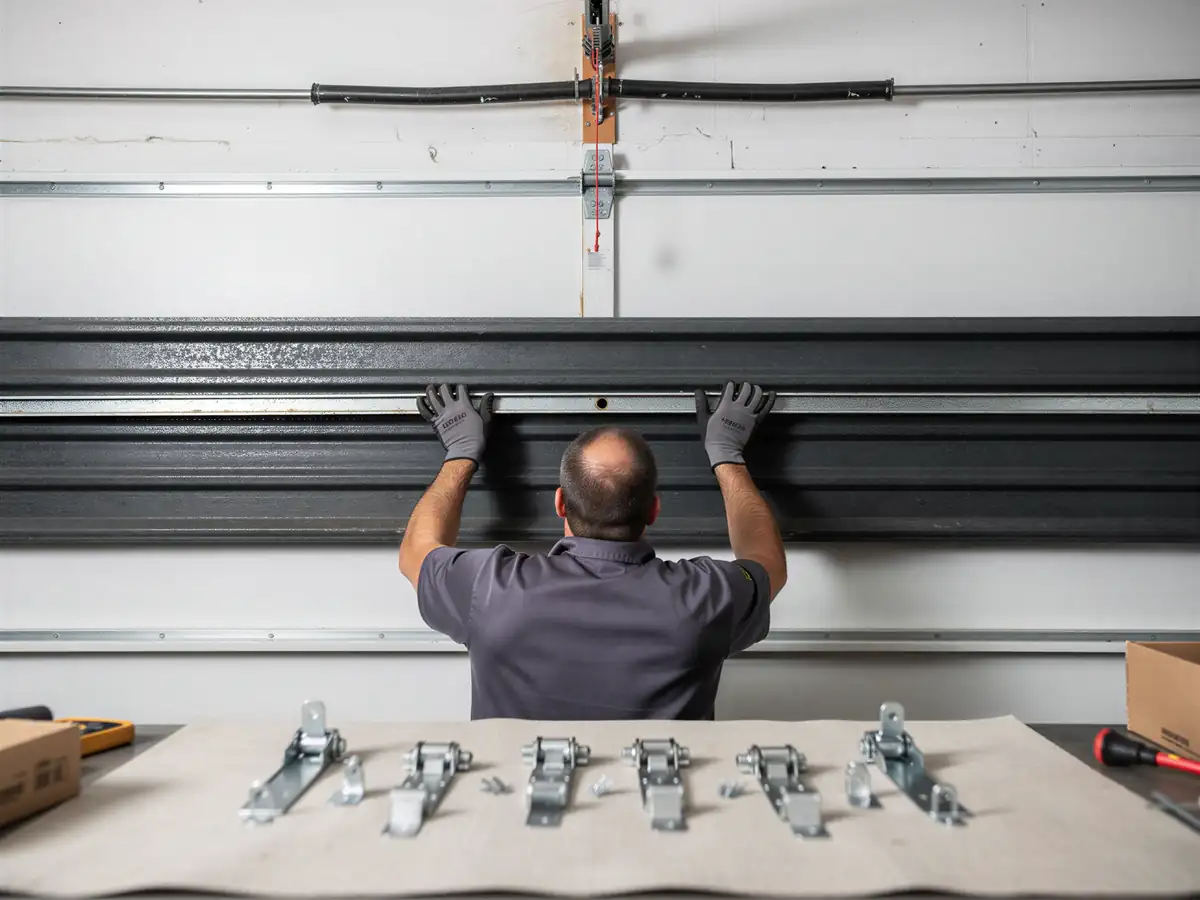
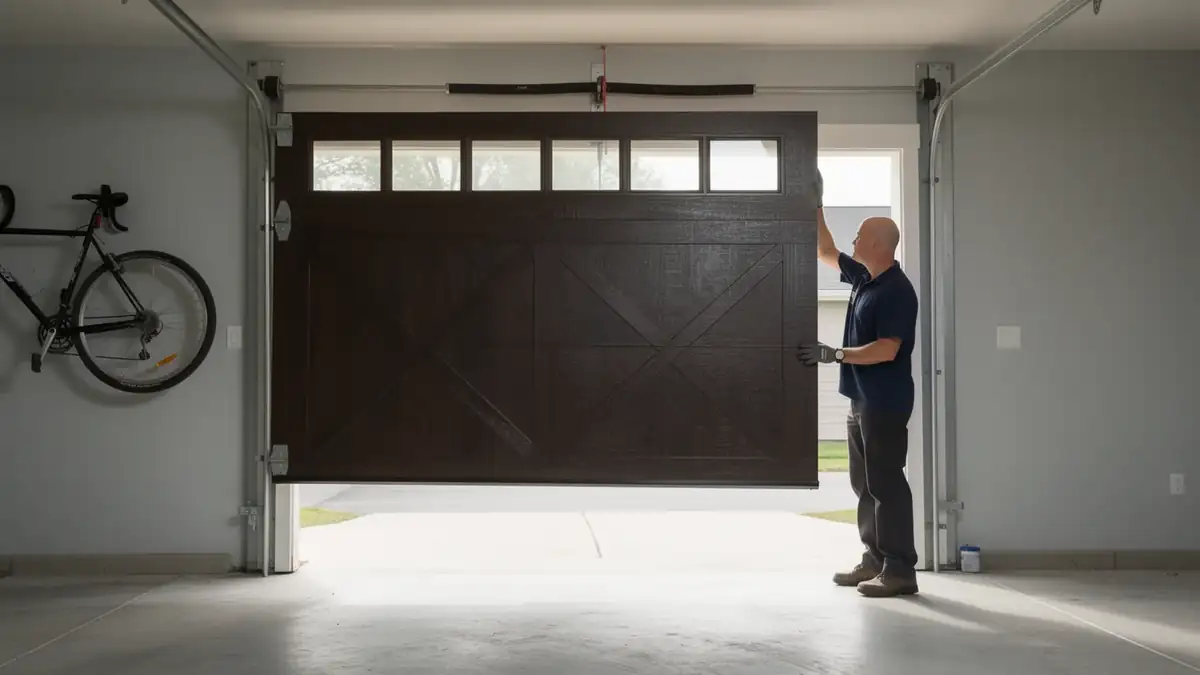
On most calls in Allentown, we start at the spring before we touch anything else. The bulk of the housing stock here went up between 1938 and 2005, with the median build year sitting around 1964, and across the 52 named areas we work in, most of that stock is 1960s-70s construction. That means a lot of original torsion setups, or first-generation replacements, that were never upgraded to today's heavier-gauge cable. We look at the winding cone for rust bloom, check the cable for fraying where it wraps the drum, and run a hand along the track for the kind of warp you get from decades of seasonal swing. On a double door, we check both springs even if only one looks obviously shot - in a house this age, the other one is usually close behind. We also check the bottom bracket and the rollers, since steel rollers from that era wear grooves into the track that a newer nylon roller won't tolerate. None of this takes long, but skipping it means guessing at what's actually failing instead of knowing.
When to Call Someone
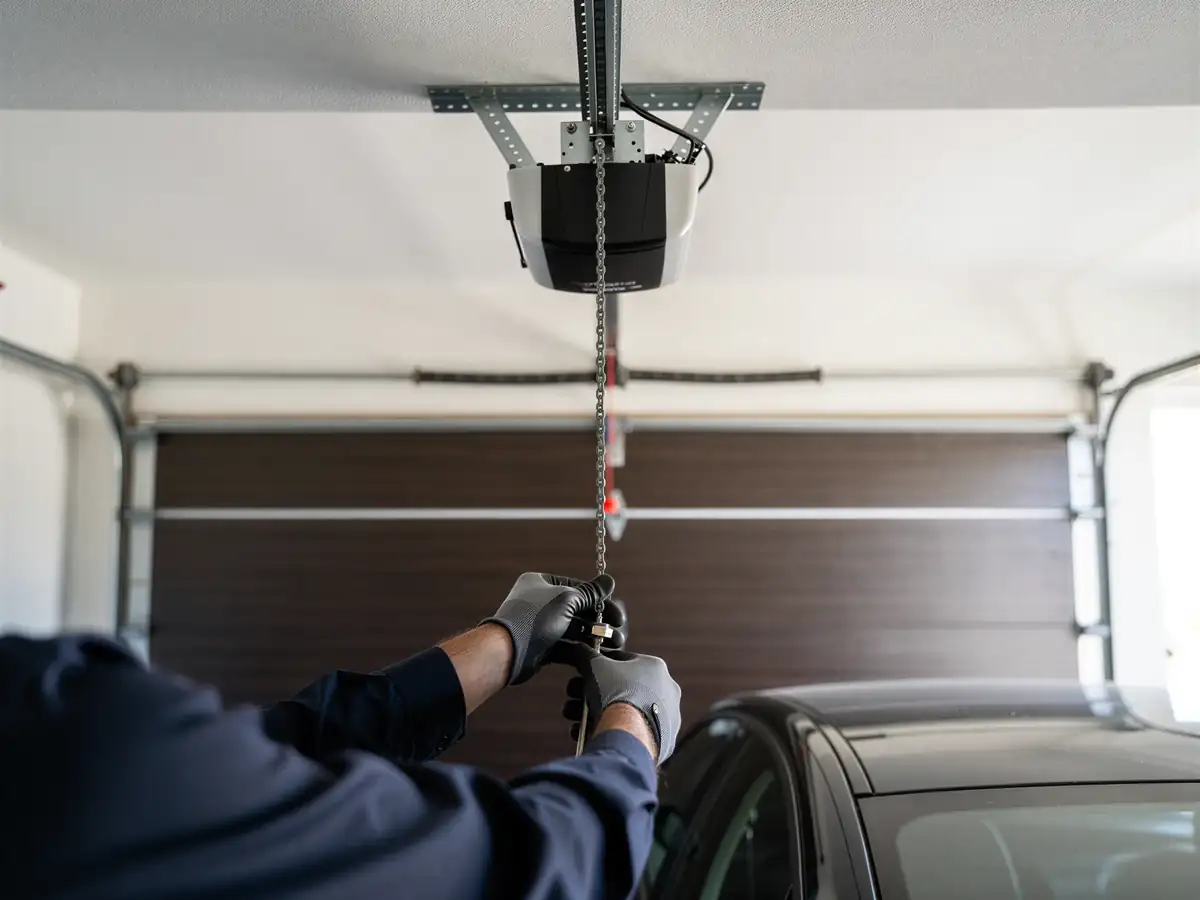
Call before the door gets stuck halfway, not after. If a torsion spring on a house from the 1960s-70s stock lets go while the door is open, the door can drop fast, and a door that age is heavy enough that it's not a job to wedge open and leave. Grinding, a loud bang from the garage, or a door that's suddenly harder to lift by hand are the three signs we hear about most. Given the median household income here is $82,797, we find most owners would rather pay for a spring now than risk an opener motor burning out trying to lift a door that's fighting a dead spring - that's the more expensive fix. If the door is original to a house built before the 1980s, we'd also rather look at it before winter than during a cold snap, since a stressed spring plus hard cold is a bad combination.
How Local Conditions Play In
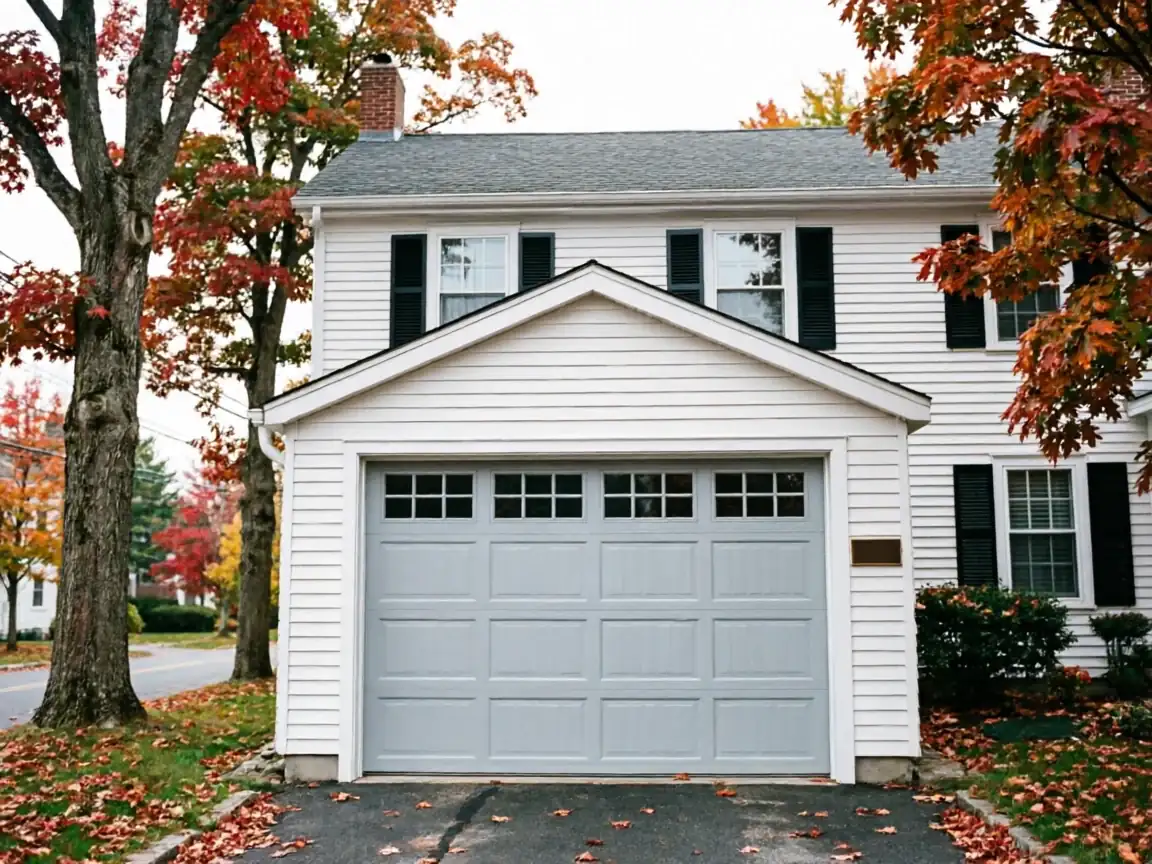
Allentown sits in a severe cold climate band, and that changes how steel spring and hardware age. Cold makes steel brittle and torsion springs lose tension faster through repeated contraction, which is part of why a spring that was fine in October can snap in January. Lubricant that's fine in summer gums up in a cold garage, which is why we check grease on the track and hinges even on calls that weren't about that. Houses in the older sections of town - closer to areas like Fullerton - tend to have shorter driveways and attached garages set closer to the frost line, which means the slab can shift slightly season to season and throw the track out of plumb by a few degrees. That's a small thing, but on a door that's already decades old, a slightly out-of-plumb track is often the difference between a smooth close and one that catches every time.