What the Fix Involves
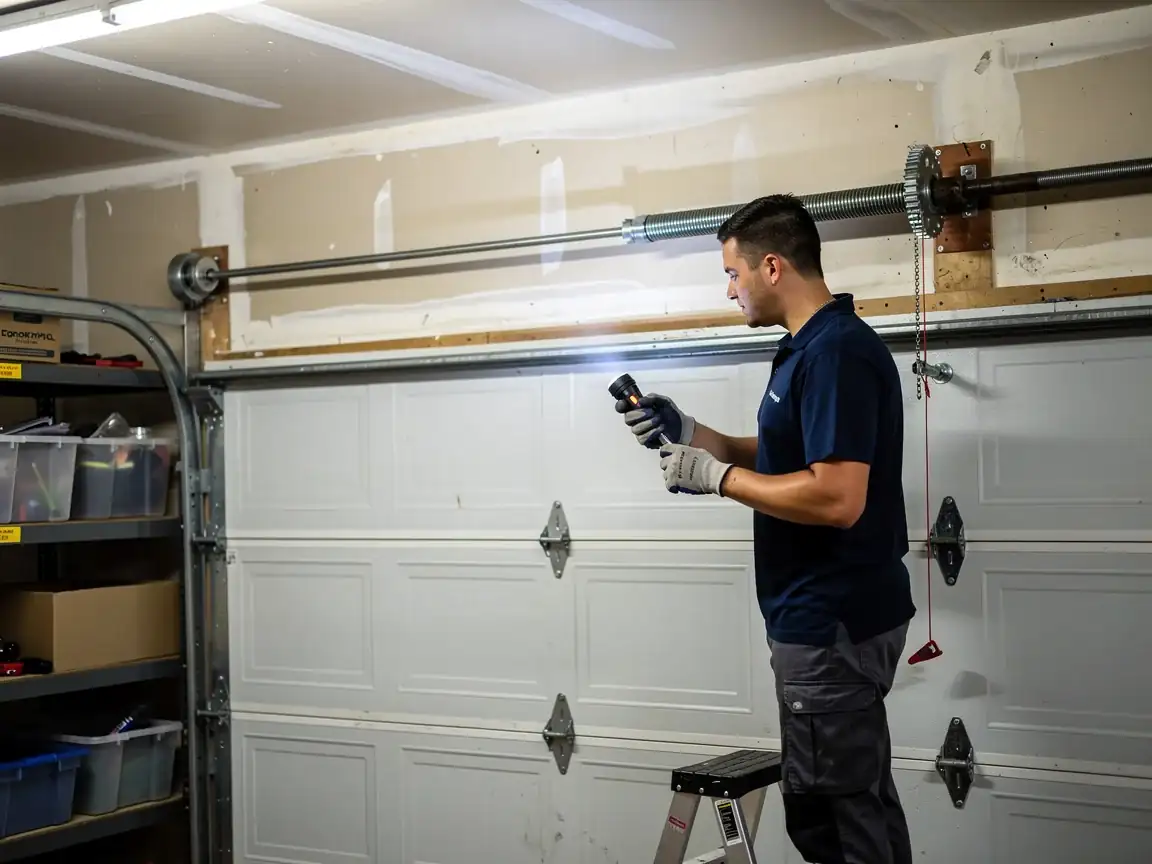
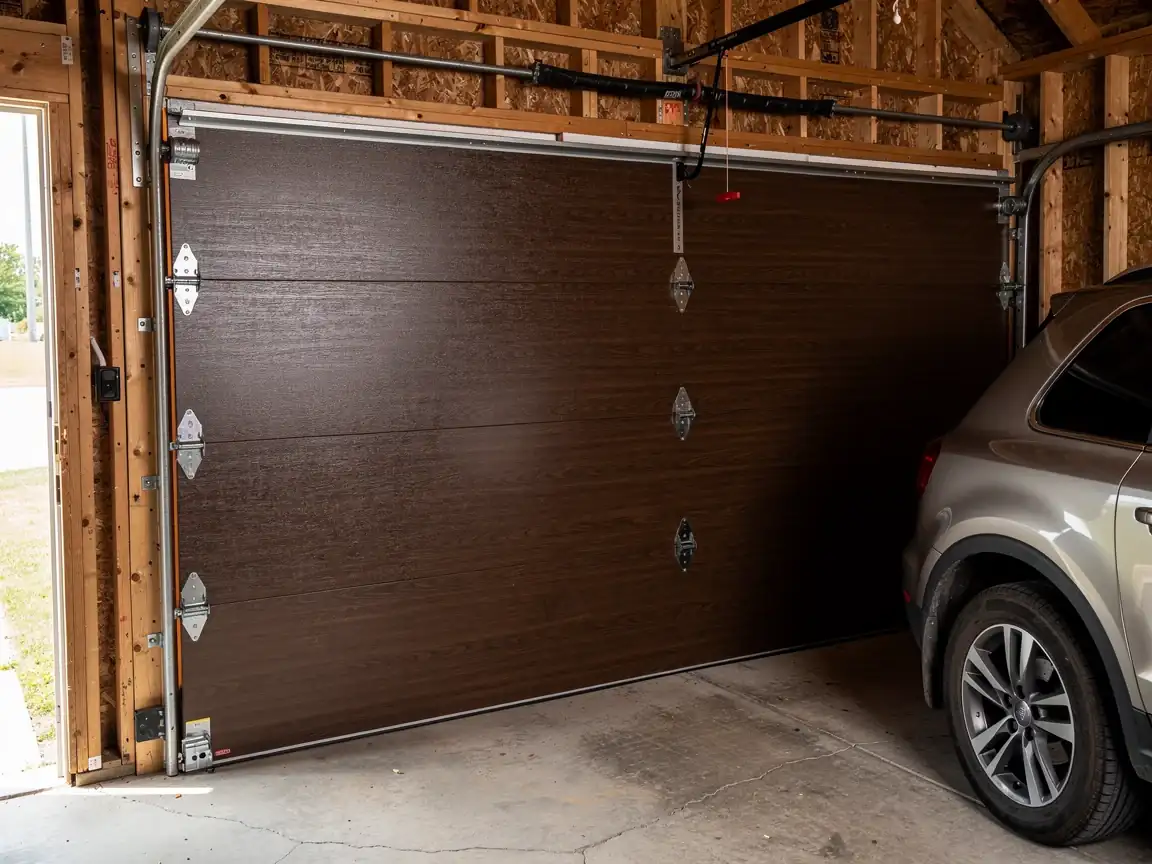
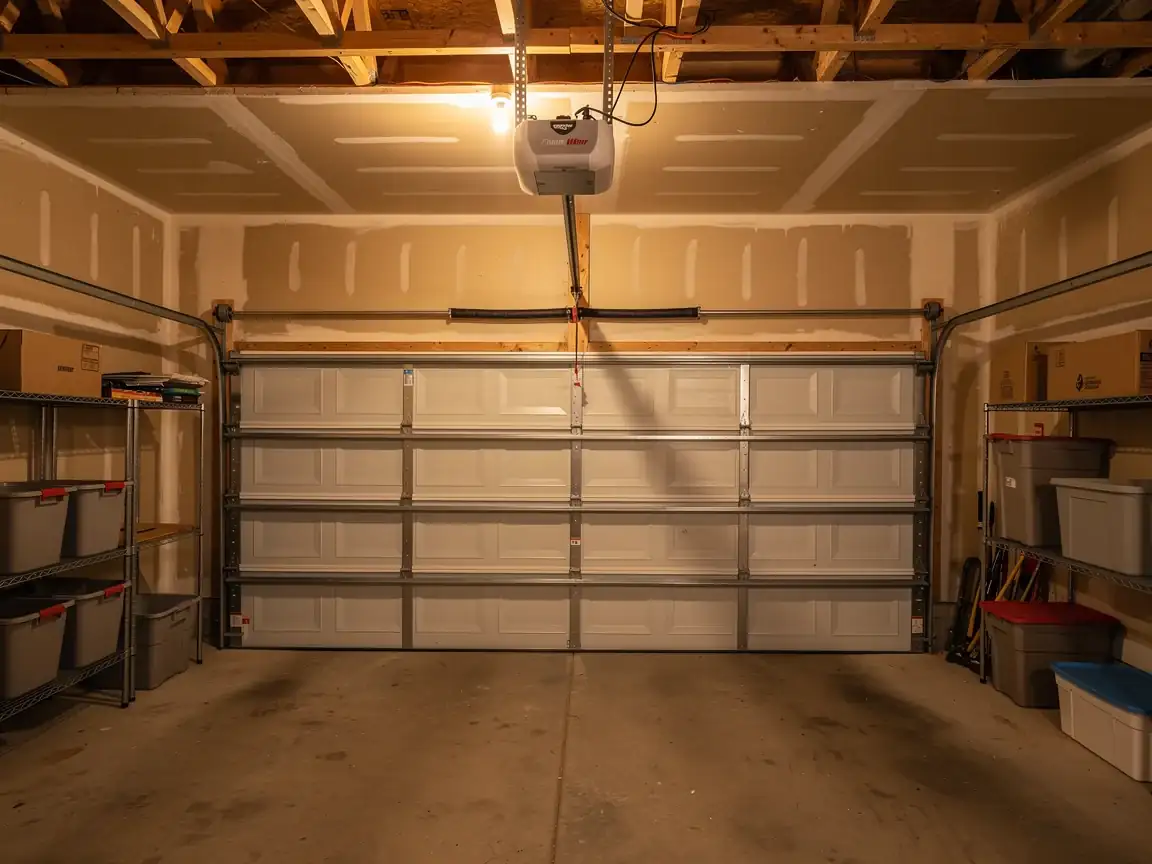
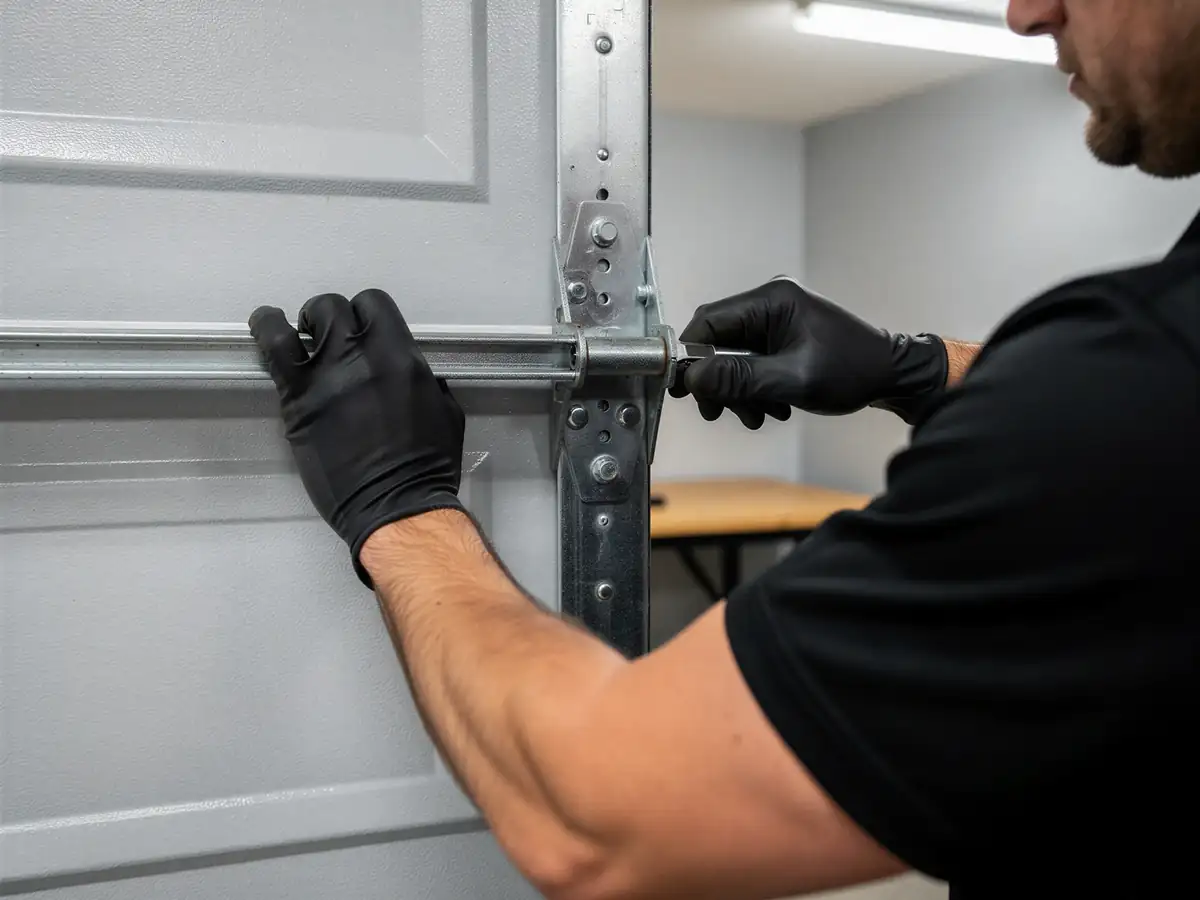
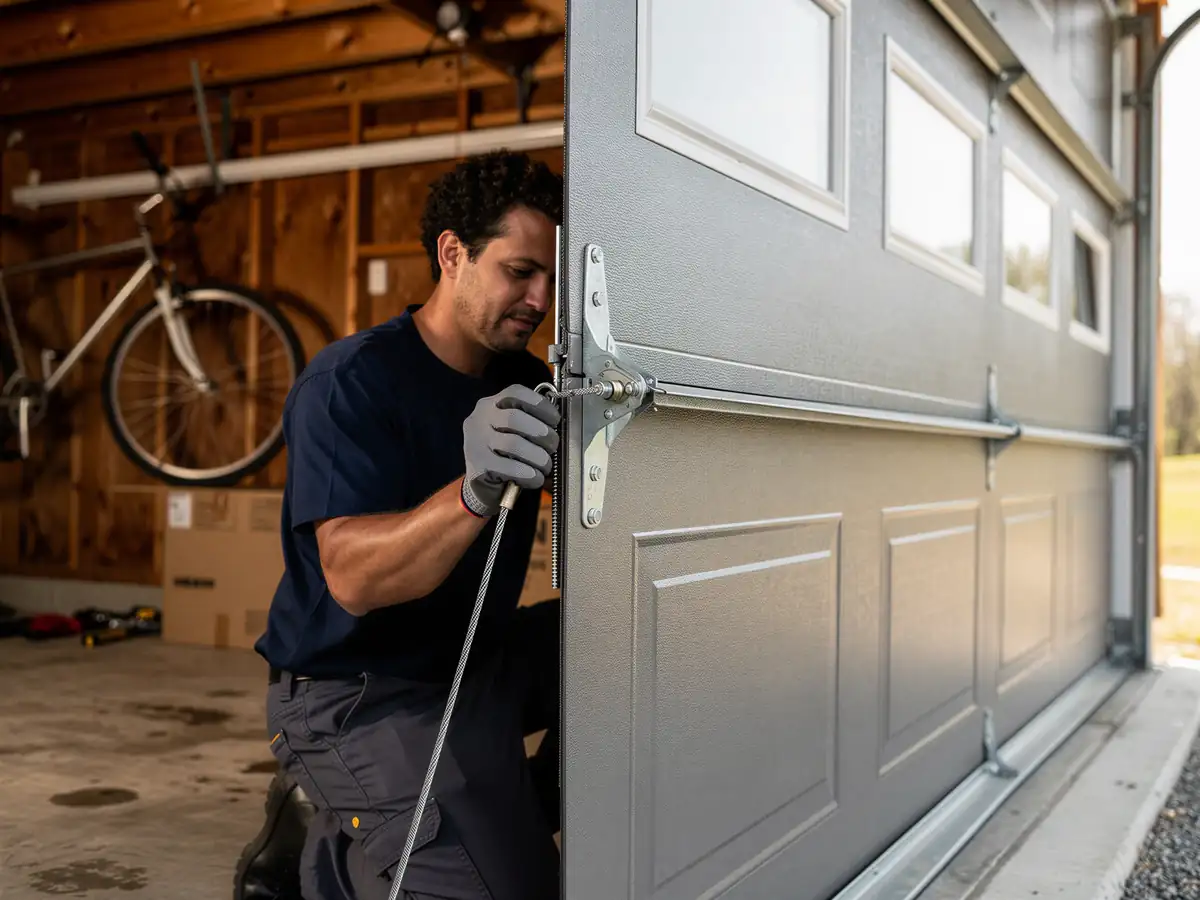
A garage door cable repair almost always starts with figuring out why the cable let go, not just replacing the one that snapped. The lift cables run from the bottom bracket up to the drum on the torsion shaft, and they carry real load every time the door moves. When one frays or jumps the drum, the door drops crooked, binds in the track, or won't move at all.
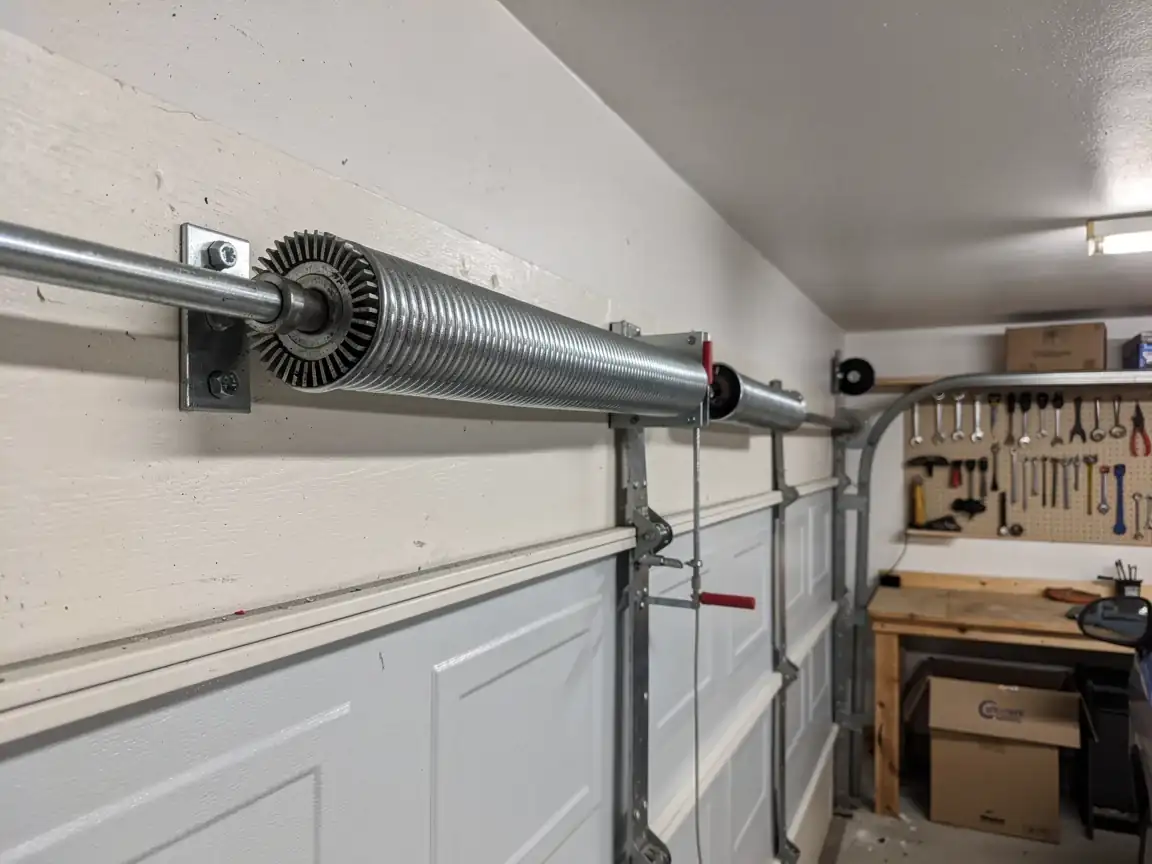
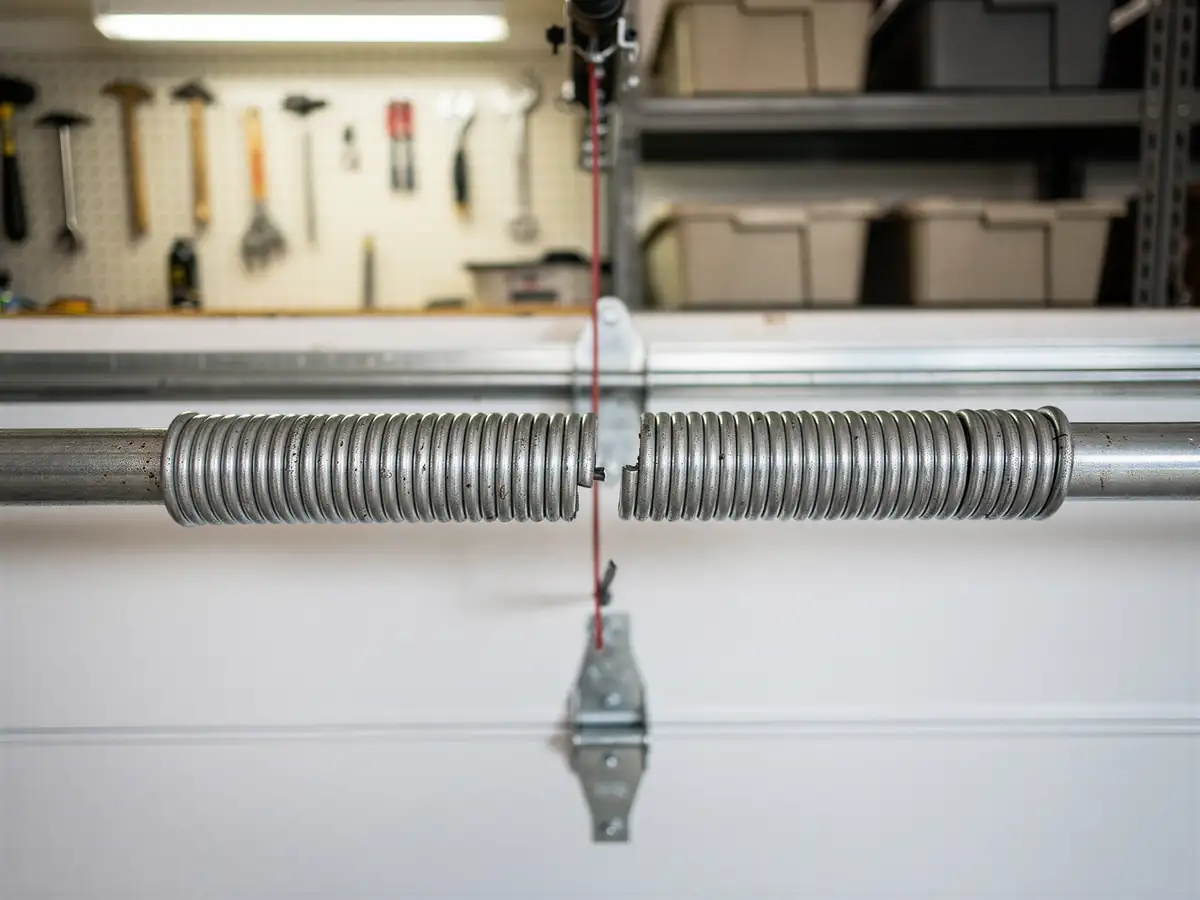
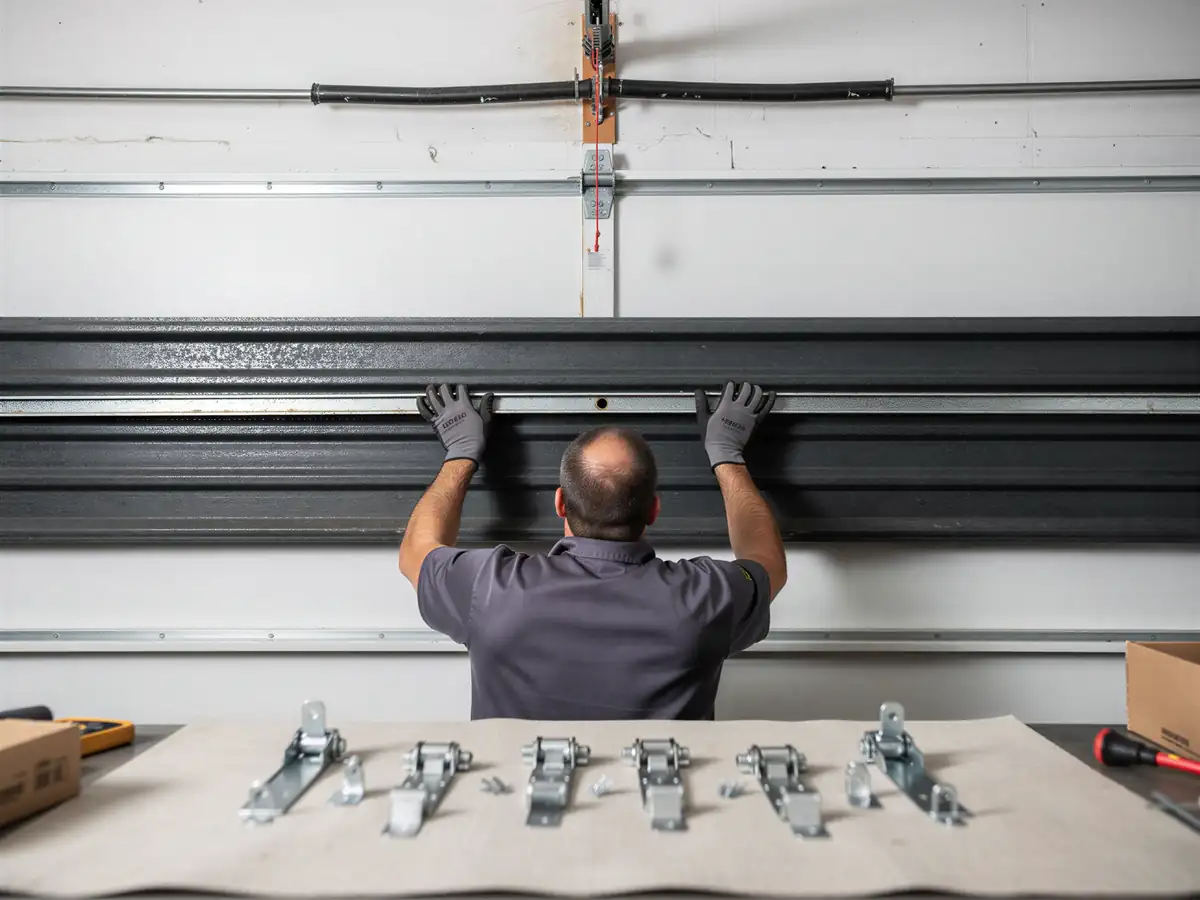
On a standard double door we're pulling both cables as a pair even if only one failed, because the surviving cable is usually close behind it in wear. That means checking the drums for grooving, the bottom brackets for rust at the bolt holes, and the torsion springs themselves, since a weak spring makes the cables do extra work they weren't sized for. If the drums are worn or the wrong size for the door, we replace those too rather than reusing them.
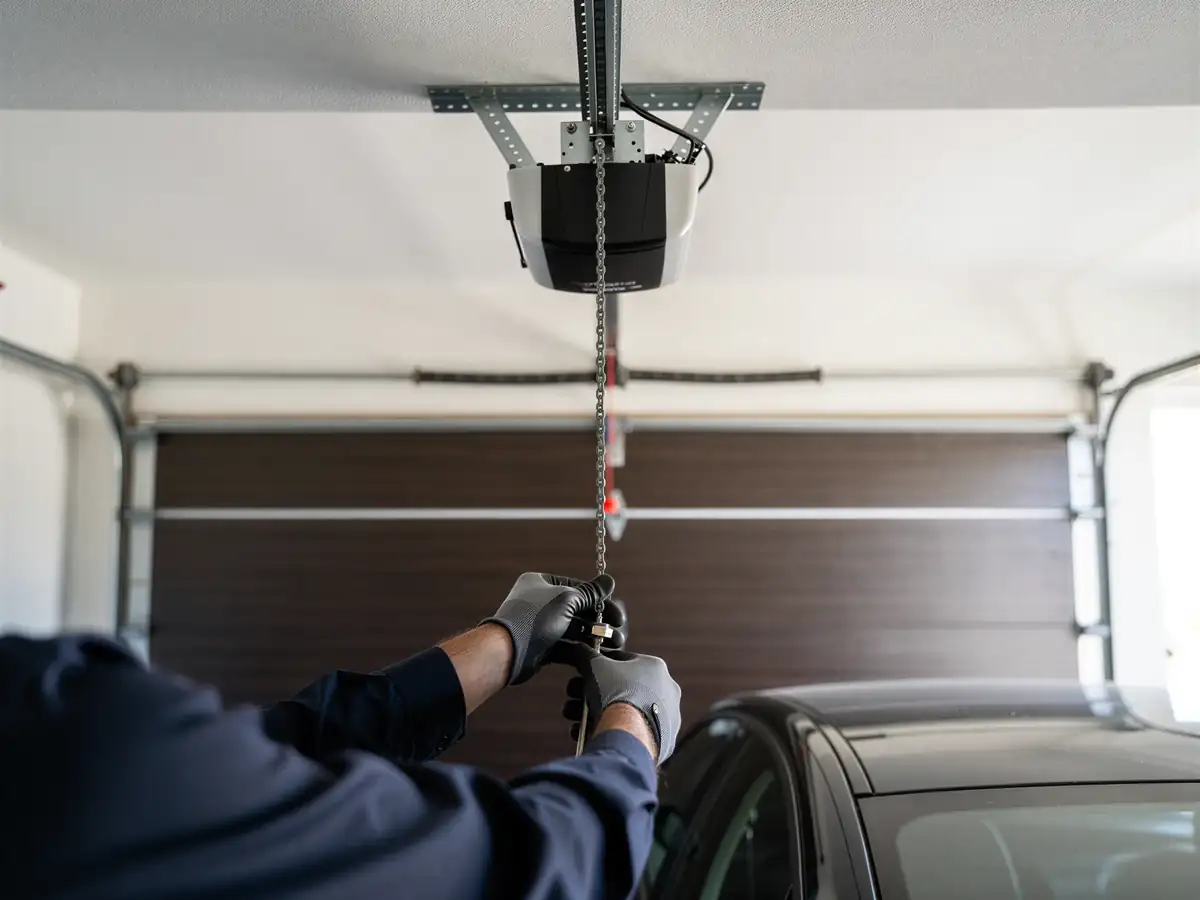
We test the balance after reinstalling: lift the door halfway by hand and it should hold, not fall or jump up. That's the real check, not just whether the opener can pull it anymore. A door that's out of balance will chew through a new cable almost as fast as the old one. One limit worth saying plainly: if the drums, bearing plates, and springs are all original and all worn together, we'll tell you that a full hardware swap is the better call than patching one part of a failing system.
Why This Fails Locally
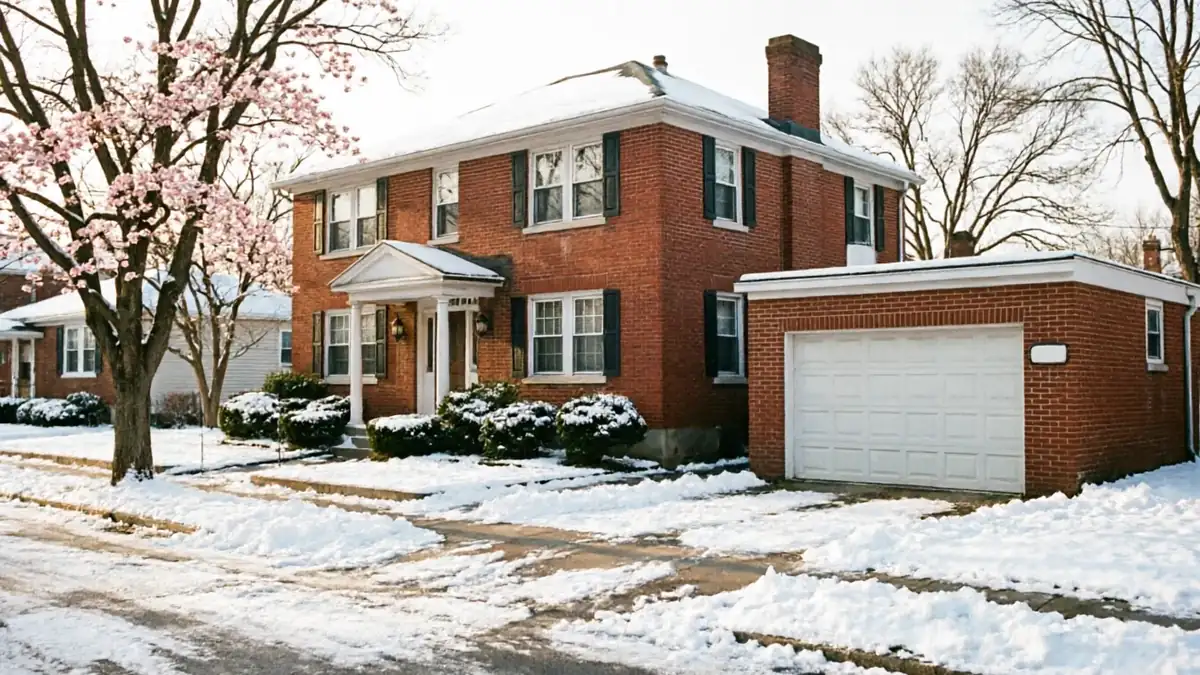
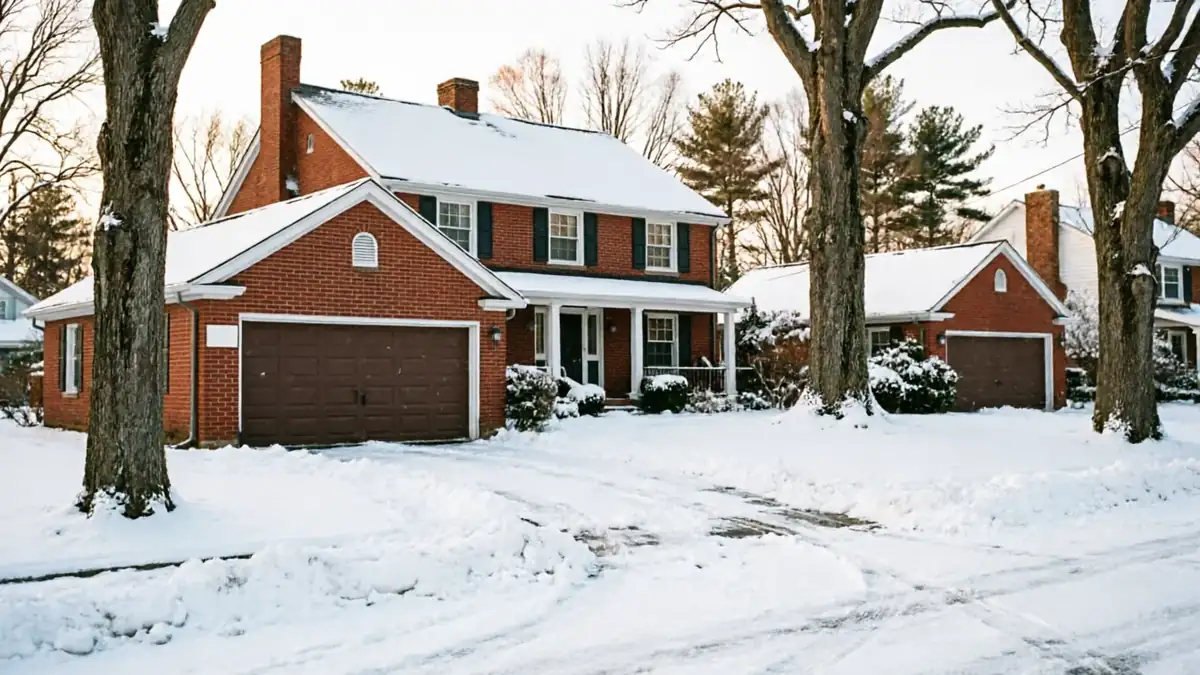
Most of the housing stock in this part of the Lehigh Valley went up between 1938 and 2005, with a lot of it clustered in the 1960s and 70s across the 52 areas we work in. That matters for cables specifically: doors from that era were often fitted with galvanized cables sized to lighter steel or wood doors, and over fifty-plus years of service, plus however many replacements since, you get a mismatch between the current door weight and the original drum and cable spec.
The climate side compounds it. This is a severe cold-winter region, and lift cables see their worst stress in January and February, when the steel contracts, grease in the drum bearings stiffens, and any corrosion on the cable strands from road salt tracked in on car tires turns brittle wire into a snap point. A cable that's been fraying quietly all fall will often let go on the coldest morning of the year, not during a mild stretch.
Houses built in that mid-century wave also tend to have torsion springs that were never upgraded when the original door was swapped for a heavier insulated steel one later on. The spring under-lifts, the cable takes the slack, and it wears unevenly at the drum. That's a pattern we see a lot across this older stock, not a one-off.
Where This Job Goes Sideways
The most common mistake is replacing just the cable that broke and leaving the other one, the drums, and the spring tension untouched
Within a few months the second cable goes, usually at a worse moment, because the door was never rebalanced after the first fix.
Another place it goes wrong is sizing
Cable diameter and length have to match the drum and the door's drop, and a cable that's slightly off will wrap unevenly on the drum, climb the flange, and jump off under load. On a door with high-cycle use, that can happen within days.
Spring tension is the part people underestimate
If the torsion spring is wound to the wrong tension when the cable is reinstalled, the door will either slam down on opening or struggle on the way up, and either way it puts the new cable under stress it wasn't built for. Setting spring tension is not something to eyeball; it has to be matched to the actual door weight.
Last, on older homes where the original bottom brackets have been painted over or rusted at the mounting bolts
Pulling the bracket to rethread a cable can reveal a bracket that's no longer safe to reuse. That's a parts-on-hand issue sometimes, since not every bracket size is something we carry on the truck for every call.
The Symptom
The giveaway is usually one side of the door hanging lower than the other, or the door going crooked partway through its travel and then jamming in the tracks. Sometimes you'll hear a loud bang from the garage, which is the cable letting go and the door dropping onto whatever is left holding it.
A fraying cable before it fully breaks often shows as a door that shudders or jerks partway up, or an opener that strains and reverses because it's meeting resistance the cable should be handling smoothly. If you can see the cable itself, look for individual strands sticking out like a broom end near the bottom bracket or the drum; that's a cable on its way out, not one that failed instantly.
Don't run the opener once a cable has snapped or a door is visibly crooked in the track. The remaining cable and the spring are carrying load they weren't built for, and the door can come down the rest of the way without warning. Block the door from moving if you can do so safely and call it in rather than cycling the opener to see if it clears.