The Cost of This Job
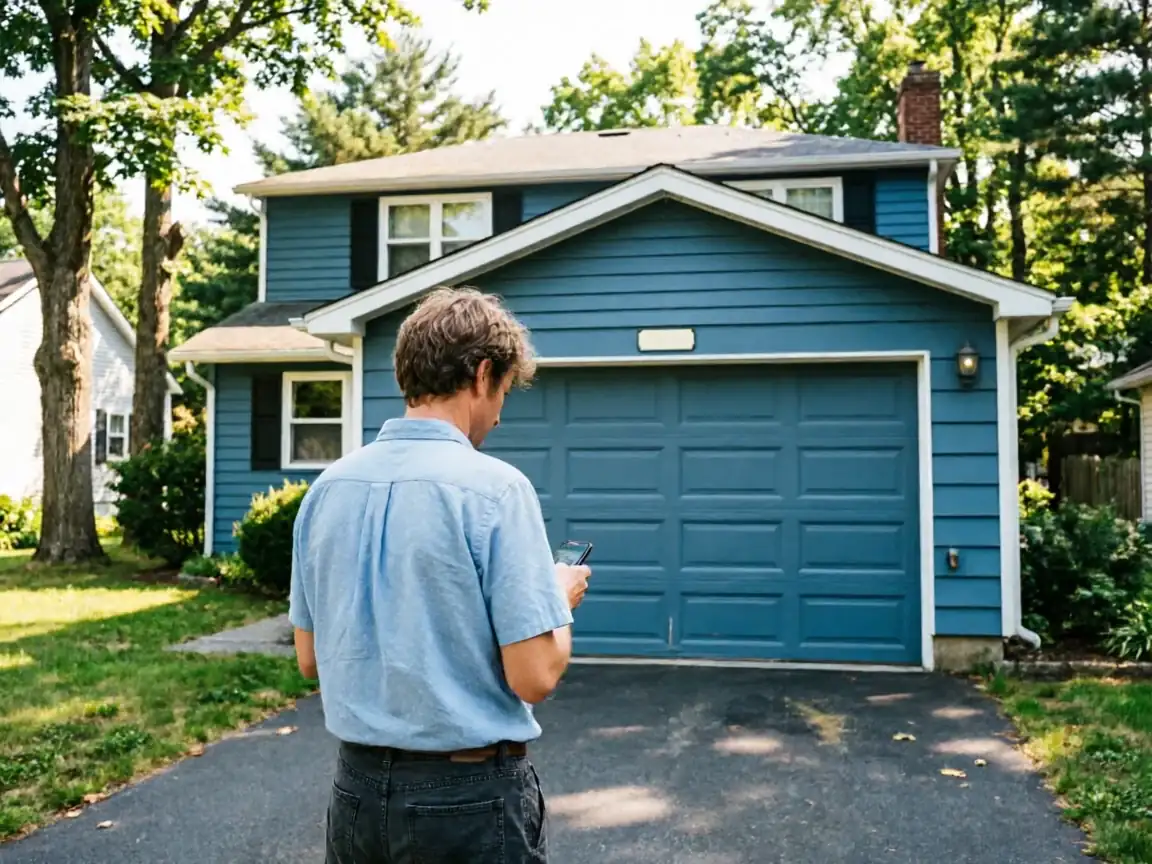
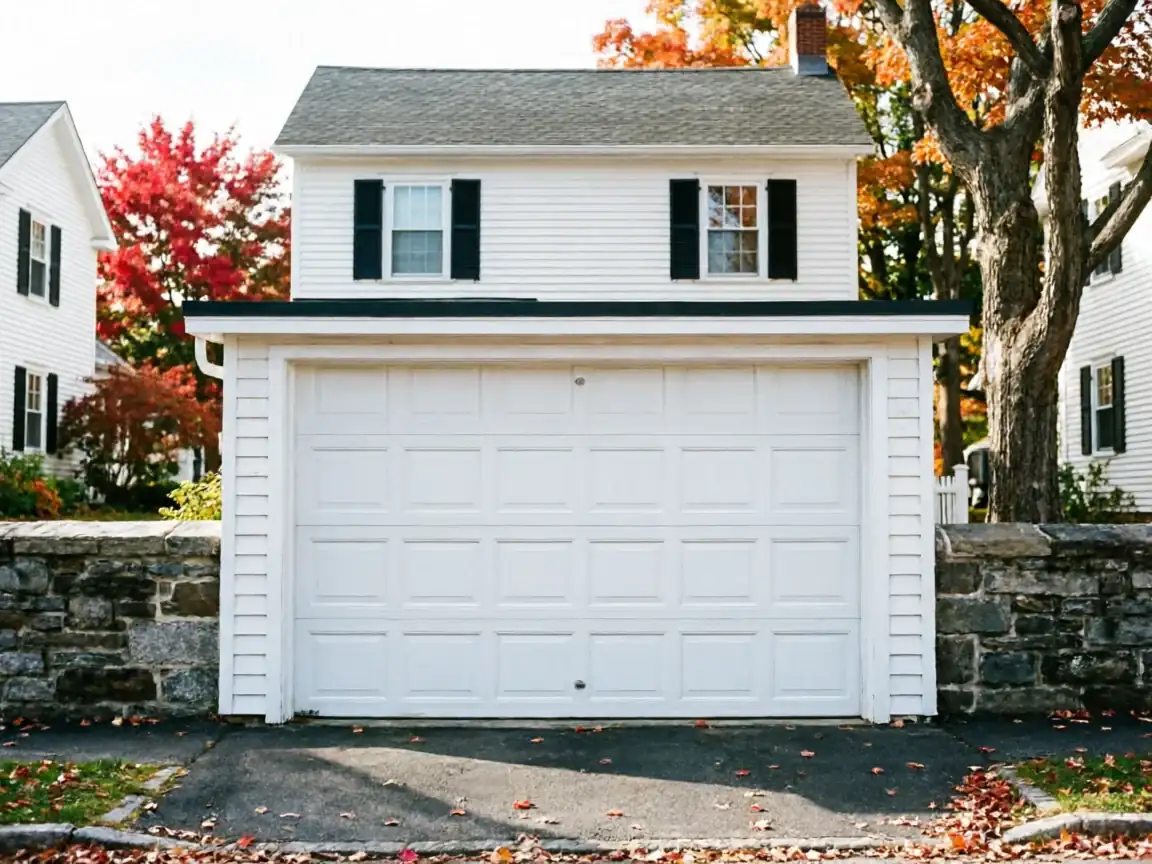
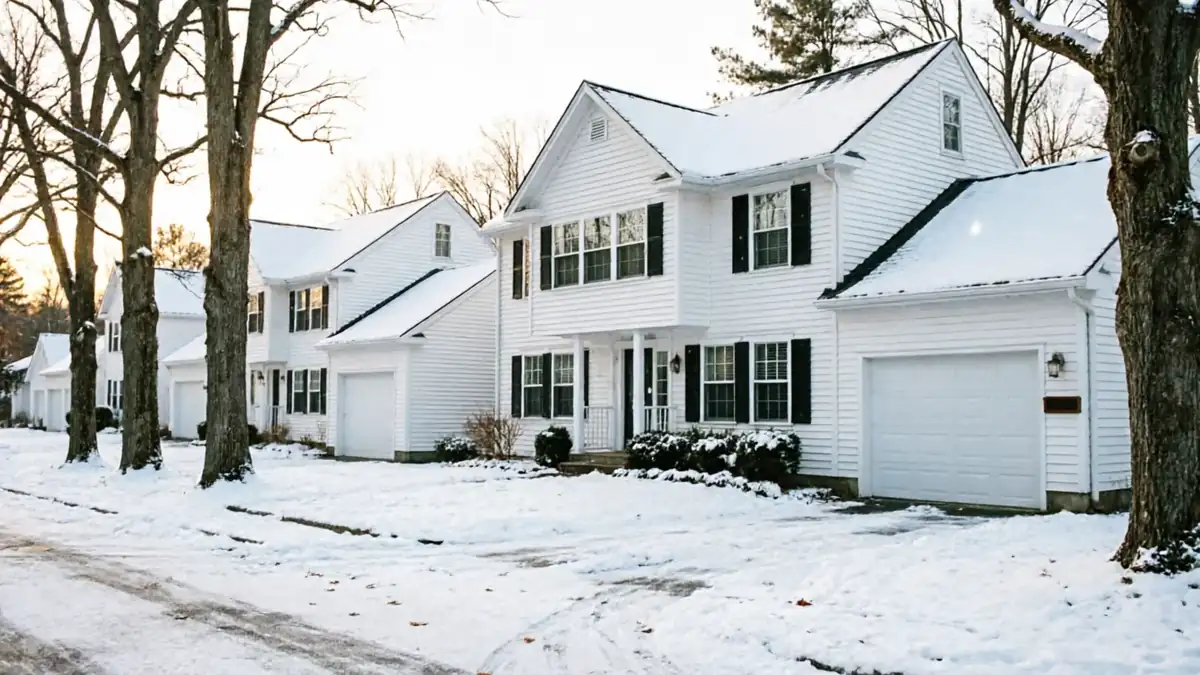
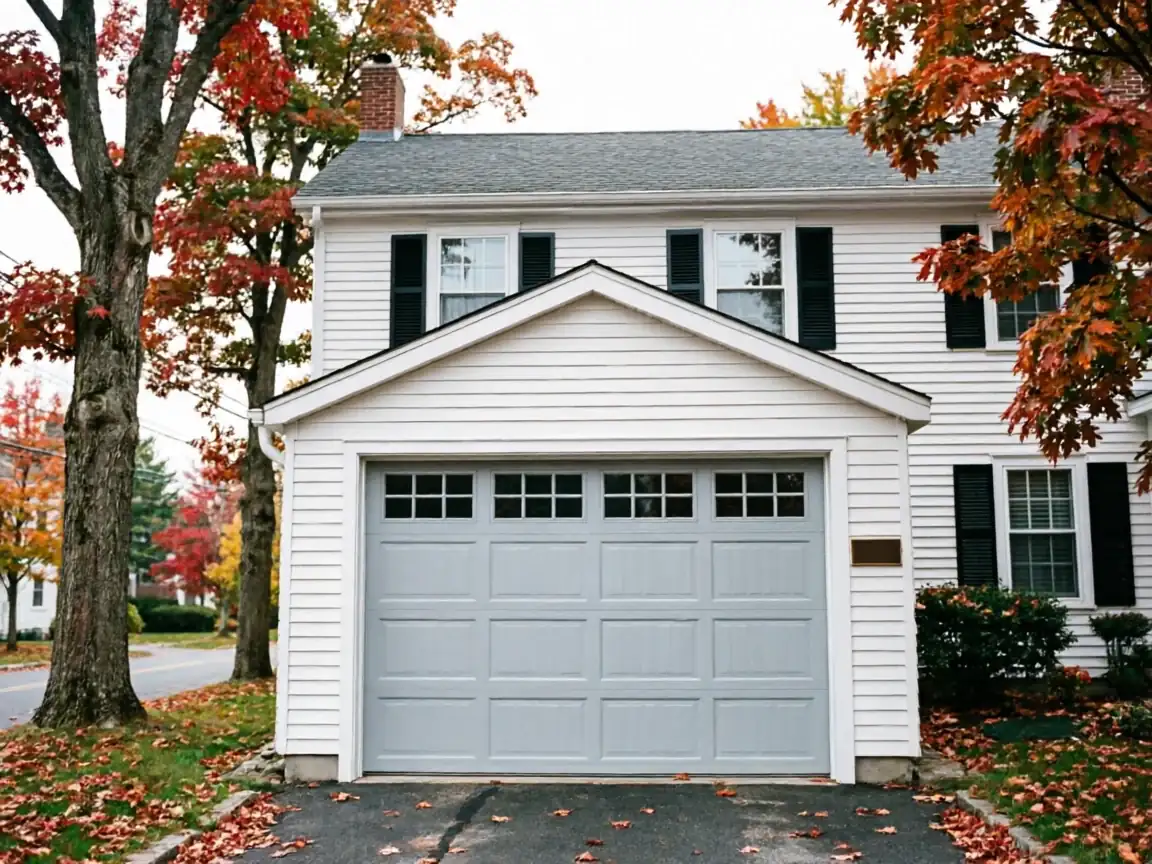
Northampton's housing stock runs older than most of the towns we cover out of Allentown - the median build year here is 1938, a full generation before the 1964 median across the wider service area. That matters for pricing because older openings often carry non-standard door widths and spring configurations that were common before manufacturers standardized hardware in the 1960s and 70s. A single door built for a 1938 opening may need a spring cut to a length nobody keeps on the truck as a stock size, which can push the job past a straightforward swap. We quote the job after we see the door and measure the spring, the drum, and the shaft - not off a phone estimate - because on housing this old, guessing costs both of us money. With 4,316 households in Northampton, we're not pulling parts guesses from a large new-construction tract; most of what we see here is original or near-original gear.
Can You Do This Yourself
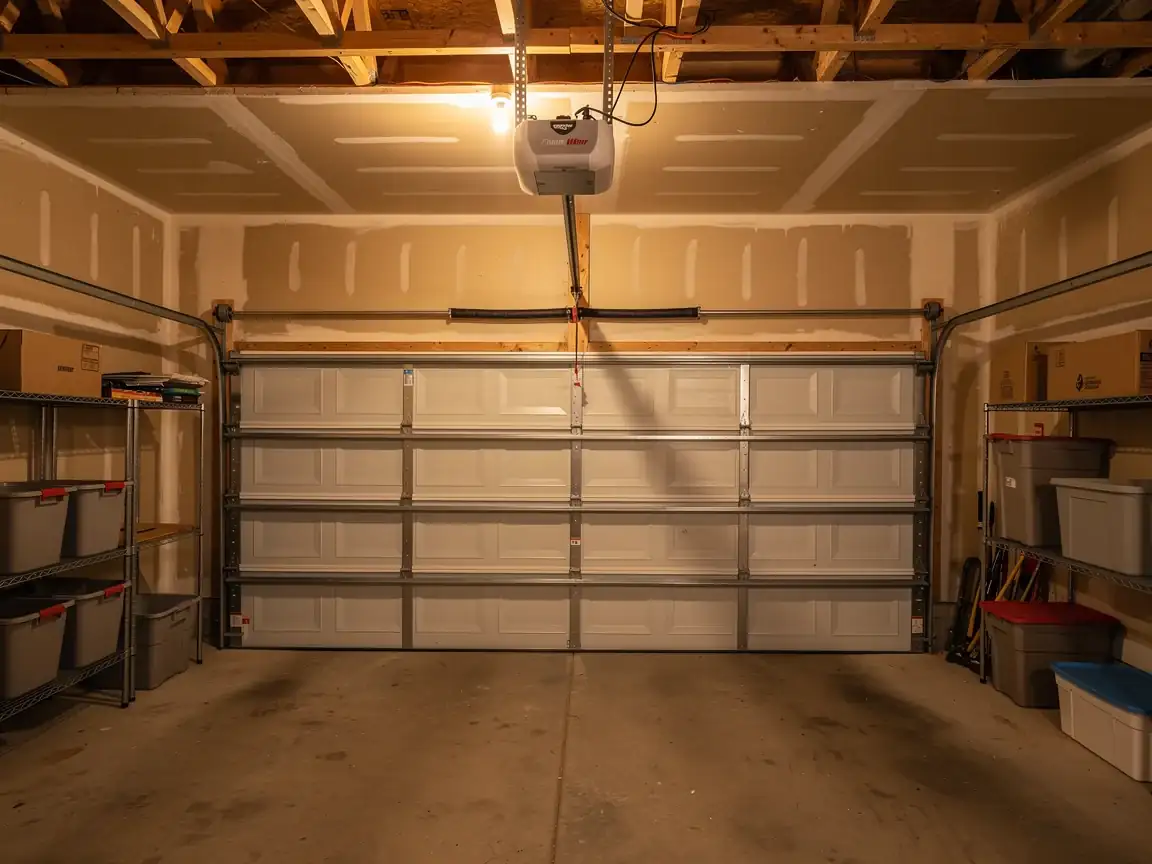
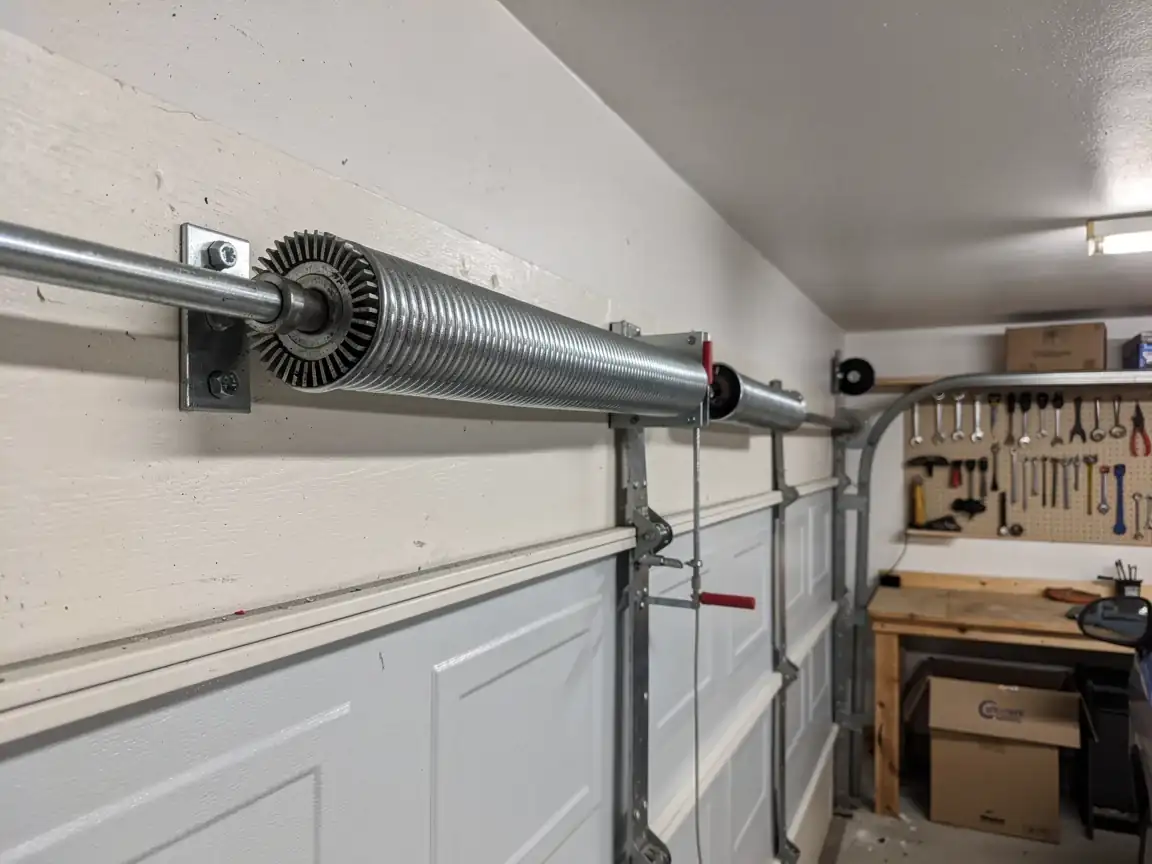
A torsion spring under tension can put you in the hospital, and that risk doesn't change with the age of the house. What does change on a 1938-era door is what's holding the spring in place. Older setups sometimes used different drum and cone hardware than what you'll find in a current parts box, so even a confident DIYer can find that the replacement spring they bought doesn't seat the way the instructions assume. If your door is original to a house built before the postwar boom, treat that as a reason to call rather than a reason to push through. Extension springs without safety cables, which show up more often on older one- and two-car doors in this area, are a separate hazard again - a snapped cable has nowhere to go but out.
What the Fix Involves
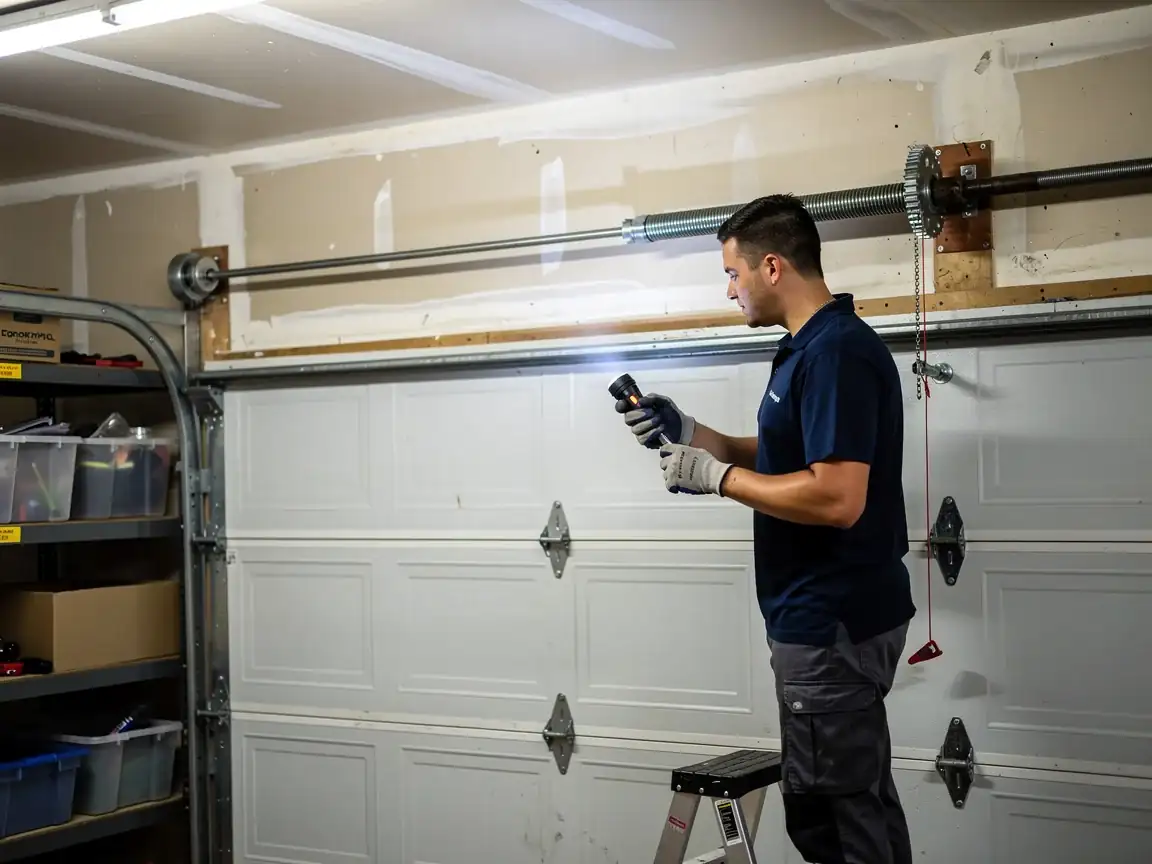
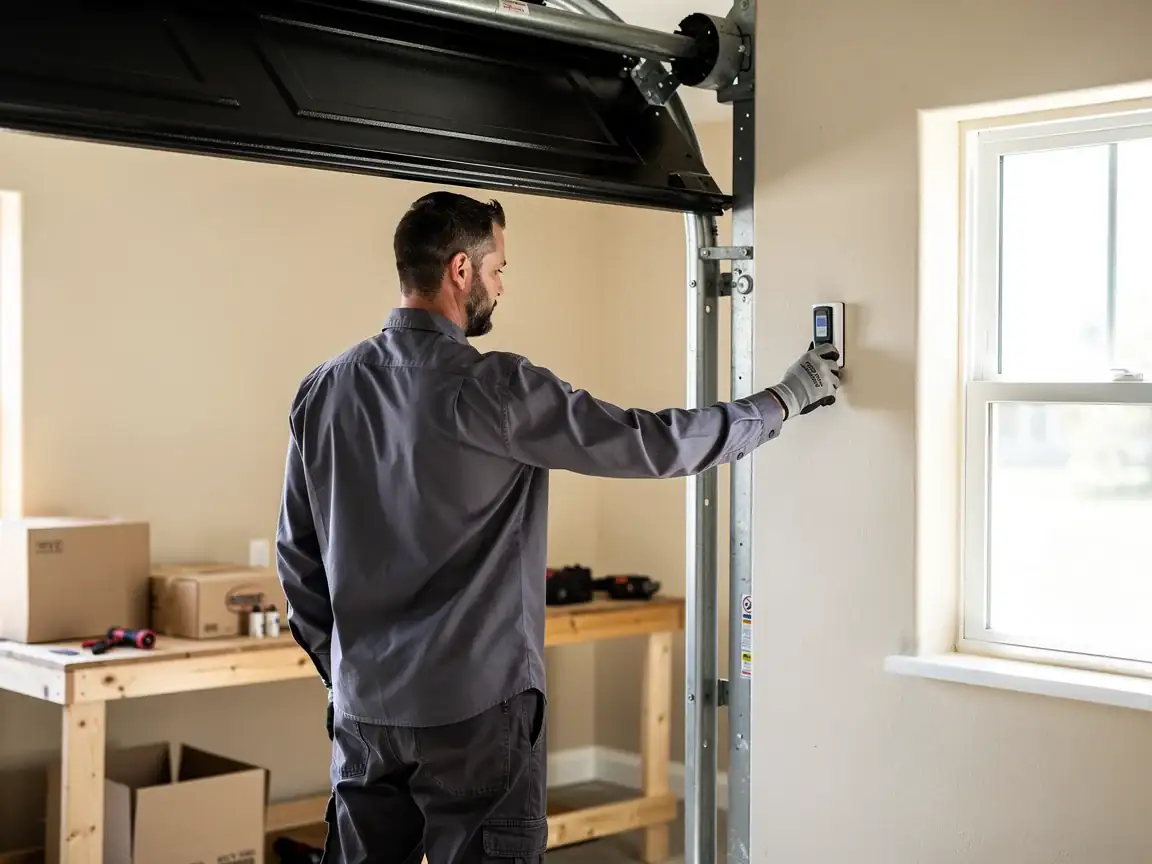
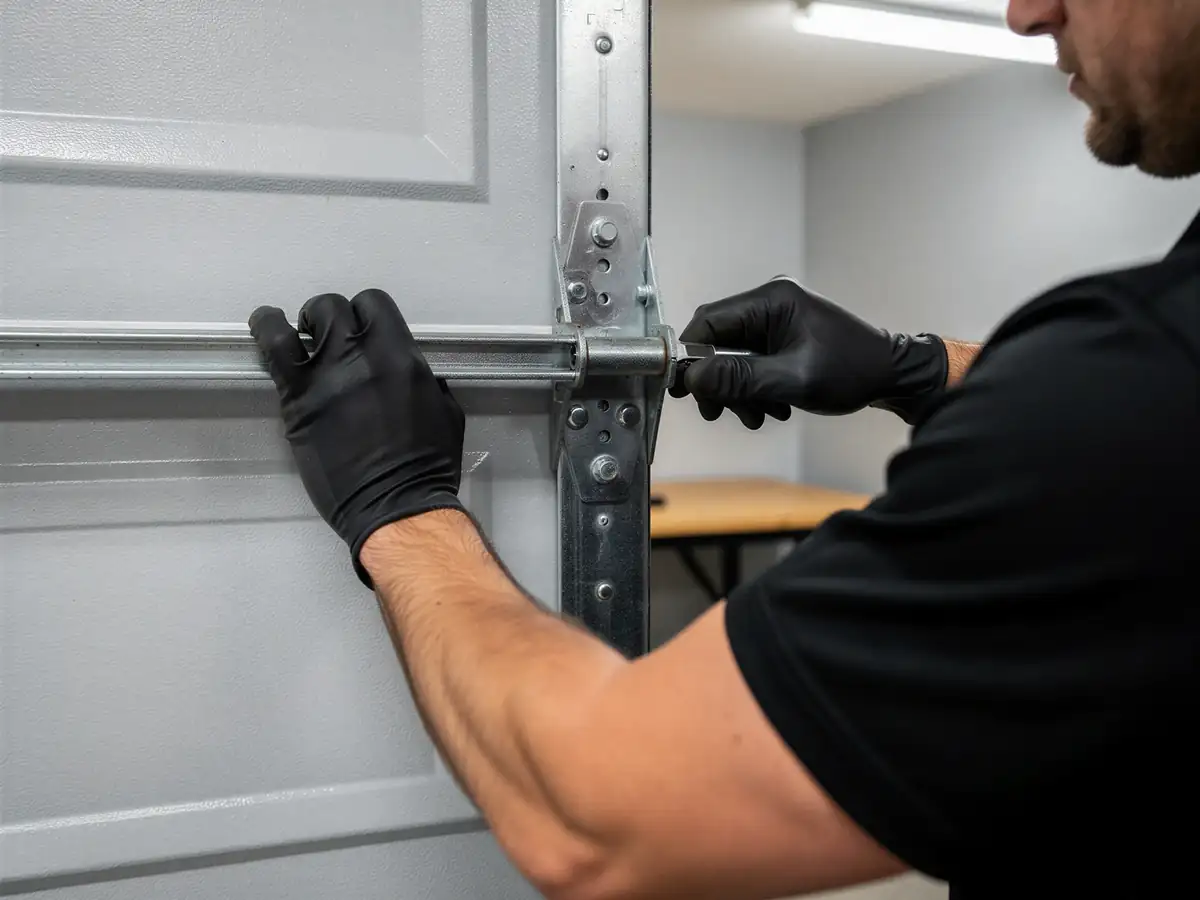
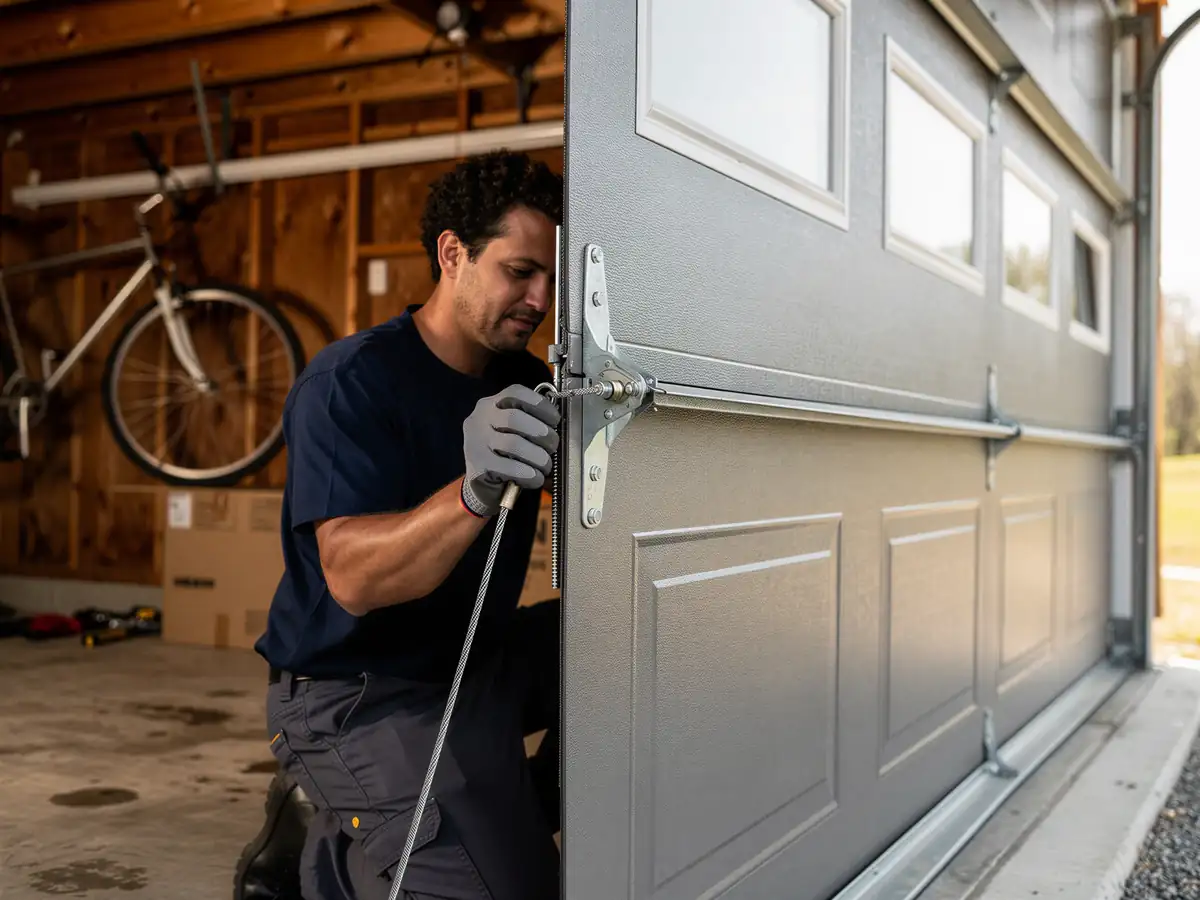
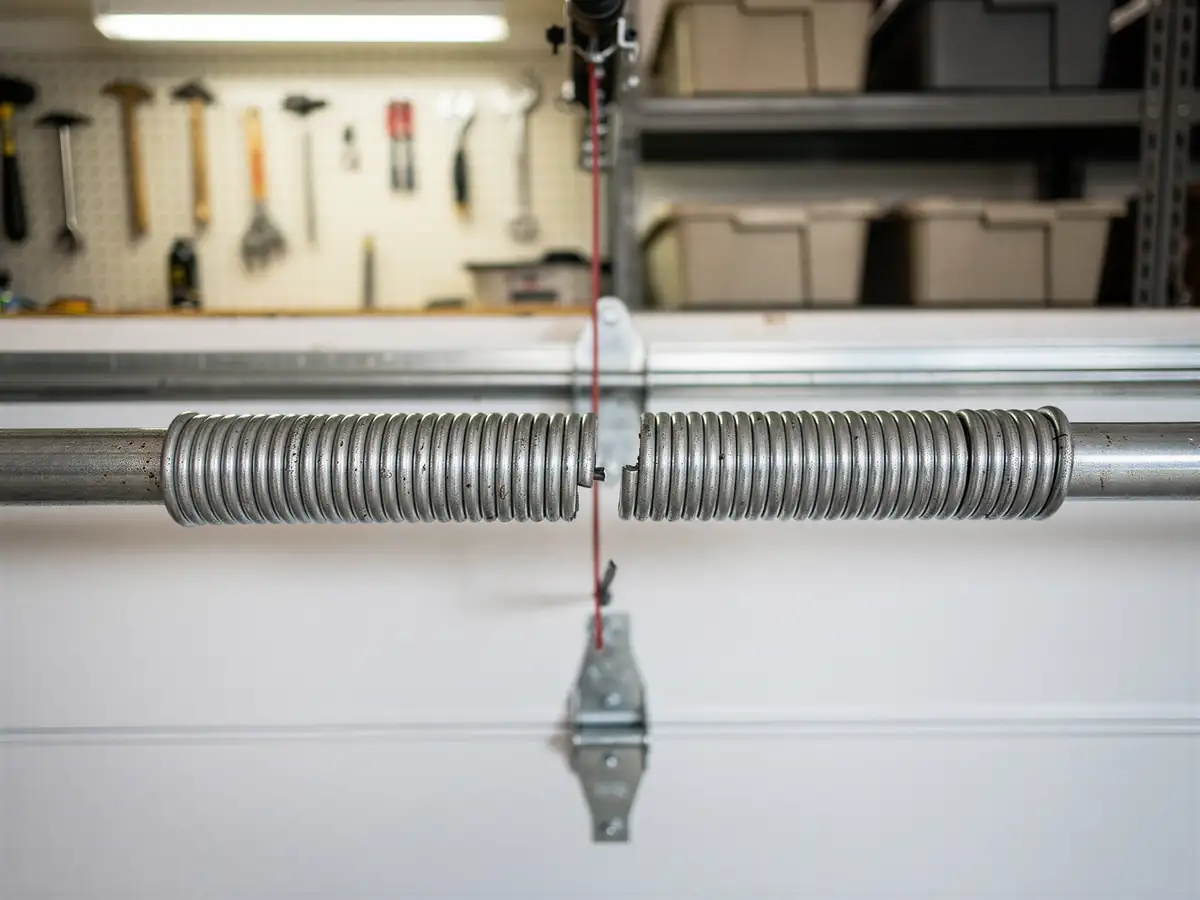
We pull the old spring, measure the wire gauge, coil diameter, and length off the broken piece or the drum setup, and match a replacement to the door's actual weight and lift requirement - not just to what's written on a sticker that may have faded decades ago. On the older doors common in Northampton, that measuring step takes longer because the hardware isn't always a catalog match. We check the cables, the drums, and the center bearing while the spring's off, since a shaft that's been running on dry bearings for sixty-some years is usually overdue regardless of why we got the call. Once the new spring's on, we balance the door by hand before testing it on the opener, because an opener fighting a poorly balanced door is how you get a second service call.
Where This Job Goes Sideways
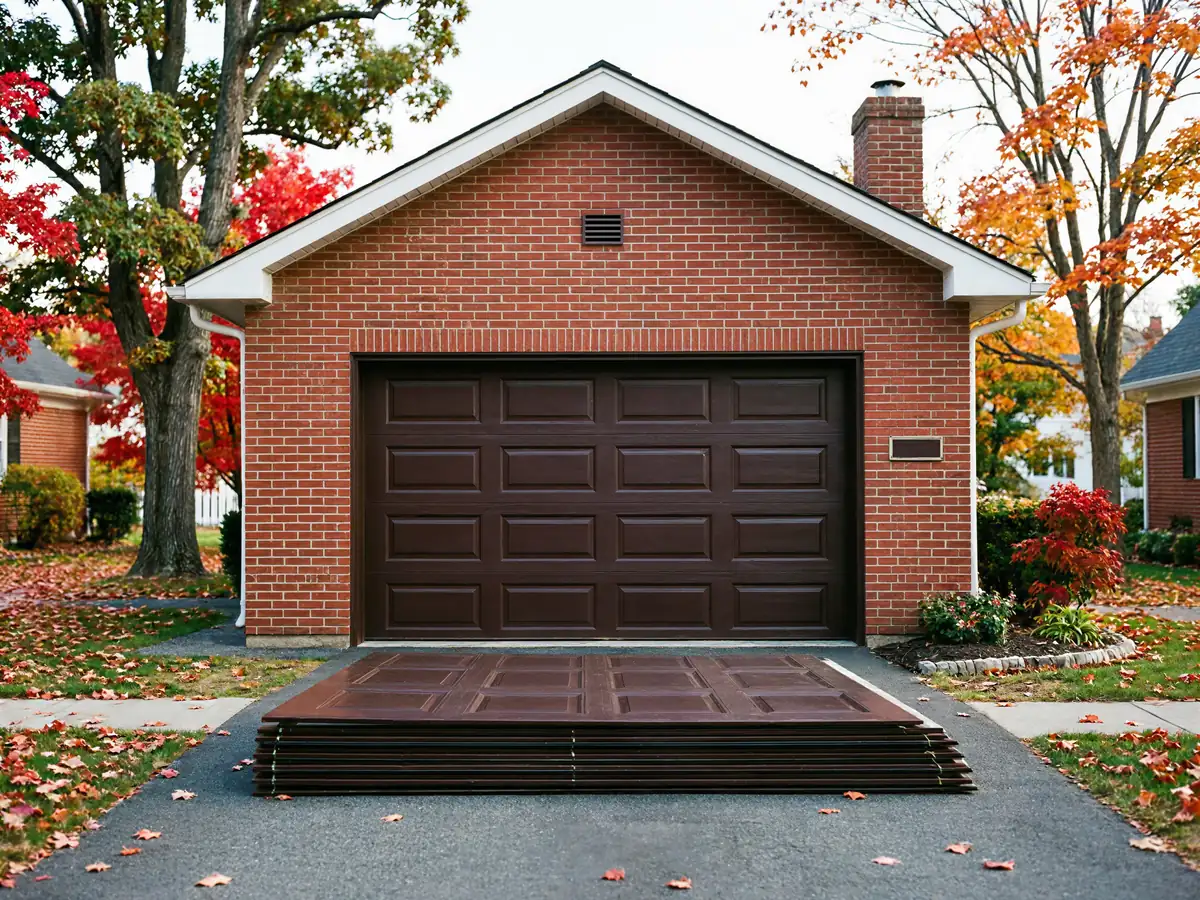
The honest limitation: if the door itself is original to a 1938 build and the track, hinges, and panels are all failing together, a spring swap is a patch on a door that's at the end of its life. We'll tell you when that's the case instead of selling you a spring for a door that needs replacing in a year. The other place this goes sideways is parts lead time - a spring cut to an odd length for older hardware isn't always something we carry on the truck, and in that case we're ordering it rather than fixing it same-visit. We'd rather say that upfront than promise a timeline we can't hold to from 7 miles away.