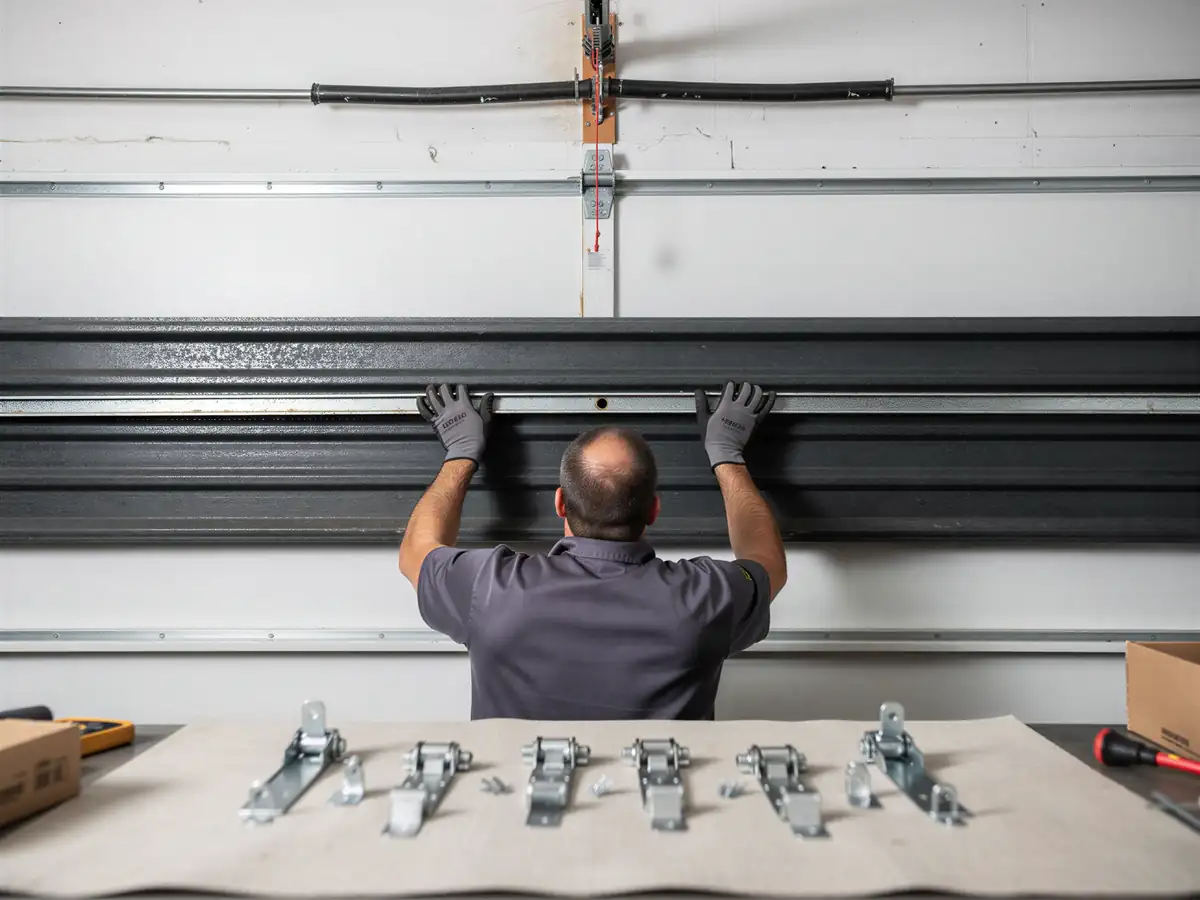
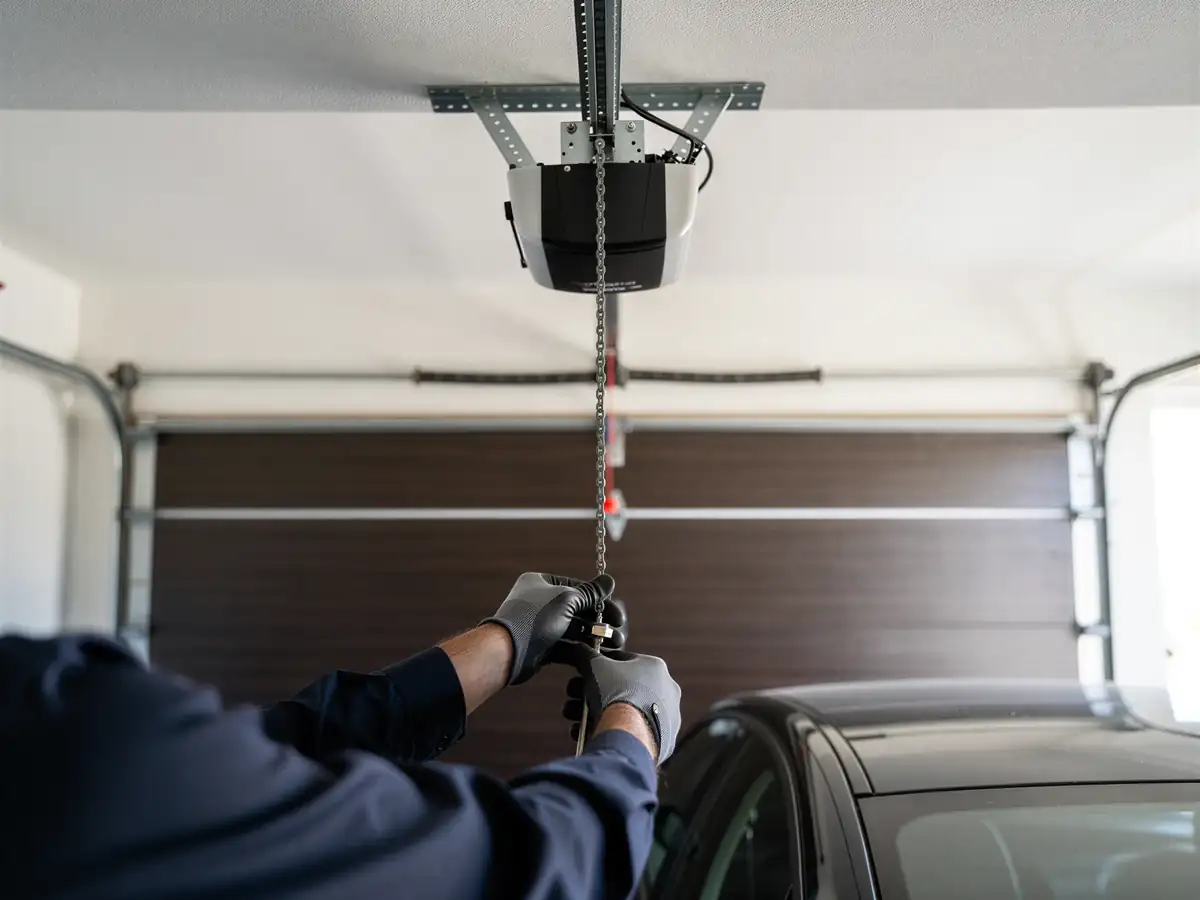
What the Fix Involves
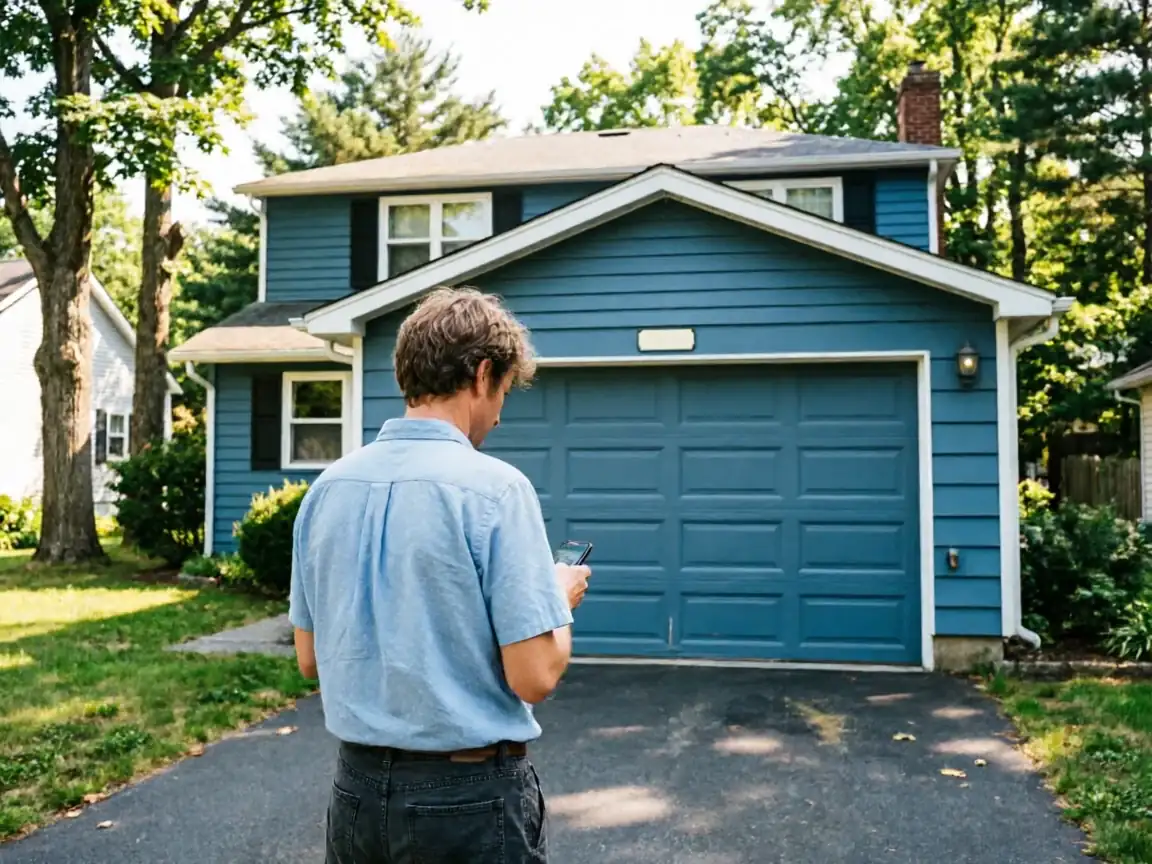
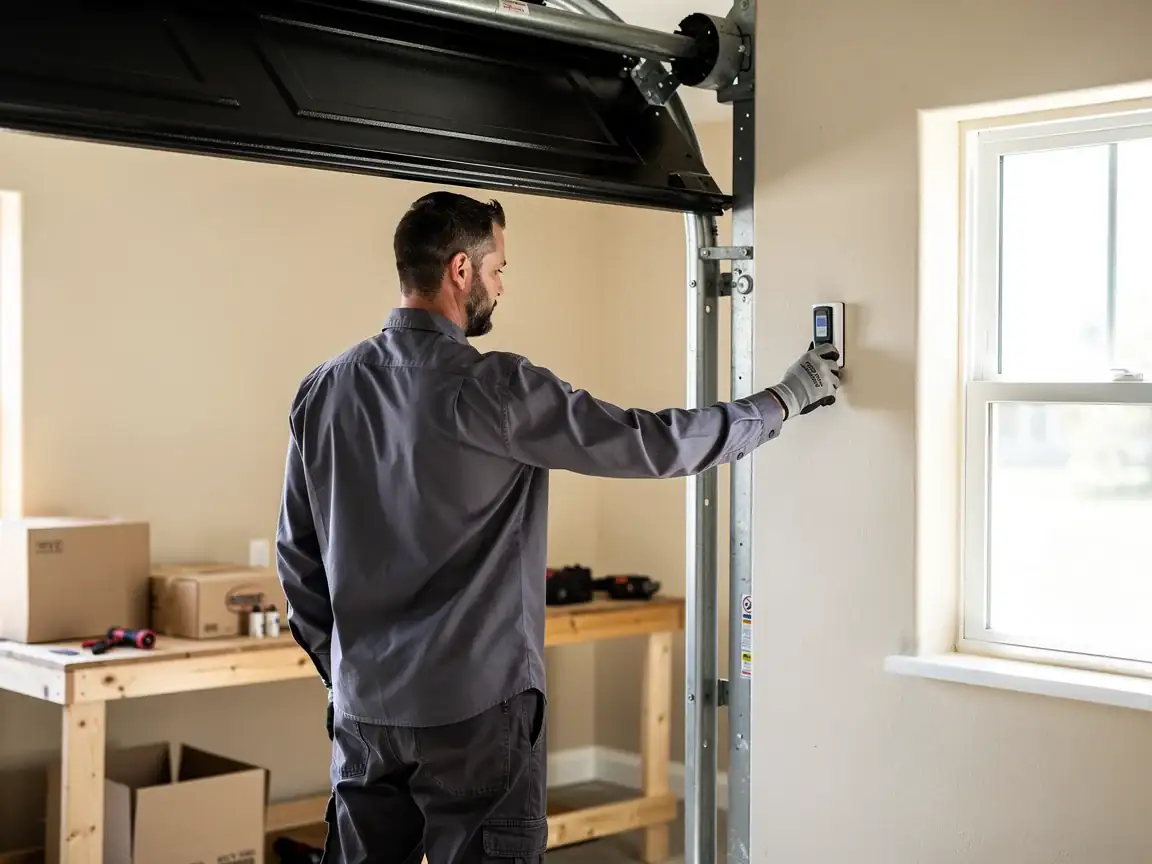
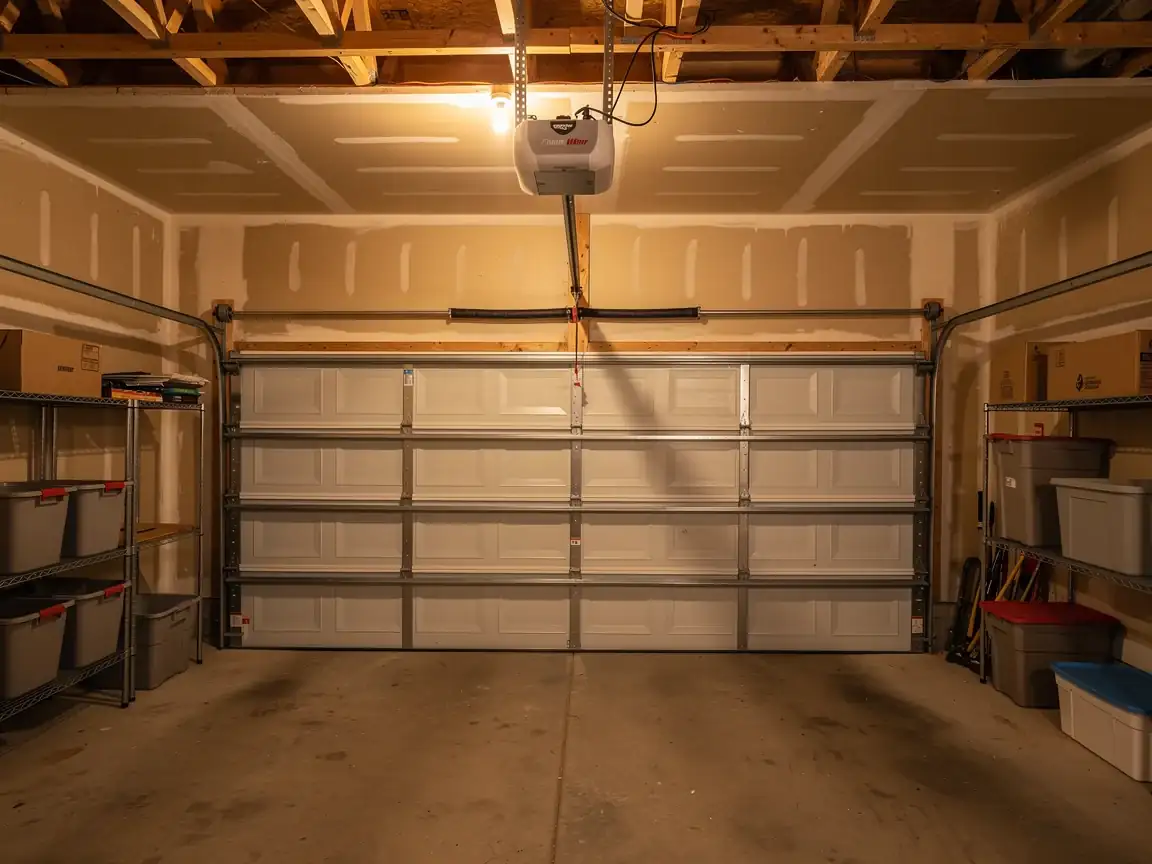
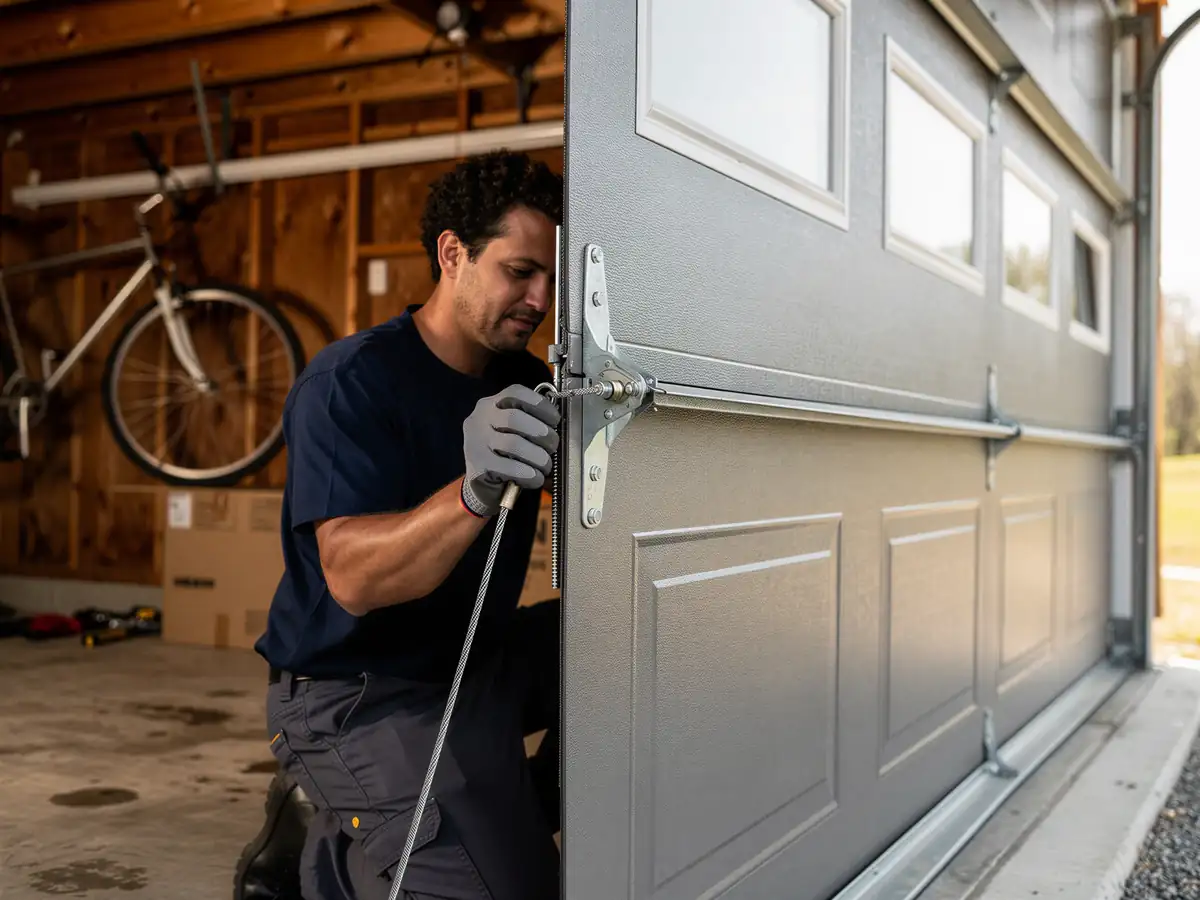
Most opener calls break down into a short list: a burned-out circuit board, a stripped drive gear, a dead capacitor on an older chain-drive unit, or sensors knocked out of alignment. We start by running the opener through its cycle and watching what it actually does - grinding, reversing early, not responding to the wall button, or running the motor with no carriage movement. That tells us whether the problem is electrical, mechanical, or a safety sensor fault before any cover comes off.
Once we know which system failed, the repair is usually one of a few things: swap the logic board, replace the drive gear and sprocket kit, reset or realign the photo-eye sensors, or rewire a connection that's corroded. Across the 154,639 households in this service area, the opener brands and ages vary a lot - some houses still run units installed decades ago, others have had one or two replacements since. We carry parts for the common drive types, but not every obsolete board is still made, and that's a real limit: on some older units, replacement of the opener head is the only honest fix once the board itself is discontinued.
We don't push a full opener swap when a $40 sensor or gear kit solves it. If the motor's gone or the board's unavailable, we'll say so and quote a new unit instead of patching something that'll fail again in a month.
Why This Fails Locally
Housing in this service area was mostly built between 1938 and 2005, with the bulk of it dating to the 1960s and 70s across the 52 named neighborhoods we cover. That means a lot of garages still run openers original to a 1970s build or a first replacement from the 80s or 90s - units that predate the rolling-code safety boards and modern gear-drive assemblies standard today. Older chain-drive motors with aging capacitors are common here simply because the housing stock that age is common here.
The cold severe climate band this area sits in adds a second failure path. Winter temperature swings stiffen grease in the drive gear, make nylon sprockets brittle, and put extra load on a motor that has to pull a door through ice or packed snow at the bottom track. A unit that runs fine on a 60-degree fall day can grind or stall on a January morning because the gear and the lubricant inside it weren't built for that swing. This isn't a universal opener problem - it's what happens when 1960s-era housing stock meets a genuinely cold winter season, year after year, until the plastic gear finally cracks.
Where This Job Goes Sideways
The call that looks simple on the phone
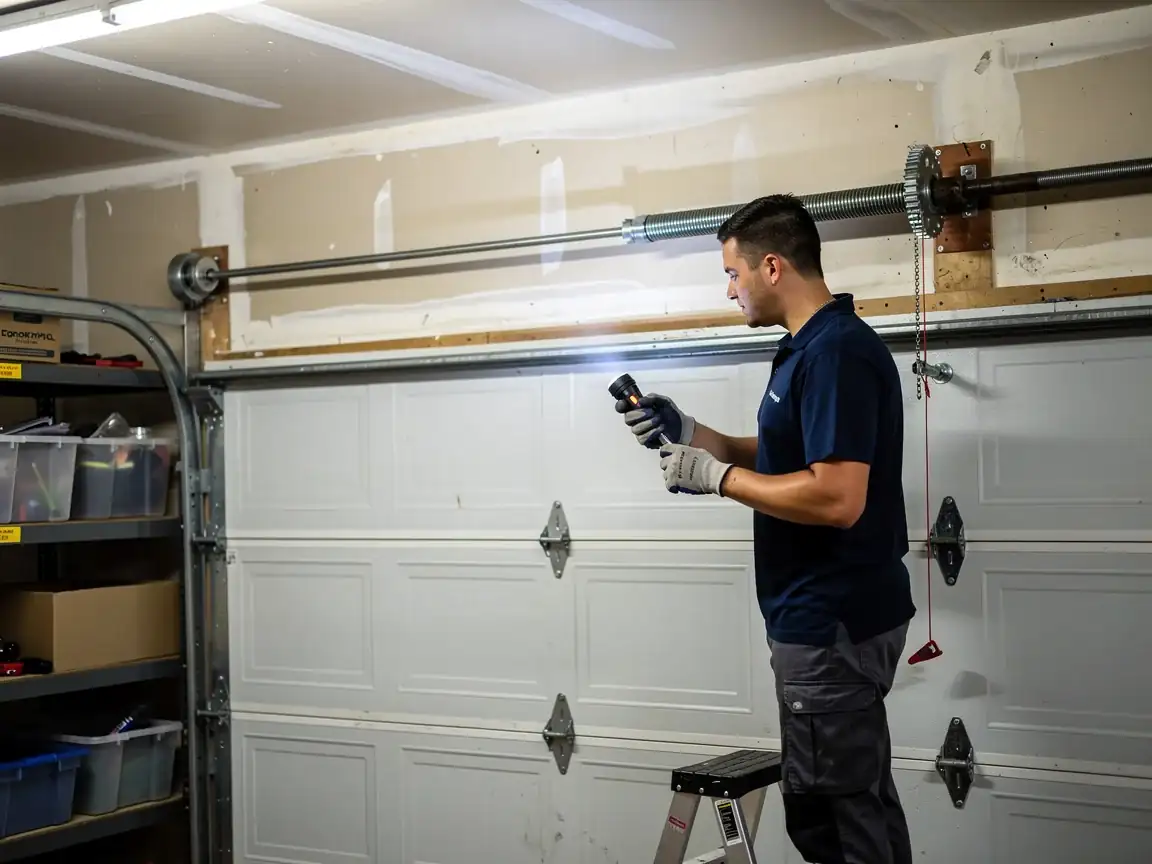
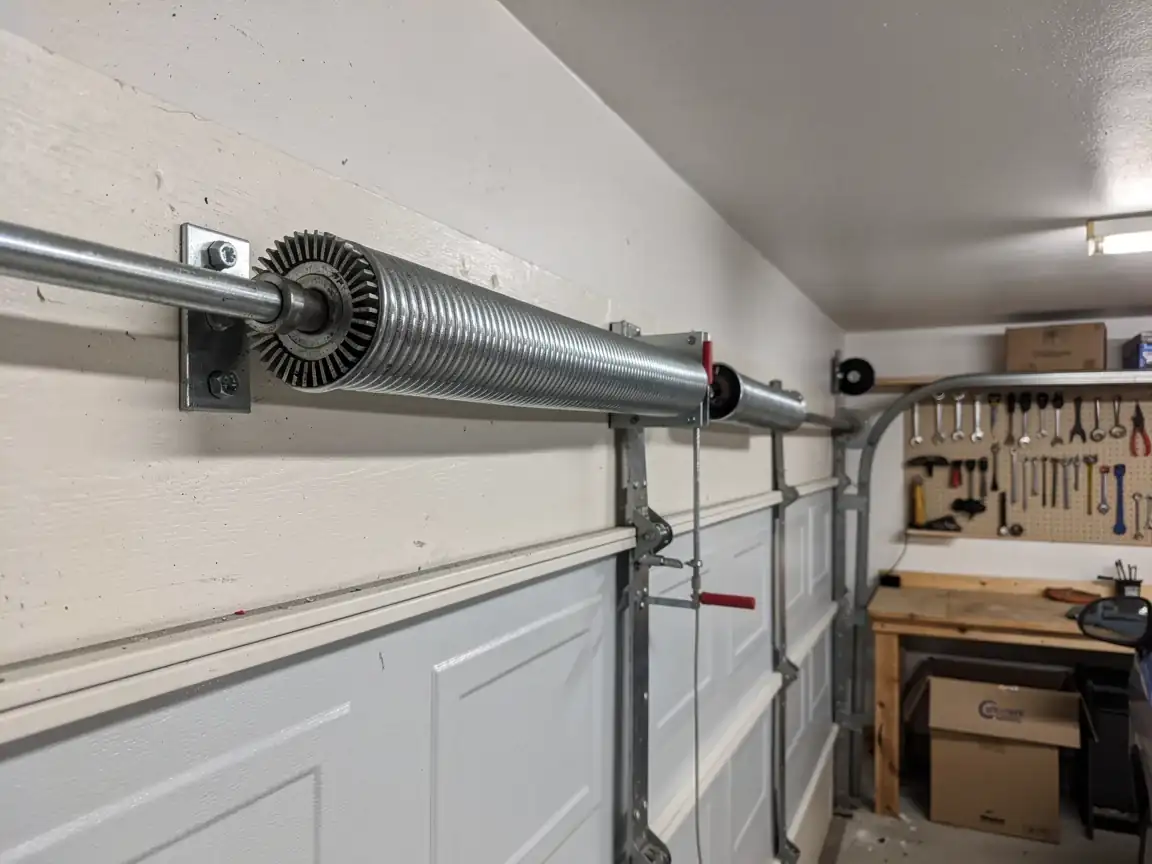
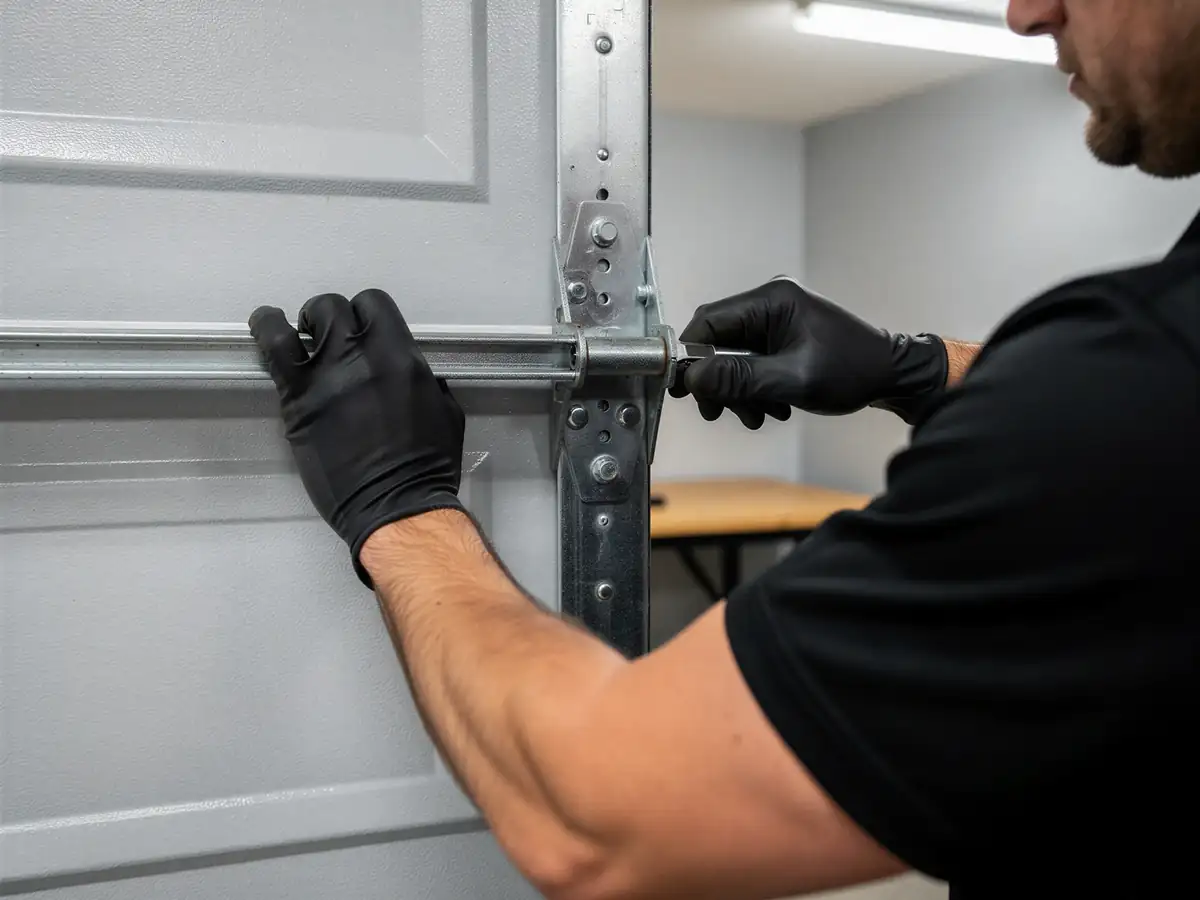
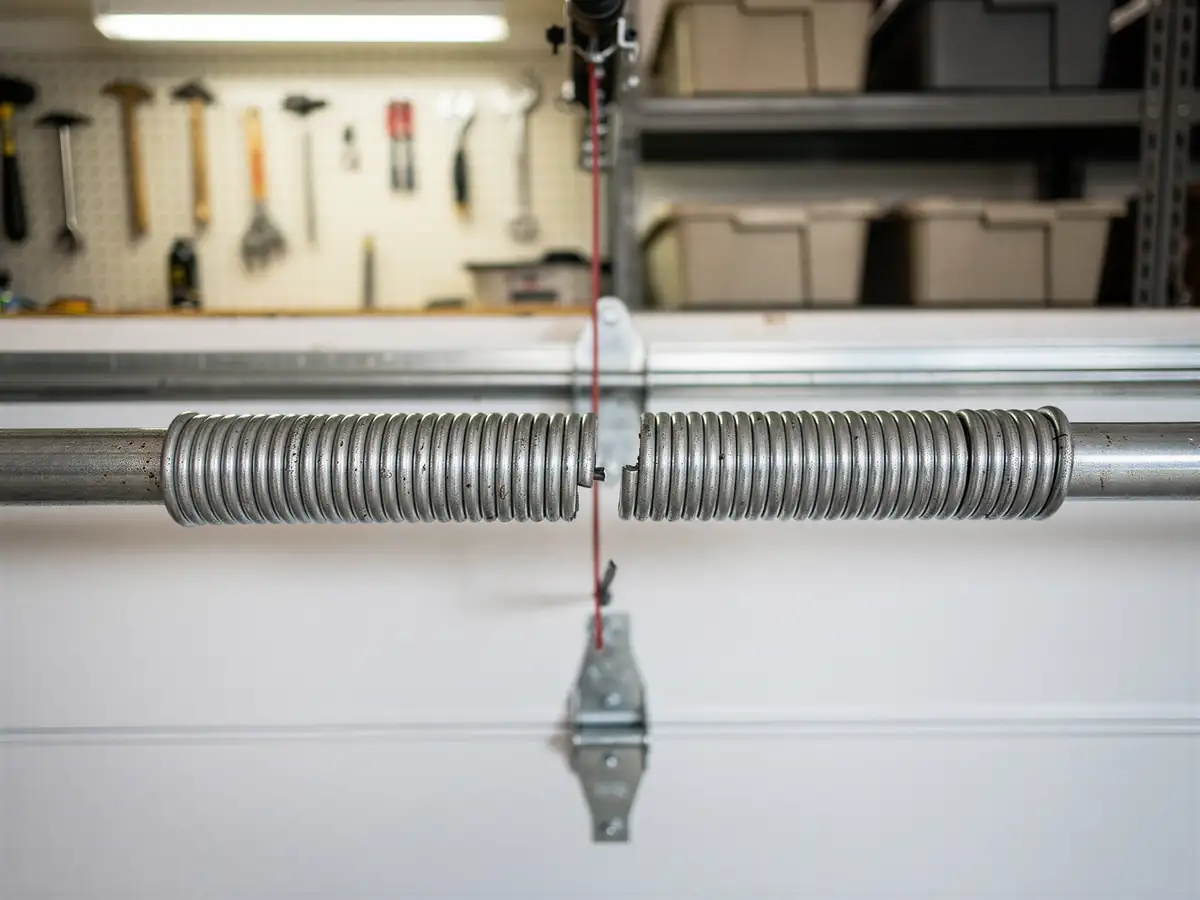
"Opener won't open the door" - sometimes turns out to be a spring or cable problem wearing an opener's clothes. If the torsion spring is weak, the opener motor tries to lift the full weight of the door alone, strains, and trips its internal overload. Replace the board in that case and it just fails again in a week. We check the door's balance by hand, disconnected from the opener, before we touch any electronics.
Another place this goes wrong
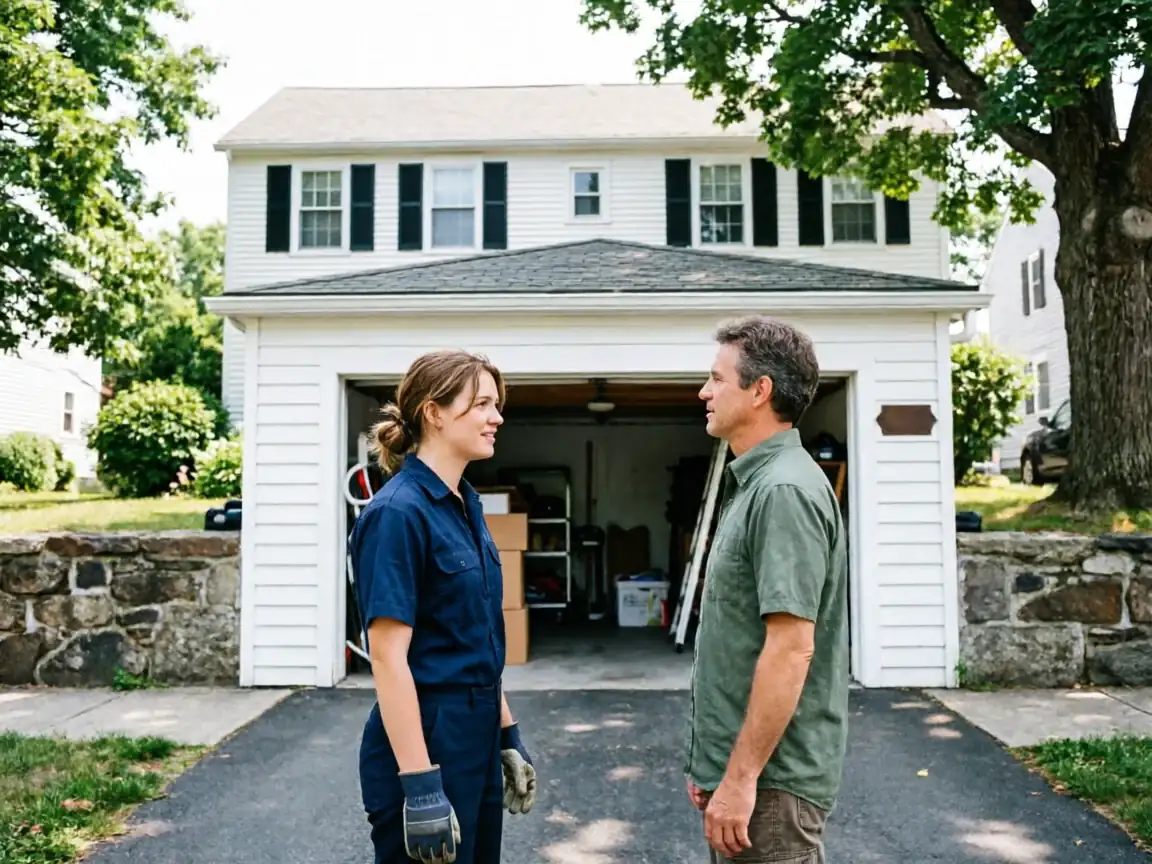
Homeowners in older houses sometimes have openers wired directly into old circuits without a dedicated outlet, so an intermittent opener fault is actually a wiring fault upstream of the unit. We won't chase a phantom opener problem for an hour if the real issue is on the house side of the outlet - that's an electrician's job, and we'll tell you plainly when that's what you're looking at instead of billing for parts that won't fix it.
Finally, on older gear-drive units, the drive gear housing itself can be press-fit and no longer sold separately
Meaning what looks like a $30 part swap turns into a full head replacement once the housing is opened up.
The Symptom
The door opens using the wall button but not the remote, or vice versa - nine times out of ten that's a dead remote battery or a frequency issue, not a board failure, and it's the cheapest fix on this whole list. The opener runs but the door doesn't move: check the drive gear before anything else, especially on a unit that's a decade or more old. Clicking or grinding with no door movement almost always means the gear has stripped.
Lights on the opener blink and the door won't close: that's the safety sensors, usually knocked out of alignment or blocked, not the motor. The opener hums for a second then cuts out: that's often a failing capacitor on an older chain-drive unit, more common on the cold mornings this area gets through the winter months. And if the door reverses right after touching the floor, that's a limit-switch setting, not a part that needs replacing at all - worth ruling out before paying for parts.