The Cost of This Job
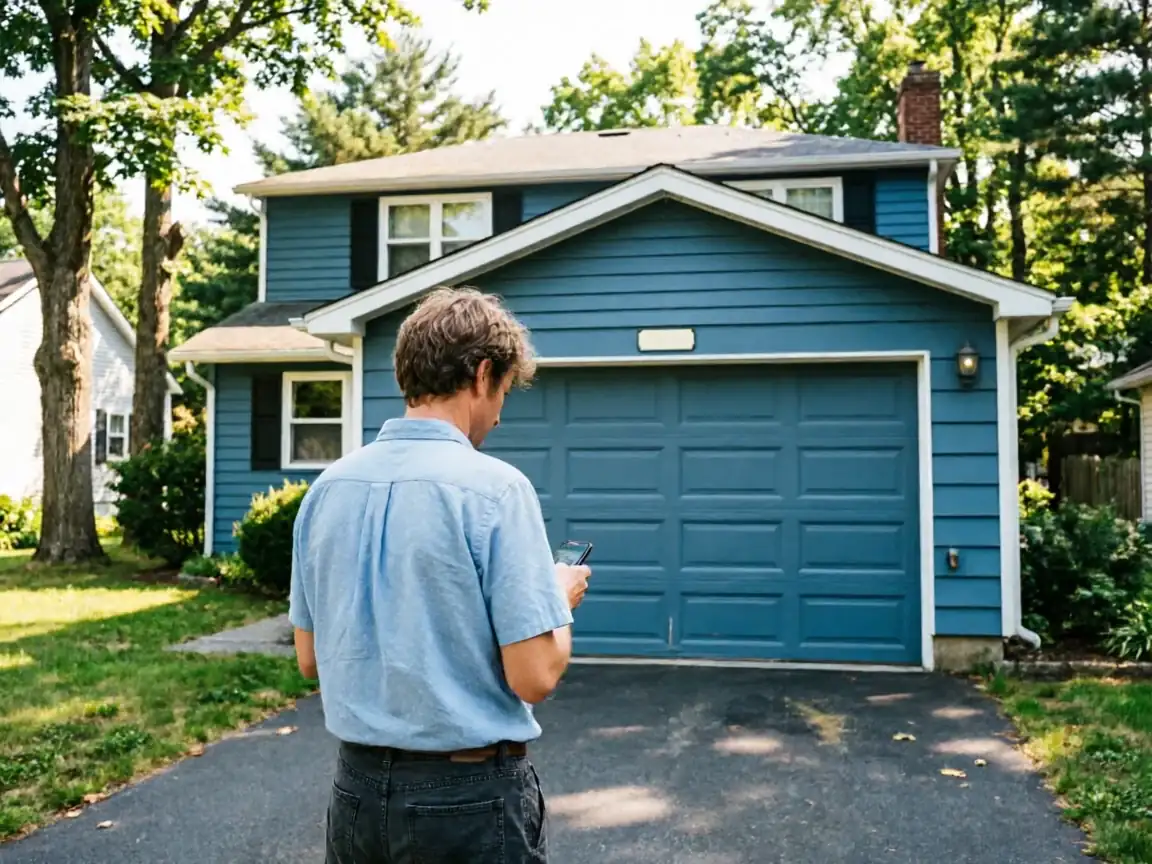
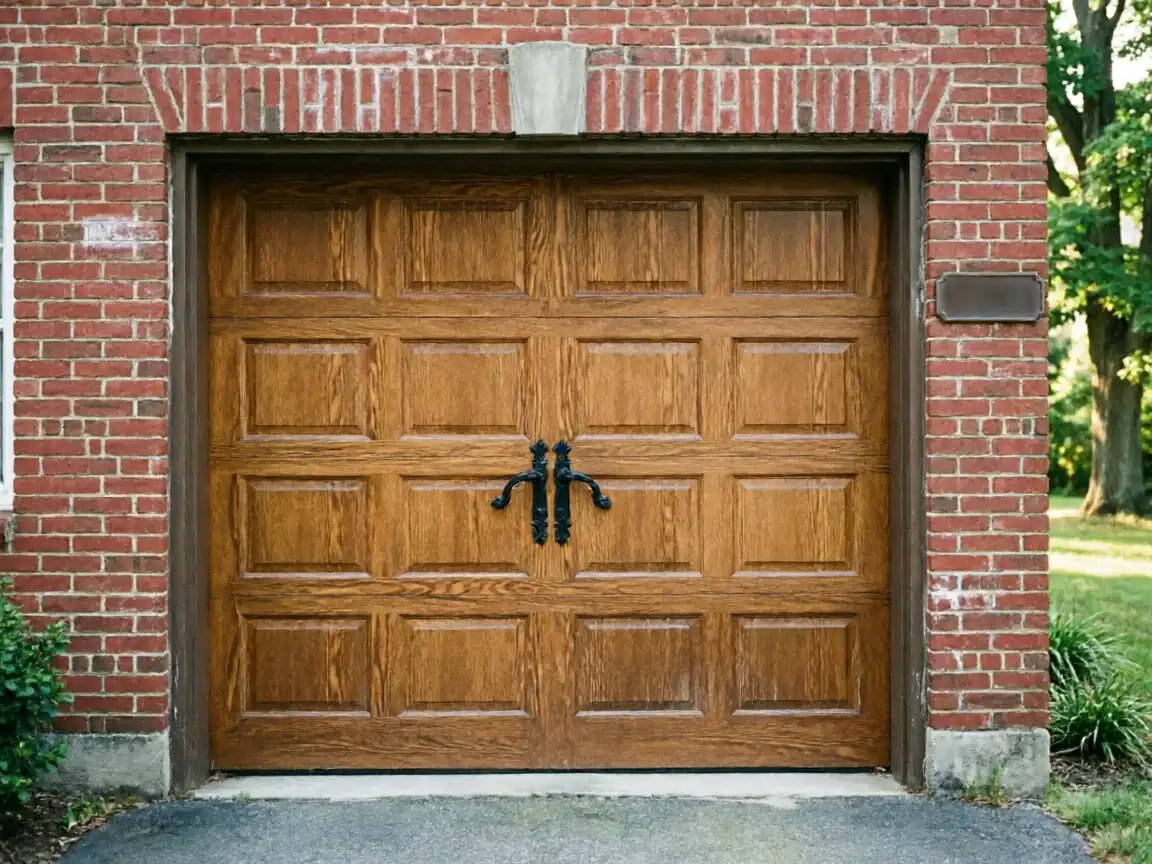
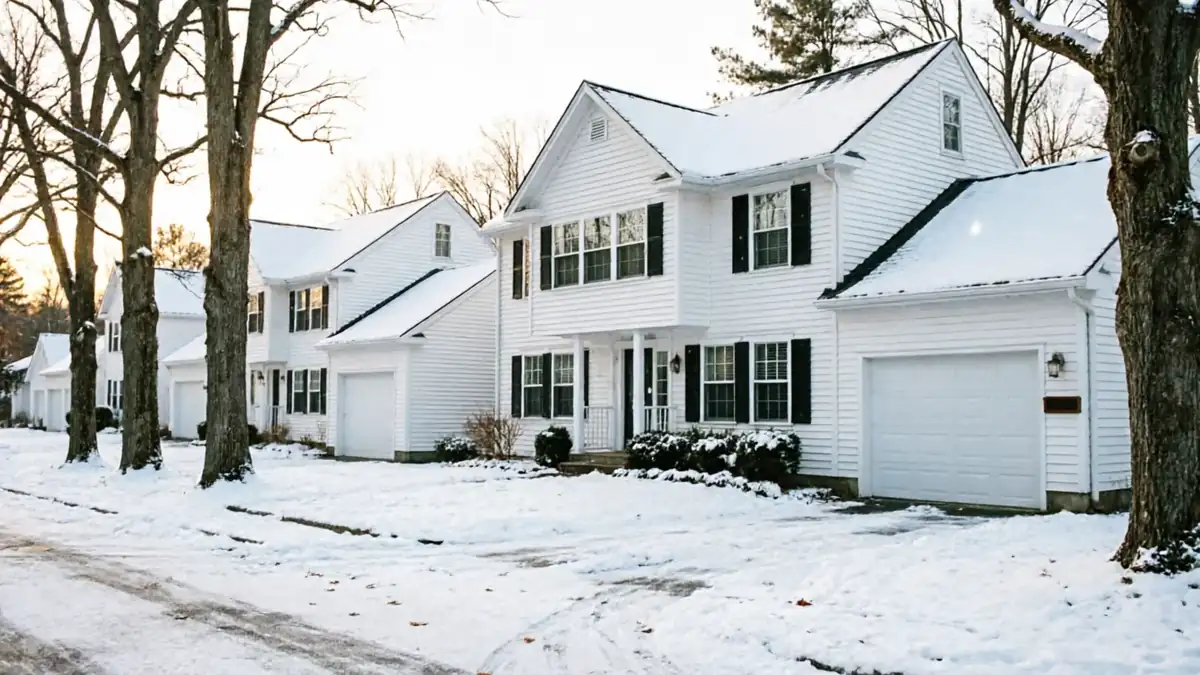
Median household income in Northampton runs $82,719, close to the wider service area's $82,797. That number matters more than it sounds like it should, because it sets where the repair-or-replace line falls. A torsion spring job or a track realignment on a door that's otherwise sound is almost always the cheaper move, and at this income level most owners can absorb it without much thought. The calculation flips once the door itself is the problem - a bowed panel, a frame that's racked from decades of settling, an opener that predates remote keypads. Northampton's housing stock runs older than a lot of the surrounding area; the service region spans homes built from 1938 to 2005, and Northampton sits at the early edge of that range rather than the middle. A door and track system installed when the house went up has usually outlived its hardware twice over by now. At that point you're not repairing a 2015 door, you're trying to keep parts alive for something built when steel sectional doors barely existed. We won't talk you into a new installation if a $200 repair solves it. But for the oldest housing stock in town, replacement is often the actual lower-cost option once you count the repeat service calls.
Can You Do This Yourself
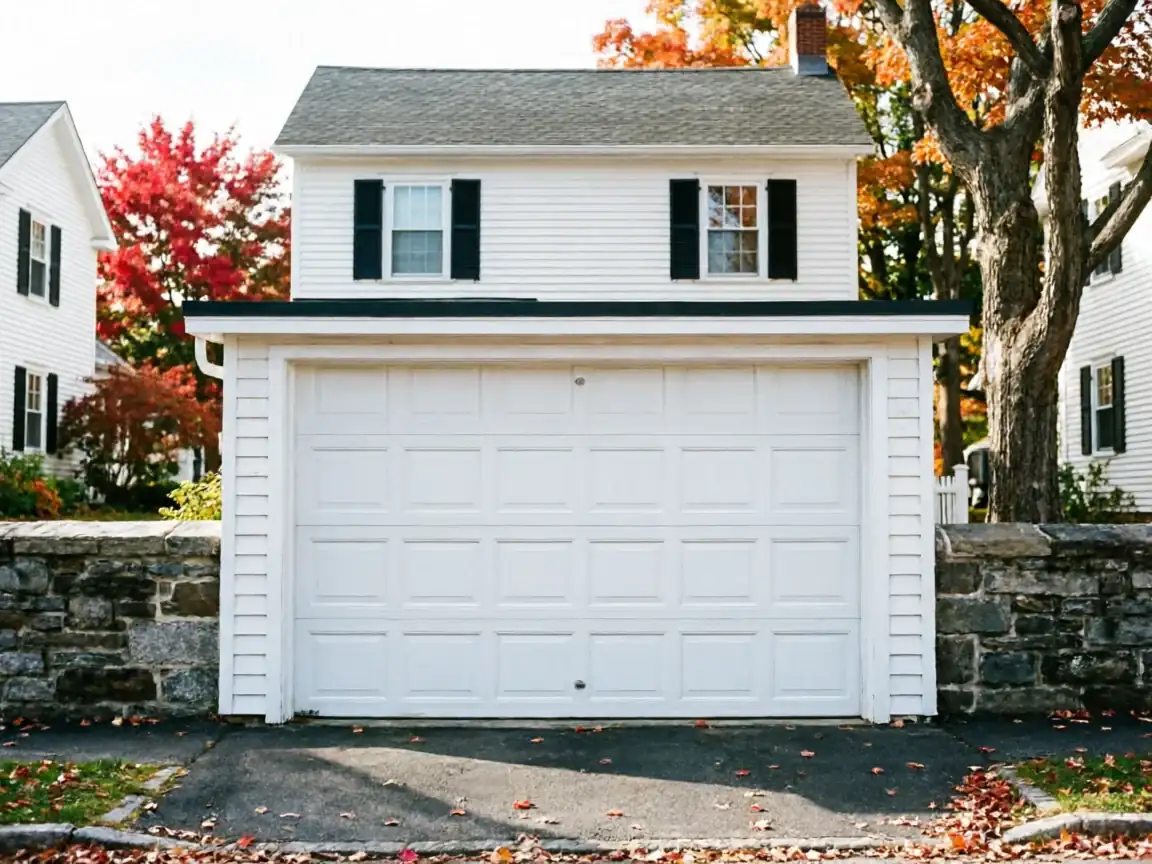
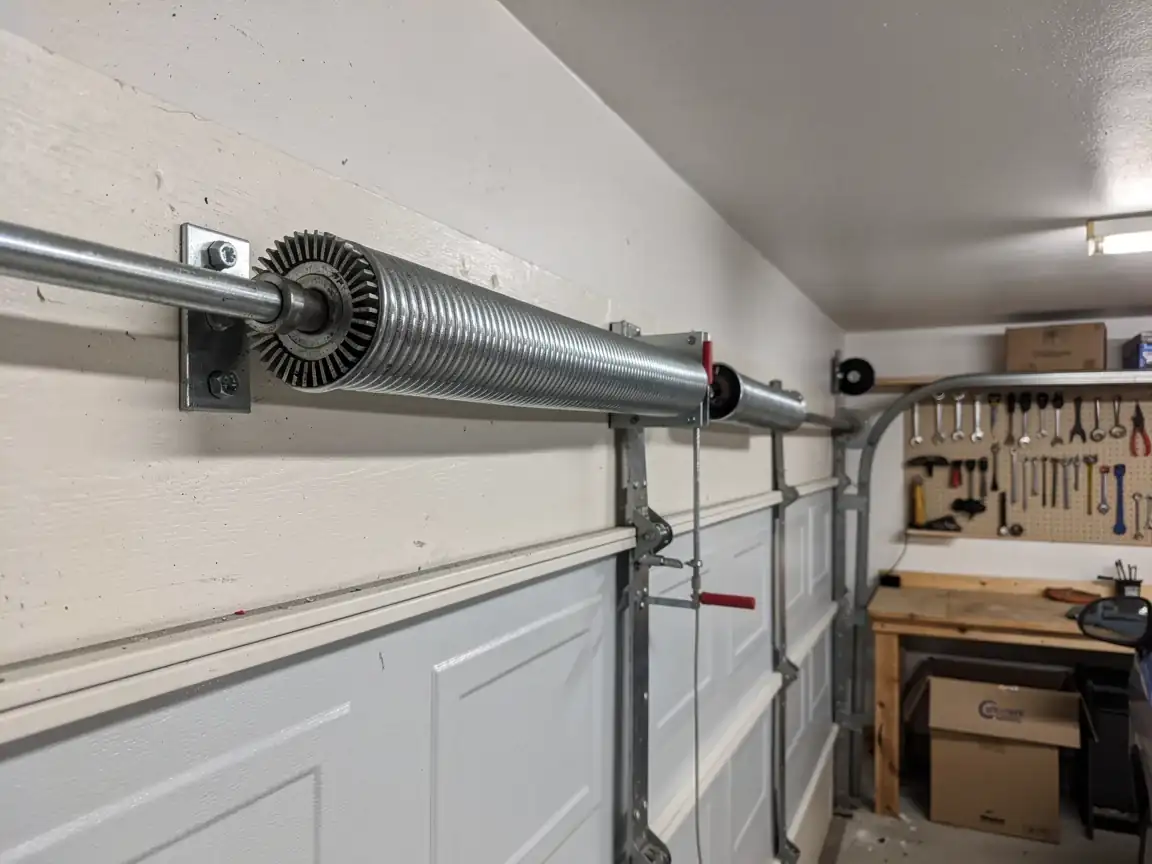
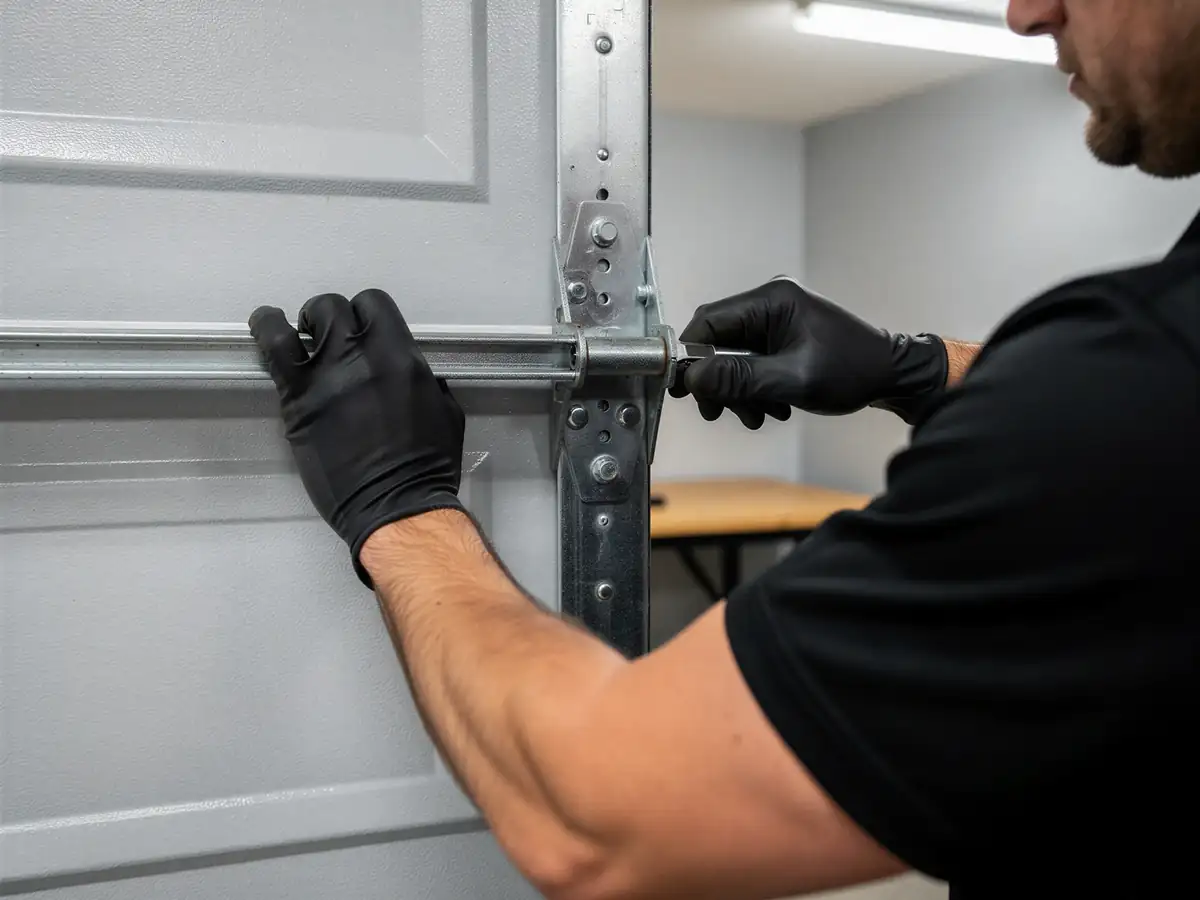
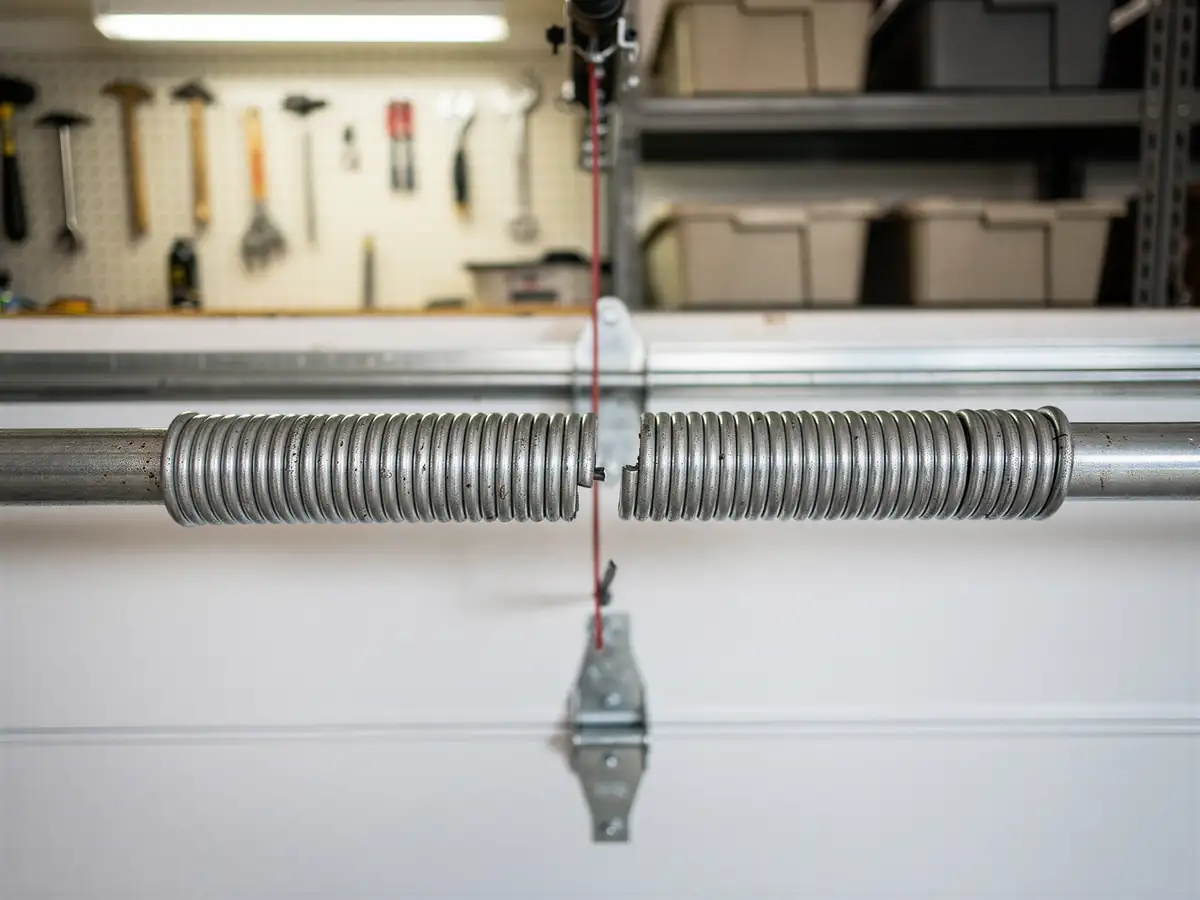
A new garage door is not a weekend project, and we'll say that plainly rather than soften it. The panels are heavy, the torsion spring carries enough stored tension to break a hand or worse if it lets go while you're working on it, and the opener bracket has to sit square to the header or the whole system binds within months. None of that is specific to Northampton - it's true of the job anywhere. What is specific here is the age of the openings themselves. Houses from the 1938-era end of this region's housing stock often have frames that were never squared to modern door dimensions, because the original doors were built to fit the frame, not the other way around. A DIY install on an out-of-square opening looks fine for a few weeks and then starts binding, chewing up rollers, or refusing to seal against the cold. If you've replaced an opener before and you're comfortable on a ladder, you can probably swap a like-for-like door. If the frame needs correction first, that's not a job to learn on your own house.
What the Fix Involves
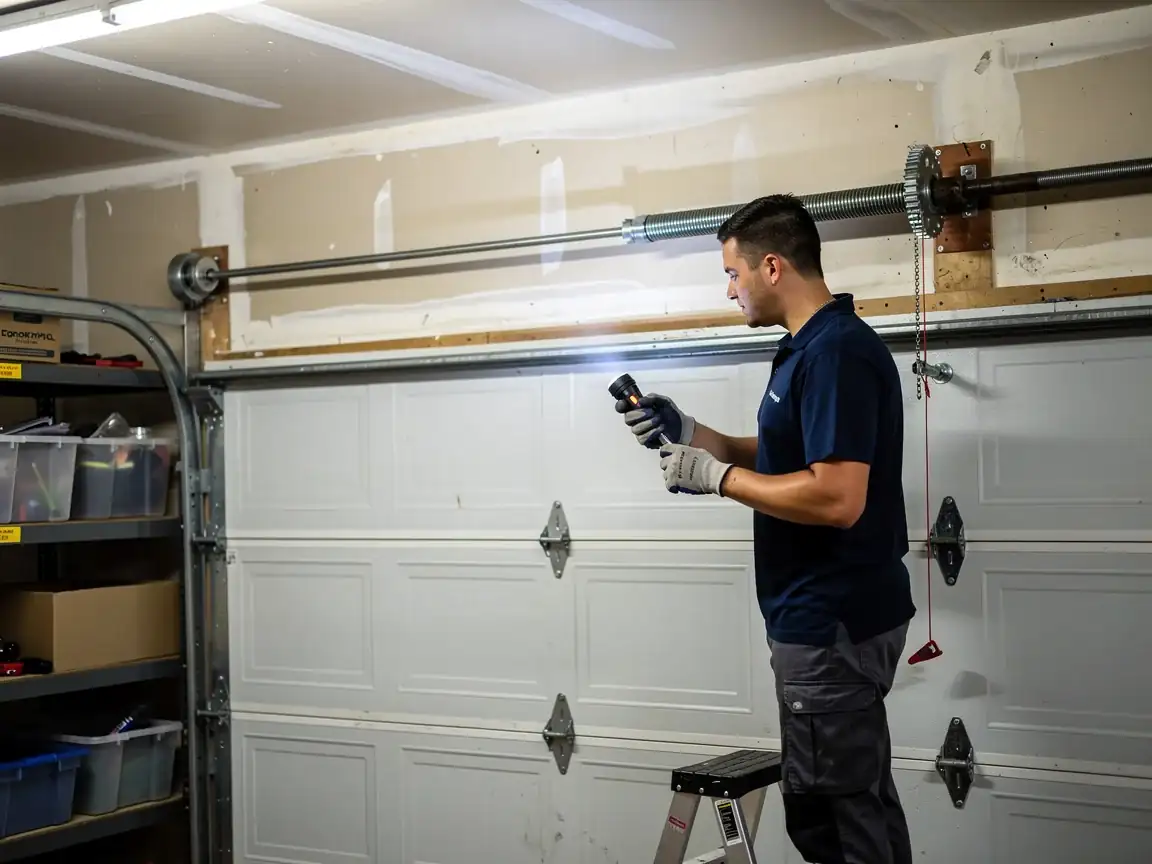
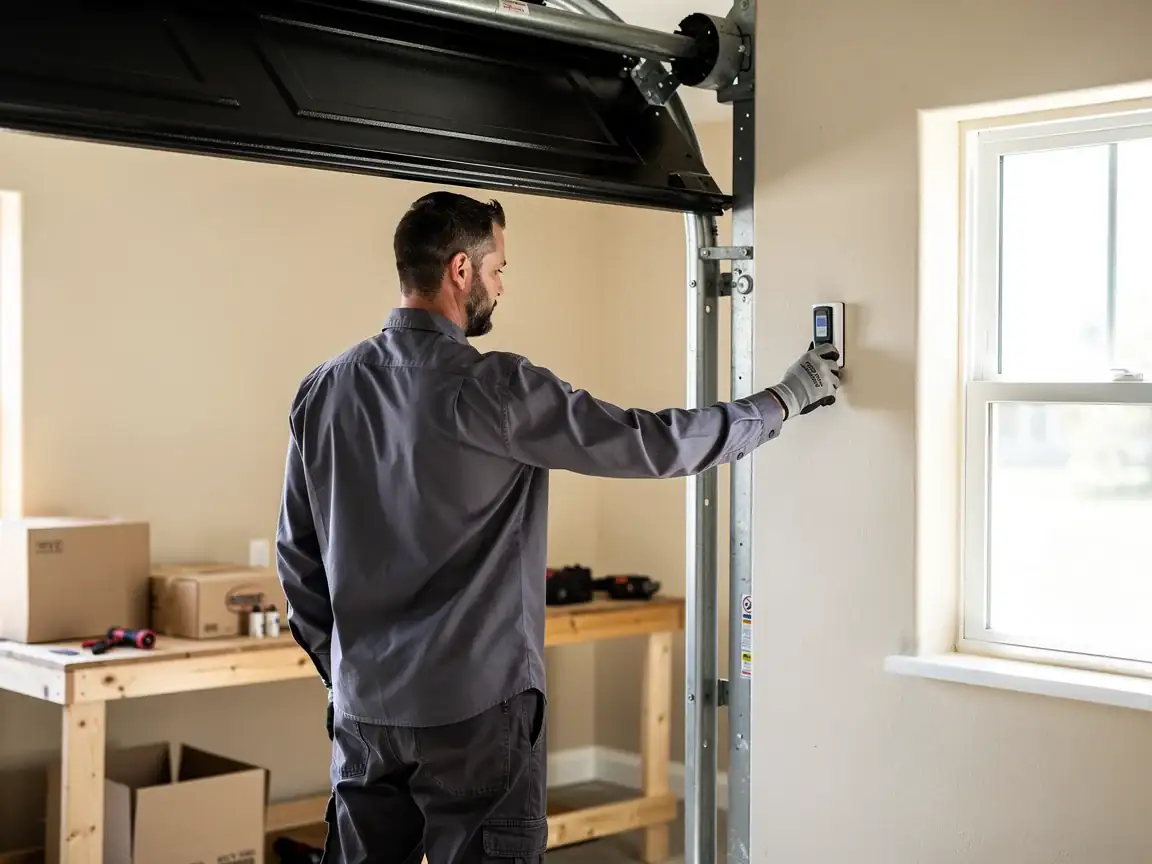
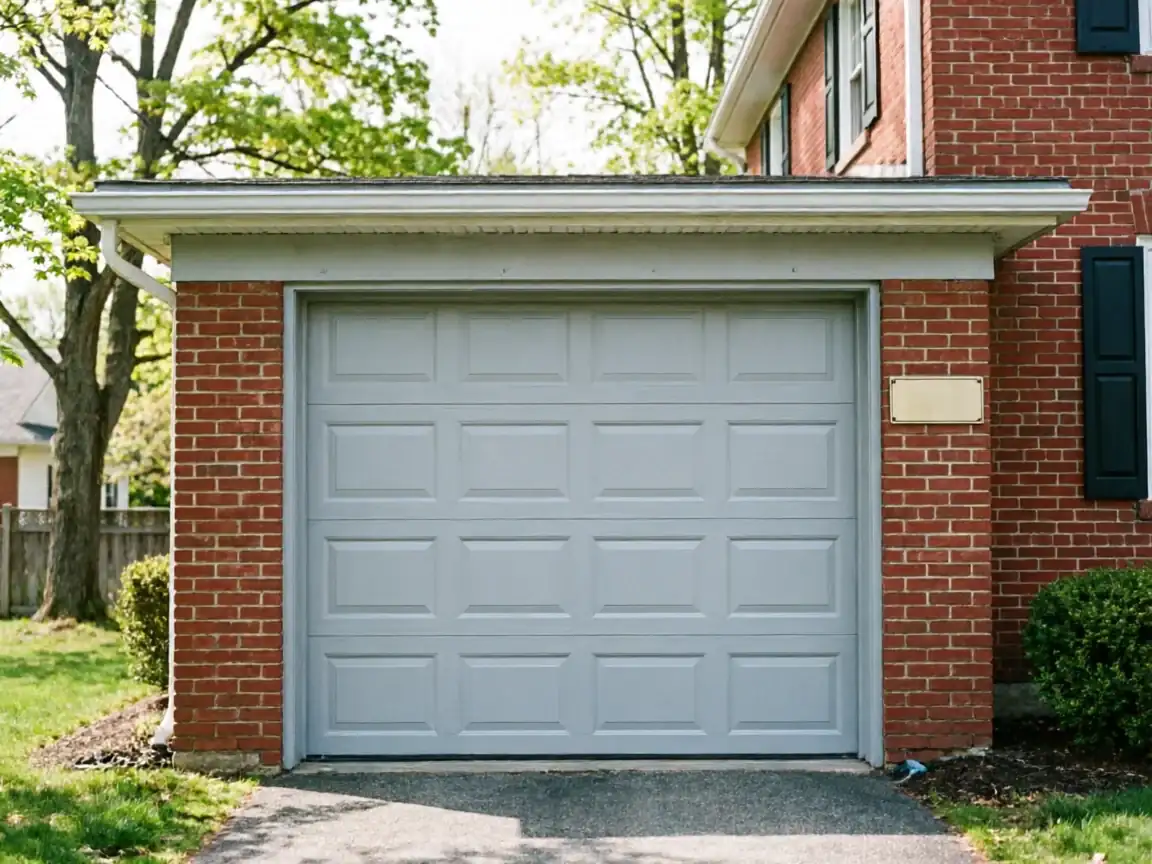
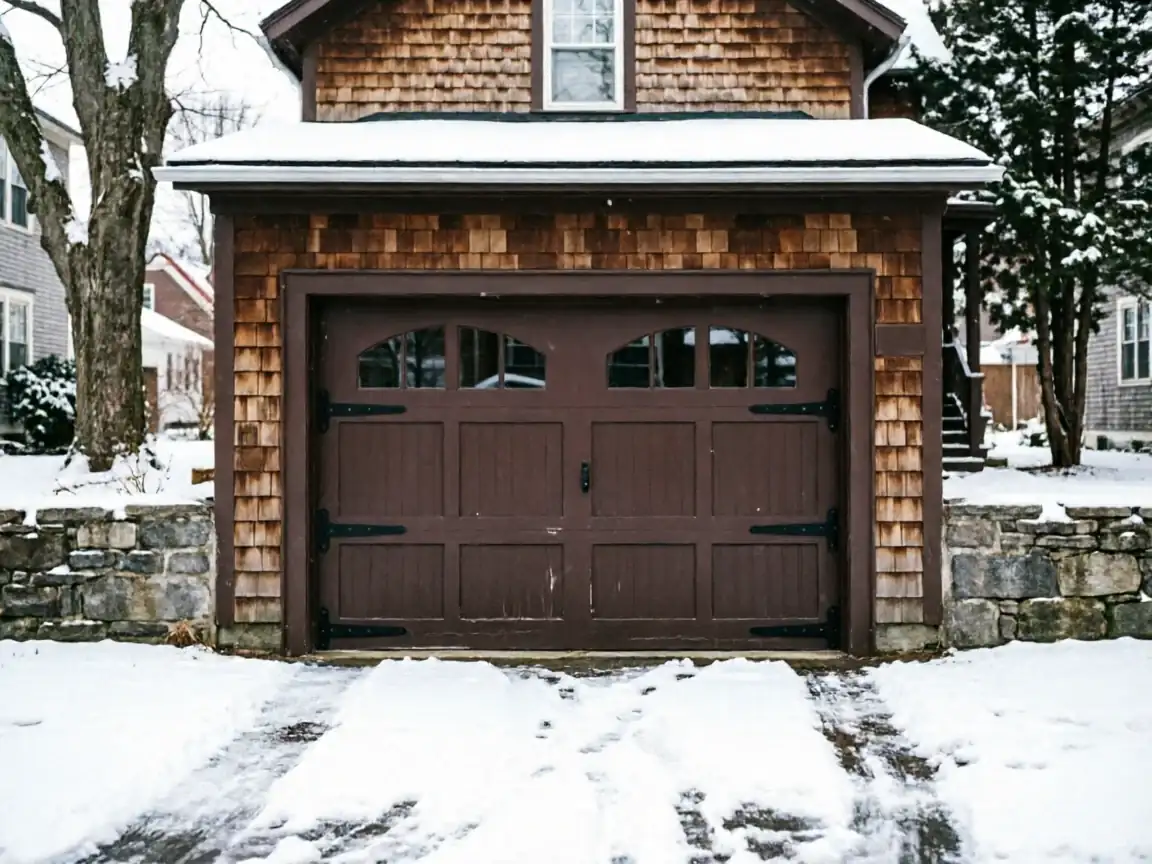
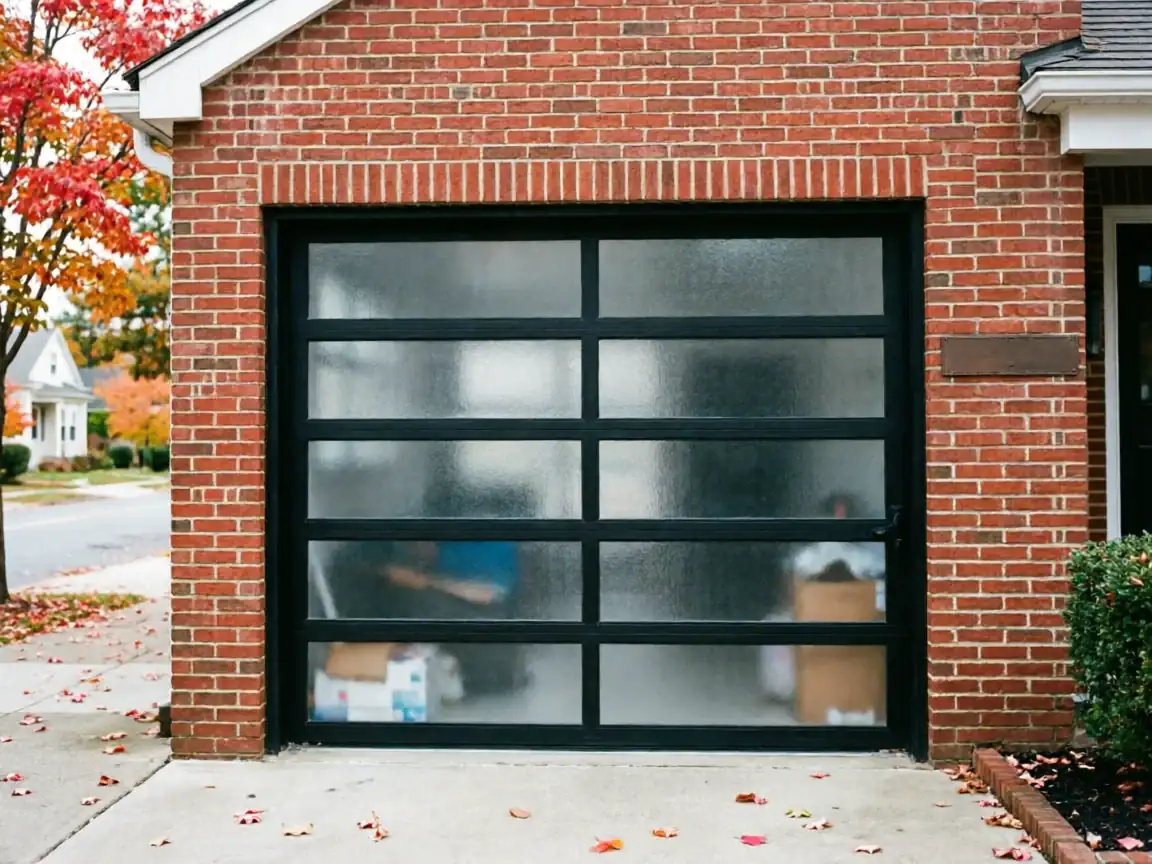
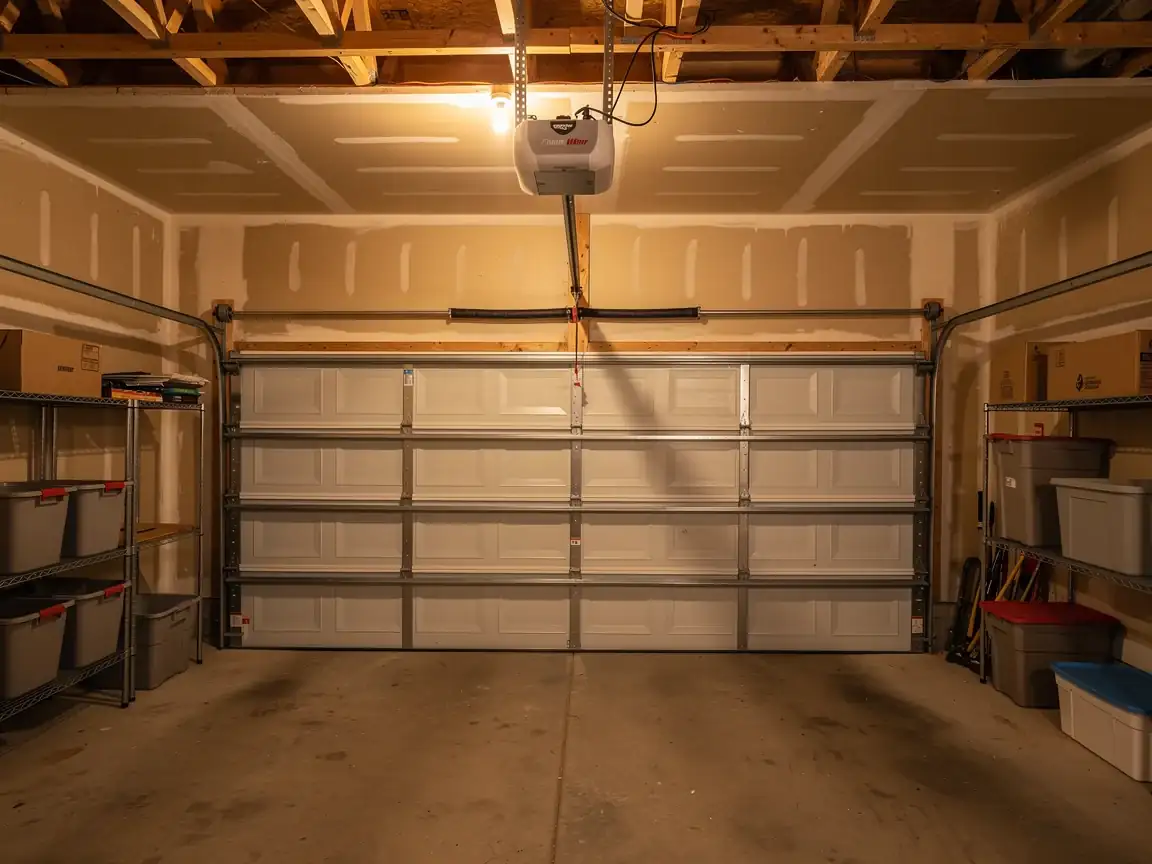
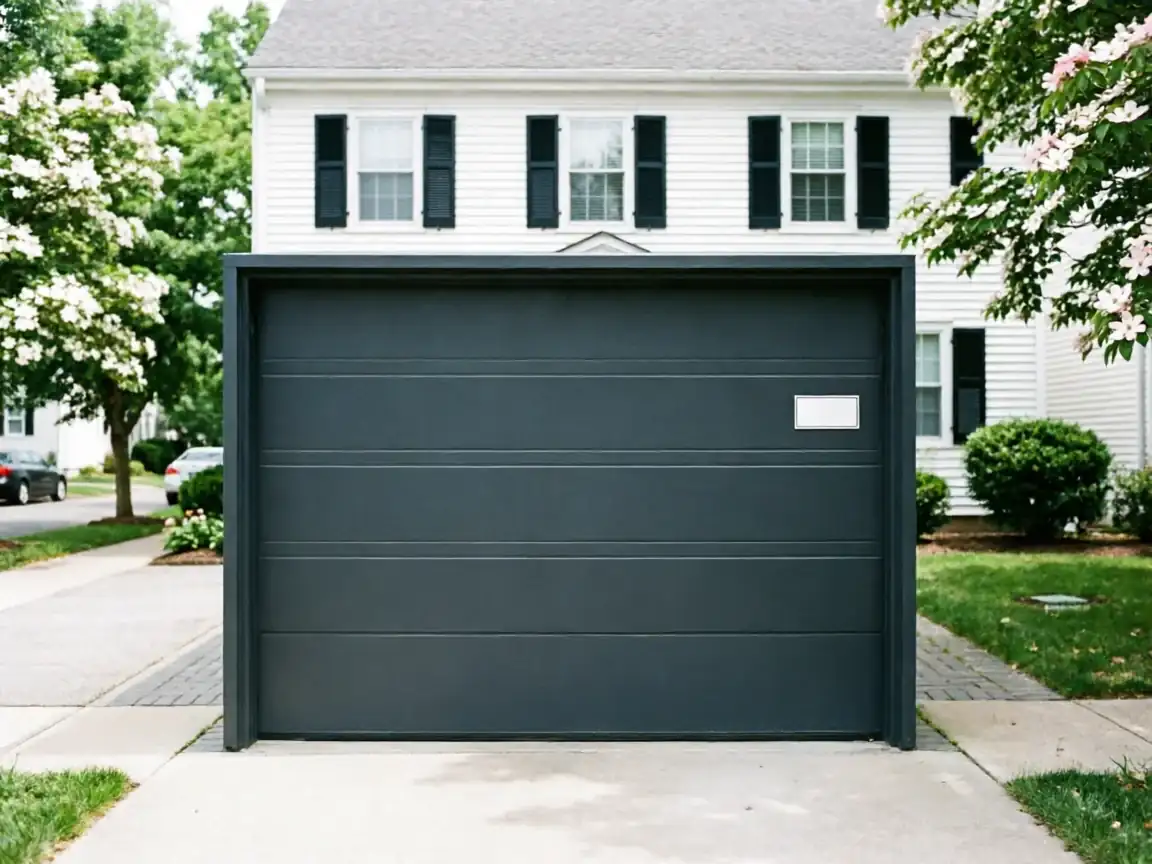
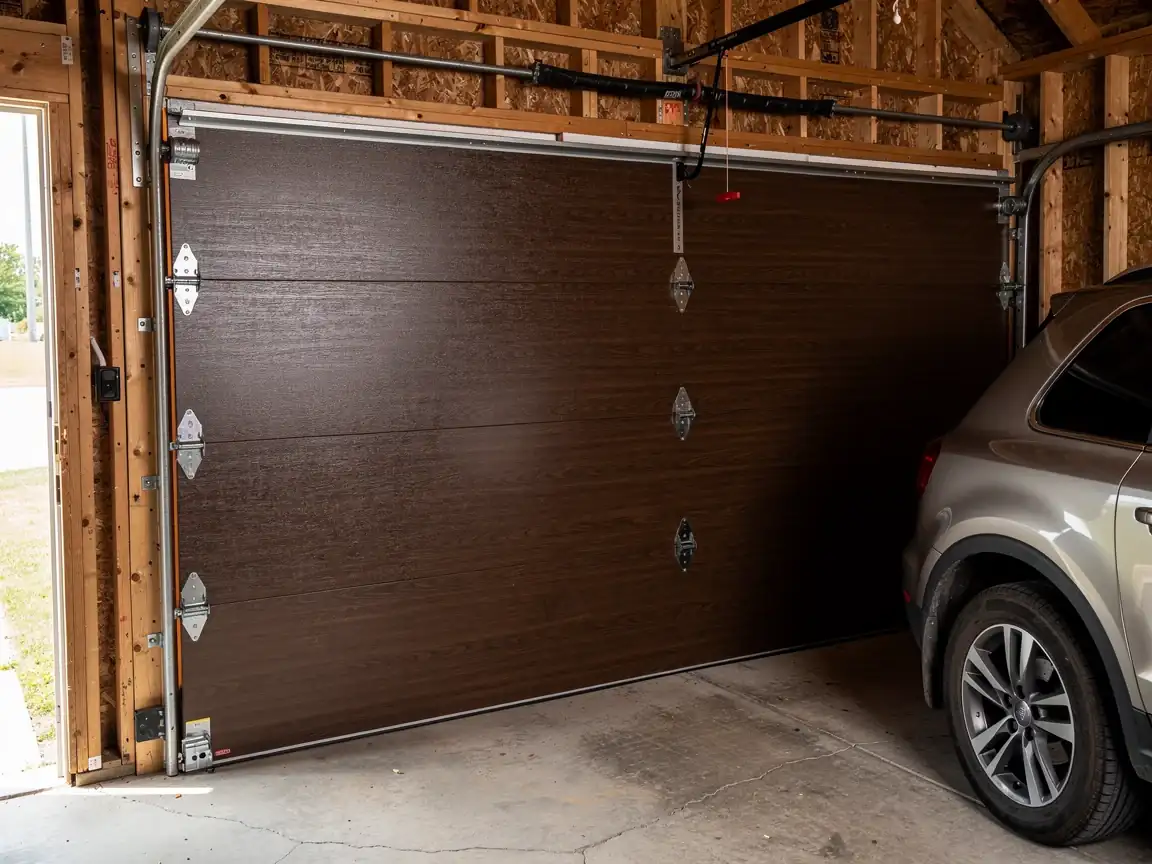
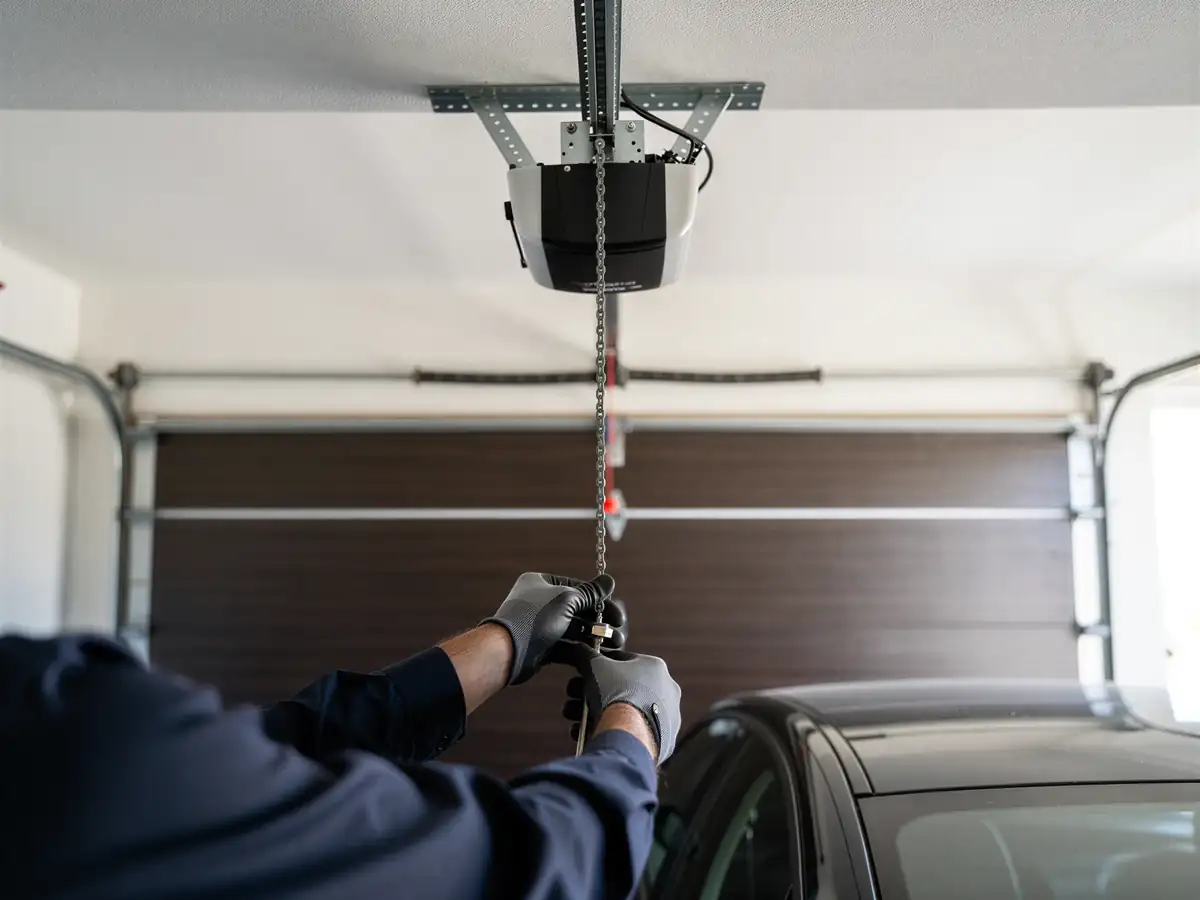
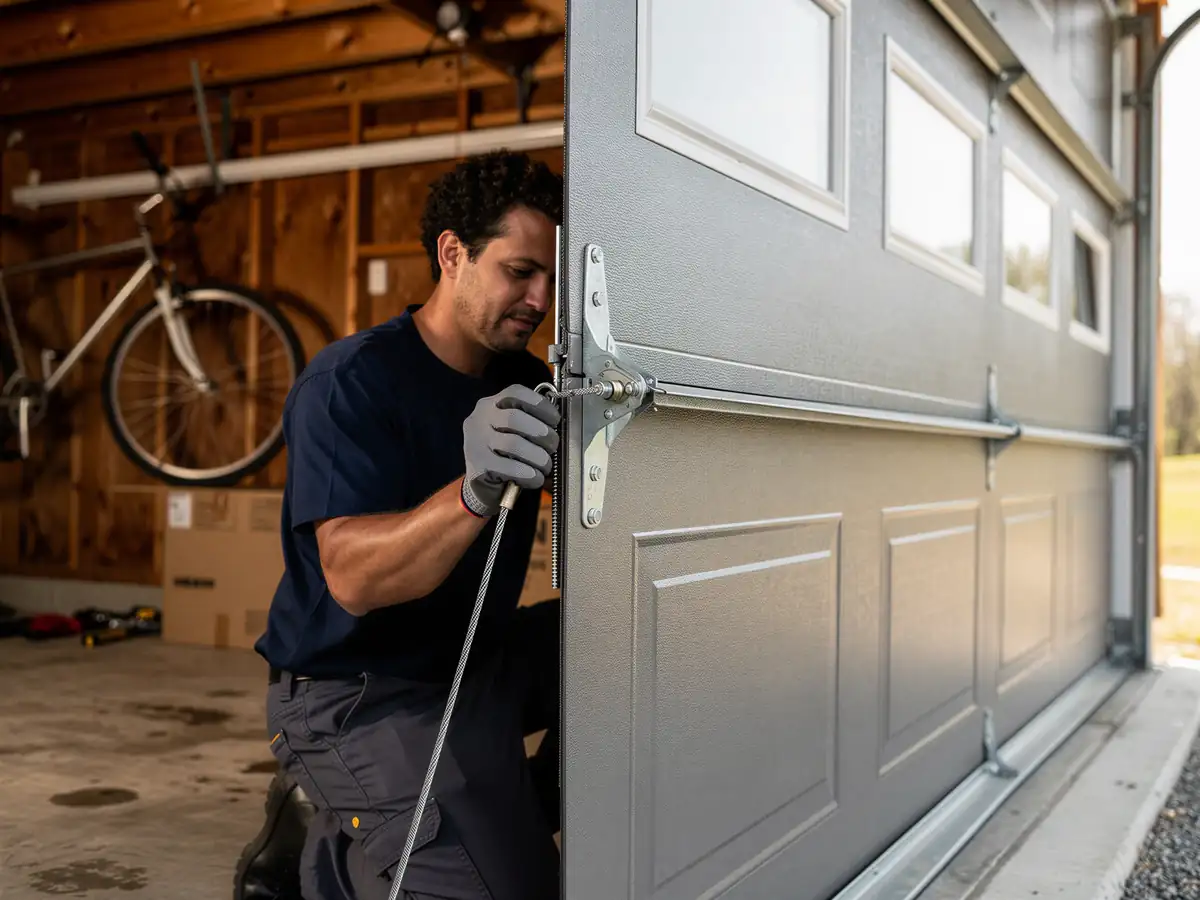
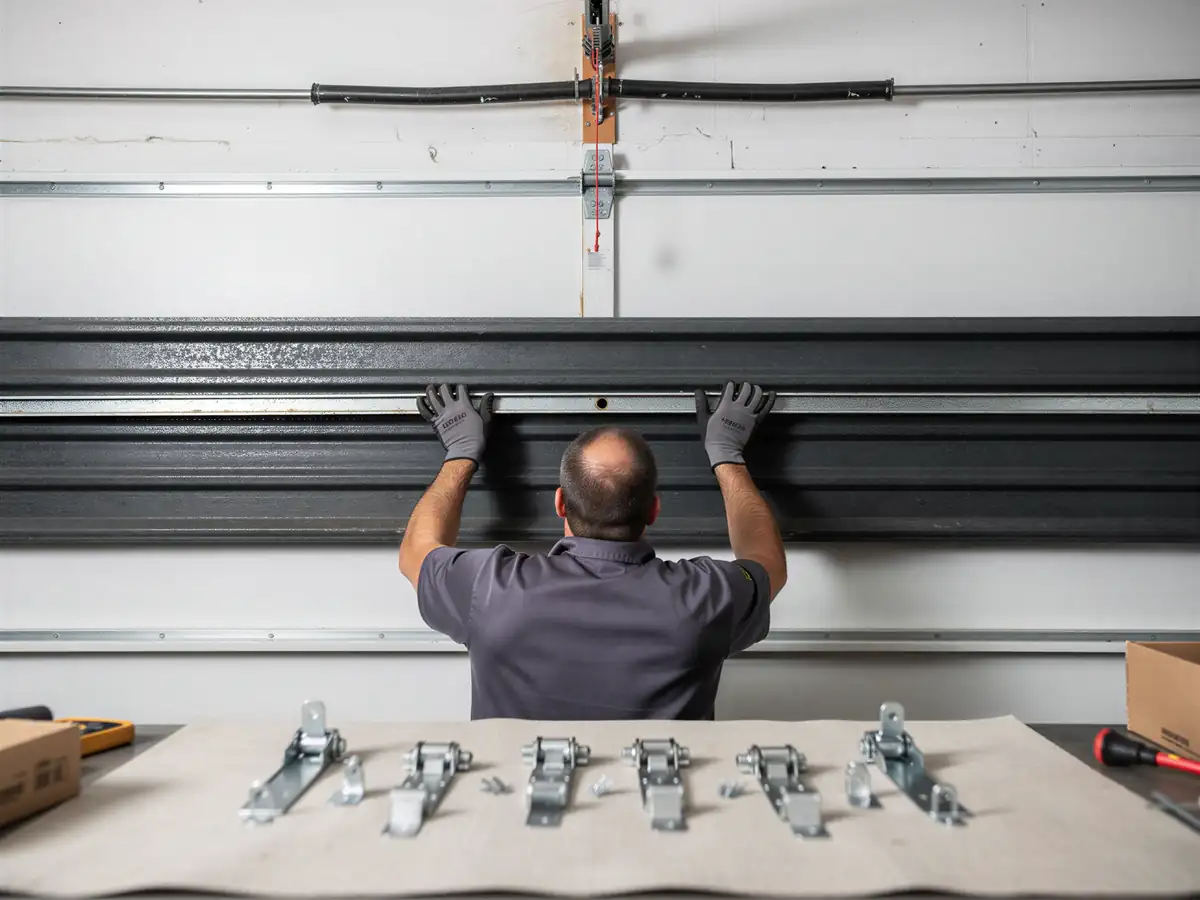
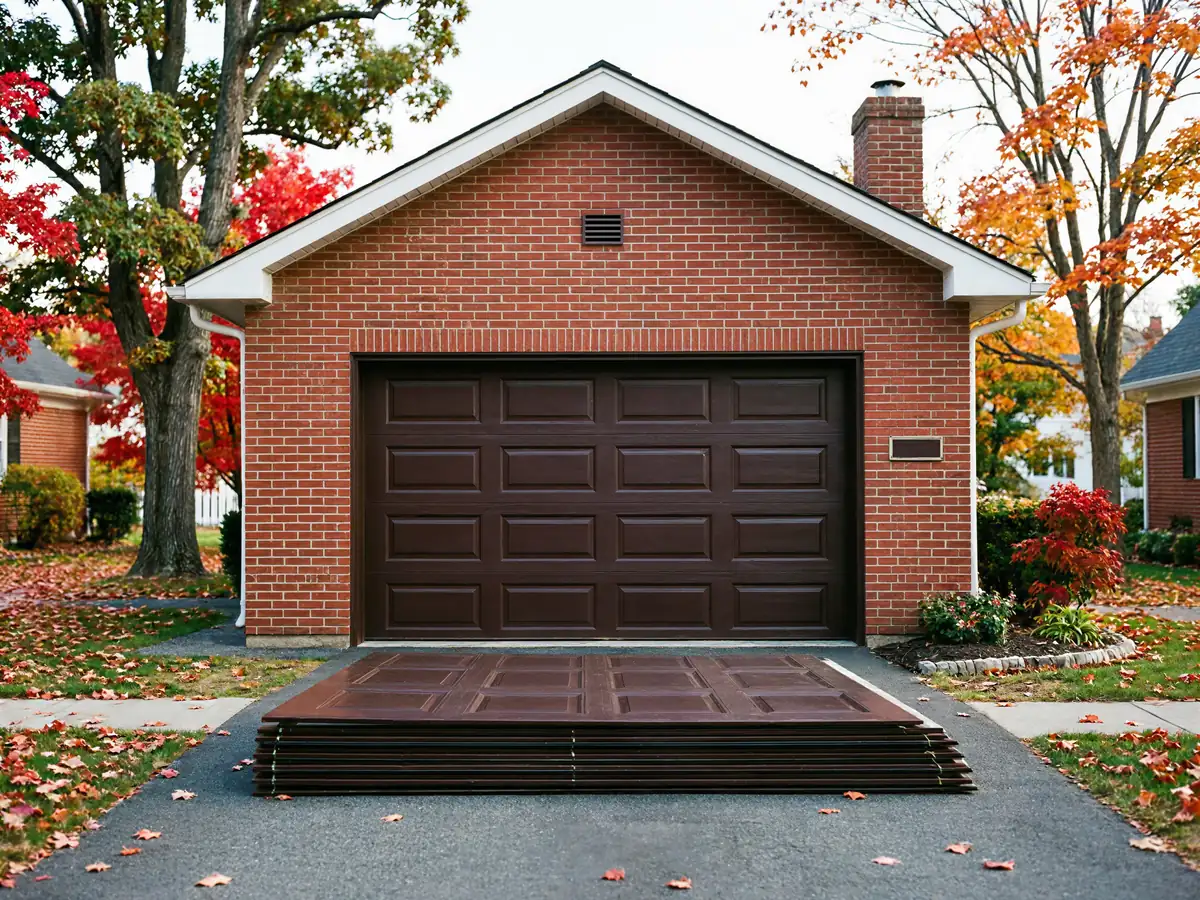
A new installation starts with pulling the old door, track, and typically the spring assembly, then checking the opening itself for square before anything new goes in. On the older end of this area's housing stock, that check matters more than people expect - framing settles over 80-plus years, and a new door hung on an unsquared opening will bind no matter how well it's built. Northampton sits in a cold-climate zone with real winter severity, so insulated panels are worth the upgrade for most owners here, not as a luxury but because an uninsulated steel door in a severe winter transfers cold straight into an attached garage and whatever sits on the other side of that wall. We set new torsion springs rated to the door's actual weight, align the track to the new panel dimensions, and program the opener to the new door rather than reusing settings built for the old one. The one thing we won't do is force a standard-size door into a frame that's been reshaped by decades of movement - if the opening is irregular enough, you're looking at a custom unit, and that changes both the cost and the lead time.
Where This Job Goes Sideways
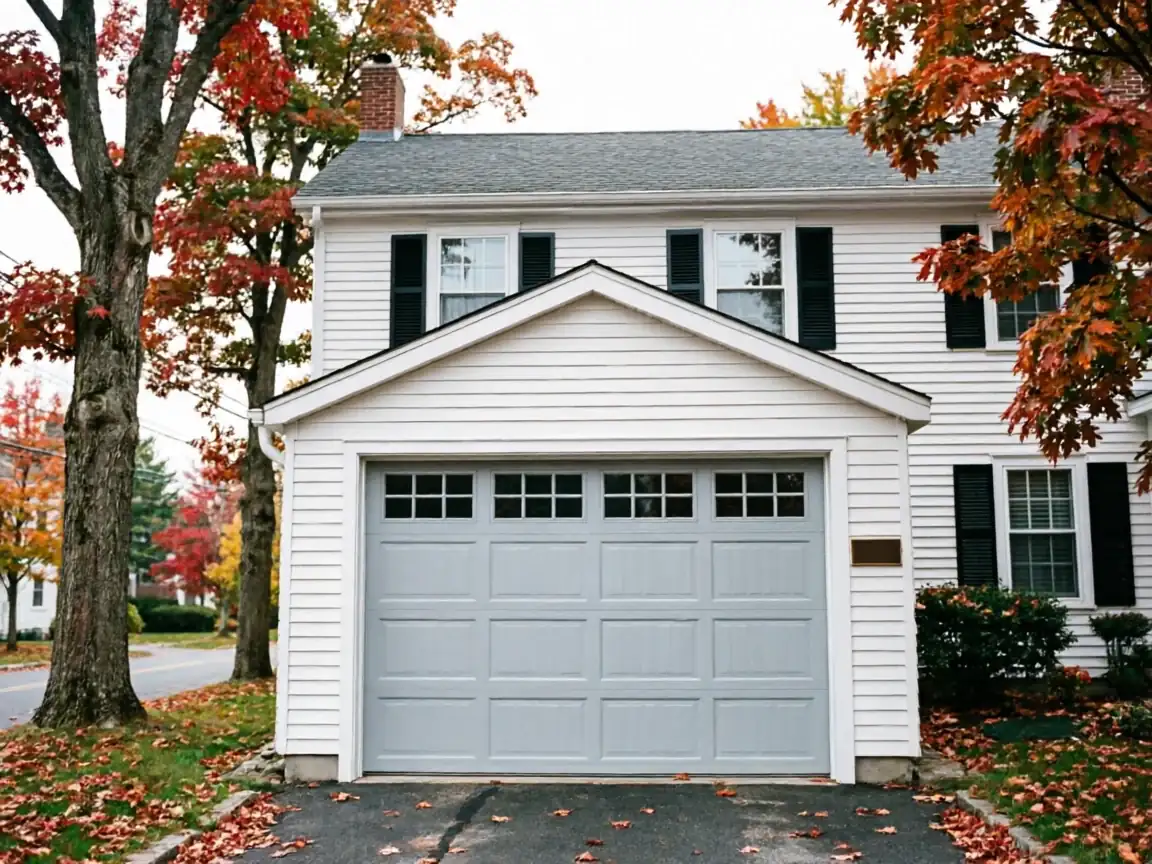
The most common problem on older Northampton homes is discovering the header or jamb isn't square only after the new door is halfway installed - the crew pulls the old frame facing and finds rot or a shift in the framing that the original 1938-vintage door was hiding. That turns a one-day install into a two-day job with carpentry work added. The other failure point is owners who order a door based on the opening's rough measurement without accounting for the thicker jambs that insulated doors need, which is a mismatch that shows up at delivery, not before. We flag both of these on the initial visit when we can, but neither is fully avoidable until the old door and trim actually come off the wall.