What to Look At First
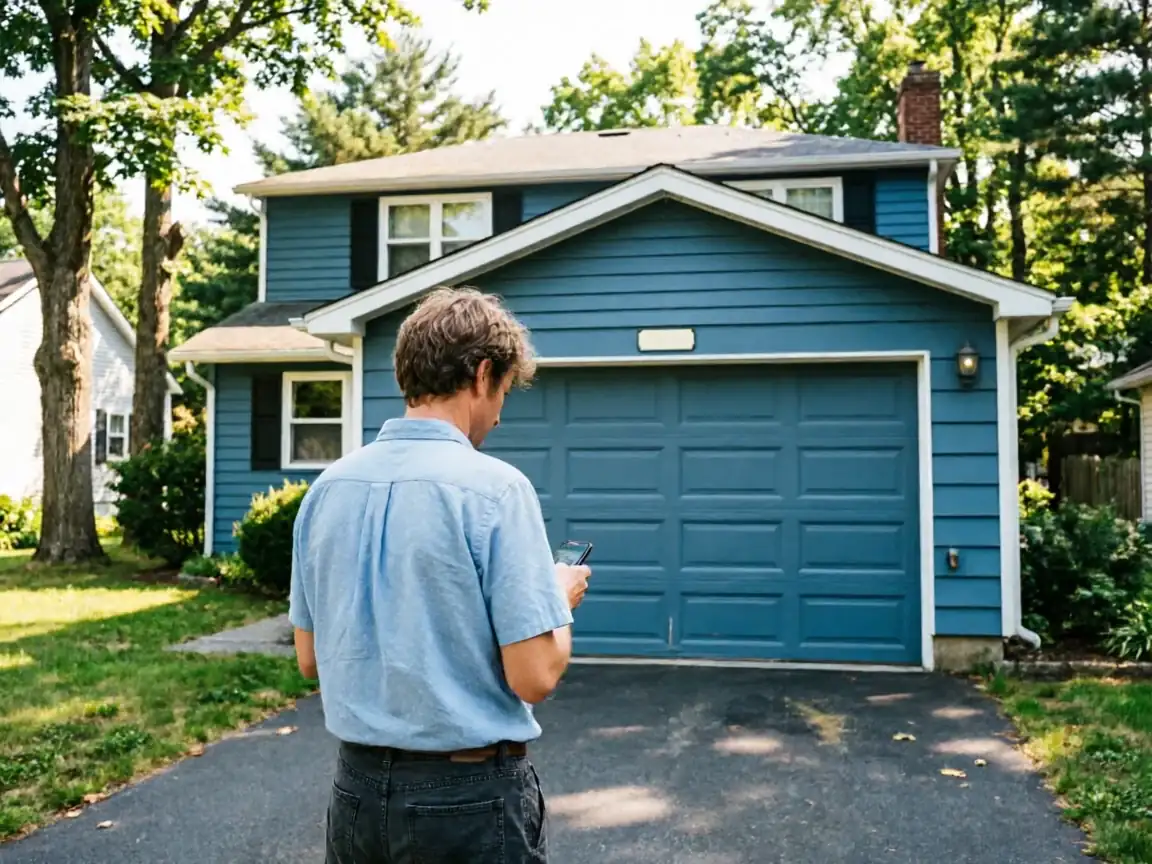
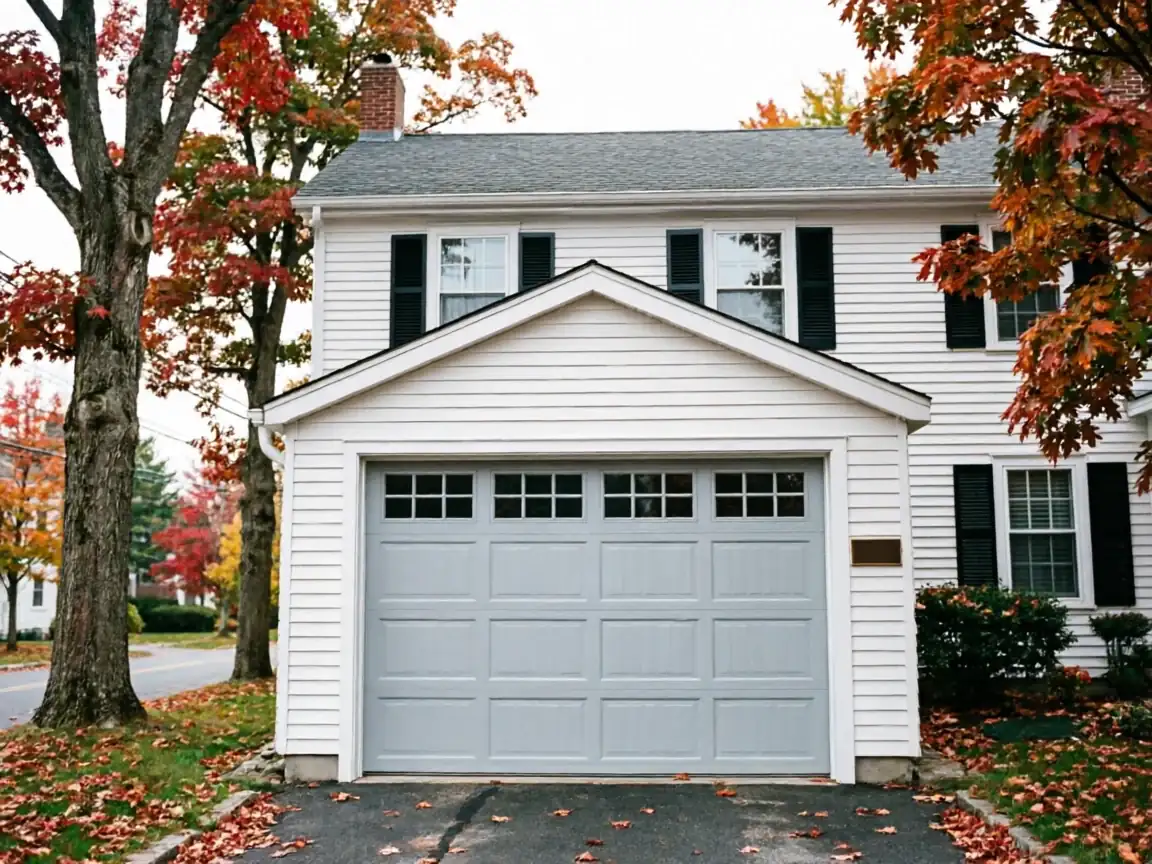
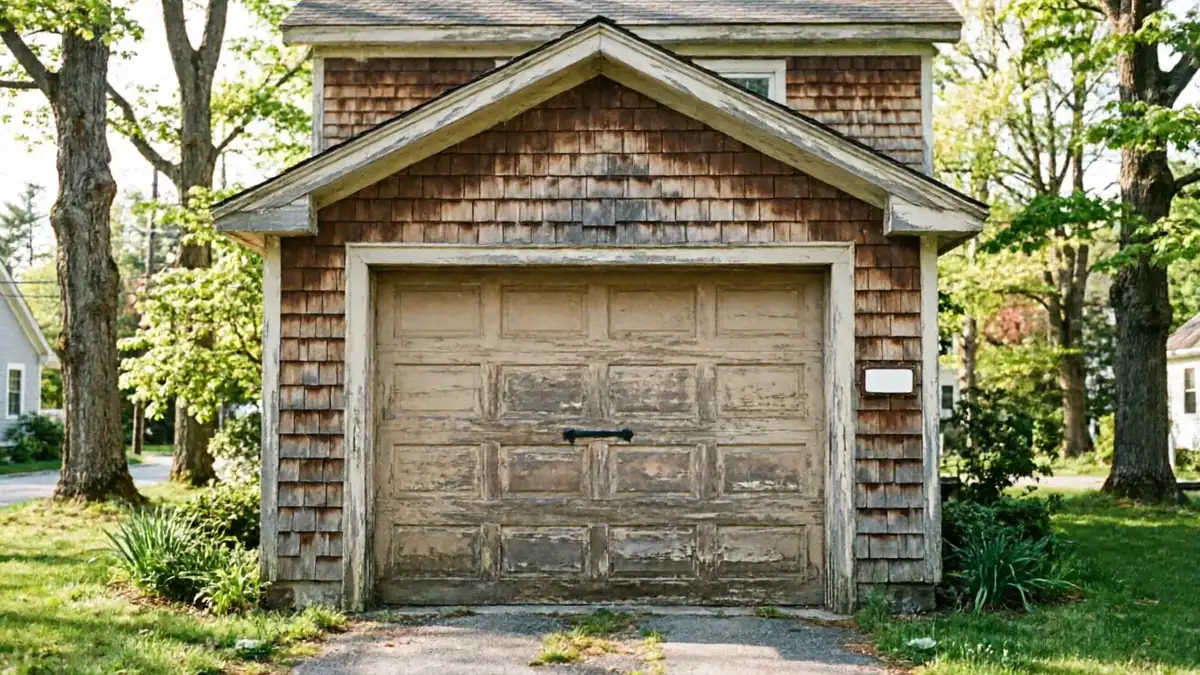
Start with the door's age, not just how it looks. Allentown housing runs from 1938 up through 2005, with the median build year sitting at 1964, and most of the 52 named areas in this service territory are dominated by 1960s and '70s construction. If your house falls in that window, there's a good chance the garage door or at least the track and hardware are original, or close to it.
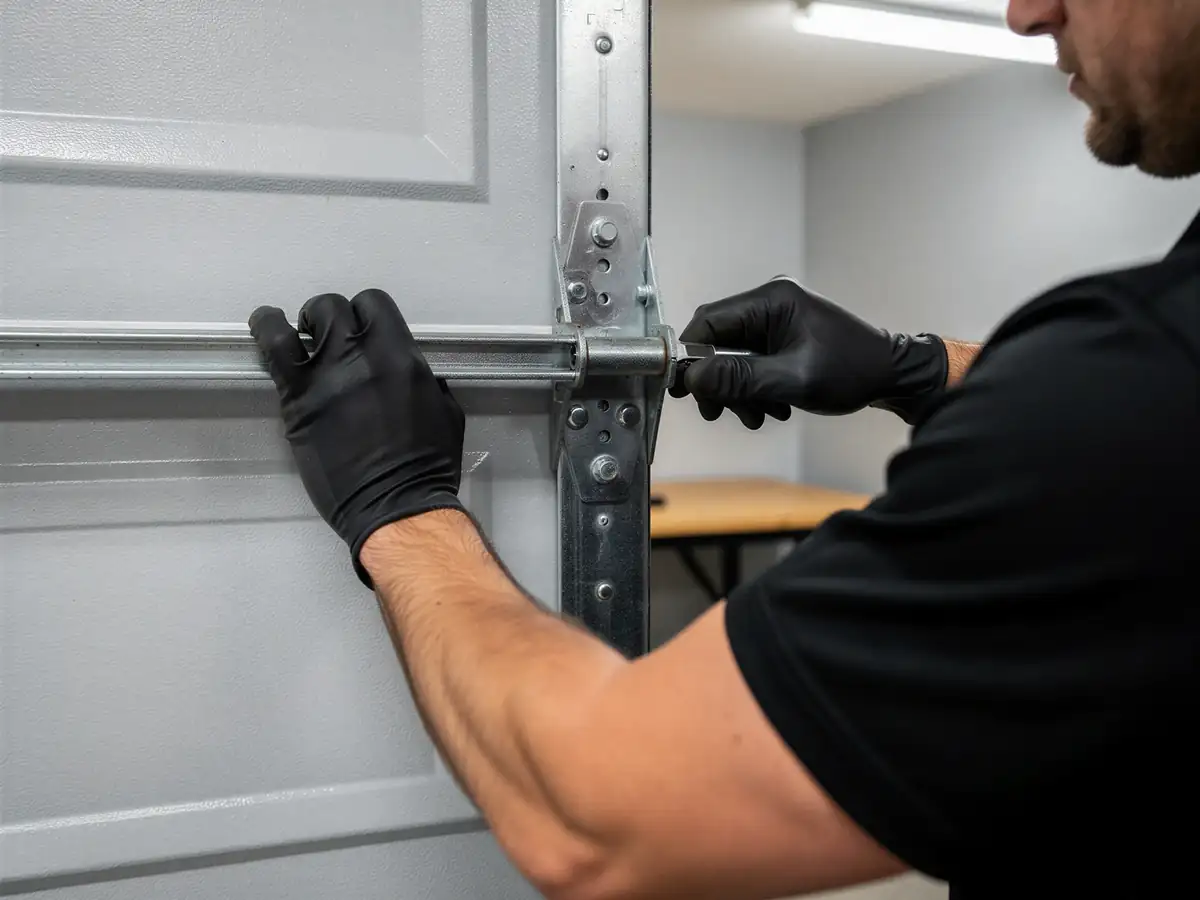
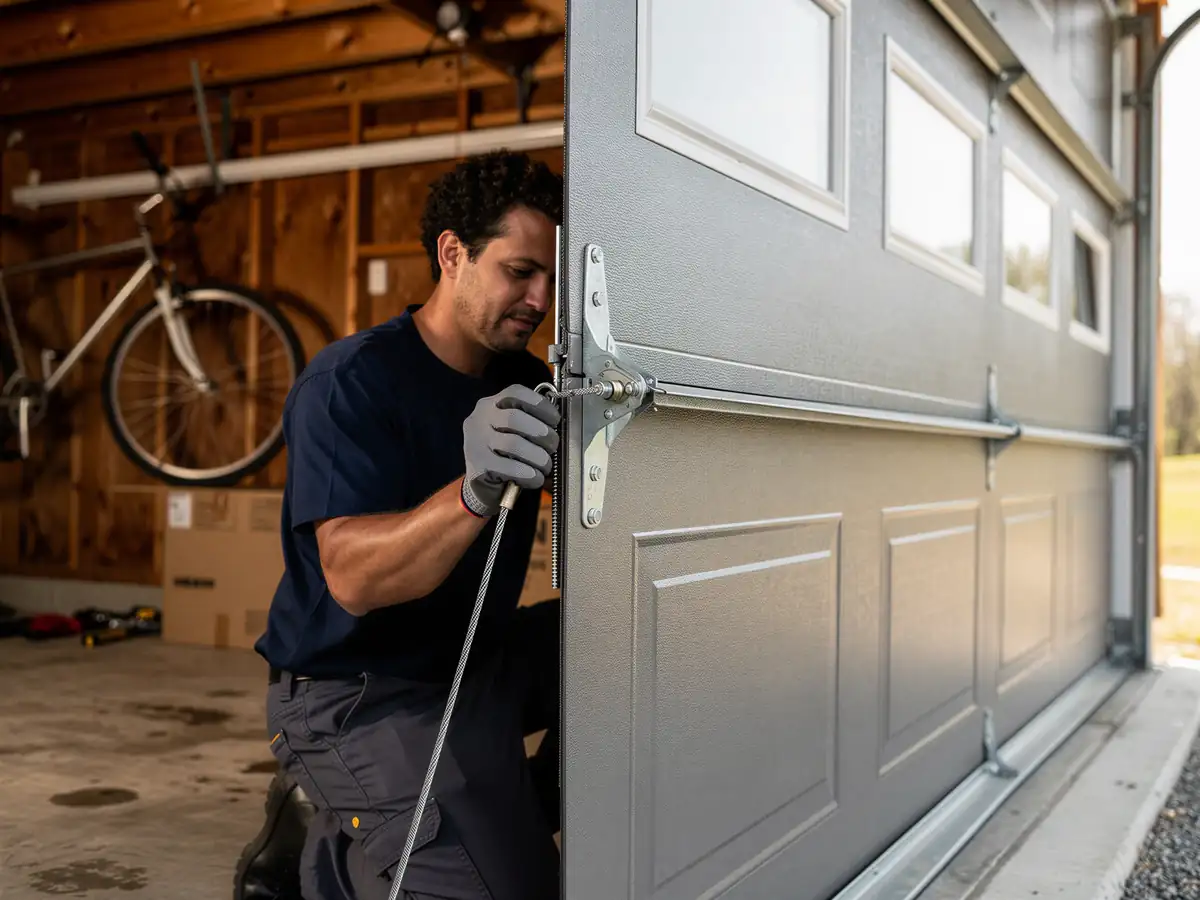
Check the panel material first. Steel doors from that era are usually single-layer, no insulation, and they dent and rust along the bottom panel where decades of snowmelt and road salt have sat against the edge. Look at the track - is it the narrow, lightweight rail typical of that period, or has it been swapped for a wider modern track at some point? A mismatched track usually means a prior repair, which tells you something about the rest of the hardware's age too.
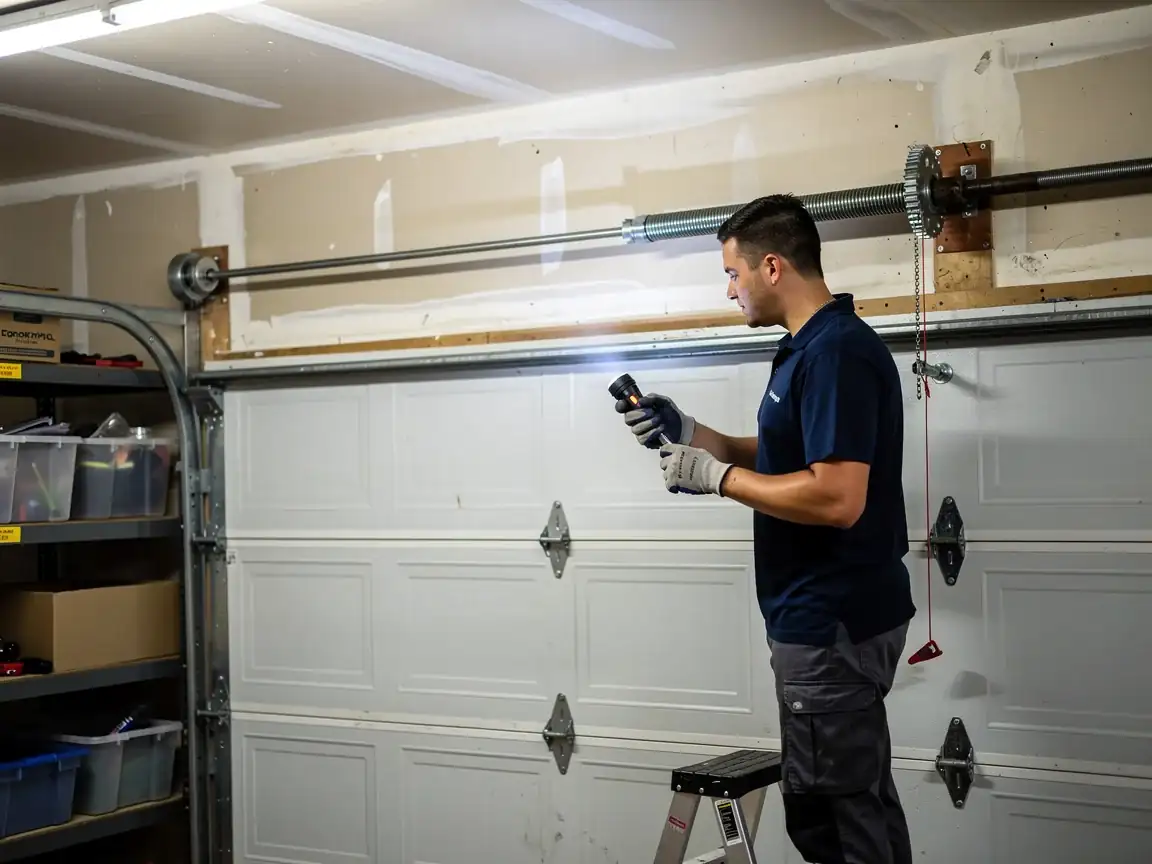
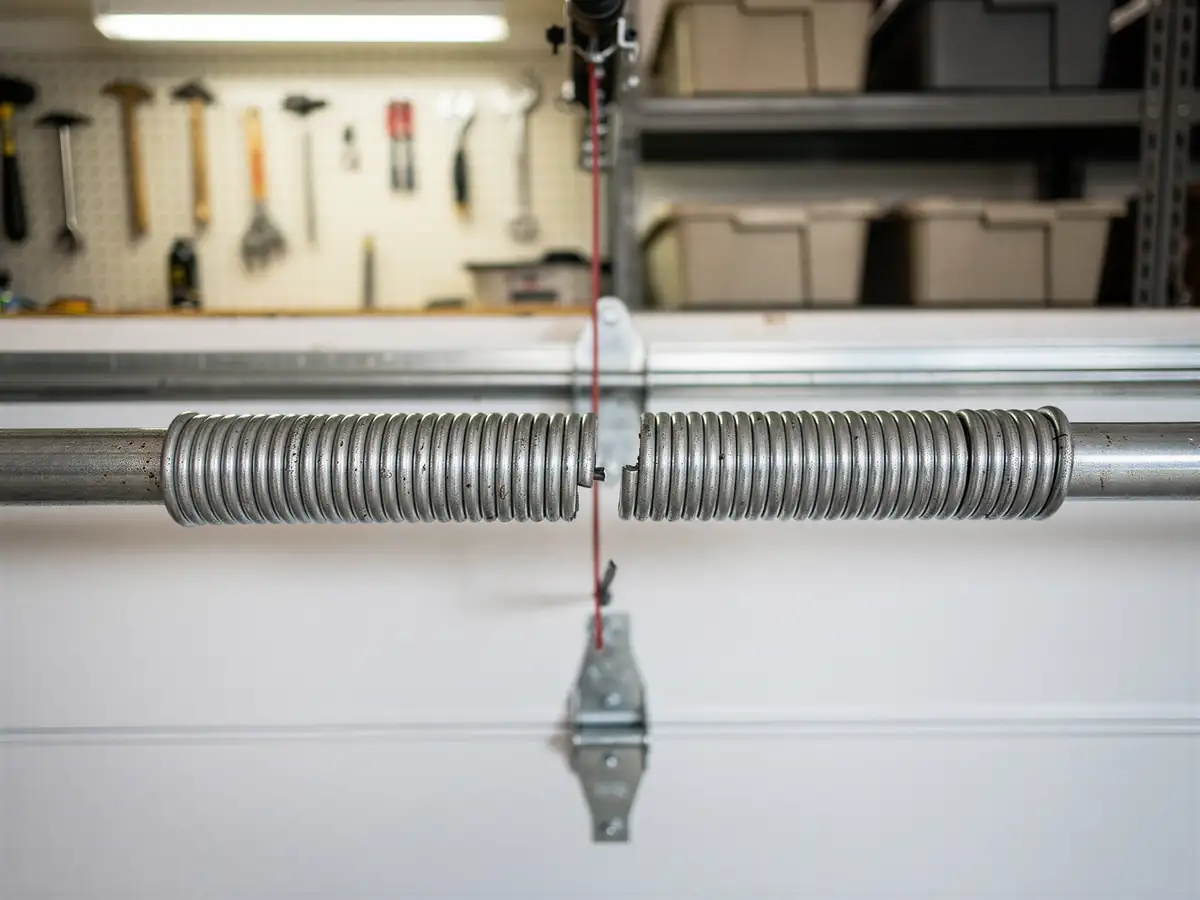
Then look at the spring. A torsion spring on a door built before the 1980s is often sized for a lighter, uninsulated panel. If someone replaced the panel with a heavier insulated one later without resizing the spring, that's a repair waiting to happen, not a maintenance item.
When to Call Someone
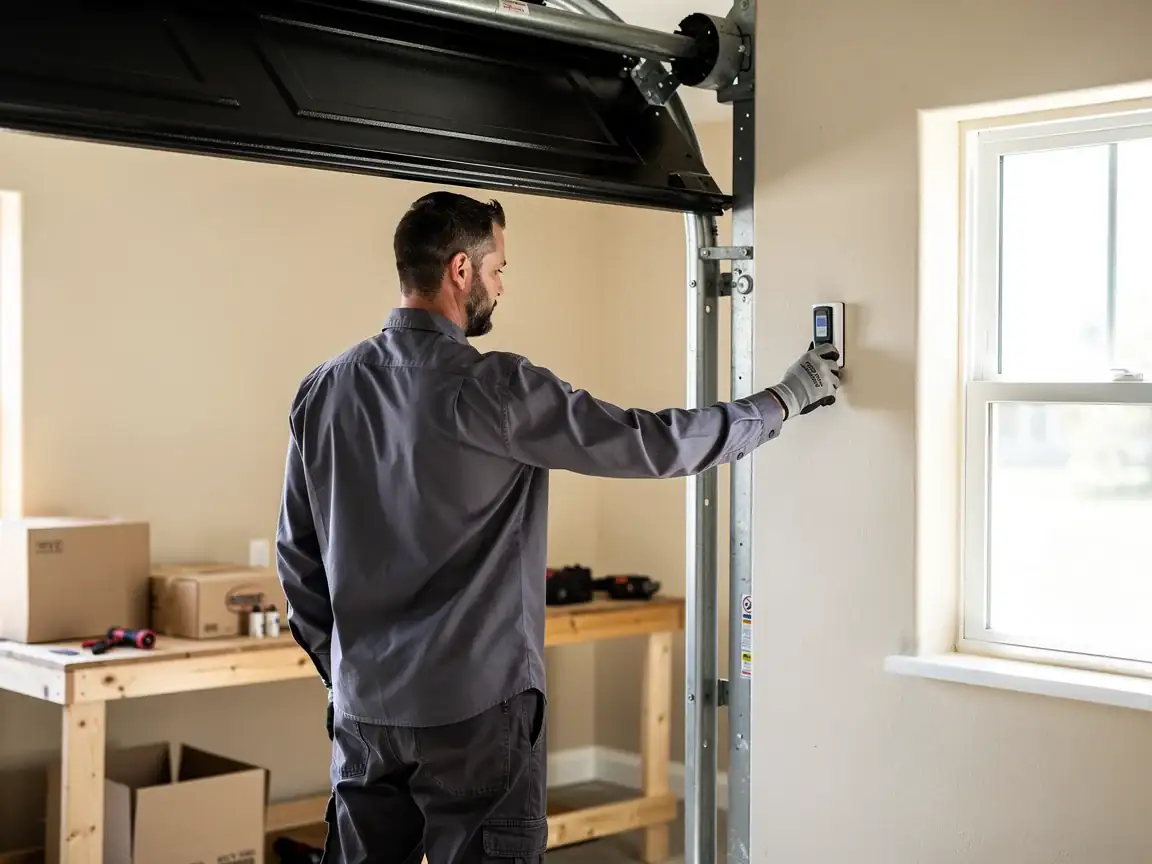
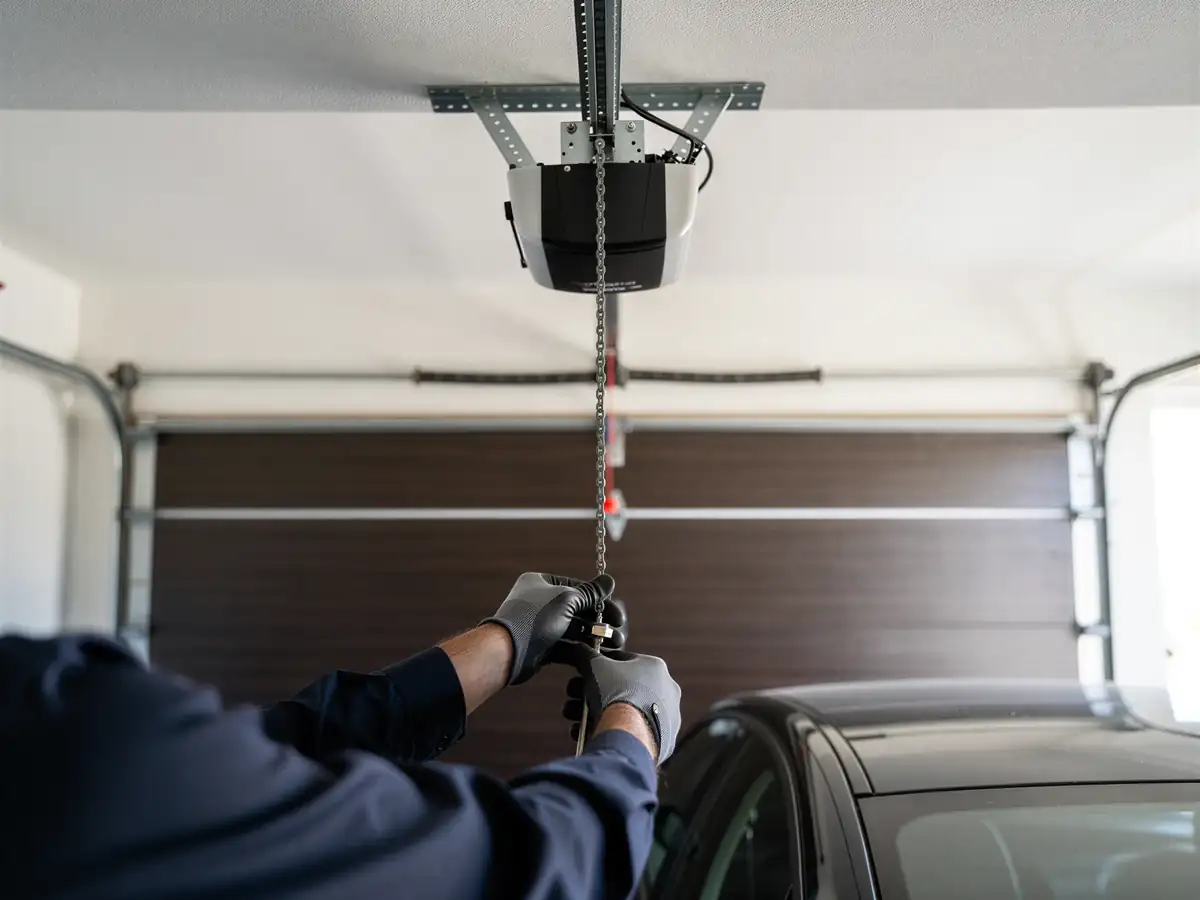
Call before the door fails completely, not after. A door that's hard to lift by hand, or one where the opener strains and reverses on the way up, is telling you the spring has lost tension - on a 1960s-era door that spring has had sixty-plus years to fatigue, and it's not a judgment call, it's a parts swap.
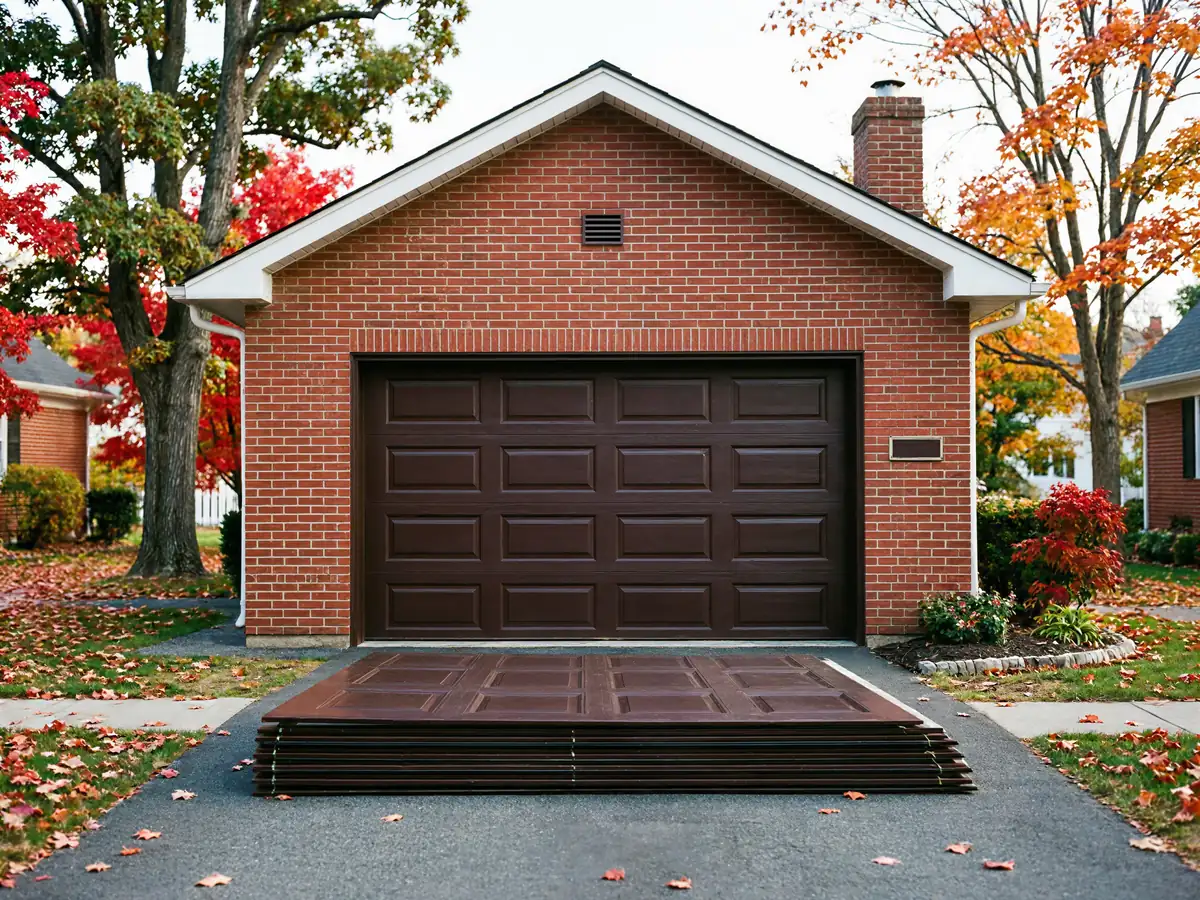
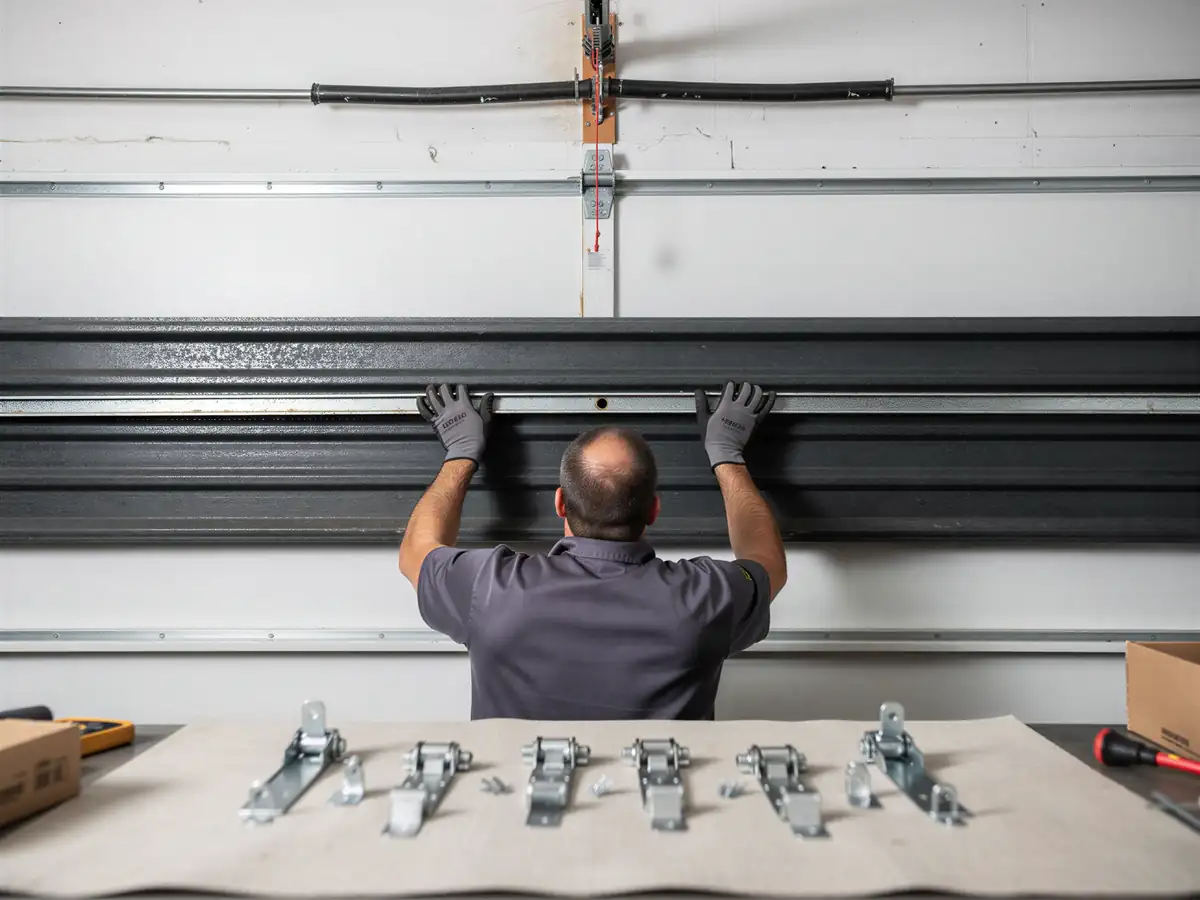
Also call if the bottom panel has rusted through or the rollers are grinding instead of rolling. On older steel doors without insulation, rust at the bottom corners is common in this climate because that's where water sits longest. If the rust hasn't spread past the bottom foot of the panel, patching or replacing that single panel can still make sense rather than the whole door.
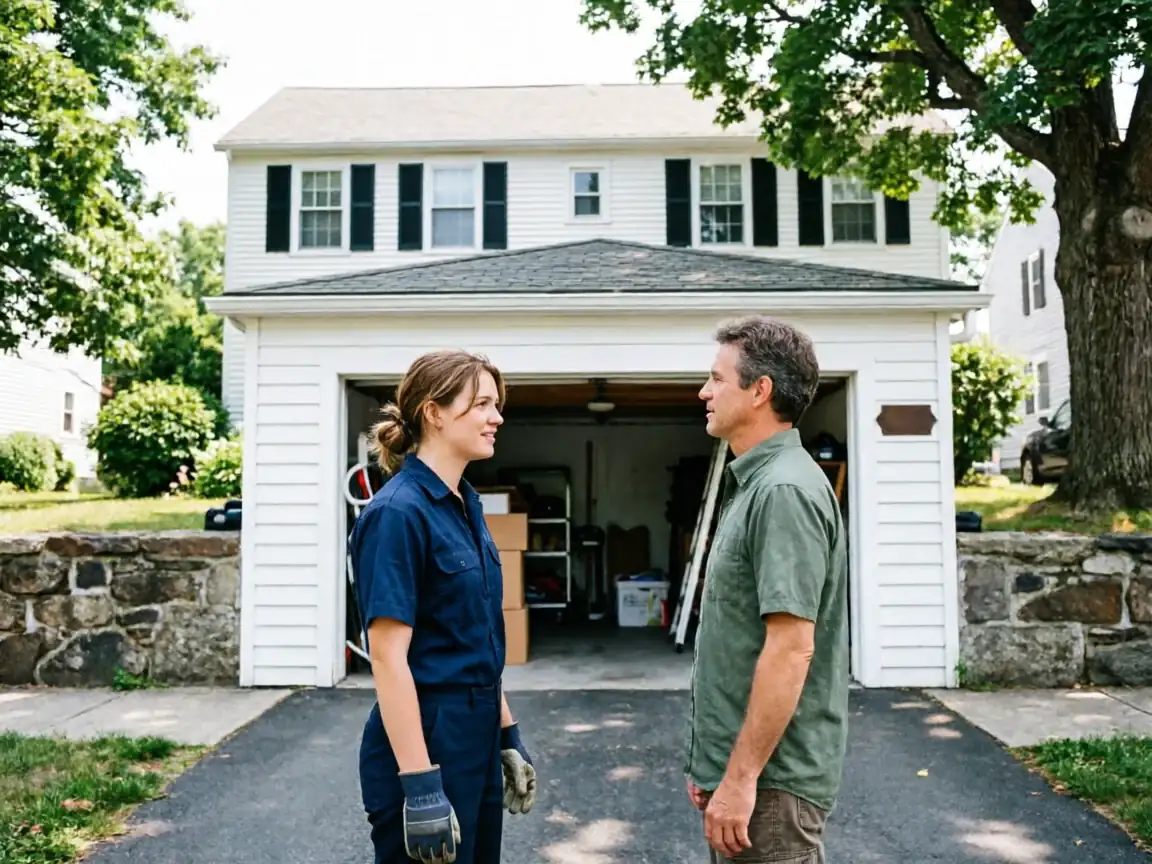
What we don't do is recommend a full replacement just because a door is old. Plenty of 1960s and '70s doors in this area are still running on original track with a spring that's simply been resized once along the way. If the frame is square, the track is straight, and the panel is sound, a repair visit usually costs less than people expect and the door has years left in it.
What Is Going On
The reason this comes up so often here is simple
A large share of the houses in this service area were built in a tight window, roughly 1938 through the mid-2000s with the median landing at 1964, and the bulk of that stock clusters in the 1960s and '70s. That means a lot of garages were built, fitted with a door, and never touched again until something breaks.
That original hardware wasn't built for today's heavier insulated panels or for openers pulling against springs sized decades ago
When a homeowner finally calls because the door won't open, it's often not one failure - it's the spring, the rollers, and the weatherstripping all reaching the end of their life around the same time, because they all went in the same year.
This is also why panel-only replacement sometimes doesn't fix the real problem
If the track and spring are original to a 1964-built house, swapping just the dented panel leaves the weakest part - the sixty-year-old spring - still in place. A repair that only addresses what's visibly broken can mean another call within a year.
How Local Conditions Play In
This region sits in a severe cold climate band, and that matters more for an old door than a new one. Steel contracts in deep cold, and on a door with decades of wear in the track alignment, that contraction is enough to bind a roller that was already running loose. New doors with tighter tolerances shrug this off; original 1960s hardware often doesn't.
Salt and moisture from winter also take a toll on anything metal sitting at ground level, which is exactly where the bottom panel and bottom rollers live. On an older door without a vinyl bottom seal upgrade, that's the first place rust takes hold, and it's usually what pushes a repair-worthy door into replacement territory - not the spring, not the opener, but a bottom section that's rusted through.
If your house is one of the many in this area built in that 1960s-70s window, the honest answer is that the door is often still worth fixing. The spring and rollers are standard parts. What isn't worth fixing is a bottom panel that's already rusted past the first foot - at that point you're paying to patch something that'll fail again next winter.