What We Do Most in This Area
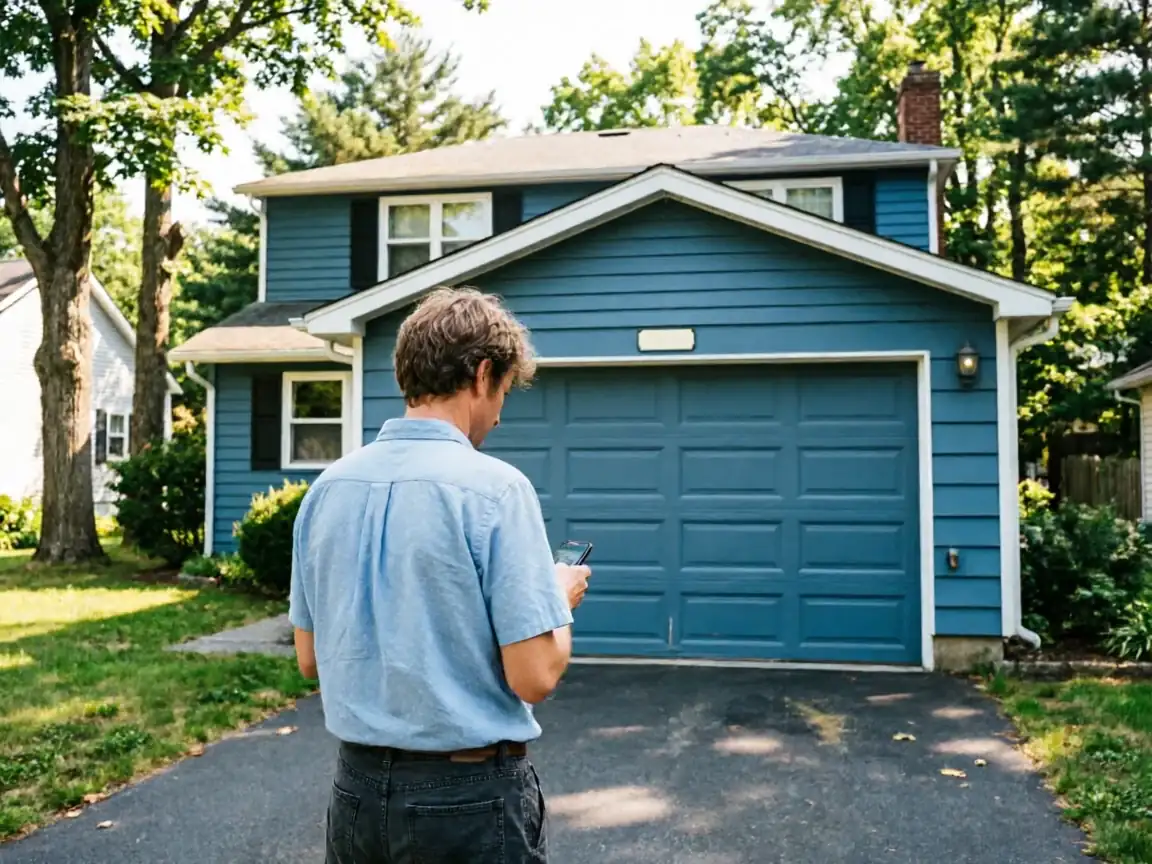
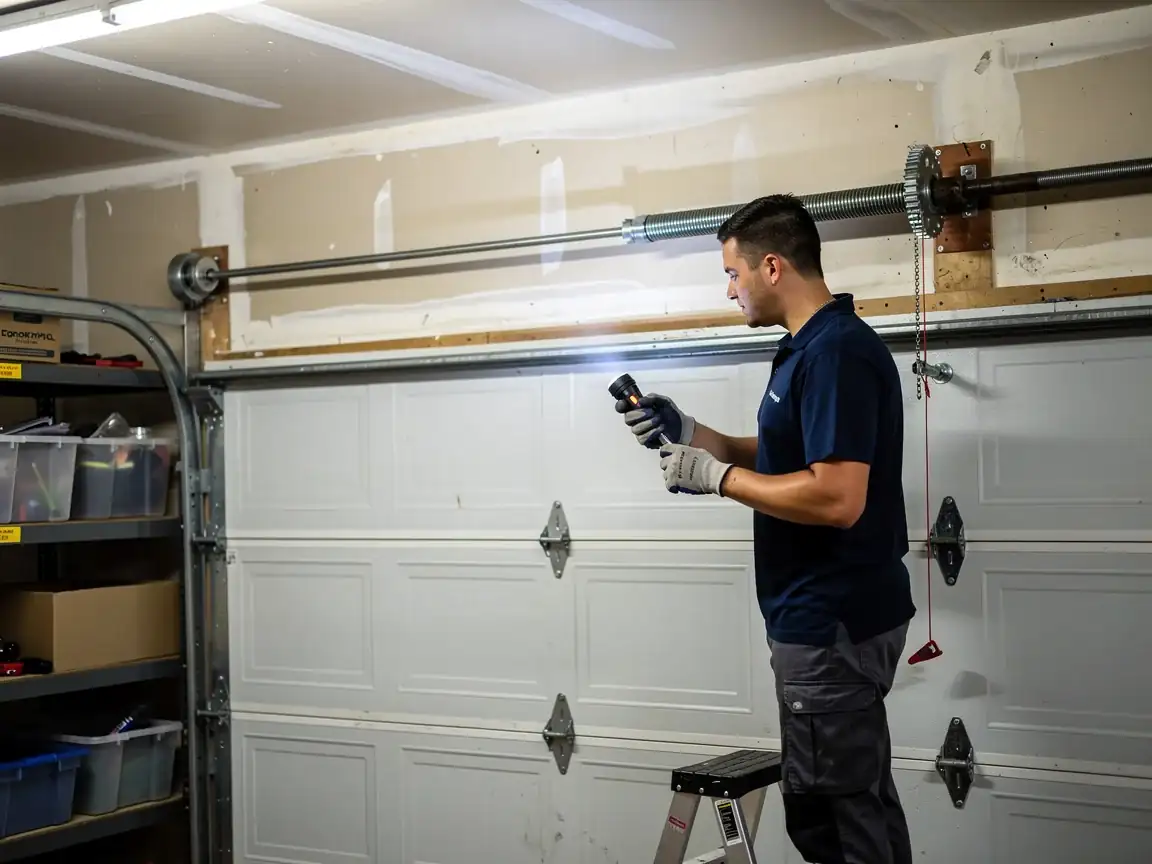
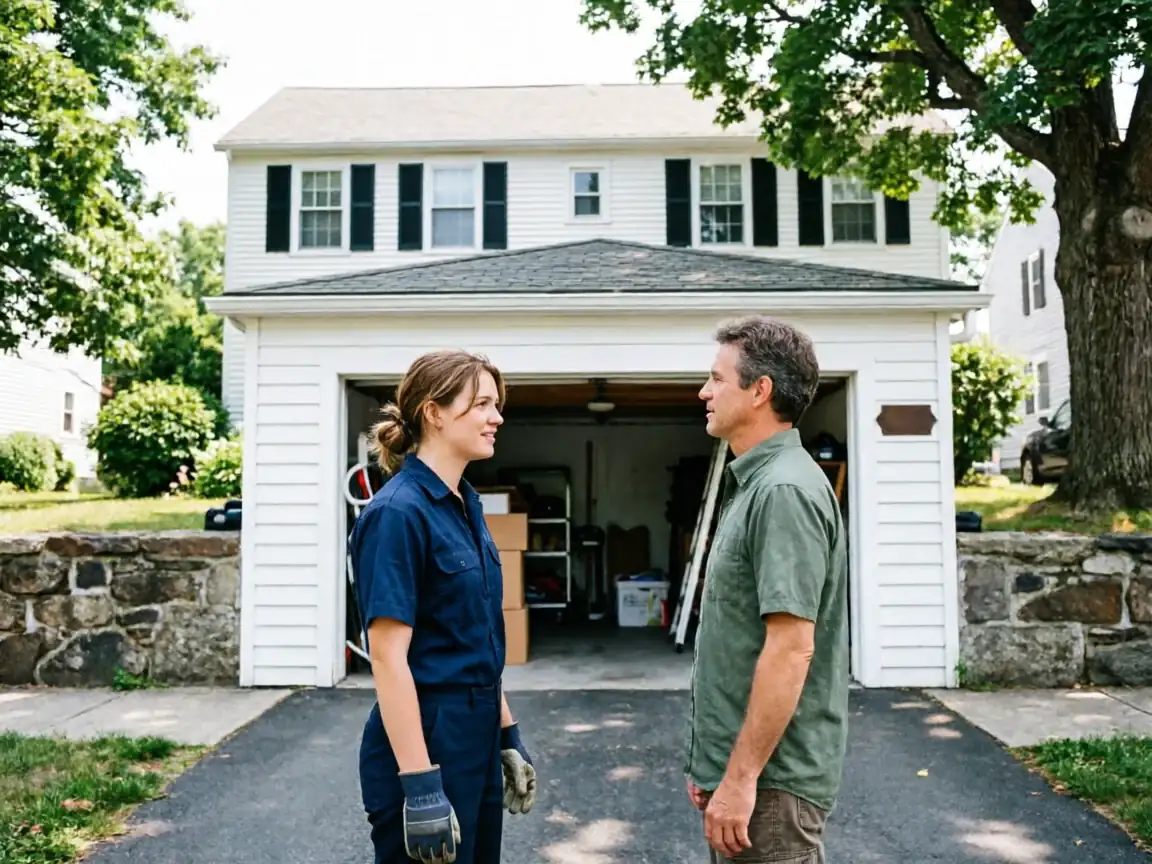
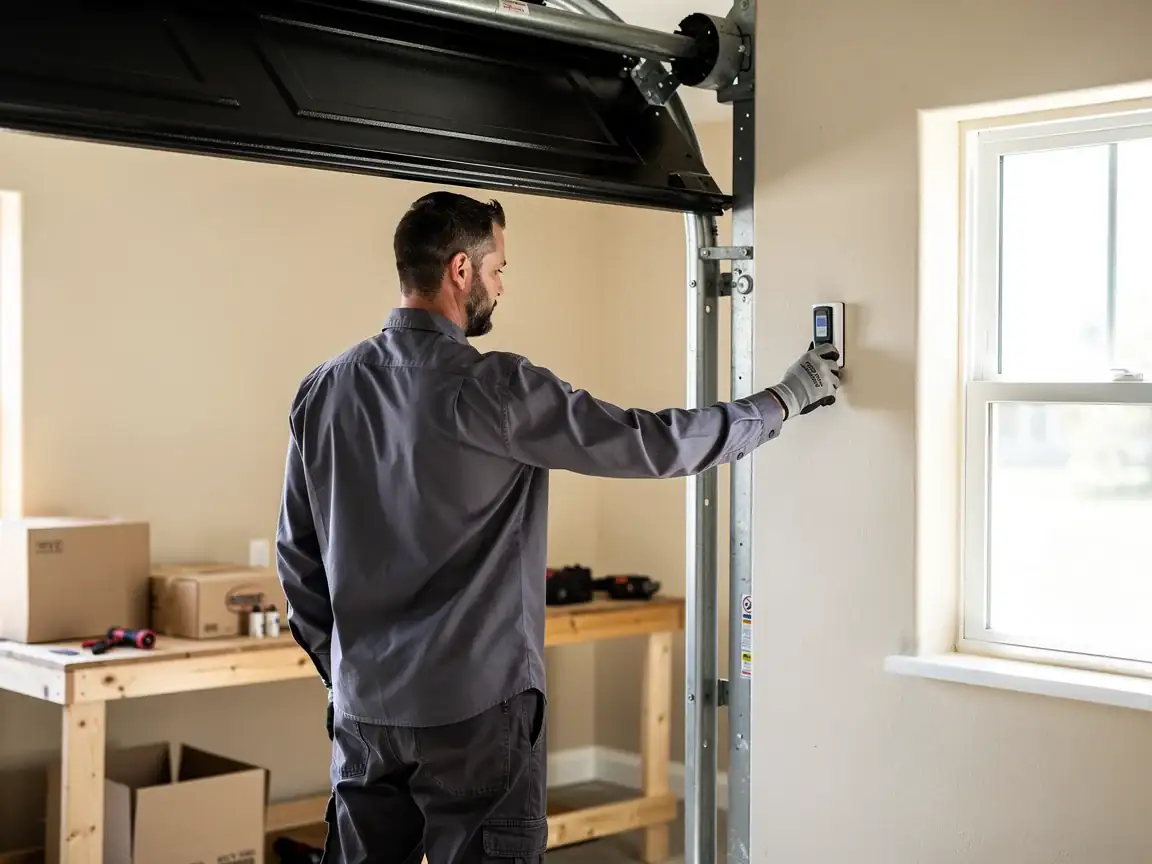
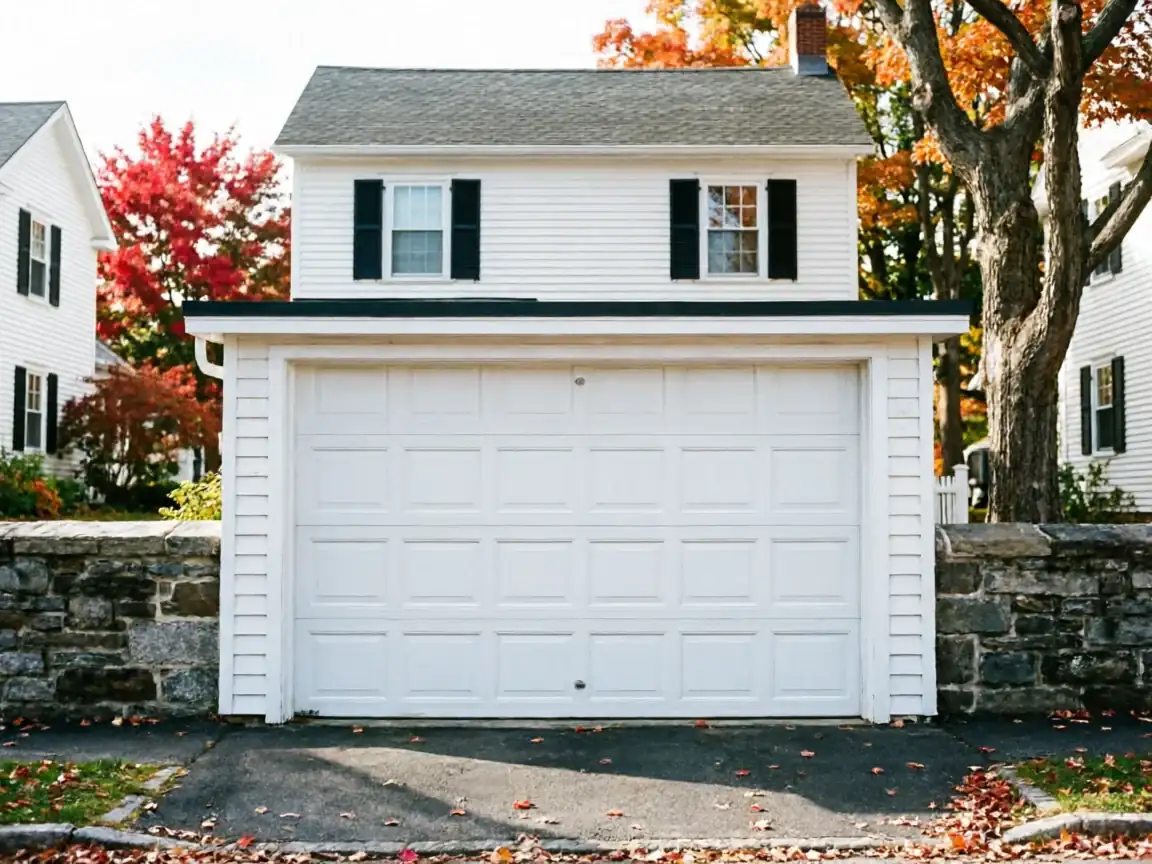
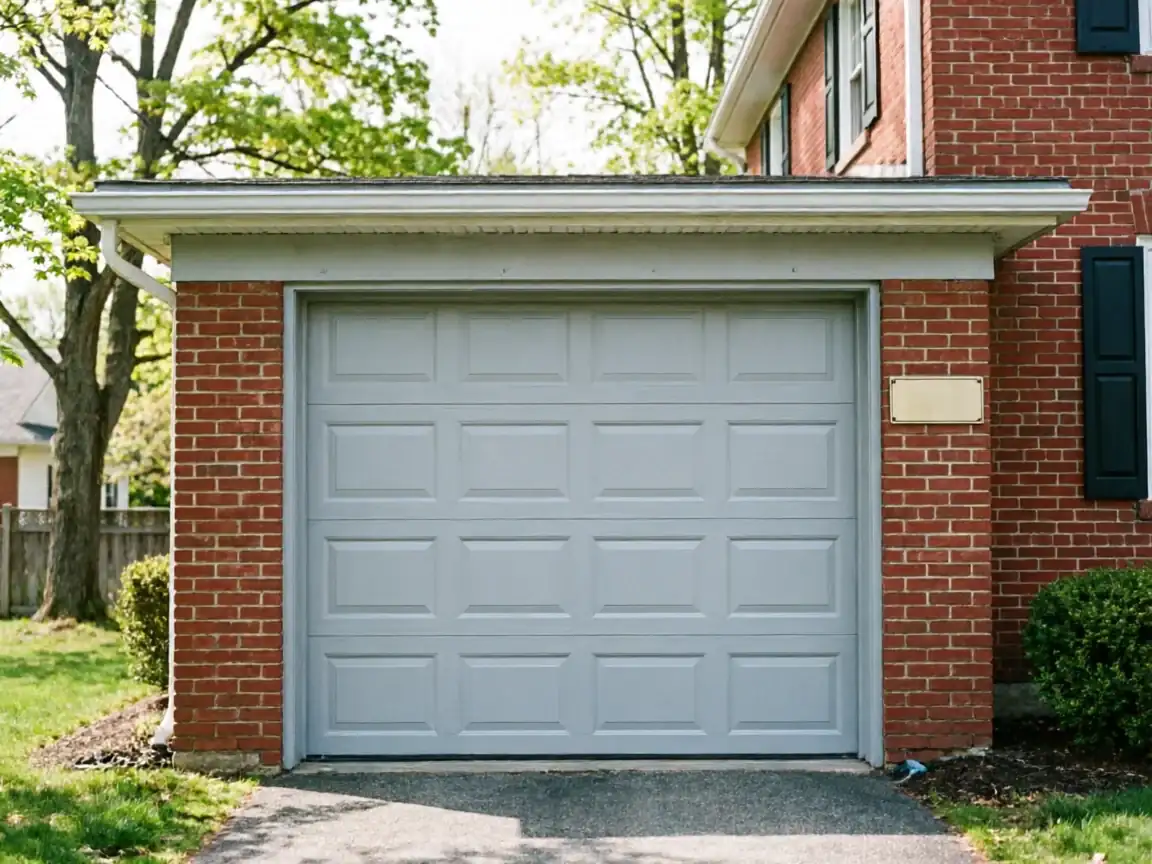
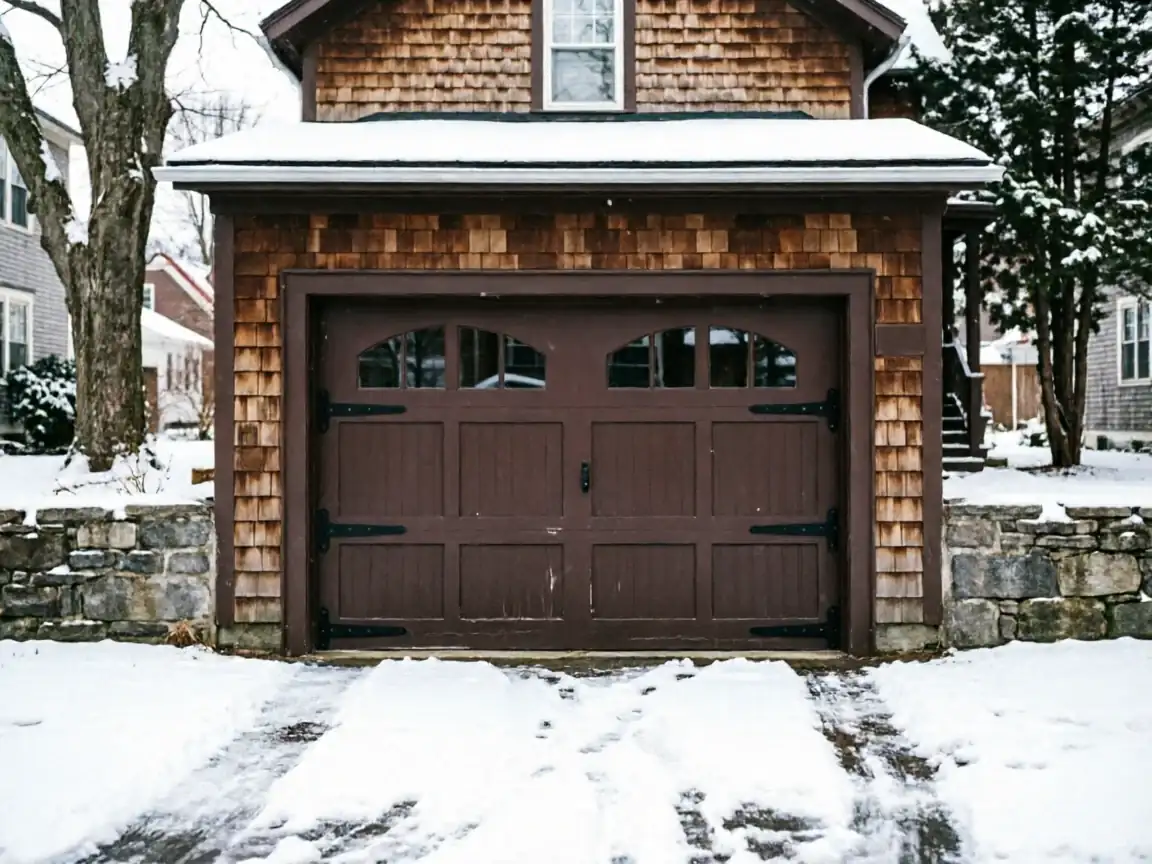
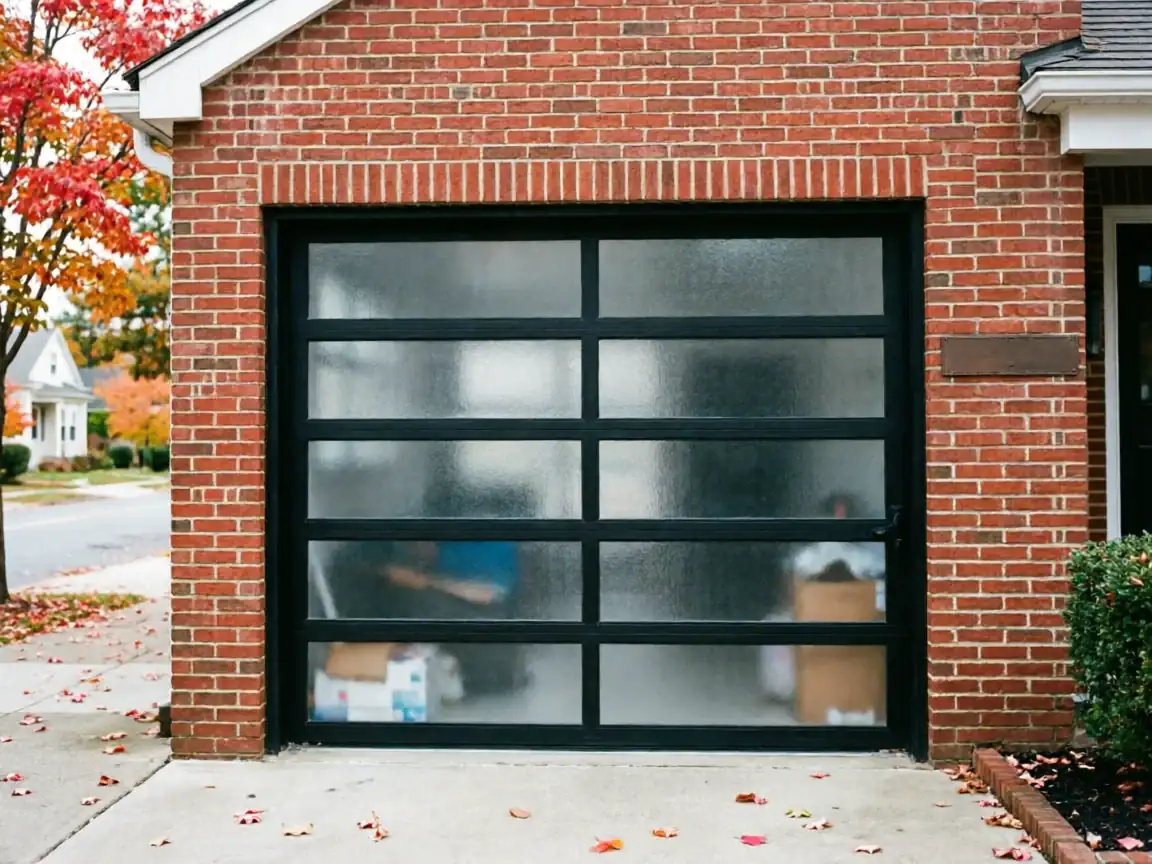
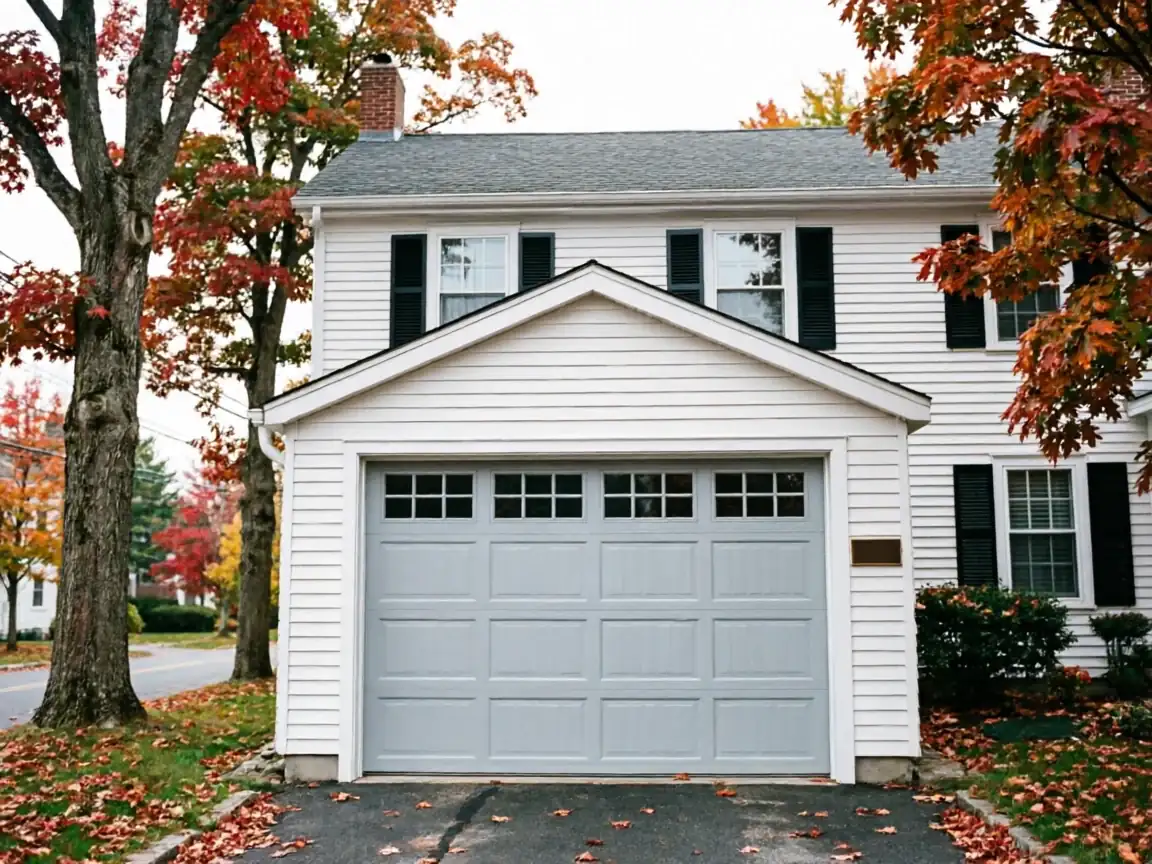
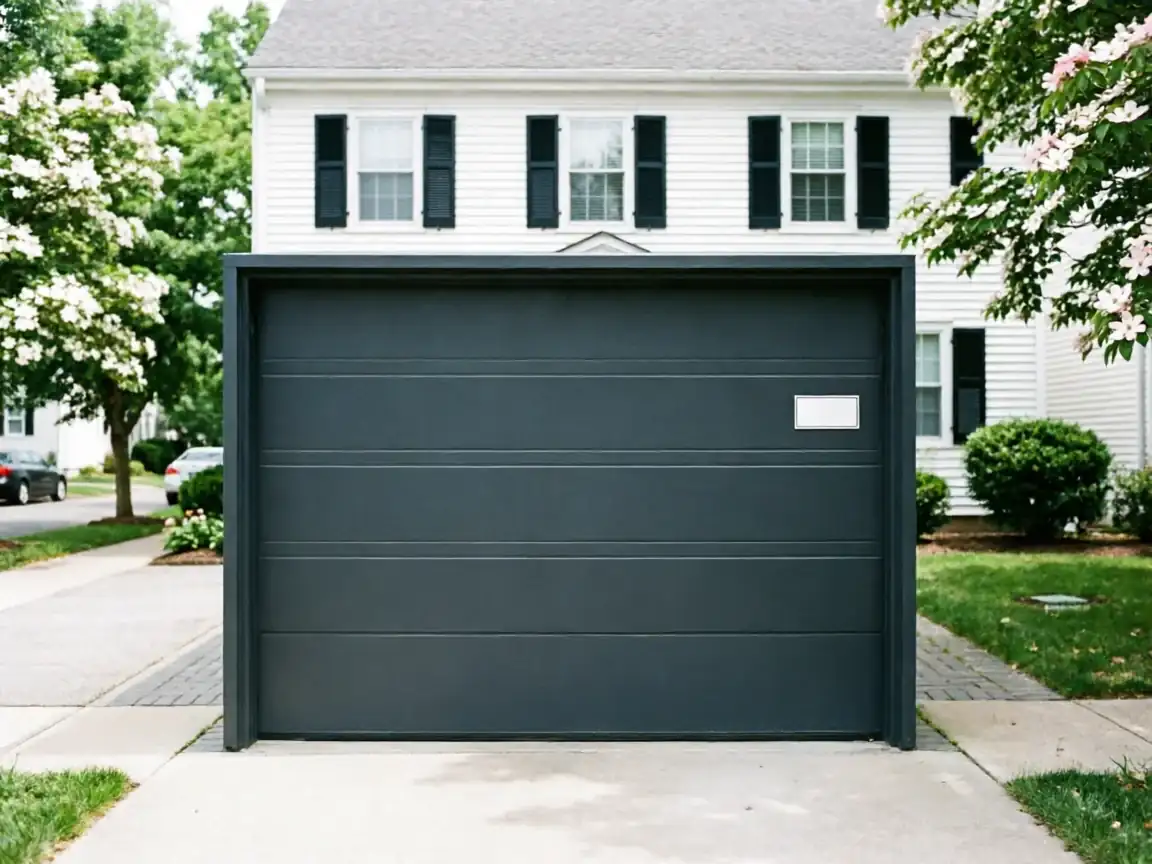
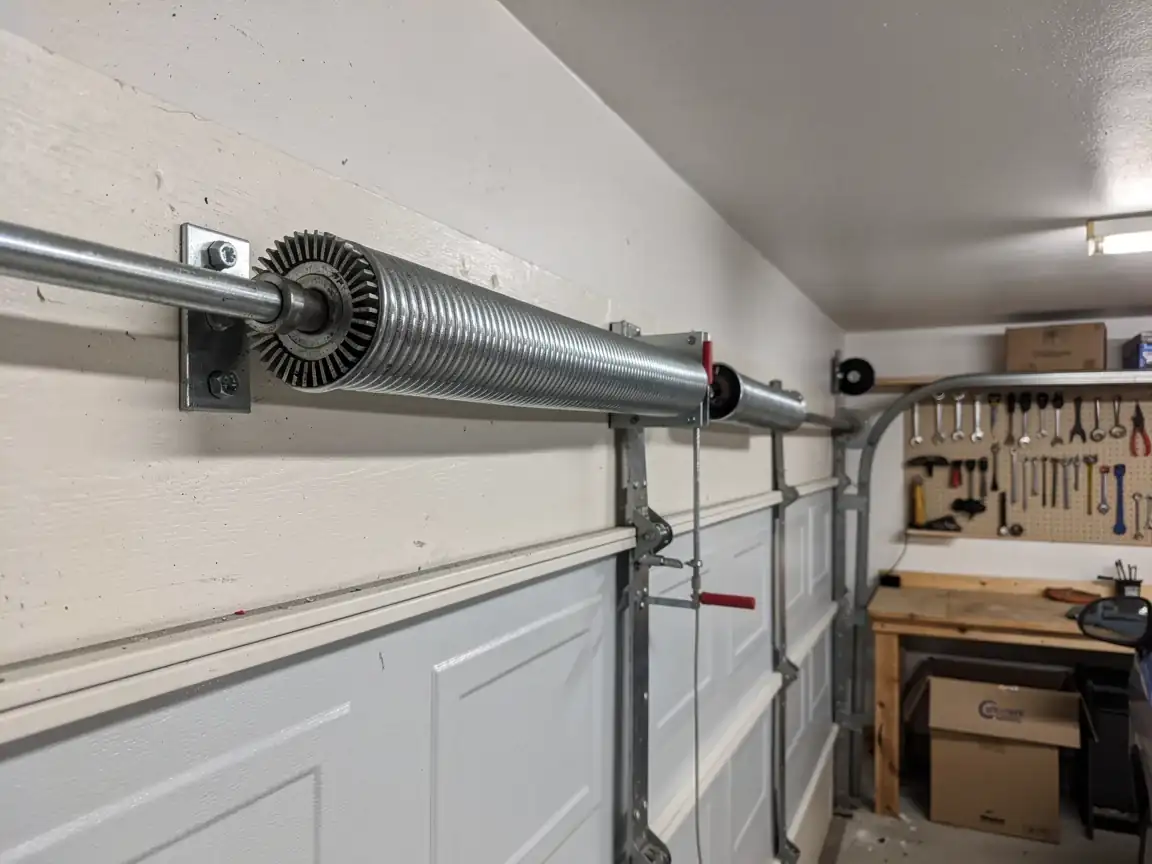
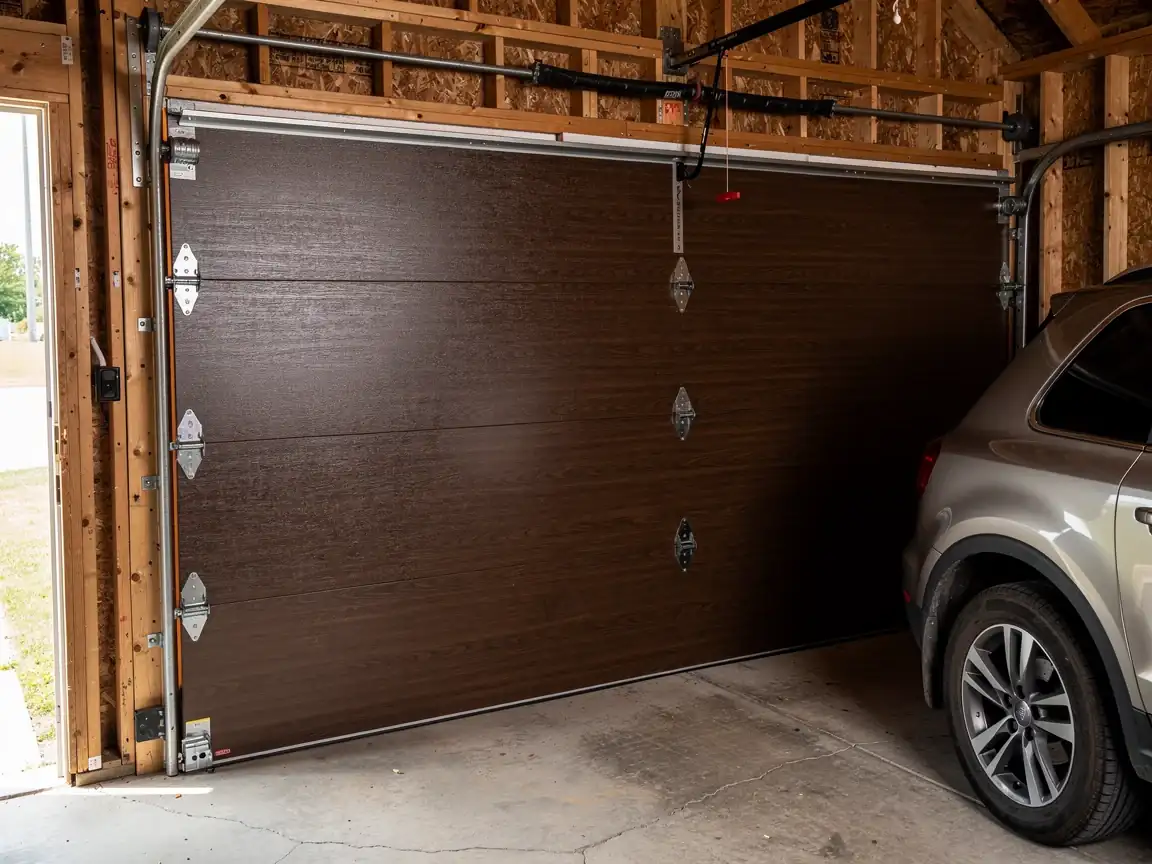
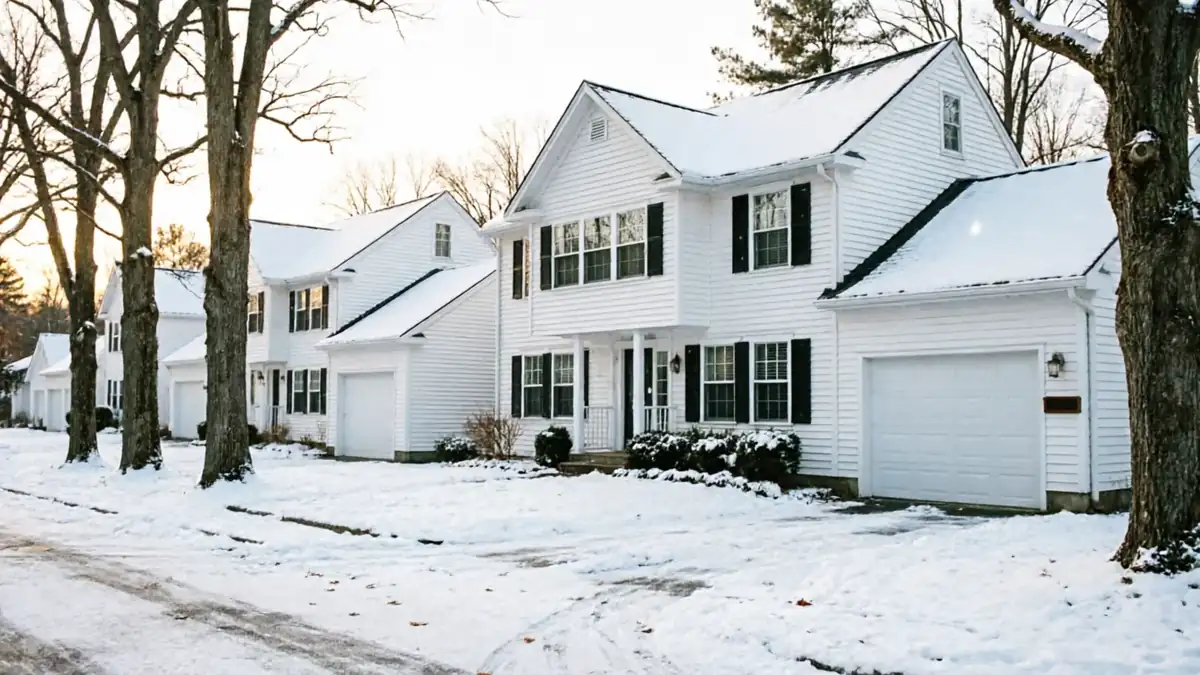
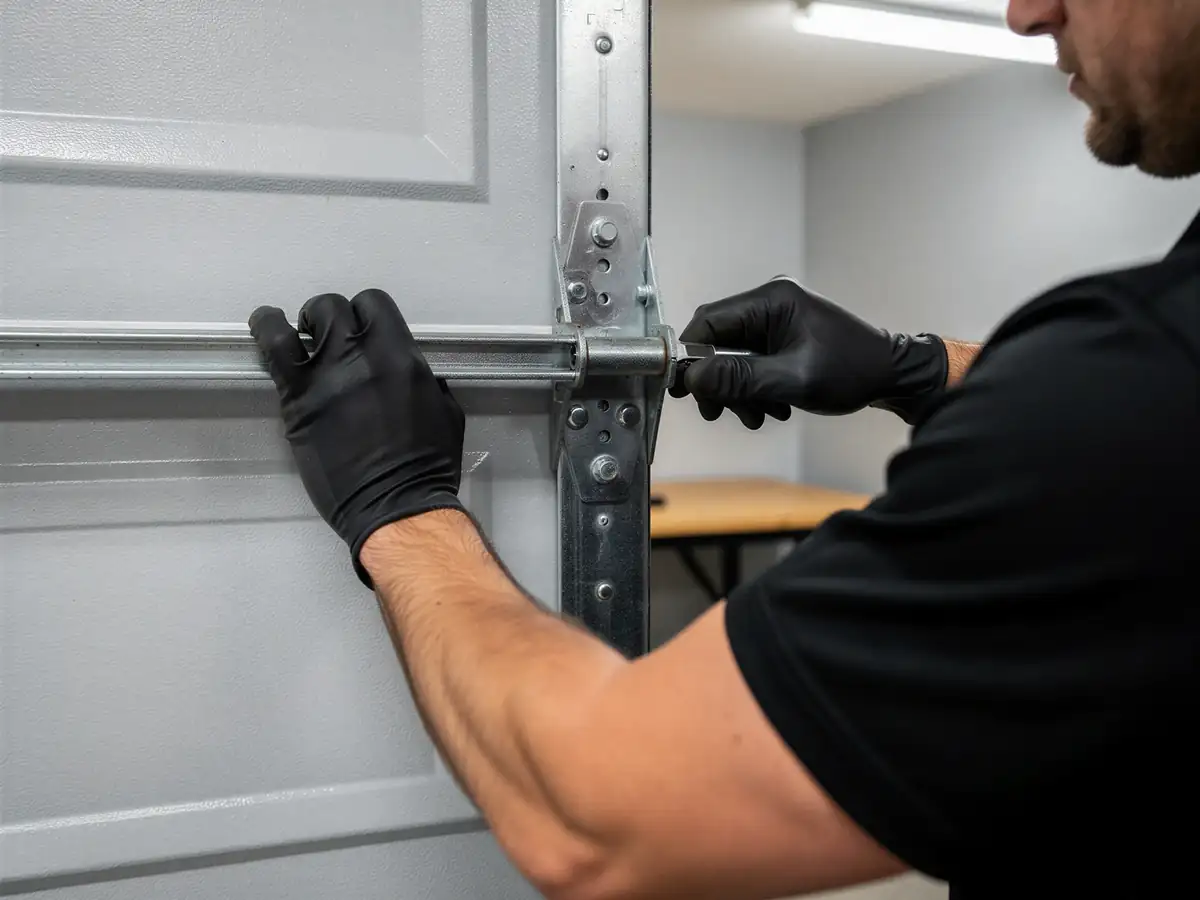
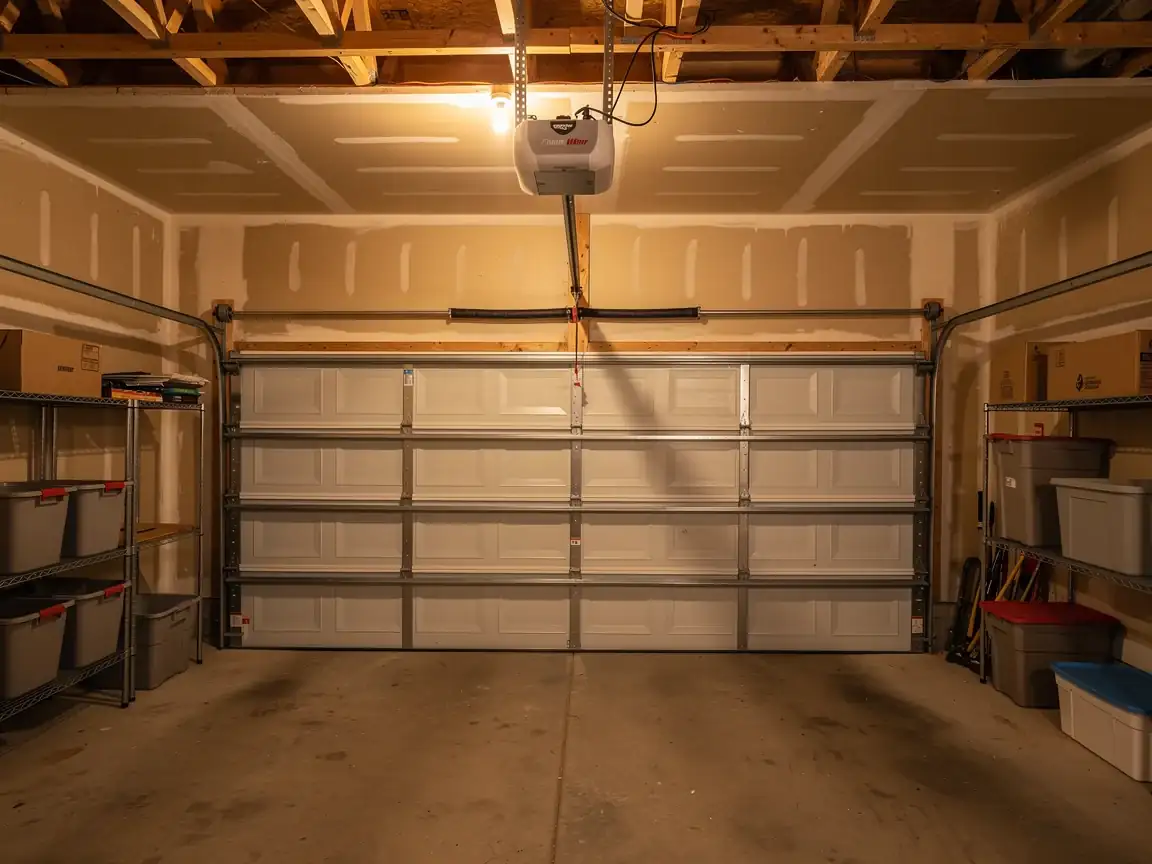
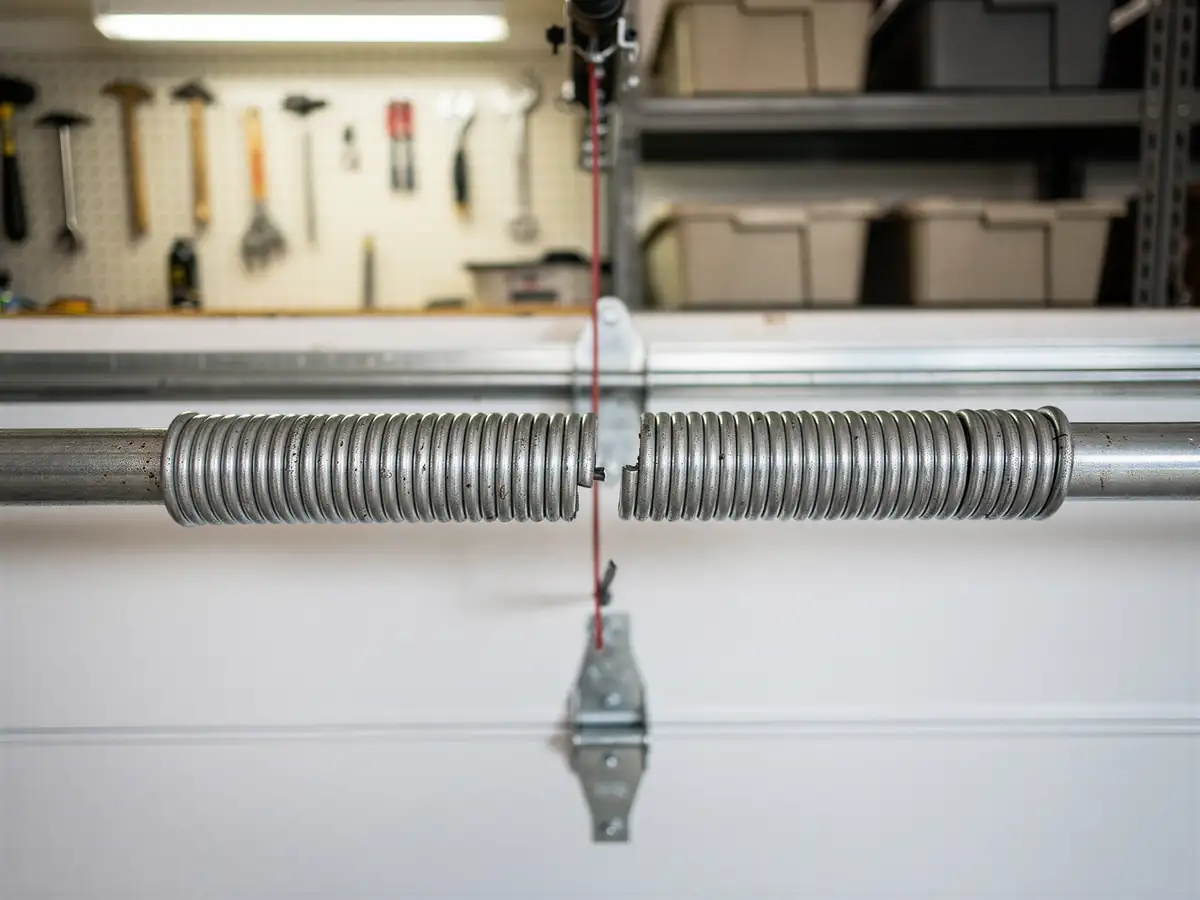
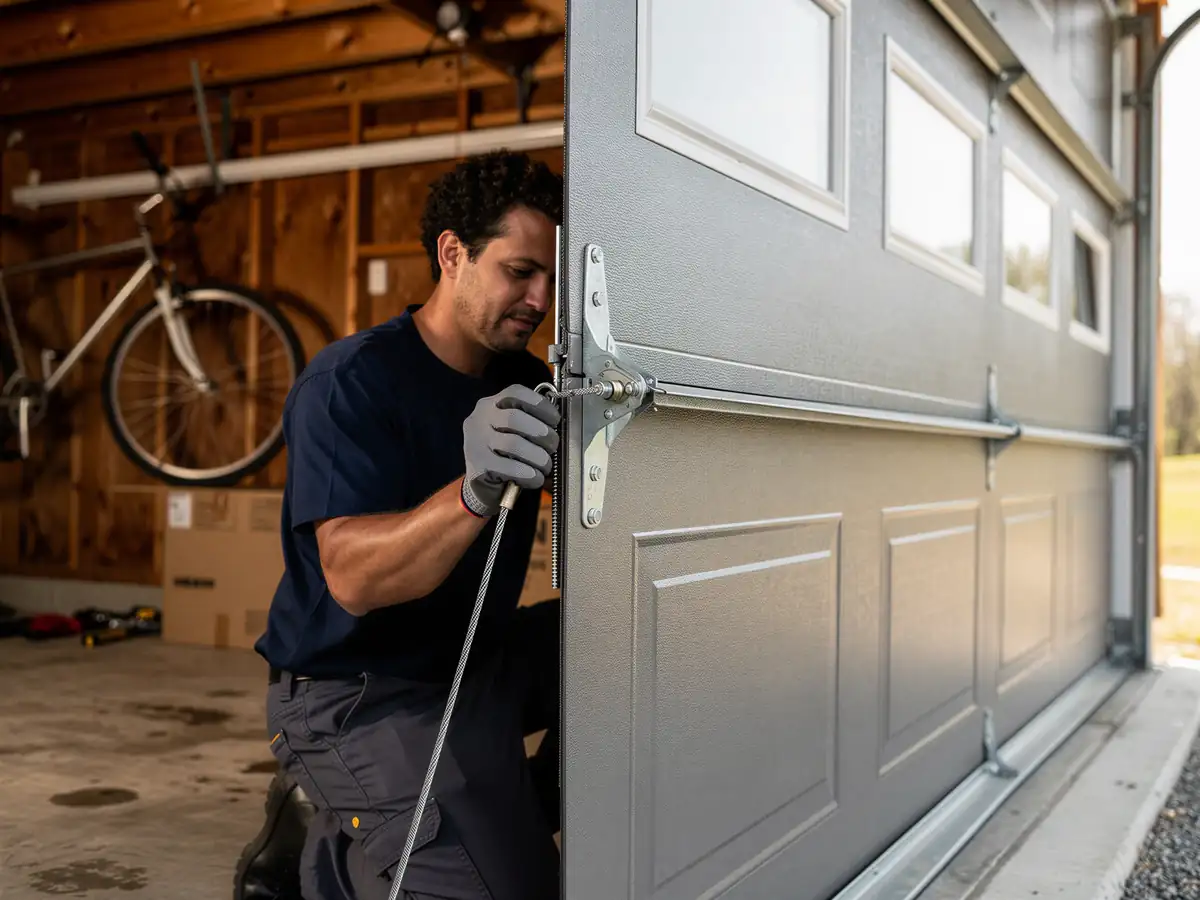
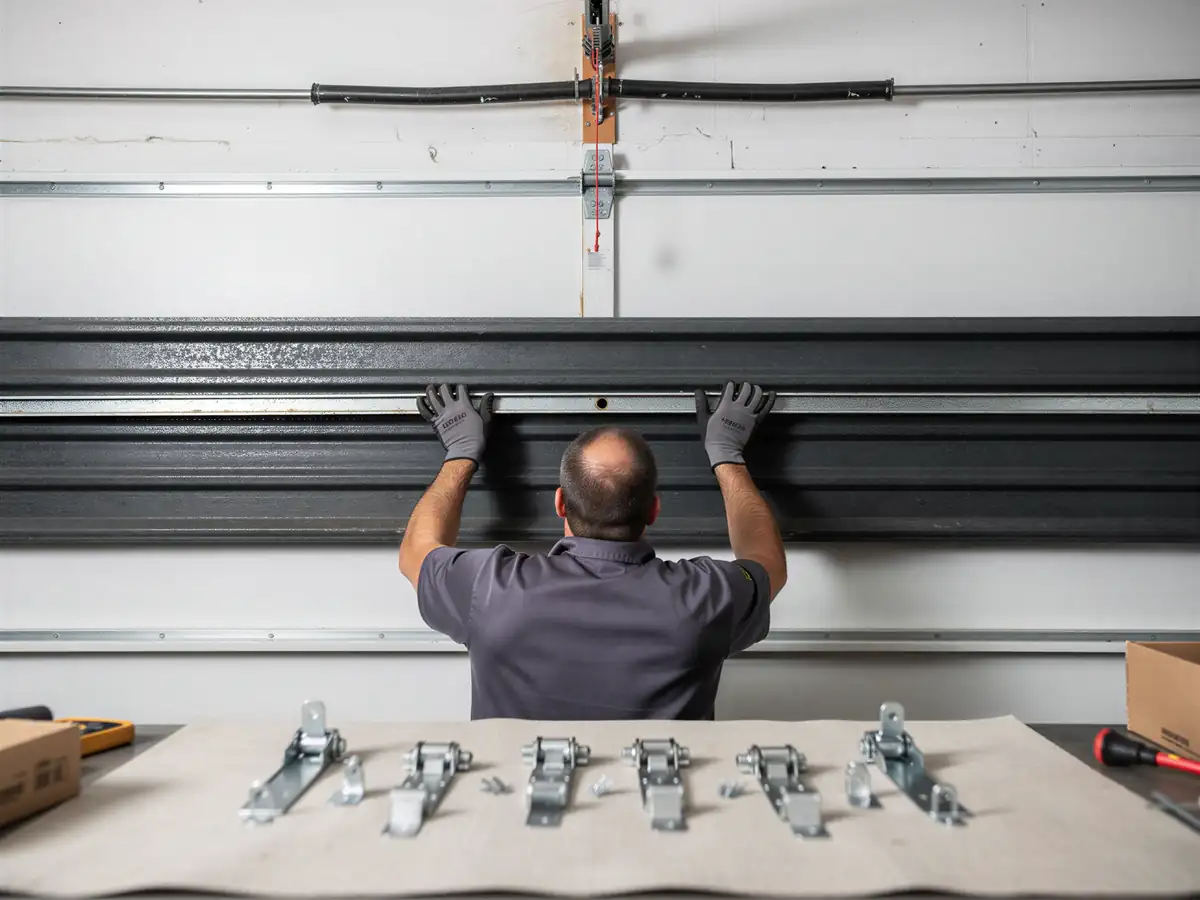
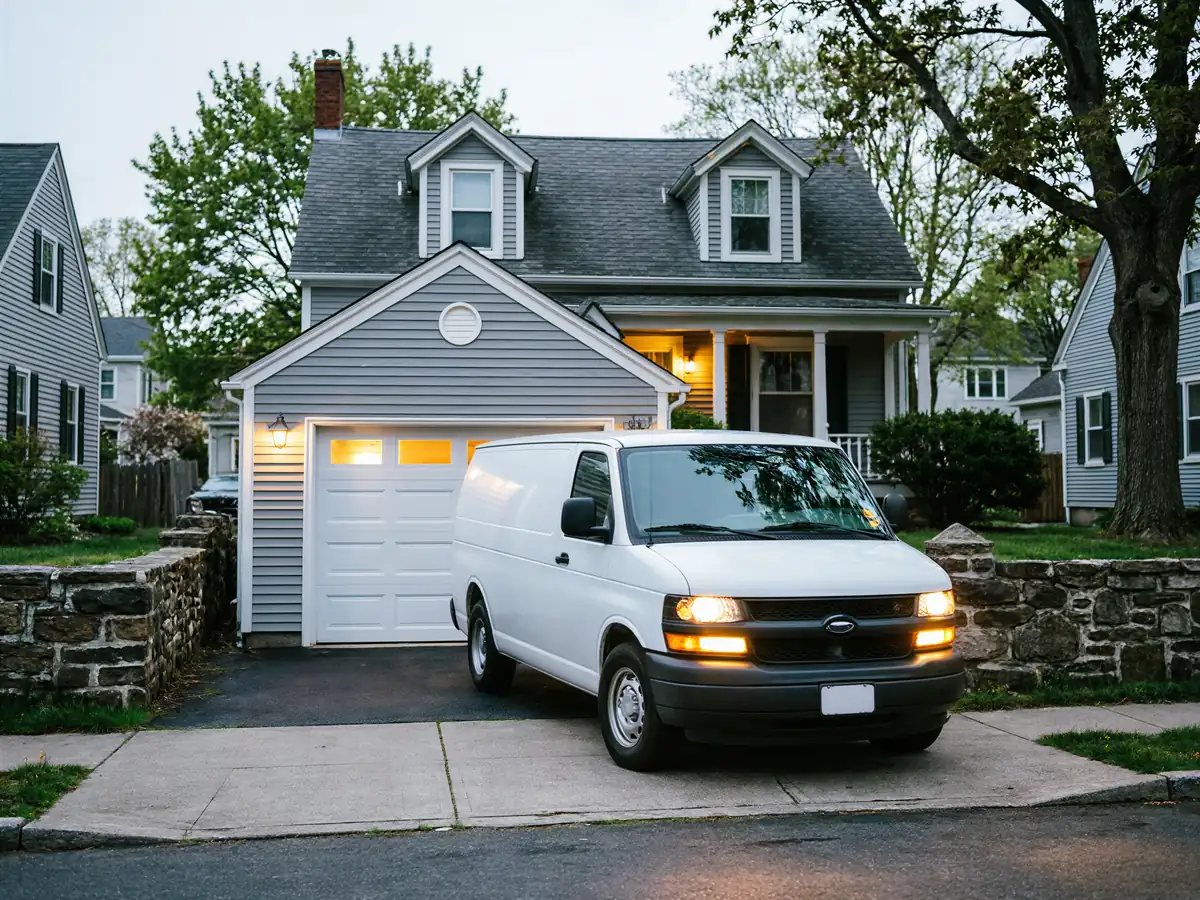
Ancient Oaks sits about 7 miles from our Allentown base, and the calls we get from here look different from the ones we get closer in. Most houses went up around 1998, which puts them squarely in the era of steel sectional doors with factory-installed extension or torsion springs, chain or belt-drive openers, and photo-eye safety sensors built into the design from the start. We're not chasing down one-piece wood doors or ancient side-mounted torsion units out here - that's an older-Allentown problem. What we actually get called for in Ancient Oaks is opener logic board failures, worn nylon rollers on doors that have had 25+ years of daily cycles, and torsion springs reaching the end of their rated cycle life right about now. The hardware is standard and parts are easy to source, which keeps most jobs straightforward. We don't keep a crew stationed in Ancient Oaks - every job here is a truck run out from Allentown, so we schedule around that drive.
The Split Between Old and New
Across the wider Allentown service area, the housing stock runs 1938 to 2005 with a median build year of 1964, and most of it clusters in 1960s and '70s construction. Ancient Oaks breaks from that pattern hard: its median year built is 1998, more than three decades newer than the area norm. That gap matters more than it sounds like it should. A door and opener installed in 1998 is working with torsion spring engineering, galvanized cable, and opener safety standards that didn't exist yet when most Allentown-area garages were framed. It also means Ancient Oaks isn't yet hitting the wave of full door replacements that older neighborhoods are already going through - most of what's here is still original equipment, just aging into its first major repair cycle rather than its second or third.
What the Housing Means for Your Door
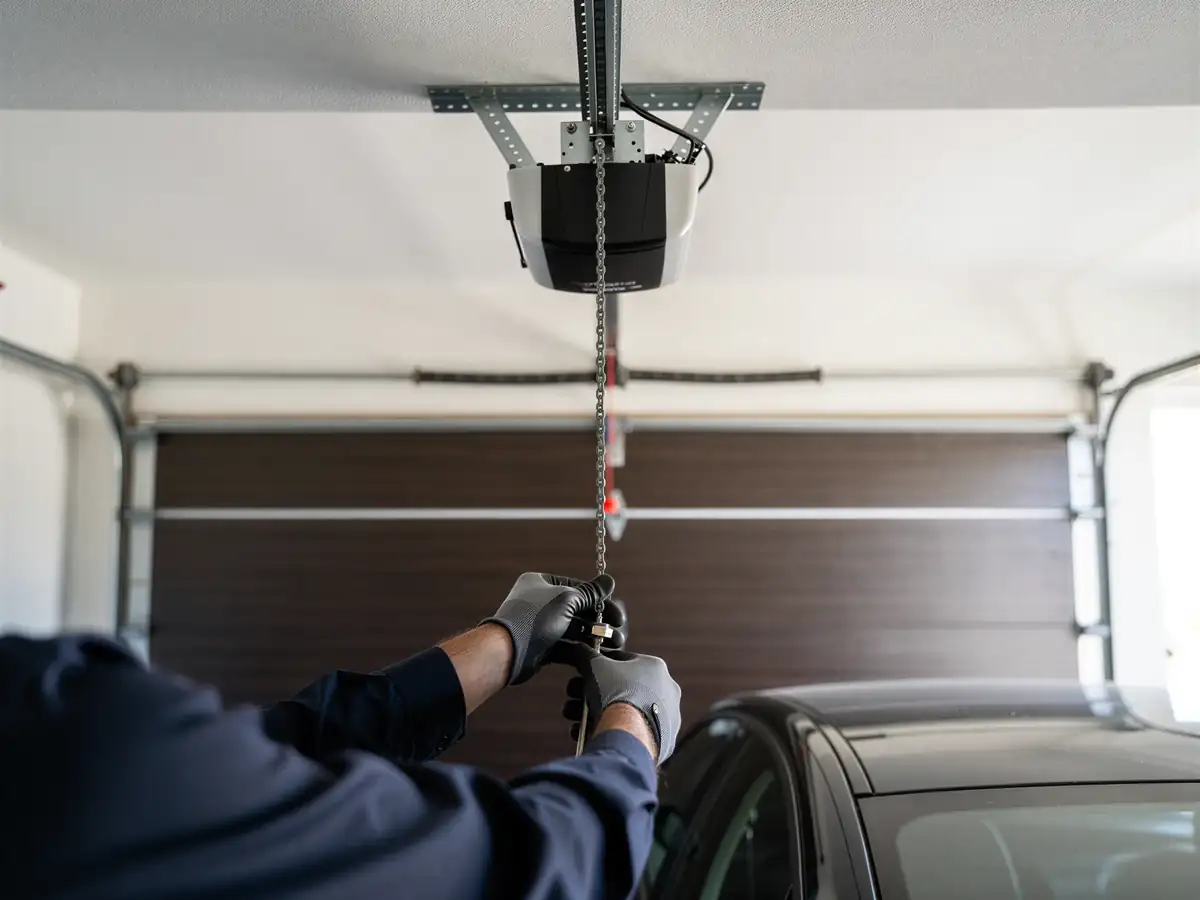
Cold-climate winters hit every door in this service area the same way regardless of build year - steel contracts, lubricant stiffens, and a weak spring is more likely to let go on a frigid morning than a mild one. For Ancient Oaks specifically, the thing to watch is opener age rather than door age. A chain or belt-drive unit installed when the house was built in 1998 is now past the point where most manufacturers consider the motor and logic board reliable long-term, even if the door itself still looks fine. We'll tell you straight if a repair isn't worth it: if the opener is original to the house and the board has already failed once, we'll usually recommend replacement over a second repair, since parts availability on that specific board starts to thin out past 20-25 years. For springs and rollers, repair almost always makes more sense than replacement at this age.