What the Fix Involves
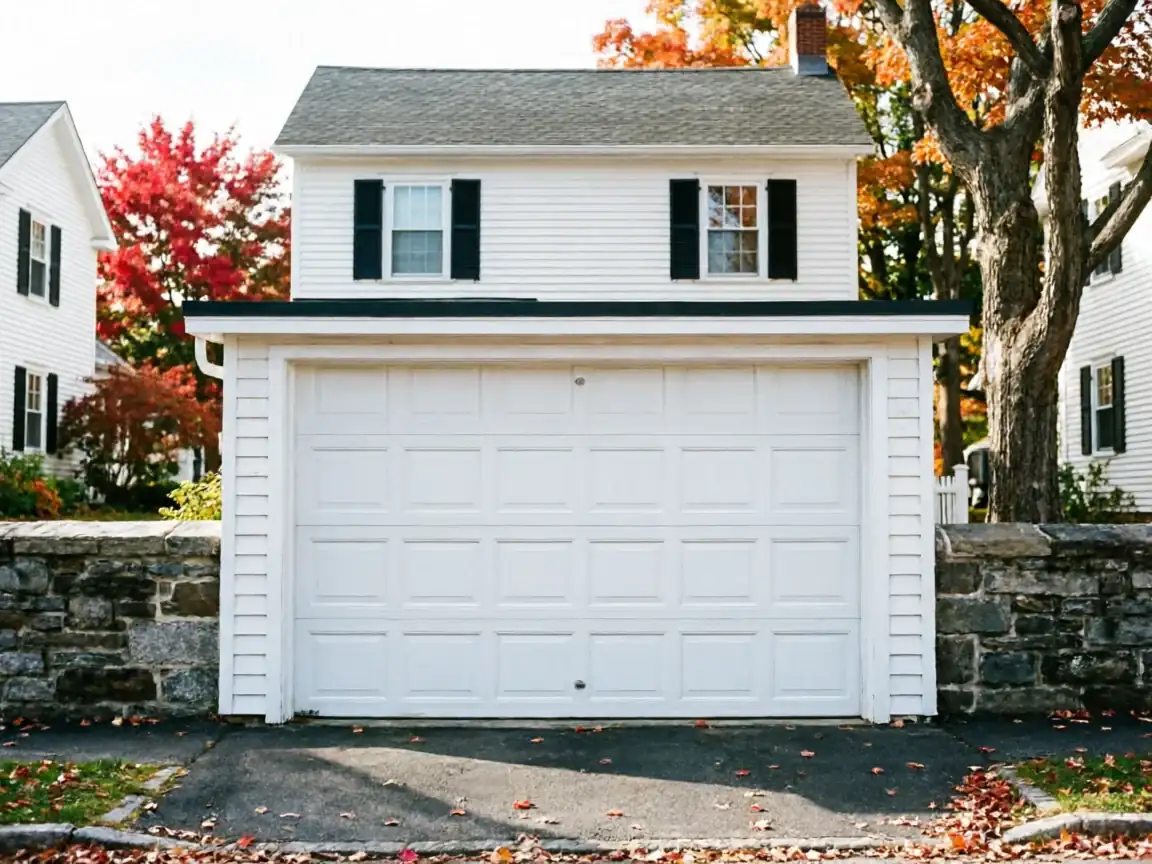
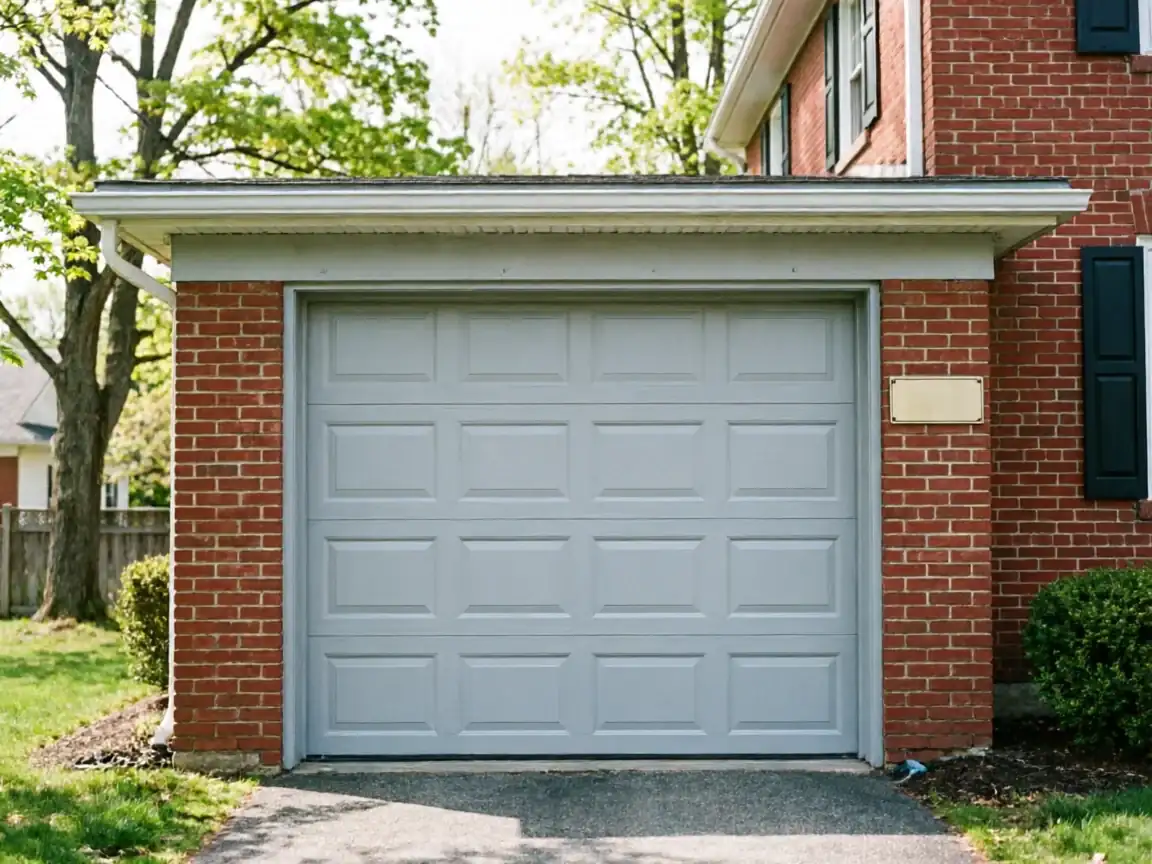
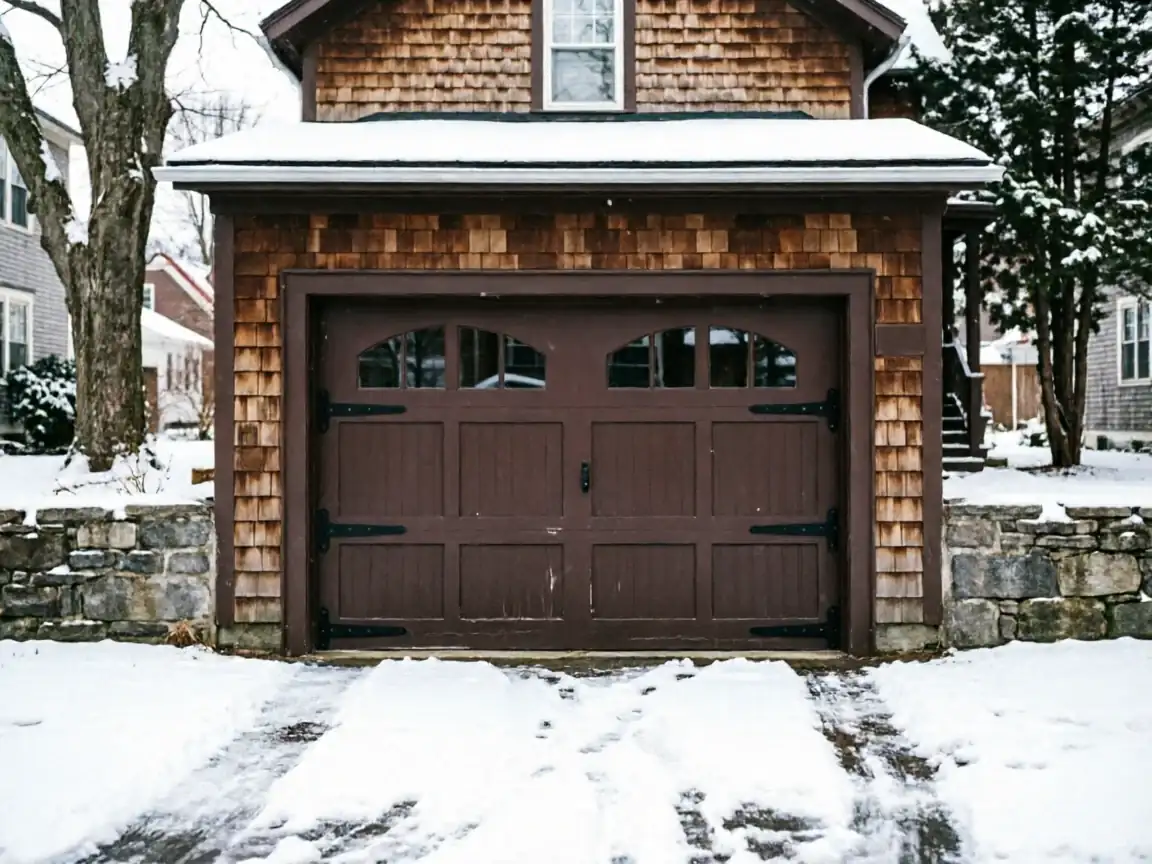
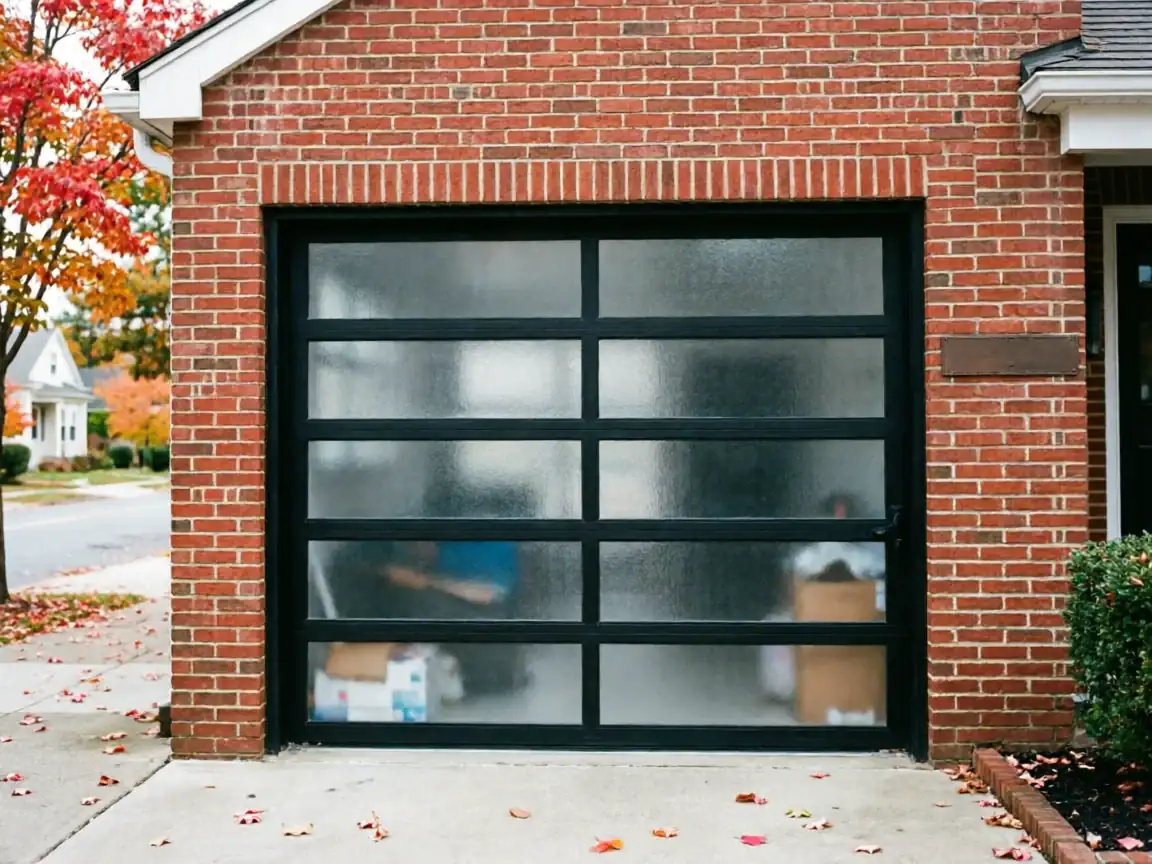
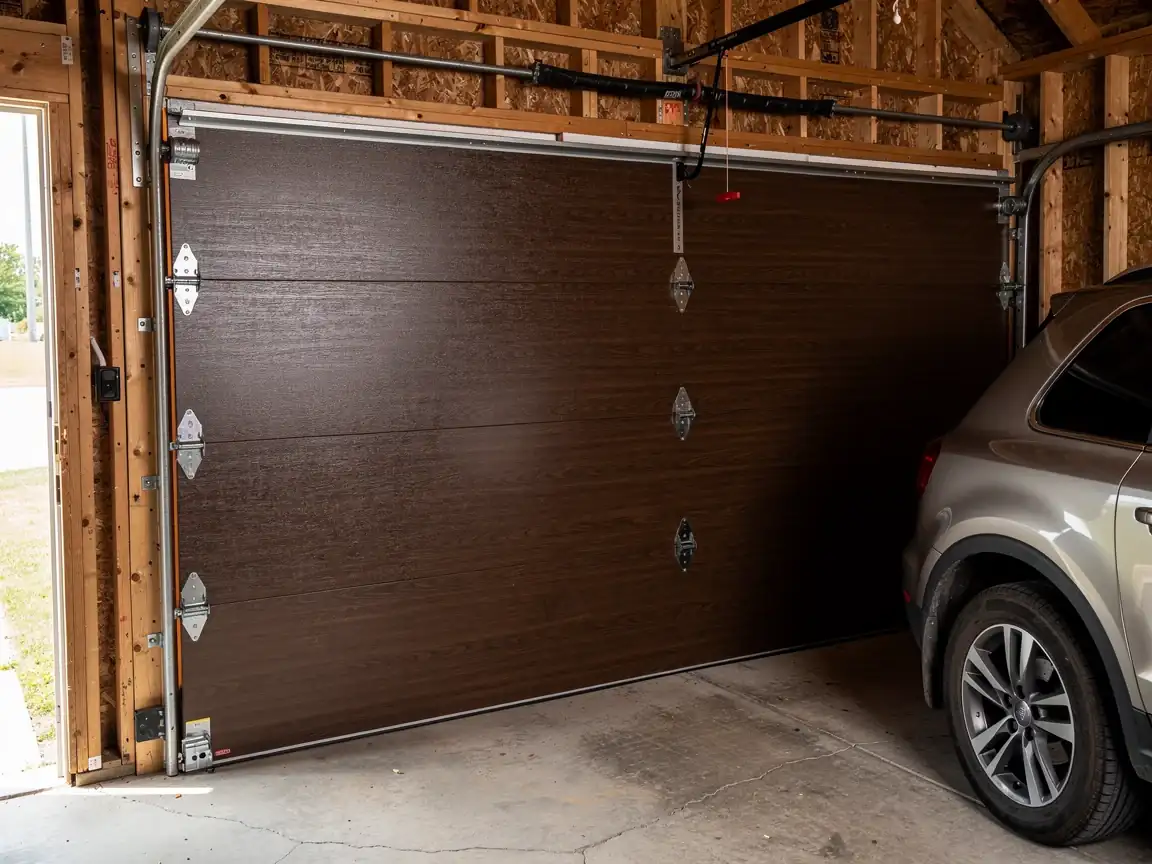
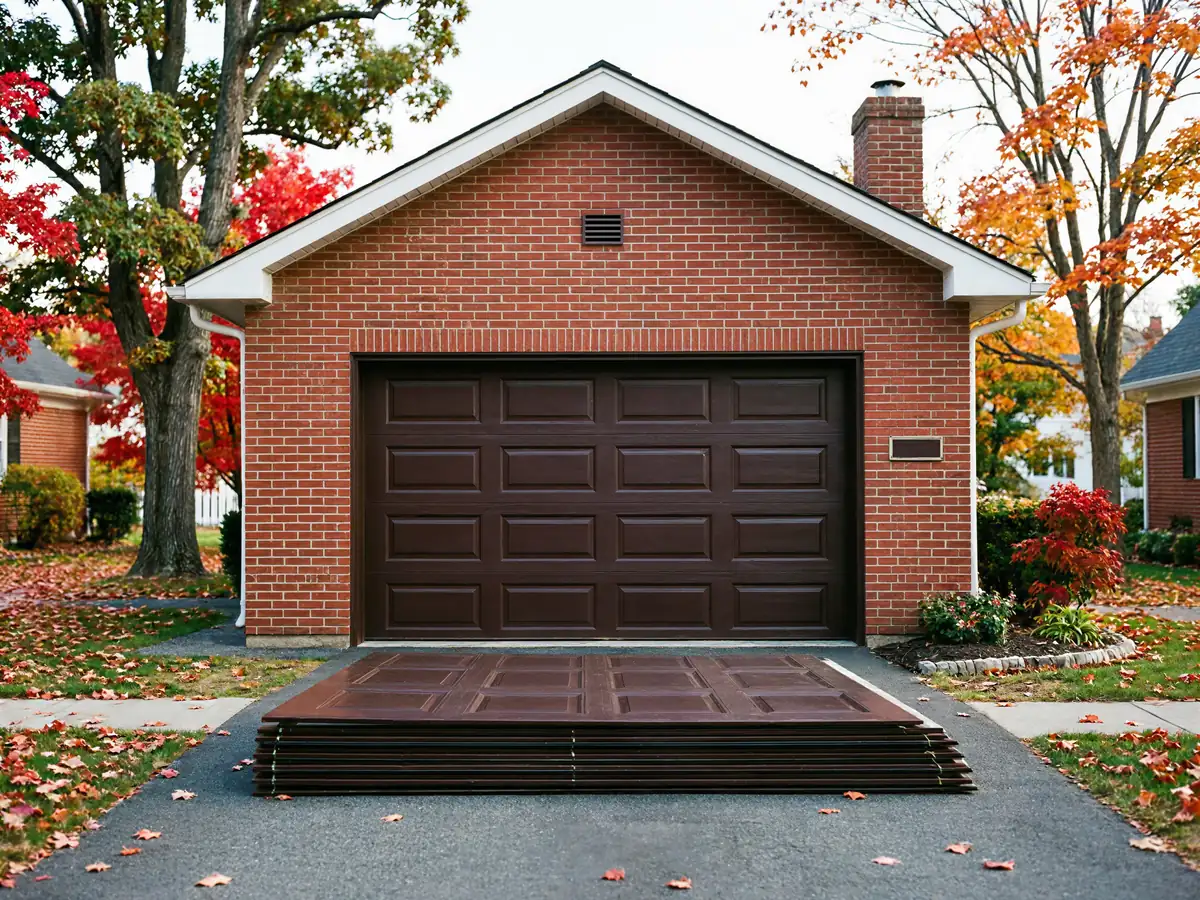
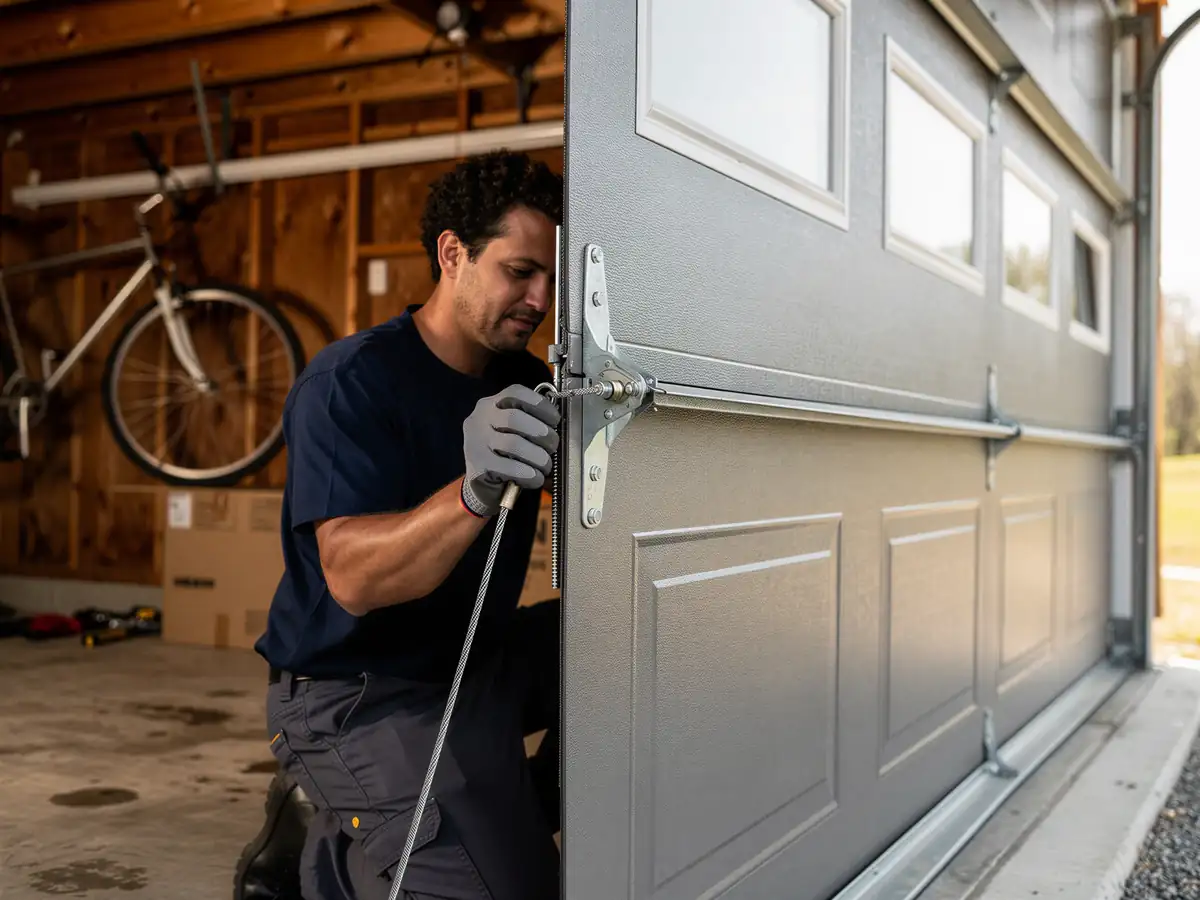
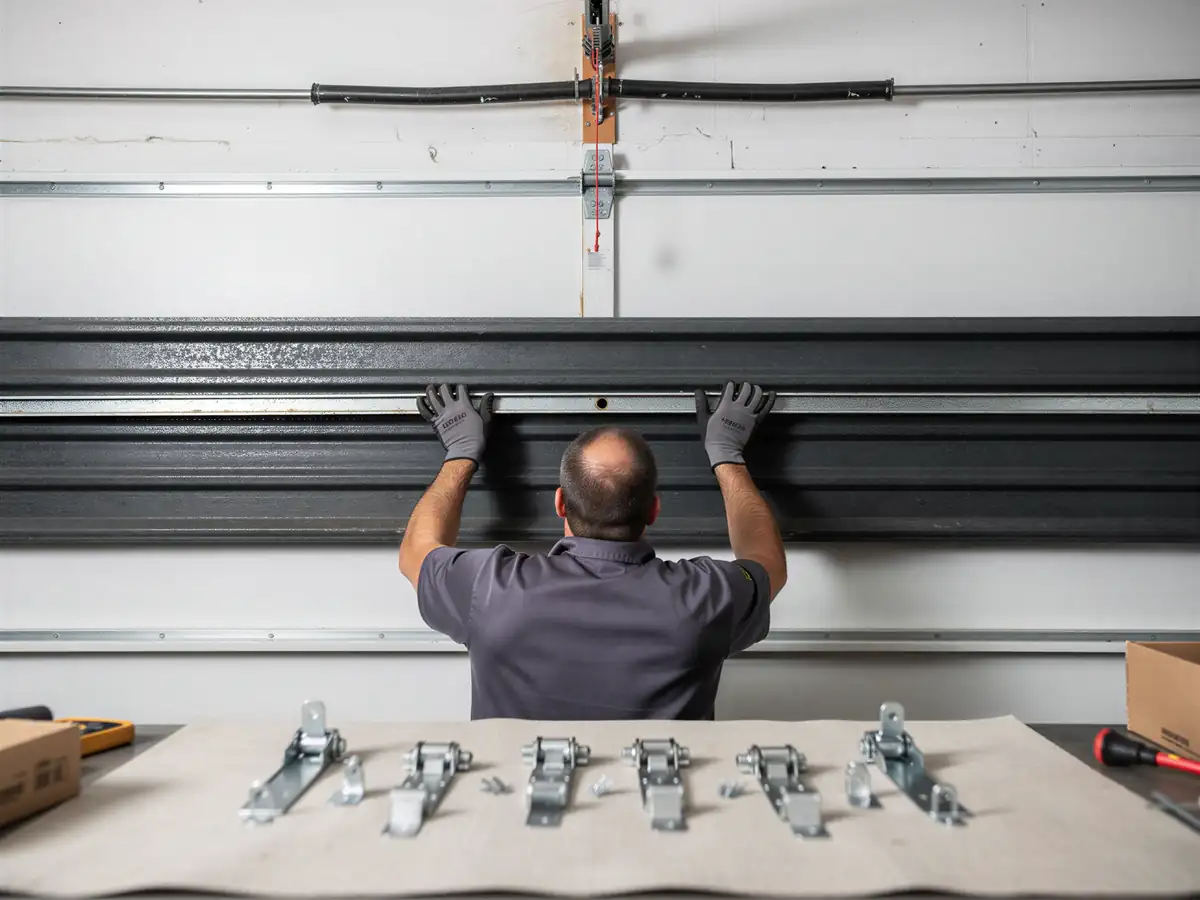
Panel replacement means swapping out one damaged section of a sectional garage door instead of replacing the whole door. Most doors in this area are built from three to five horizontal panels stacked on a track, and when one gets hit by a car bumper, a ladder, or a decade of weather, you can often pull that section and bolt in a match rather than buying a new door.
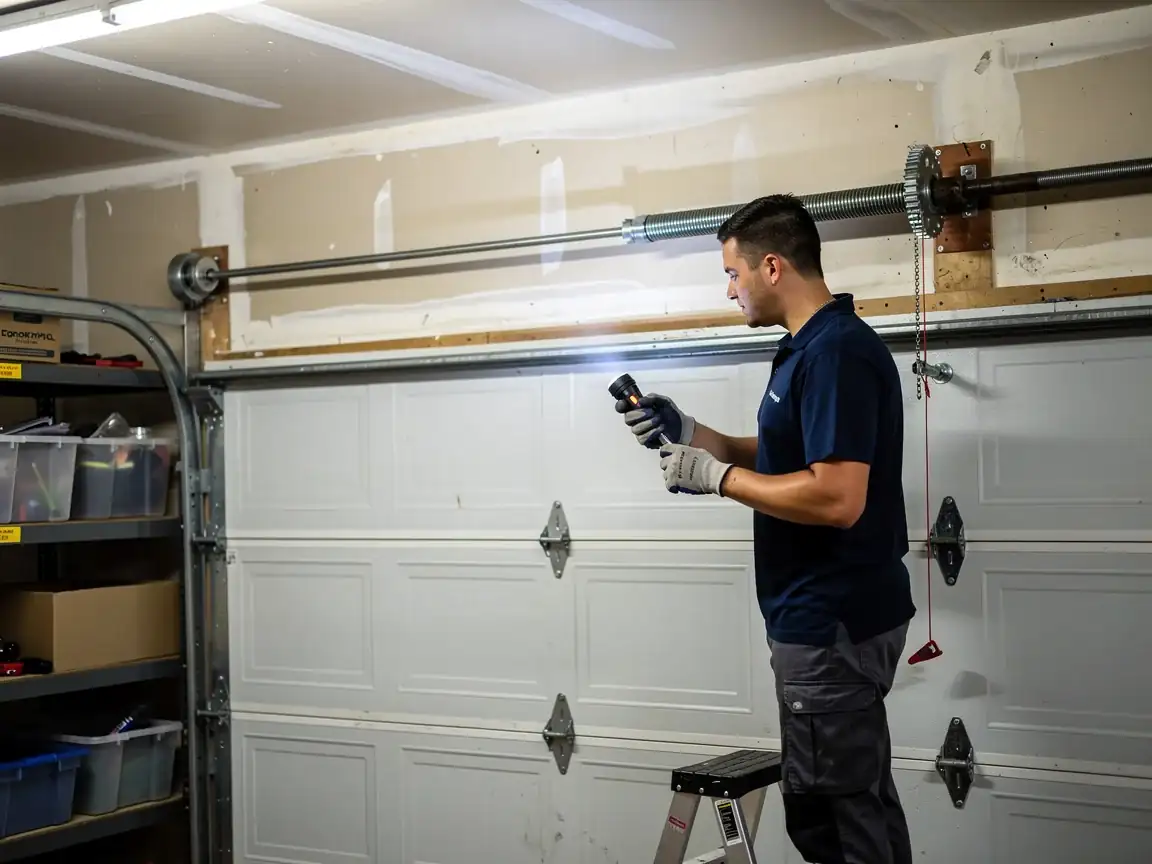
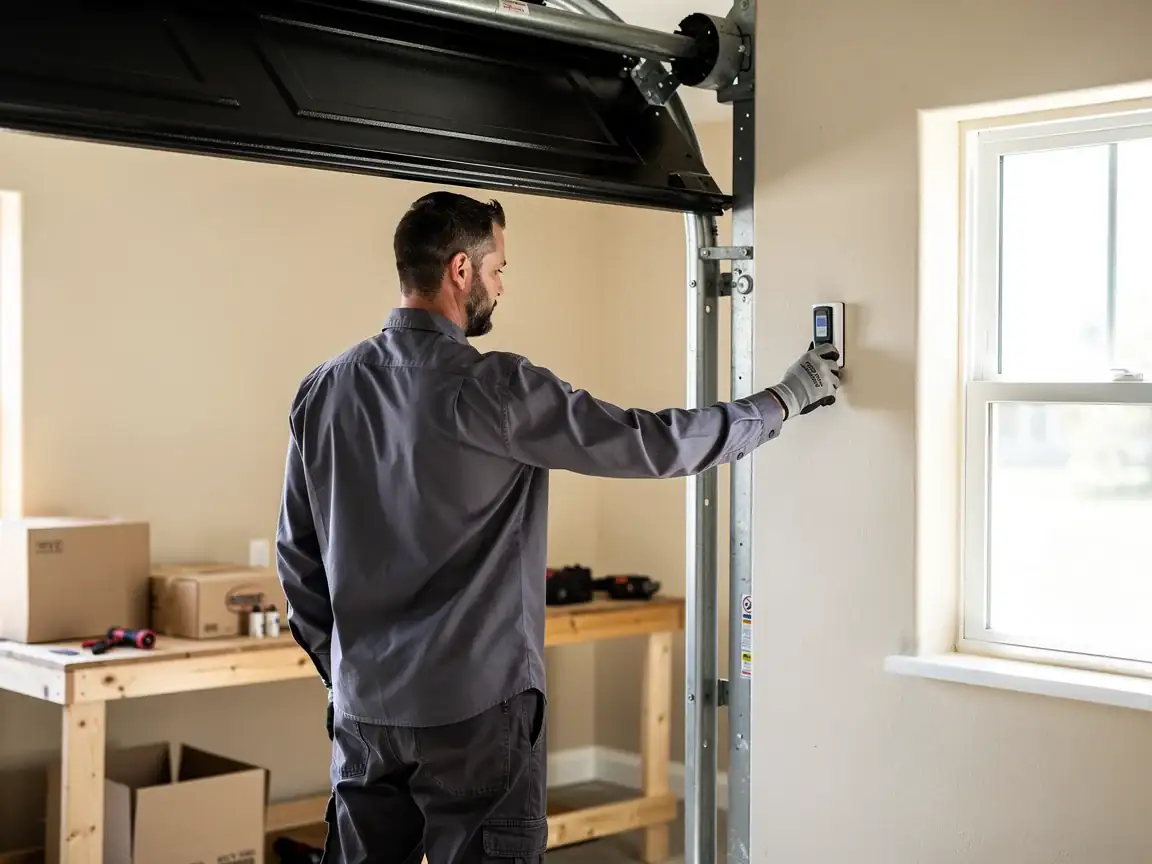
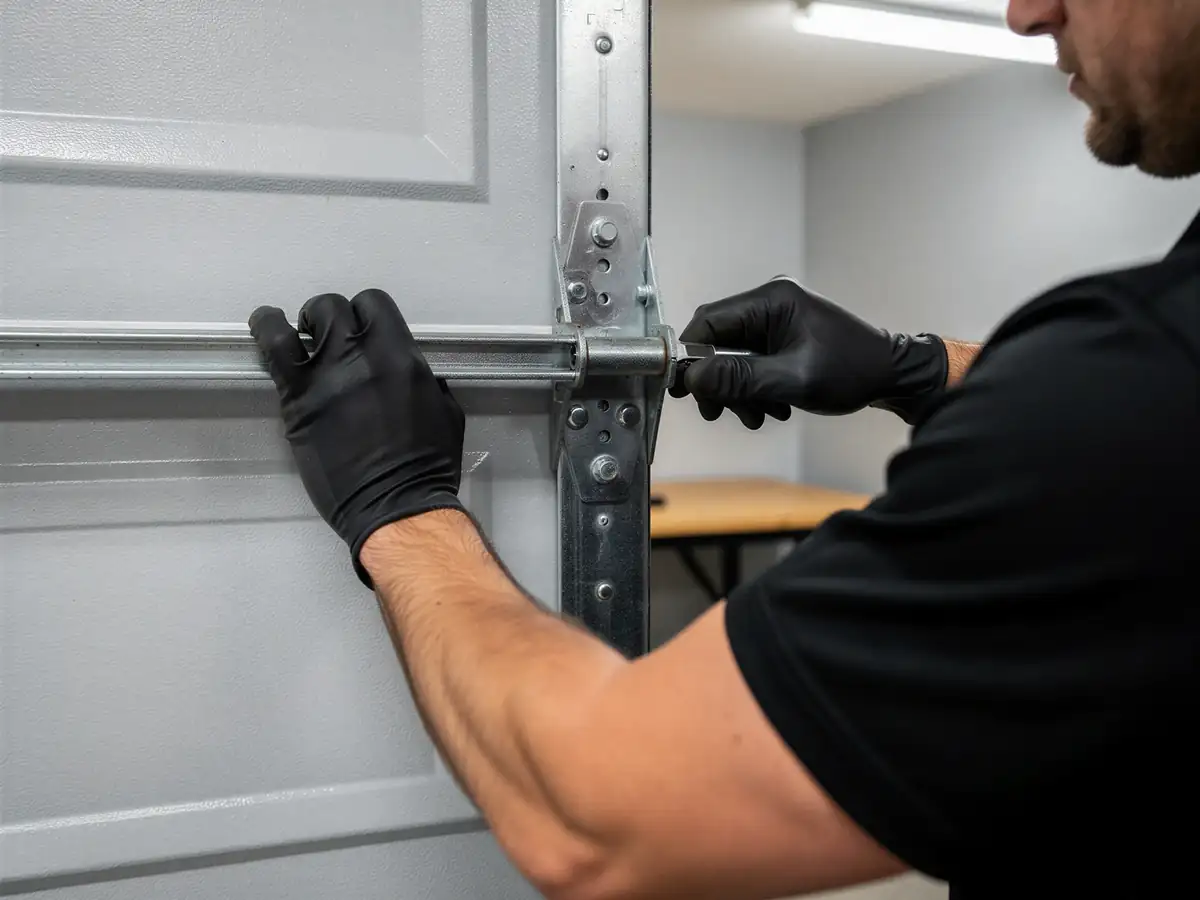
The job sounds simple and sometimes is: unbolt the hinges, disconnect the rollers, swap the panel, reconnect. But matching matters more than people expect. Panel width, insulation thickness, and the hinge spacing all have to line up with the panels still on the door, or the whole thing binds on the track.
We're straight about this upfront: if your door is old enough that the manufacturer doesn't make that panel style anymore, we're not going to pretend we can conjure one up. Sometimes a full door replacement actually costs less than hunting down a discontinued match, and we'll tell you that instead of running up a parts search that goes nowhere.
Why This Fails Locally
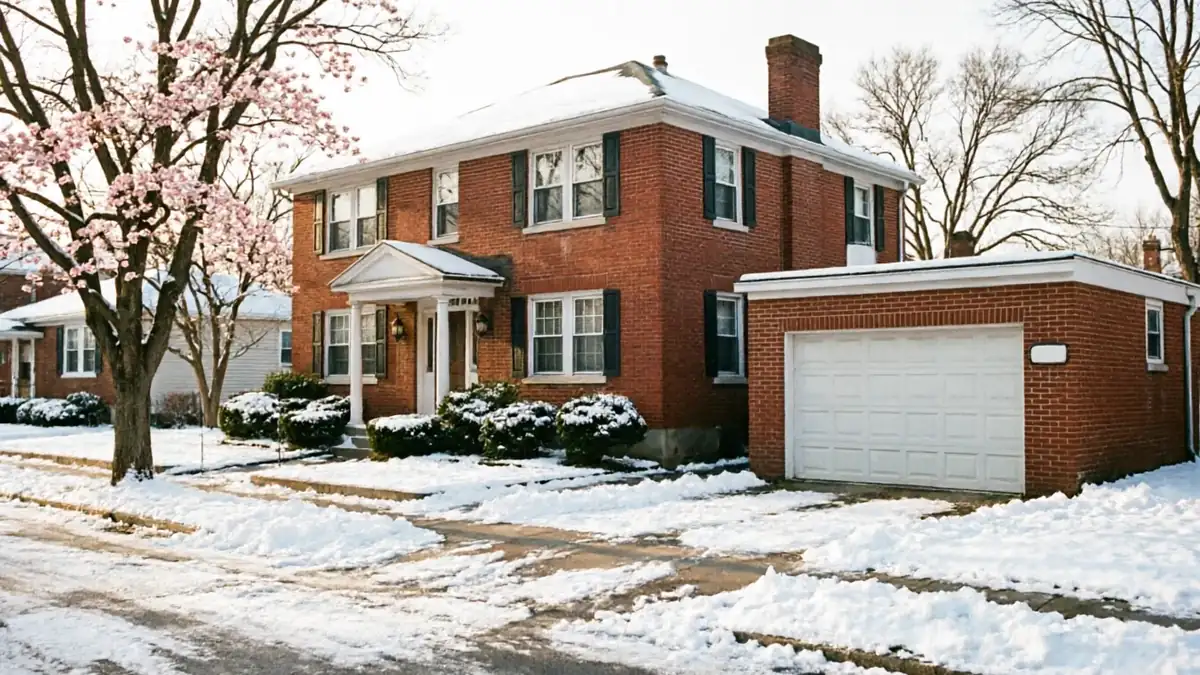
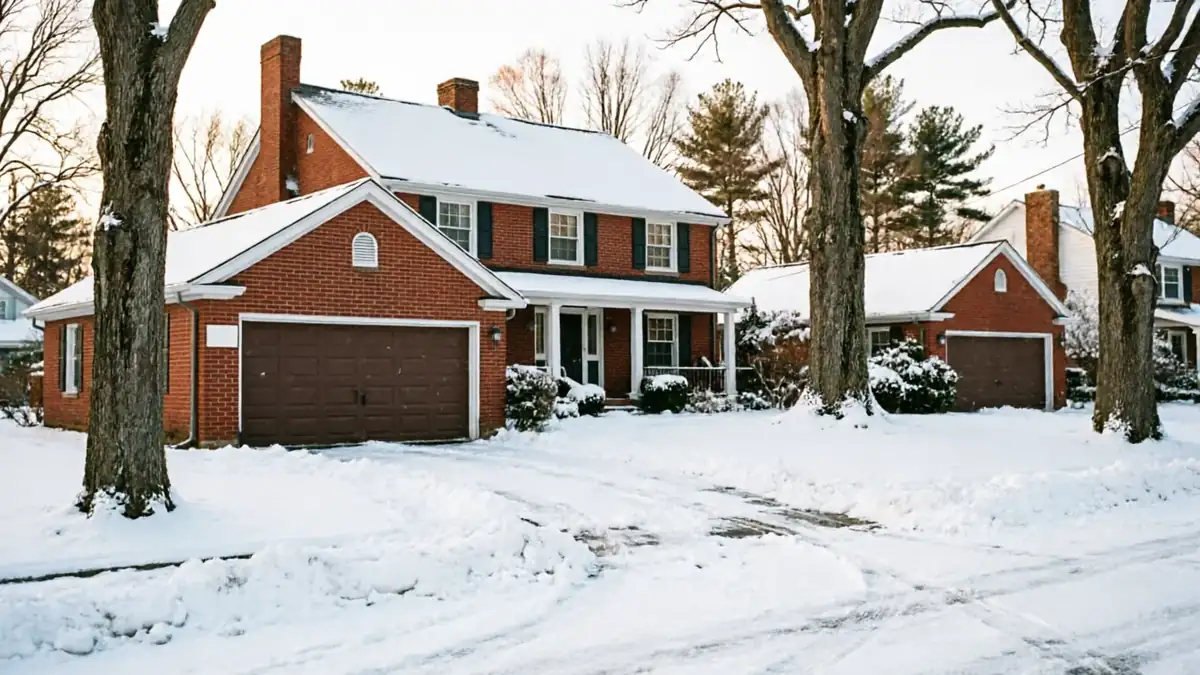
Housing in this service area was mostly built between 1938 and 2005, with the bulk of it going up in the 1960s and 70s. That matters here specifically because that era is when steel sectional doors with thinner-gauge panels and painted (not galvanized) finishes became standard. Those panels hold up fine for decades, but they weren't built with today's coatings.
Pair that housing stock with the cold, severe winter climate this area sits in, and you get a predictable failure pattern: road salt and snowmelt collect against the bottom panel all winter, the paint seal breaks down at the seams, and rust works in from the edges. Wood-composite panels from the same era swell and split from repeated freeze-thaw cycling.
This isn't a problem you'd see the same way in a milder climate, and it isn't a problem new construction deals with much either, since current doors use heavier galvanized steel and better bottom seals. It's a specific overlap of door age and winter exposure that shows up again and again on houses from that build window.
Where This Job Goes Sideways
The first snag is color and finish
A panel baked and painted in the 1970s has faded and chalked in ways a brand-new replacement panel won't match, even from the same manufacturer line, if that line still exists at all. You end up with a door that functions fine but looks patched.
The second snag is hardware compatibility
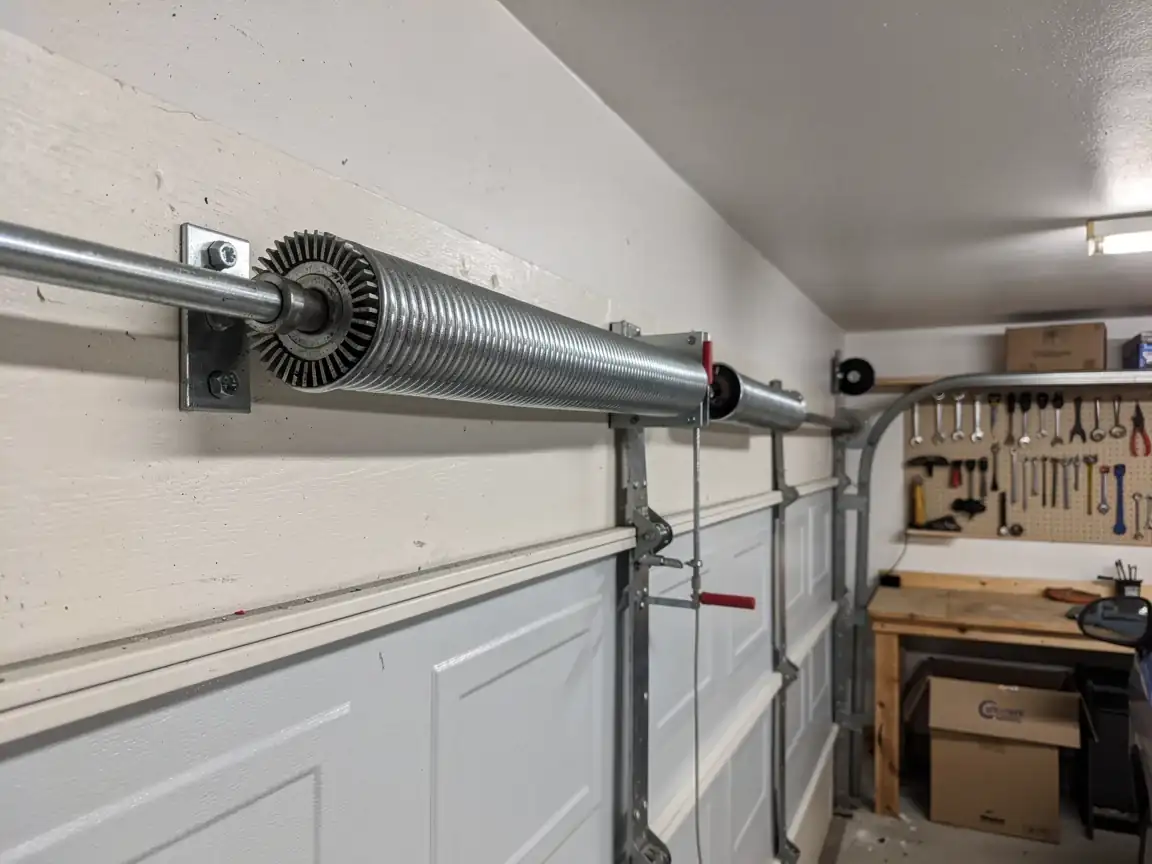
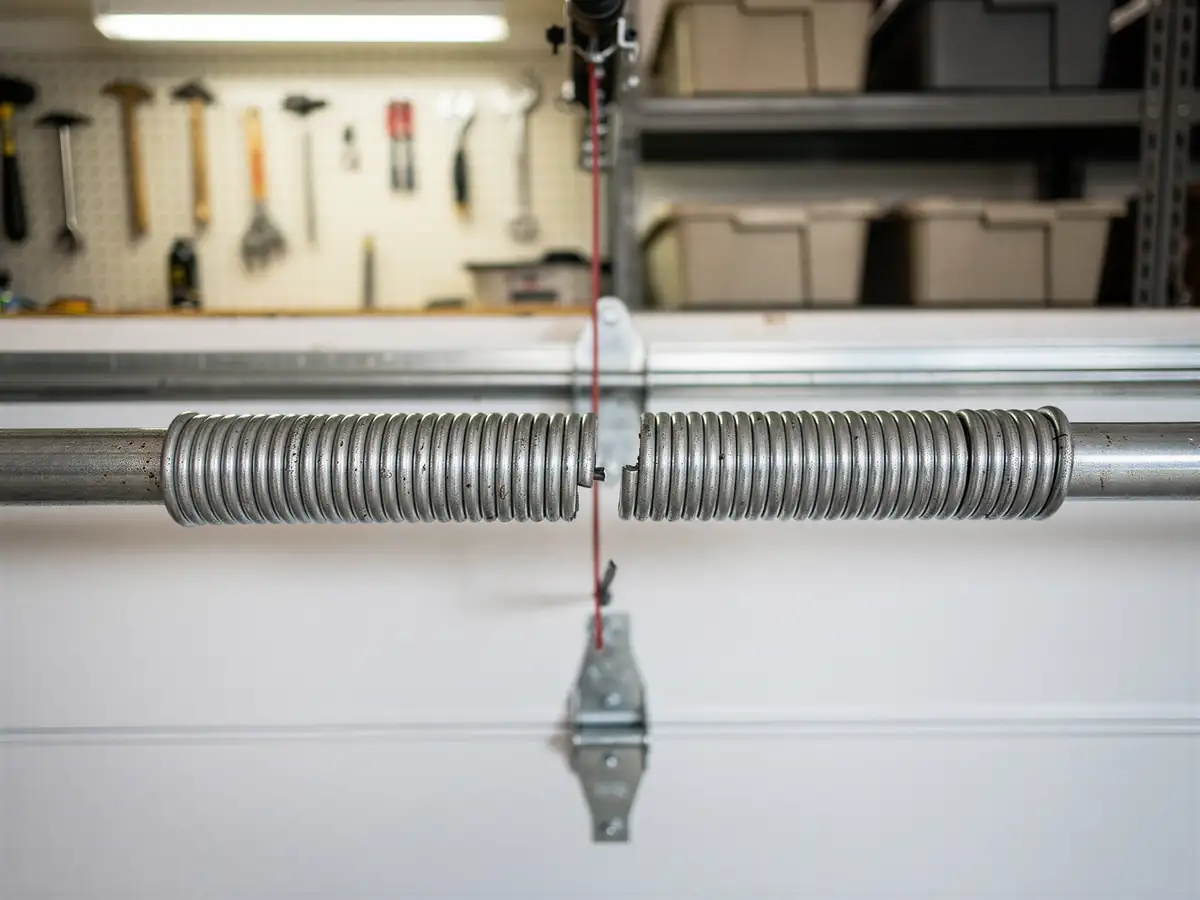
Older torsion spring systems and track widths don't always line up with current panel dimensions, so a panel that's technically the right brand can still need the hinges re-drilled or the track reset to sit flush.
The third is insulation mismatch
A lot of doors from that era were never insulated at all, or were insulated with materials nobody sells anymore. Swap in a modern insulated panel next to three uninsulated ones and you get a visible seam line and uneven weight distribution across the springs, which shortens spring life.
We check all three before quoting a panel swap instead of a full door
Because a panel job that looks cheap on paper can turn into more labor than a new door once the mismatches show up.
The Symptom
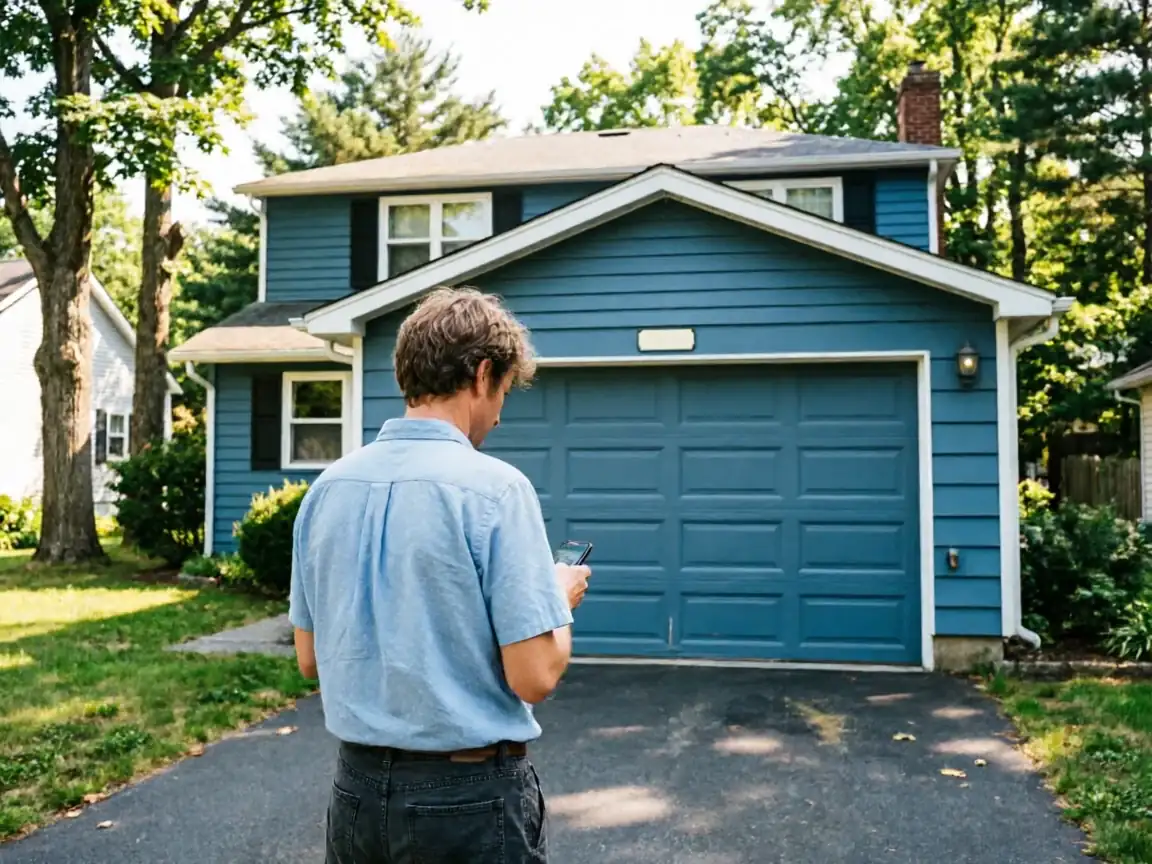
Most calls start the same way: a dent or crease in the bottom or second panel, usually from a car bumper, a dropped ladder, or just years of the door being nudged shut. On its own, a dent doesn't stop the door from working, but it's often the first visible sign of a bigger problem underneath.
In this climate, the dent is frequently paired with rust bubbling under the paint along the panel seams, especially on the bottom section where snowmelt sits. You'll see small orange spots turn into flaking paint, then into a soft spot you can push a finger through. Once it's through, that panel is done, not patchable.
The other common symptom is a panel that's warped rather than dented, usually a wood-composite section that's swollen from moisture and won't sit flush against the weatherstrip anymore. That shows up as daylight at the gaps or a draft along the bottom of the door, which matters more here than in a mild-winter area because that gap is letting cold air straight into the garage all winter.