What We Do Most in This Area
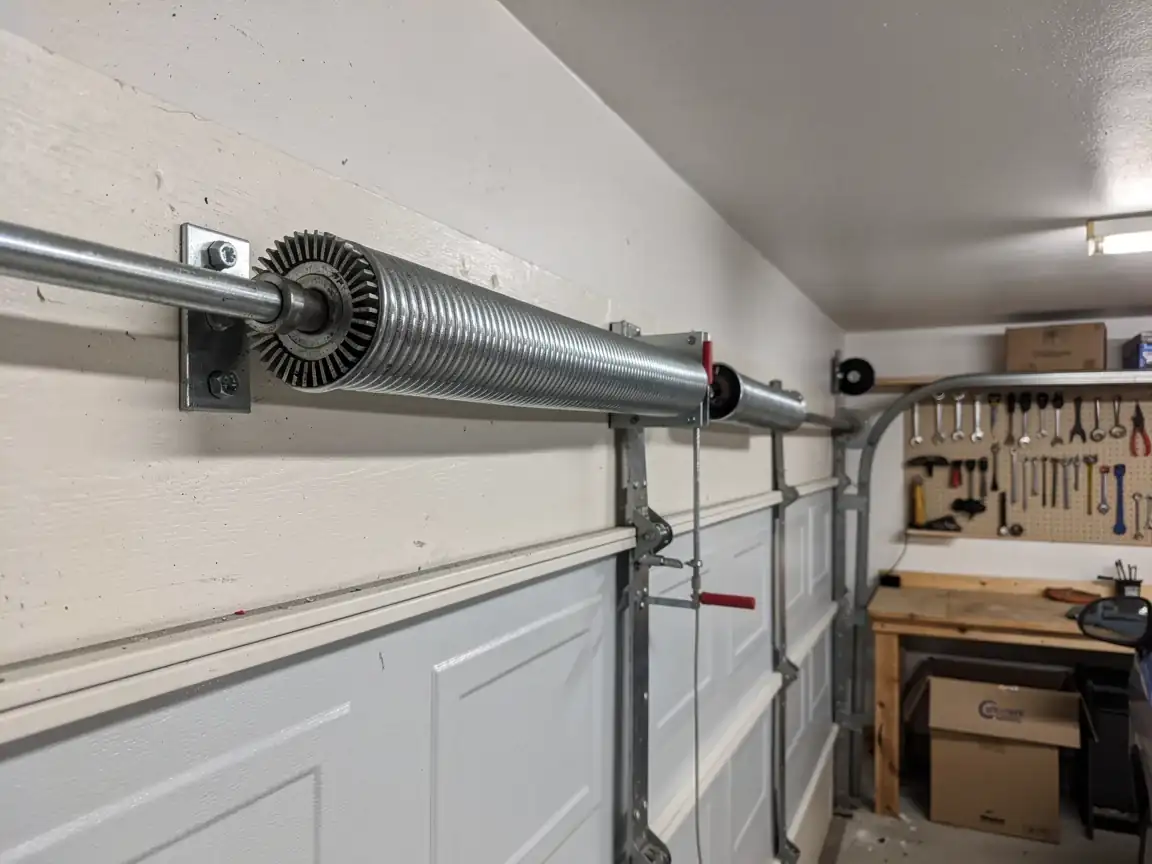
Fullerton sits about 3 miles from our Allentown shop, and the calls we get from this side of the service area skew toward older hardware doing a slow fail rather than sudden breaks. A lot of the doors we touch here are original or close to it, which means torsion springs sized for a lighter steel panel than what's sold today, and openers that have outlived their circuit boards twice over. We also see more panel rot and seal failure than you'd expect for the mileage, since houses built around 1965 often have garages that were never insulated or vented the way newer construction is. We're honest about what that means for a repair call: sometimes the fix is a $40 part, and sometimes the door itself has outlived its hardware and patching it just delays a bigger bill. We don't pretend every call is simple, and we won't talk you into replacing a door that still has life in the track.
The Split Between Old and New
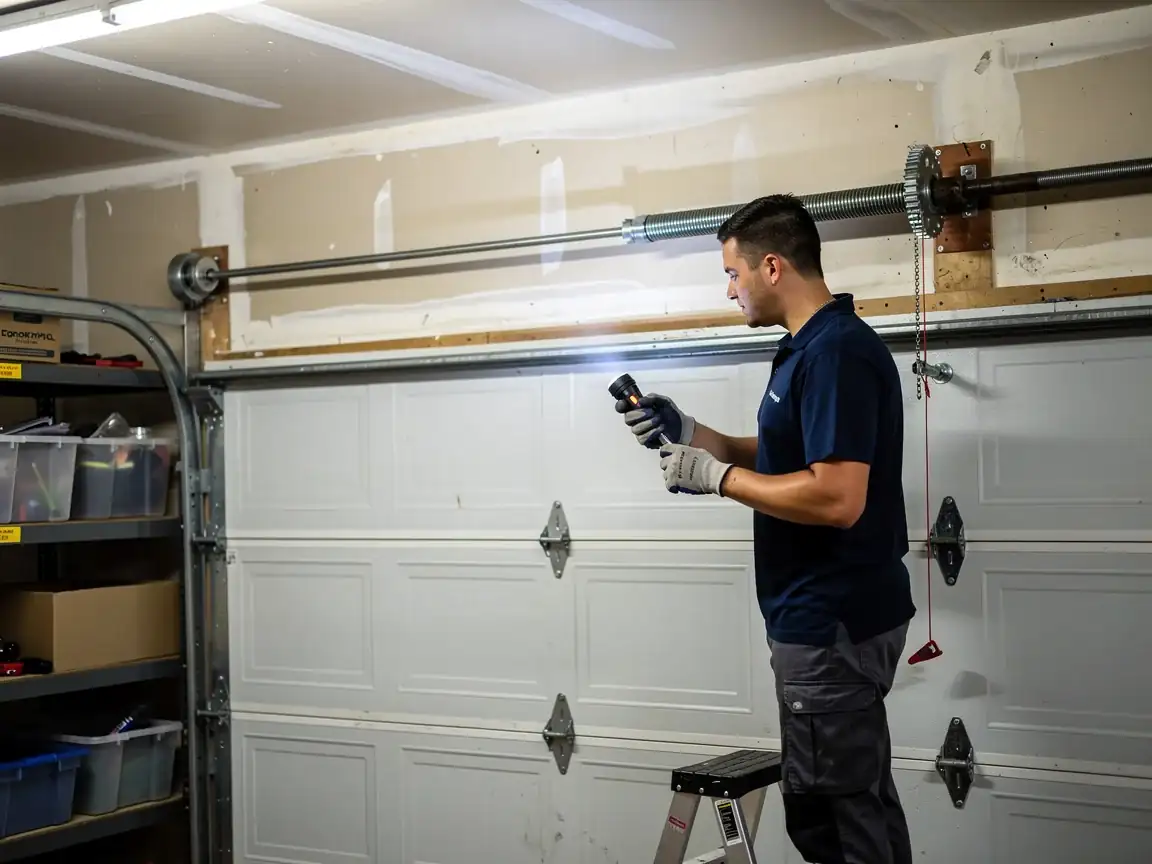
Fullerton's housing stock centers on 1965 as a median build year, which puts it right in line with the broader service area's mix of 1938 to 2005 construction. That's a narrower band than it sounds â the bulk of homes here went up within about a fifteen-year stretch in the mid-20th century, so the garages were built to one era's standard: single-car or narrow two-car openings, lighter doors, and hardware that assumed a lighter door. Newer infill and later additions elsewhere in the broader area brought wider doors and heavier insulated panels, but that's not what you'll find on most Fullerton garages. When a homeowner here calls about a door that's suddenly hard to lift, the first thing we check is whether the springs were ever upsized when the door itself was swapped out over the years â a mismatch we see often in houses this age, where one owner replaced the door and kept the original spring.
What the Housing Means for Your Door
A door built or installed around 1965 was engineered for a climate rated cold and severe, same as the rest of the region, but the materials of that era didn't handle freeze-thaw cycling the way current galvanized hardware does. On houses this age we routinely find rusted cable ends, pitted track, and springs that have lost tension unevenly from decades of winter contraction. None of that is a Fullerton-specific defect â it's just what 60 years of cold winters does to steel that was never coated for it. The honest limitation here: if your door and opener both date to the original build, repairing one part often just exposes the next part that's about to go. We'll tell you straight when a repair makes sense and when you're better off putting the money into a full replacement instead of chasing parts for a door that's reaching the end of its run.