What We Do Most in This Area
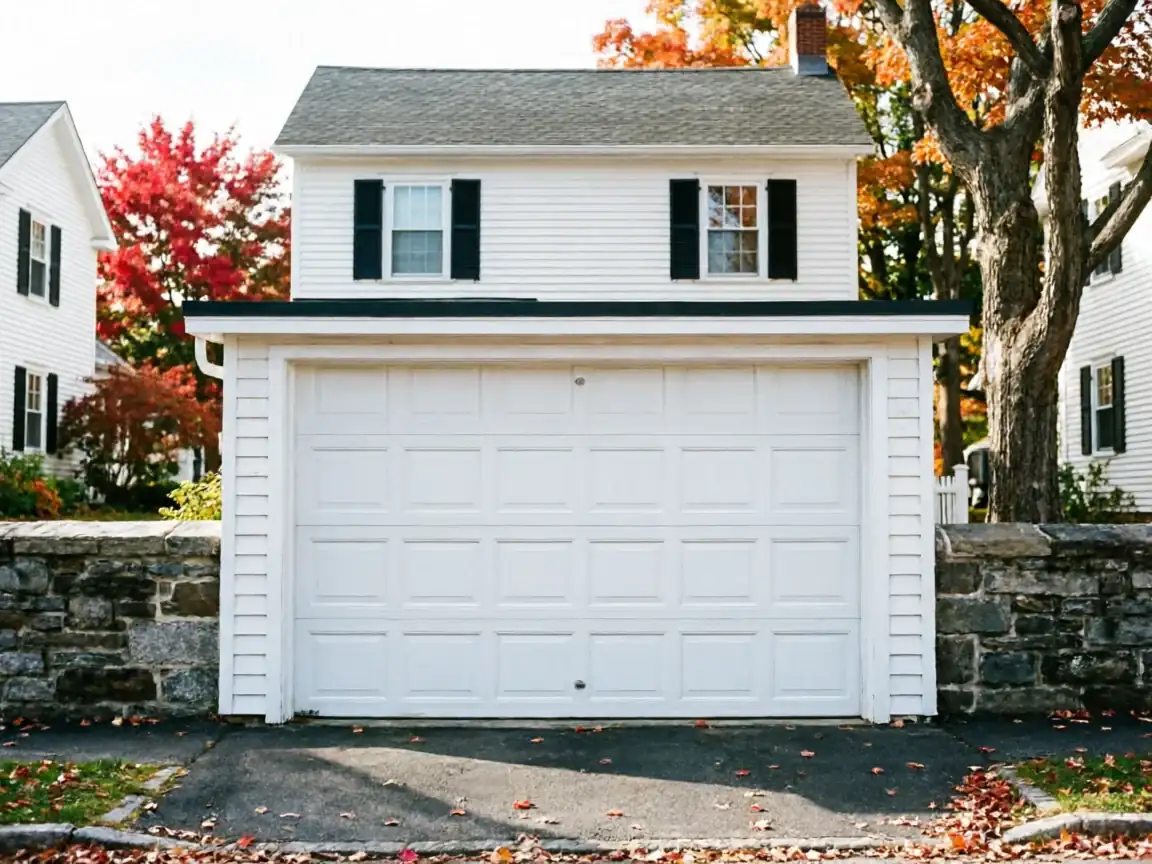
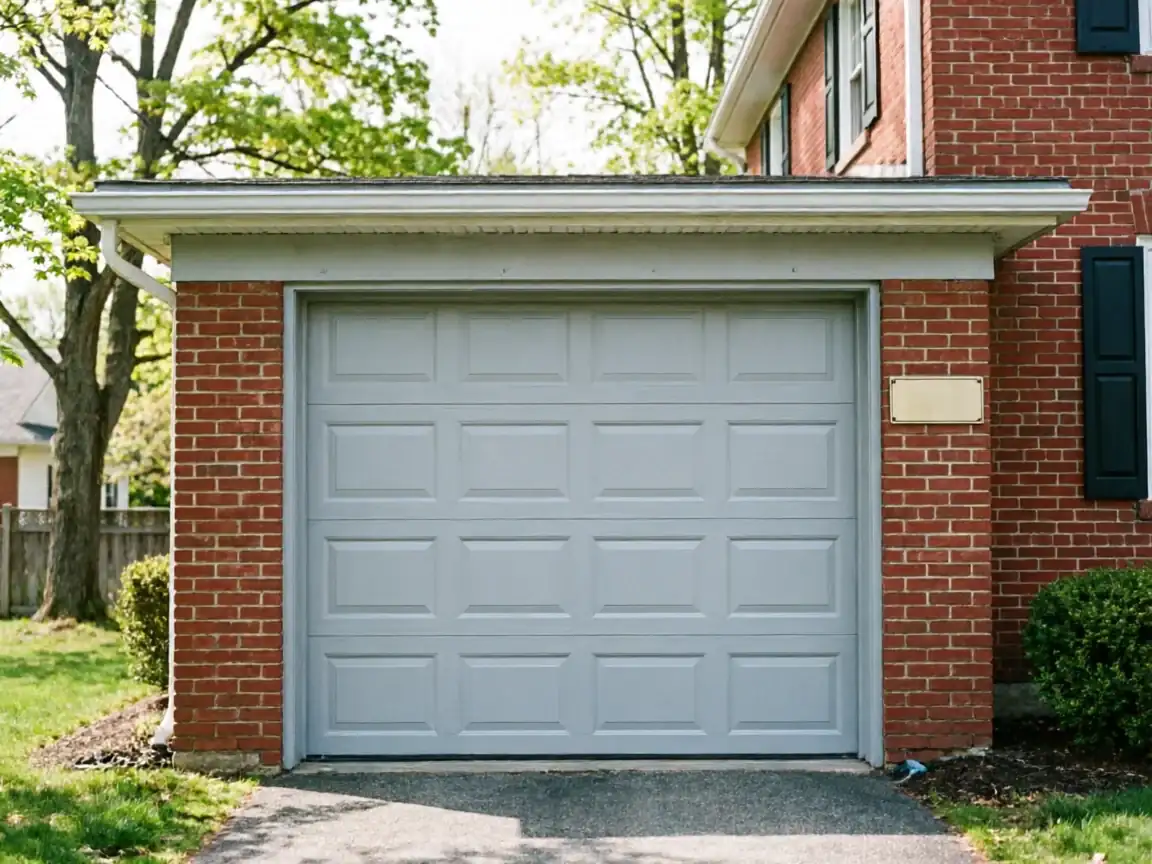
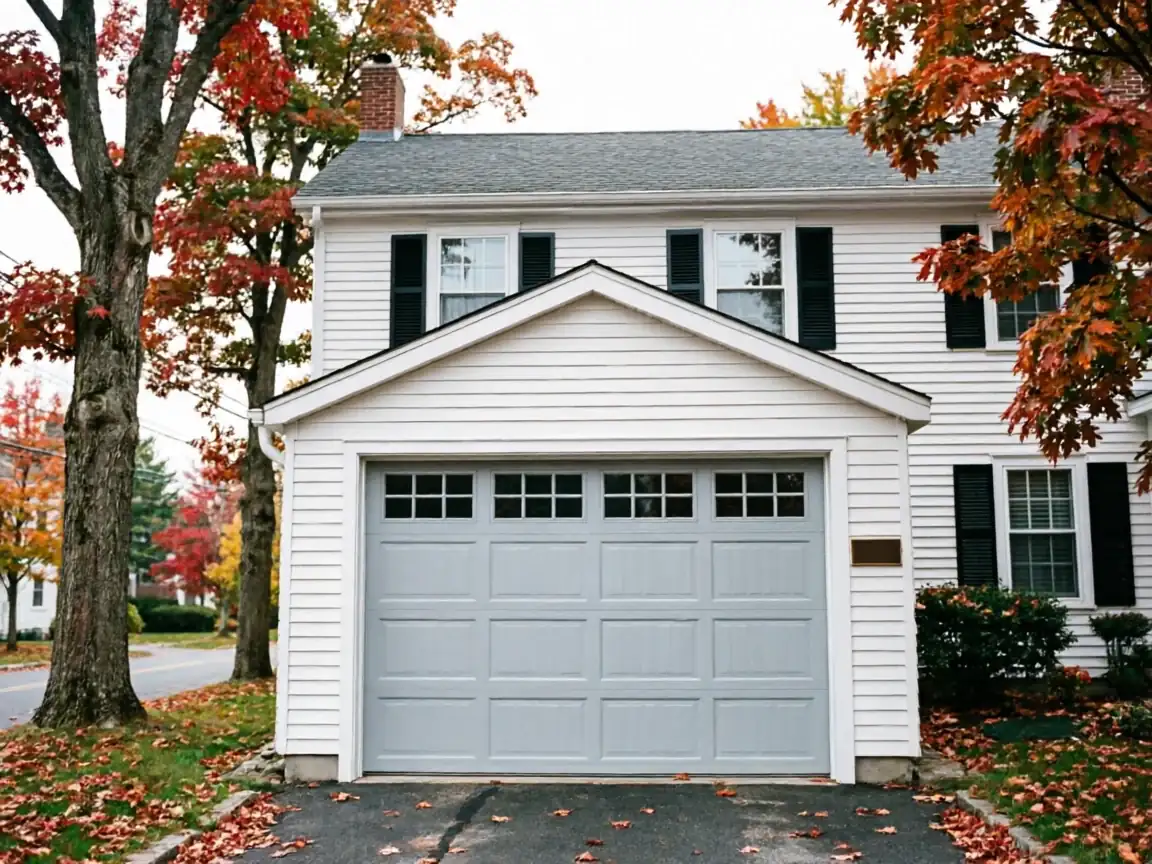
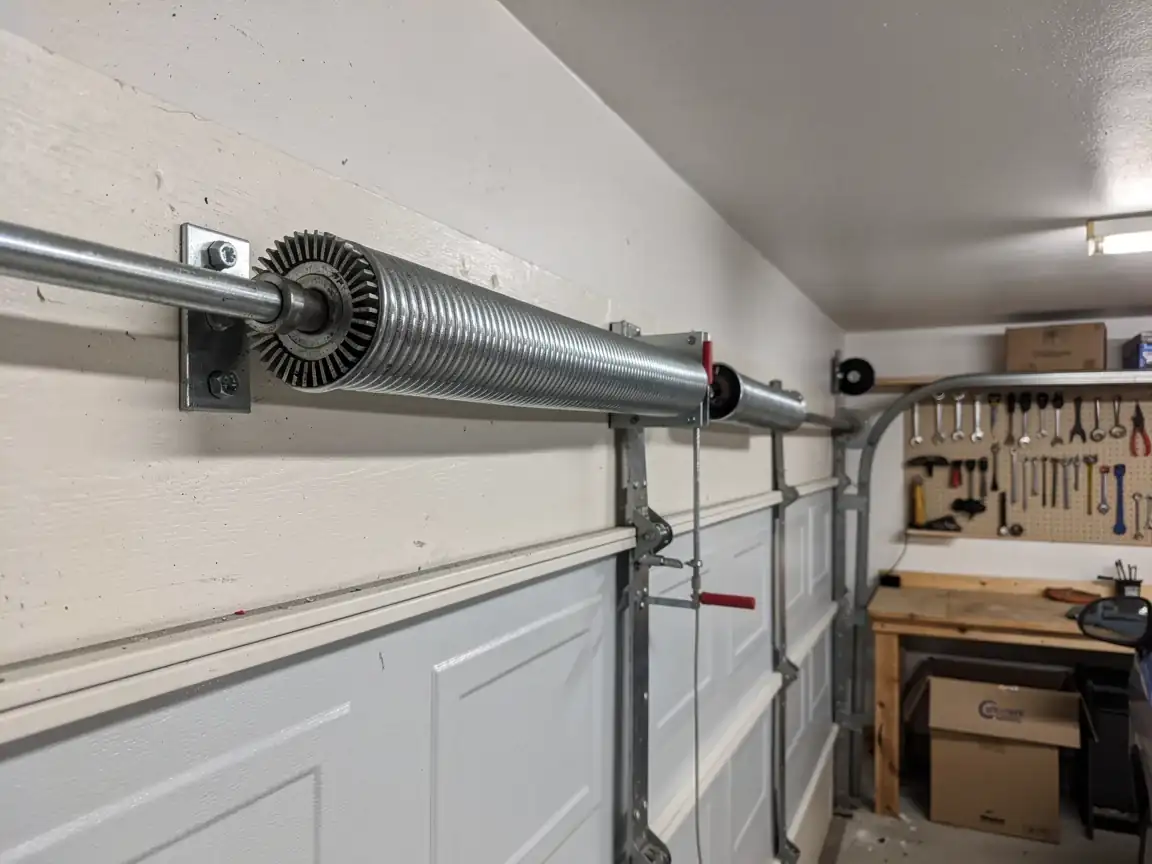
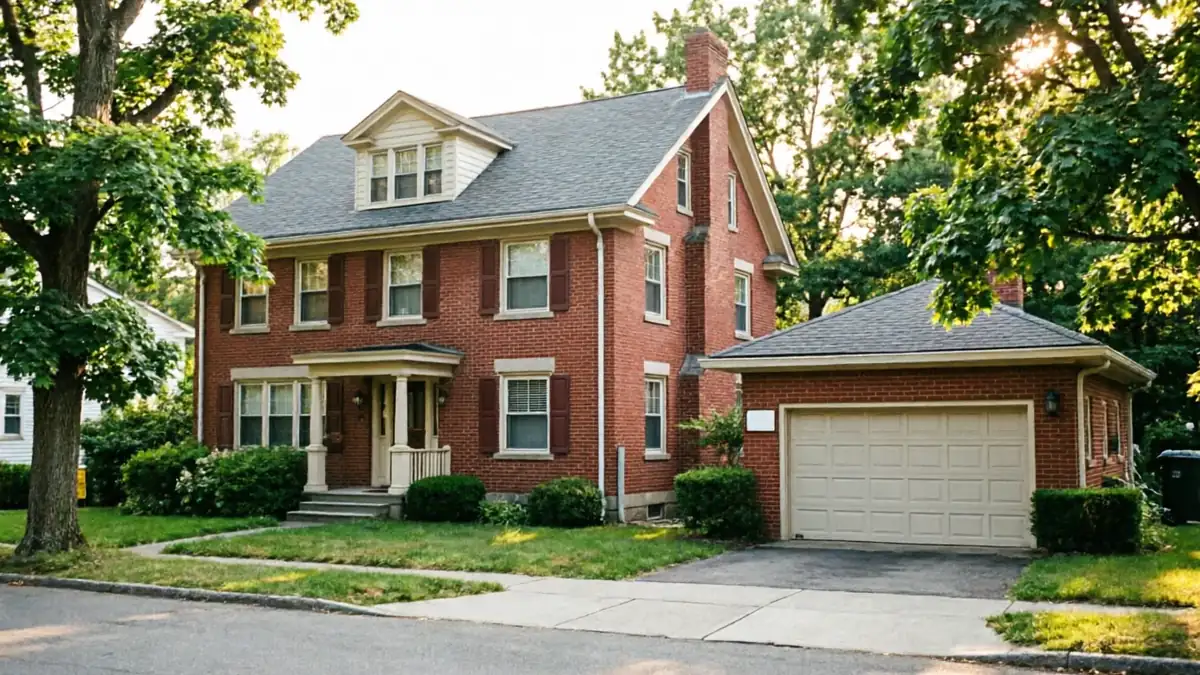
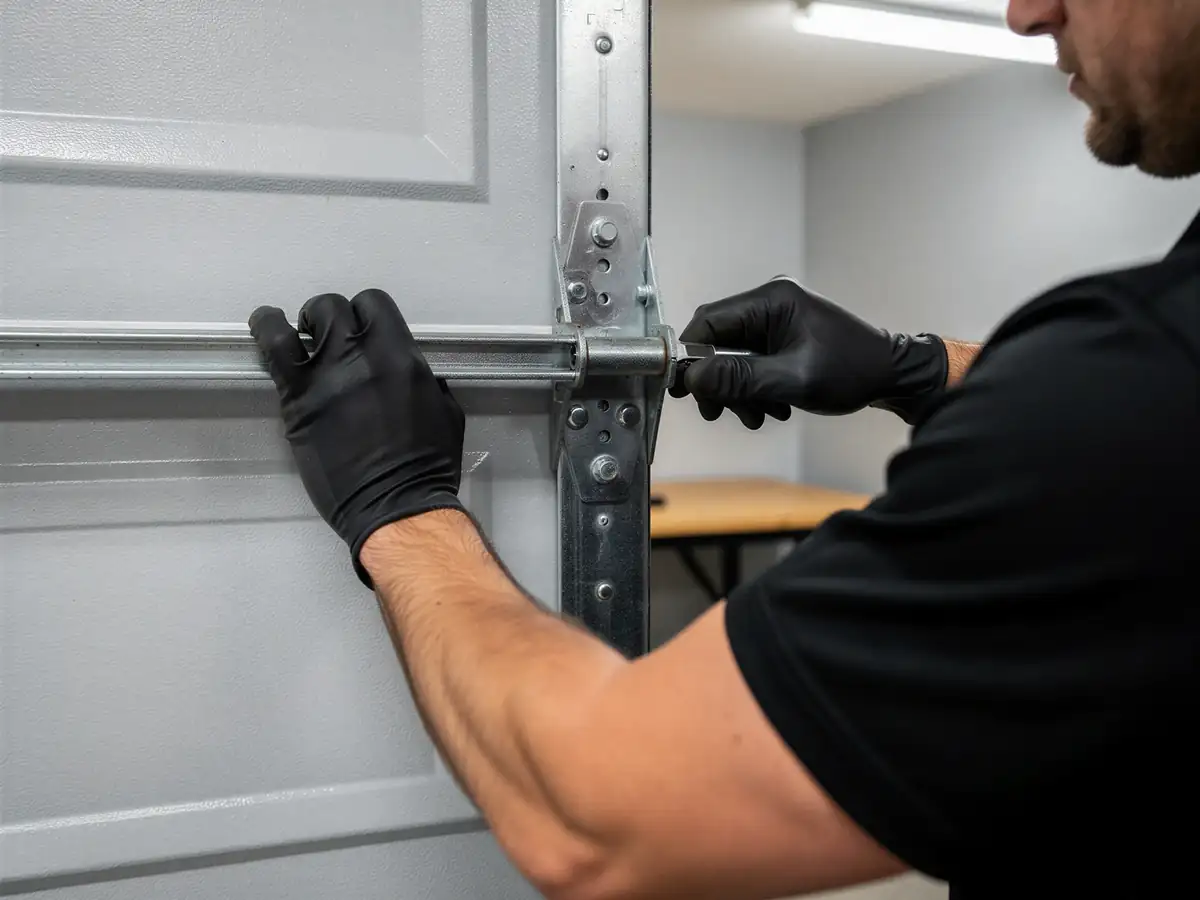
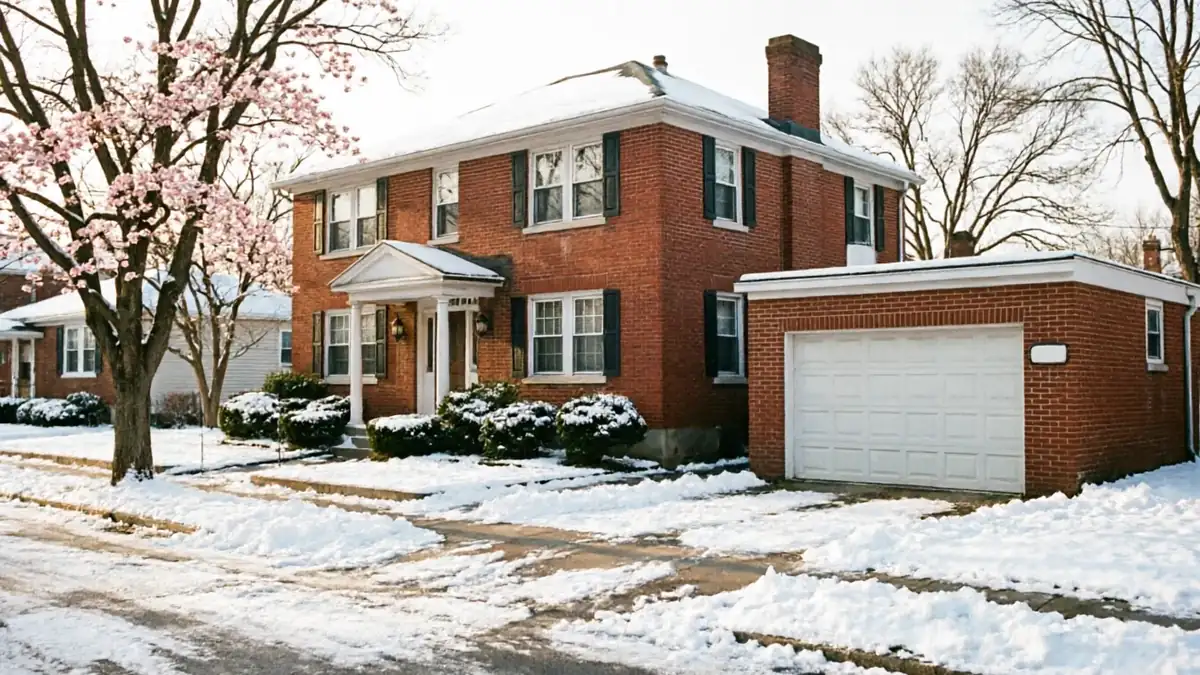
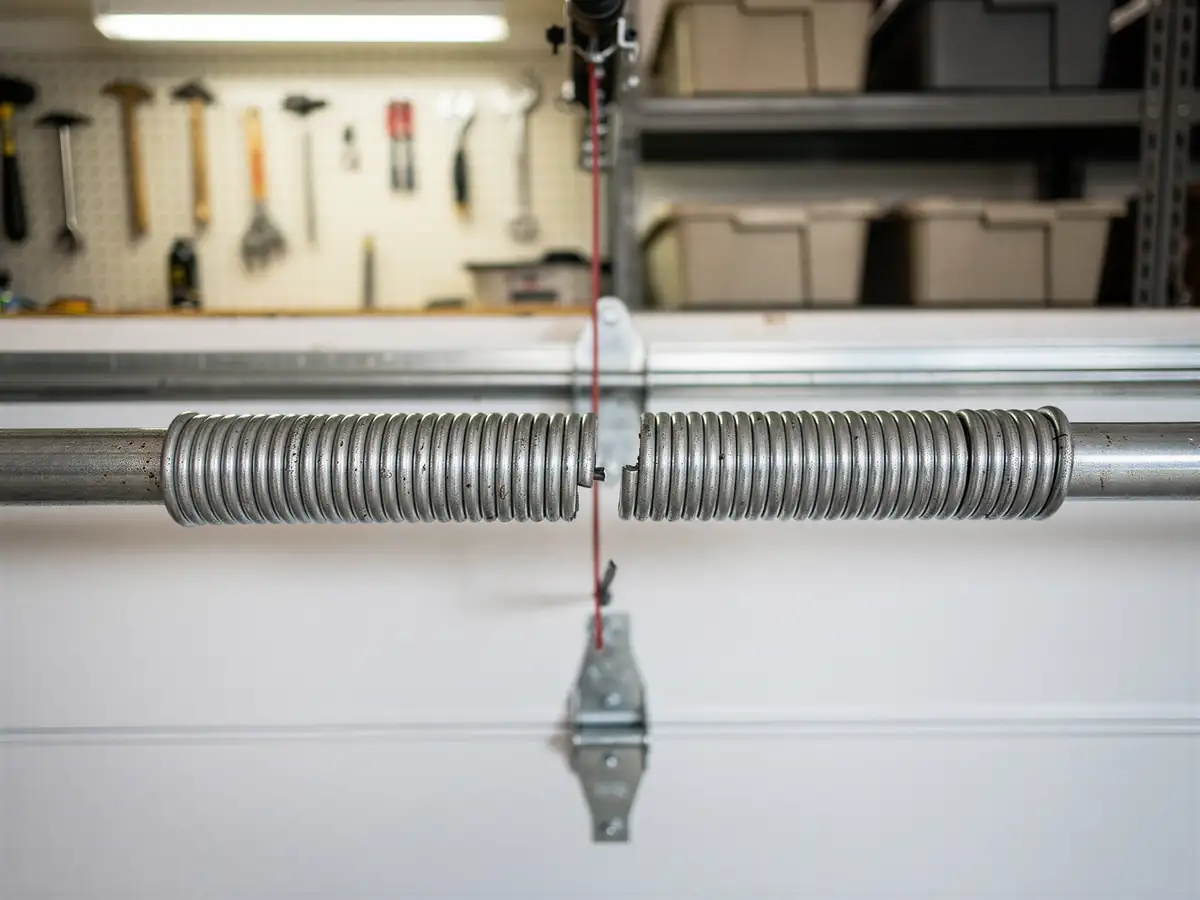
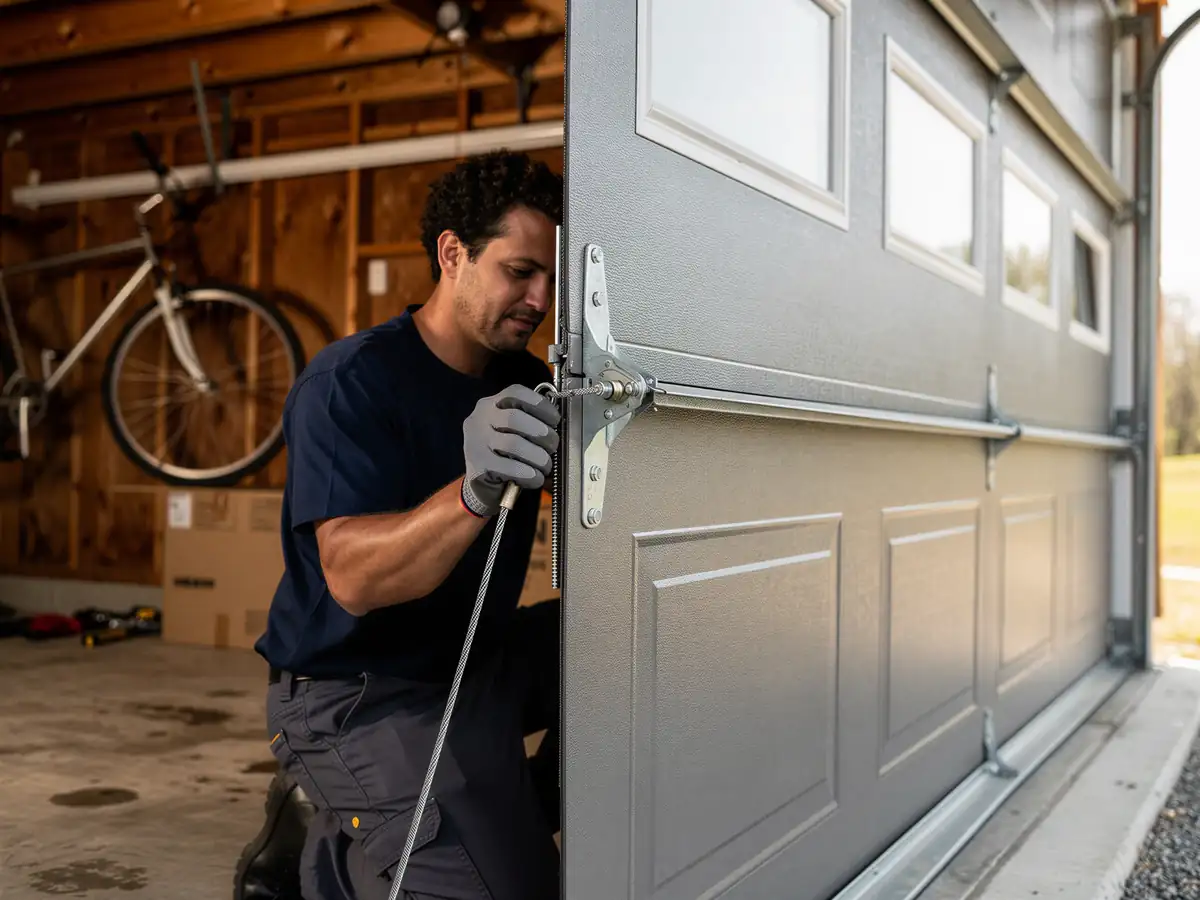
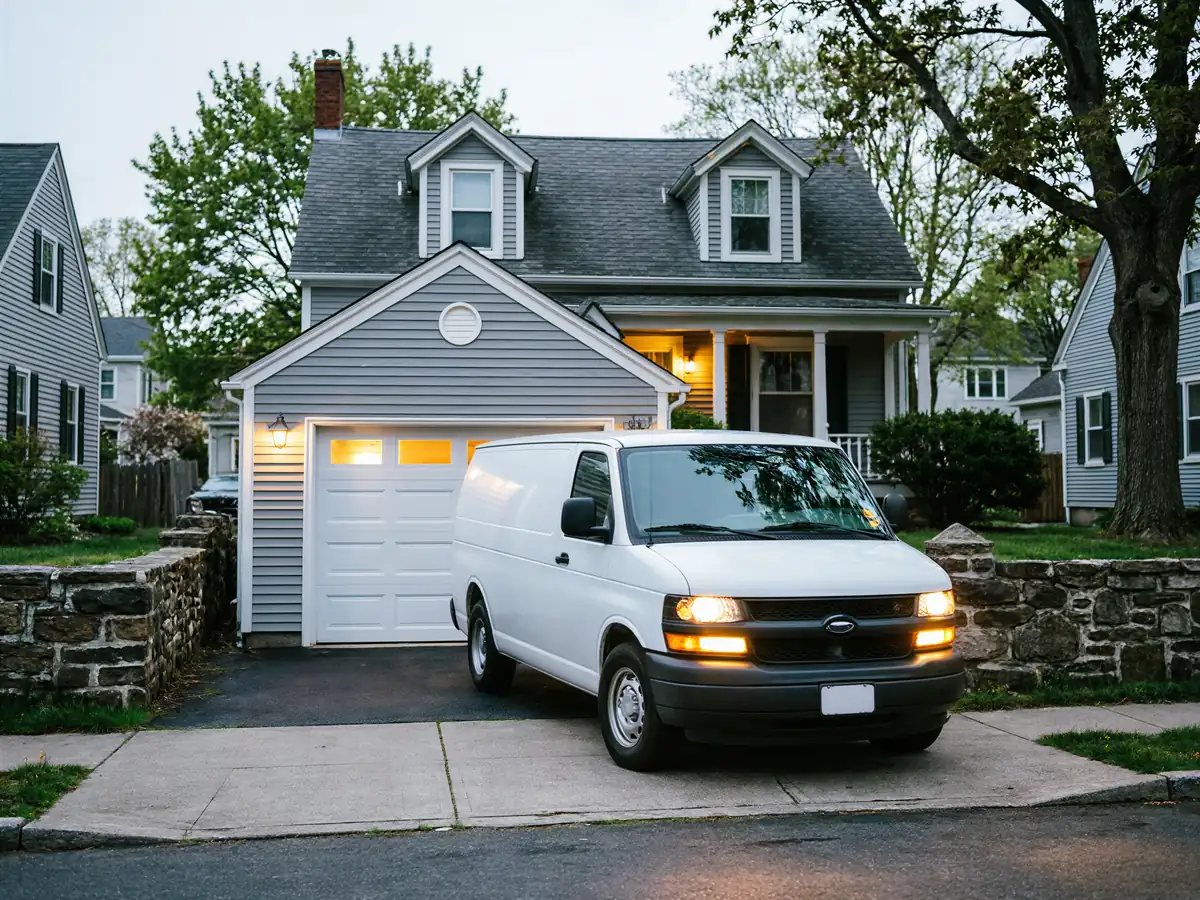
The median house in Emmaus went up in 1957 - seven years ahead of the broader service area's 1964 median. That gap matters more than it sounds like. A home built in the late 1950s usually has a narrower garage bay, an older style of header clearance, and in a lot of cases a torsion spring setup that's been swapped at least once by whoever owned the place before. We get called here most for spring replacement on doors that have outlived two or three openers, and for track realignment where a slab has settled over sixty-plus years. We travel in from Allentown, about 4 miles away, so we're not sitting in Emmaus waiting on calls - but it's a short enough run that it doesn't change what we can get to in a day. What we don't do is pretend every job here is the same. A 1957 door and a 1985 door fail differently, and the fix is different too.
The Split Between Old and New
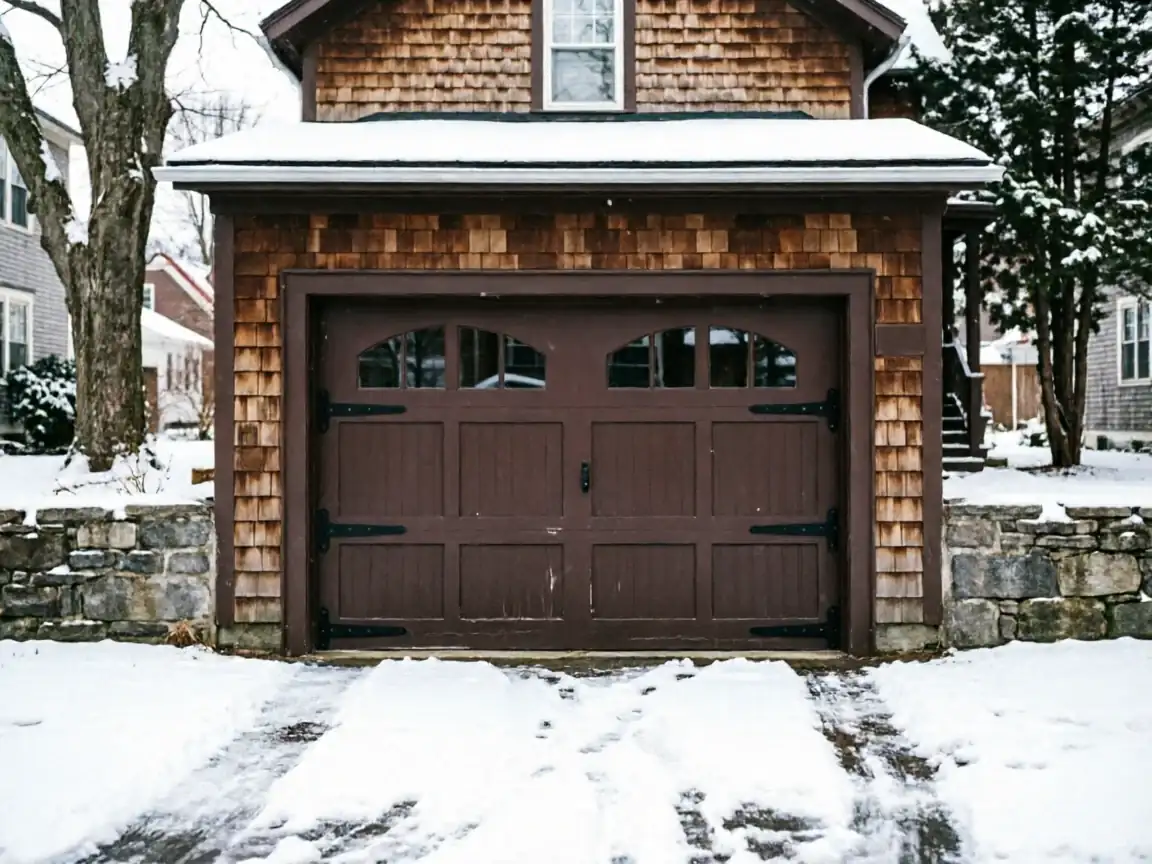
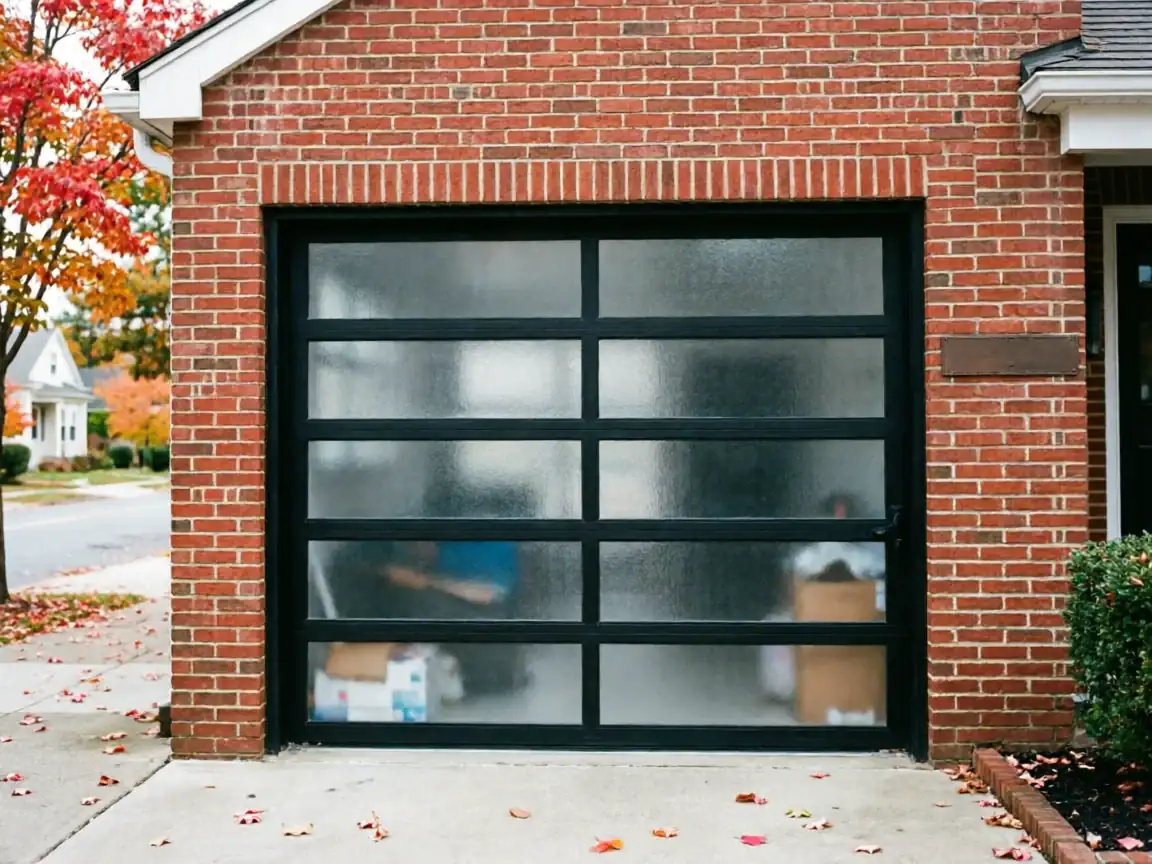
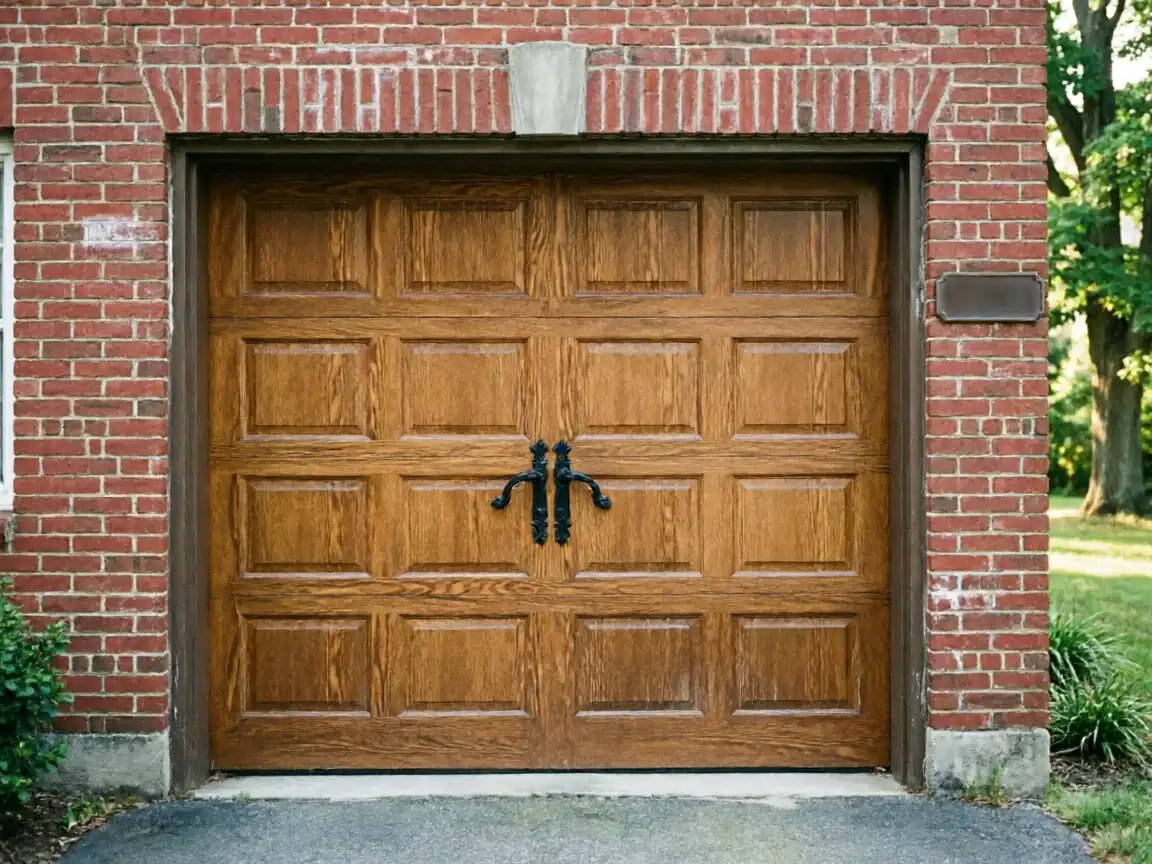
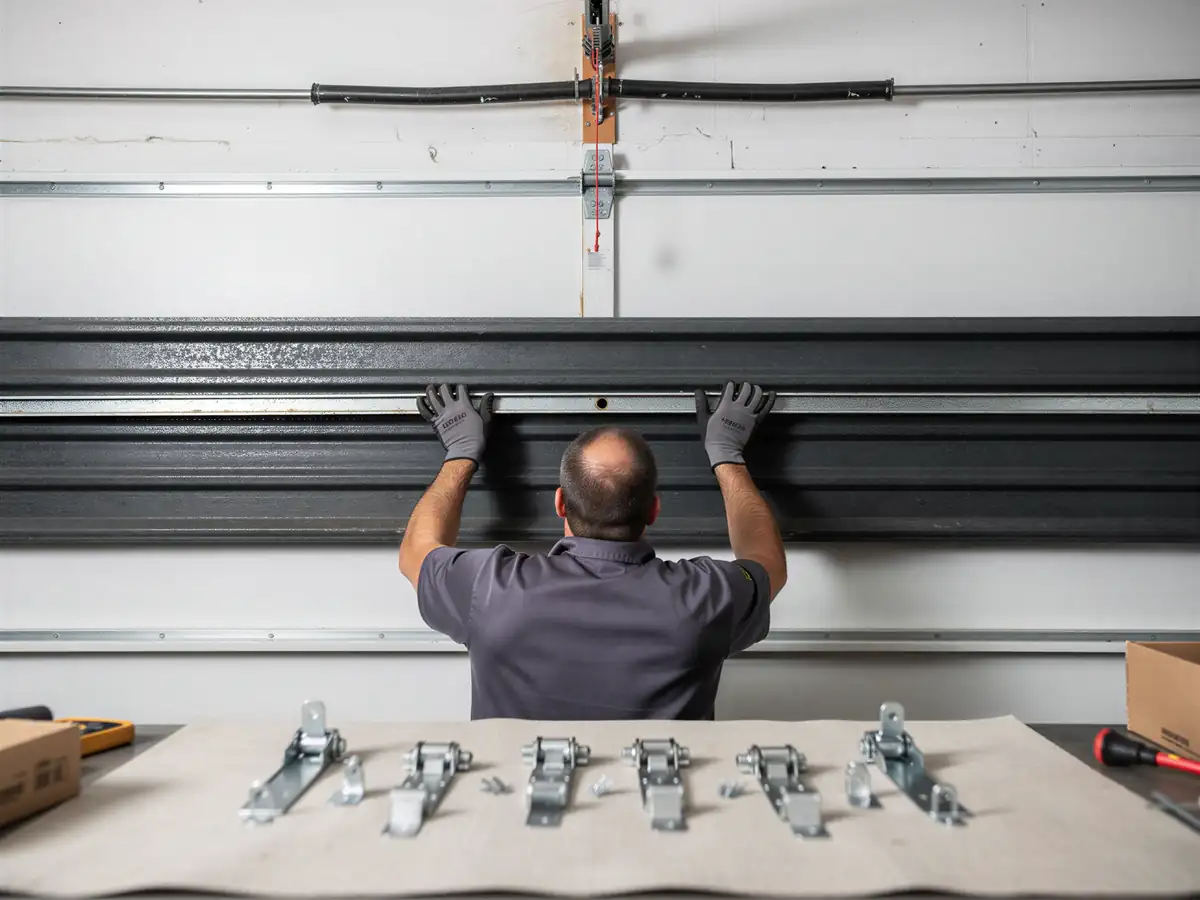
Across the wider area, housing runs from 1938 to 2005, with most of it landing in the 1960s and '70s. Emmaus sits on the older edge of that range. A 1957 median build year means a meaningful share of the homes here predate the aluminum and steel sectional doors that became standard later - some still have the original wood or early steel panels, others have been replaced once already with hardware that doesn't match current spring sizing. That split shows up when we're quoting a job: an opener install on a newer door in a nearby 1970s-built section is a different conversation than reinforcing a bent track on an original 1950s frame in Emmaus. Neither is wrong, but treating them the same is how homeowners end up with the wrong torsion spring size installed.
What the Housing Means for Your Door
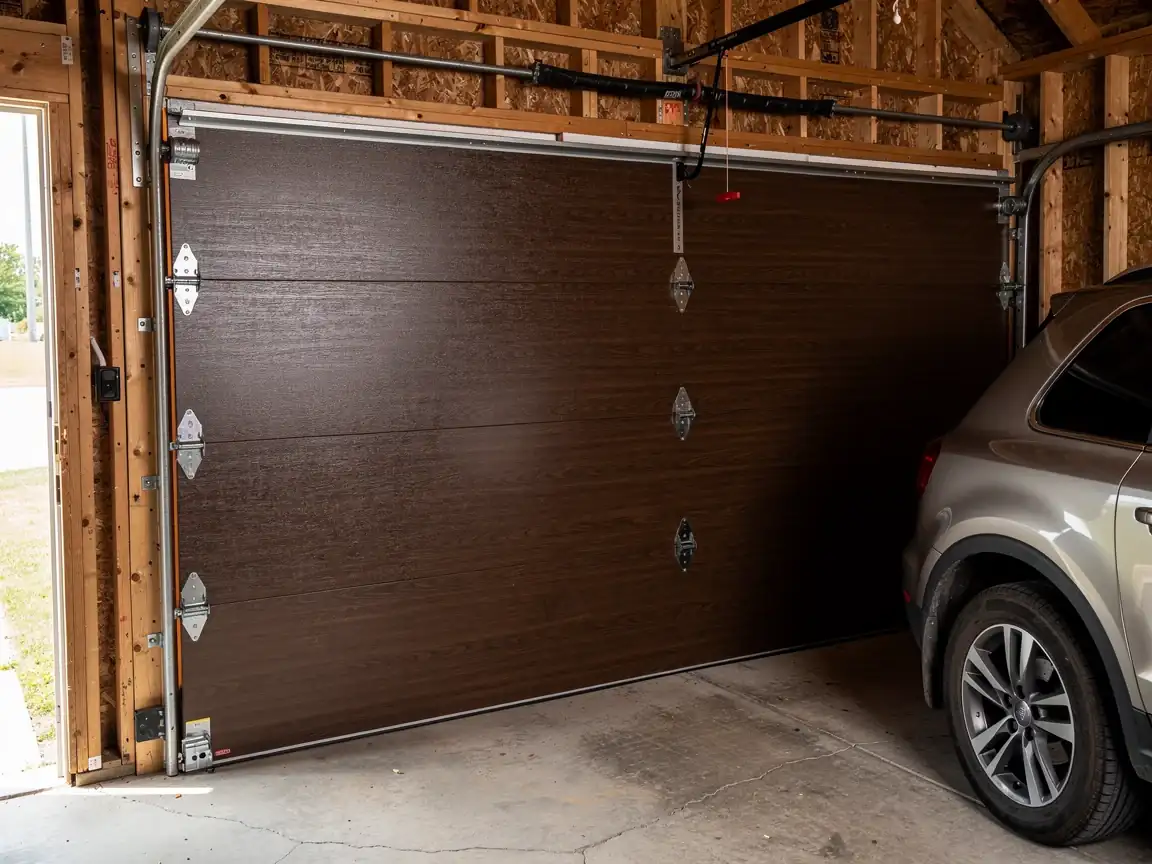
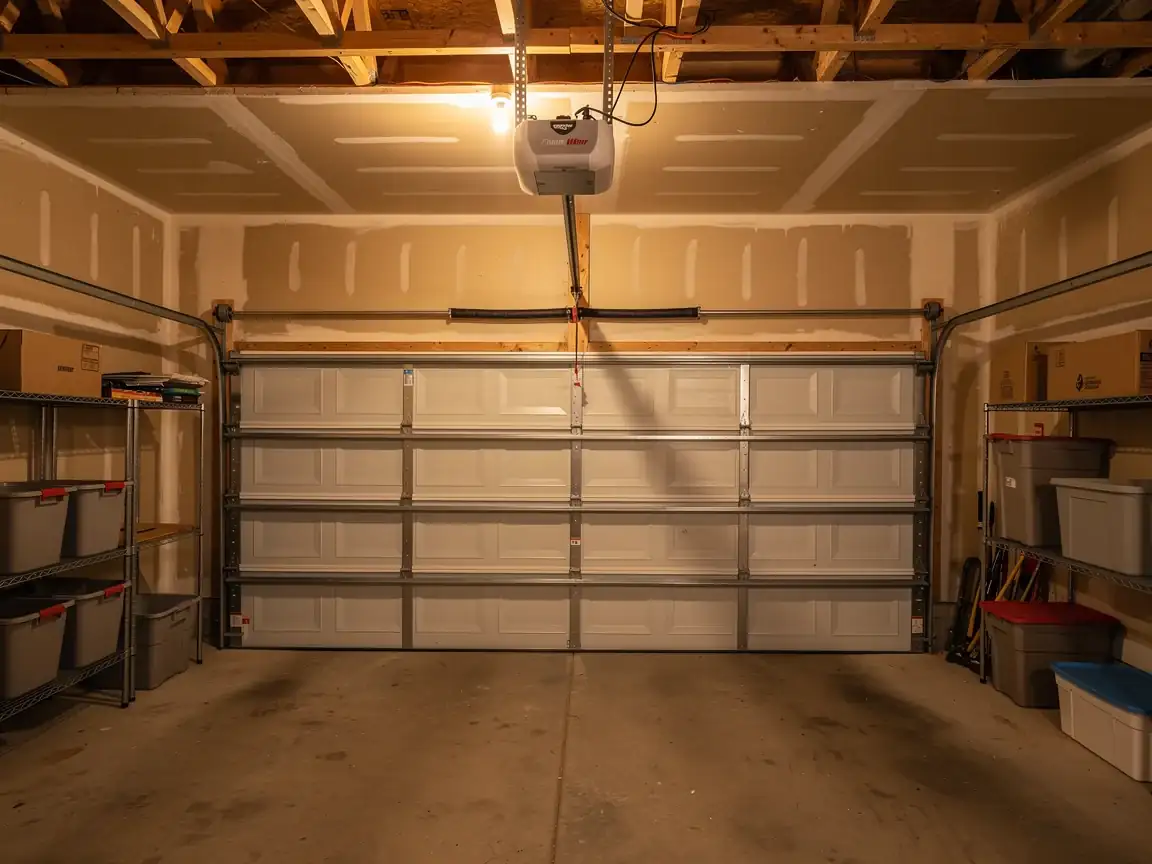
If your house in Emmaus dates close to that 1957 median, the thing to watch is hardware mismatch - a newer opener bolted onto an older track, or a spring that was sized for a lighter original door and never recalculated after a heavier replacement went in. That combination is what causes most of the mid-cycle failures we see: a cable that jumps the drum, a door that reverses for no clear reason, a spring that lets go years sooner than it should. We'll tell you straight if a repair isn't worth it - on some of these older frames, patching the track again just delays a full door replacement by a season, and that's not worth the house call. Where the house is newer, built closer to the 1970s end of the area's range, the fixes tend to be simpler: roller wear, opener sensor alignment, that kind of thing. Either way, knowing the age of the structure before we show up saves a wasted first visit.