What the Fix Involves
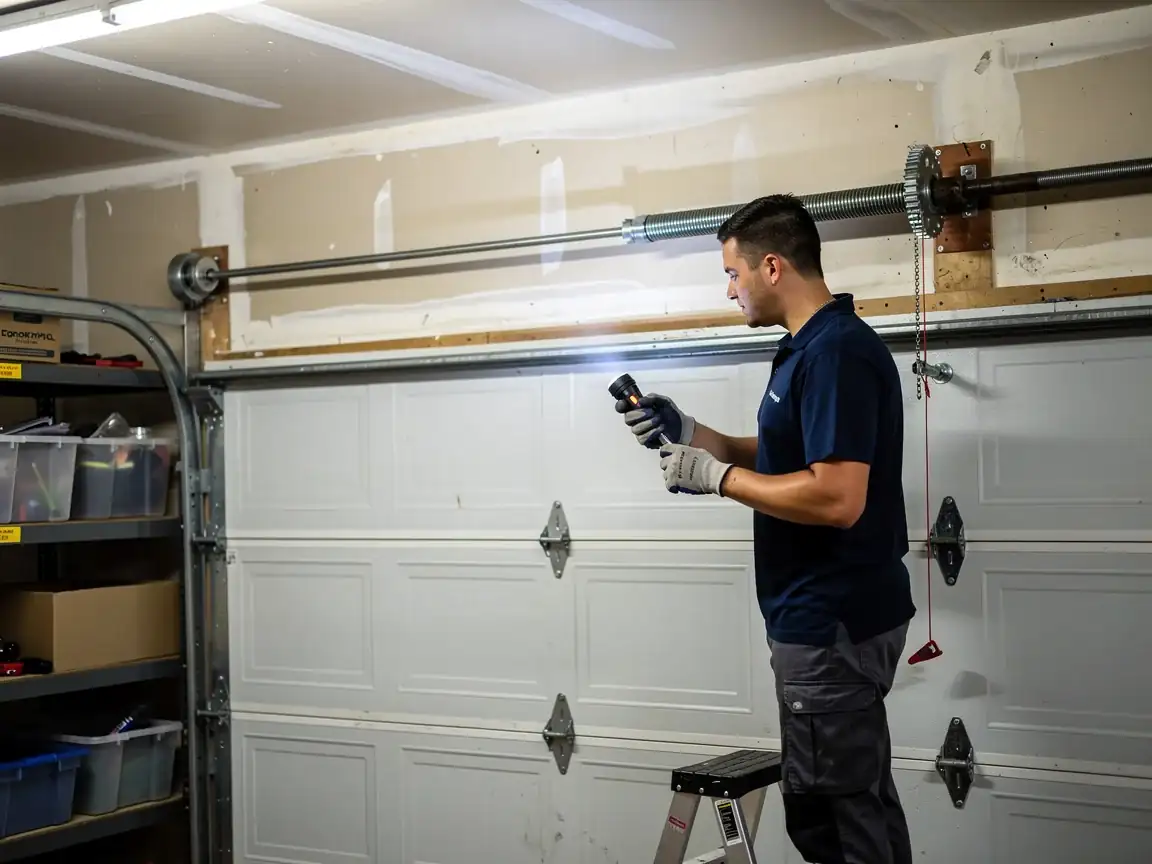
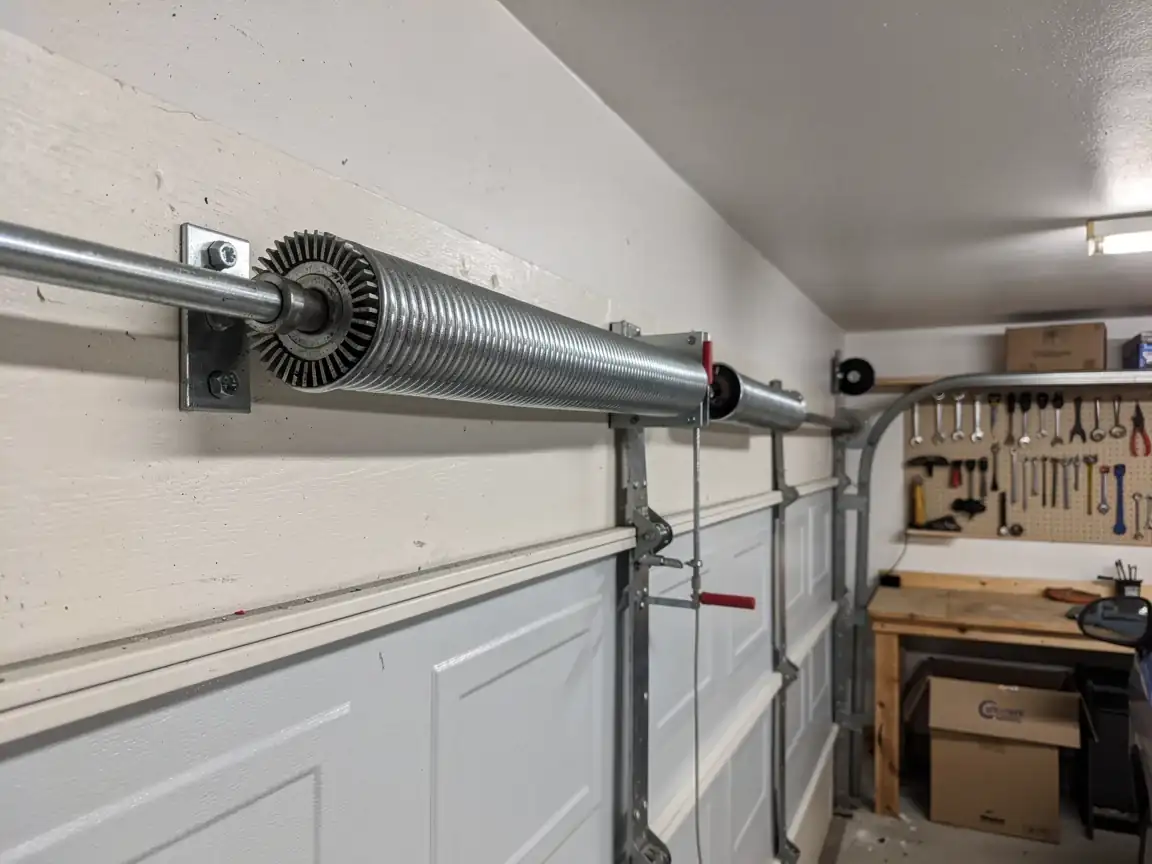
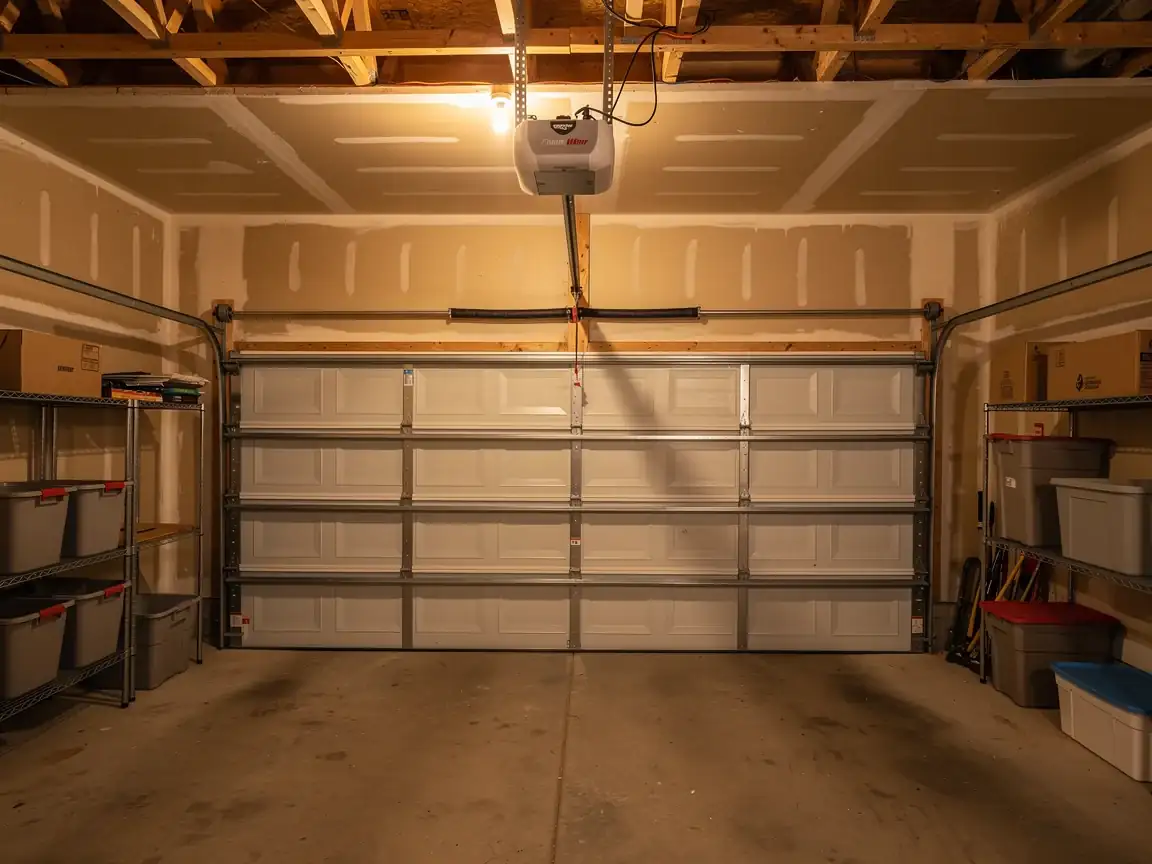
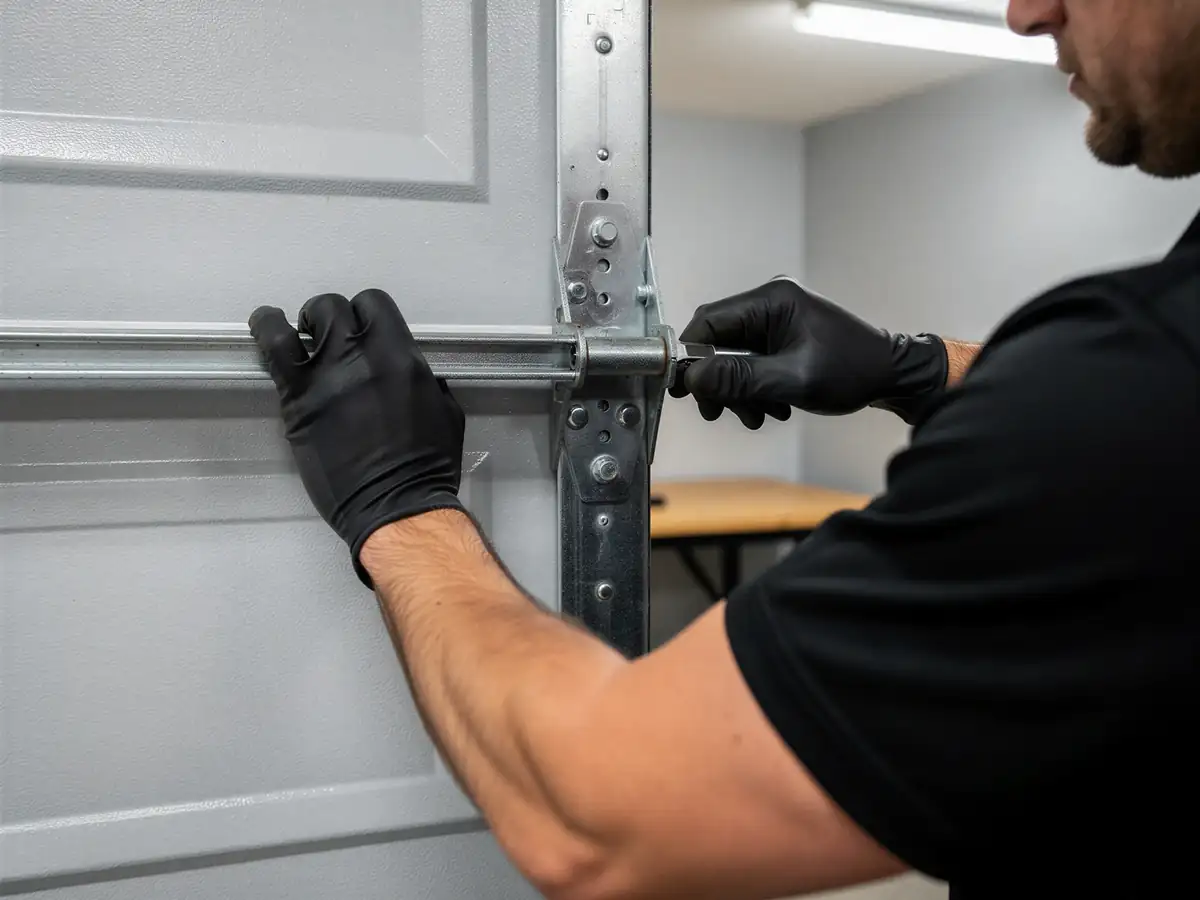
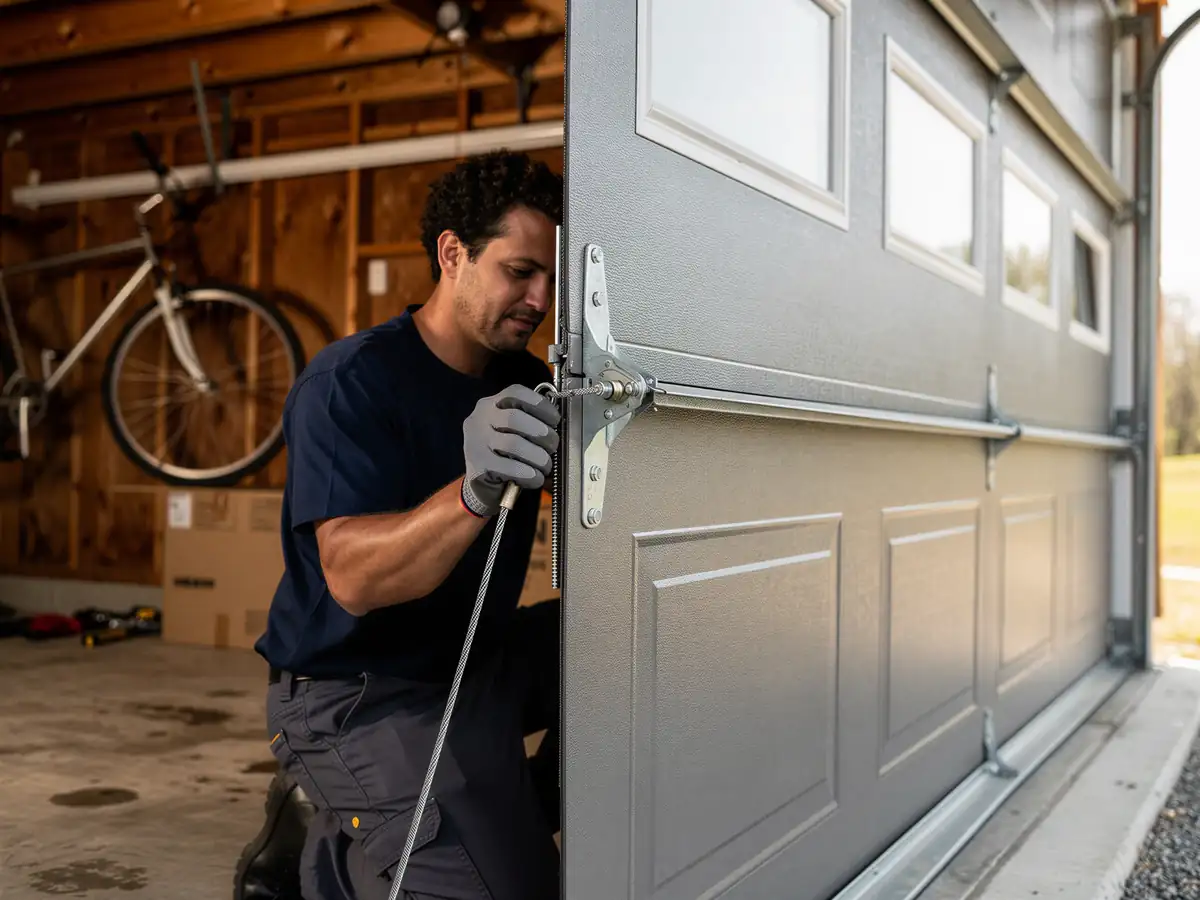
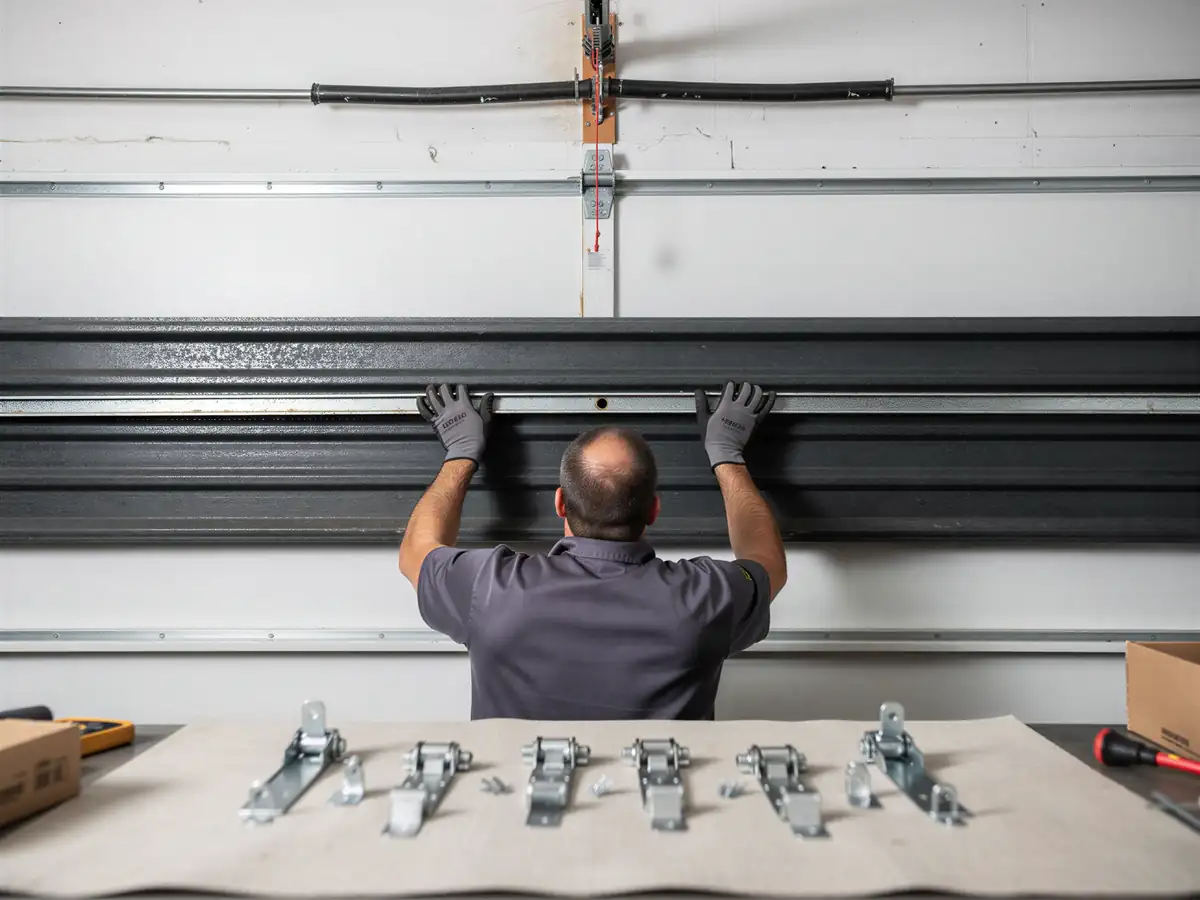
A broken torsion spring job starts with unloading the tension safely - that's winding bars, not pliers or a screwdriver, because a torsion spring under load can take a hand off if it slips. We pull the old spring (or springs, on a double door most houses run two) off the center bracket, check the cable drums and shaft for wear, and match the new spring to the door's actual weight and wind length, not just whatever size came off.
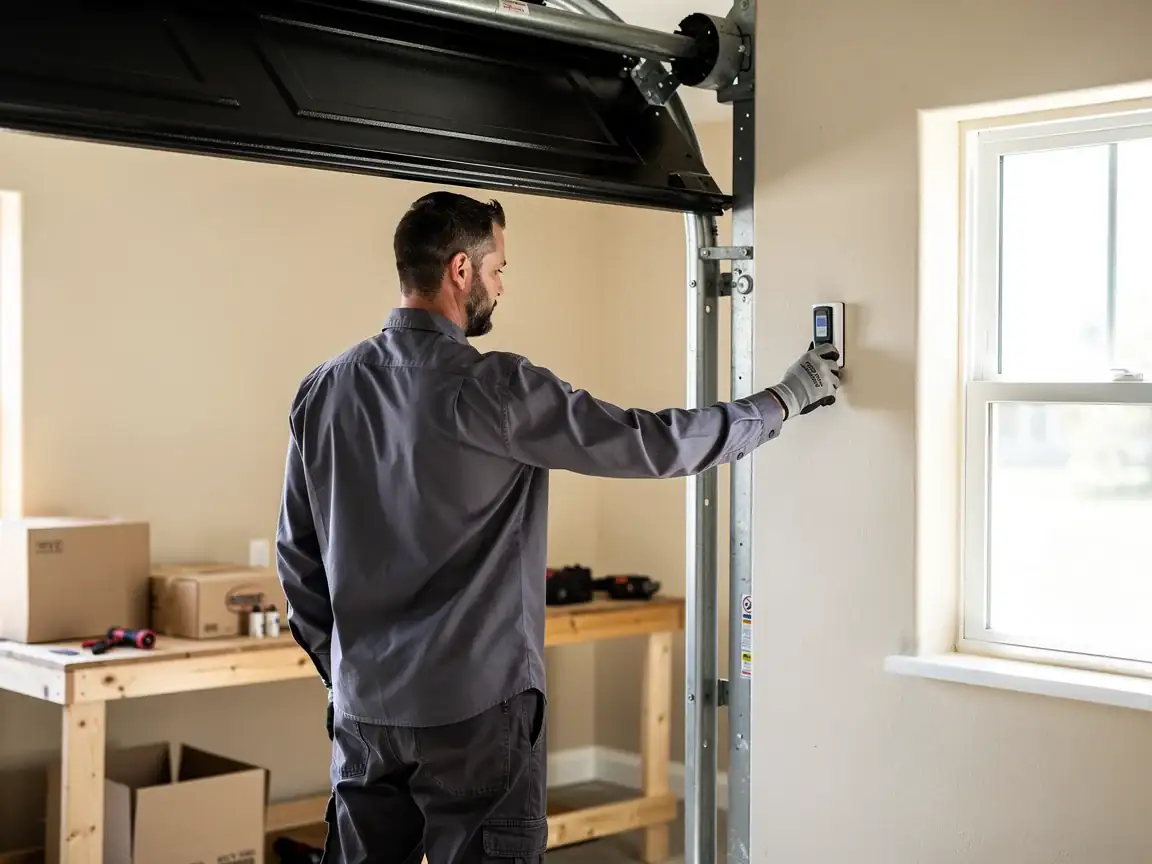
Most of the work in Allentown is torsion spring, not extension spring, because that's what sits on the majority of garage doors built here since the 1960s. We set the new spring, wind it to the correct number of turns for that door's weight, balance it so the door holds still at waist height with the opener disconnected, and run it through a full open-close cycle before we call it done.
We don't replace a spring without checking the cable and drum condition first. A spring swap on a drum that's about to go is a callback waiting to happen, and we'd rather tell you that up front than have the door drop a week later.
Why This Fails Locally
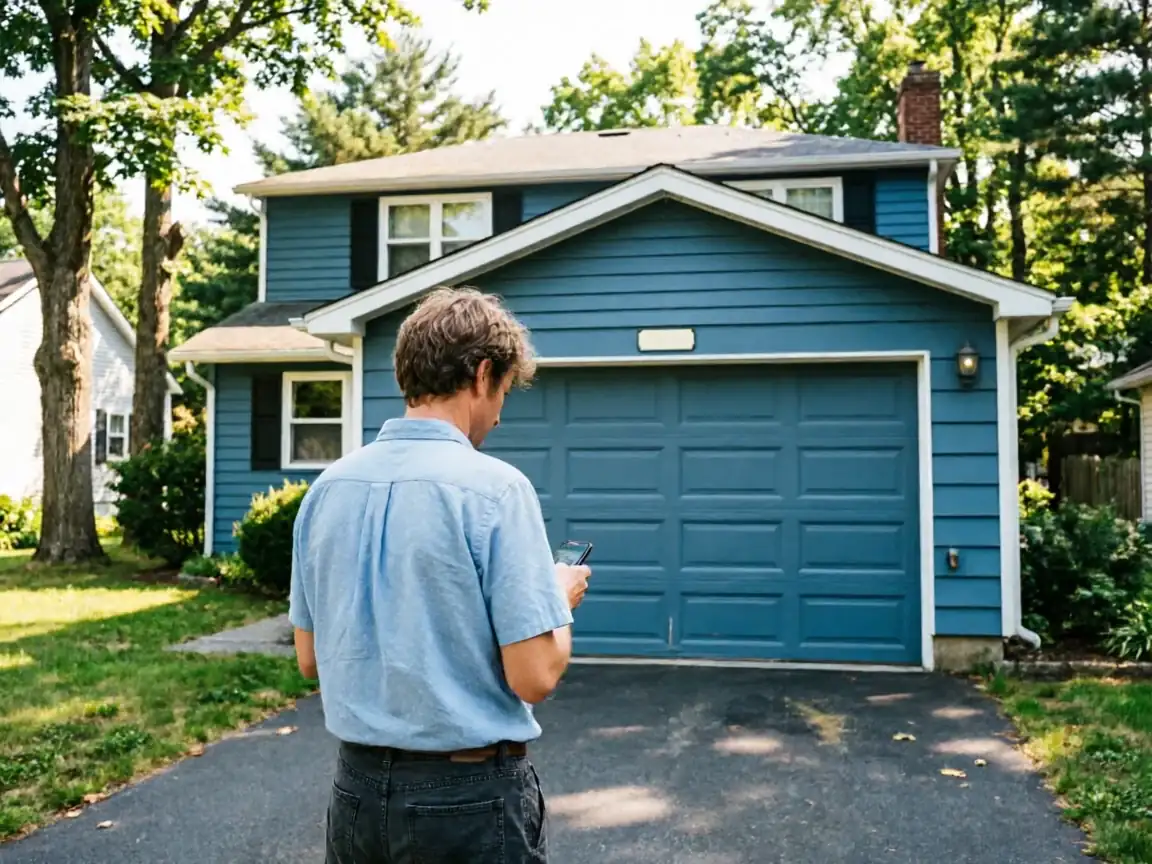
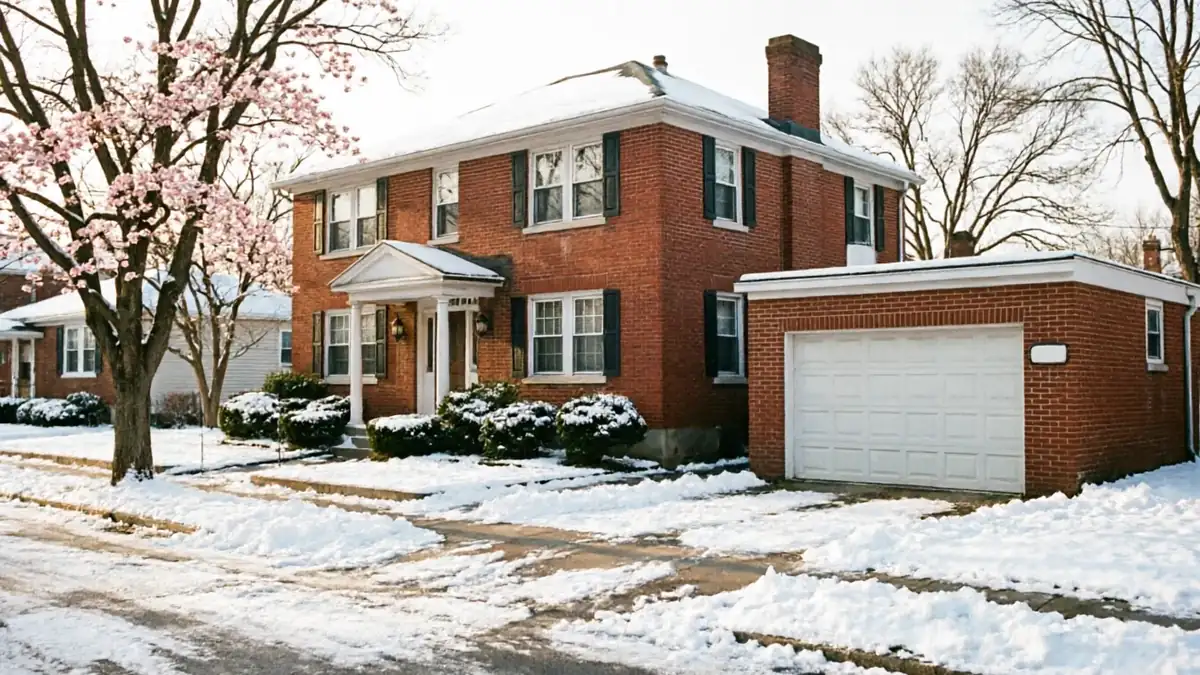
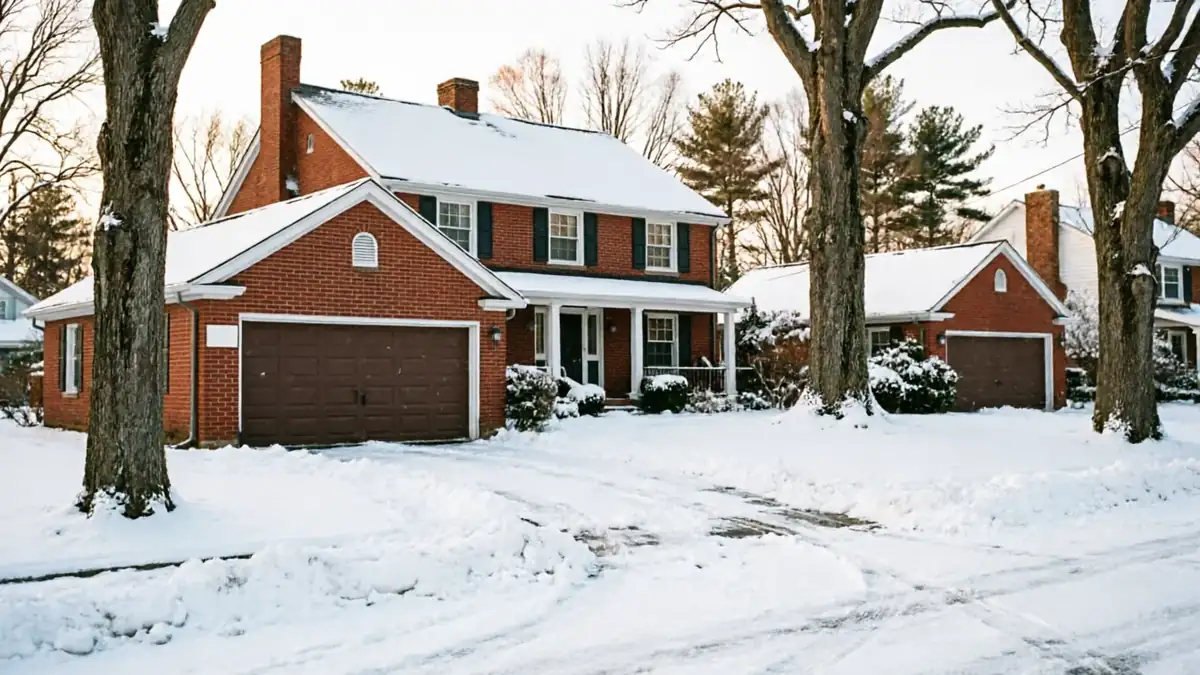
The typical house in the Allentown service area was built around 1964, with most of the stock going up across the 1960s and 70s in the area's named communities. That generation of garage door came with builder-grade torsion springs sized for a thin, uninsulated single-layer door - not the heavier insulated steel doors a lot of owners have since installed on the same original hardware.
Allentown sits in a severe cold climate band, and that matters more for springs than people expect. Steel fatigues faster with repeated hard temperature swings between a cold garage and a warmer house-side wall, and torsion springs that have already done 50-plus years of cycles on the same coil are closer to the end of their rated life than the receipt would suggest.
Put those two things together - 1960s-era spring sizing under a heavier modern door, inside a climate that stresses the steel every winter - and you get a part that was never going to last as long here as it might somewhere milder. That's the whole reason this is a common call in this area and not a rare one.
Where This Job Goes Sideways
The spring itself is rarely the hard part
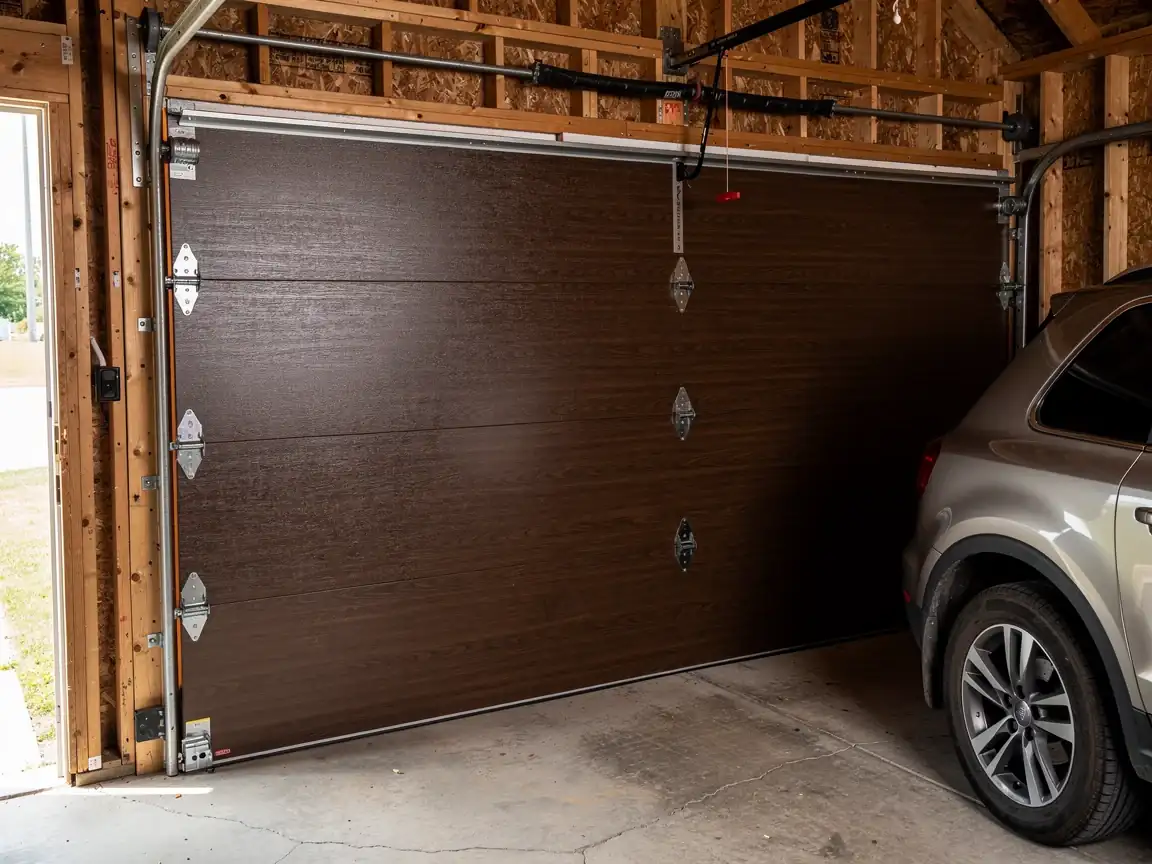
What slows a job down is what's around it. On older torsion hardware, the center bracket or the bearing plate has sometimes rusted or loosened from decades of use, and you can't properly wind a new spring onto a bracket that's not solid - that gets fixed first or the new spring won't hold its set.
Cable drums on older setups sometimes have wear grooves that don't match a modern replacement cable
And a mismatched cable under tension is a real hazard, not a cosmetic issue. We also see jambs on older houses that have shifted slightly over the years, which throws off door balance even after a perfect spring install - that's a carpentry problem, not a spring problem, and we'll say so rather than charge you for a spring fix that won't solve it.
Honest limitation: if the shaft, drums, and brackets are all worn out together
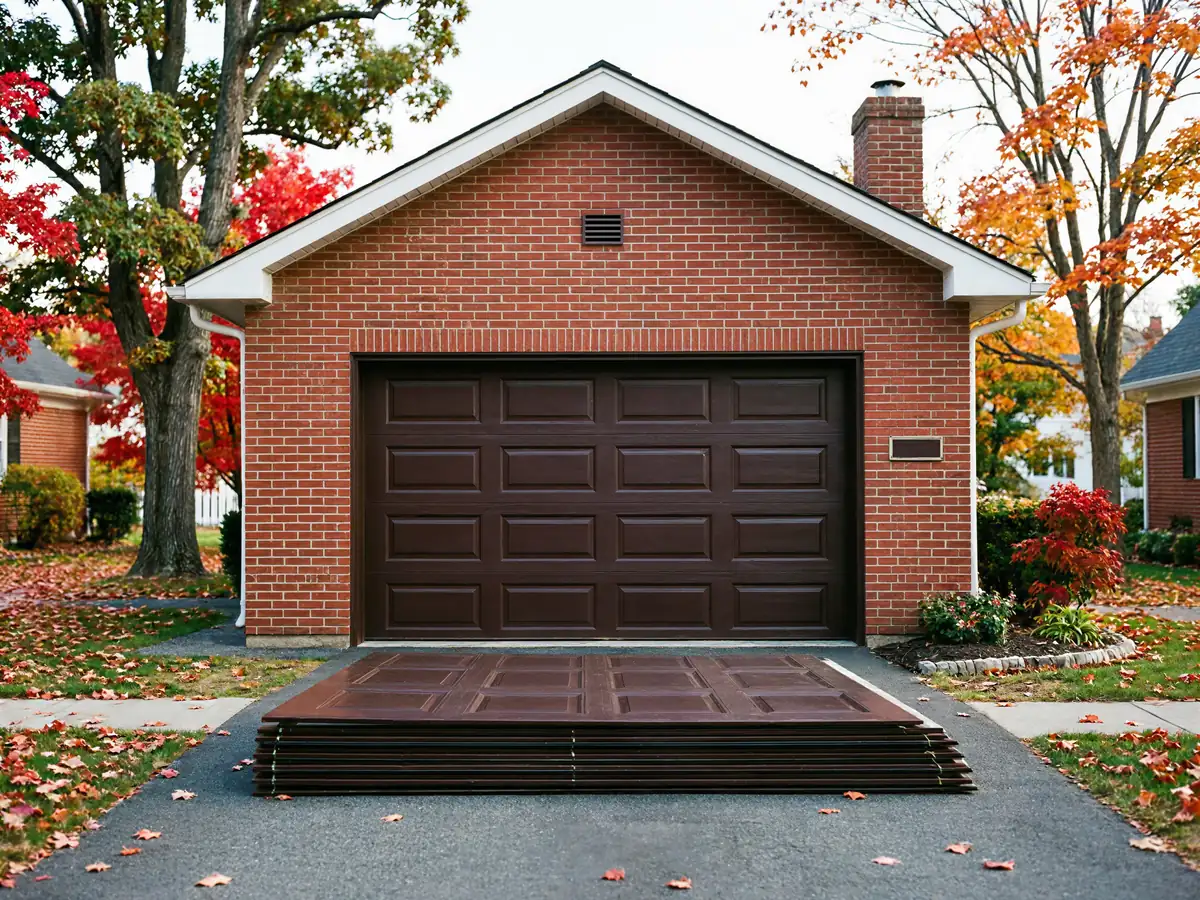
Replacing just the spring is throwing good money after bad. At that point the door usually needs the hardware set redone, and sometimes a full door replacement makes more sense than another repair.
The Symptom
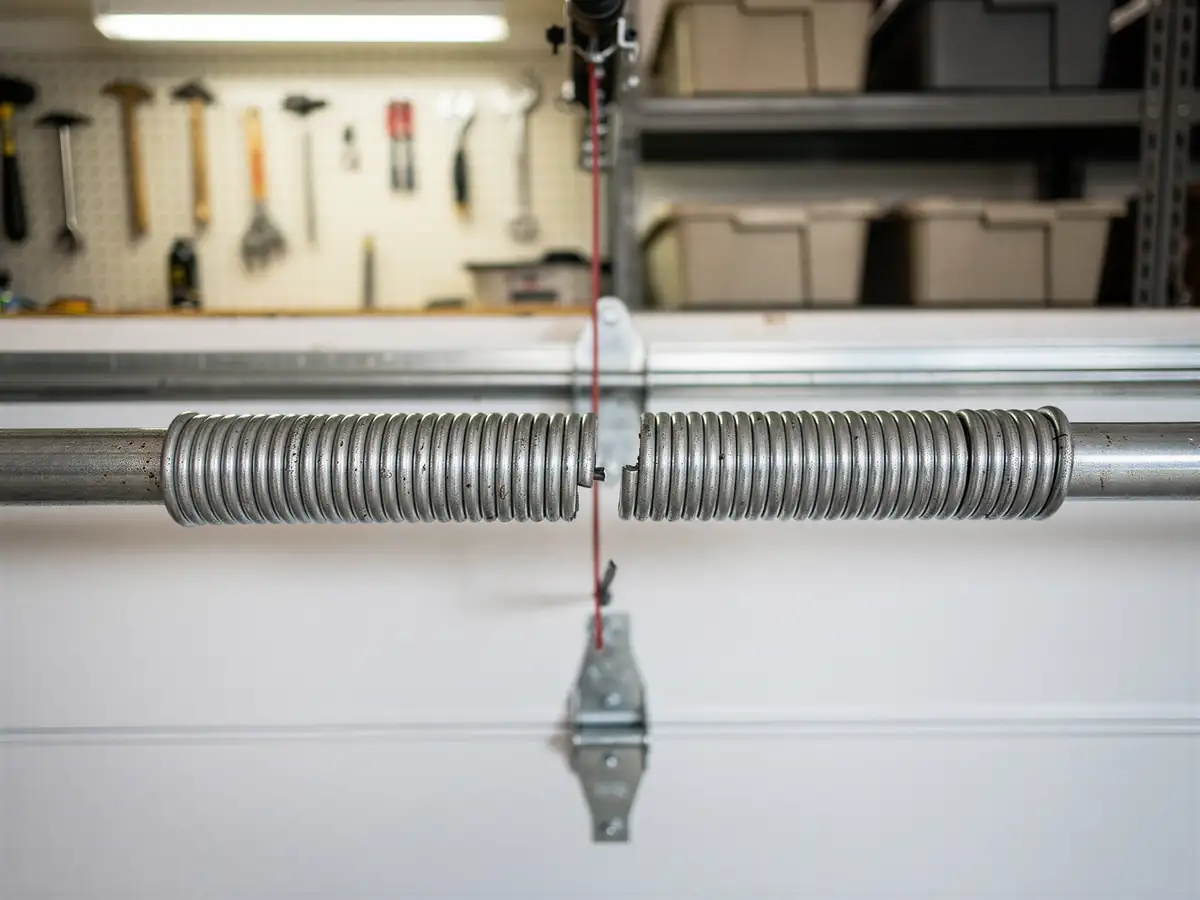
The classic sign is a loud bang from the garage - that's the spring itself letting go, usually when the door's at rest overnight. After that, the door gets heavy fast. If you can normally lift it by hand with the opener disconnected and now it won't budge or drops like deadweight, that's a broken or badly unwound spring, not a motor problem.
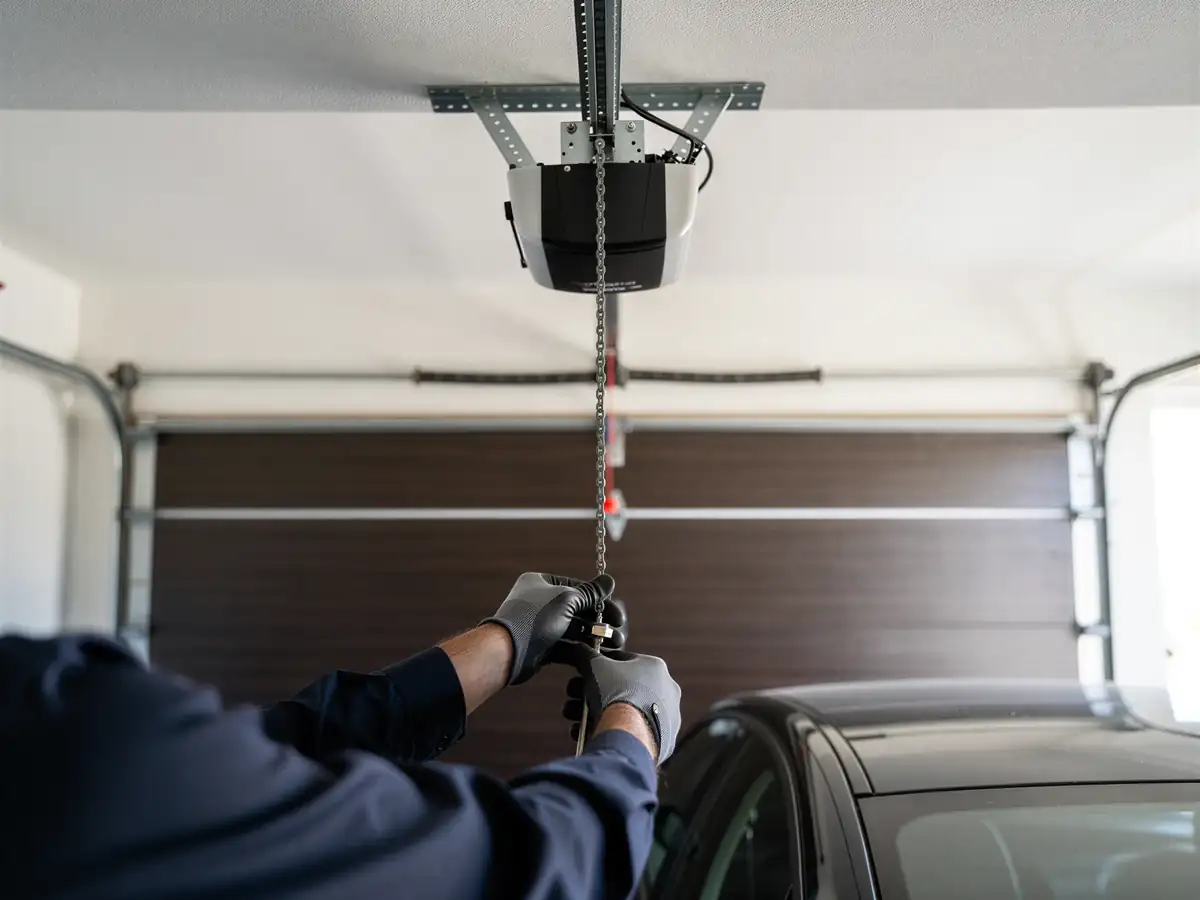
Before the full break, there's often a warning stage: the opener strains and groans partway through the cycle, the door opens slower than it used to, or it hangs unevenly like one side is fighting the other. That's a spring losing tension unevenly, especially on a double door running two springs where one has worn faster than its pair.
If your opener is forcing the door through a lift that used to be smooth, stop running it. A motor can mask a weak spring for a while, but it's doing the spring's job on top of its own, and that wears the opener out faster too.