What We Do Most in This Area
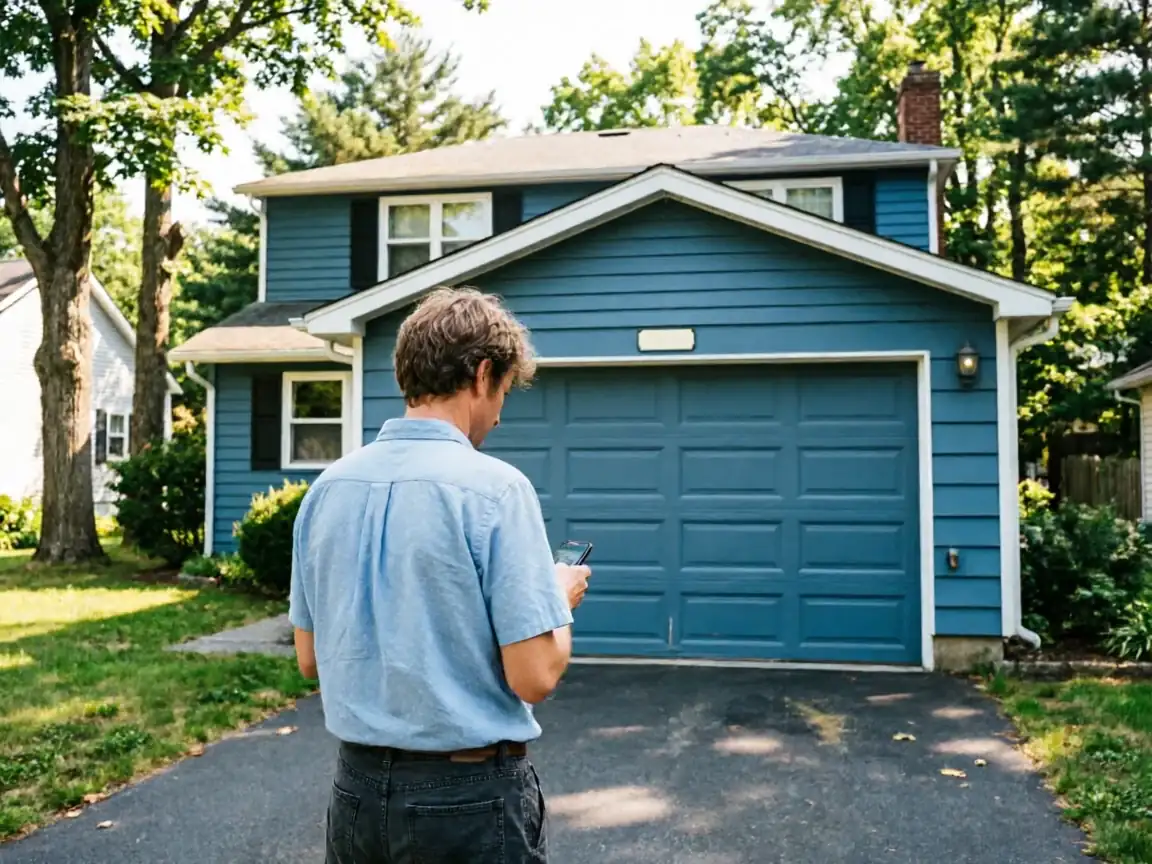
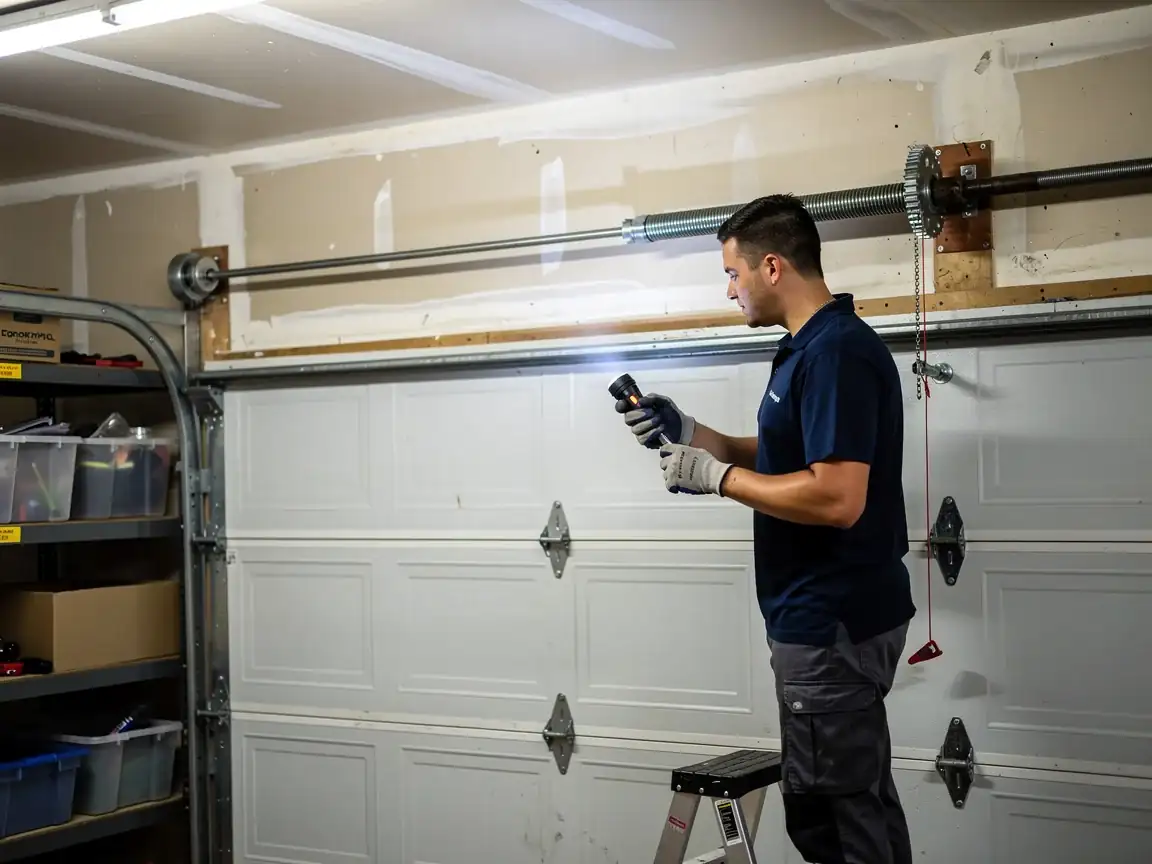
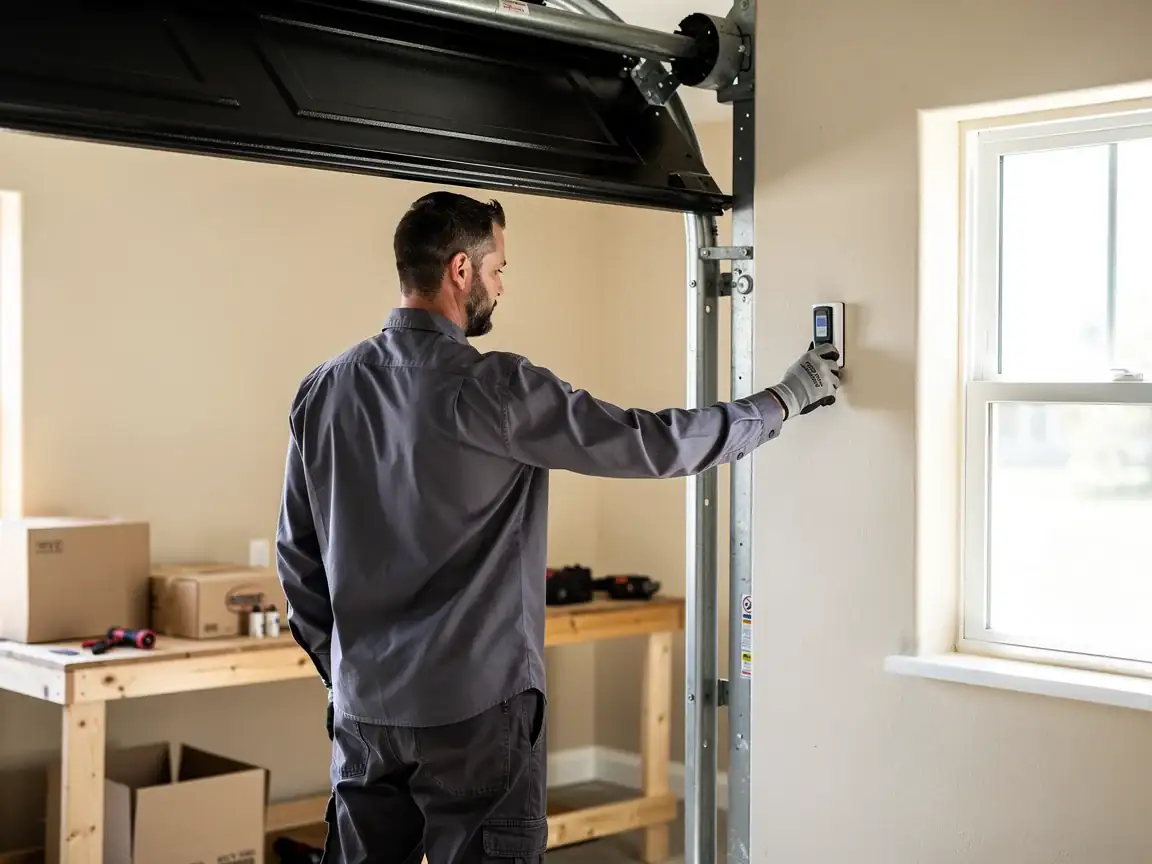
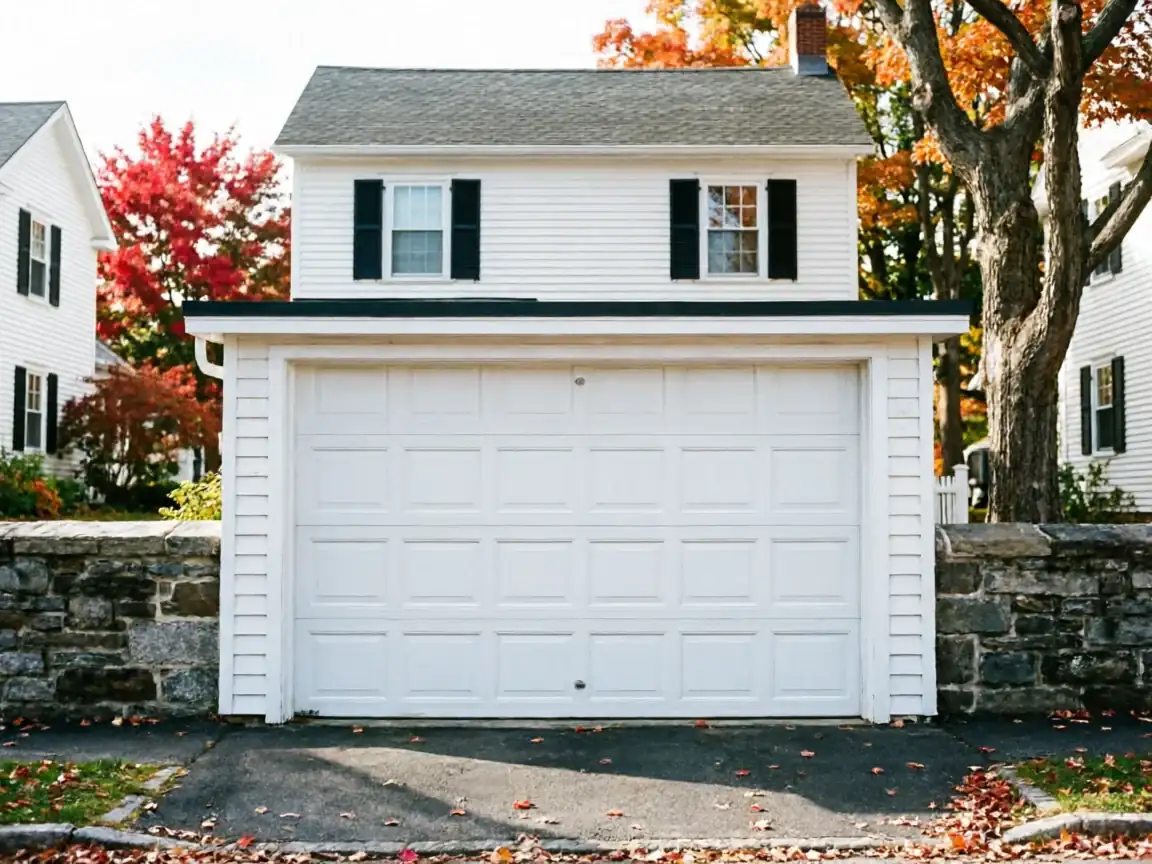
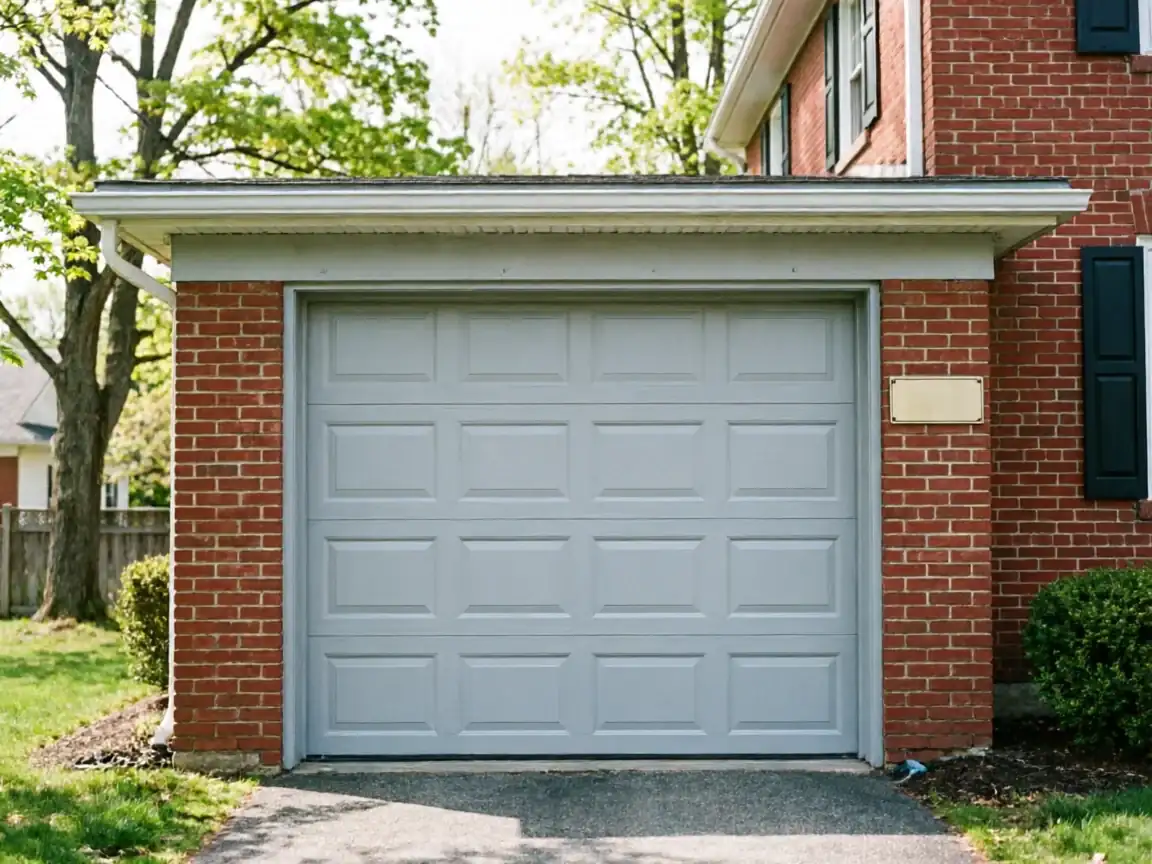
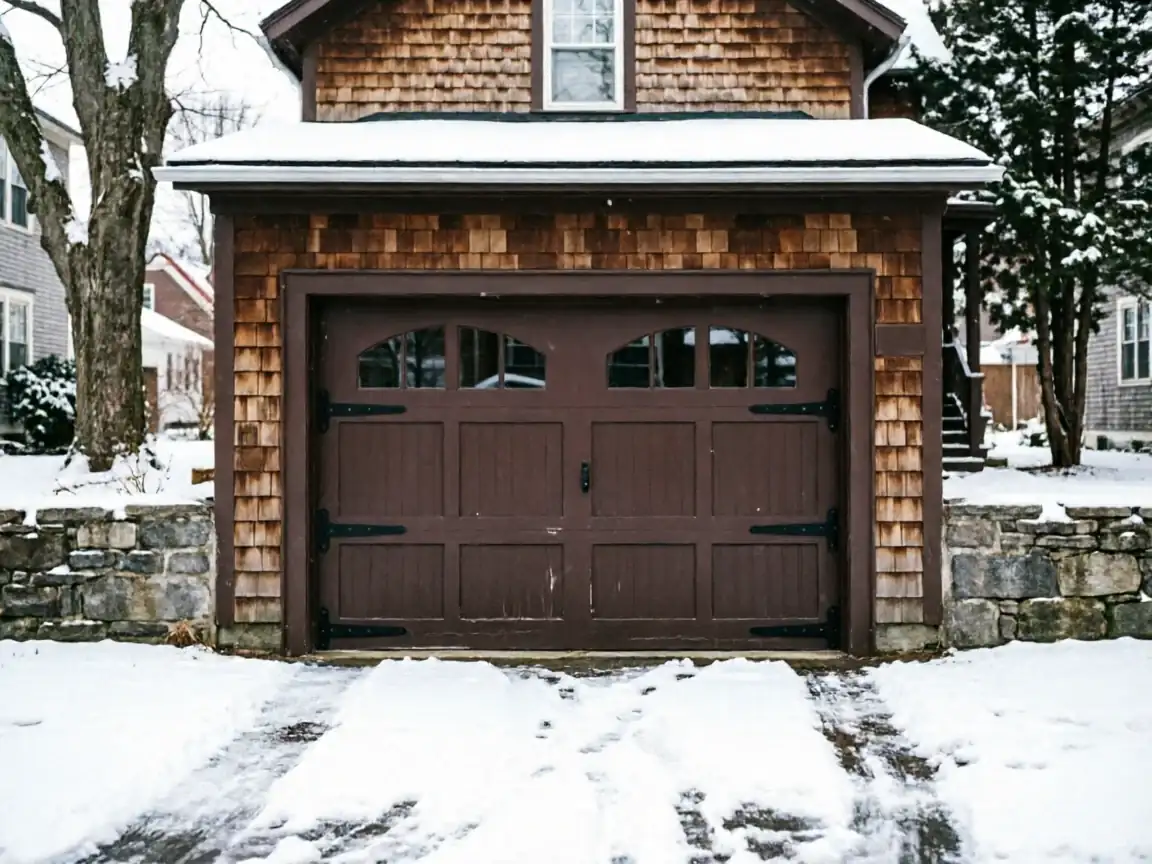
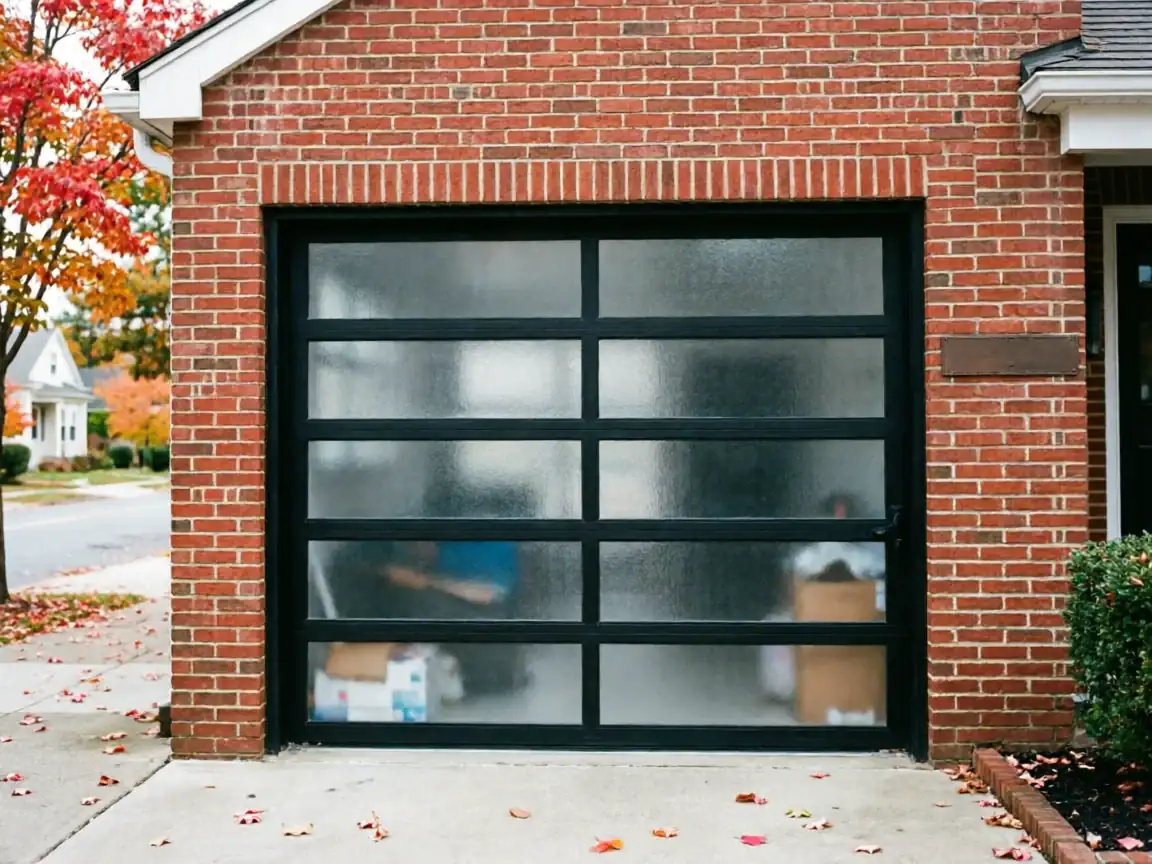
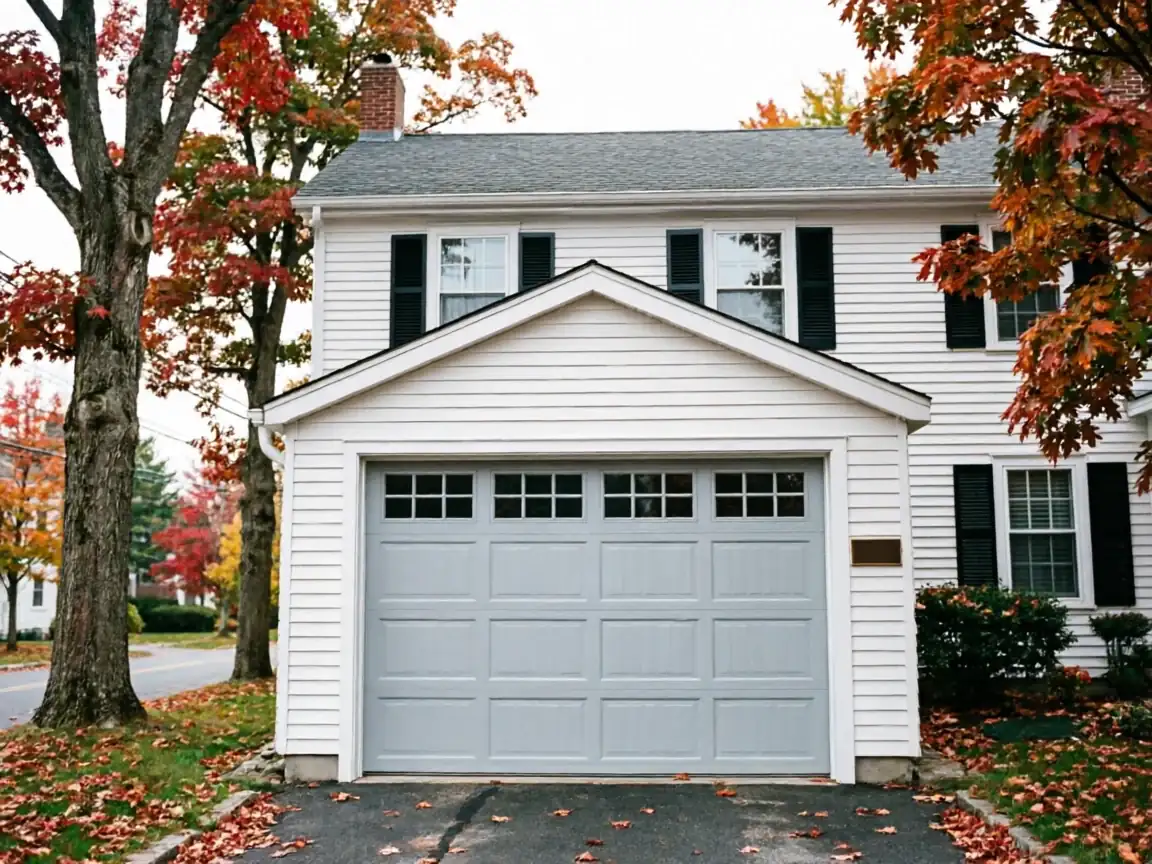
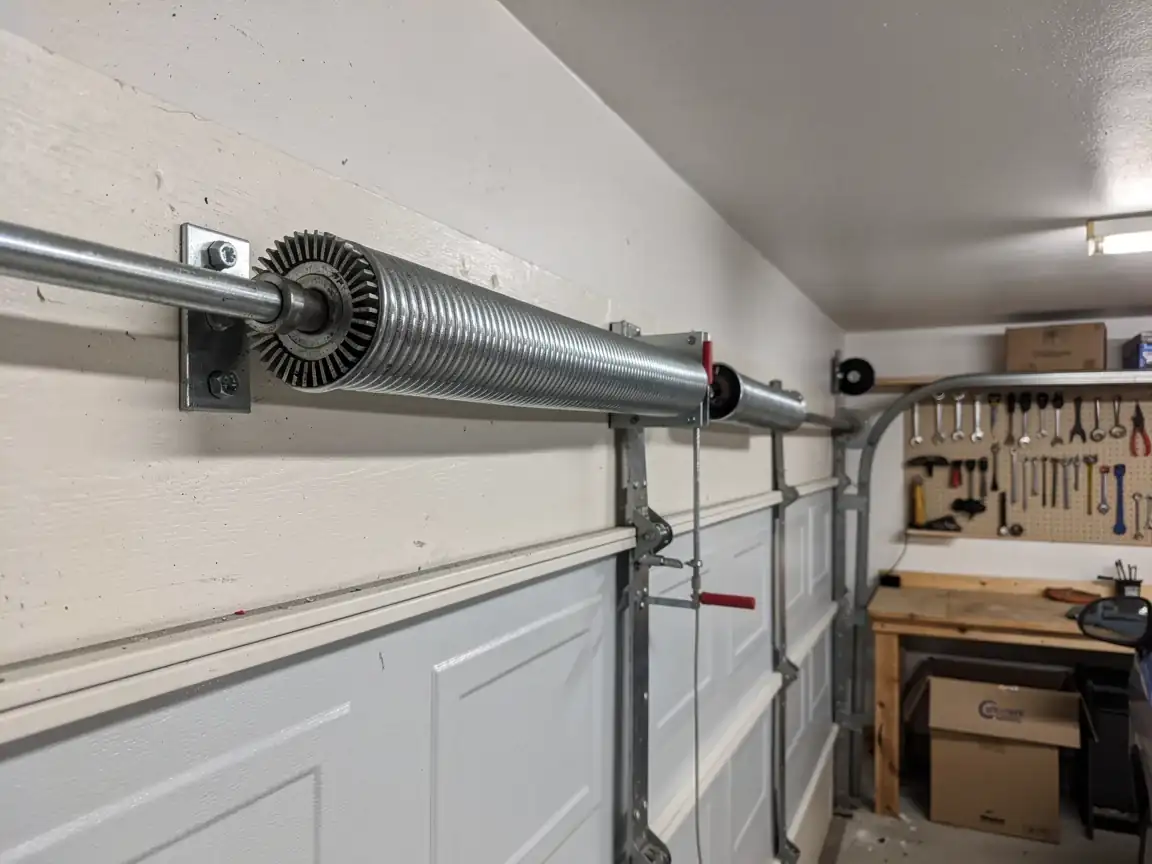
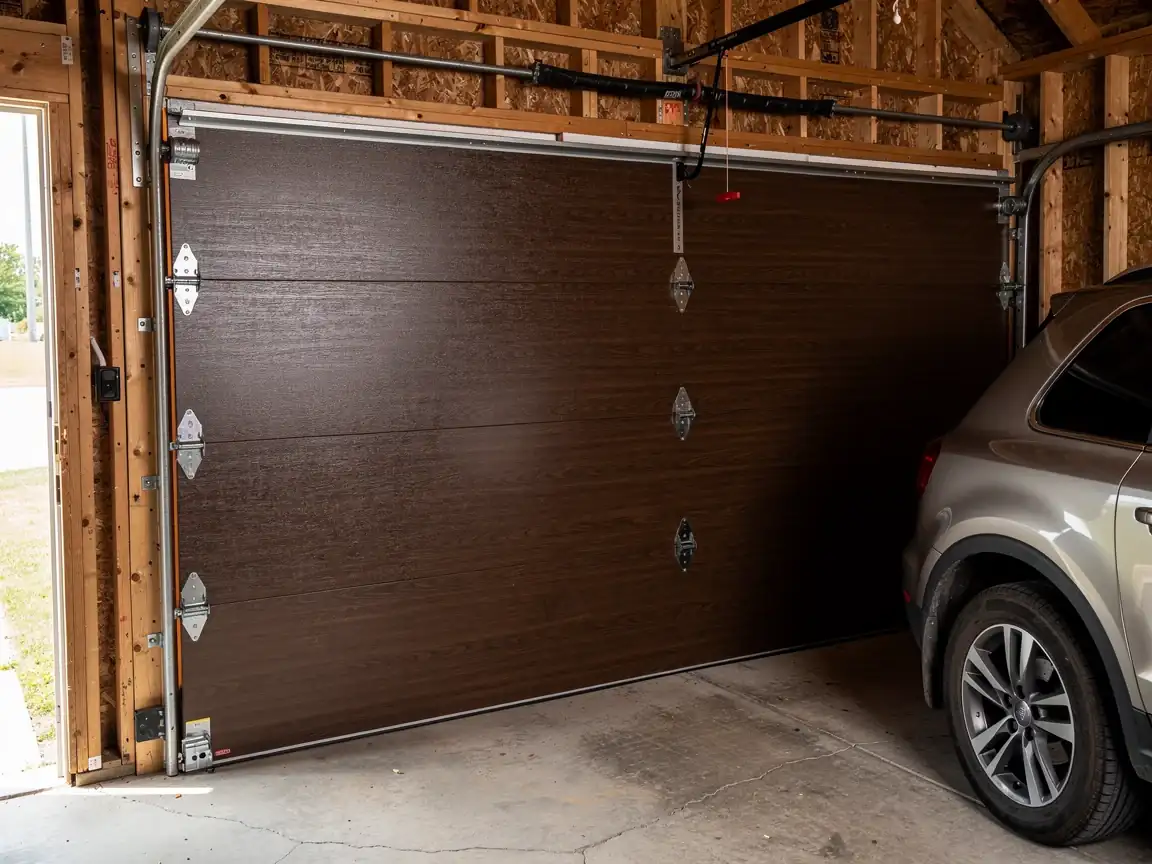
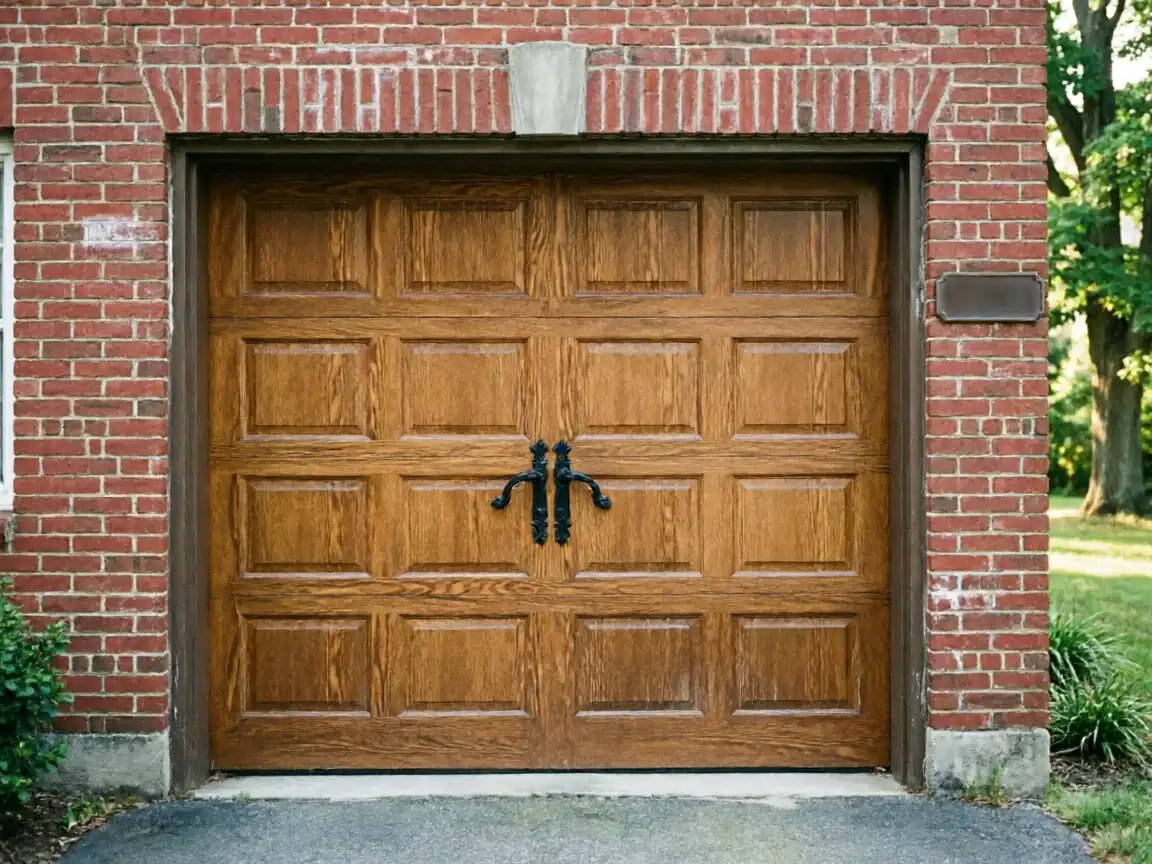
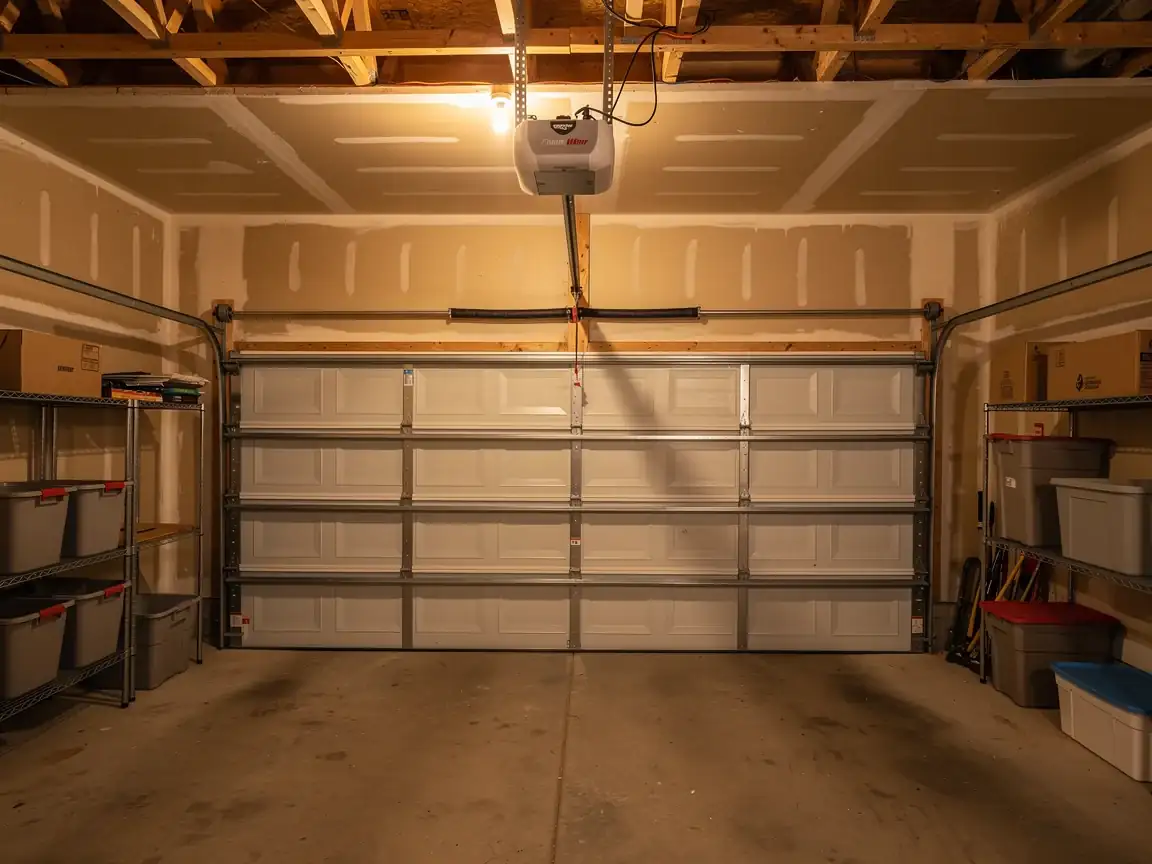
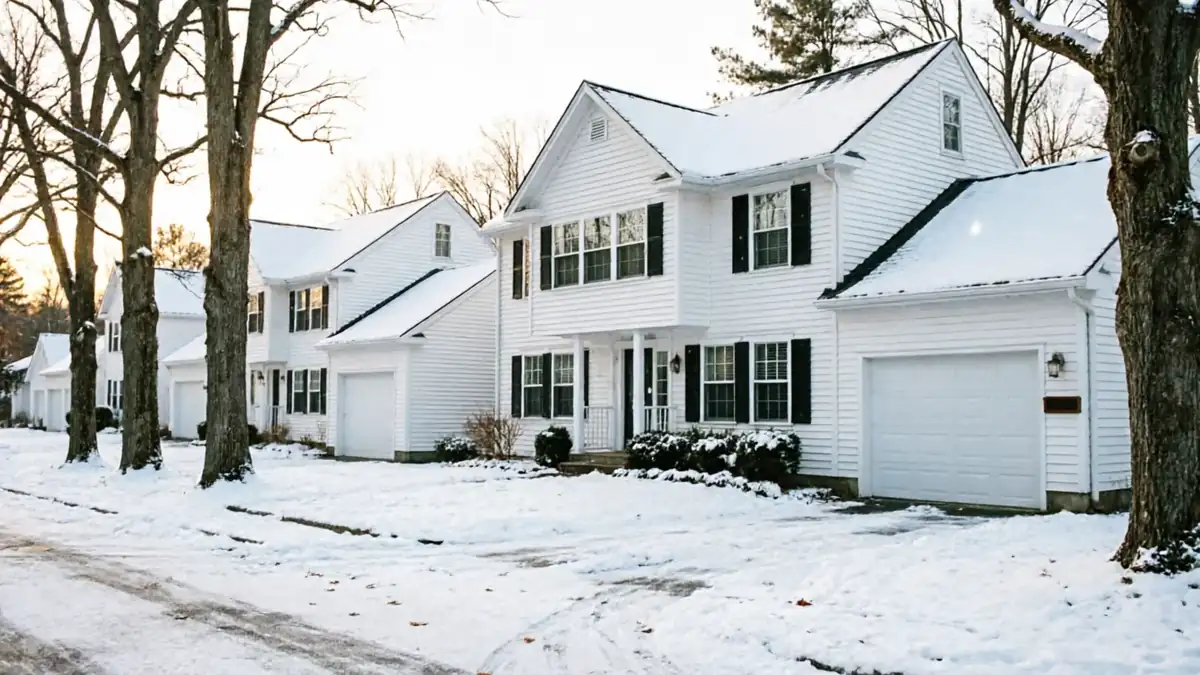
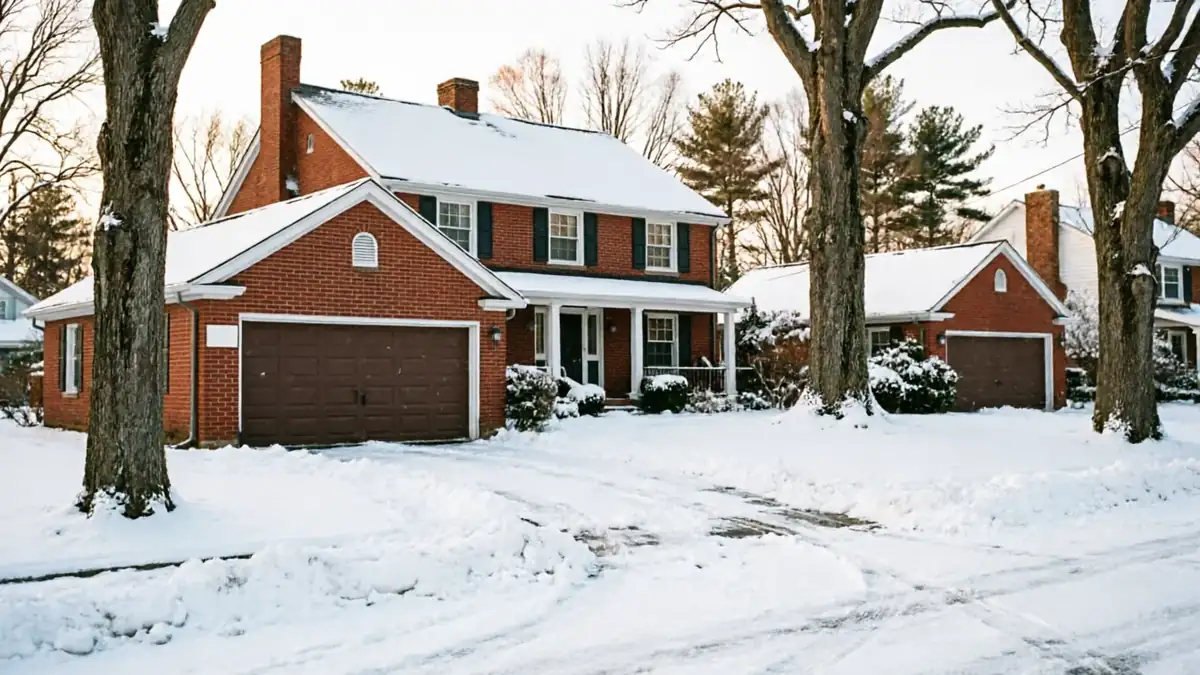
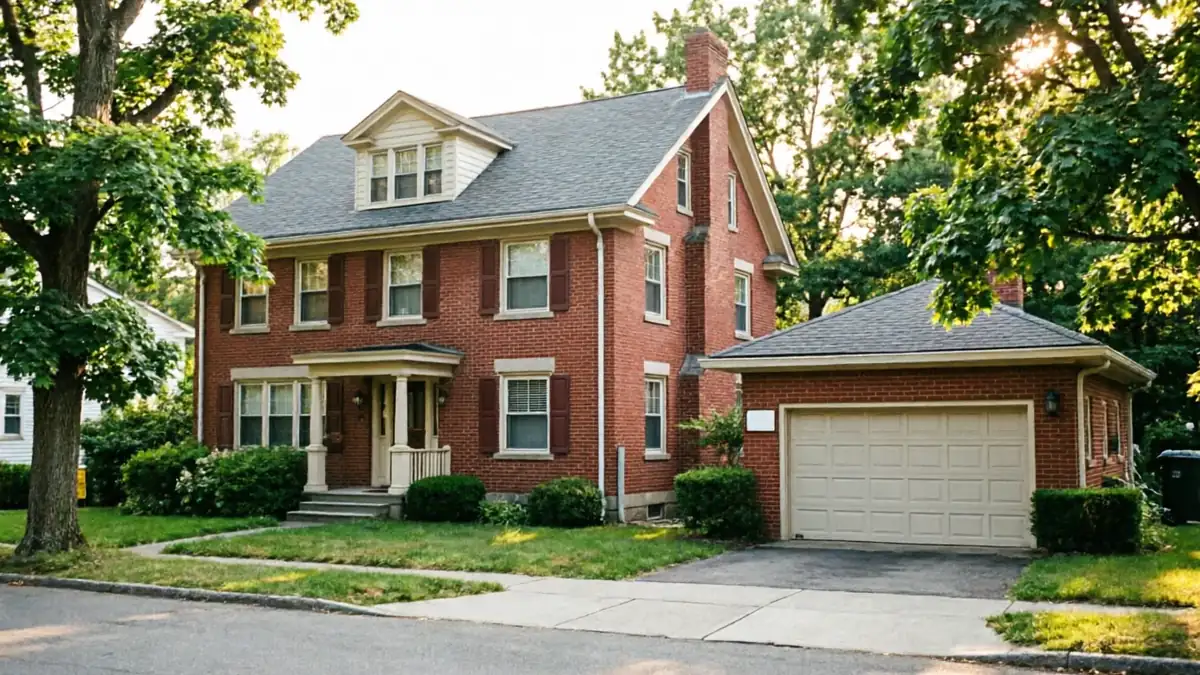
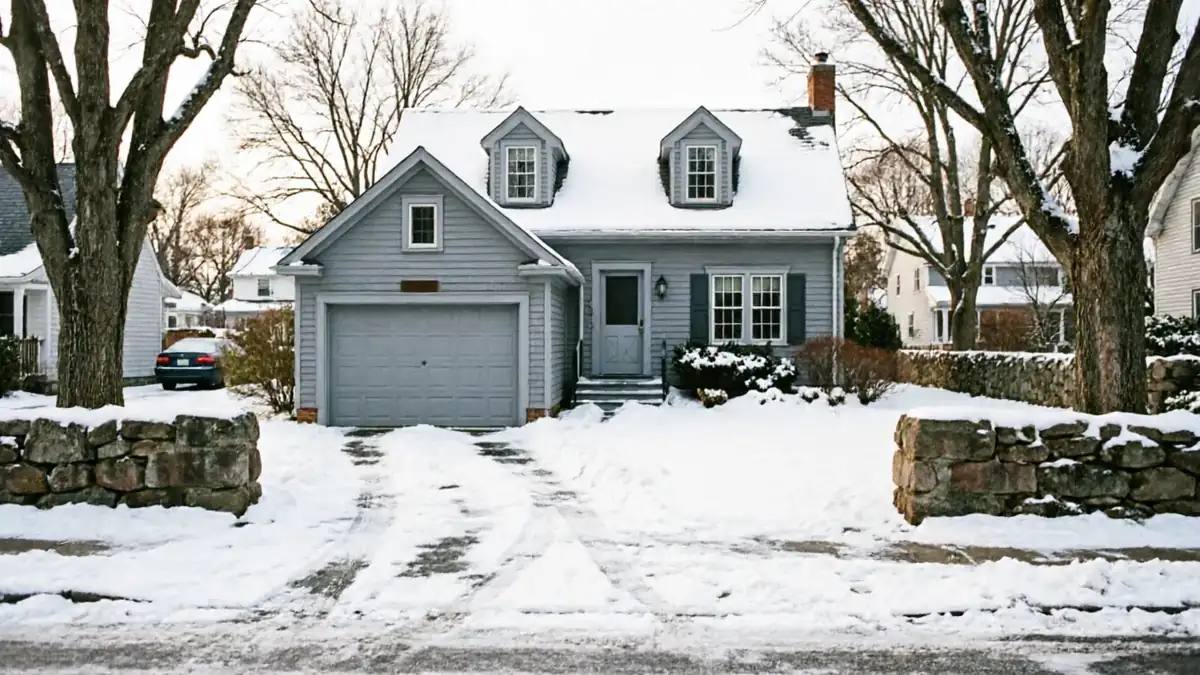
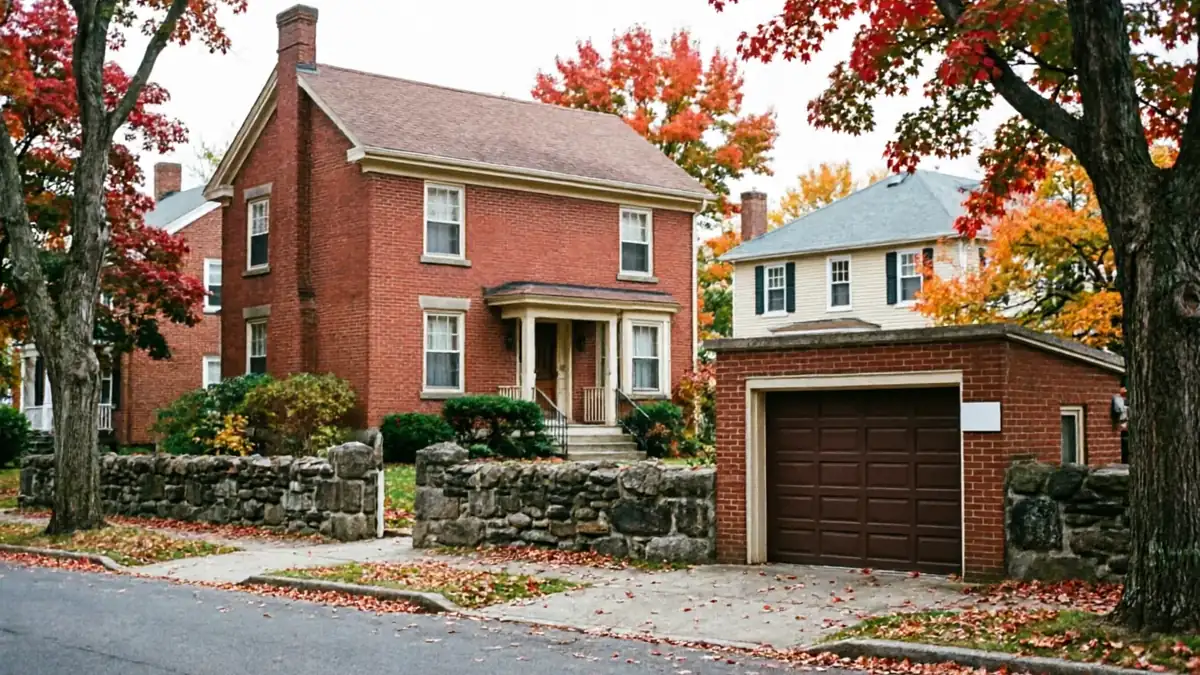
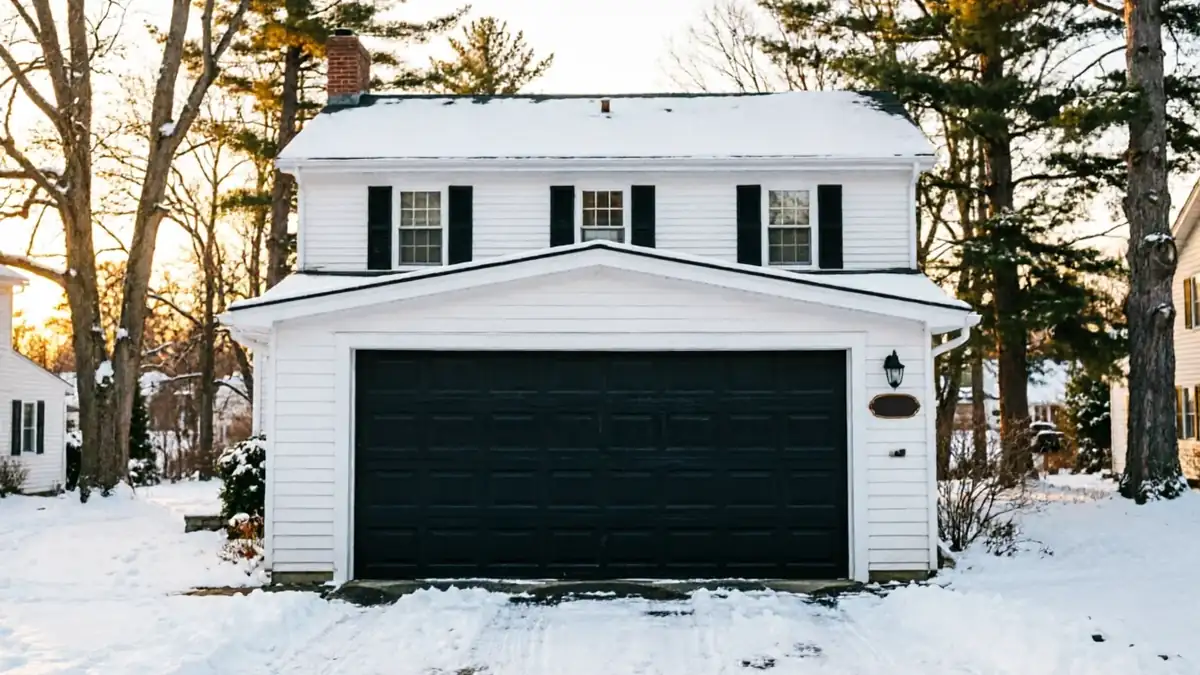
We come out to Bethlehem from Allentown, about 10 miles away, and most of what we find here is different from what we see closer to home. With a median build year around 1988, these houses are a couple decades newer than the typical 1960s-70s stock across the rest of our coverage area. That means the calls skew toward factory torsion spring setups that have finally worn out after 30-plus years, opener logic boards and circuit boards failing from age rather than from a mismatched retrofit, and photo-eye sensors that have drifted out of alignment. We don't see many of the original one-piece doors that still turn up in older neighborhoods nearby. What we do see is steel sectional doors with roller tracks that need the kind of adjustment a 35-year-old house eventually demands - sagging tracks, worn rollers, and springs that are at or past the end of their cycle count. It's less about forcing old hardware to work and more about replacing parts that have simply aged out on schedule.
The Split Between Old and New
Across the wider service area, most houses were built between 1938 and 2005, with a median around 1964 and a lot of that stock concentrated in the 1960s and 70s. Bethlehem sits well on the newer side of that line, with a median build year closer to 1988. That 24-year gap matters more than it sounds. A house built in 1964 was likely fitted with a door and spring system that's already been replaced once or twice, sometimes with parts that don't match the original opening. A house built in 1988 is more likely still running close to its original torsion setup, just at the point where springs rated for a certain number of cycles are finally giving out. We're not guessing at what's behind the wall here - we're working with hardware that's old enough to fail but young enough to still follow a single, common era's specs.
What the Housing Means for Your Door
The service area sits in a cold climate zone with real winter severity, and that doesn't change whether a house was built in 1964 or 1988 - cold still stiffens grease, shrinks metal, and makes a weak spring snap on the coldest morning of the year instead of a mild one. What does change with a newer build is where the wear shows up first. In Bethlehem's late-80s housing, we're less likely to be fighting decades-old wiring or a door panel that's been swapped twice, and more likely to be replacing a torsion spring that's simply reached the end of its rated cycles, or an opener whose capacitor or logic board has finally given out after three decades of winters. One honest limit: if a door's track is bent badly enough, or the opener is old enough that parts are no longer made, replacement is the better call rather than another repair that won't hold through next winter. We'll tell you when that's the case instead of billing for a fix that won't last. You can see more about what we cover at /.