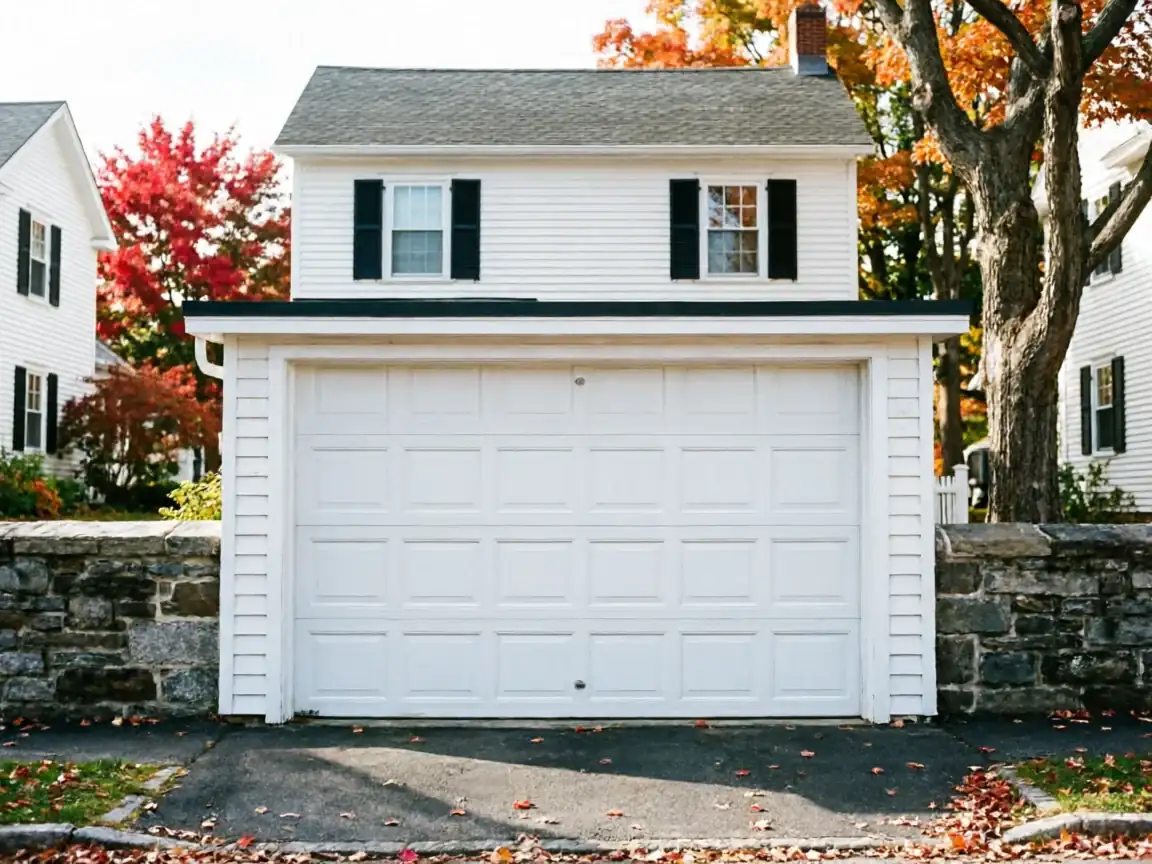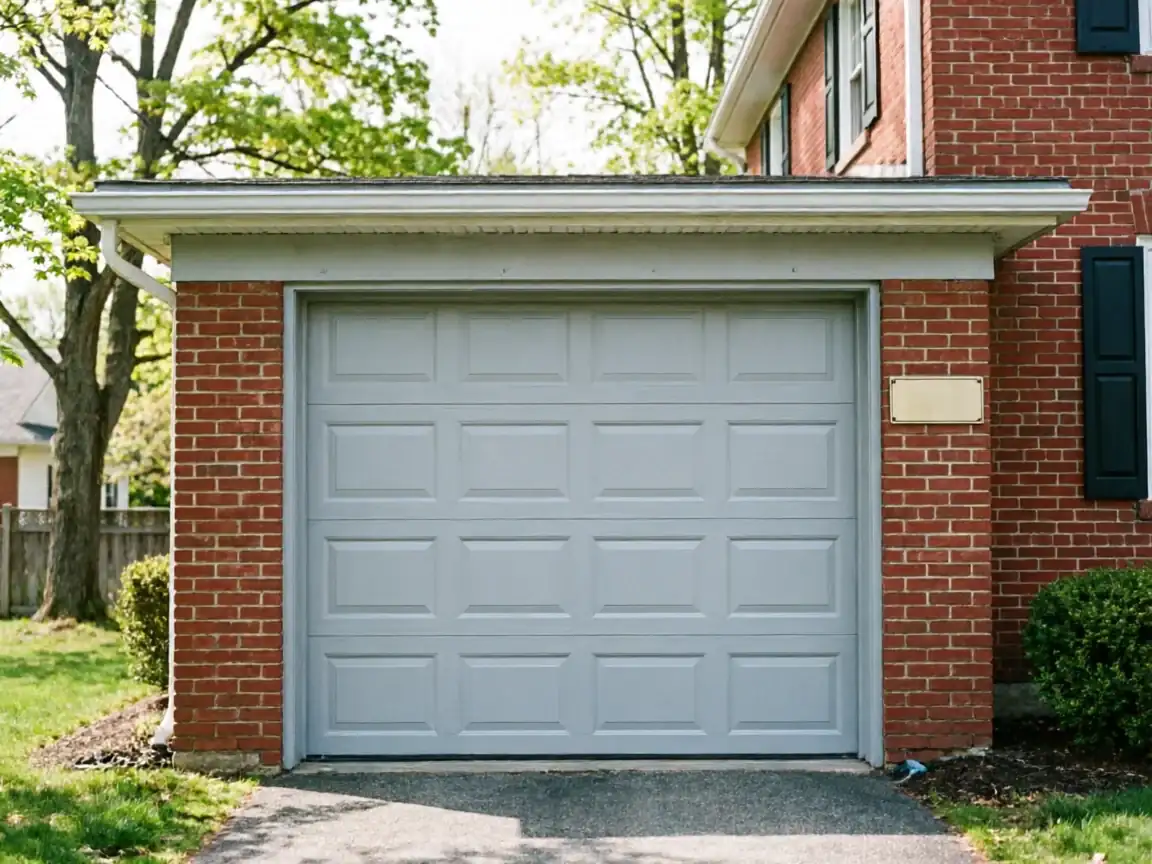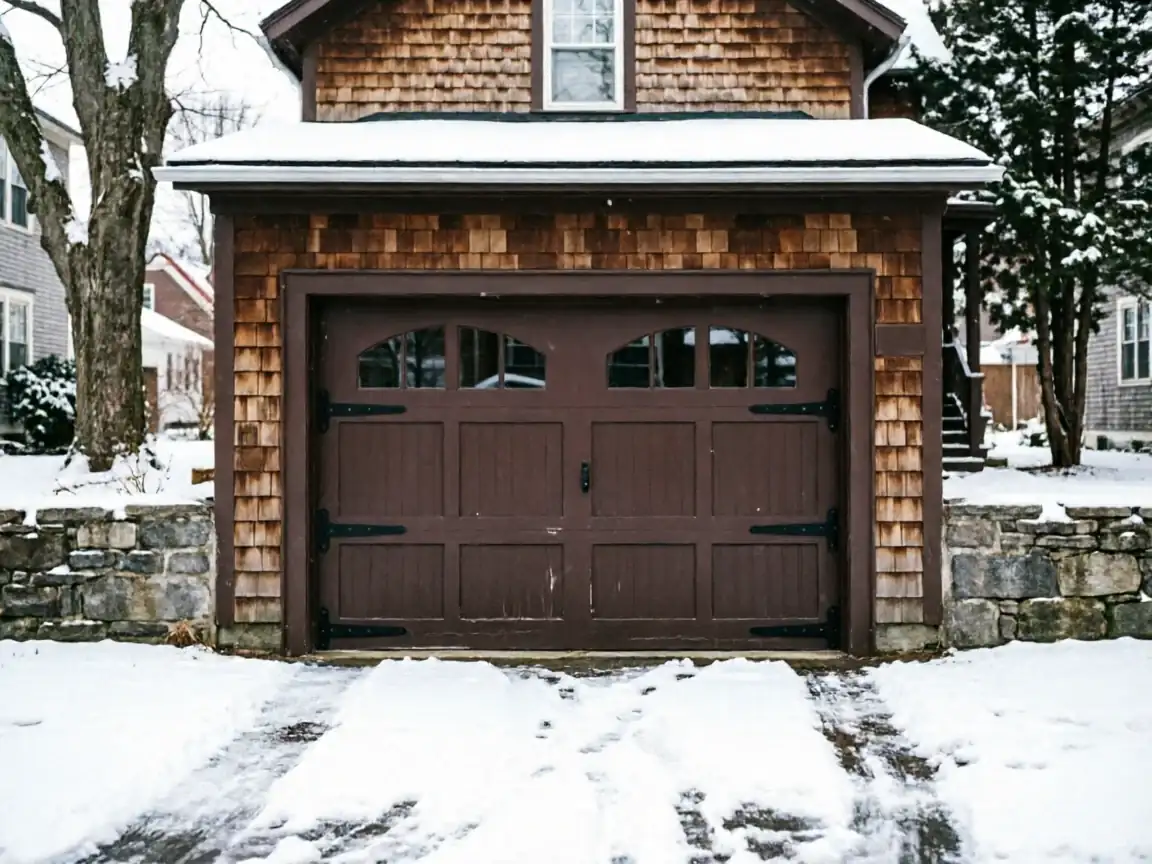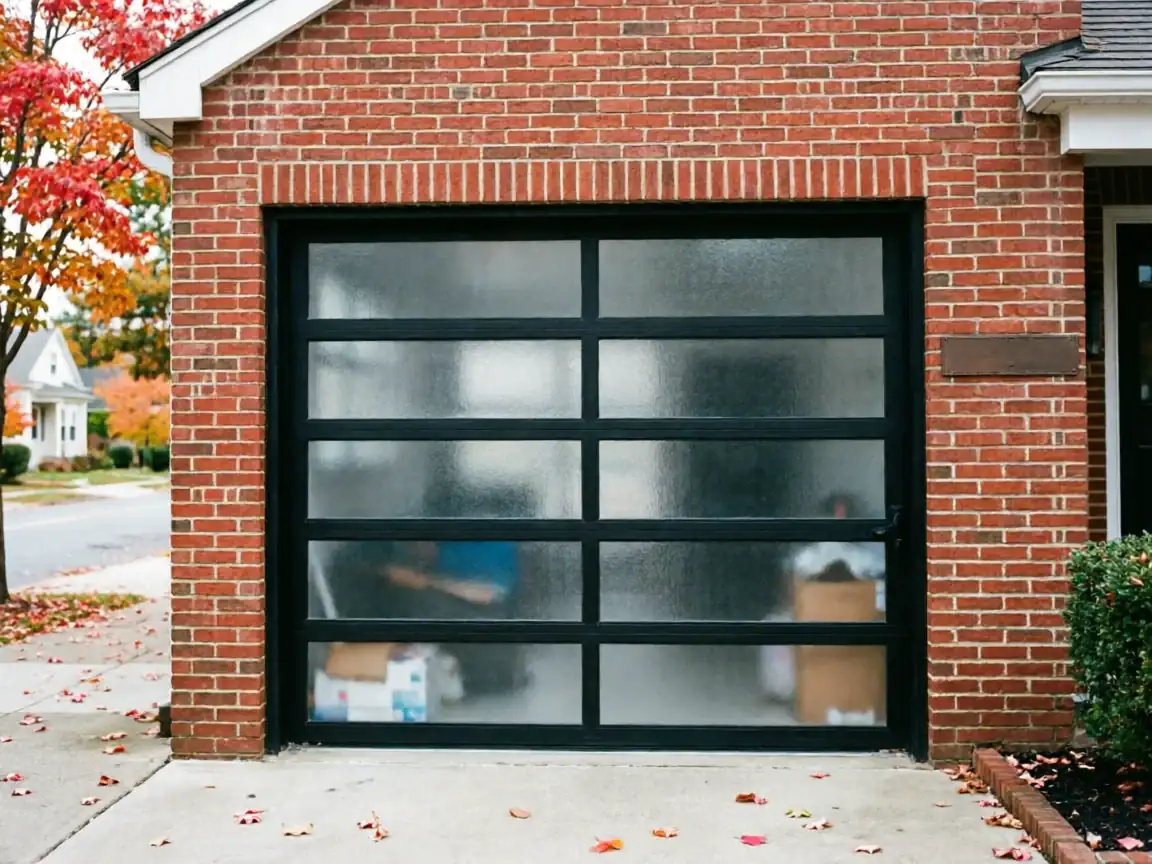
What the Fix Involves
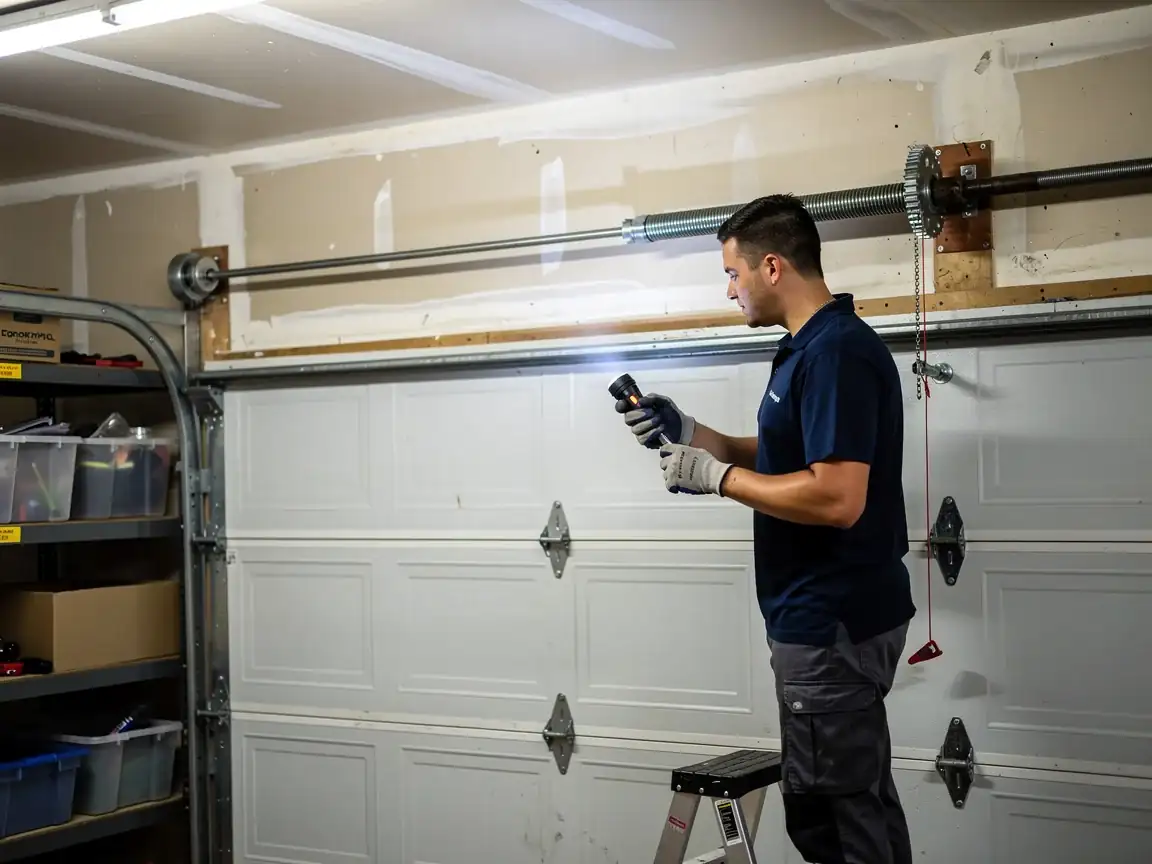
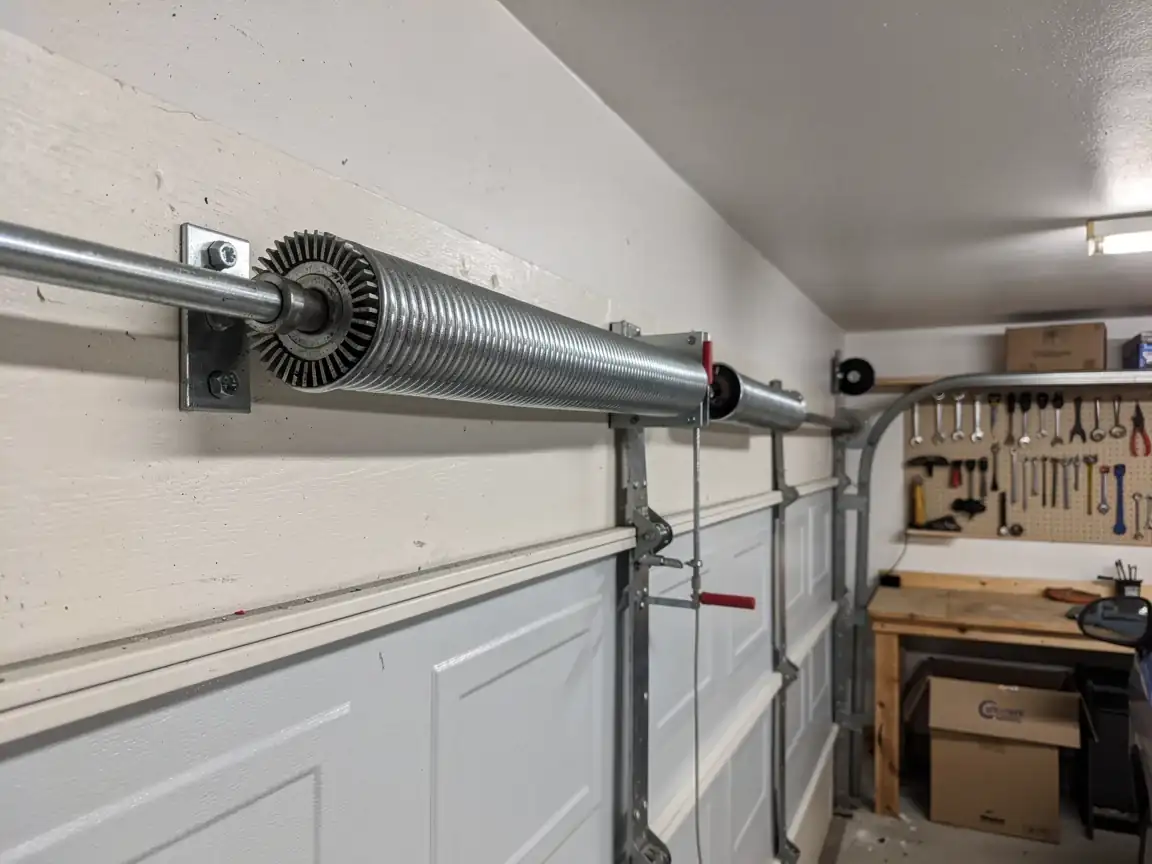
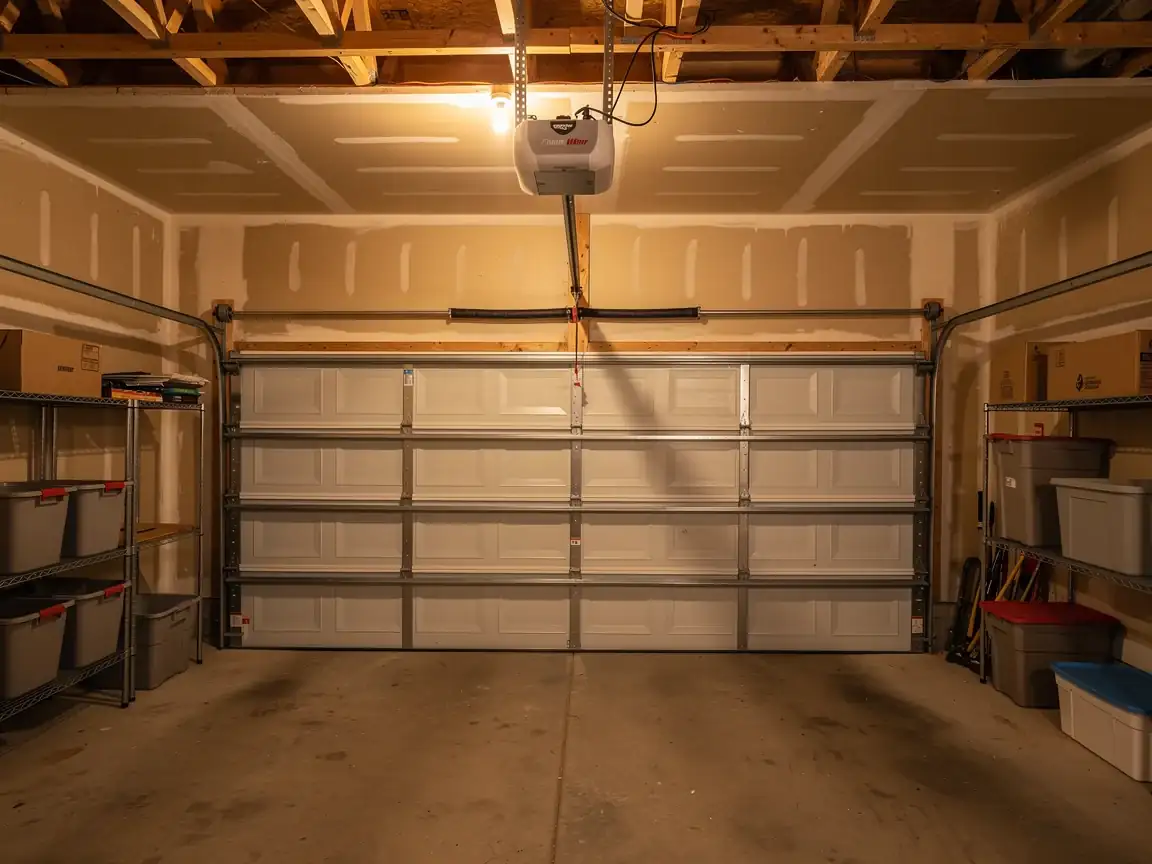
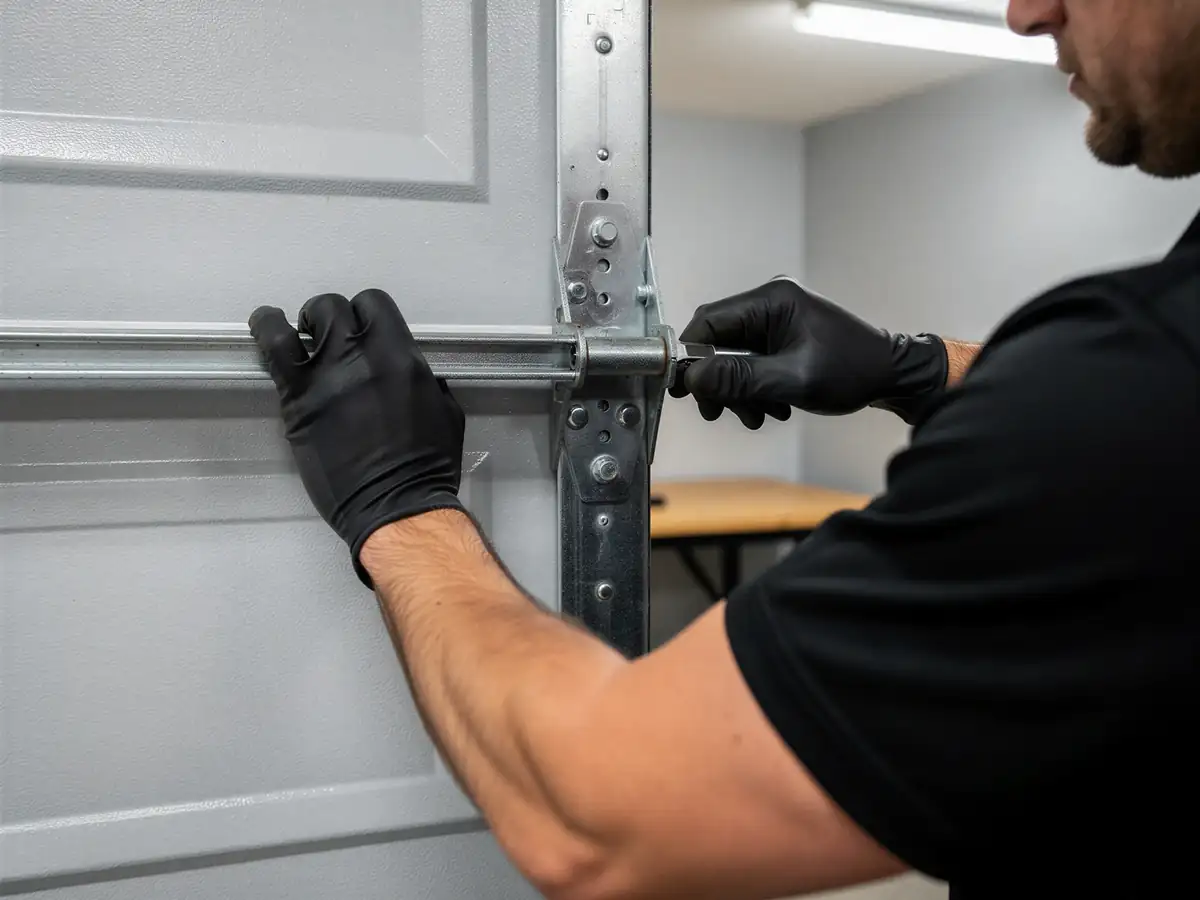
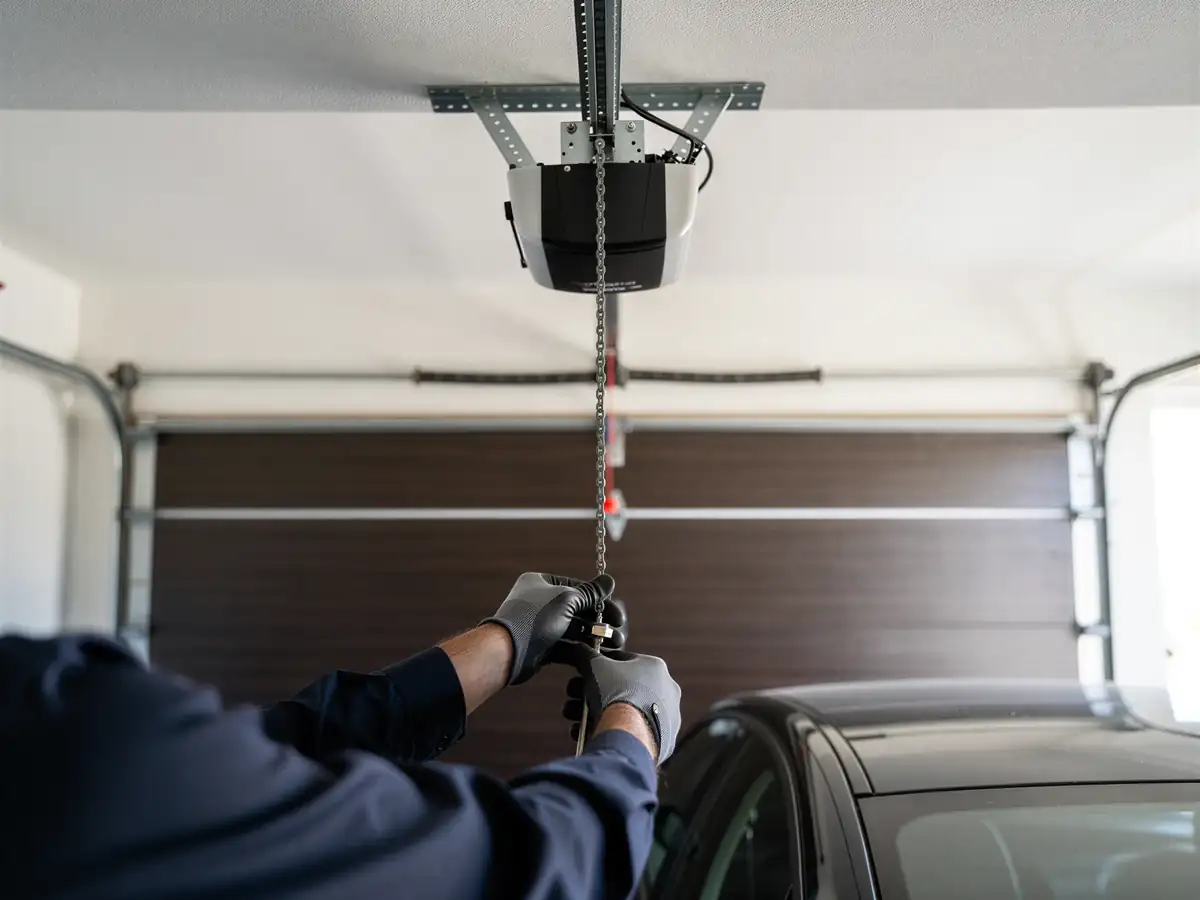
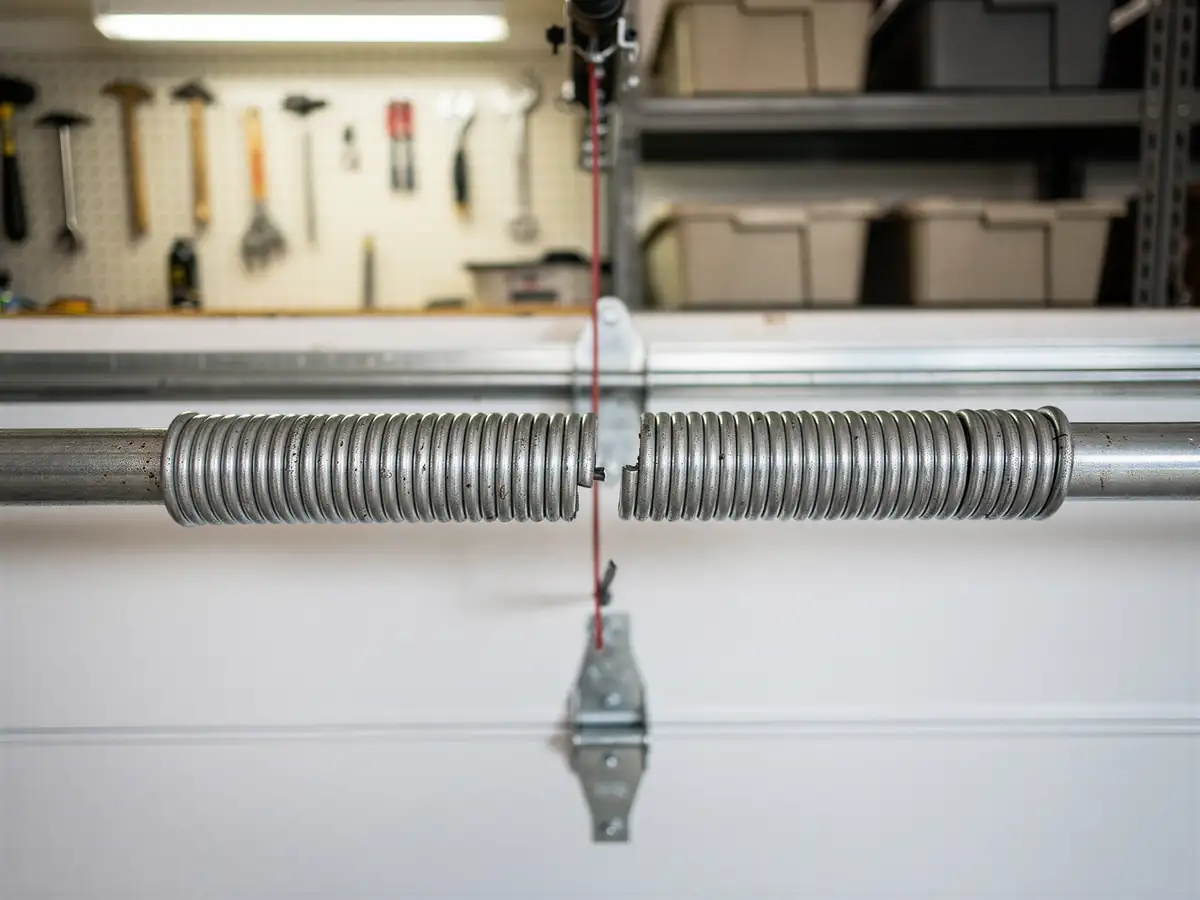
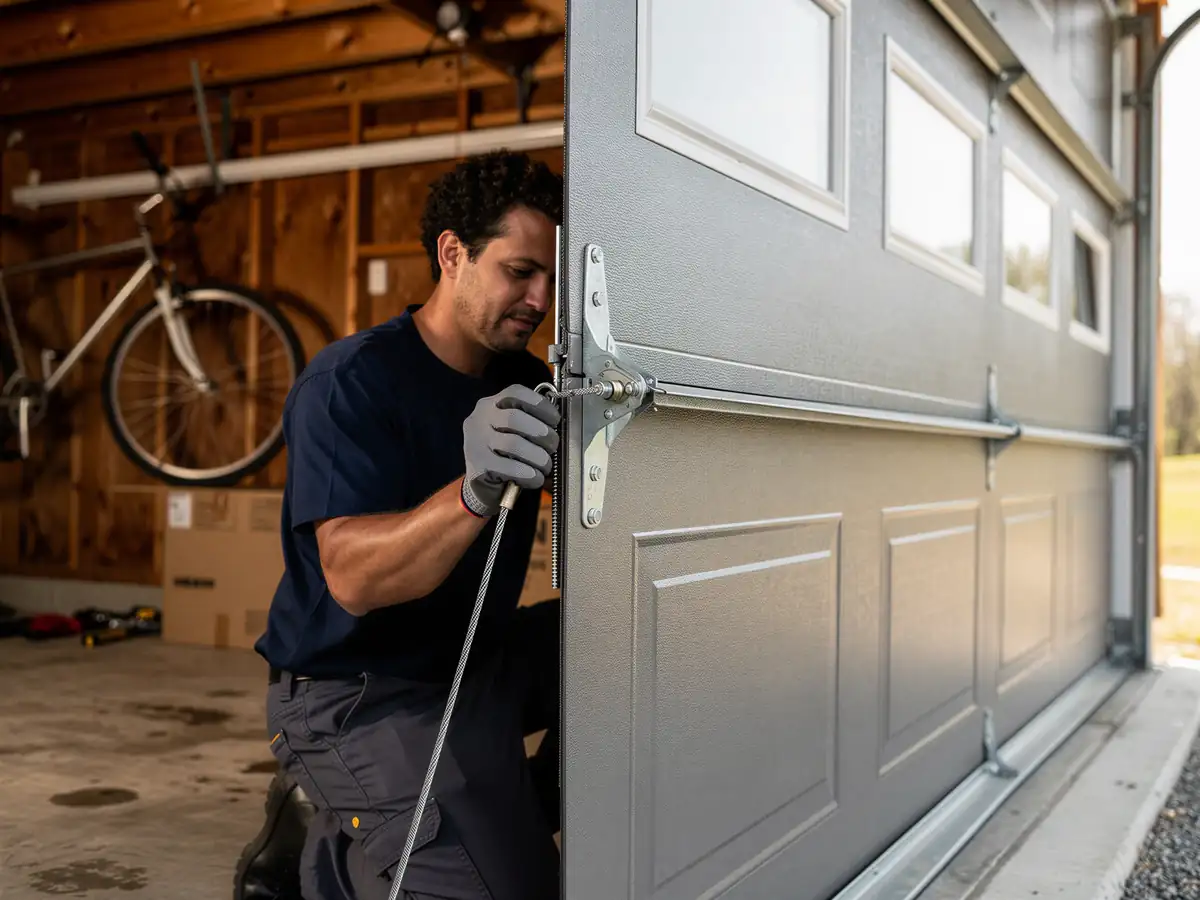
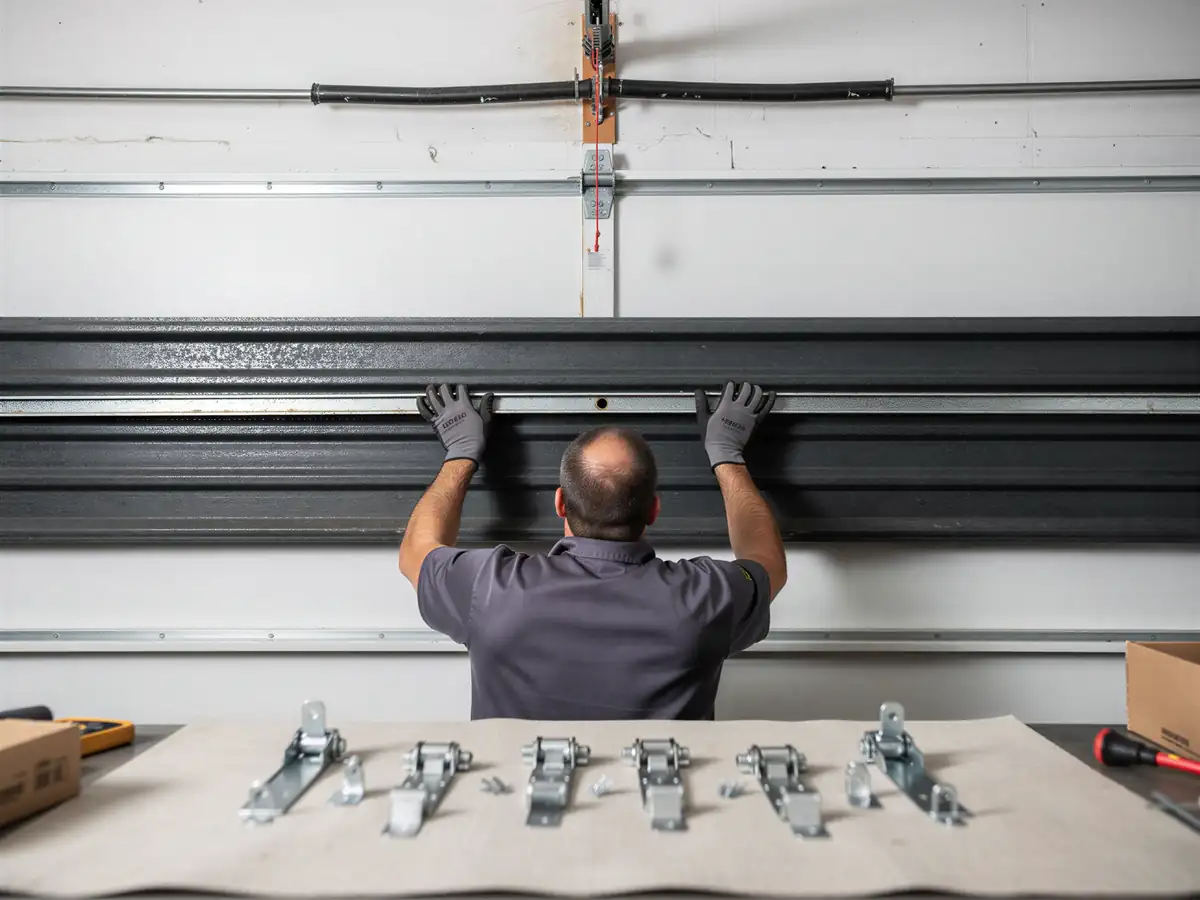
Most emergency calls come down to one of four things: a broken torsion spring, a cable that's jumped or snapped off the drum, a door that's come off its track, or an opener that's quit mid-cycle with the door stuck halfway. We carry torsion springs in the common sizes for residential doors, replacement cables, rollers, and the hardware to re-square a door that's walked off the track. If the opener itself has failed - burned-out motor, stripped gear, dead circuit board - we'll tell you straight whether it's a repair or whether the unit's old enough that replacement is the better call.
We don't pretend every job is a quick fix. A torsion spring swap on a standard door is usually done in one visit. A door that's badly warped, or a track that's been bent from an impact, can take longer and sometimes needs a part we have to order in. That's the honest limitation: same-day doesn't always mean same-hour, especially for less common spring sizes or discontinued track hardware on older doors.
This page covers the repair itself - what we fix, how, and why it tends to go wrong here. Home has the full list of what we do beyond emergency calls.
Why This Fails Locally
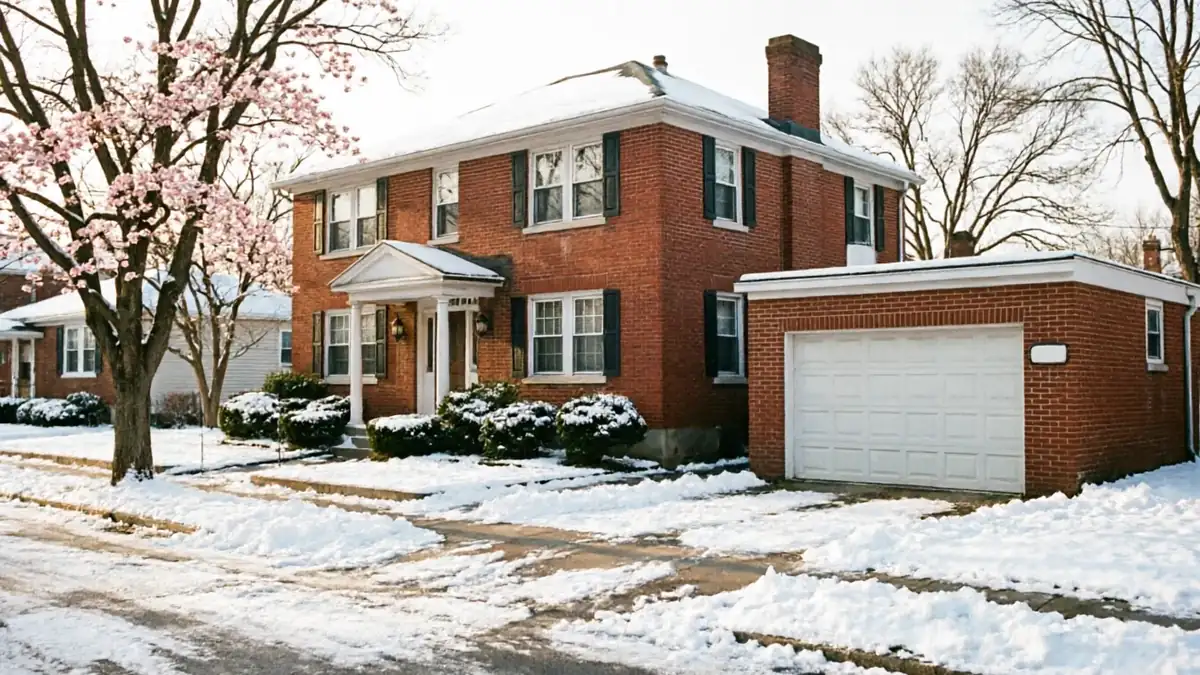
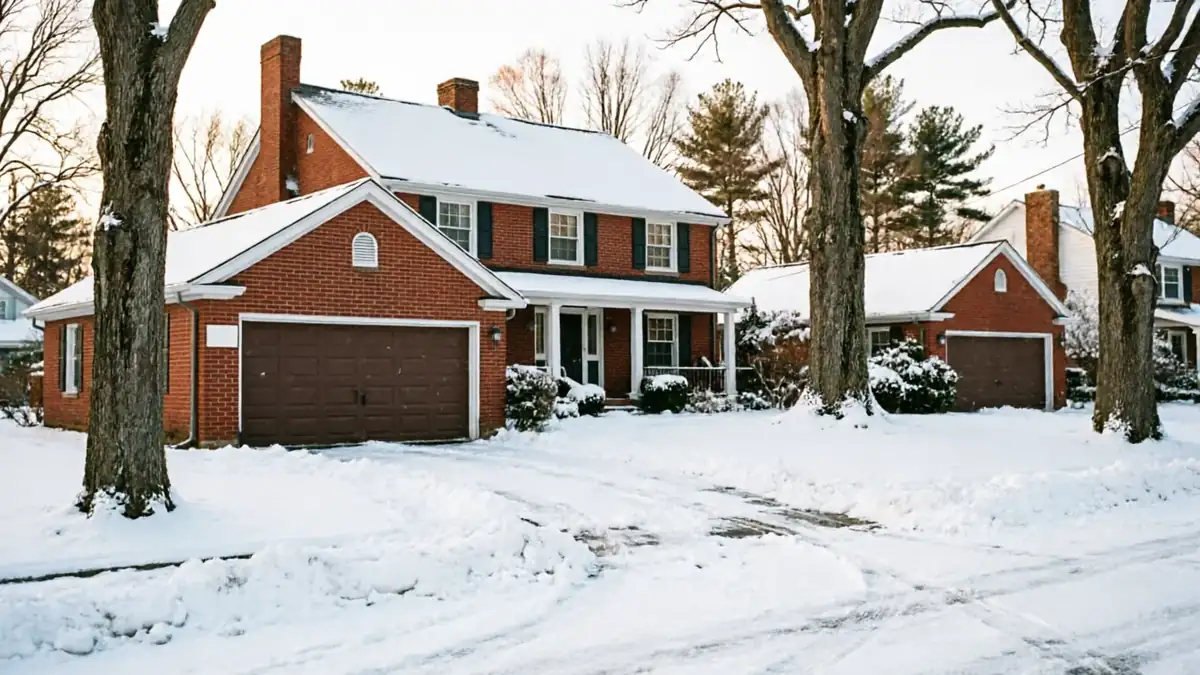
Housing across this service area was mostly built between 1938 and 2005, with the typical house dating to around 1964, and the bulk of the stock across the 52 named areas we cover going up through the 1960s and 70s. That matters for garage doors because torsion spring assemblies from that era weren't built to last sixty years - they were built to last ten to fifteen, and a lot of them never got swapped out when the window ran out.
The second piece is the climate. This region sits in a severe cold band, and steel fatigues faster under repeated freeze-thaw cycling than it does in a mild climate. A spring that's already past its wind-cycle life doesn't fail gradually - it lets go all at once, usually on one of the coldest mornings of the year, right when the garage door gets used the most and the steel is at its stiffest.
Put those two things together and you get a predictable pattern: older torsion hardware, installed when the house was new, meeting harder winters than it was rated to absorb indefinitely. That's not a flaw in any one house. It's the whole area's housing stock reaching the same age at roughly the same time.
Where This Job Goes Sideways
The straightforward version of this job is a snapped spring on a door with modern torsion hardware
In and out in one visit. It goes sideways when the house still has the original setup from when it was built, which, given a median build year around 1964, is common enough that we see it weekly. Original side-mounted torsion hardware, odd-width tracks, or a header that's too shallow for a standard spring size all turn a routine call into a parts-matching exercise.
With roughly 54,983 owner-occupied houses sitting among 154,639 households across the area
A lot of garages still run whatever opener and spring configuration came with the house. When that hardware is original, finding an exact match sometimes means a short wait on a part rather than a same-visit fix. We'll always try the in-stock option first, but we won't force a mismatched spring onto a door just to call the job done - that's how you get a second failure in six months.
- 54,983 owner-occupied
- 154,639 households
The other place this goes sideways: a cable snap that's also bent the drum or scored the track
That's no longer a ten-minute fix, and pretending otherwise on an emergency call does the homeowner no favors.
The Symptom
The classic emergency pattern starts the same way almost every time: the door won't budge, or it starts up and slams back down, or you hear a loud bang from the garage overnight and find the door won't move the next morning. That bang is almost always the torsion spring letting go - it's loud enough that people sometimes think something fell or a car hit the house.
A door that's heavy to lift by hand, or an opener that hums but doesn't move the door, points to the same root cause: the spring isn't doing its job of counterbalancing the door's weight anymore, so the opener is trying to lift the whole thing on its own, which it isn't built to do for long.
Less dramatic but just as urgent is a door that's gone crooked - one side higher than the other, or a visible gap where a cable has slipped off the drum. Don't keep running the opener through that; it strains the track and can bend it, which turns a cable job into a track-and-cable job. If you catch any of these signs, especially on a cold morning, that's the point to call before you try to force the door either way.