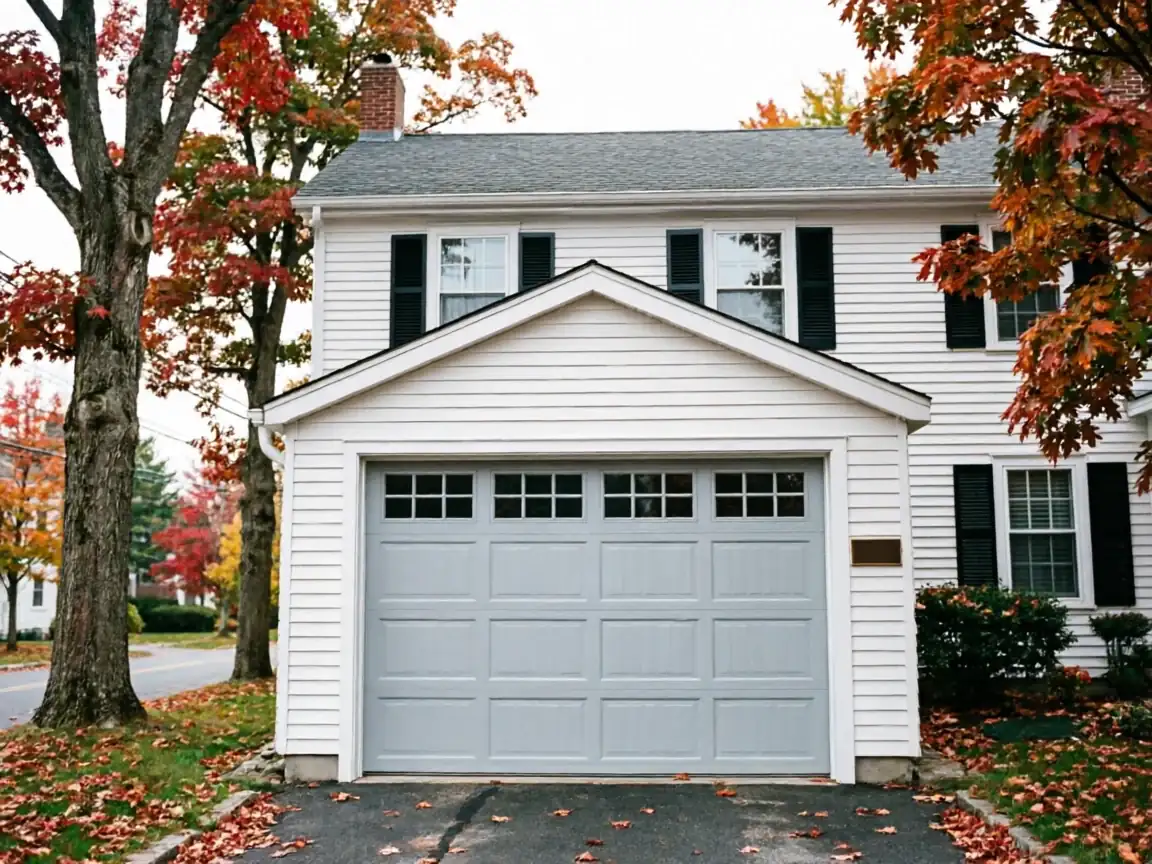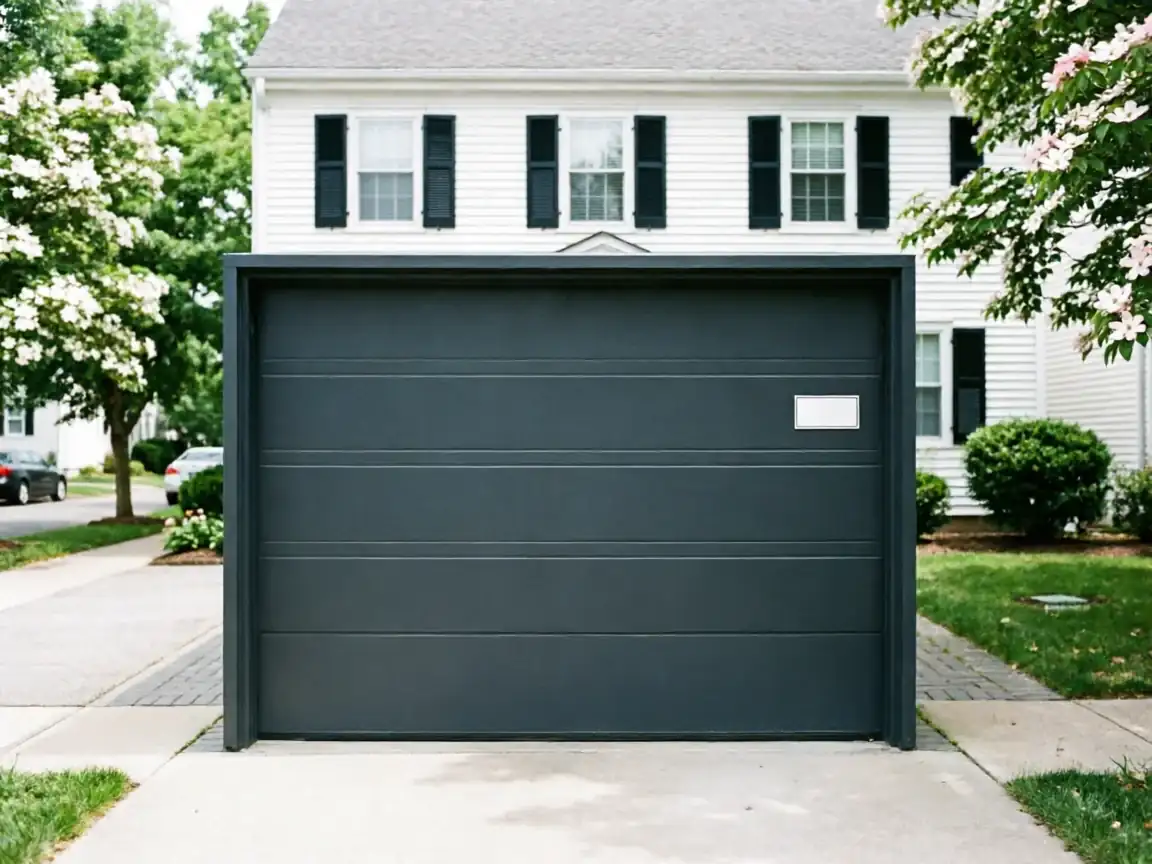
What the Fix Involves
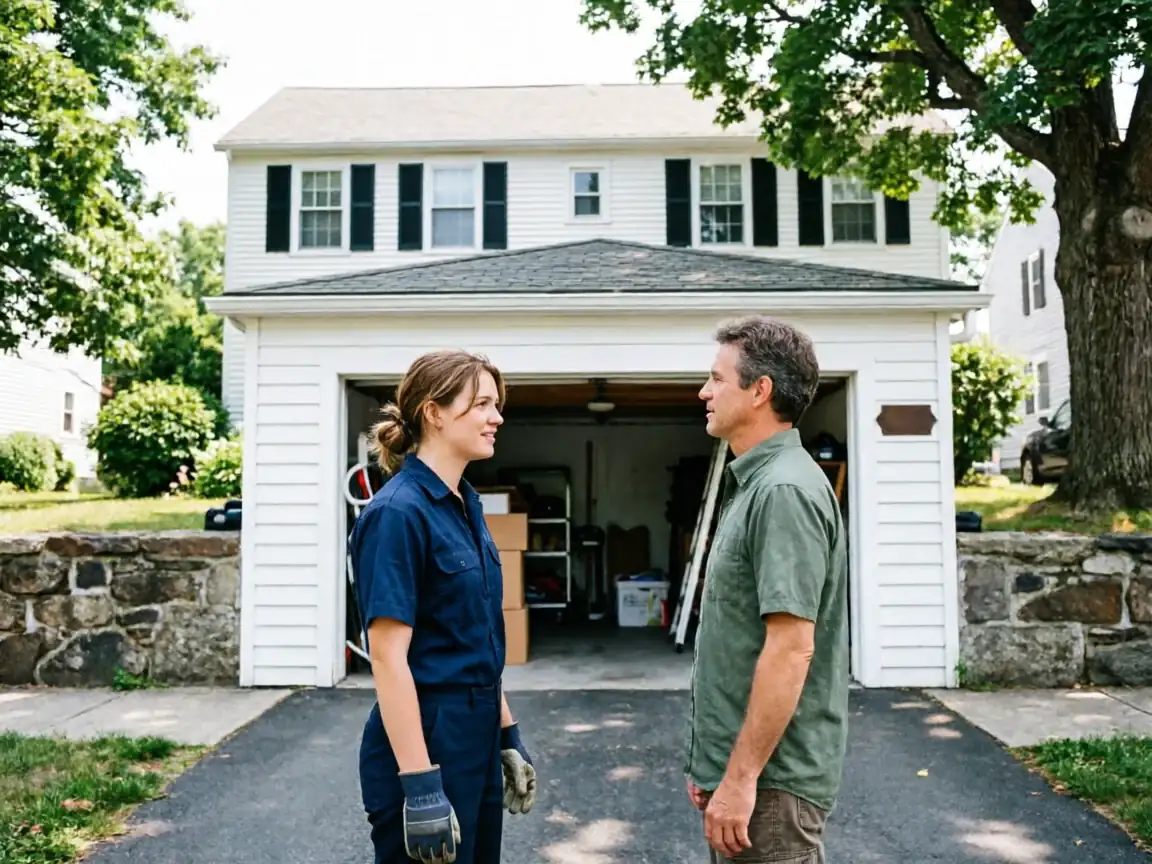
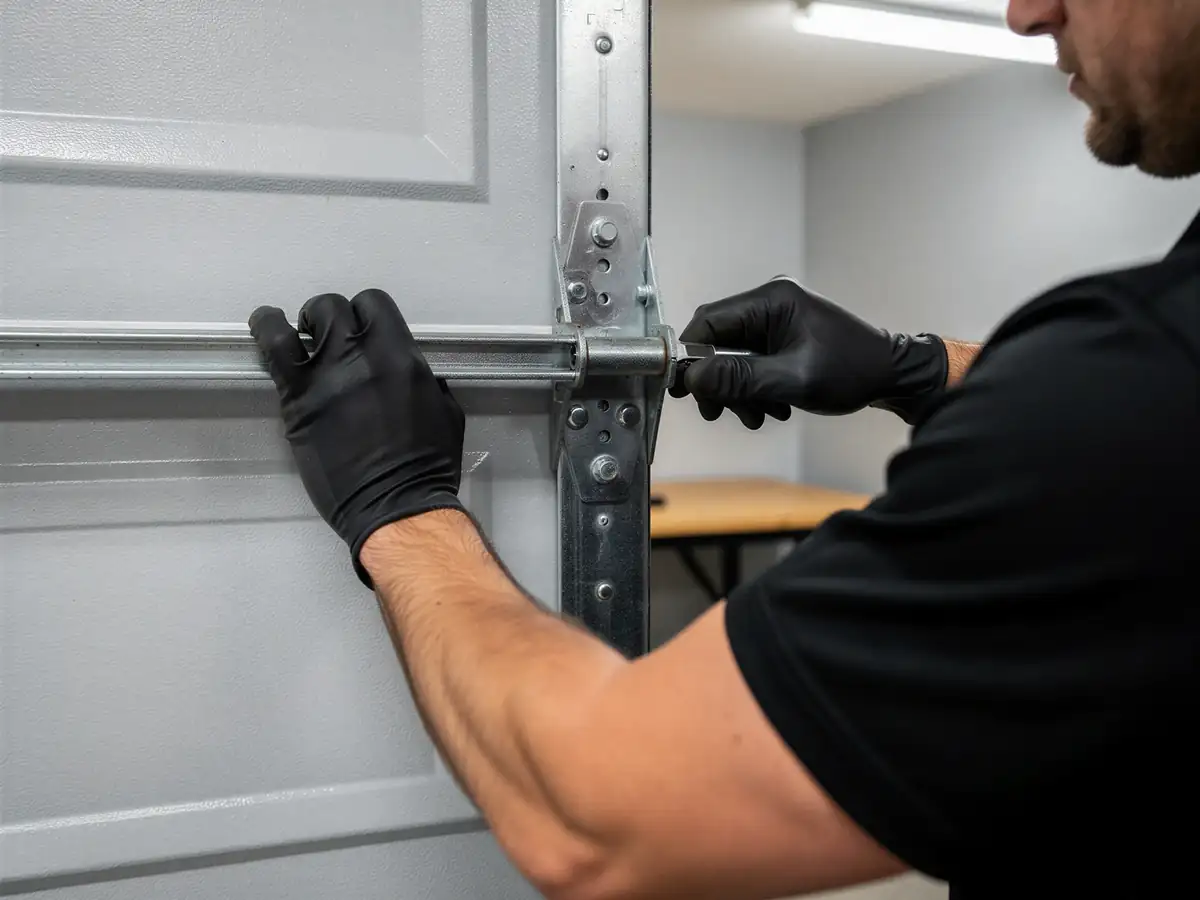
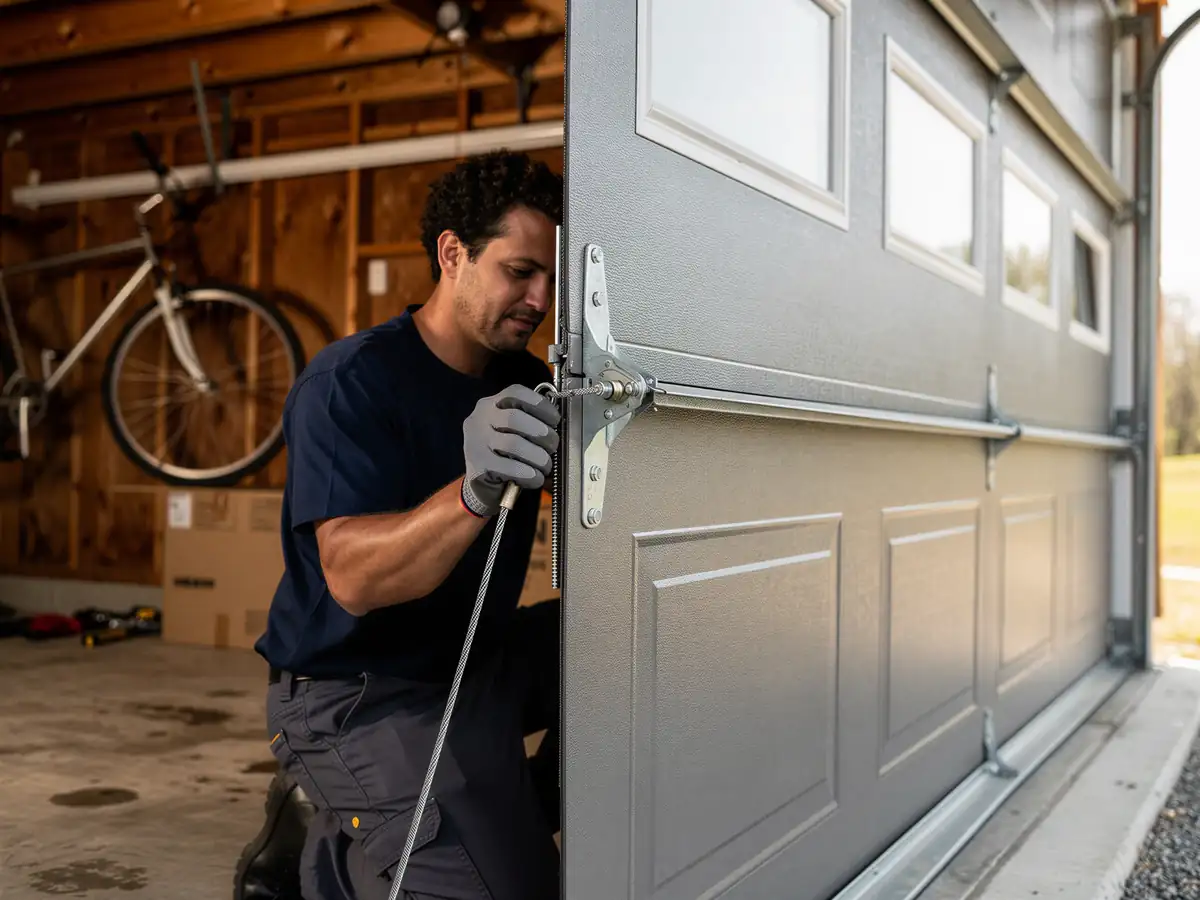
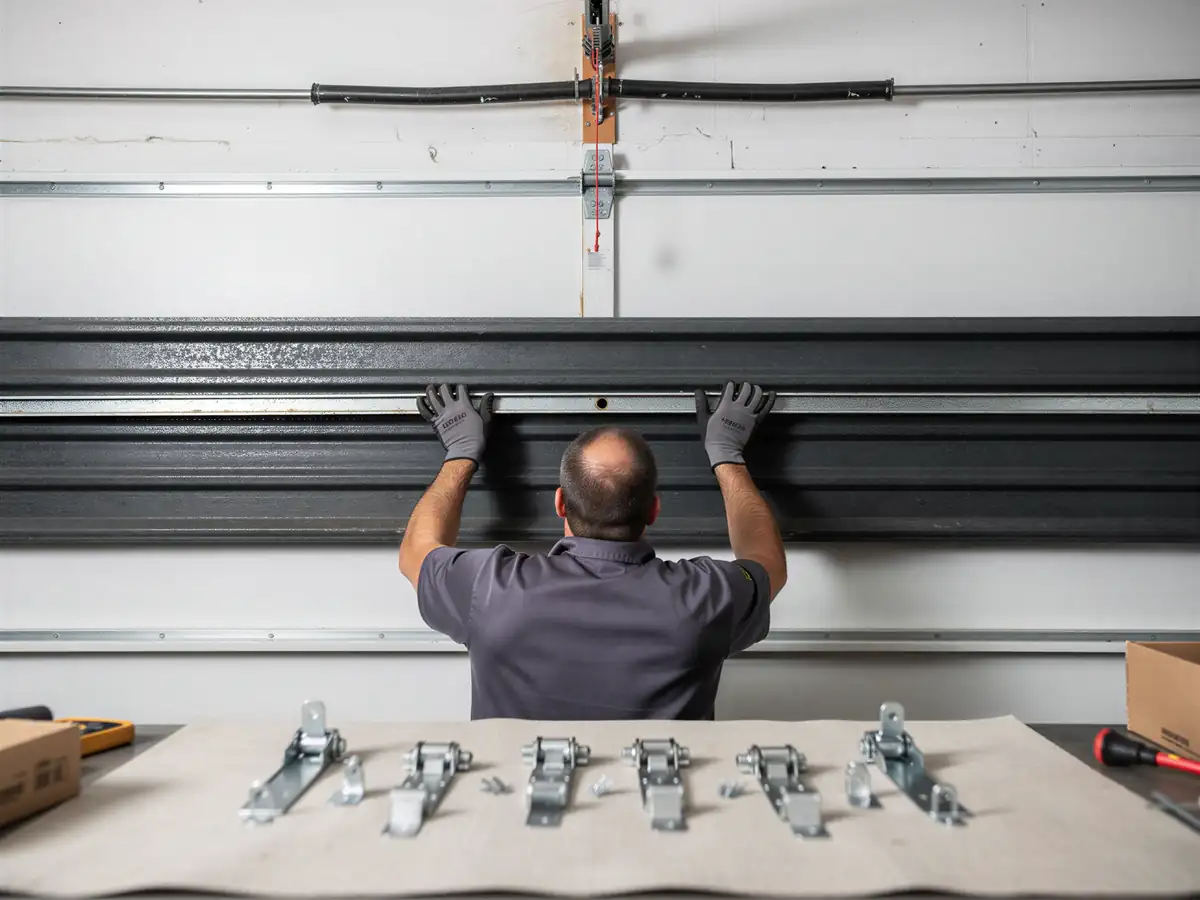
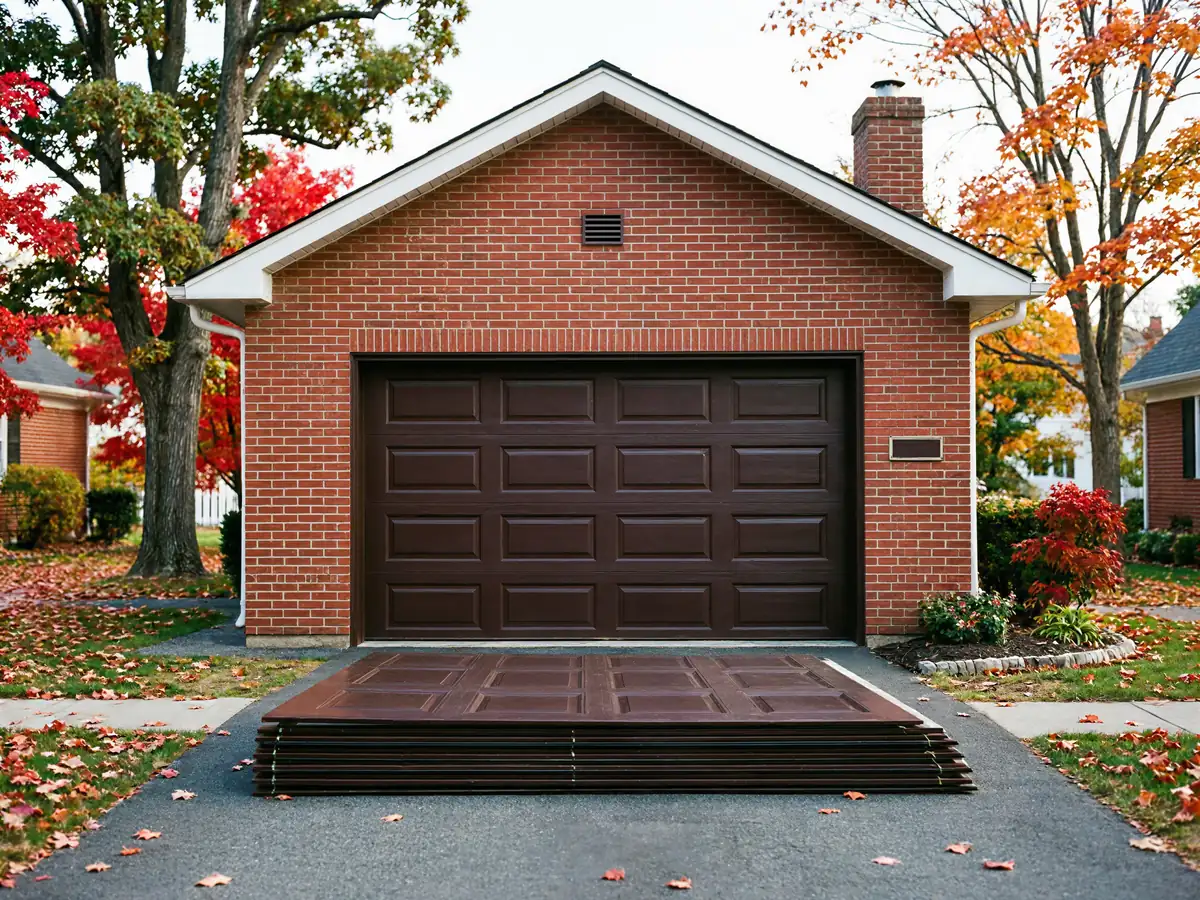
A full installation here isn't just bolting a new door into an old frame. Most homes across the Allentown area went up between 1938 and 2005, with the median build year sitting around 1964, so the opening you've got is sized to a track and header system that hasn't been standard for decades. We pull the old door, check the jambs and header for square, and size the new unit to the actual opening rather than forcing a modern door into dimensions that were never meant for it.
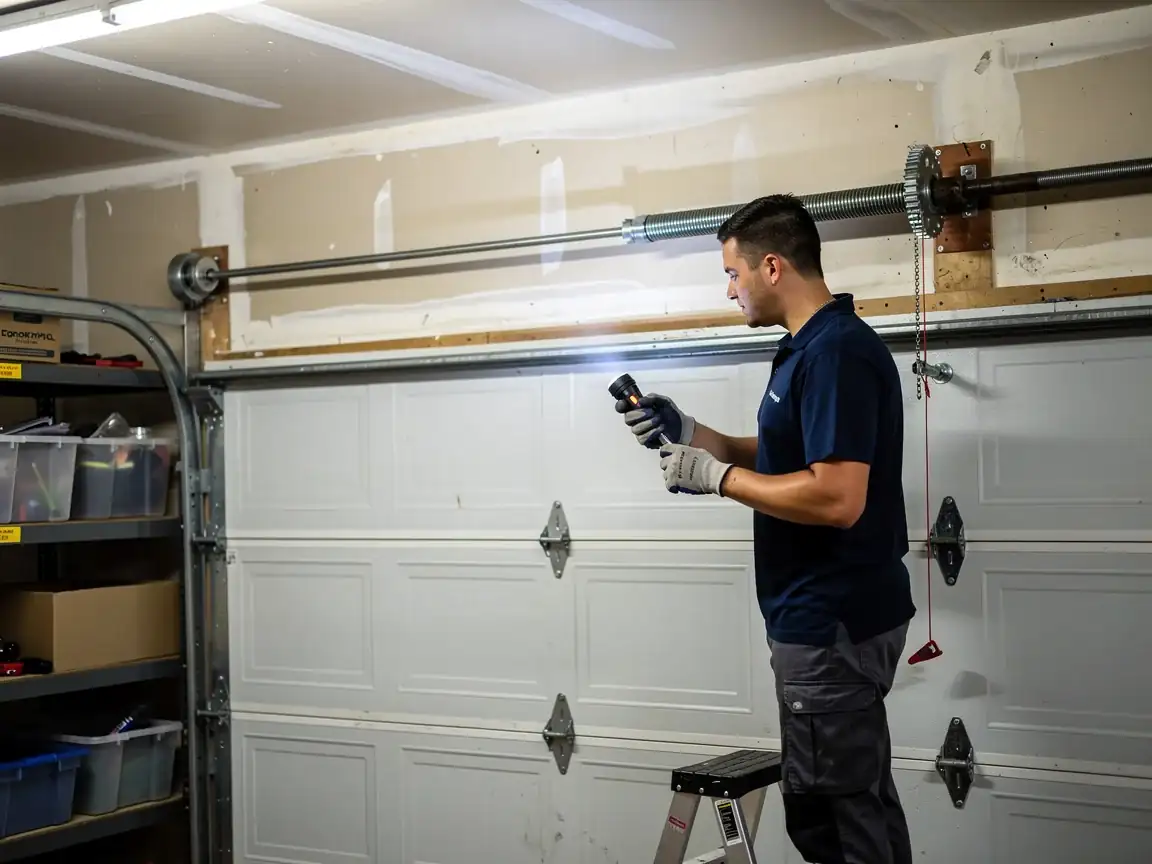
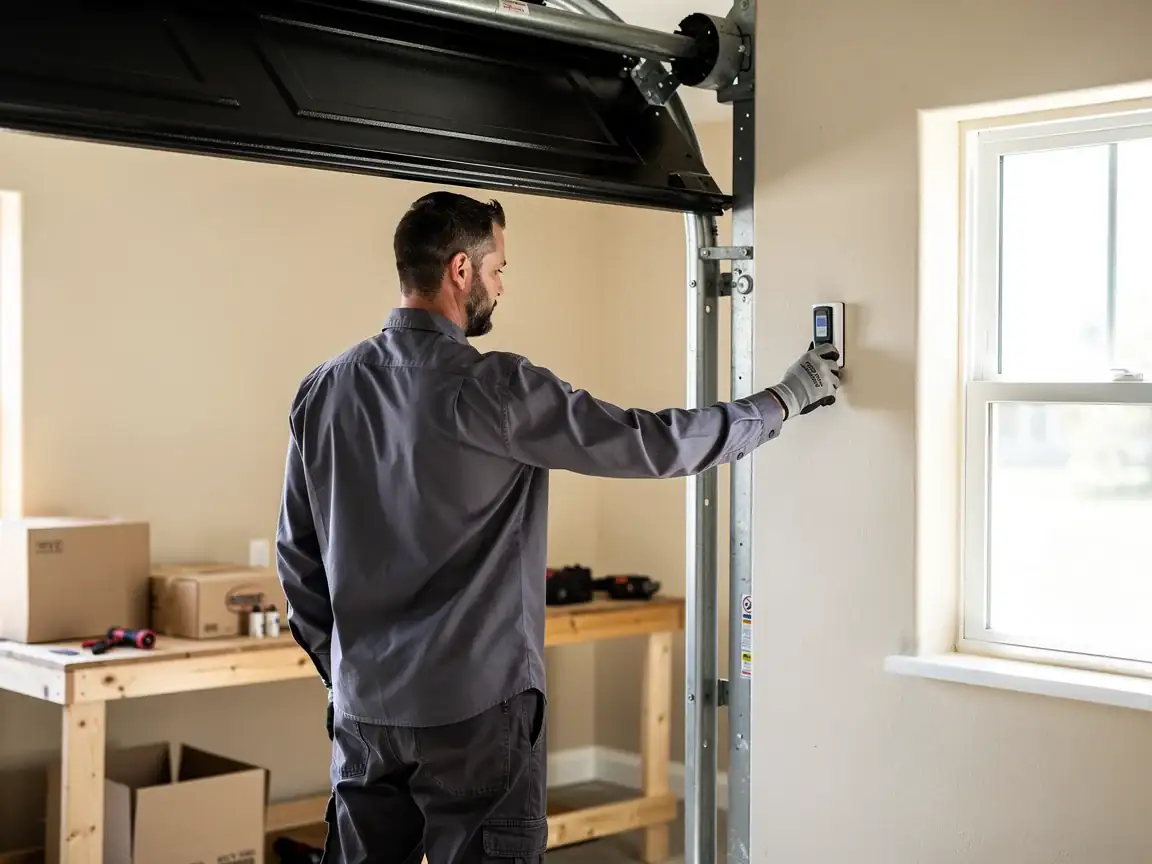
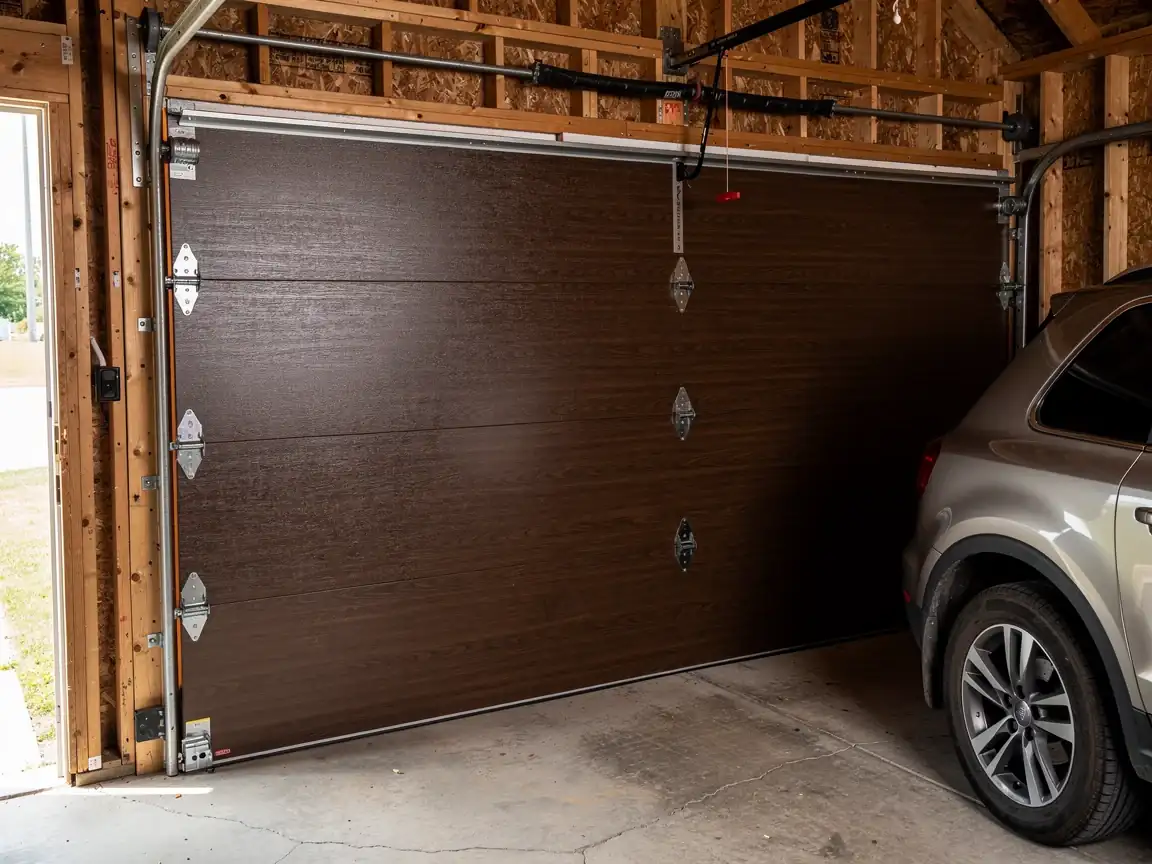
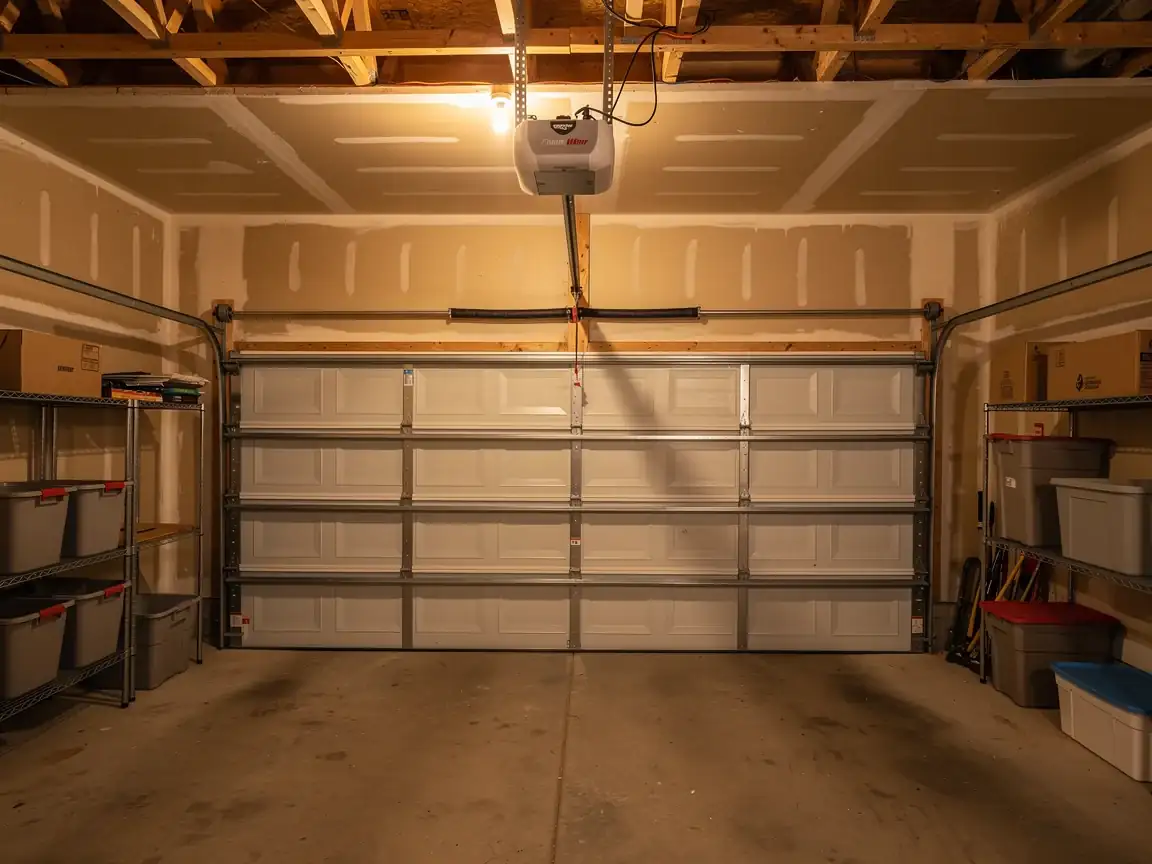
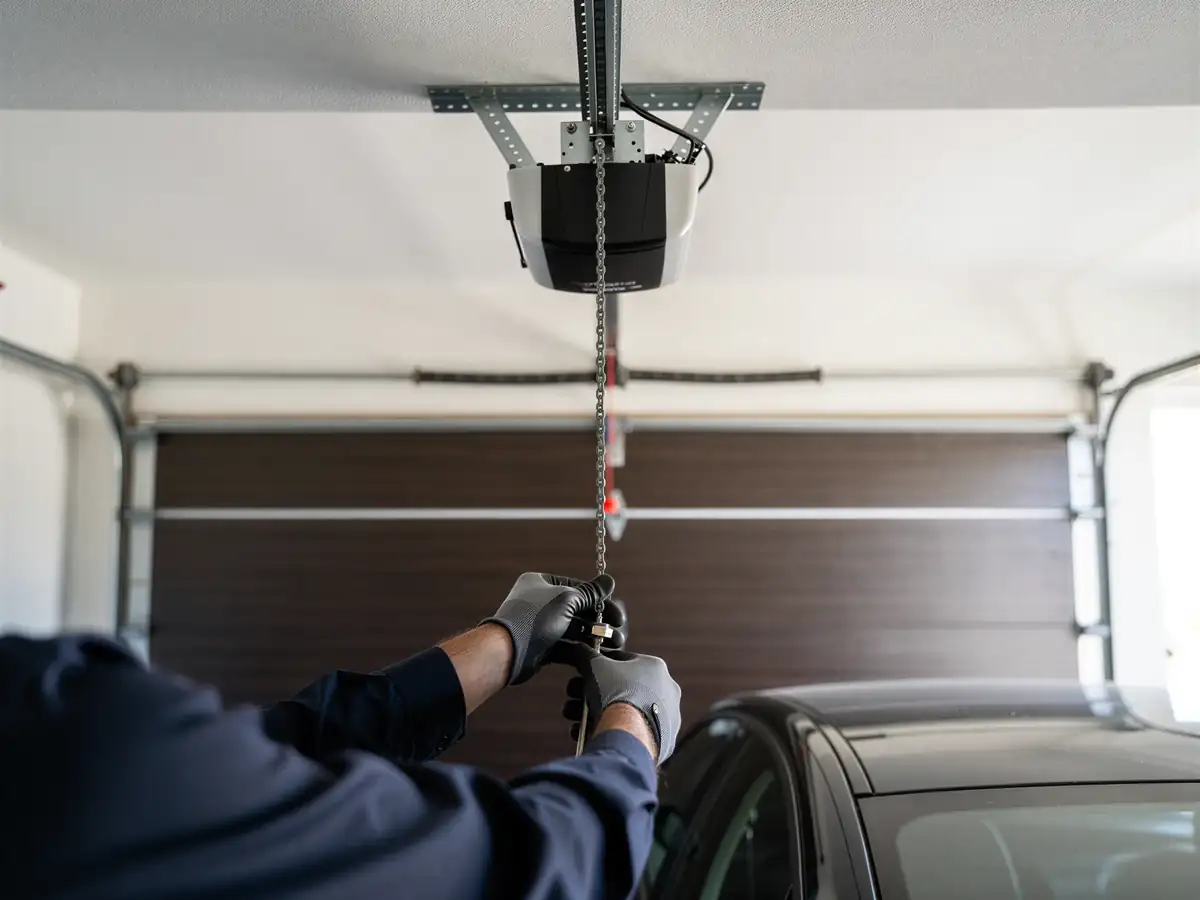
That means swapping out old wood jambs that have shifted over sixty years, resetting the track plumb, and matching insulation value to a door that's going to see real cold. We also check the opener mount, since a lot of these garages were framed before openers were standard equipment and the header may need reinforcement before we hang anything on it.
One limitation worth saying plainly: if the header or jamb framing has rotted or shifted too far out of square, that's a carpentry job before it's a door job, and we'll tell you that instead of forcing an install that won't seal right.
Why This Fails Locally
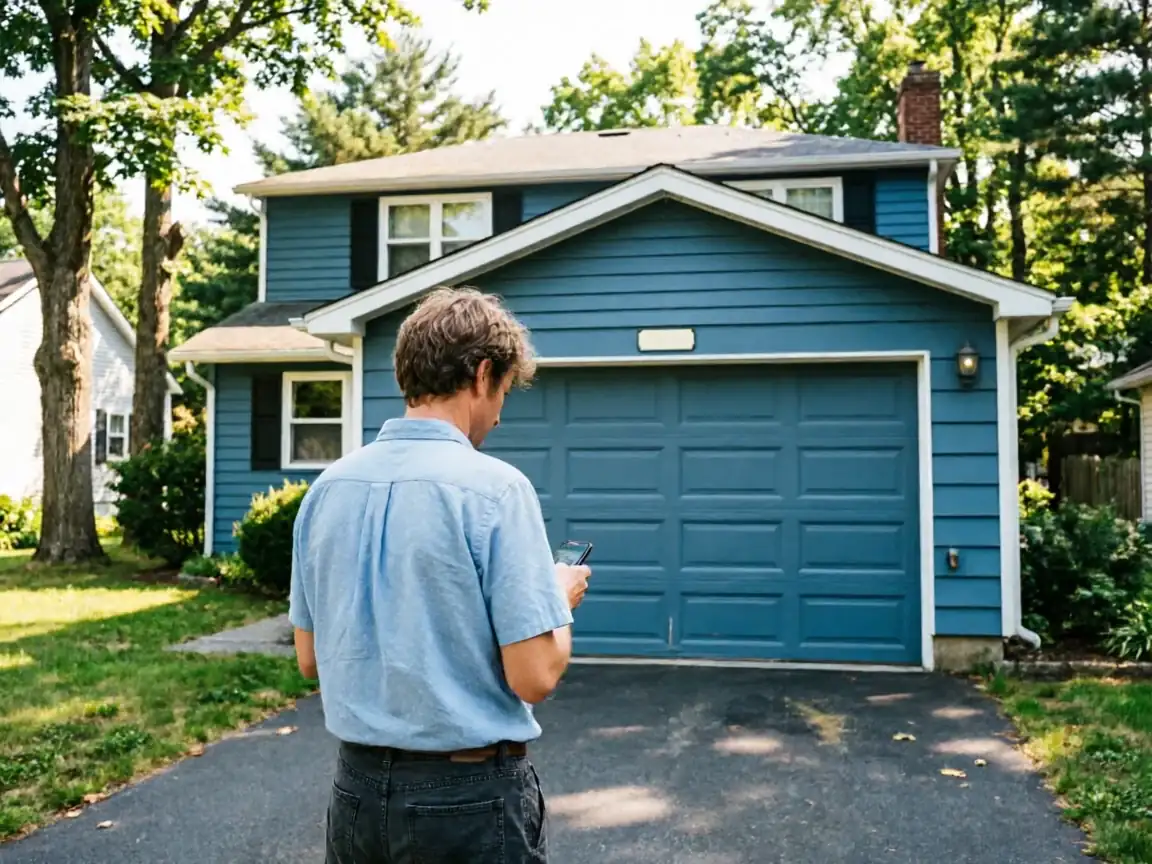
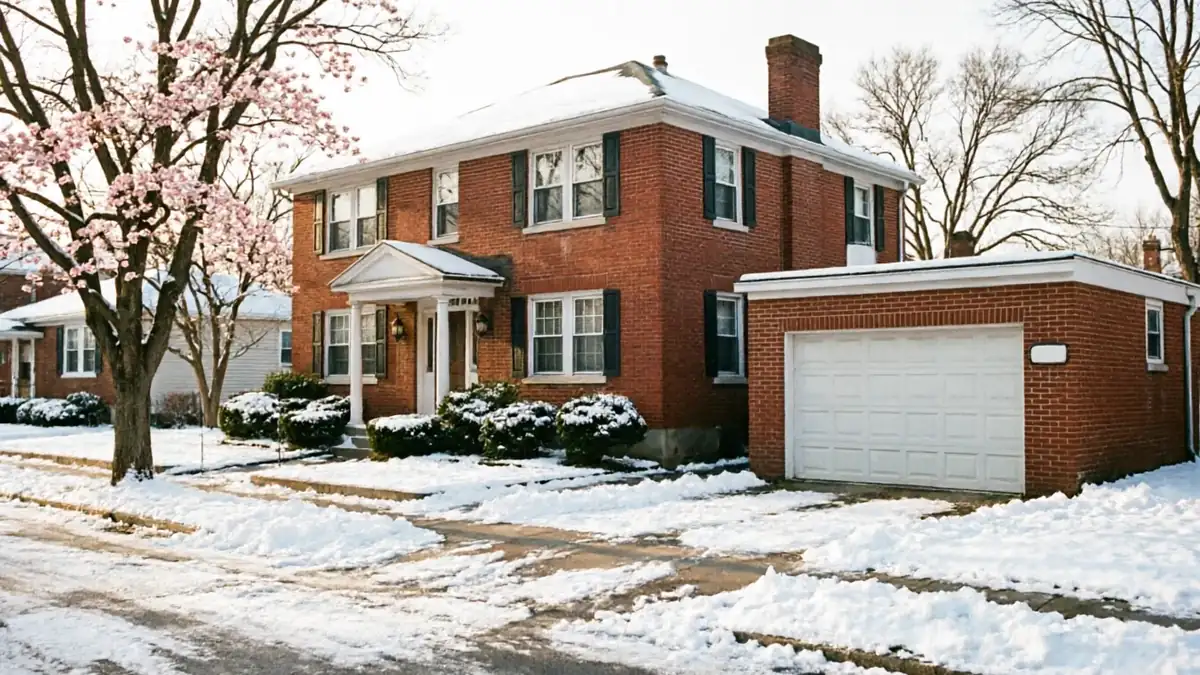
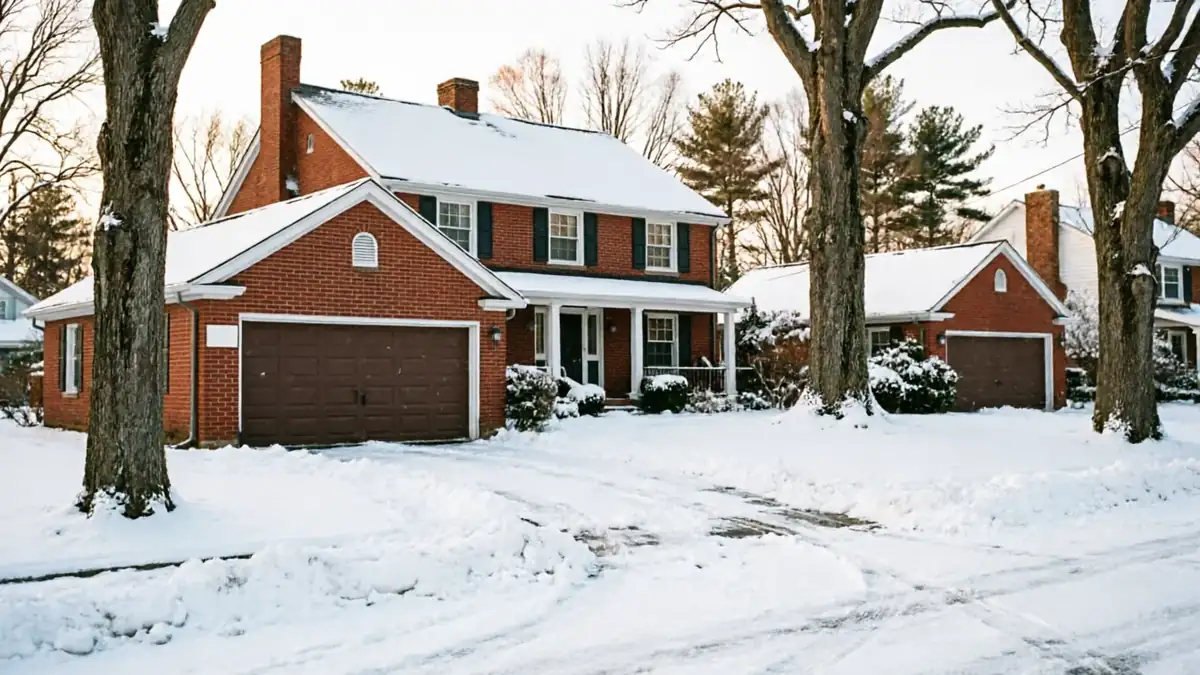
Allentown and the surrounding area sit in a severe cold climate band, and across the 52 named neighborhoods and towns in this service area, the bulk of the housing stock dates to the 1960s and 70s. That combination is the whole problem. Doors built for that era weren't insulated for the swings this region actually gets, and openings framed to older lumber dimensions don't match what a standard new door ships with today.
Over decades, uninsulated single-layer doors on these older openings let cold air sit directly against the framing, and the freeze-thaw cycle works at the jamb seams and header connection every winter. By the time a homeowner is calling for a new install, it's often because the old door has finally failed at exactly that joint, not because the door itself wore out evenly. A new install on a home like this isn't cosmetic, it's correcting for sixty years of a mismatch between what the opening expects and what cold-climate doors actually need.
Where This Job Goes Sideways
The trouble spot on these older Allentown-area homes is almost always the header-to-jamb connection
Not the door panel itself. We see it on houses from Fullerton to to the older blocks closer to the city center: a homeowner orders a standard-width insulated door, and it doesn't sit flush because the original framing was never squared to today's manufacturer tolerances.
The other place this goes wrong is track clearance
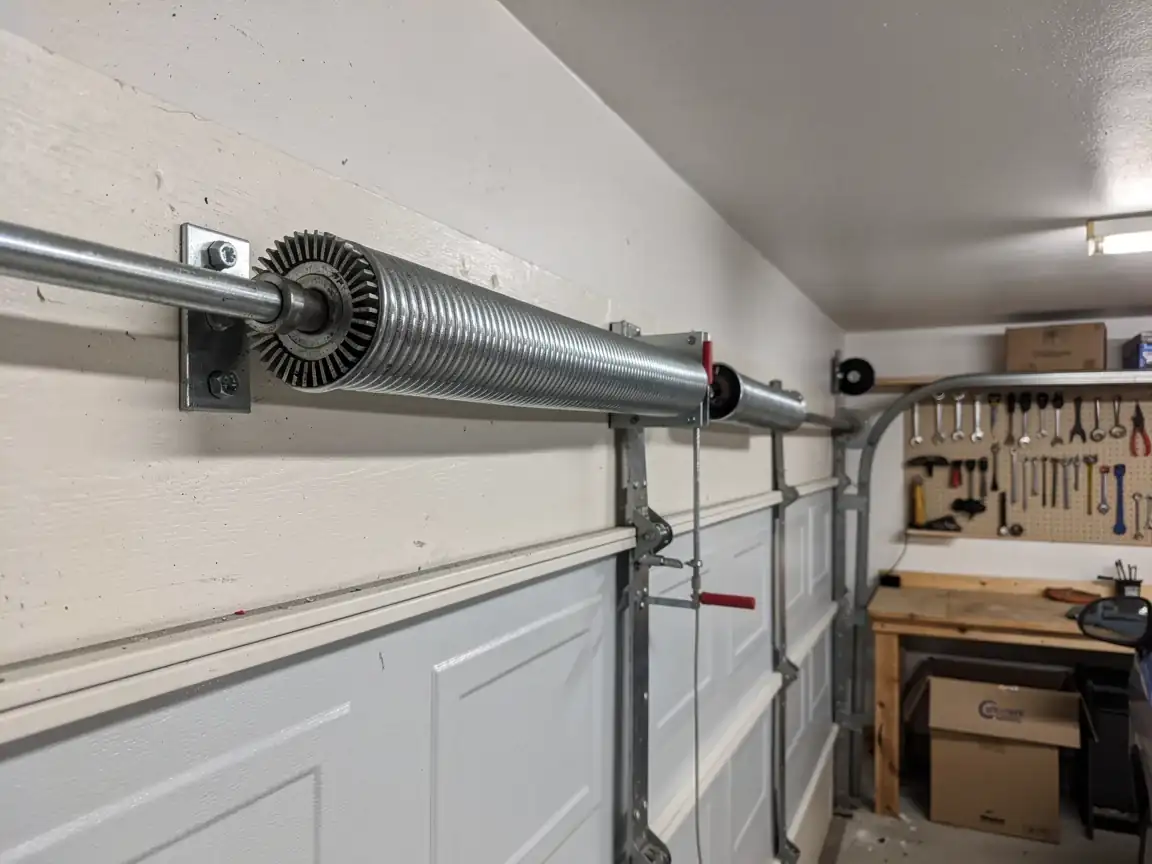
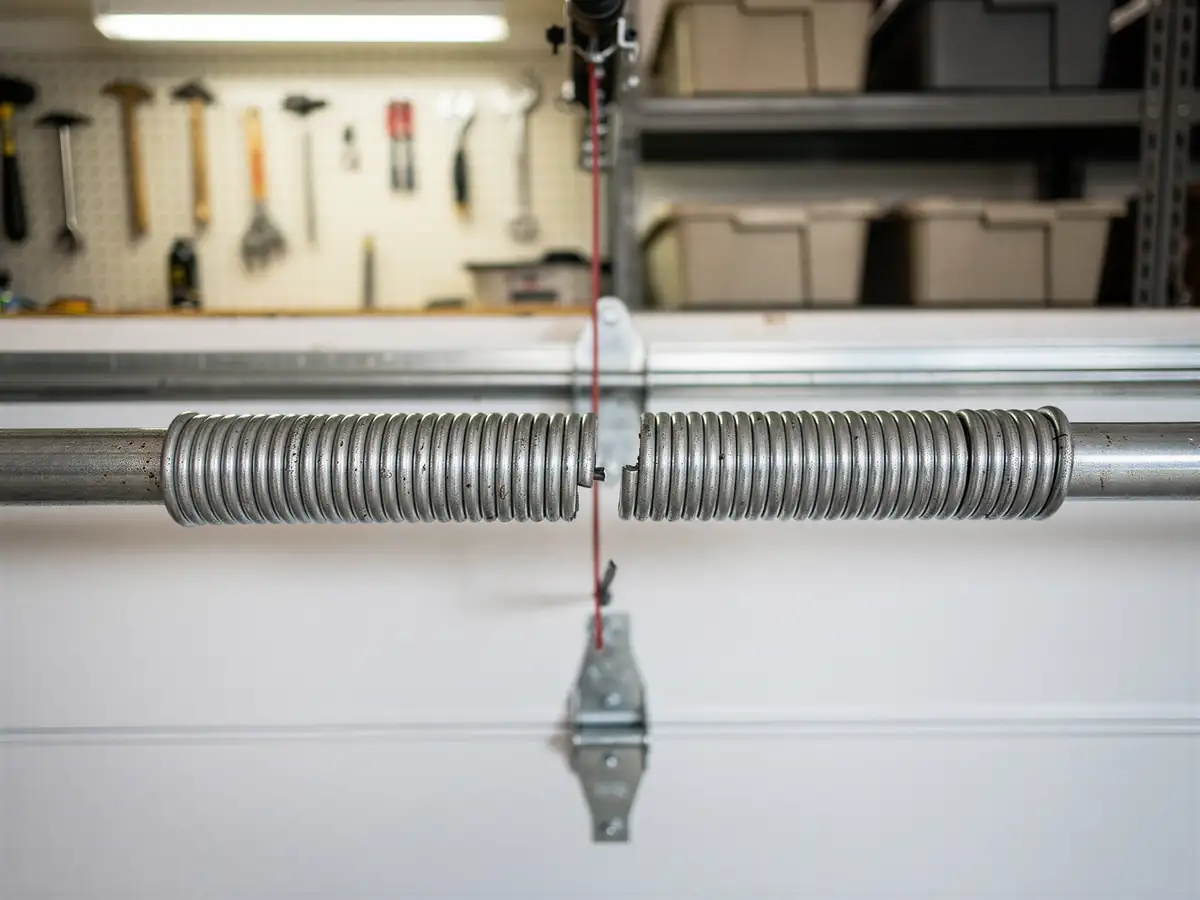
A lot of these garages were built with less headroom than current opener and spring systems need, especially on homes built before openers were common equipment. If nobody measures that before the door shows up, you end up with a door that physically can't travel its full path, or a spring system mounted too close to the header to service safely later.
We measure both before ordering, not after delivery
It costs an extra visit up front, but it's cheaper than a redo.
The Symptom
The giveaway on a house like this is usually daylight. You crouch down at the bottom corner of a closed door on an older Allentown-area home and see a gap at one side that wasn't there last winter, or you feel a draft along the top seal that tracks straight back to a header that's shifted slightly out of square over the decades. That's not a door wearing out evenly across its face, that's framing movement that's finally outpaced the seal.
The other common symptom is an opener straining on a door that was never insulated to begin with: it worked fine for years, then one cold snap and the door feels heavier, because the steel panel itself has contracted slightly and the fit against the track has tightened. Either symptom on a home built in this era, in this climate, usually means the fix is a new door and matched hardware, not another patch on the old one.