Serving Allentown, PA & nearby
(610) 822-7759
Allentown, PA

What Actually Happens When You Call Us Out

A plain look at what happens when you call for a garage door in Allentown, from the 1960s-era housing stock to cold-climate wear on springs and tracks.

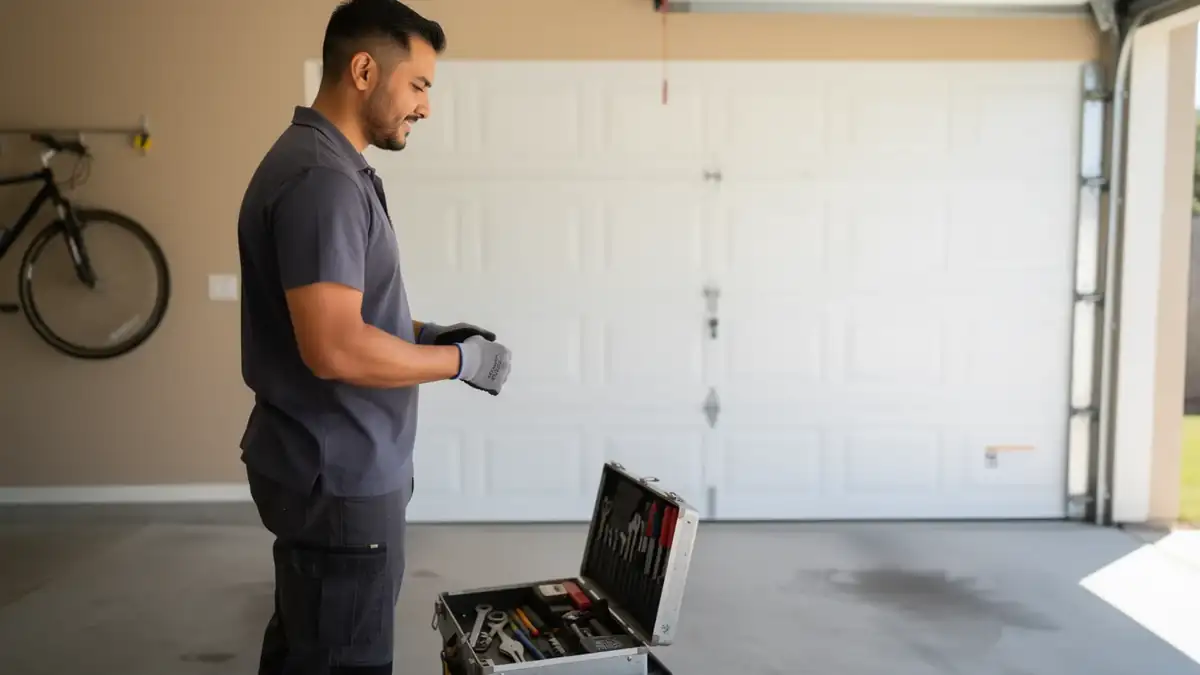
A technician wearing gloves stands in a garage with an open toolbox and a white garage door.

What to Look At First

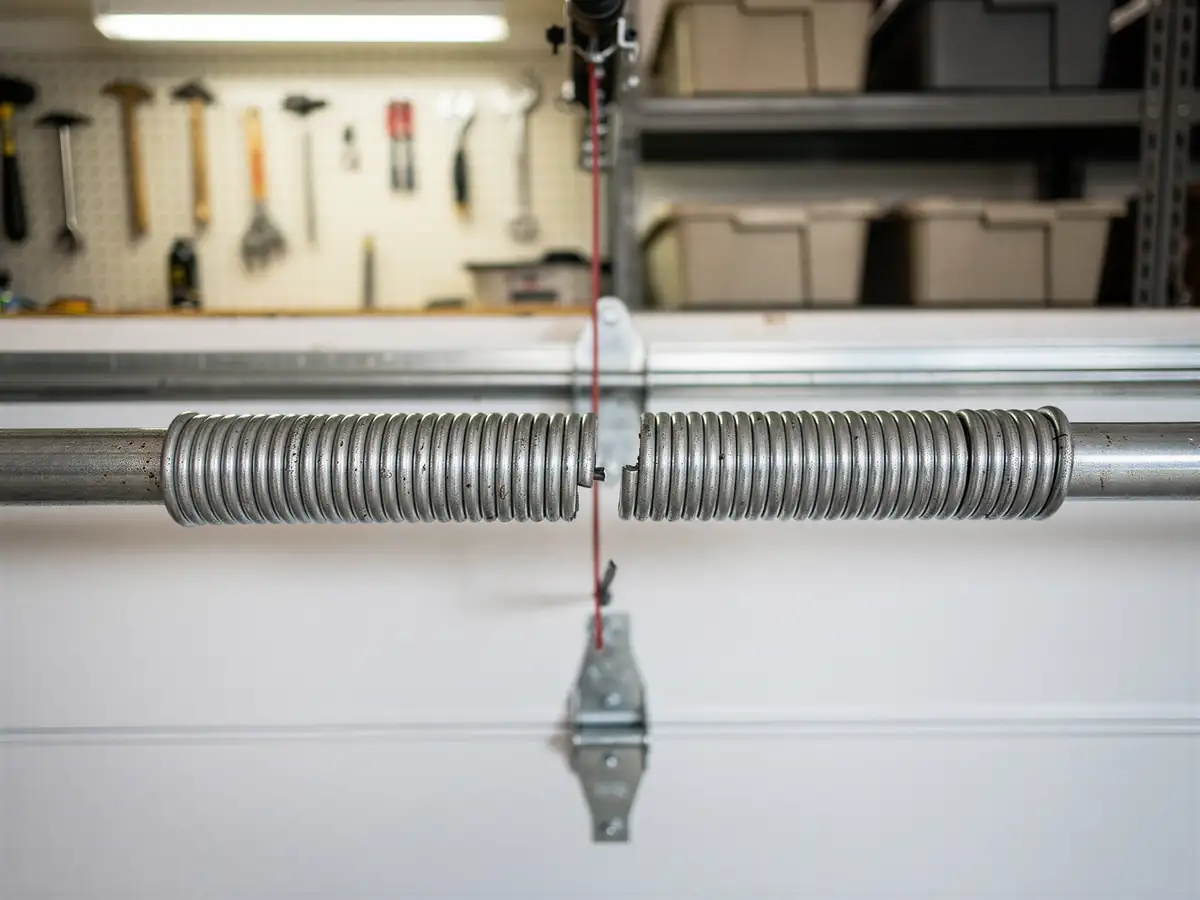
Before you pick up the phone, walk out and look at three things: the springs (the two coils above the door, or the single torsion bar above the opening), the tracks on both sides, and the bottom panel where the door meets the slab. In Allentown, most of the housing went up between 1938 and 2005, with the bulk of it dating to the 1960s and '70s. That matters because a door from that era is often on original hardware, or a replacement door bolted onto original hardware, and the two don't always match. If the door is sagging on one side, or you hear a bang followed by the door refusing to move, that's almost always a broken spring, not the opener. If the door reverses halfway up and won't finish, look at the tracks for a dent or a bent section before assuming the motor's bad. Write down what you see. It saves time on the phone and it tells us what to bring on the truck, because a torsion spring kit for a 1960s door with side-mount hardware is not the same part as a kit for a door installed in the last ten years.

When to Call Someone

Call right away if a spring has snapped - you'll usually hear it, a loud bang, and the door will feel heavier or refuse to lift. Don't try to free it yourself; a wound torsion spring under tension is the single most common injury we see called in after the fact. Call soon, not urgently, if the door is noisy but still operating, if the opener runs but the door lags behind it, or if you're noticing more resistance on cold mornings than you did in October. Given the COLD severe climate band this area sits in, lubricant that worked fine in August can gum up by January, and that shows up first as a door that's slow to respond, not one that's stopped. You don't need to call for routine noise that's been there for years and hasn't changed, or for cosmetic wear on an older panel that still seals and closes square. Save the call for a change in behavior, not a constant.

What Is Going On

Across the area we work in, there are 154,639 households and 54,983 owner-occupied houses, spread over roughly 52 named neighborhoods and small towns stretching from Fullerton and Catasauqua a few miles out to places like Quakertown and Nazareth further afield. That spread means the doors we see on a given week range from original 1960s steel doors still on their first torsion spring to newer insulated doors installed during a remodel. A service call almost always starts with us asking when the door or opener was last touched - not because we're stalling, but because a door untouched since the house was built behaves very differently from one serviced five years ago. The median household income here is $82,797, which is relevant mostly in one practical sense: most of the calls we get are repair calls on an aging door, not full replacements, because a spring or roller fix on a door from that 1964 median build year is almost always the more sensible spend than tearing out a door that still has good bones.

How Local Conditions Play In

Cold severe winters do two specific things to a garage door here that milder climates don't deal with as much. First, steel contracts in hard cold, which tightens tolerances on tracks that were already slightly out of plumb from forty or fifty years of settling - common in housing built in that 1938 to 2005 range, median 1964. Second, grease and lubricant that's thin enough to move in summer heat can stiffen up overnight once temperatures drop hard, and a stiff opener chain under load is one of the more common reasons we get called for a door that 'stopped working' when really it just slowed down enough to trip the safety sensor. None of this means every door needs a winter service call. A door that's been lubricated with the right product and has its hardware in decent shape rides out a cold snap fine. The honest limitation here: we can't predict exactly when a given spring will go, only that age plus cold cycling shortens the window, and a door already showing slack cable or a bent track going into winter is the one worth looking at before the cold sets in, not after.
How it works

From “it’s stuck” to “it’s fixed”

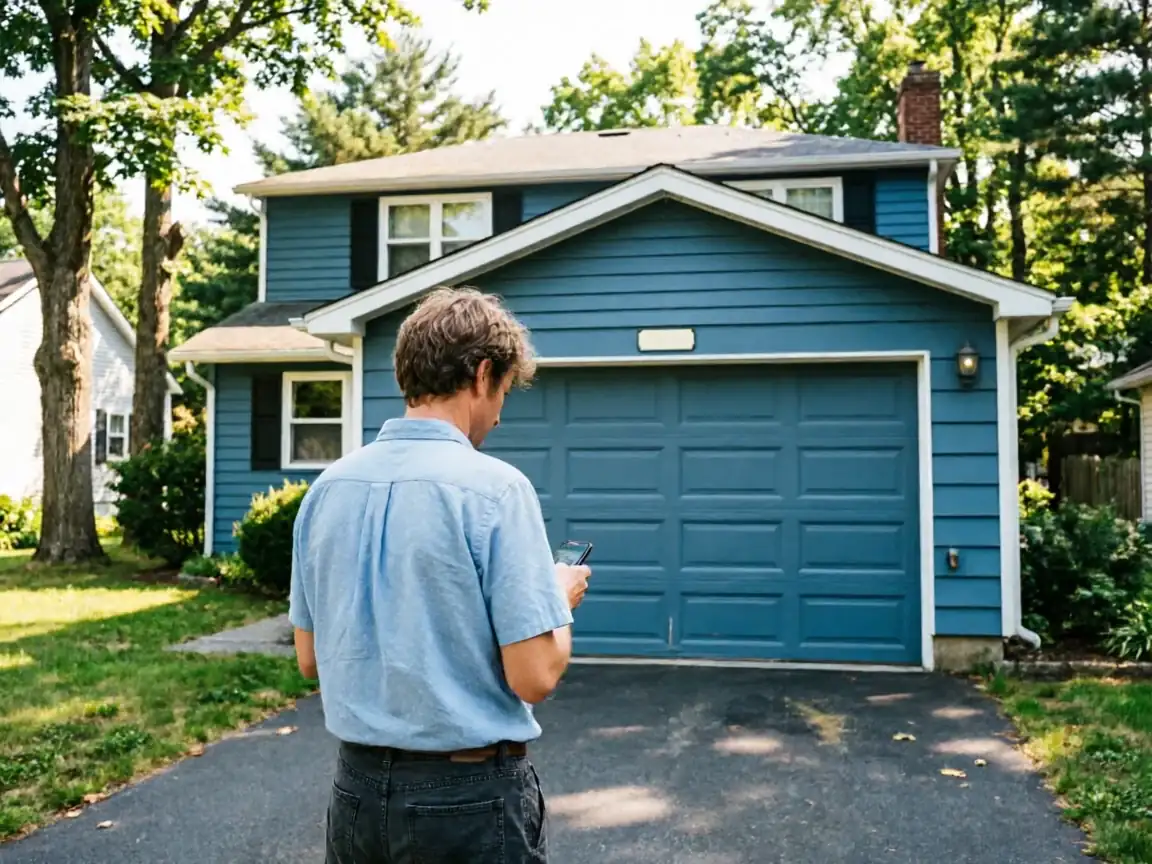
A man stands in a driveway looking at his phone in front of a blue house.

Tell us what’s wrong

Describe the symptom - won’t open, loud bang, opener runs but the door won’t move.

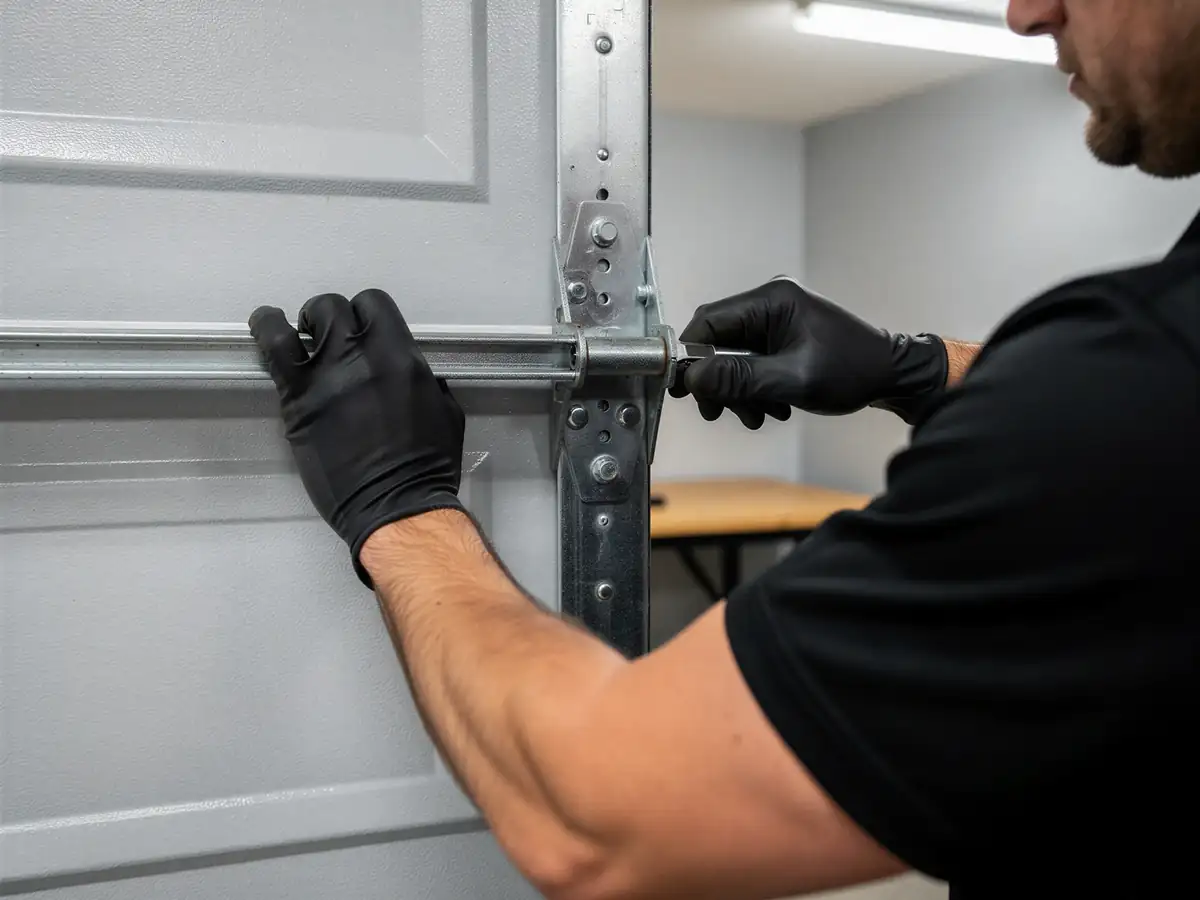
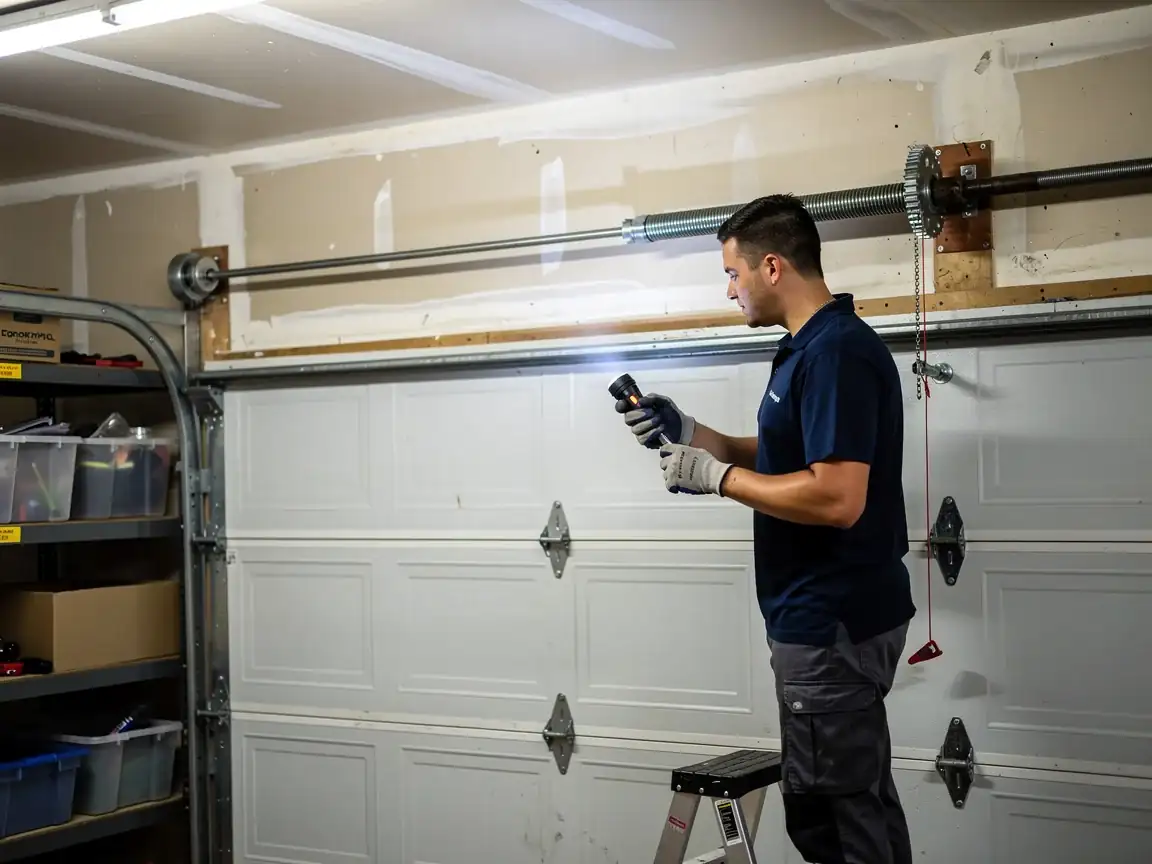
A technician shines a flashlight on a garage door torsion spring.

On-site diagnosis

A technician tests the door under power and by hand and finds what actually failed.

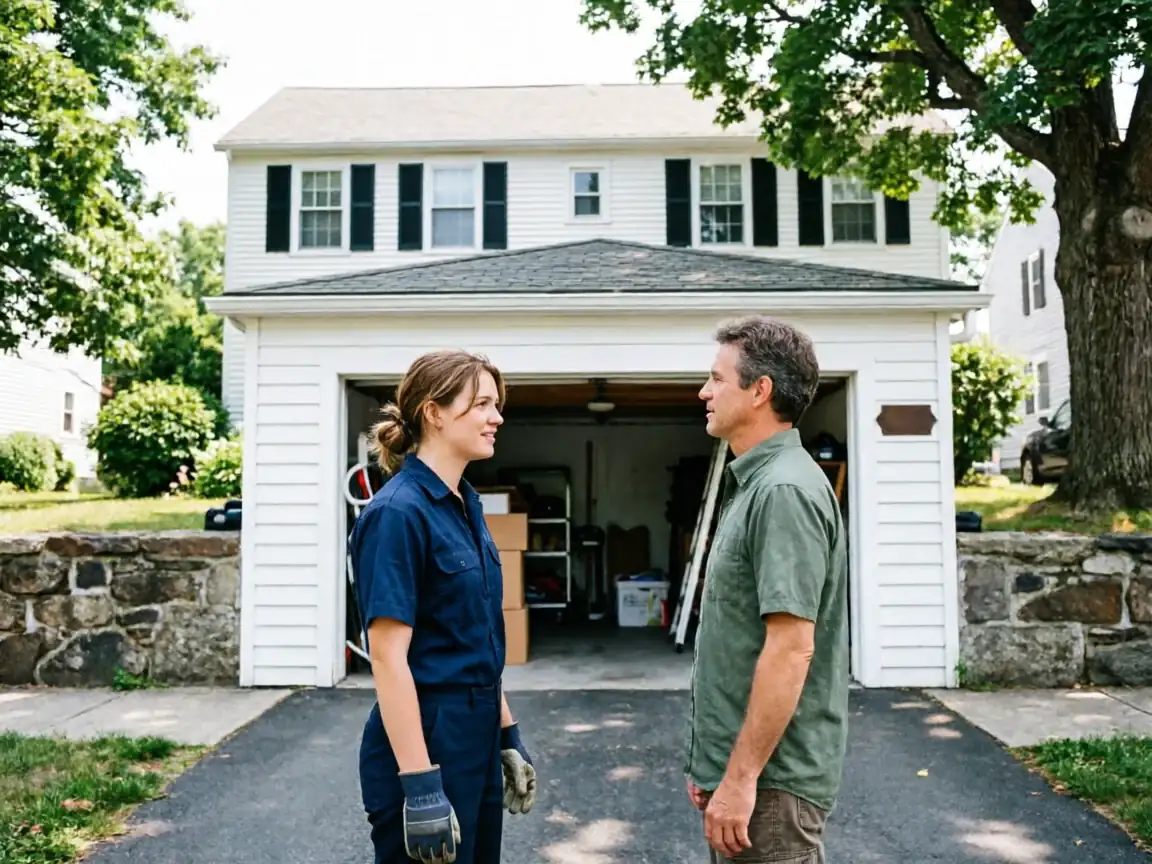
A technician in a blue uniform stands facing a man in a green shirt.

Clear, up-front plan

You get the fix that’s needed and what drives the cost - before any work starts.

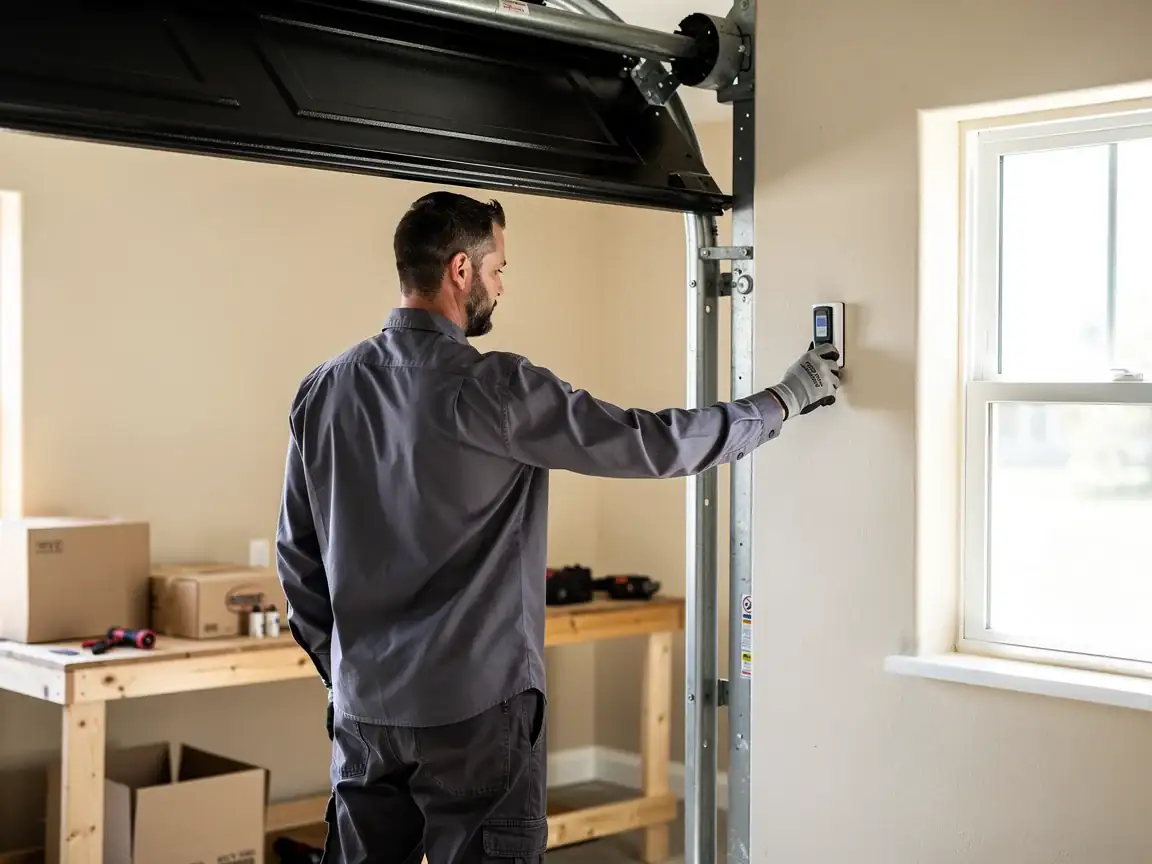
A technician adjusts a garage door opener control panel on a wall.

Repaired & tested

The repair is done, the door is set true and tested, and the work area left clean.

Not sure which repair your door needs in Allentown, PA? Describe what it’s doing - every job starts with a diagnosis.

How we work

What to expect

Diagnosis first

Every visit starts by finding what actually failed - not a pre-written parts list.

The right part for the door

Springs and openers matched to the door’s weight and age, so the fix holds up.

Straight answers

When a repair makes more sense than a replacement - or the reverse - you hear it plainly.

Clean, careful work

Tension released safely, hardware set true, the door tested under power before we leave.

What we do

Garage Door Services

Repair and installation work for Allentown homes and businesses.

Questions

Frequently asked

Straight answers about garage door repair in Allentown. Still unsure? Ask us directly.

Is a garage door service call different in winter here than in summer?

Yes, somewhat. Cold severe conditions stiffen lubricant and tighten metal tolerances, so a door that's marginal in October can act up by January. We check spring tension and lubricant condition specifically for that reason during colder months, since those two things are what the cold actually affects.

My house is older - does that change what you look for?

It can. Housing in this area was mostly built between 1938 and 2005, with a lot of it dating to the 1960s and '70s. Older doors are more likely to be on original hardware, so we check whether the track and spring sizing match the door itself before doing any repair.

Do you serve towns outside Allentown?

We work across the surrounding area, including towns like Fullerton, Emmaus, Catasauqua, Whitehall, and others within roughly a 15-mile radius. If you're unsure whether your address is in range, ask when you call.

Is it ever better to replace the door than repair it?

Sometimes, yes. If the door itself is failing structurally - not just a spring or roller - replacement usually makes more sense than repeated repairs. We'll tell you straight if that's the case rather than keep patching an older door.

Ready to get your garage door sorted?

Tell us what it’s doing and where you are in Allentown - we’ll take it from there.

Request a QuoteCall