What to Look At First
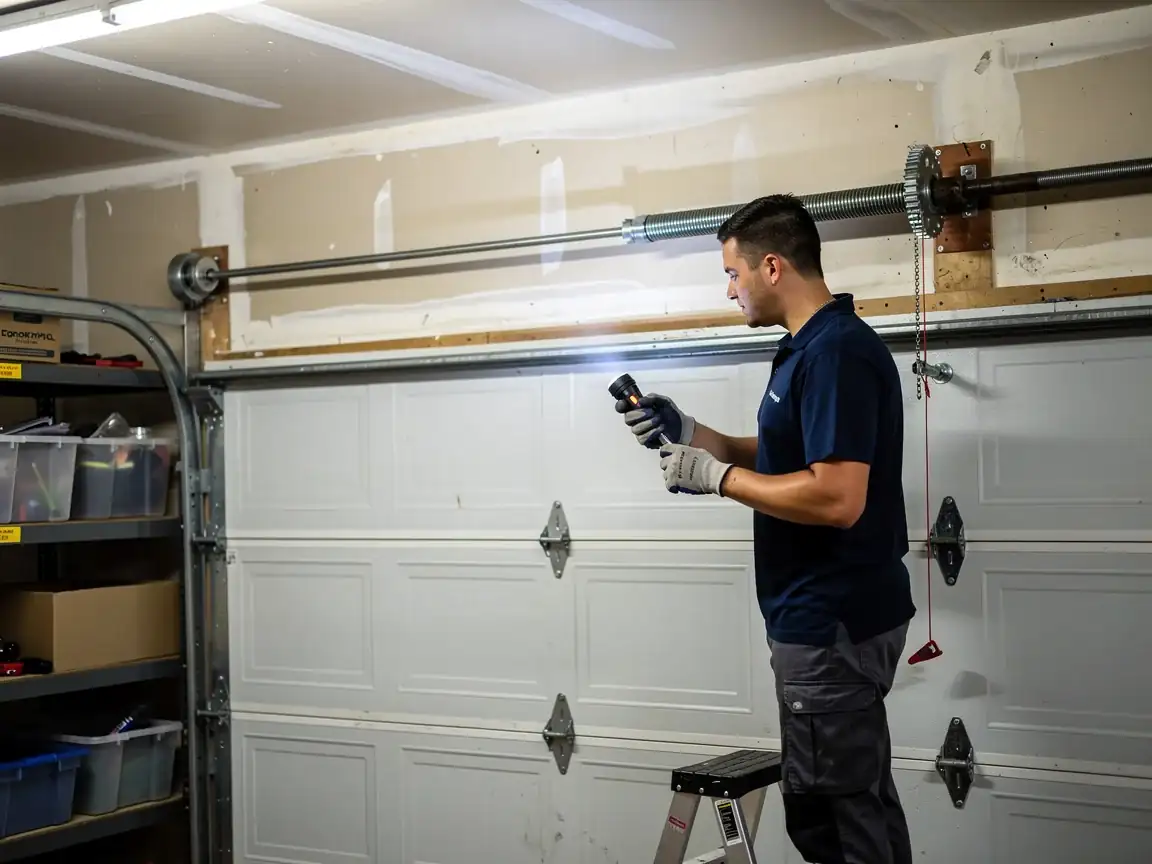
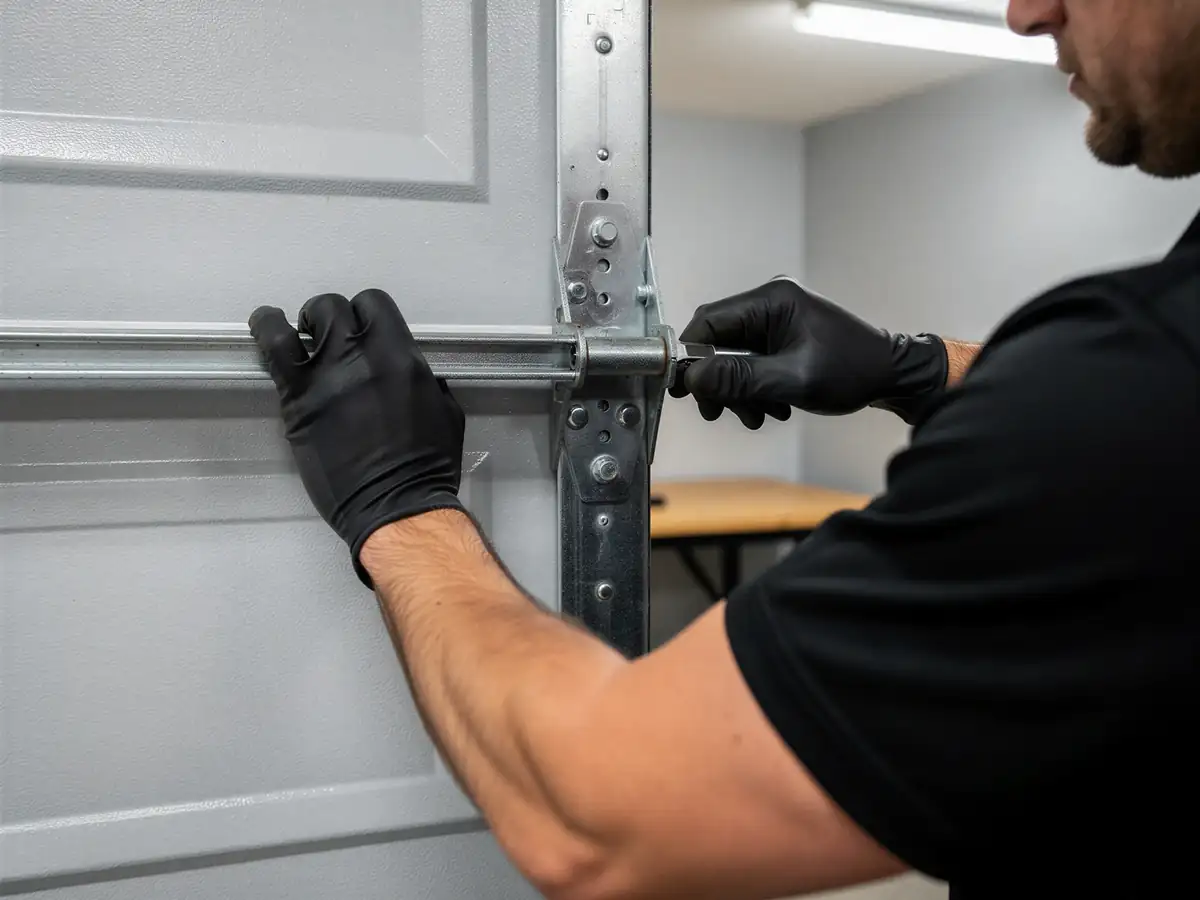
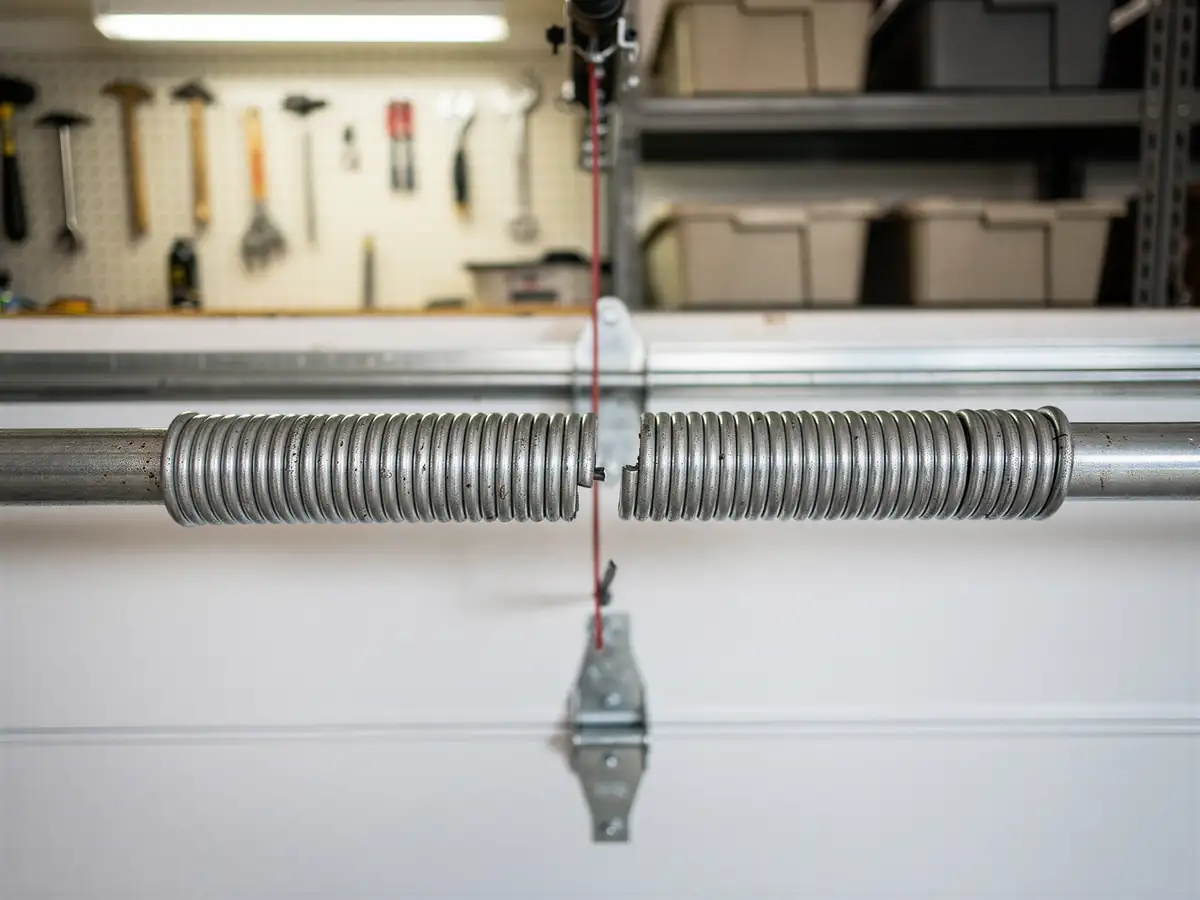
Start with your eyes, not the opener button. Most houses in this part of the Lehigh Valley went up between 1938 and 2005, with a lot of that stock clustered around 1964, so a good share of doors on this side of town still run on the original torsion hardware. Look above the door at the horizontal shaft. A broken spring usually shows as a visible gap in the coil, sometimes with the two halves pulled apart an inch or two. If the door is a two-spring setup, check both sides - one can fail while the other holds, which is why the door may still move but drags hard to one side.
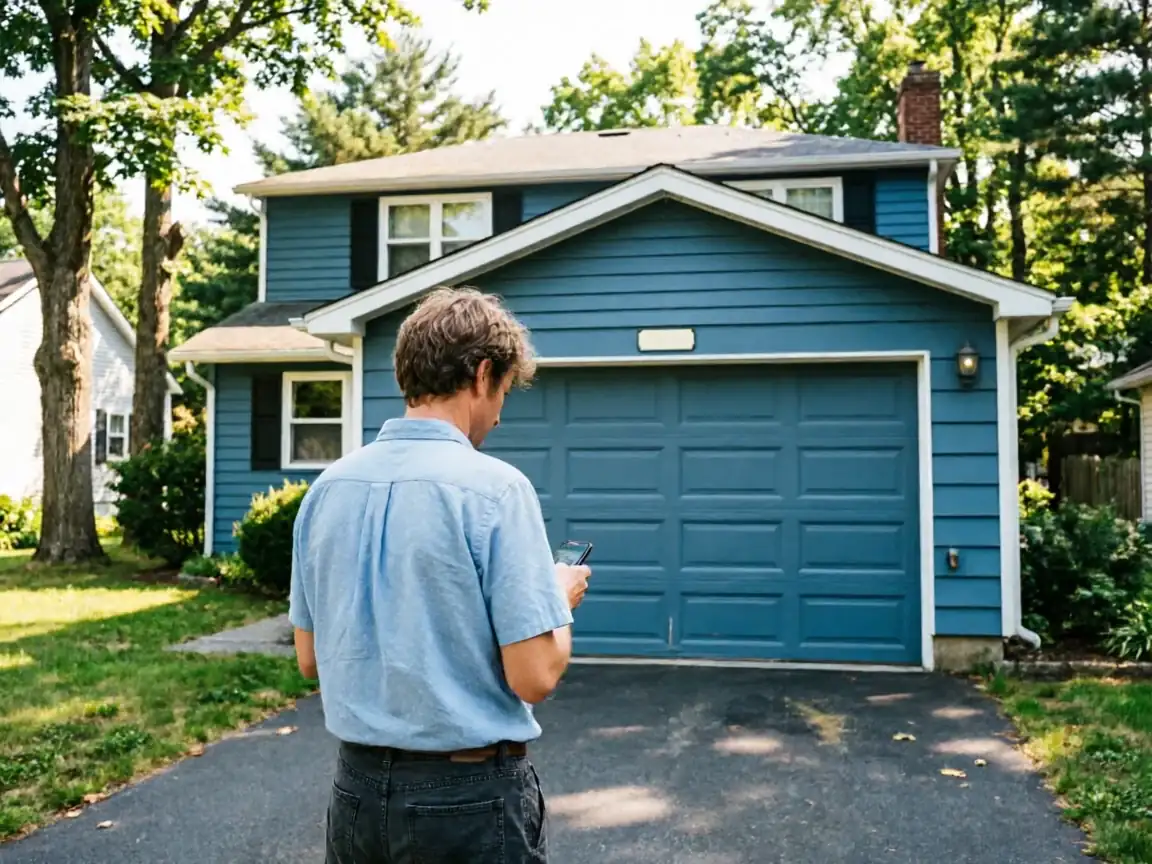
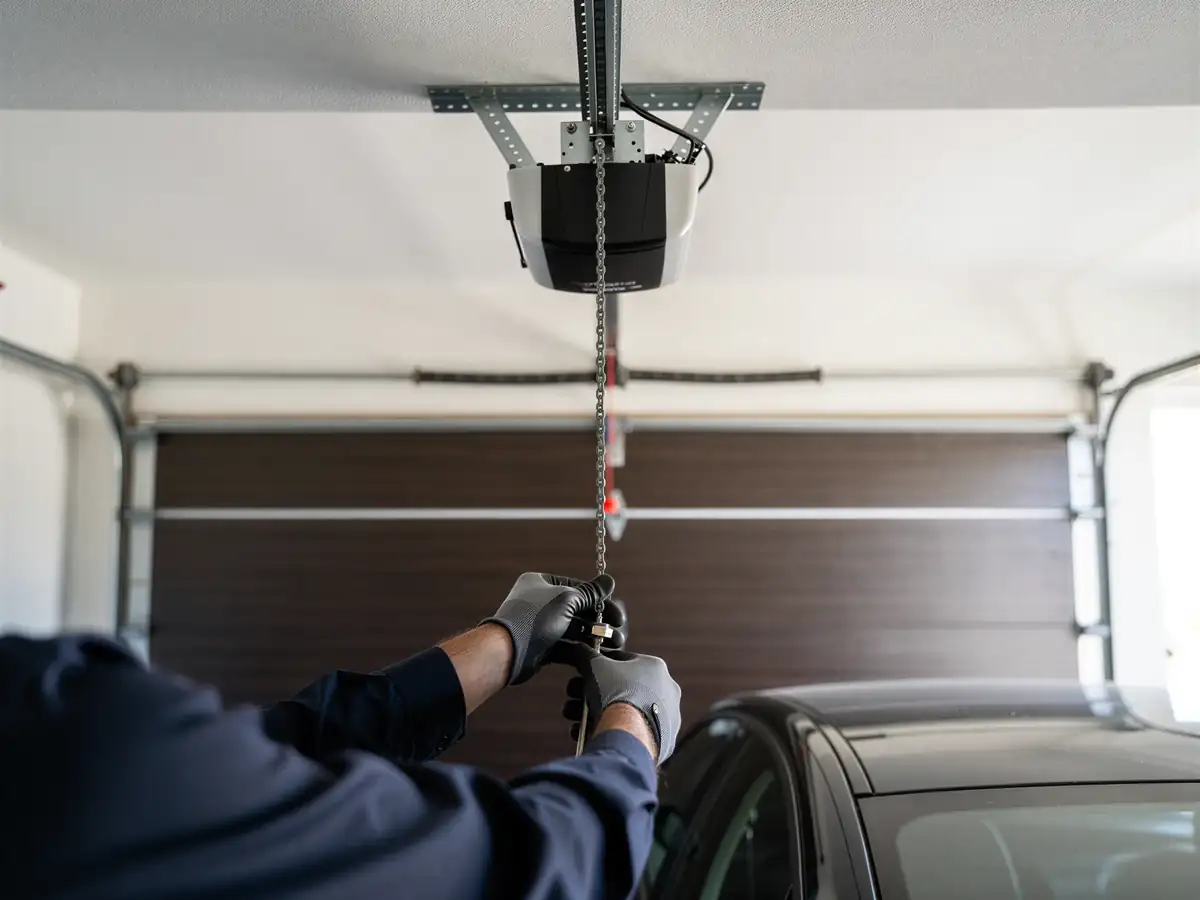
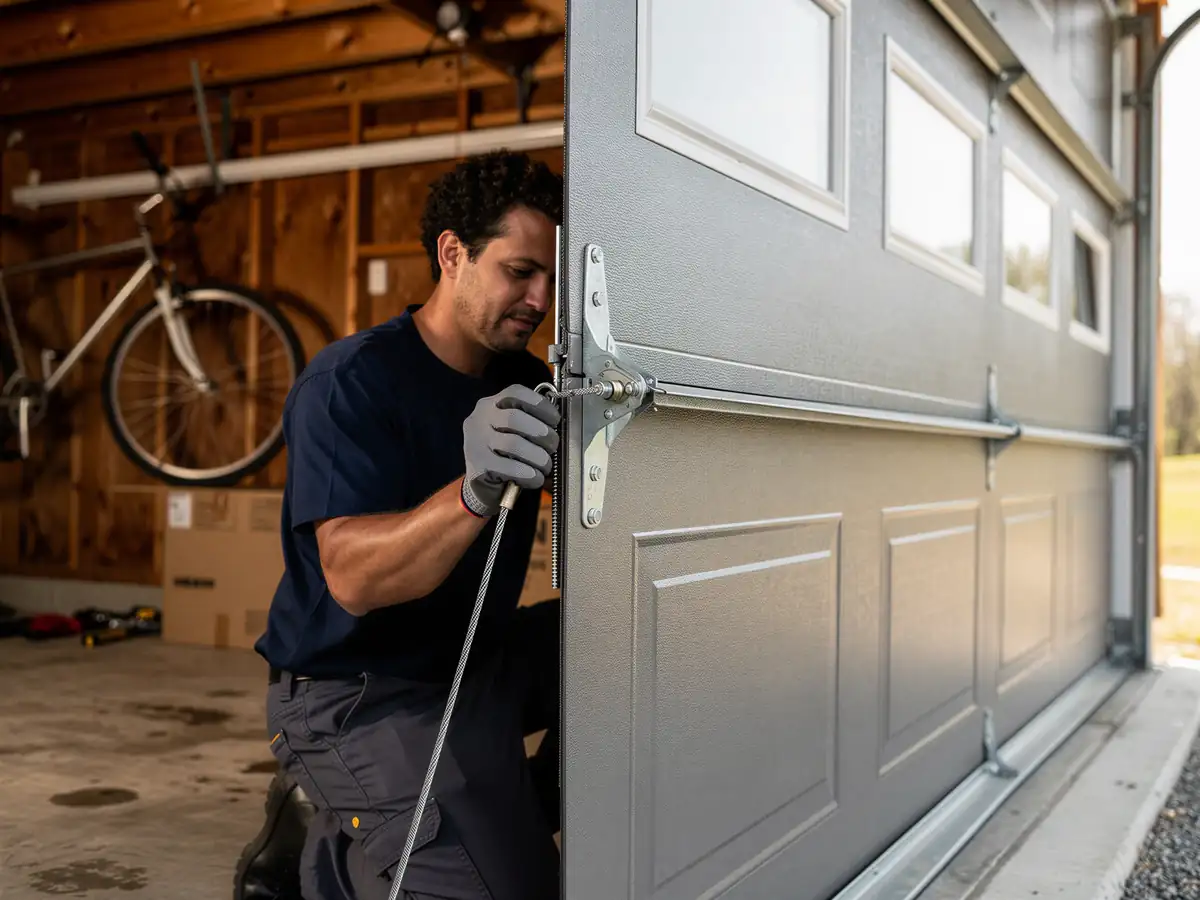
If you've already hit the opener, stop. A door fighting a broken spring puts the full deadweight of the panel on the opener's gears and on whatever cable is still under tension. Pull the emergency release cord and try the door by hand, gently, just enough to see if it moves at all. If it's heavy or won't budge, leave it where it is. On older one-piece doors that came standard on homes from that 1960s-70s building wave, the hardware wasn't built for repeated stress once a spring is gone, and forcing it bends track or snaps a cable next.
When to Call Someone
Call now if the spring is visibly broken, if the door won't stay up on its own, or if you hear a loud bang from the garage followed by the door refusing to lift - that bang is almost always the spring letting go. Torsion springs hold a dangerous amount of stored tension and this isn't a job for a ladder and a wrench on a Saturday morning. We don't recommend DIY spring replacement, full stop; that's the one limitation we're upfront about. The winding bars and clamps needed to safely unload a torsion spring aren't something most garages have on hand, and a slipped bar under that kind of load can break a hand or worse.
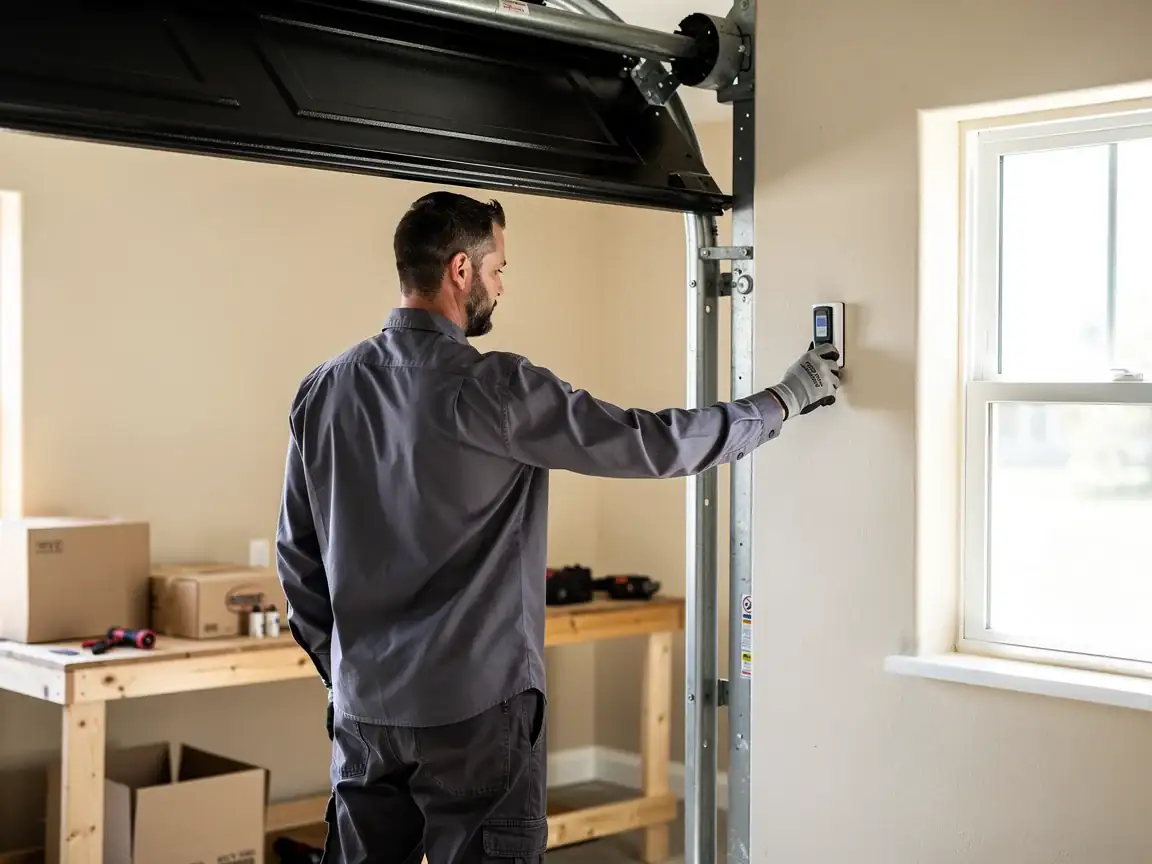
If the door still opens but sounds different, grinds, or sags on one side, that's worth a call too, just not an emergency one. A spring on its way out often gives a week or two of warning before it fails outright. Given how many houses here are running hardware that predates current coil standards, catching it before the full break saves the cable, the drum, and sometimes the track underneath.
What Is Going On
Steel contracts in the cold
And a spring that's already fatigued from years of cycling has less give left to absorb that contraction. Allentown sits in a cold-severe climate band, and a hard overnight freeze is often the final push on a spring that was already close to its limit. You'll see the pattern most on the first truly cold morning of the season - the door worked fine the night before and won't lift at all once the temperature drops.
Across the 52 named areas this shop covers
The bulk of homes date to the 1960s and 70s, the same era when torsion springs were commonly wound to lighter specs than what's installed today. That means a higher failure rate when a cold snap hits a spring that's already 20 or 30 years into its working life. It's not that the door is used harder here than anywhere else - it's that a lot of the springs underneath these doors are older than the doors themselves look.
- 30 years
How Local Conditions Play In
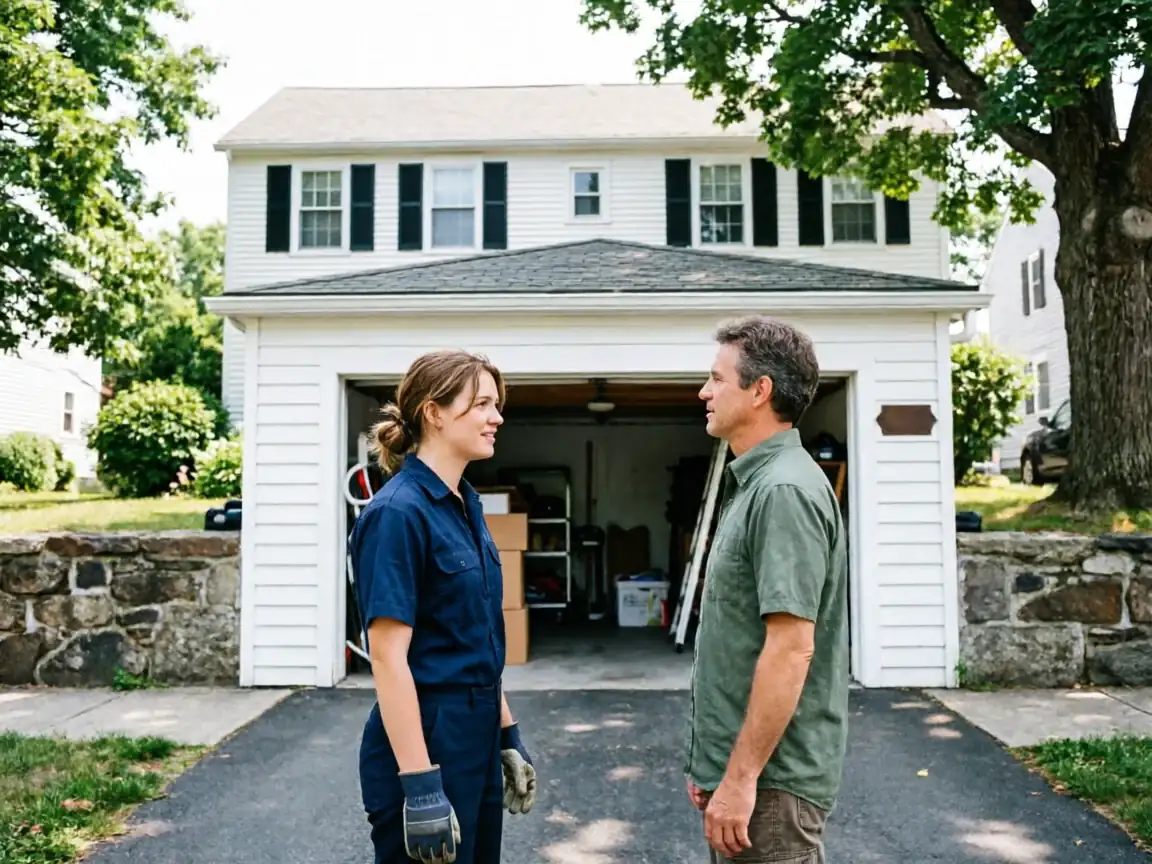
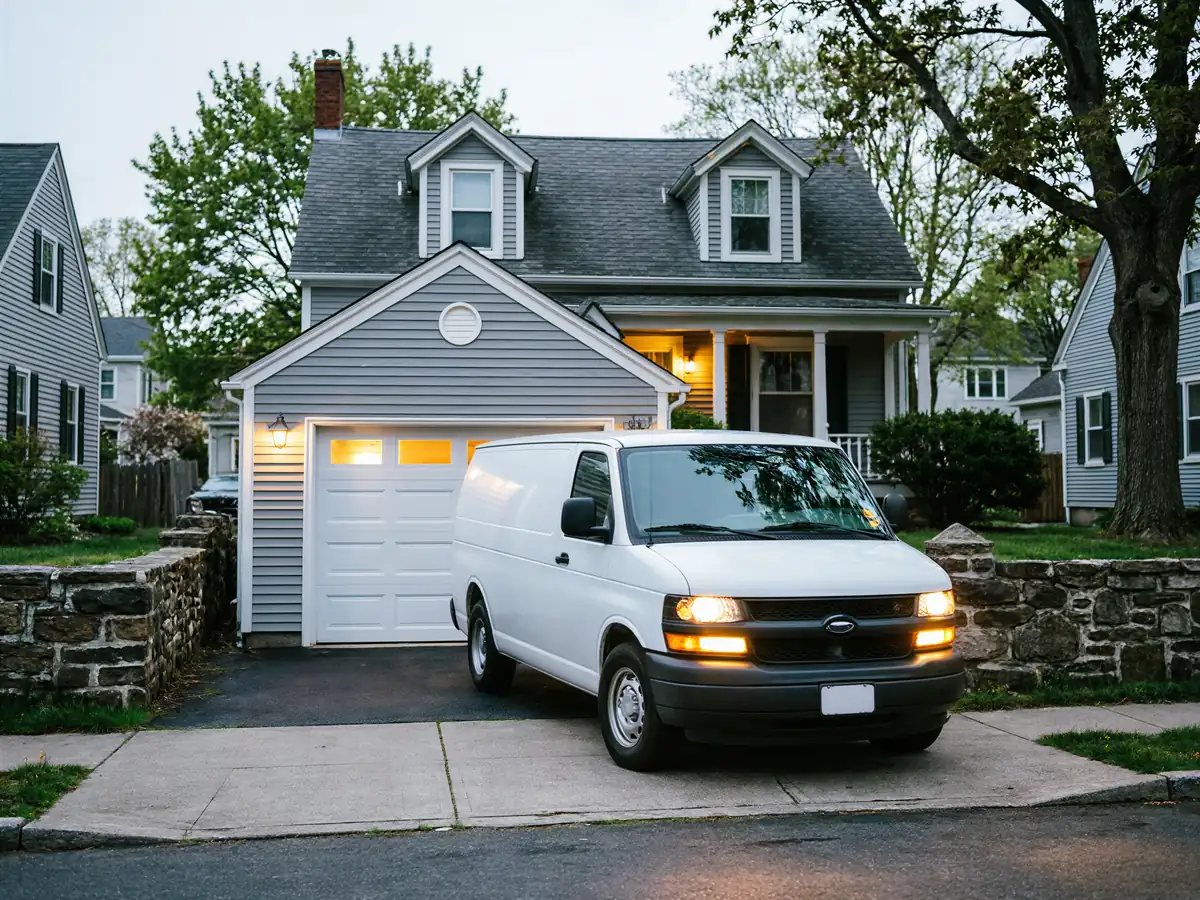
With 54,983 owner-occupied houses out of 154,639 households across this service area, a lot of driveways still have the spring that came with the house, especially where the home itself dates to that 1938-2005 build window. Homeowners as close as Fullerton, three miles north, or Emmaus, four miles south, share that same stock and the same cold snaps that take springs out - this isn't a problem unique to one street, it's the age of the hardware meeting the season.
Cold-severe winters mean the stress on aging springs doesn't let up once the first freeze passes. Each cold night adds a little more fatigue, and a spring that survives January sometimes goes in February instead. If your door has been quiet for years and suddenly starts groaning when temperatures drop, that's the hardware telling you it's near the end, not a fluke.