What to Look At First
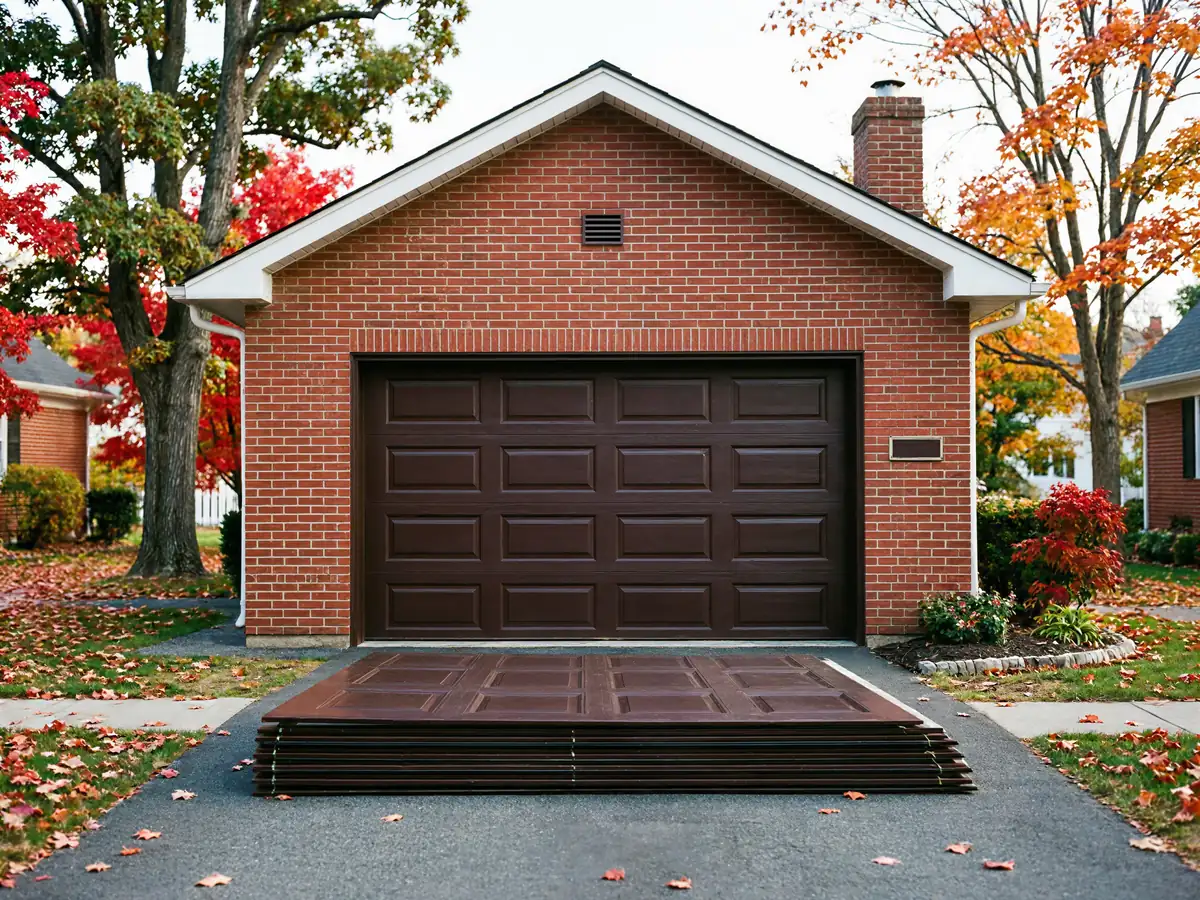
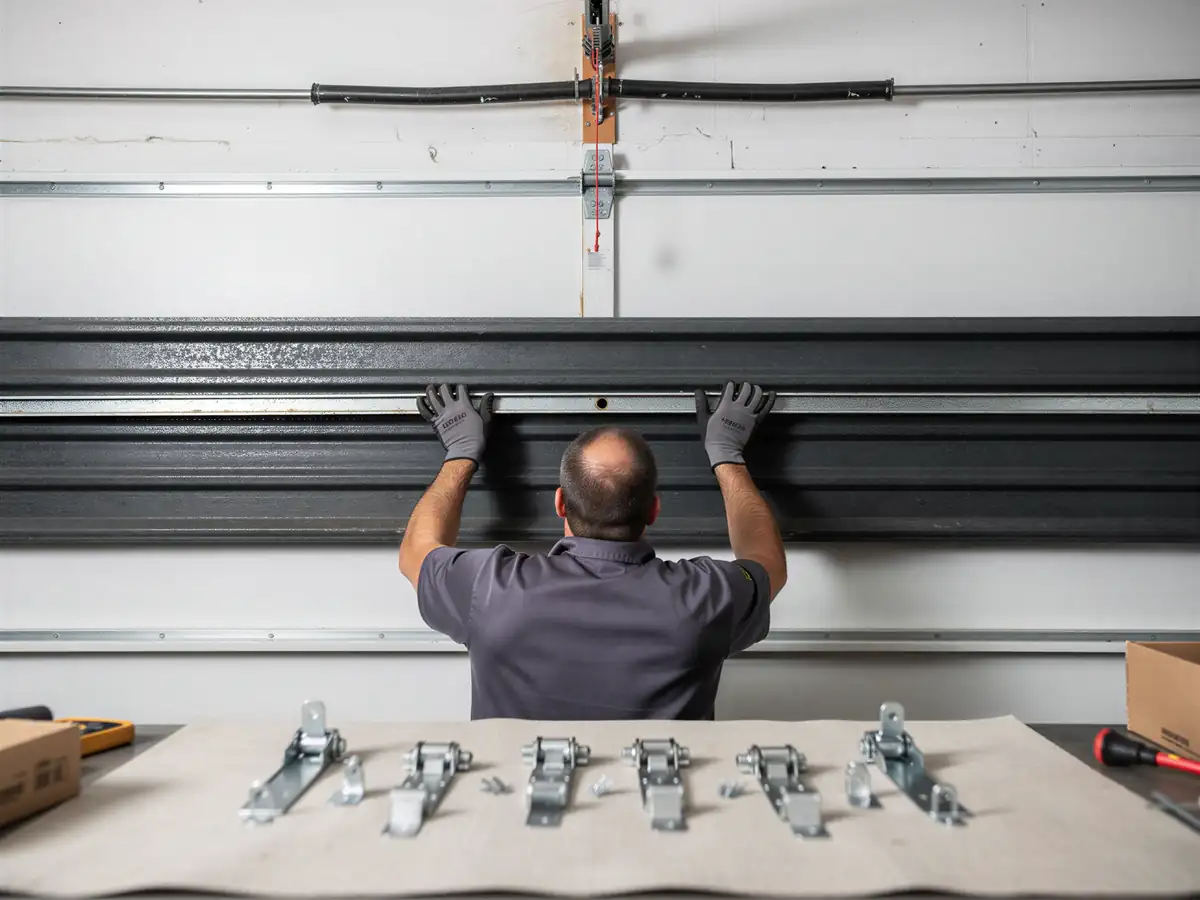
Start with the door panel itself, not the opener. Housing in this area was mostly built between 1938 and 2005, with the median landing around 1964, and a door that old is almost never insulated. Run your hand along the inside of the panel - if it's a single sheet of steel with ribs stamped into it and no foam backing, that's original-era construction, not a retrofit.
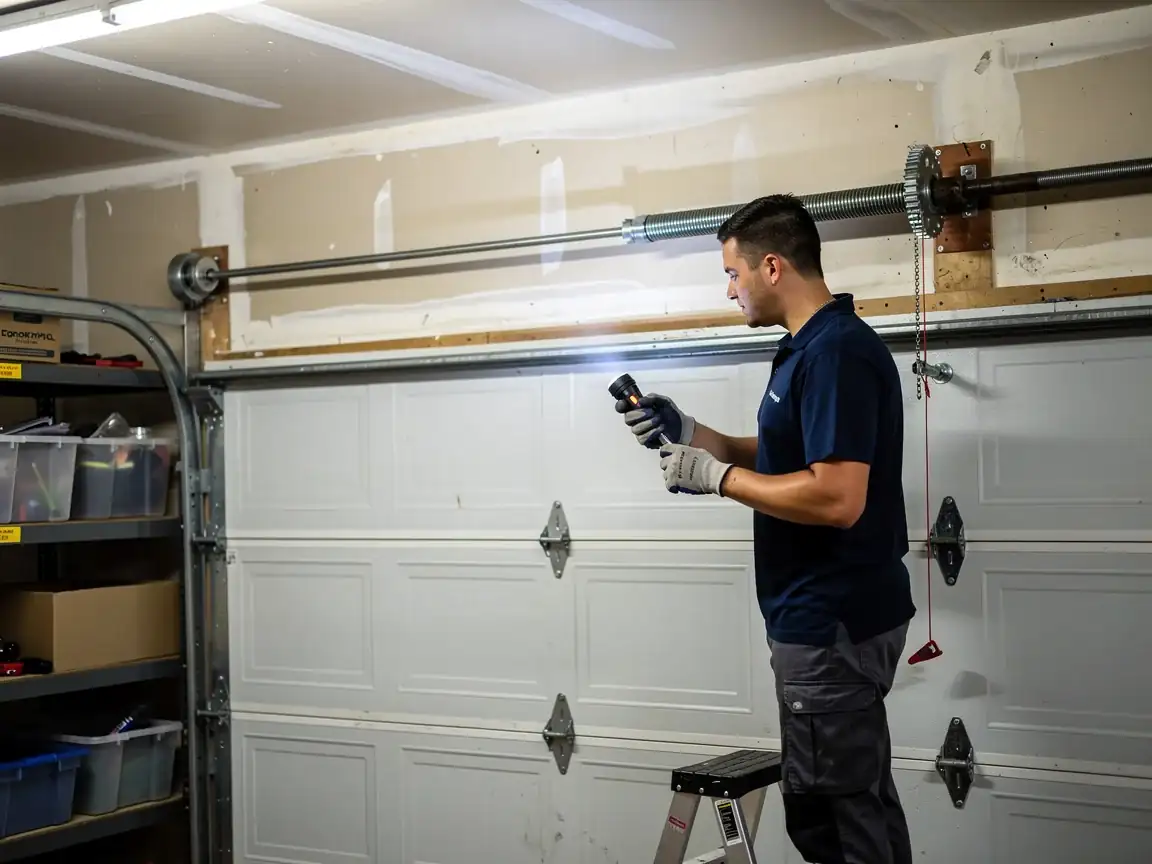
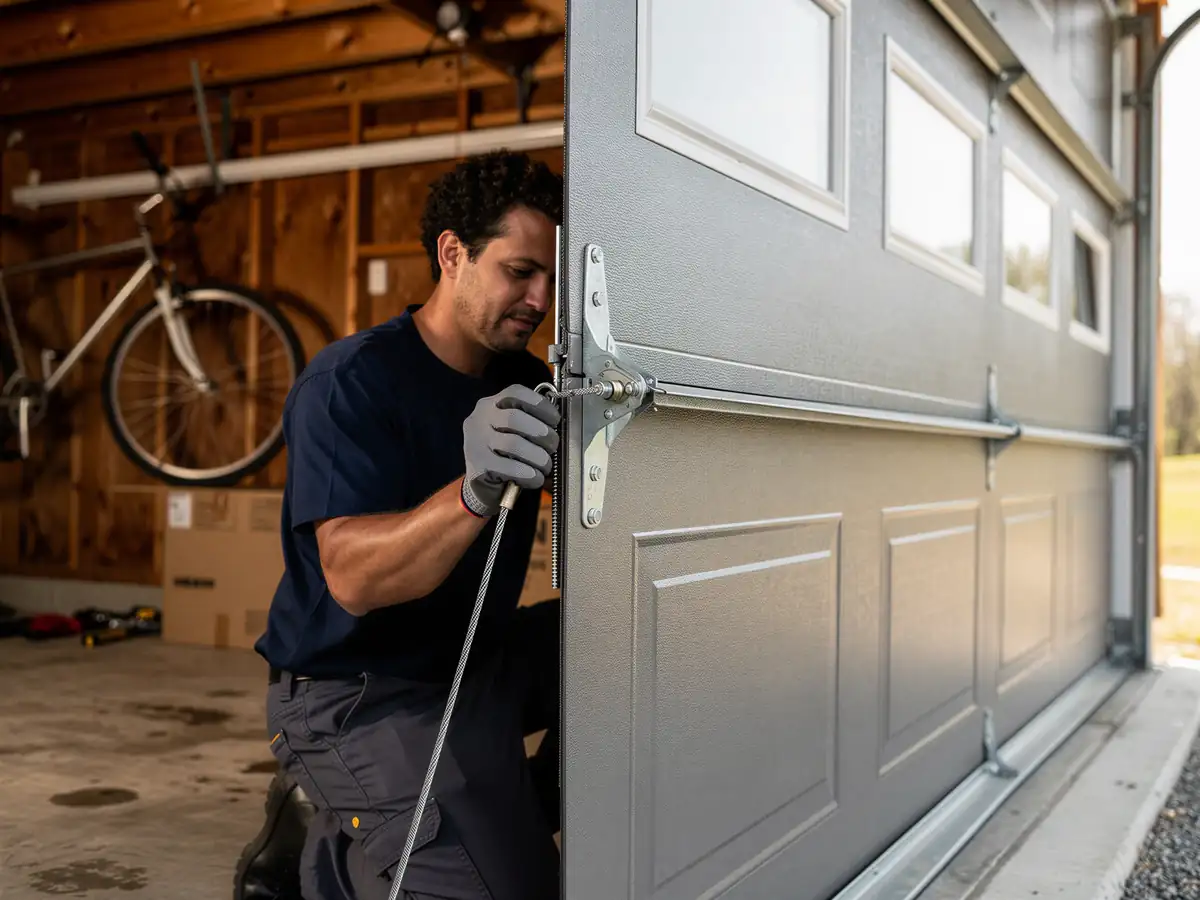
Next check the spring. Across the 52 named areas that make up this city, the bulk of the stock is 1960s and 70s construction, and a lot of those garages still run a single torsion spring sized for the lighter, uninsulated doors that were standard then. If someone added a heavier insulated door later without upsizing the spring, it's working harder than it was built for.
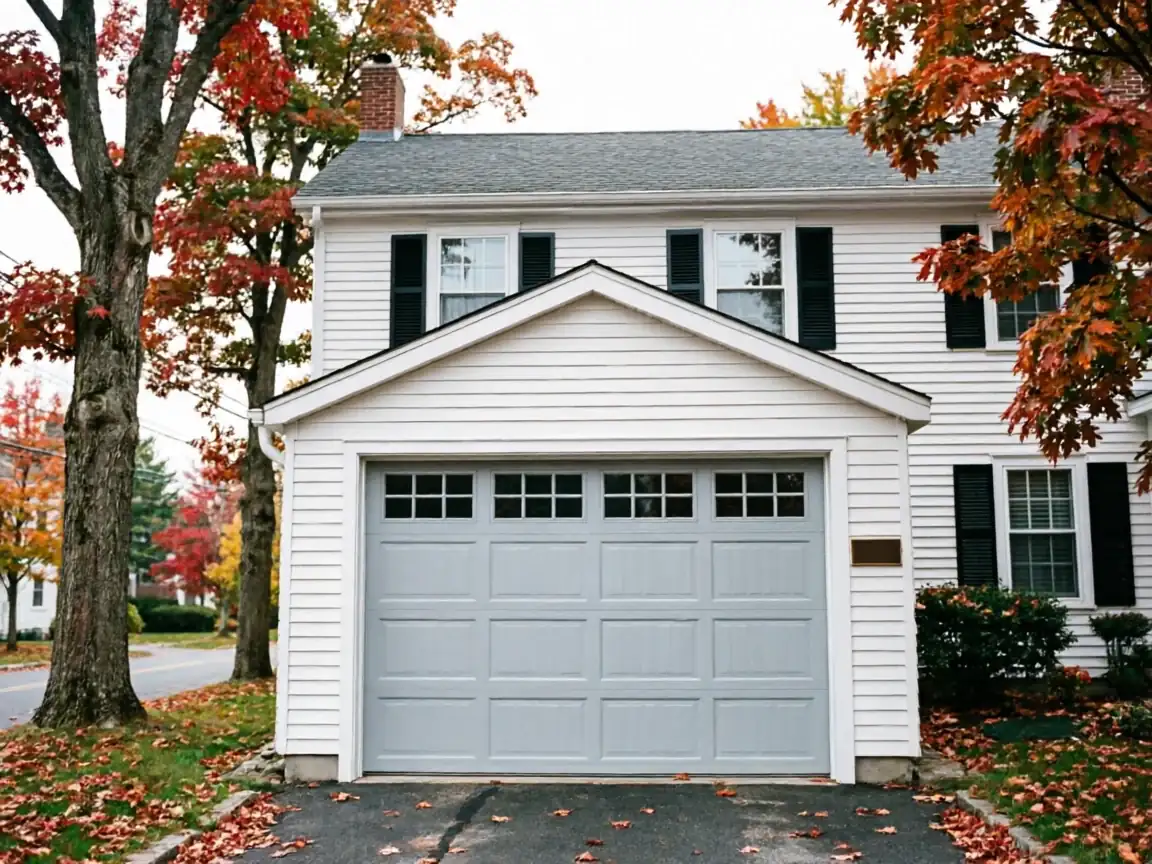
Look at the track mounting too. Older construction often used wood jambs that have shrunk and shifted over sixty-plus years, so the track can be slightly out of plane even when nothing looks obviously broken. None of this means the door is failing today - it means you're looking at hardware that was never engineered for current door weights or current winters.
When to Call Someone
Call when the door is noticeably harder to lift by hand than it used to be - that's usually spring fatigue, and on a house from the 60s or 70s the spring has had decades to get there. Call when you hear a scrape on one side only as the door travels, which on older track mounts usually means the jamb has shifted and the track is no longer plumb, not that the door itself is bad.
Call before a repair if the door is original to a house built near the 1964 median for this area. At that age, the steel has usually thinned at the bottom panel from decades of weather at the threshold, and patching one section often just moves the problem up a panel. We'll tell you straight if replacement is the better call rather than billing you for a repair that buys six months.
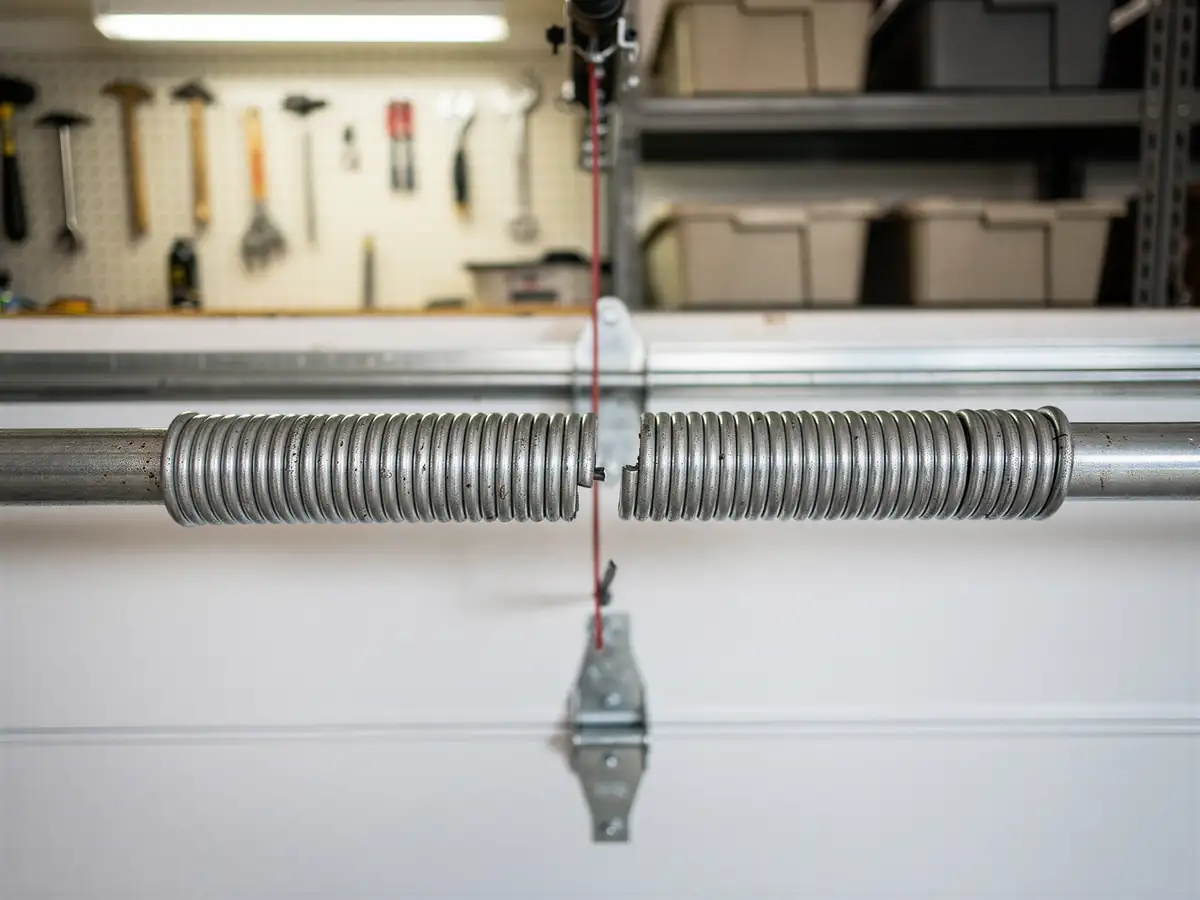
Don't wait on a spring that's visibly stretched or has a gap in the coil. That's not a maintenance item, it's a load-bearing part at the end of its life, and on a door this old it can let go without warning.
What Is Going On
The short version: this city's housing stock mostly predates insulation requirements
And garage doors got built to match the rest of the house. A door from a 1964-built home was never meant to hold heat - it was a barrier against rain and theft, not thermal loss. Nobody wrote an energy code for garage doors back then, so builders used whatever single-layer steel or wood panel was cheapest and called it done.
That matters today because the opener, the spring, and the weatherstripping on these doors were all sized around that lightweight
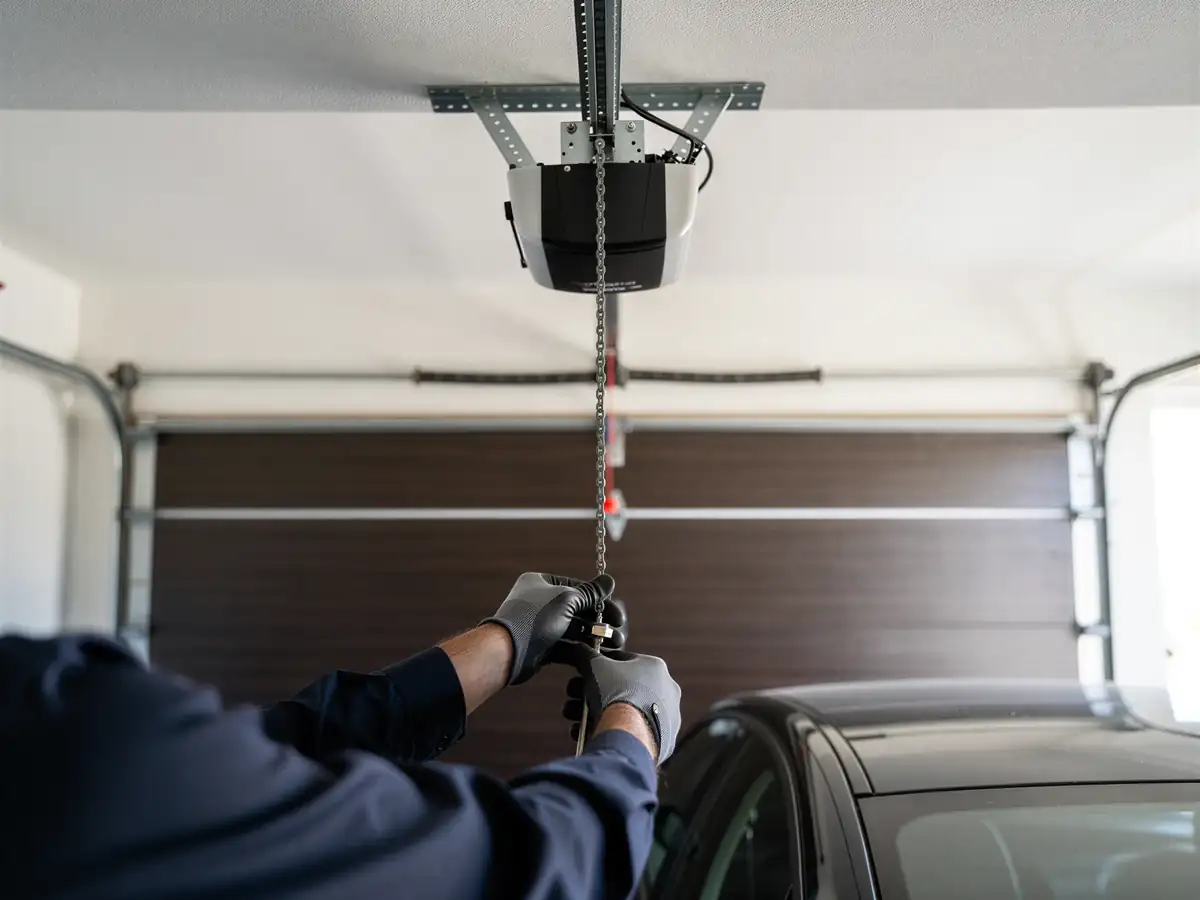
Uninsulated panel. When a homeowner swaps in a modern insulated door - which weighs more - without touching the spring, the opener starts straining on every cycle, and gear and sprocket wear accelerates. It's a mismatch, not a defect, and it's common enough in neighborhoods with this housing age that it's one of the first things worth checking before troubleshooting anything electrical.
How Local Conditions Play In
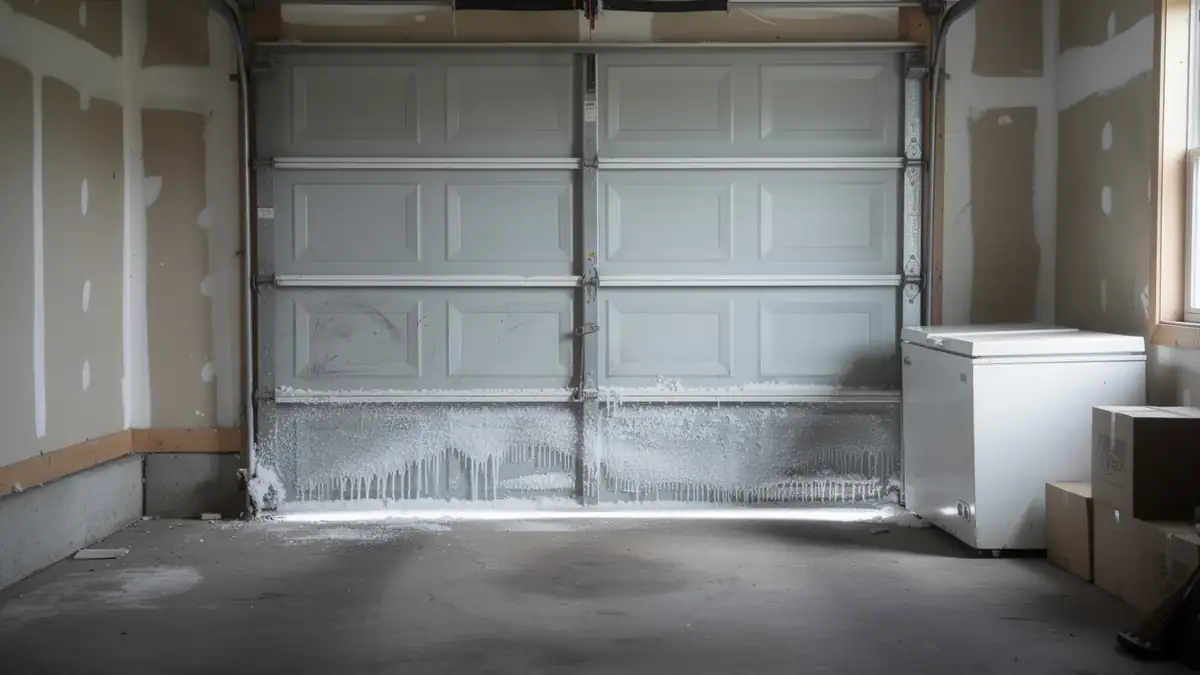
Allentown sits in a climate the federal classification calls severe cold, and that changes what a garage door has to deal with every winter that a door in a milder region doesn't. Steel contracts in cold temperatures, and on an uninsulated door from the 1960s or 70s, that contraction can be enough to make a panel bind slightly in its track on the coldest mornings - not broken, just tight until things warm up.
Cold also stiffens lubricant on rollers and hinges, which is why a door that runs quiet in August can start groaning in January. On a torsion spring, cold makes the steel less forgiving, so a spring that was already near the end of its life is more likely to fail in winter than in June.
We'll say plainly what we won't do: we don't insulate garage walls or ceilings, only the door and its seals. If the garage itself is uninsulated block or open stud, a new door helps but it isn't a full fix, and we'd rather tell you that than sell you a door as a cure for a bigger problem.