The Cost of This Job
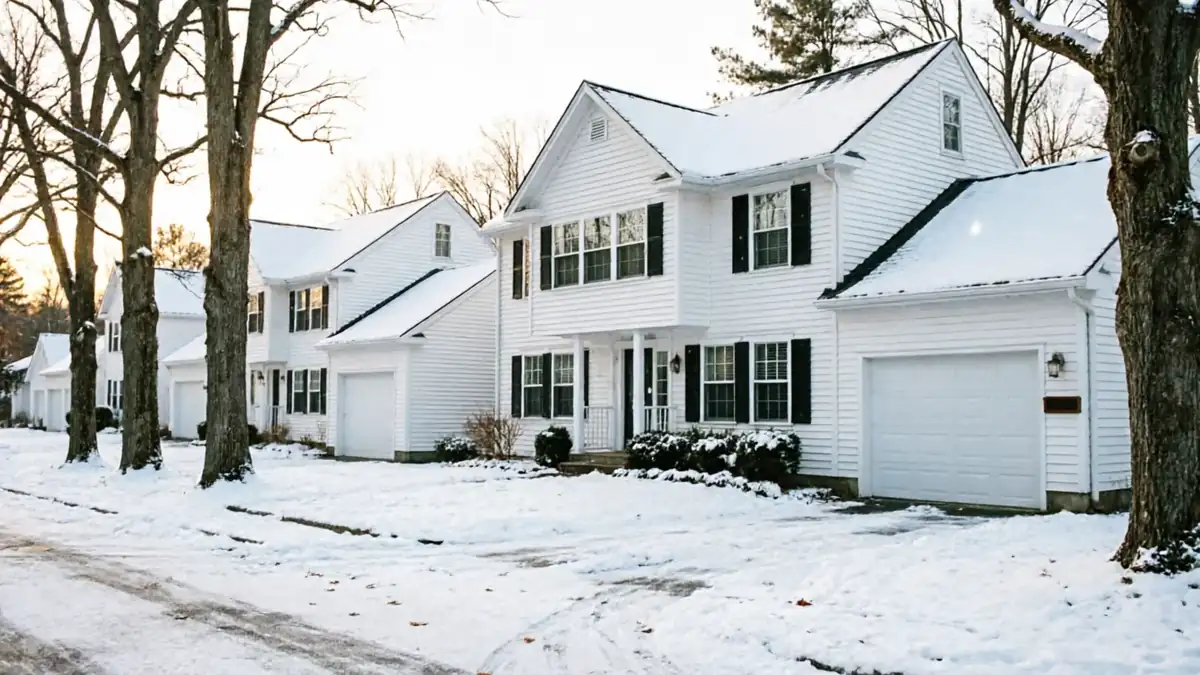
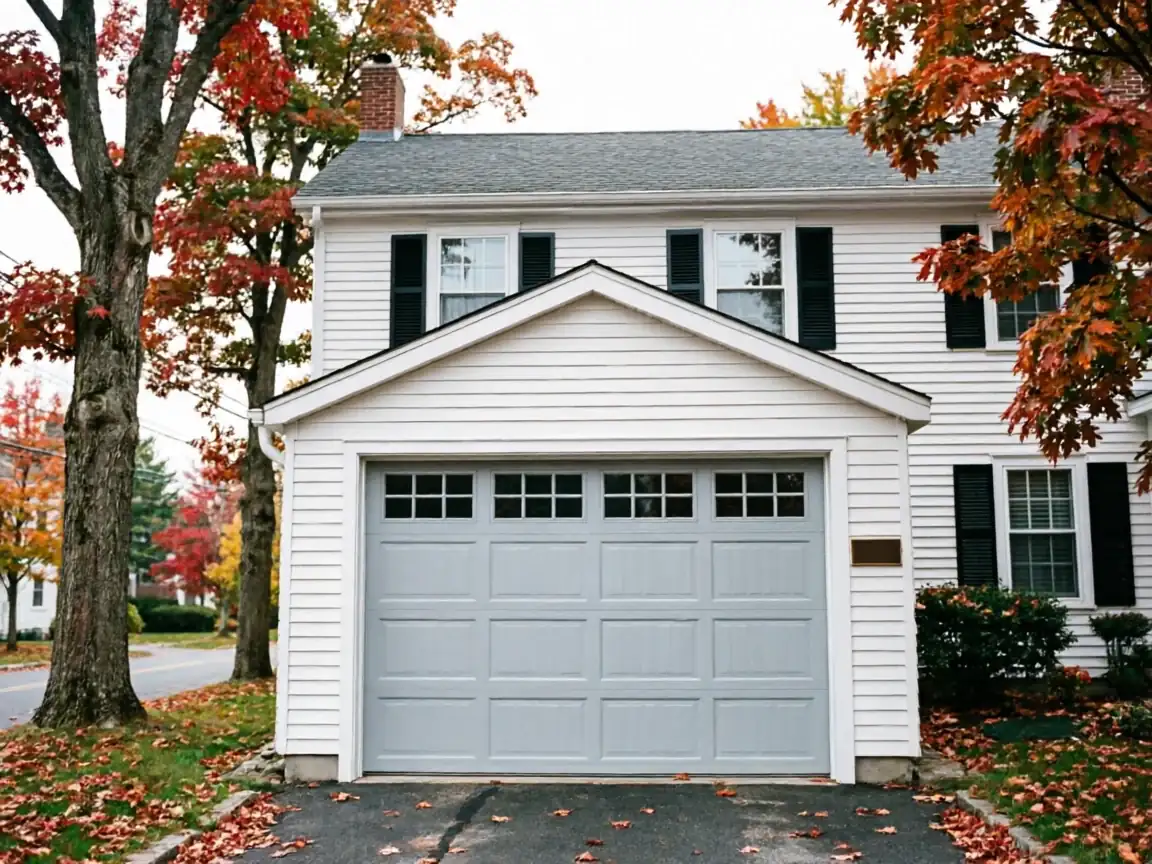
A cable repair on a Northampton door isn't priced the same as one in a newer part of our service area, and the reason is the housing stock. Across the 52 named areas we cover, the median year built sits around 1964. Northampton's own median is 1938 - a full generation earlier. Doors installed on houses that old were far more likely to use extension spring systems with side cables and pulleys, not the torsion-and-lift-cable setup you'd find on a house built in the 1970s. Extension cable jobs usually take less labor time than torsion cable jobs because the drum isn't involved, but if the pulley or the safety cable through the spring has also failed, that adds parts and time. We quote after we see the door, not before, because a frayed lift cable on a torsion door and a snapped extension cable on an older door are two different jobs with two different parts lists. What we can tell you up front is that the age of the housing stock here means we come across more of the older-style setups than we do in some of the newer suburbs we serve.
Can You Do This Yourself
A garage door cable is under real tension even when the spring isn't fully wound, and on a door this old the cable may be original or close to it - brittle, rusted at the drum or pulley, and not something you want to handle without knowing exactly where the tension is stored. If the cable has already let go and the door is sitting crooked or jammed in the track, leave it alone and don't try to force it level. If one side dropped and the other didn't, the door is twisted and the track on the slack side is probably bent too, which turns a cable job into a track-and-cable job. The honest limitation here: if the drum or the pulley bracket has cracked, that's not a patch-and-go fix, and we'll tell you that on site rather than charge you for a cable and have it fail again in a month.
What the Fix Involves
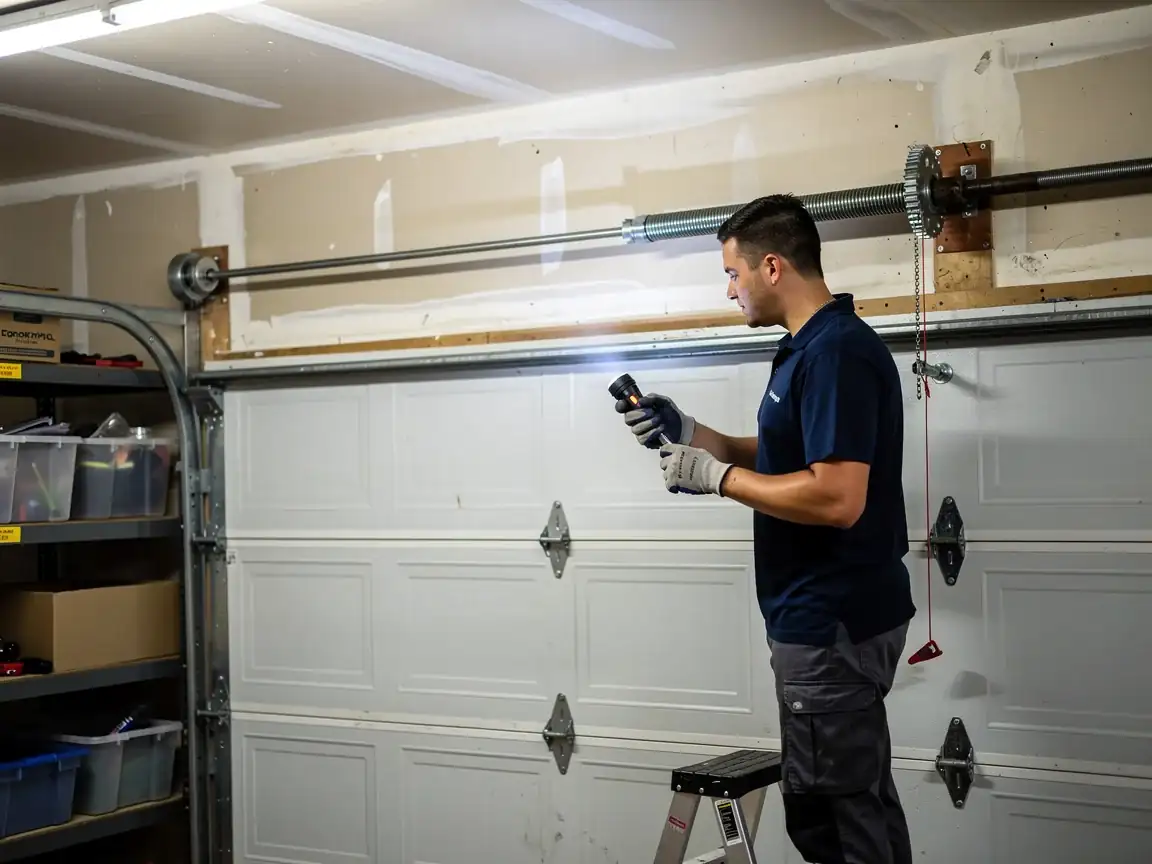
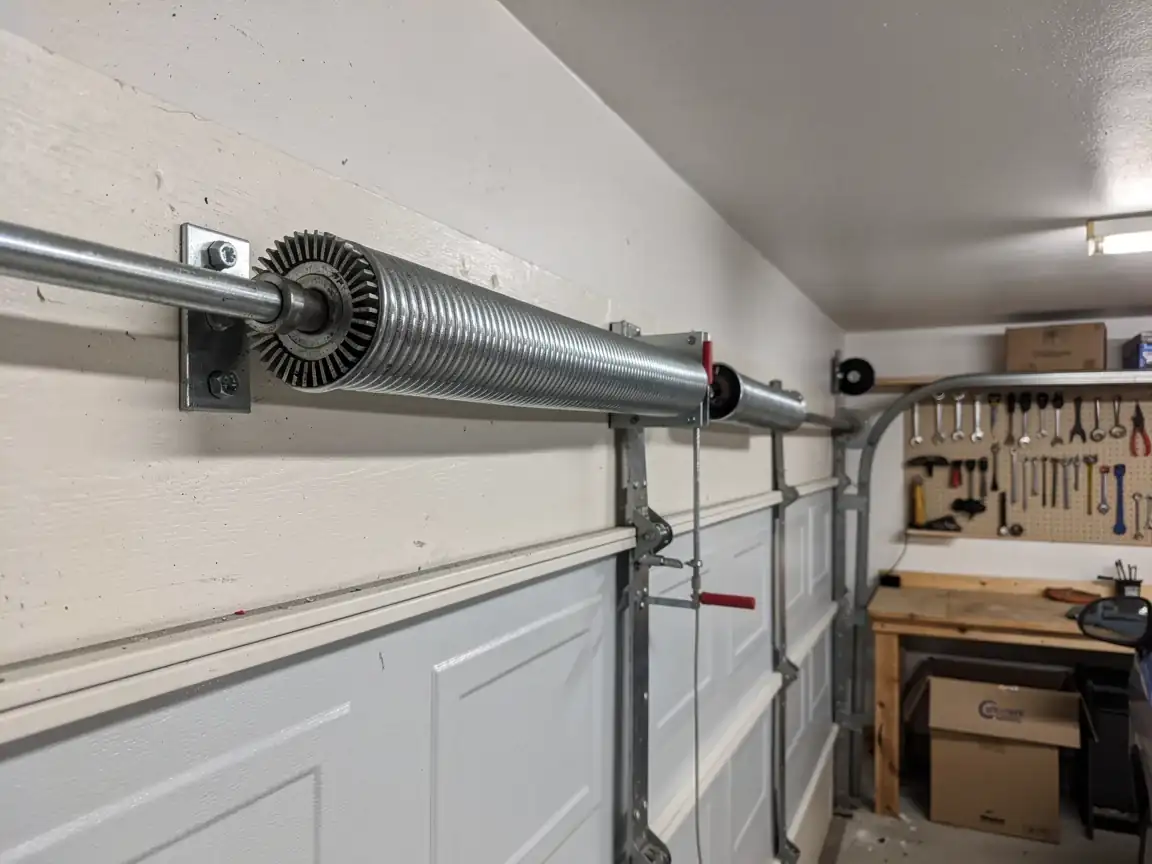
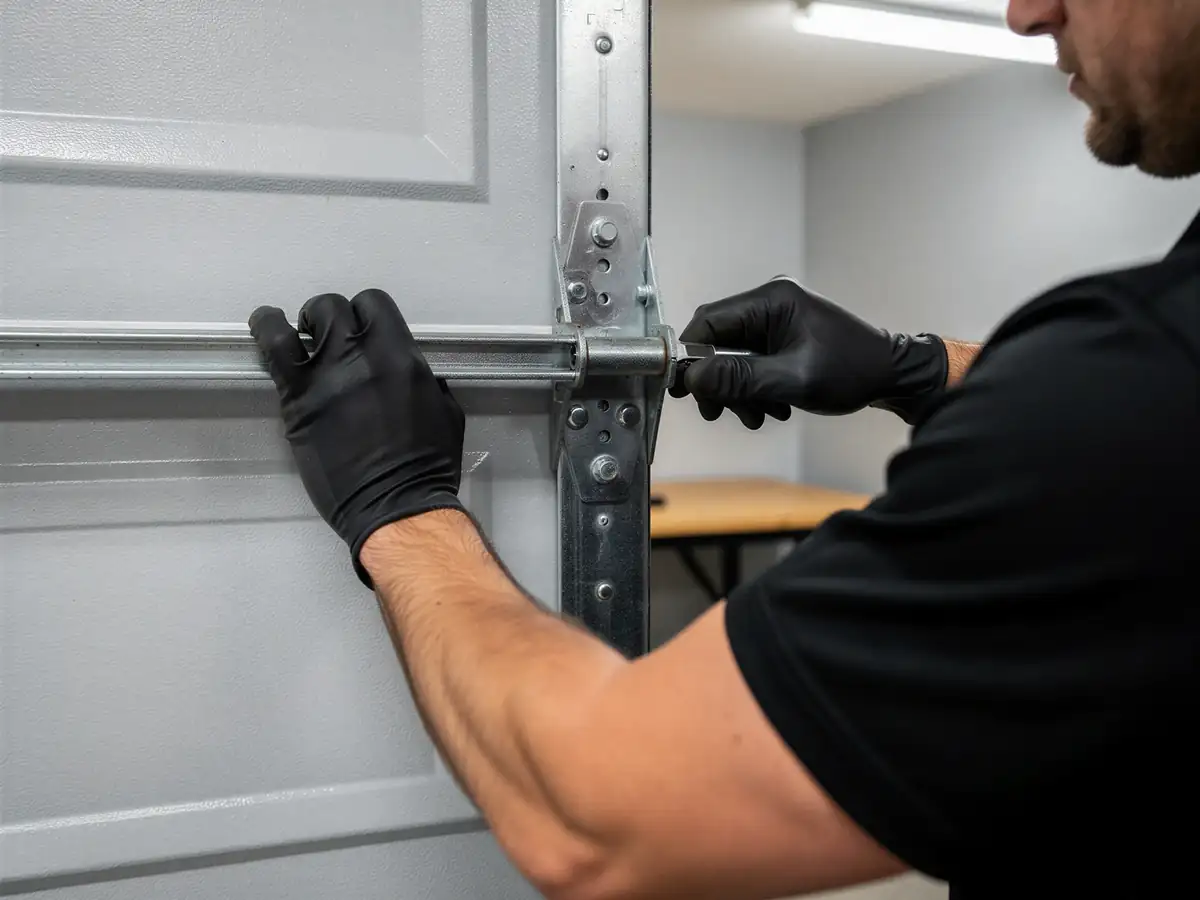
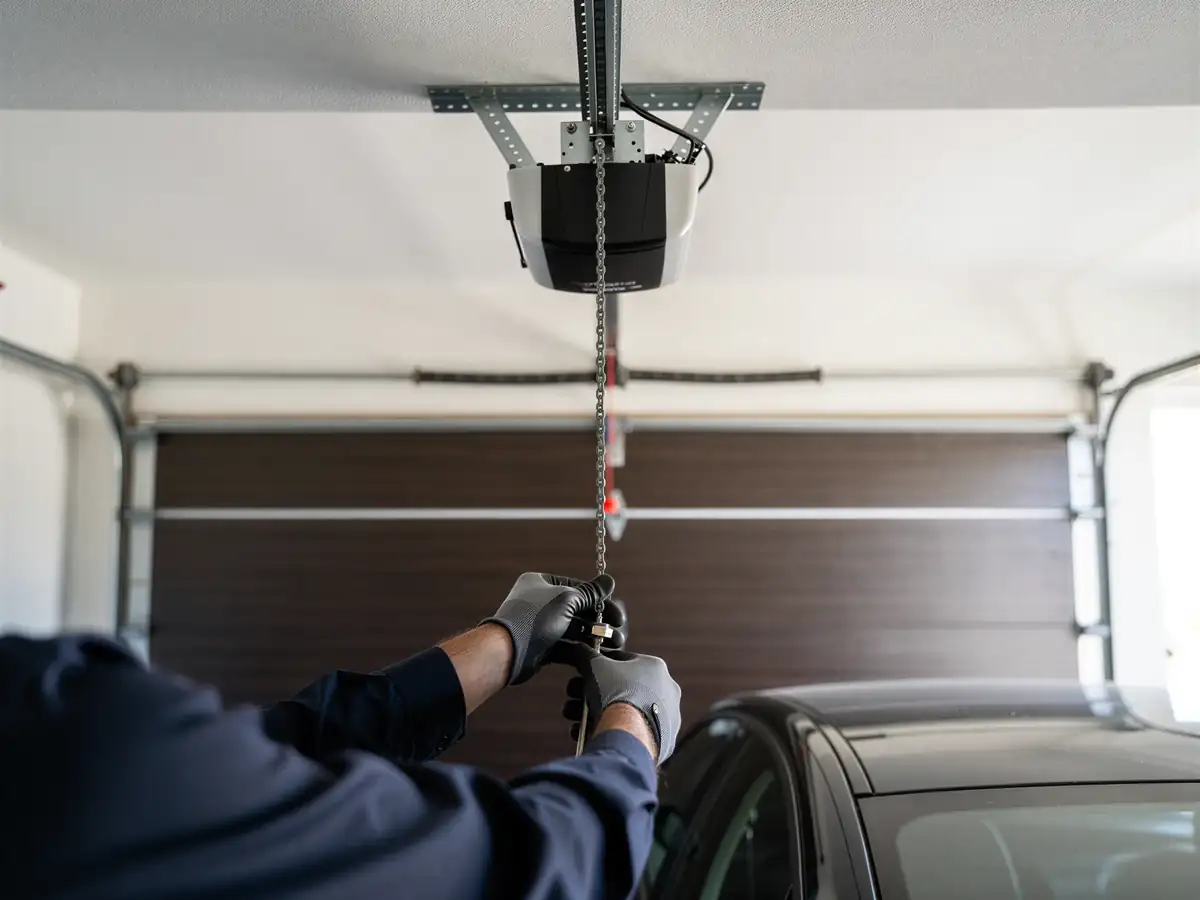
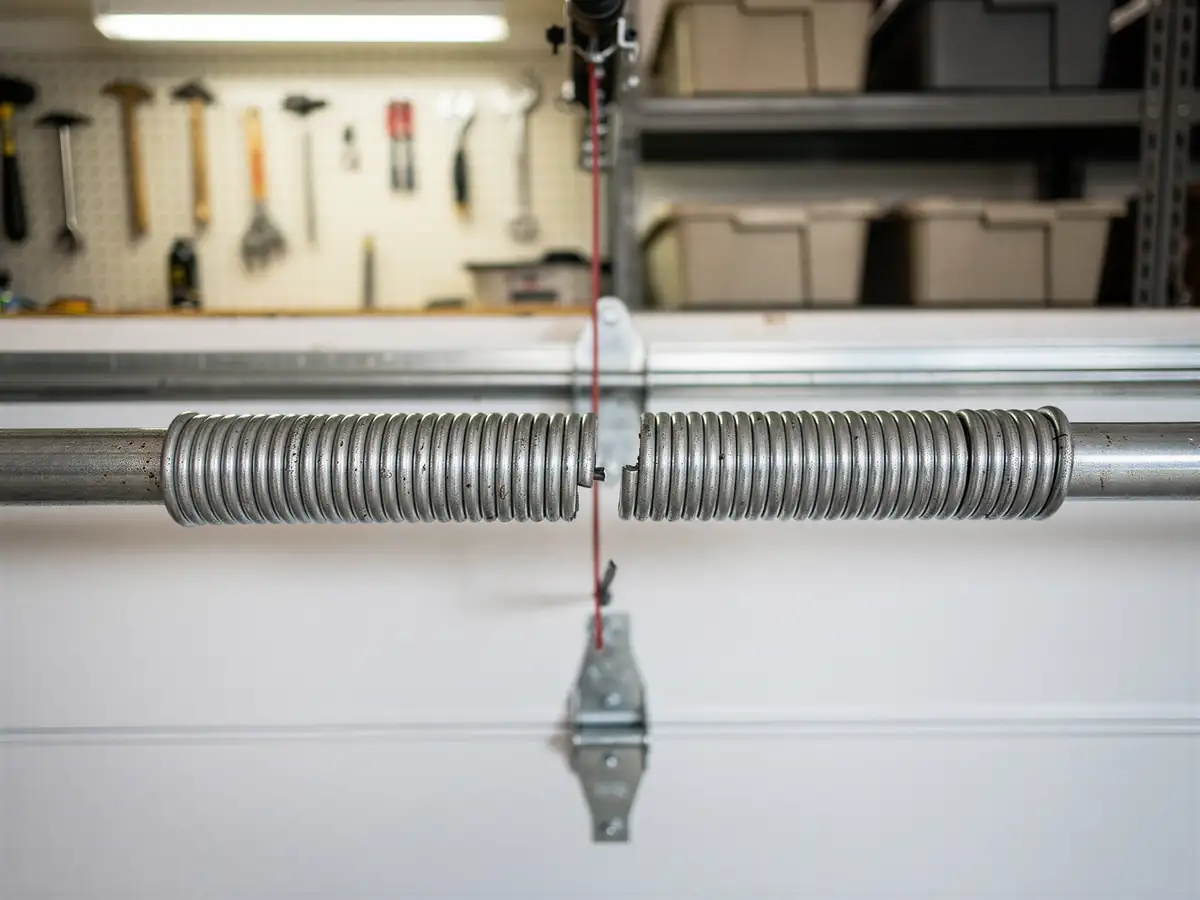
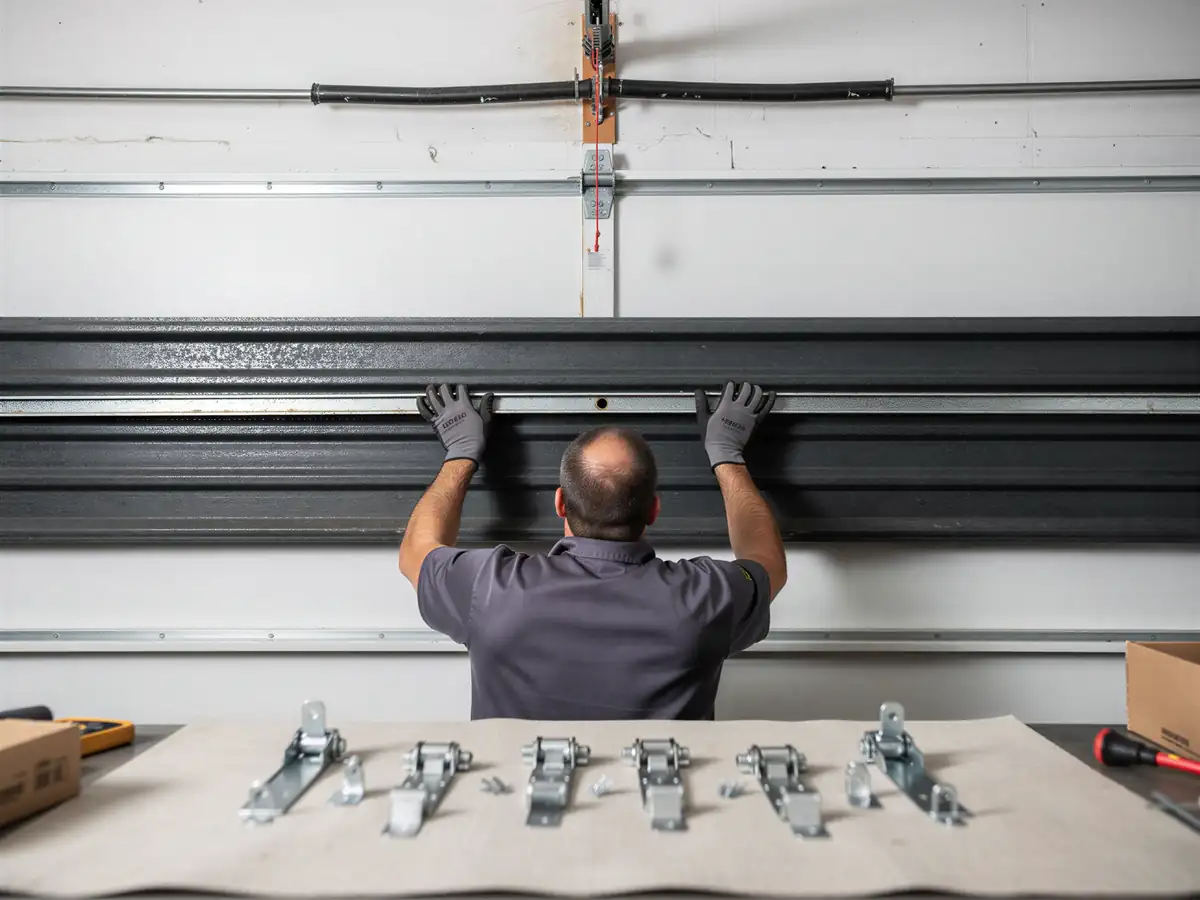
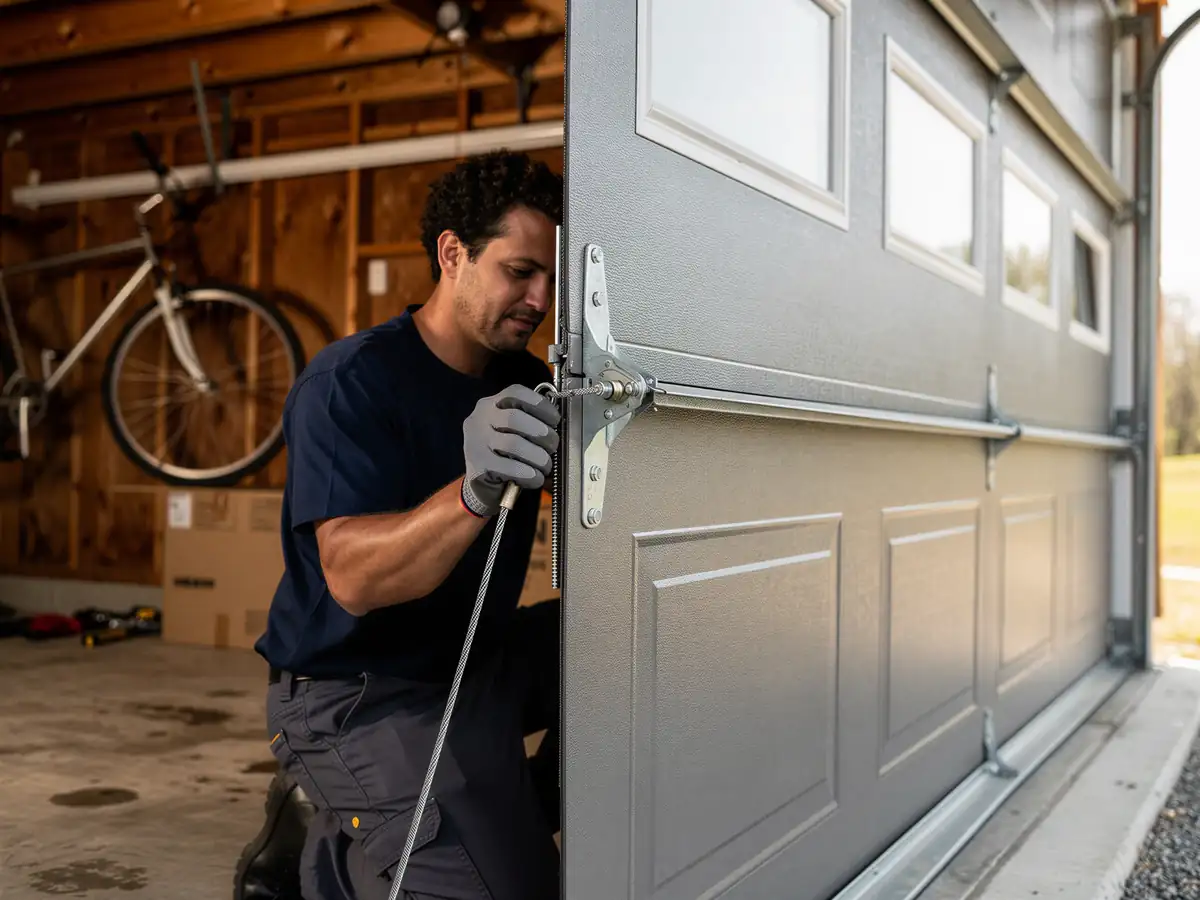
On the older extension-cable doors common to this part of town, the fix usually means replacing the cable, checking the pulley for wear grooves, and confirming the safety cable running through the spring is intact - a lot of houses this age never had one added, and we'll flag that as a separate recommendation, not fold it into the cable price. On torsion setups, it's pulling the broken cable off the drum, checking the drum set screws, and re-tensioning before the new cable goes on. Either way, we check the track alignment on both sides before closing out, because a cable failure on a door this old is often a symptom - rust at the roller bracket, a bent track rail, a worn pulley bearing - not an isolated event. Winters here fall in the severe end of the cold-climate band, and repeated freeze-thaw cycles on hardware that's been in place since the 1930s-era build is exactly the kind of wear that turns a small fray into a snapped cable.
Where This Job Goes Sideways
The job goes sideways when the cable wasn't the first thing to fail - the drum bearing or the roller track corroded first, the cable just happened to be what finally gave. On houses from this build era we see galvanized hardware that's been through enough cold-season cycles that the metal is pitted, and a new cable on a pitted drum will cut through again inside a year. It also goes sideways when someone's tried to rig a temporary fix with the wrong gauge cable or a mismatched pulley - we've seen it, and it usually means replacing more than the original failure would have needed. If we open the door and find the drum or track is the real problem, we'll say so before we quote the cable alone.