The Cost of This Job
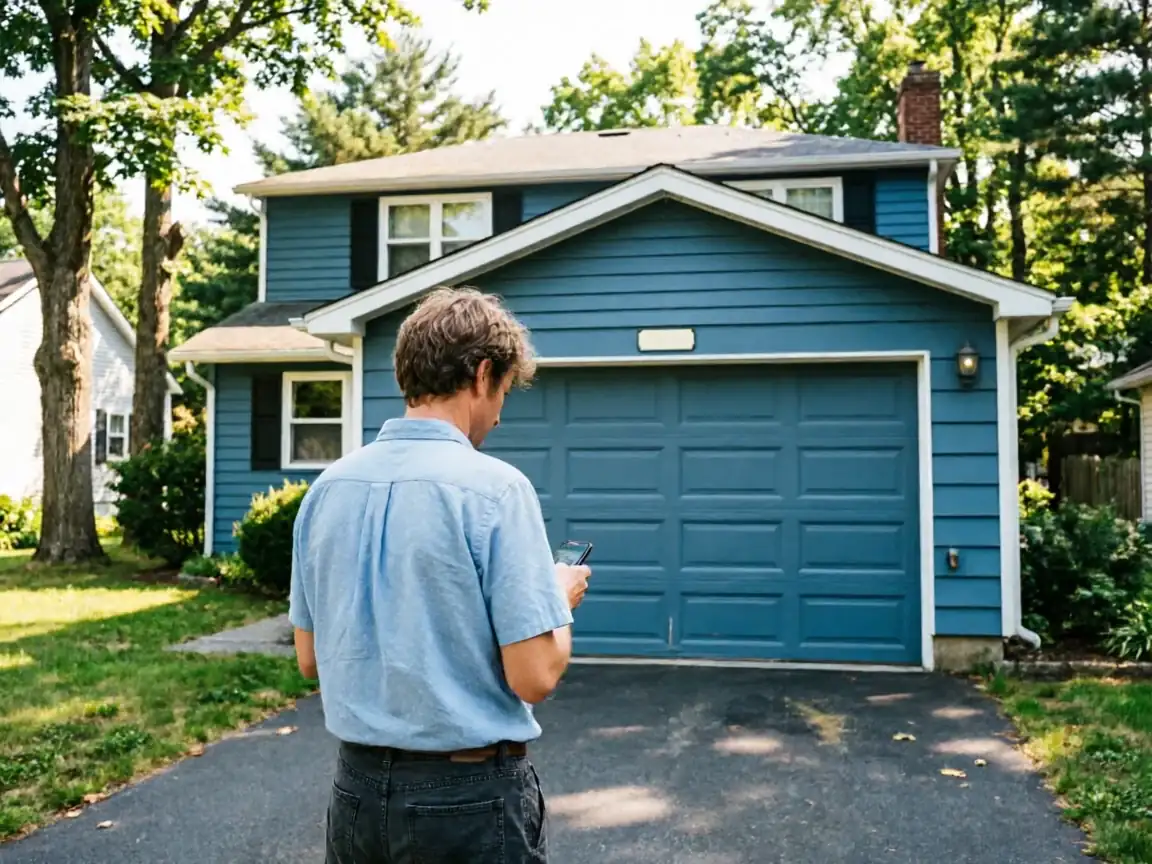
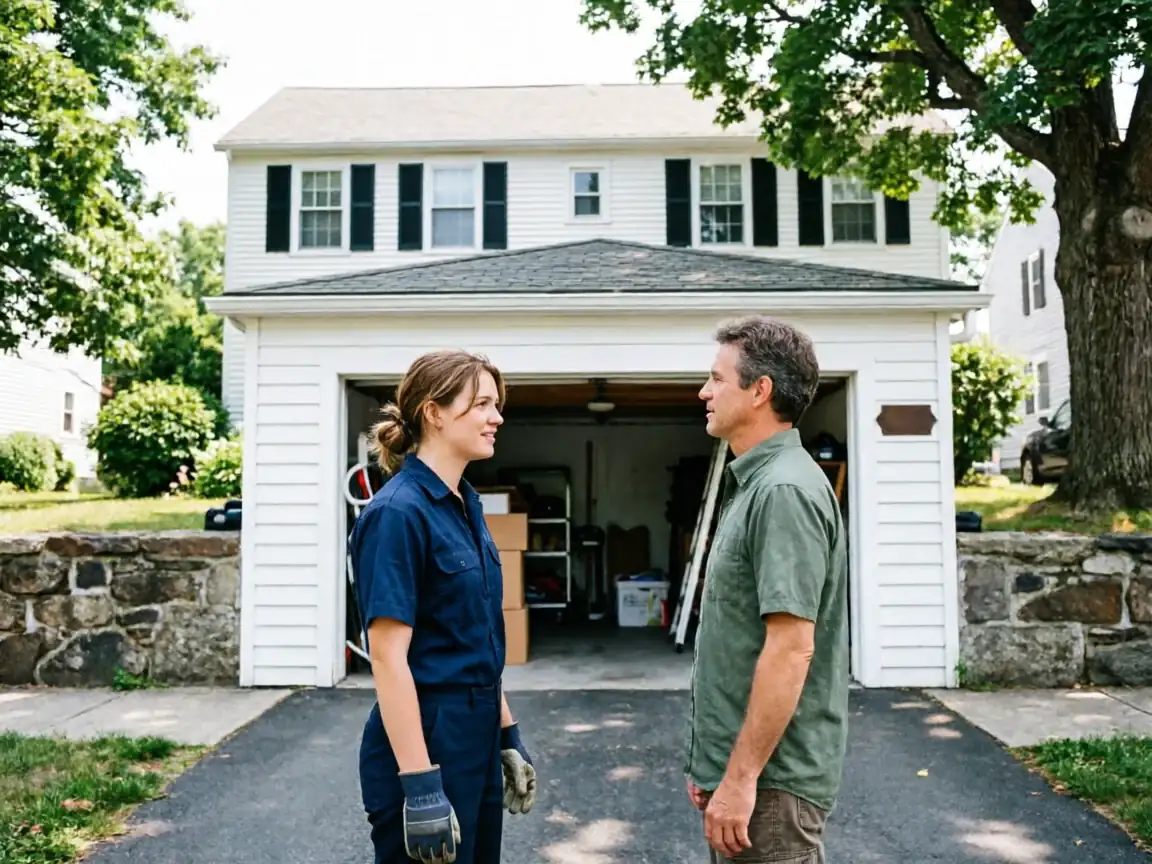
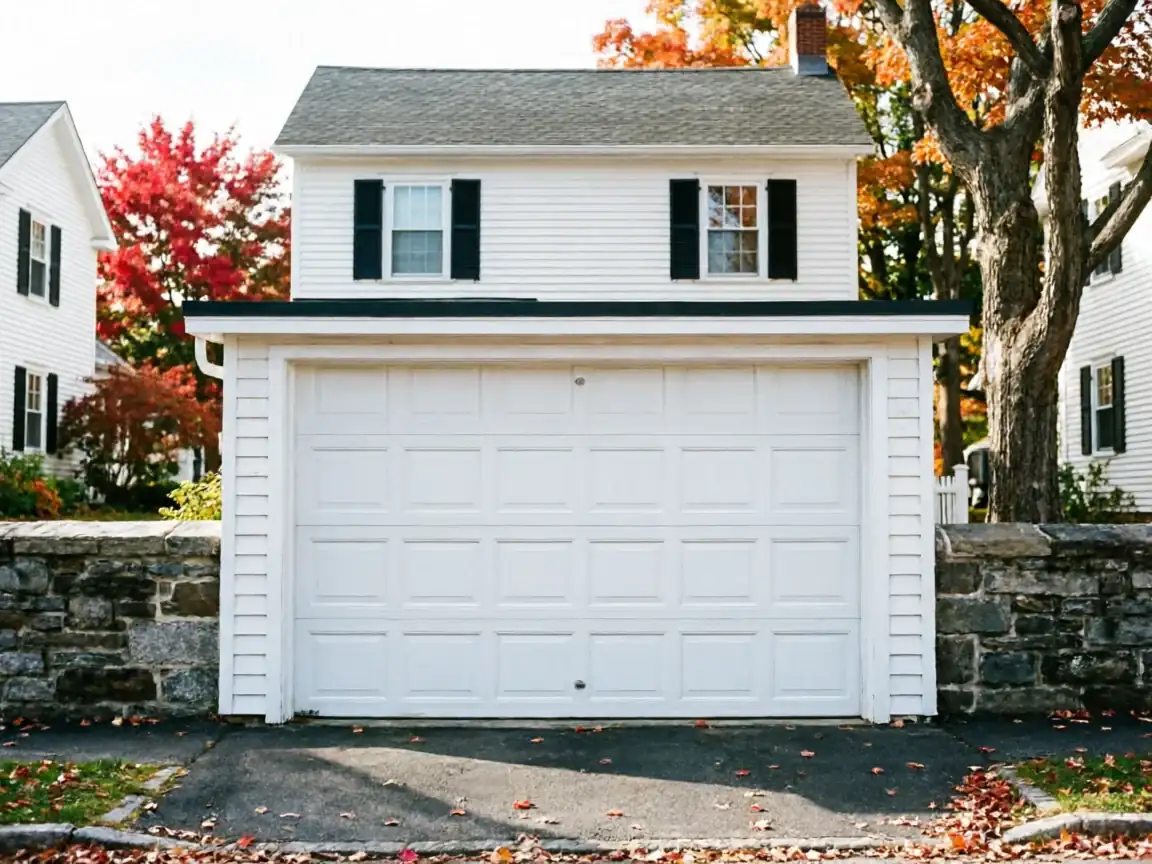
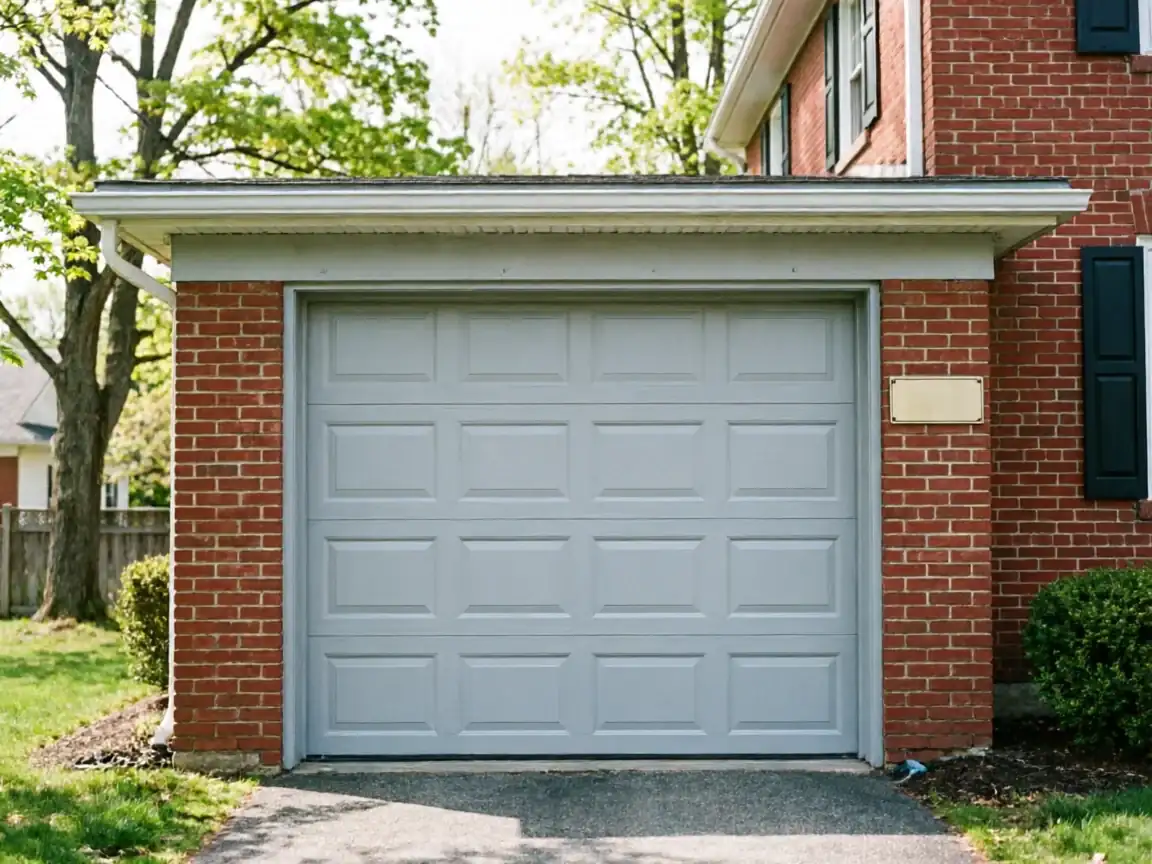
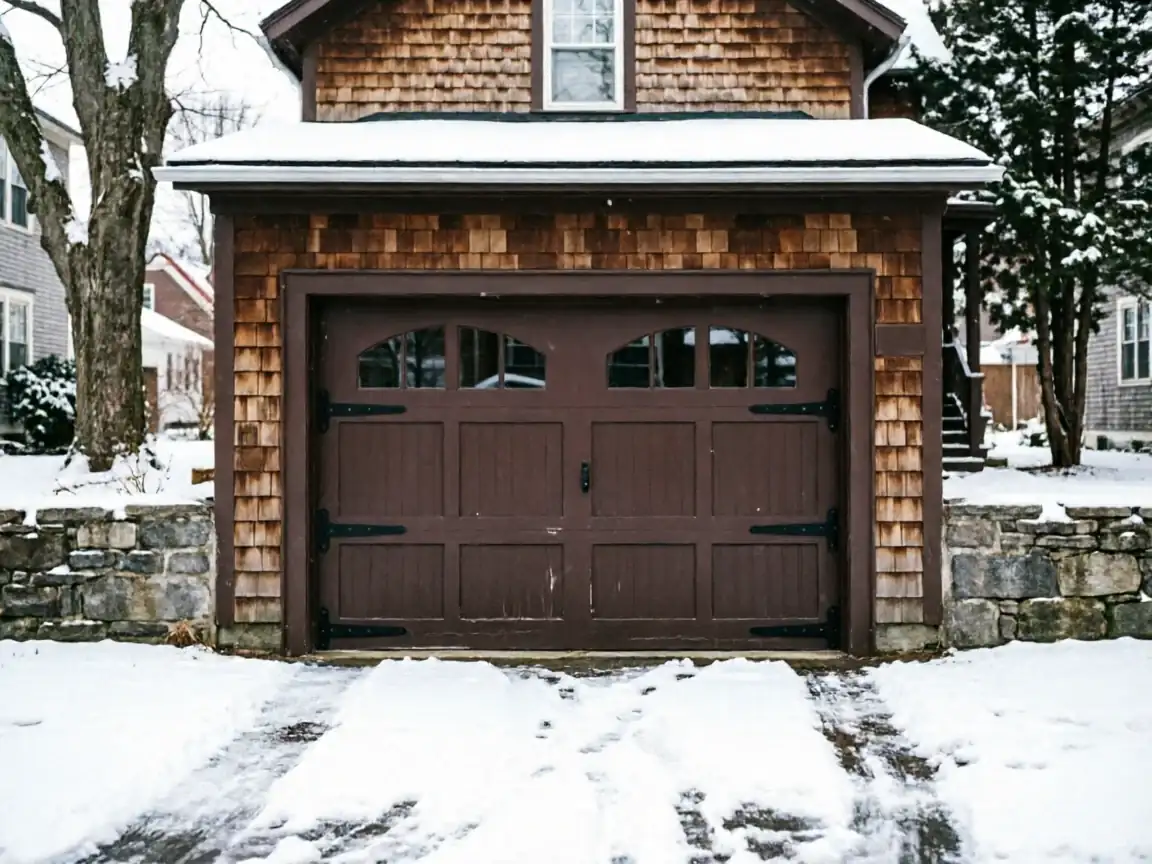
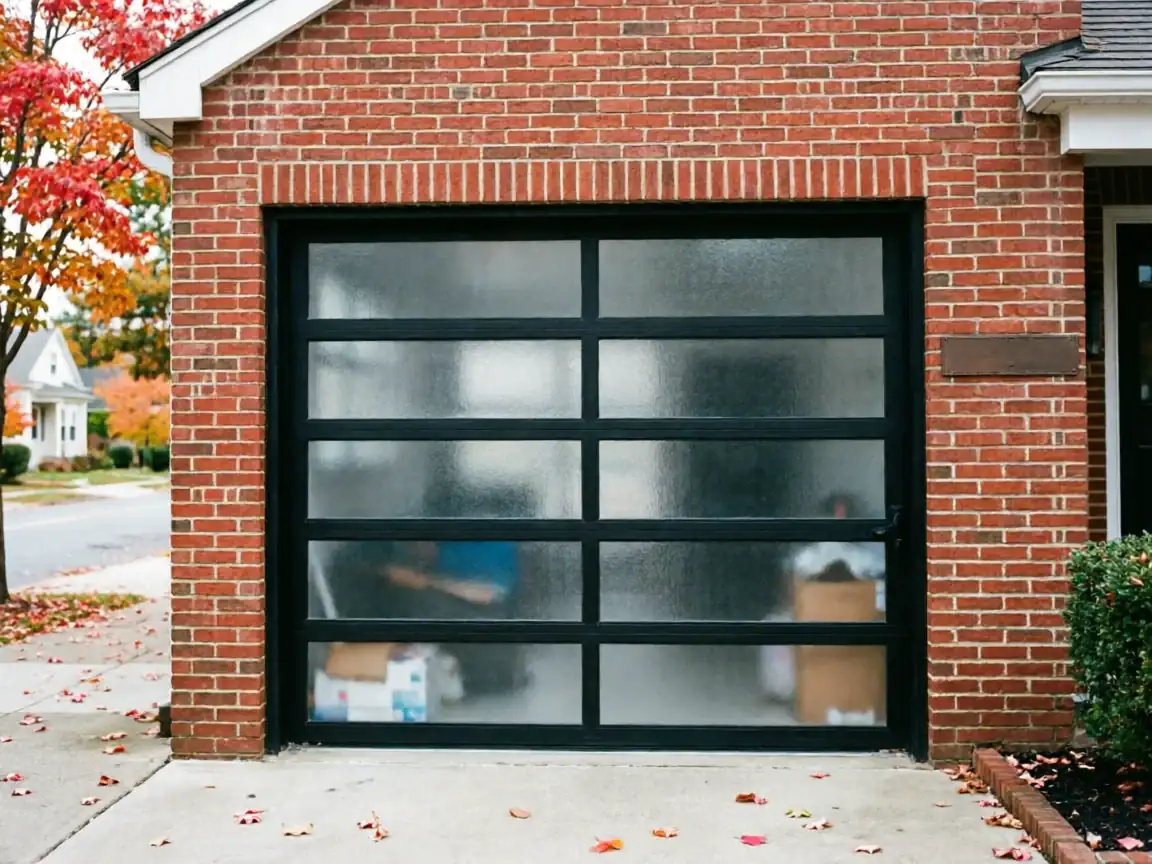
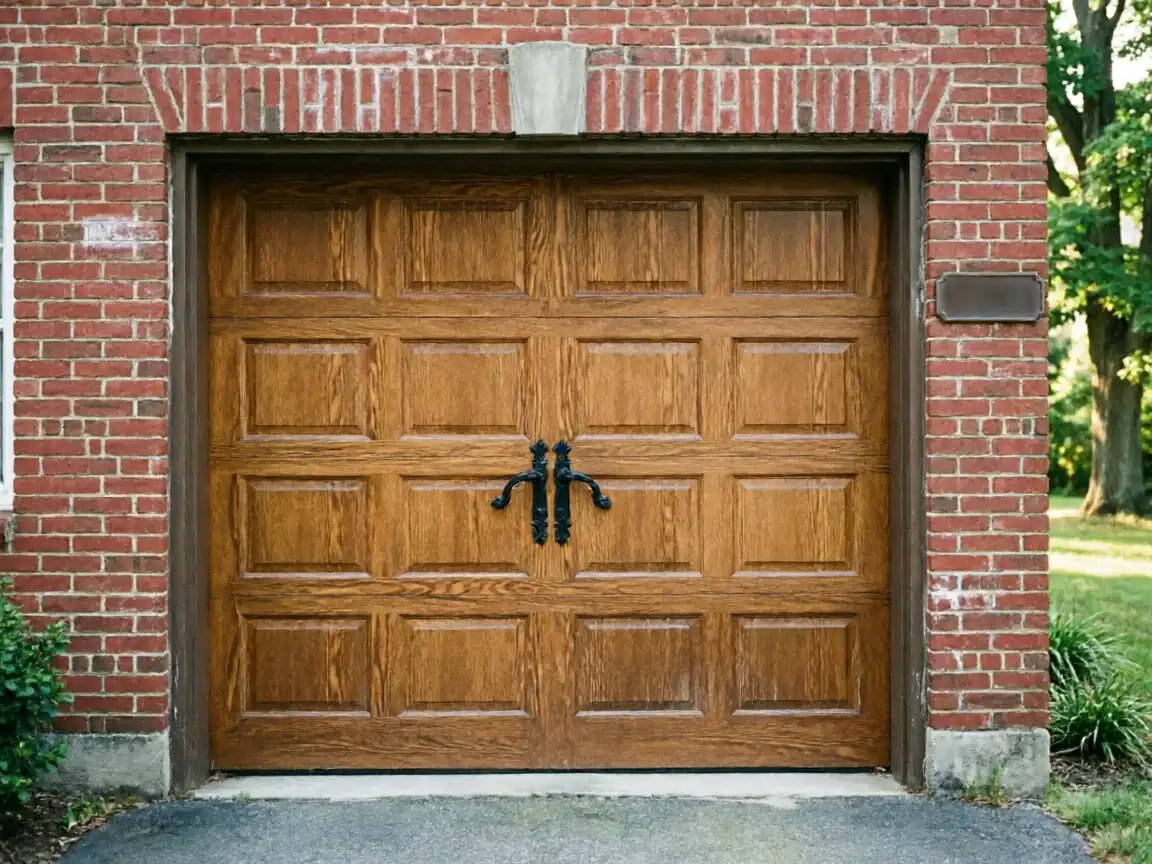
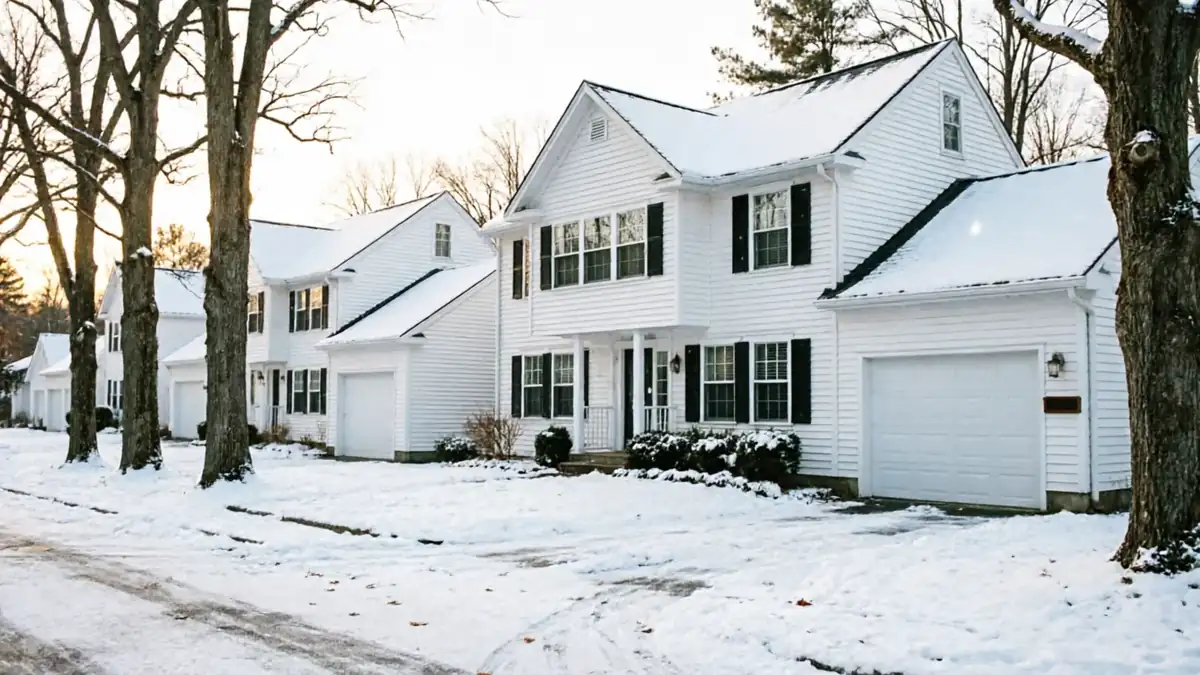
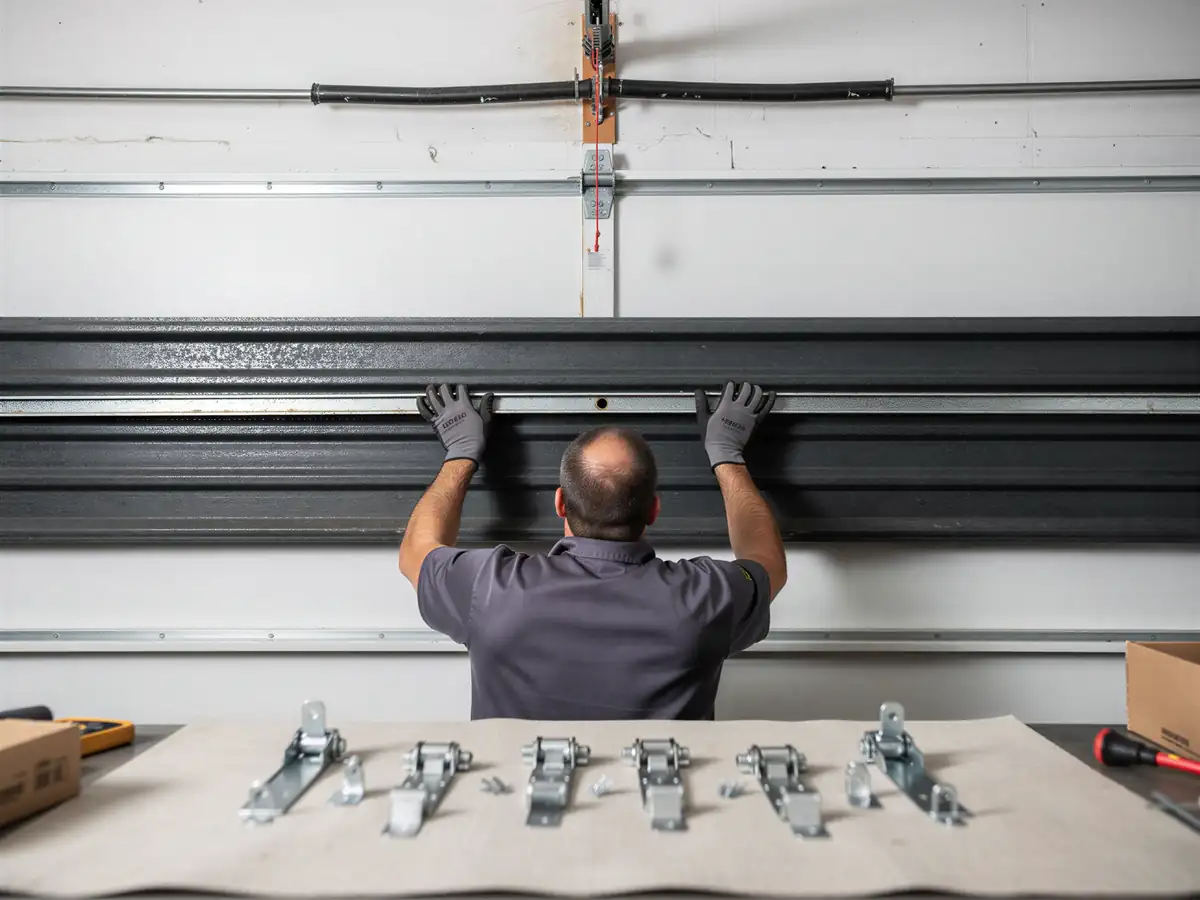
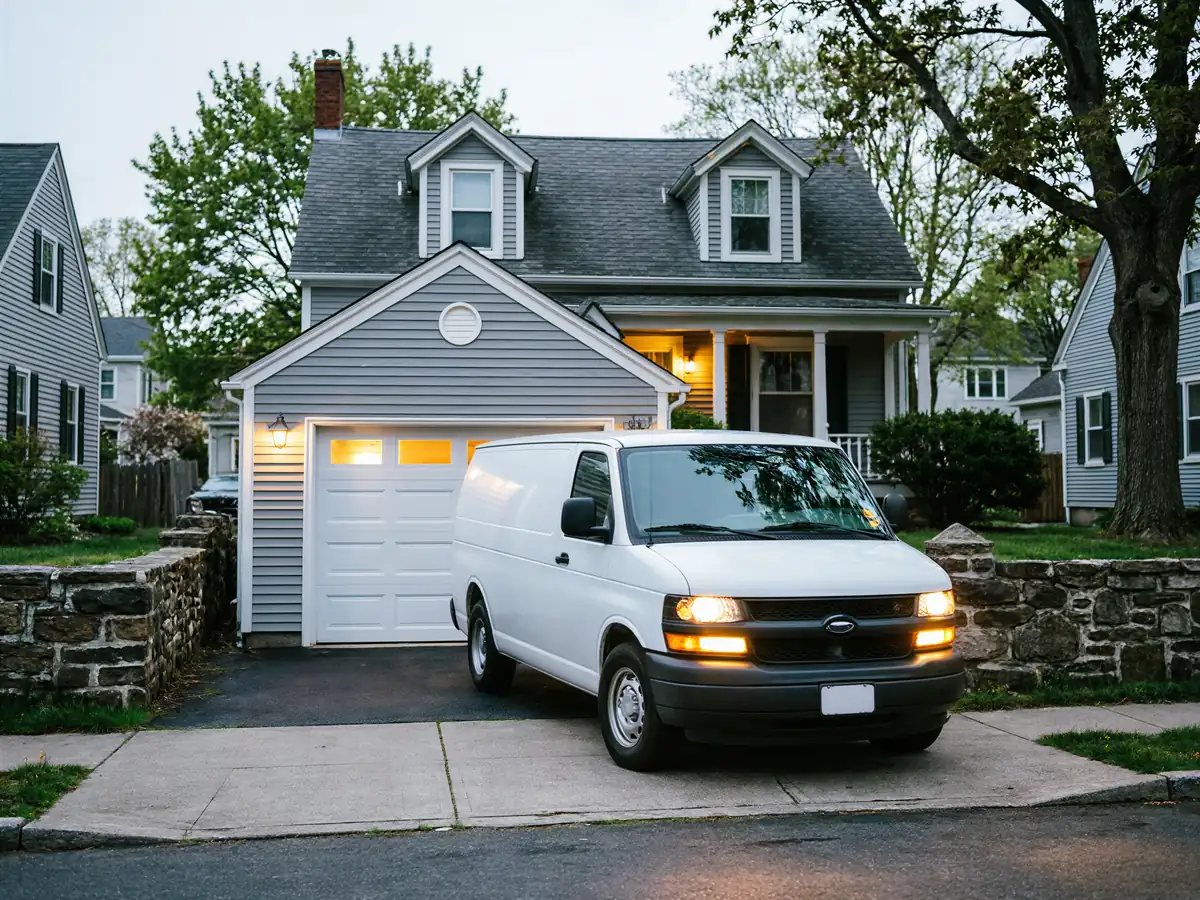
Northampton sits 7 miles from our shop in Allentown, which is close enough that a truck roll doesn't pad the bill the way it might for towns further out on the list. What does change the number is the door itself. With a median year built of 1938 for this town, a fair number of the garage doors we see here are on original or long-replaced openings with non-standard dimensions - narrower bays, lower headroom, hardware that nobody has made in decades. A broken torsion spring on a door built to a modern 7-foot, 16-foot-wide standard is a stock part. The same failure on a door sized for a 1938 opening can mean a custom spring wind or a bracket that has to be fabricated rather than pulled off a shelf. We quote the job after we see the door, not before, because on a house this age the hardware underneath the paint is rarely what the listing photos suggest.
Can You Do This Yourself
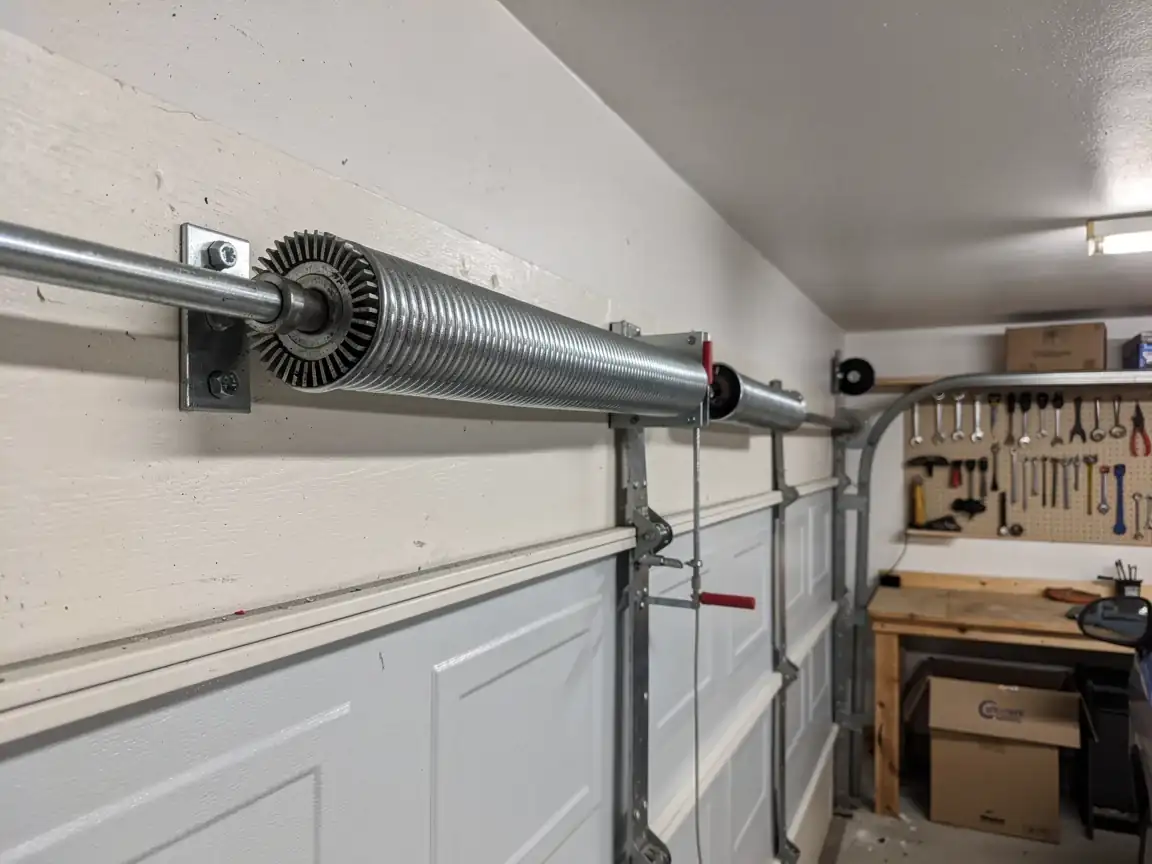
Some of this is reasonable to do yourself: lubricating hinges and rollers, tightening loose bolts on the track, swapping worn weatherstripping. None of that needs a call. Torsion springs are a different matter everywhere, but on Northampton's older stock the risk goes up, because the spring may be an odd size wound for a door that's been modified once or twice over 80-plus years of ownership turnover. Guessing wrong on wind direction or wire gauge on a standard door is dangerous. Guessing wrong on a non-standard one usually means buying the part twice. If the opener is just not responding, check the wall switch and breaker first - that alone solves more calls than people expect. Past that, leave the spring and cable work to someone who's looked at the actual door.
What the Fix Involves
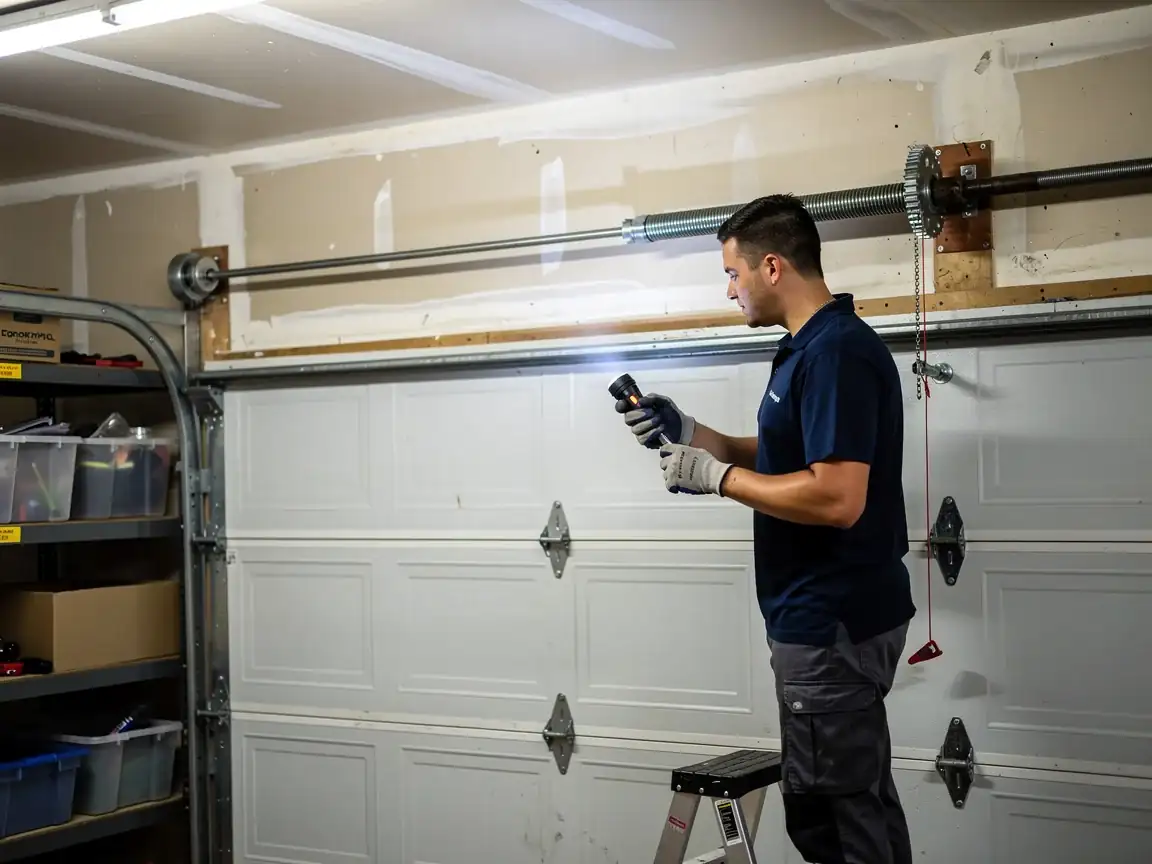
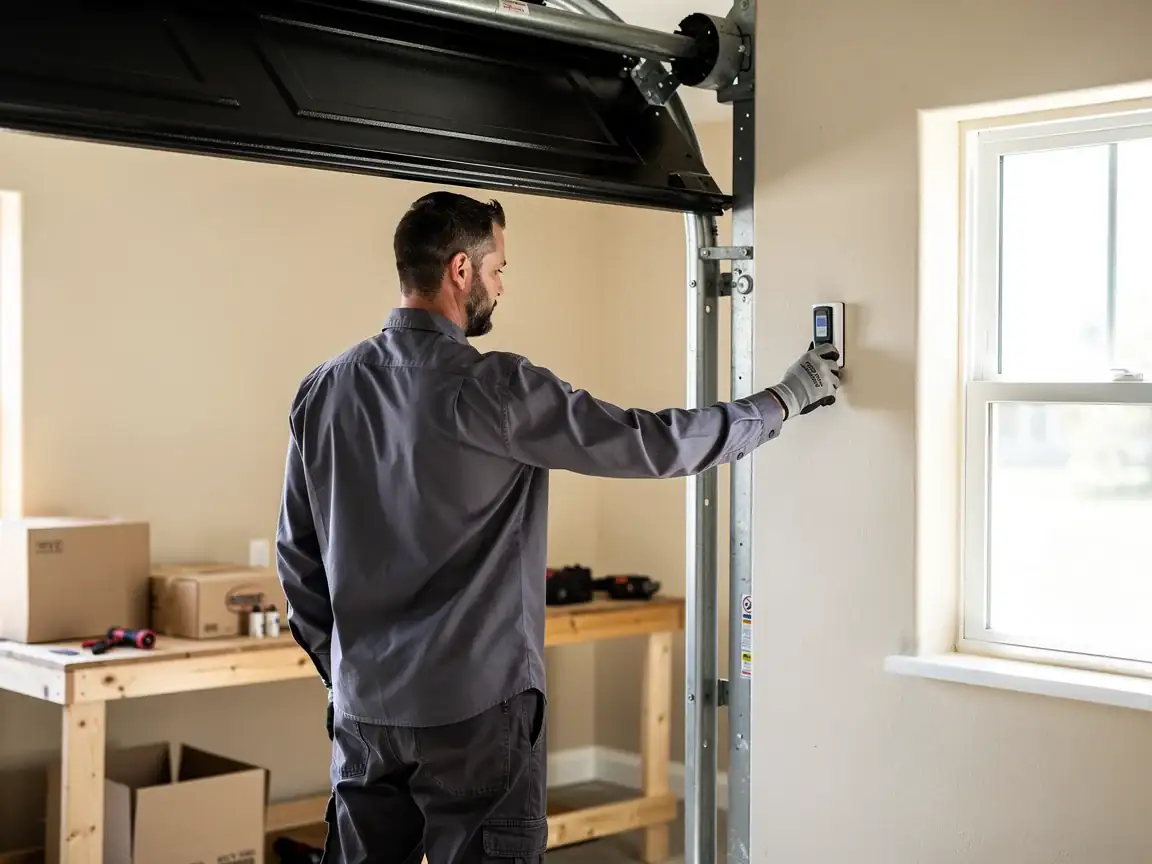
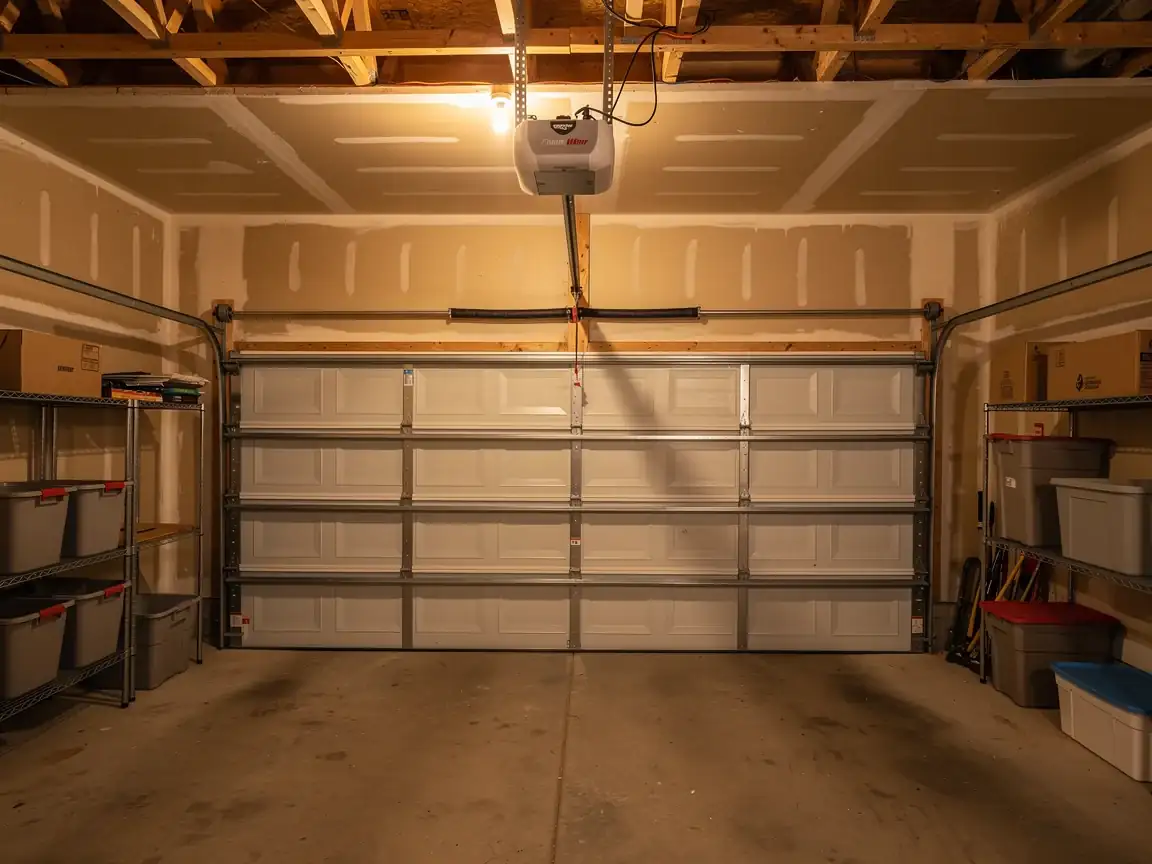
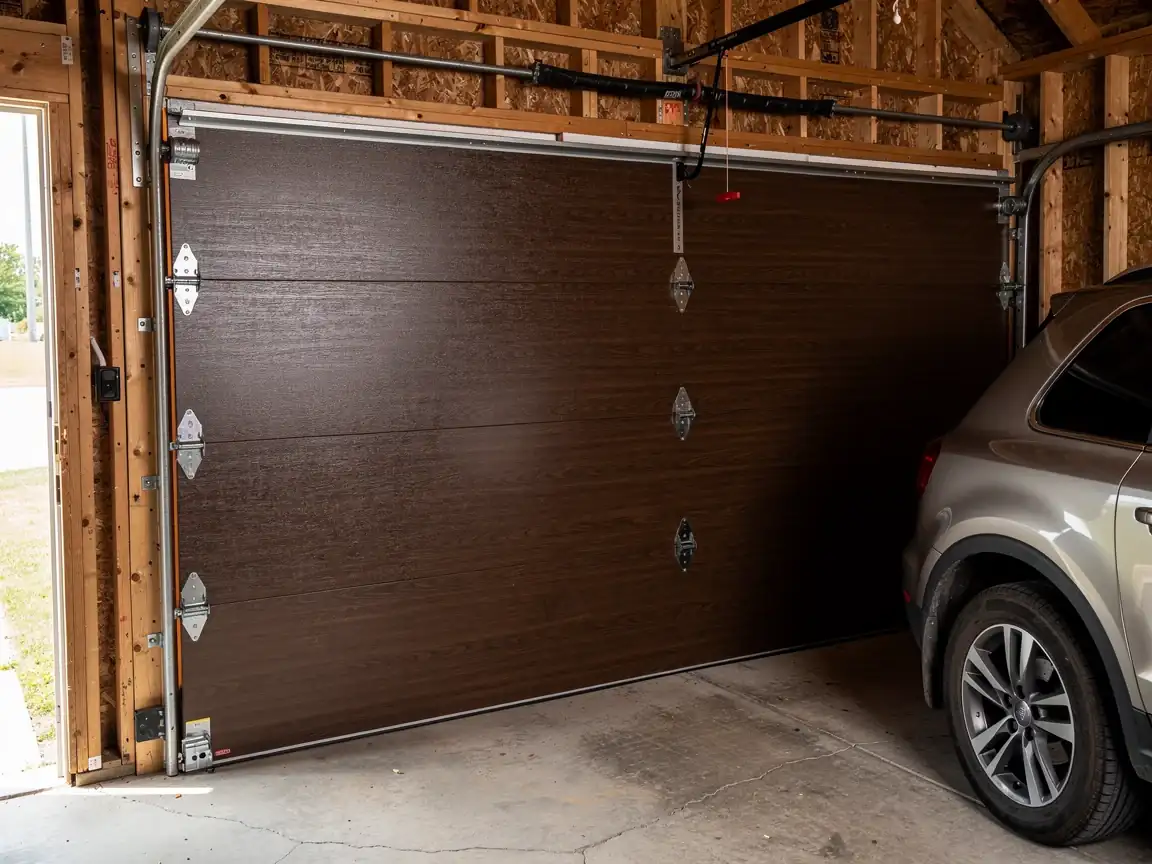
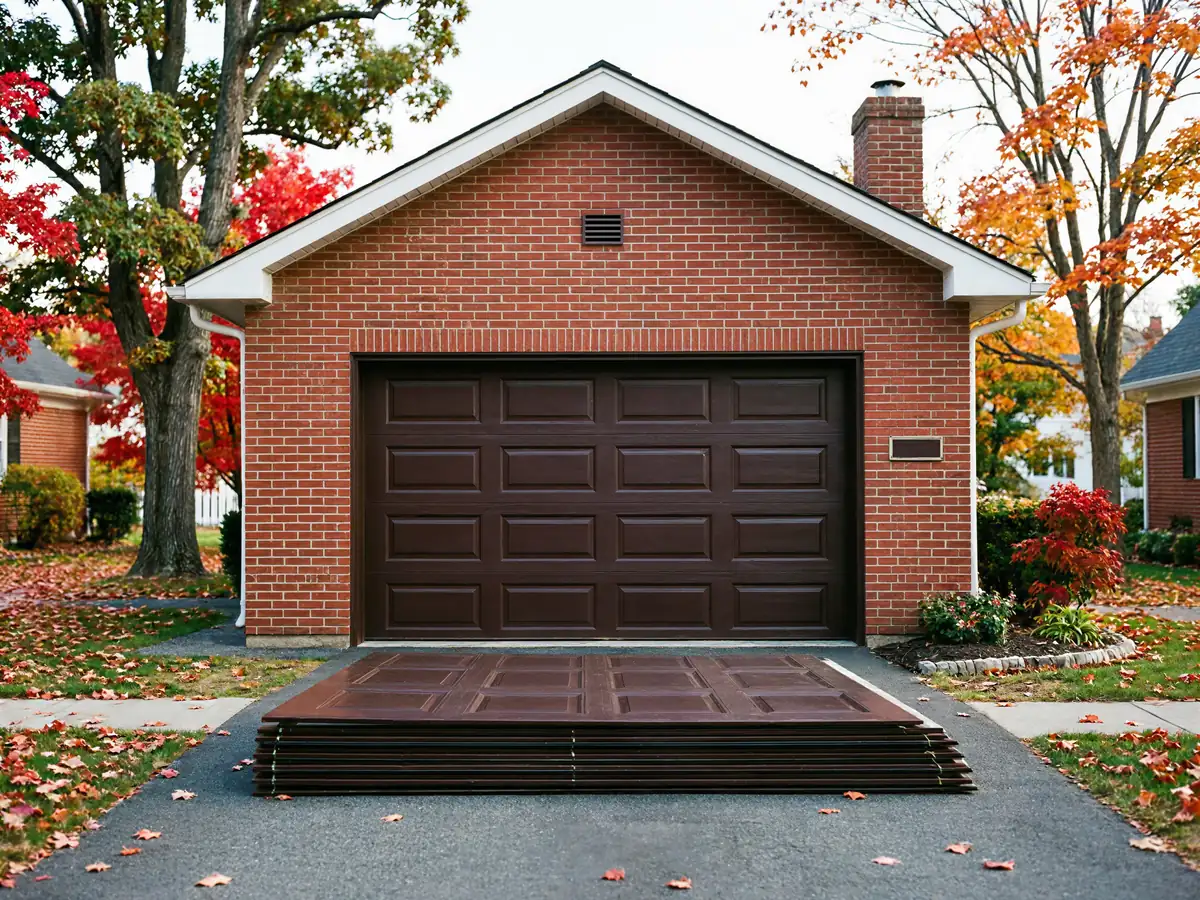
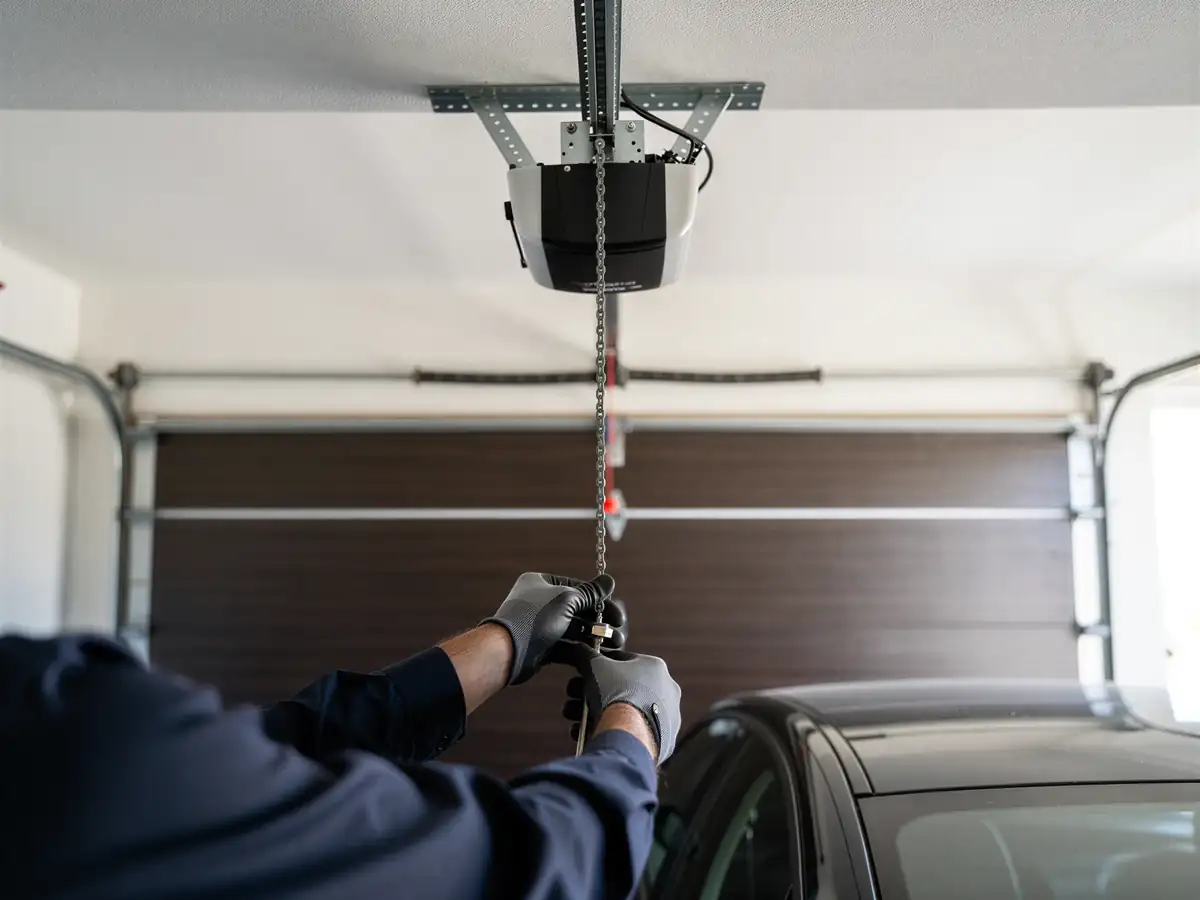
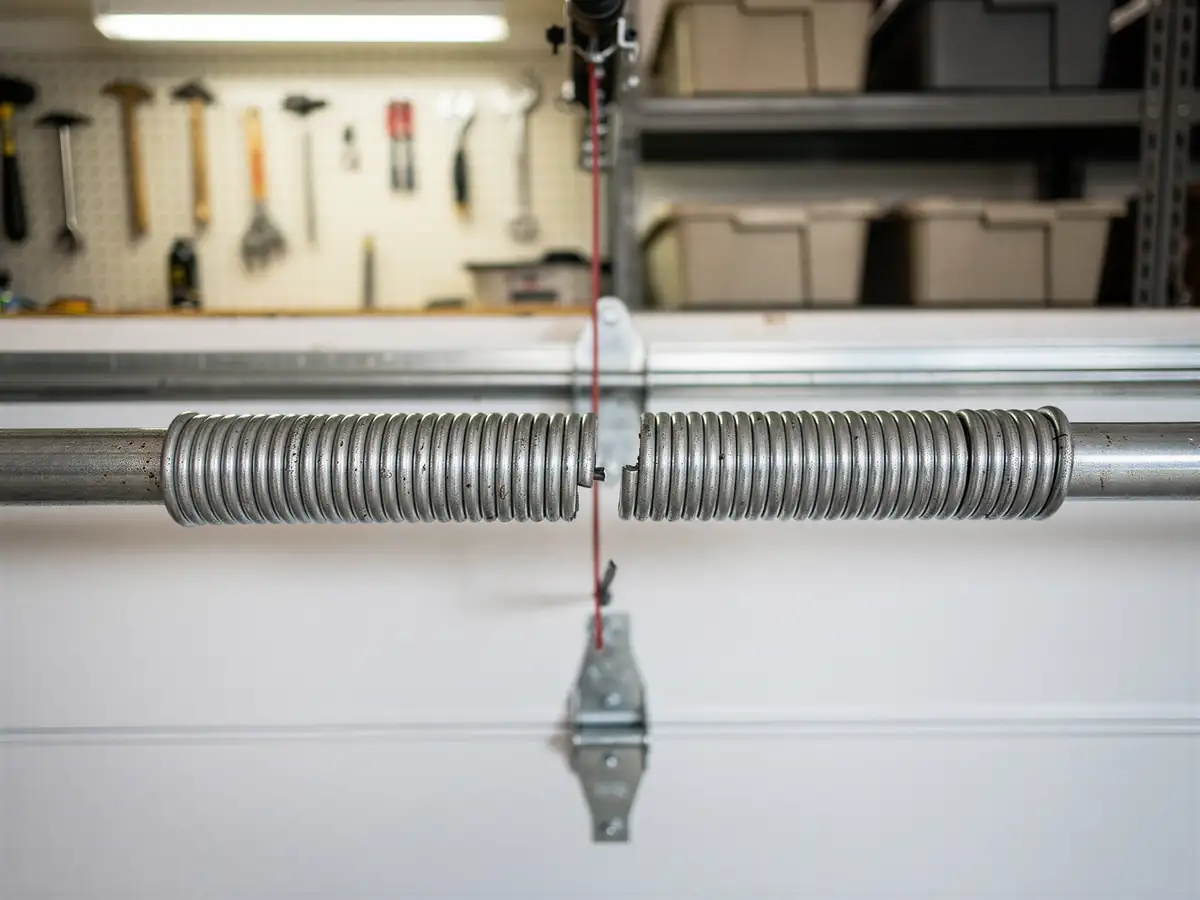
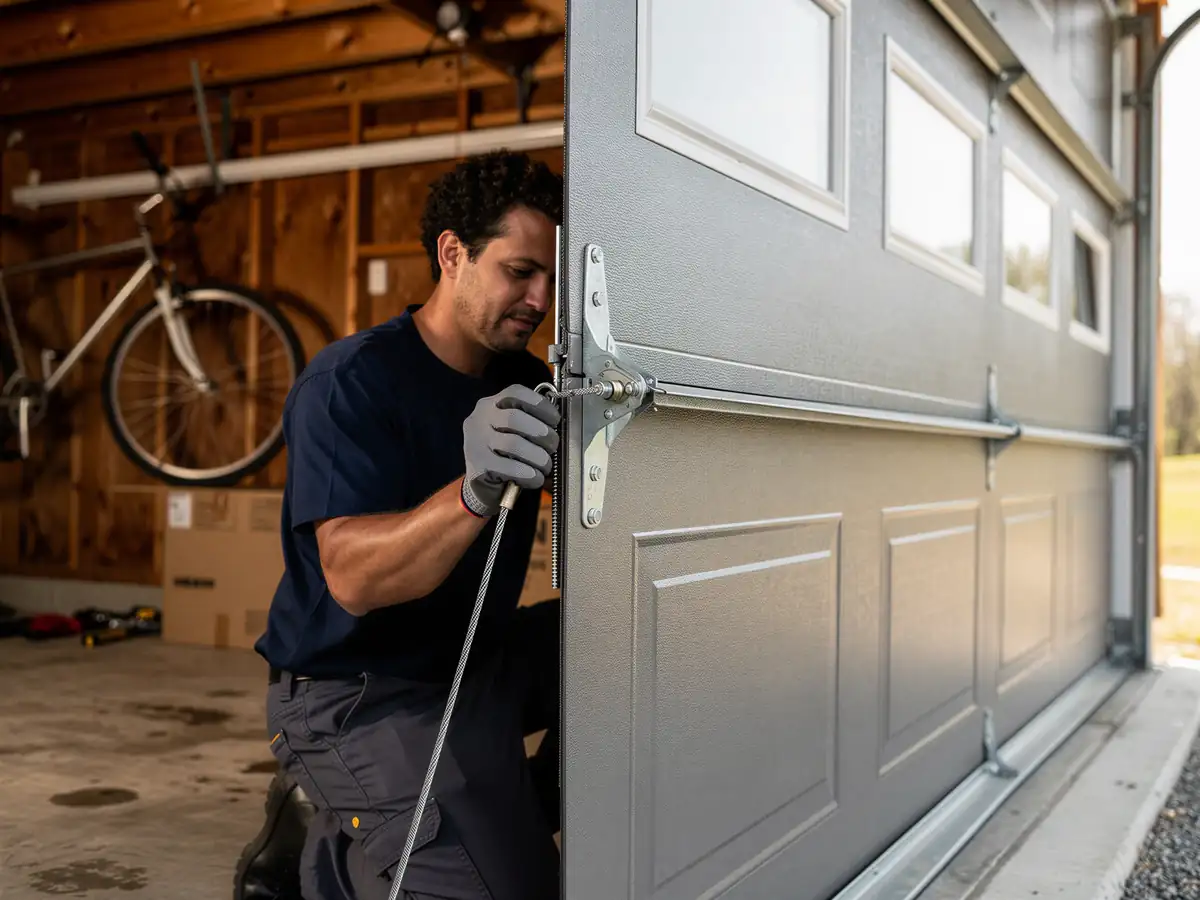
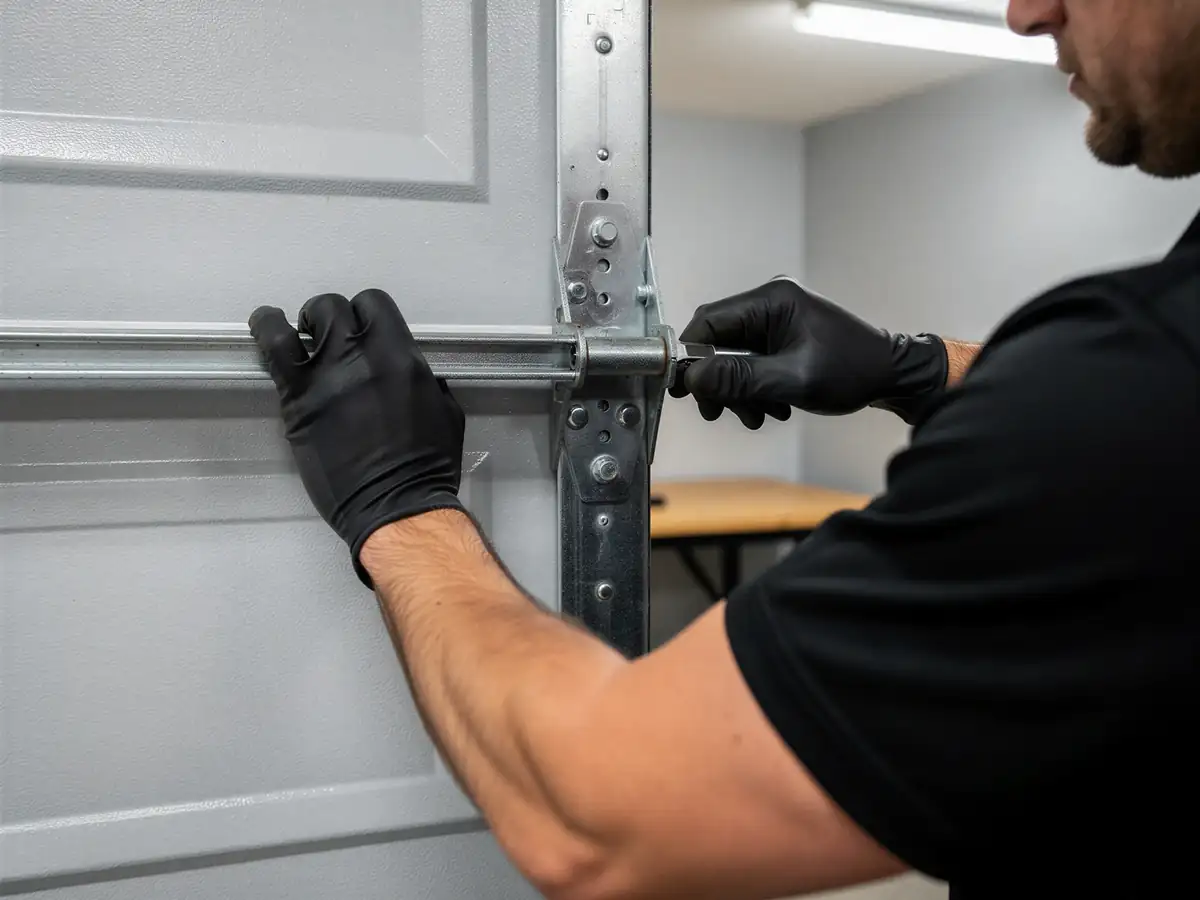
For a door of Northampton's typical vintage, the job usually starts with figuring out whether the track and drums are original or already-replaced parts from a prior repair, because mixed generations of hardware don't always match up cleanly. A broken spring gets the old one off, the shaft and bearings checked for wear, and a correctly wound replacement set under load-tested tension - this is the part that should never be a DIY job. If the opener itself is the problem, we check the logic board, the sensors, and the chain or belt before assuming a full unit swap is needed. Across the 54,983 owner-occupied houses in the broader service area, a surprising share of opener calls turn out to be a $20 sensor alignment fix rather than a new unit.
Where This Job Goes Sideways
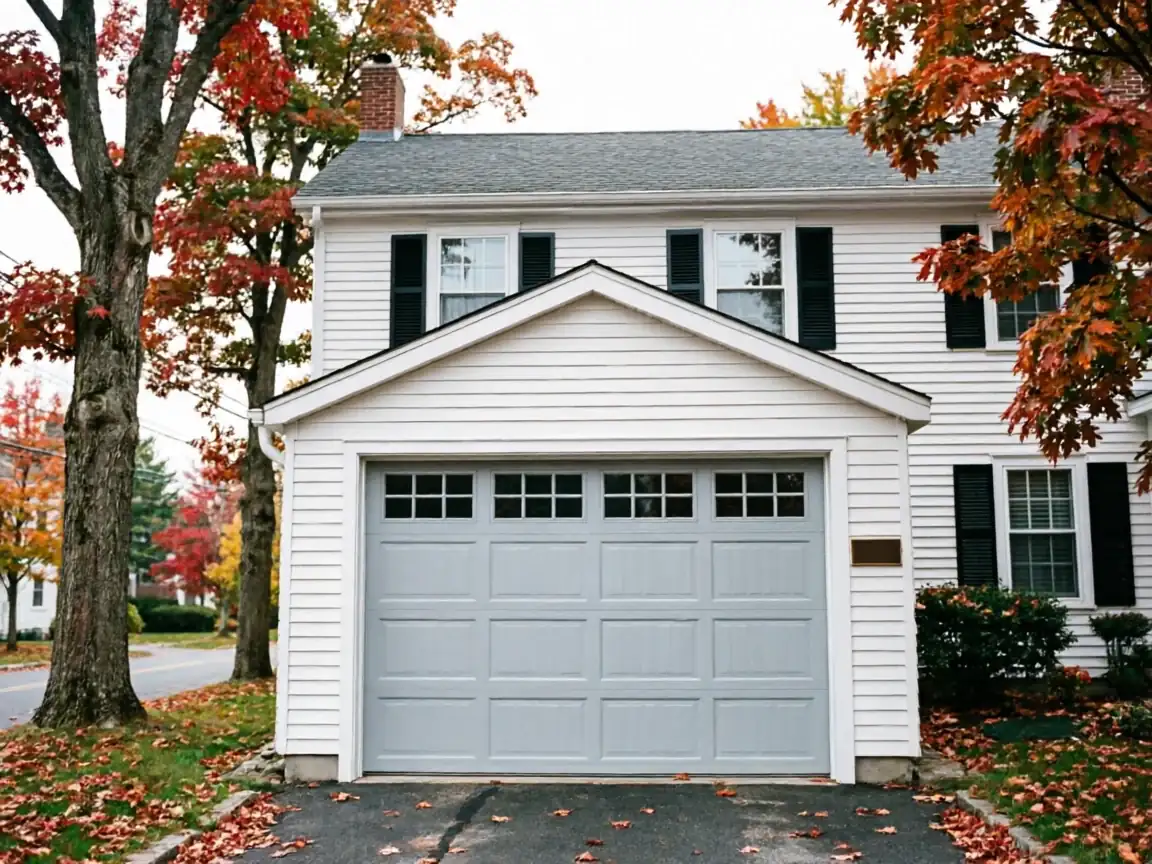
The honest limitation: if a door here has been resized, re-tracked, or had panels mismatched over the decades - which happens on houses this old more than on newer ones - we sometimes can't get an exact replacement part same-day, and a custom order adds time to the job. We'll tell you that up front rather than string you along with a part that's close enough. The other place this goes sideways is cold weather. The region sits in a severe cold climate band, and a door that's been limping along all fall will often fail completely on the first hard freeze, when the grease stiffens and whatever was marginal gives out. If your door's been sticking, don't wait for that first cold snap to call.