What the Fix Involves
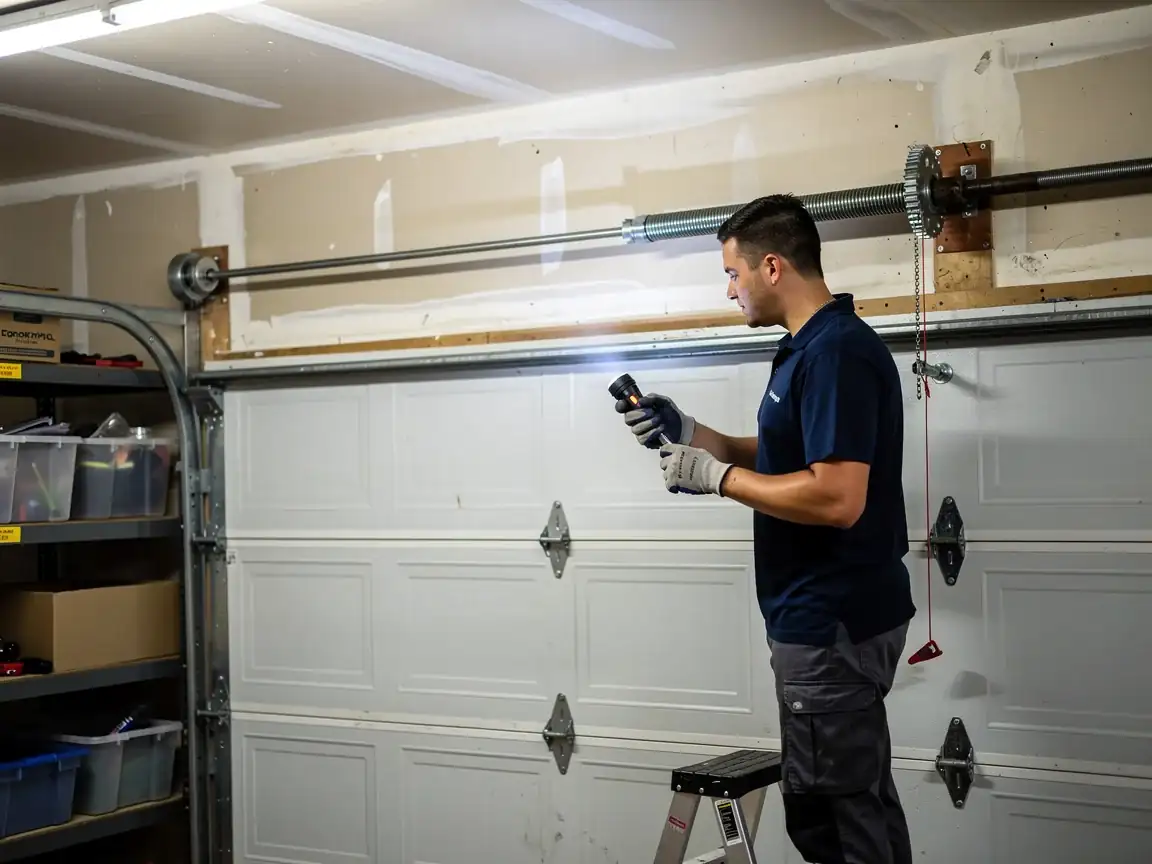
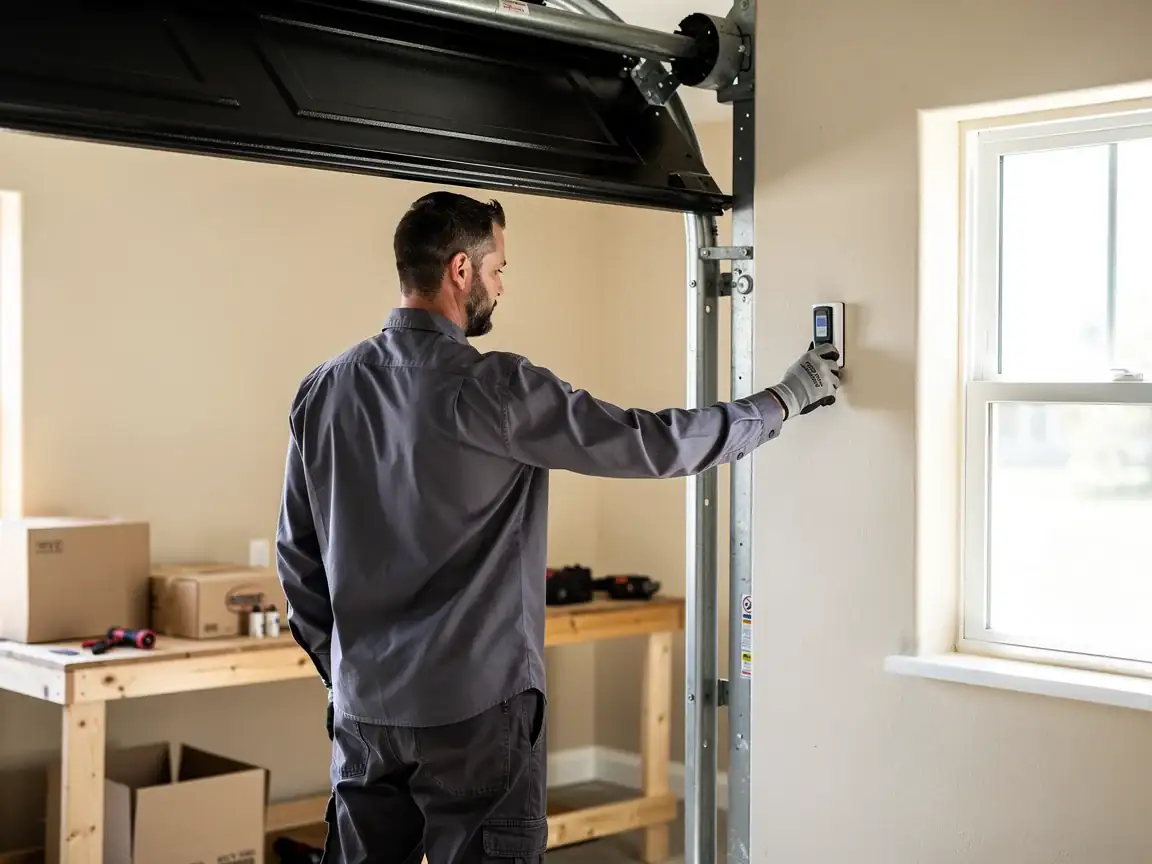
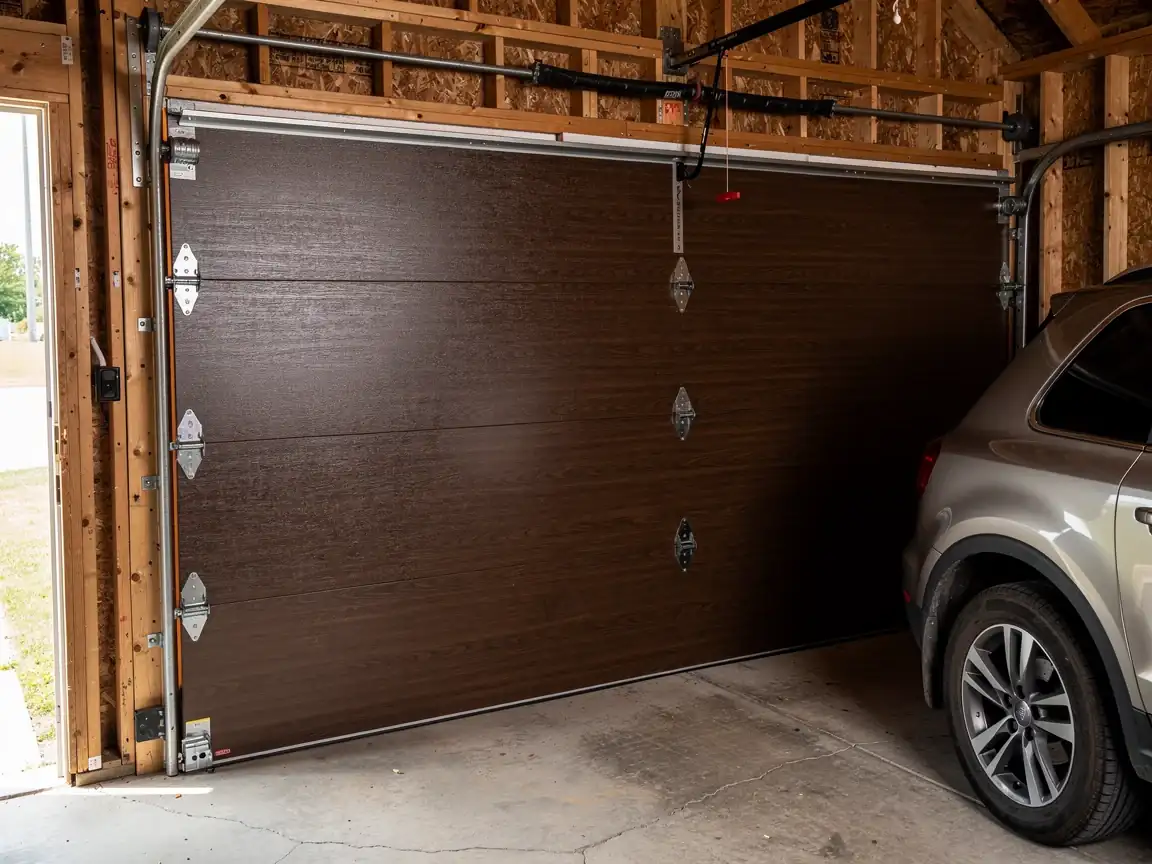
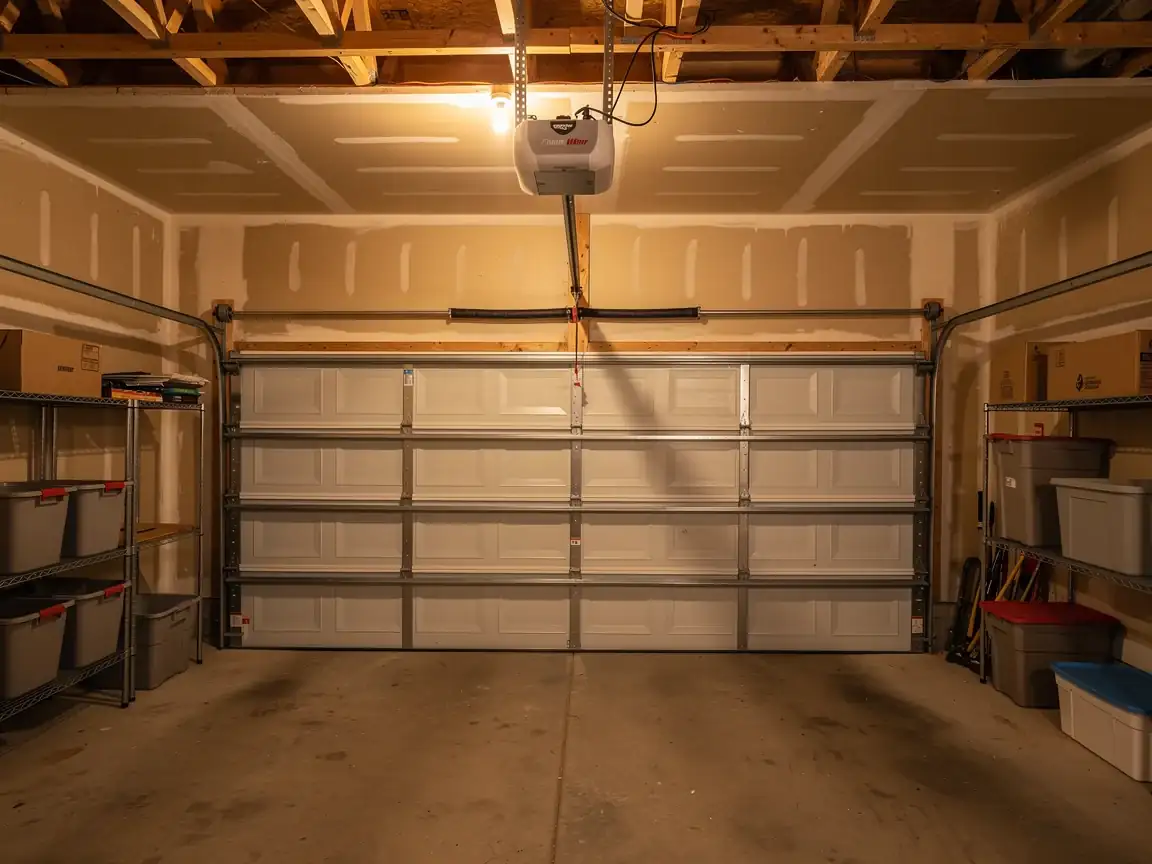
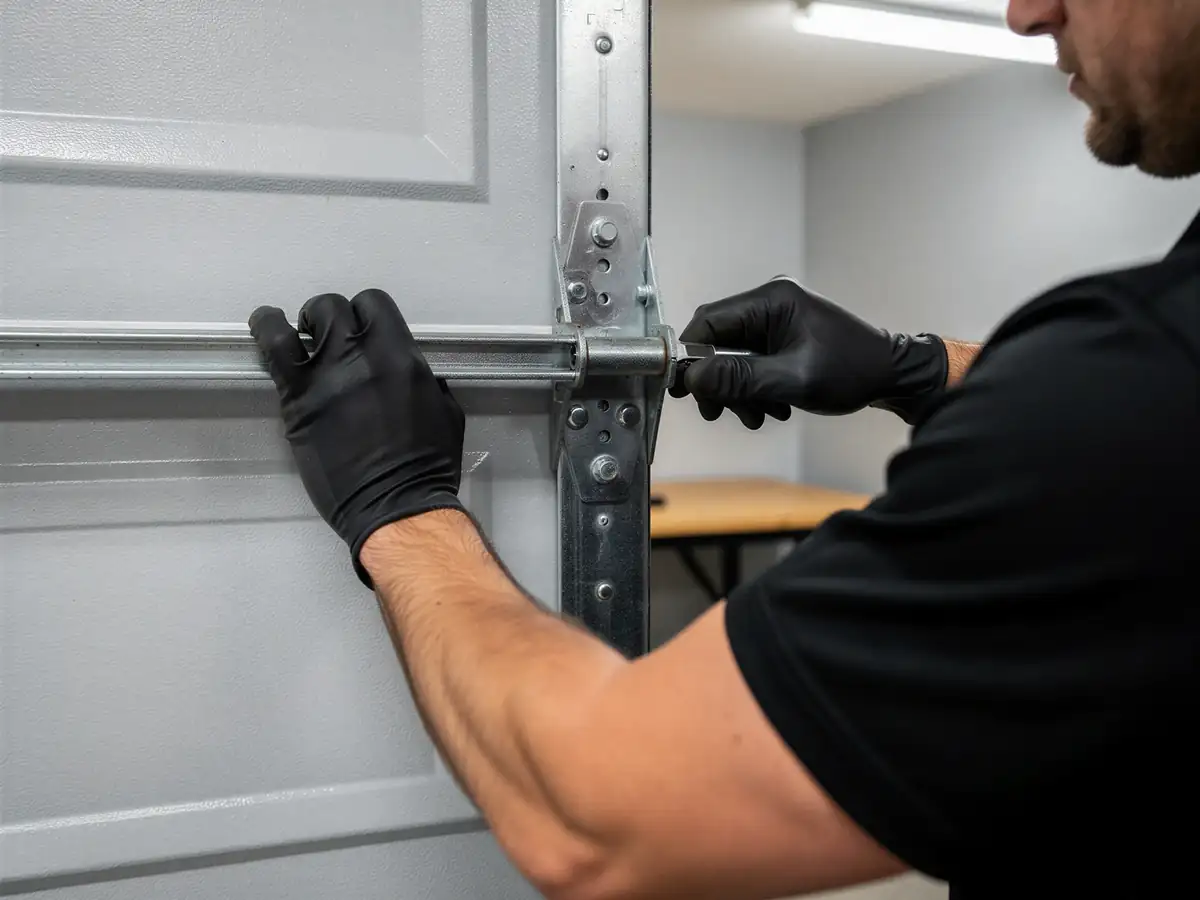
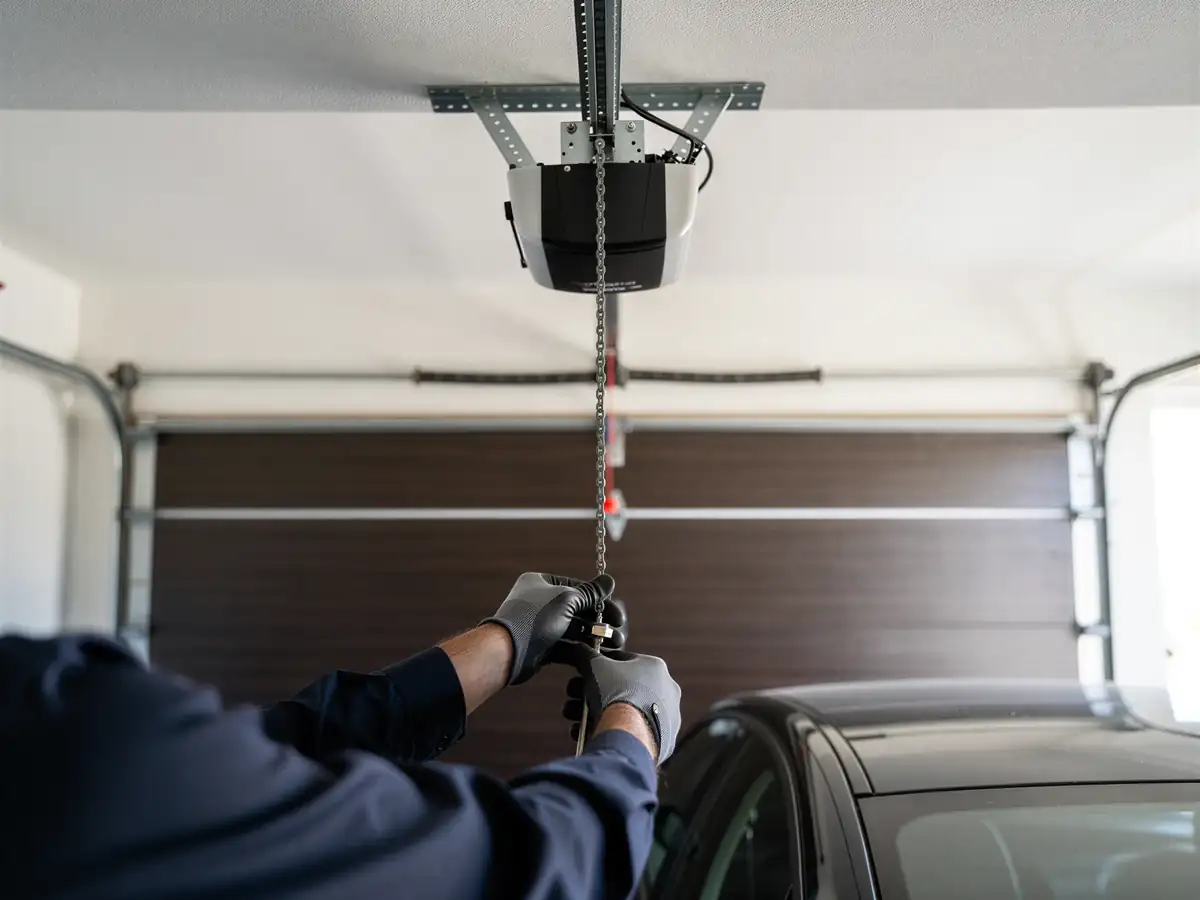
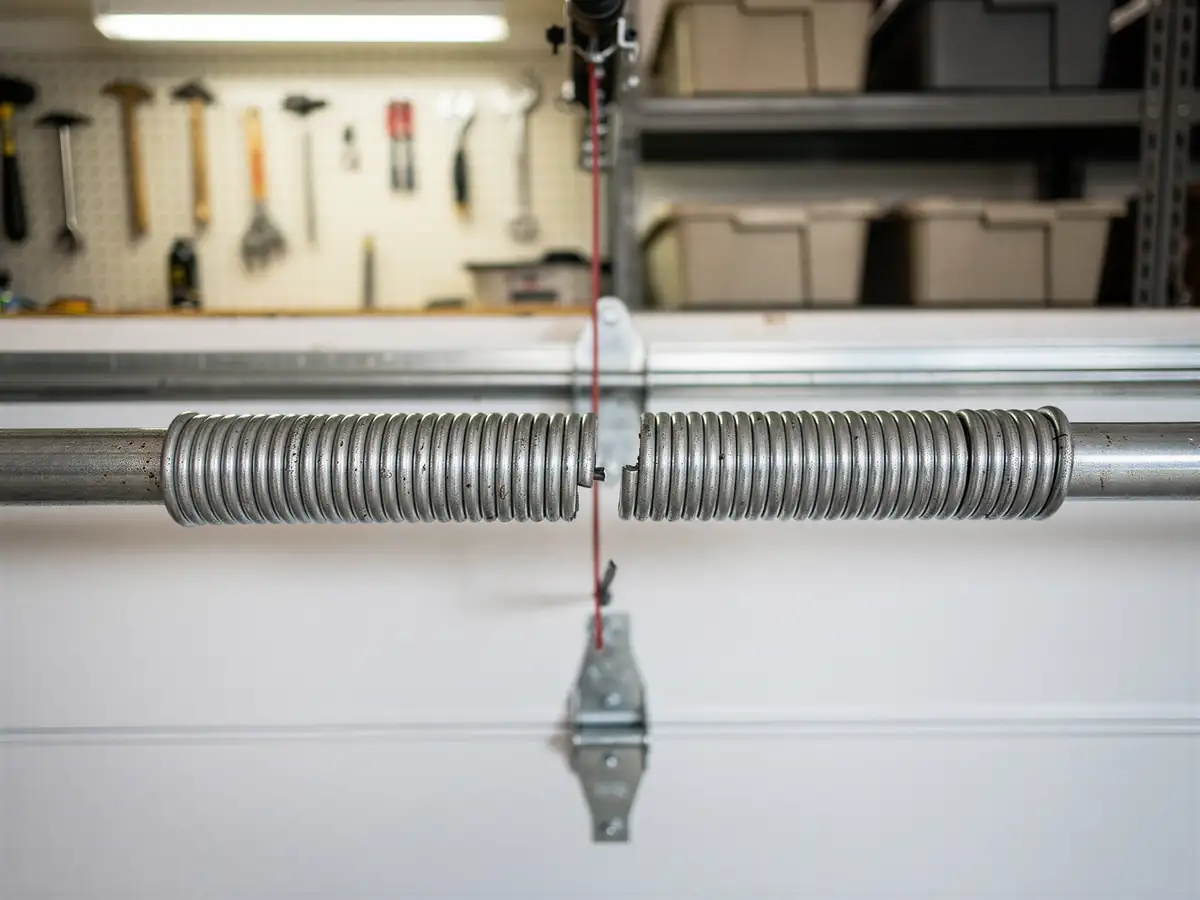
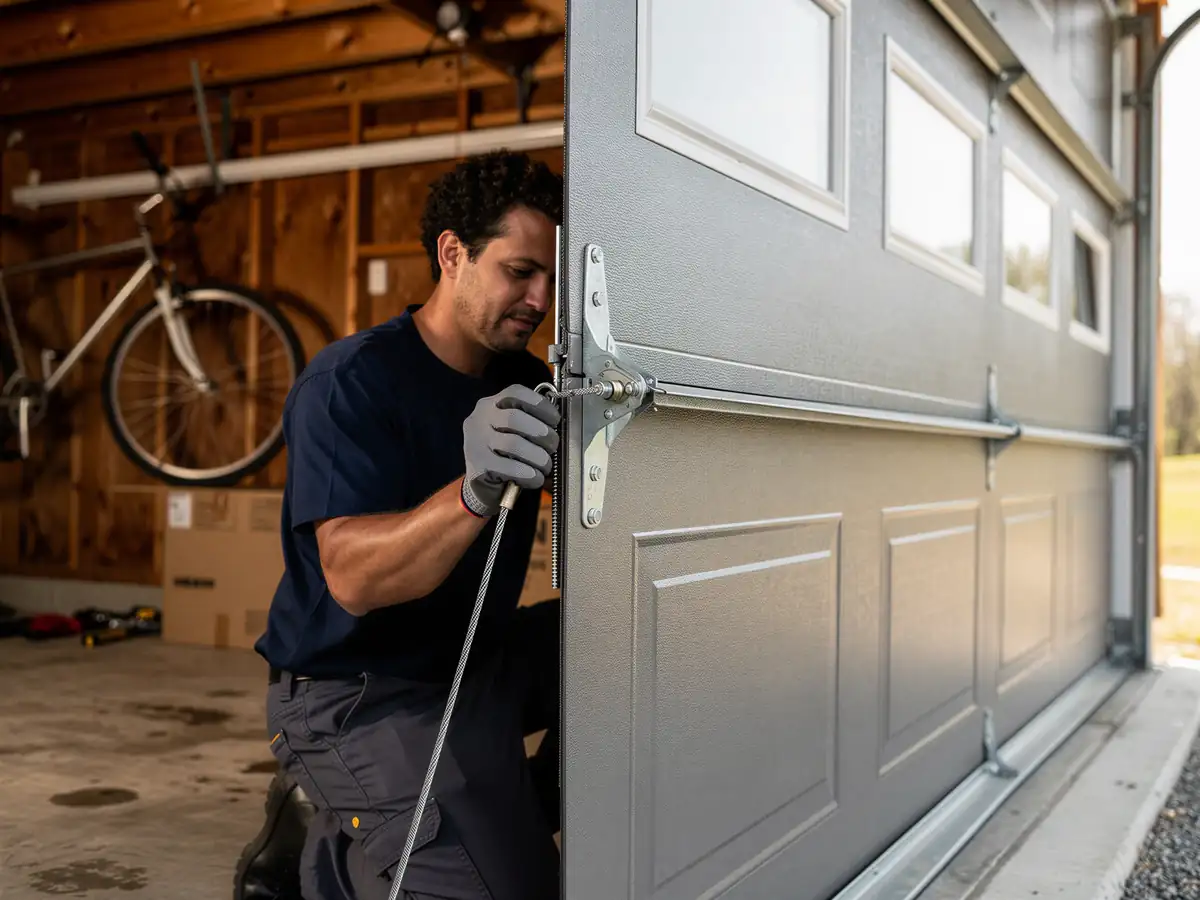
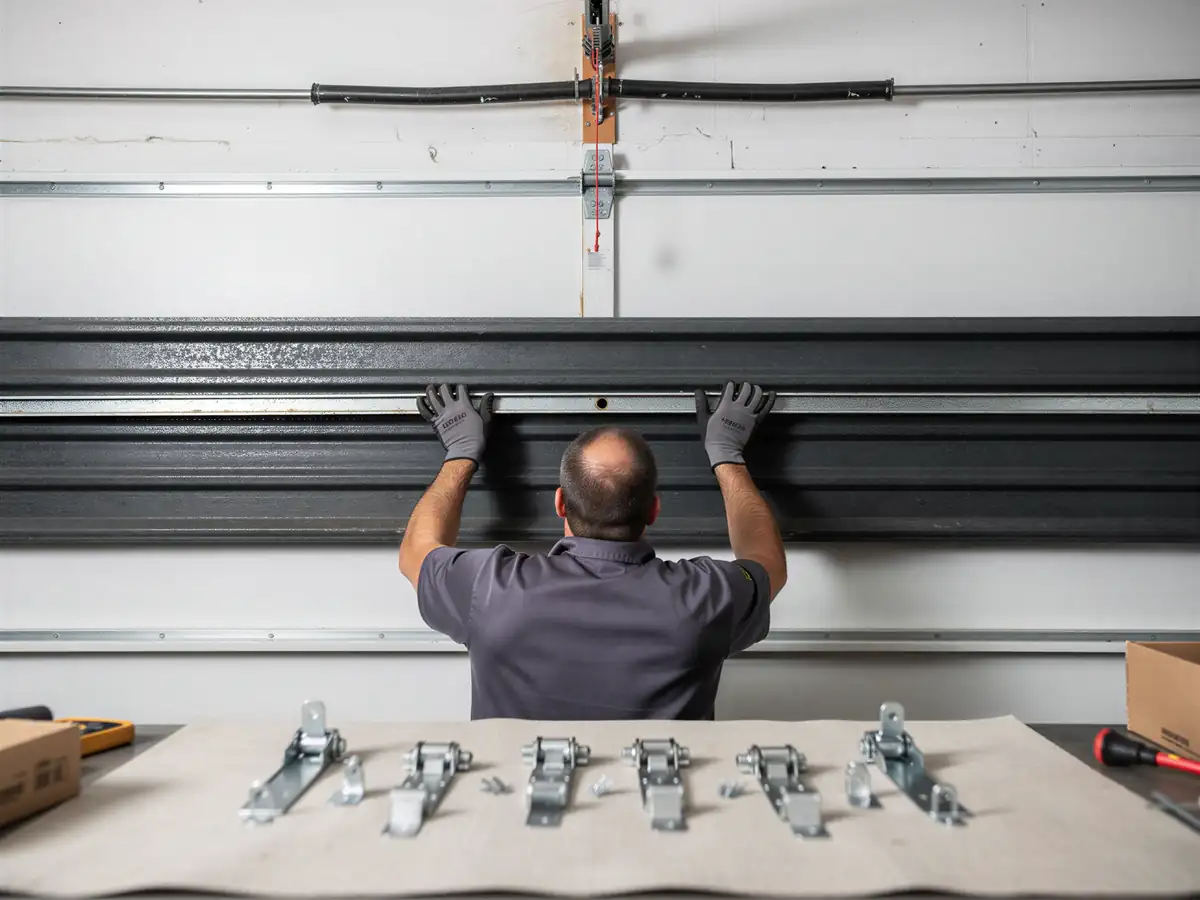
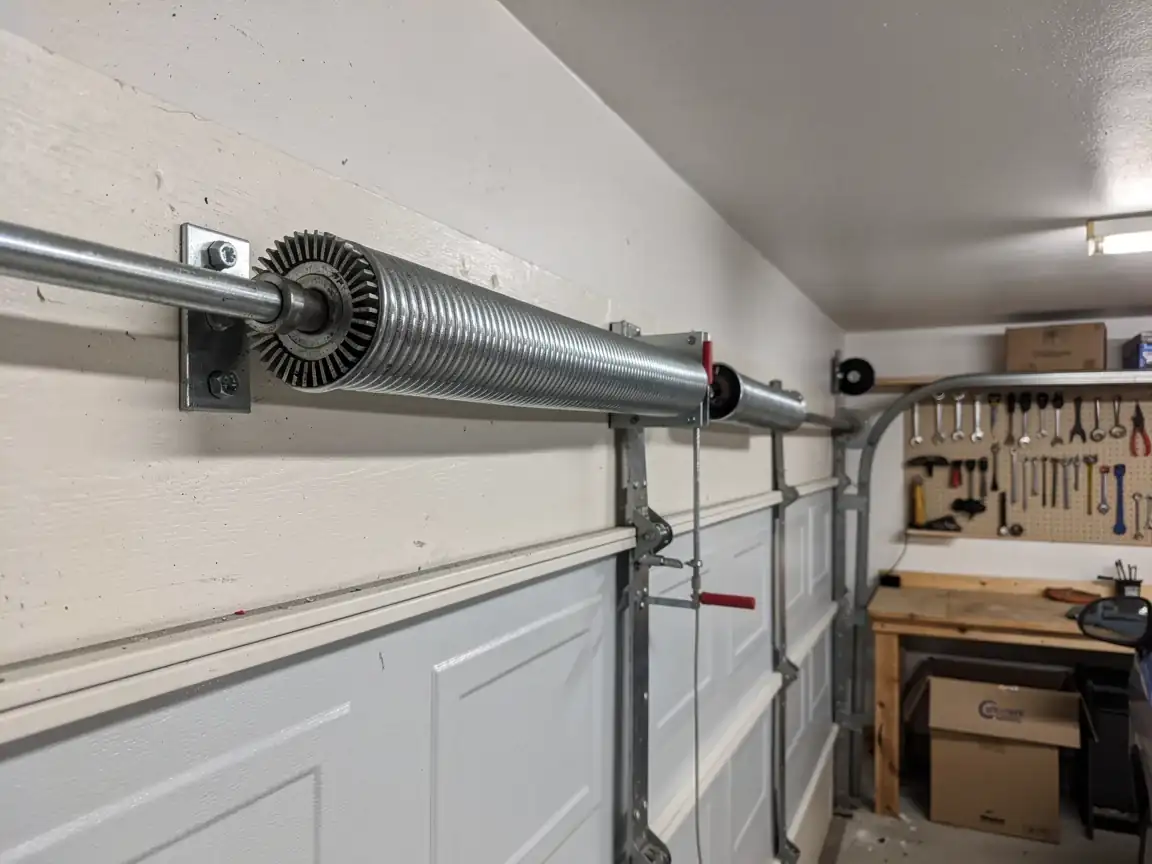
A standard service call starts with the torsion spring and the track alignment, because those two parts fail together more often than any other combination. We check cable wear at the drum, inspect the rollers for flat spots, and test opener force settings against the door's actual weight - not the factory default. On a lot of Allentown houses, that weight has changed over the decades because the original door was swapped for a heavier insulated steel panel without anyone adjusting the spring size to match. We also check the bottom seal and the header weatherstrip, since those take the brunt of the cold here. What we don't do is sell you a full door replacement when a spring and a pair of rollers will get you another decade - if the track is straight and the opener motor still pulls clean, we fix what's broken and leave the rest alone. That's not generosity, it's just a faster job and a lower bill, and most of the calls we get in this area are exactly that kind of fix rather than a full teardown.
Why This Fails Locally
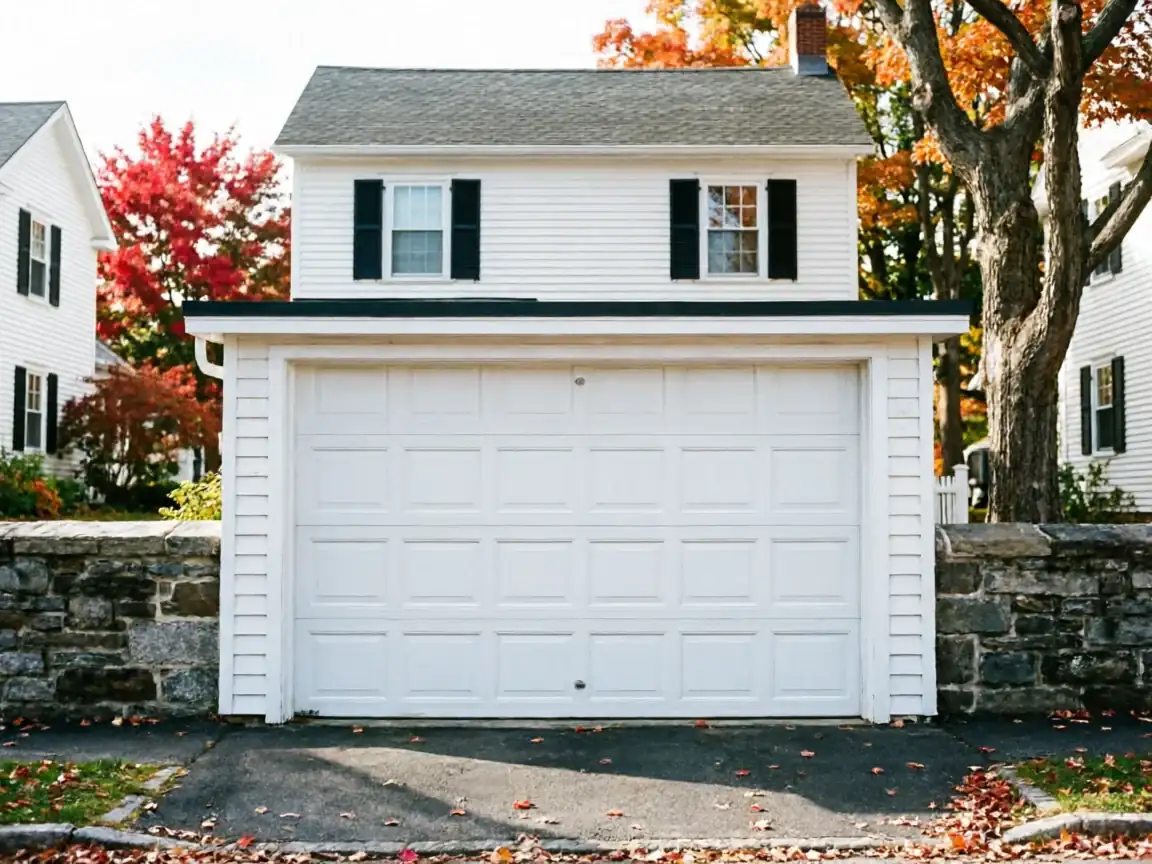
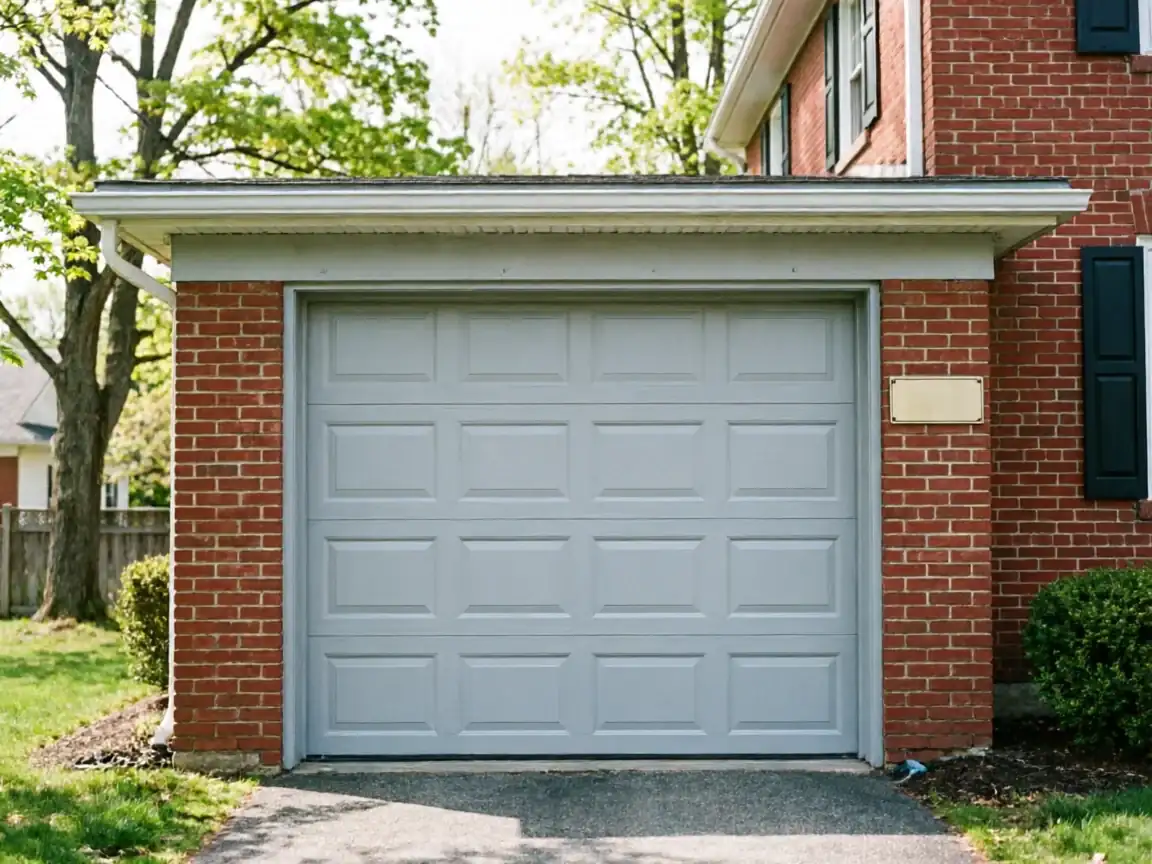
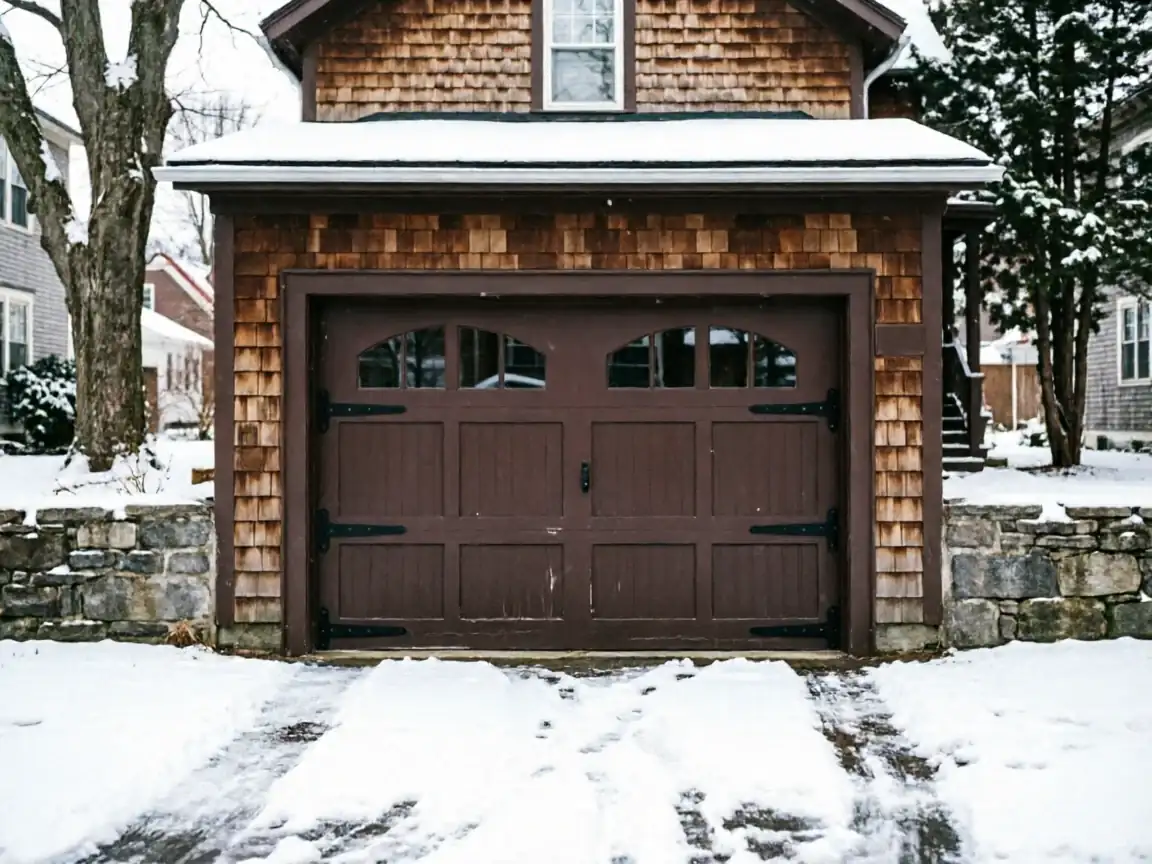
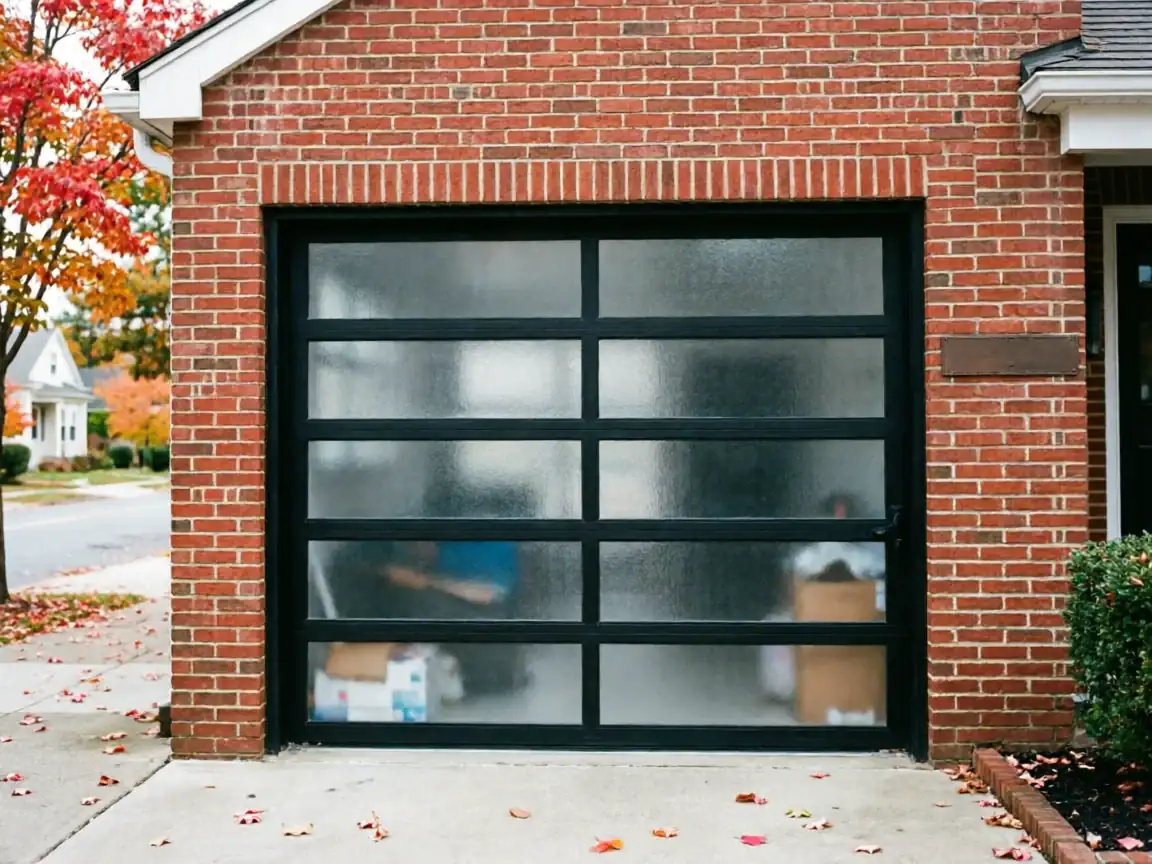
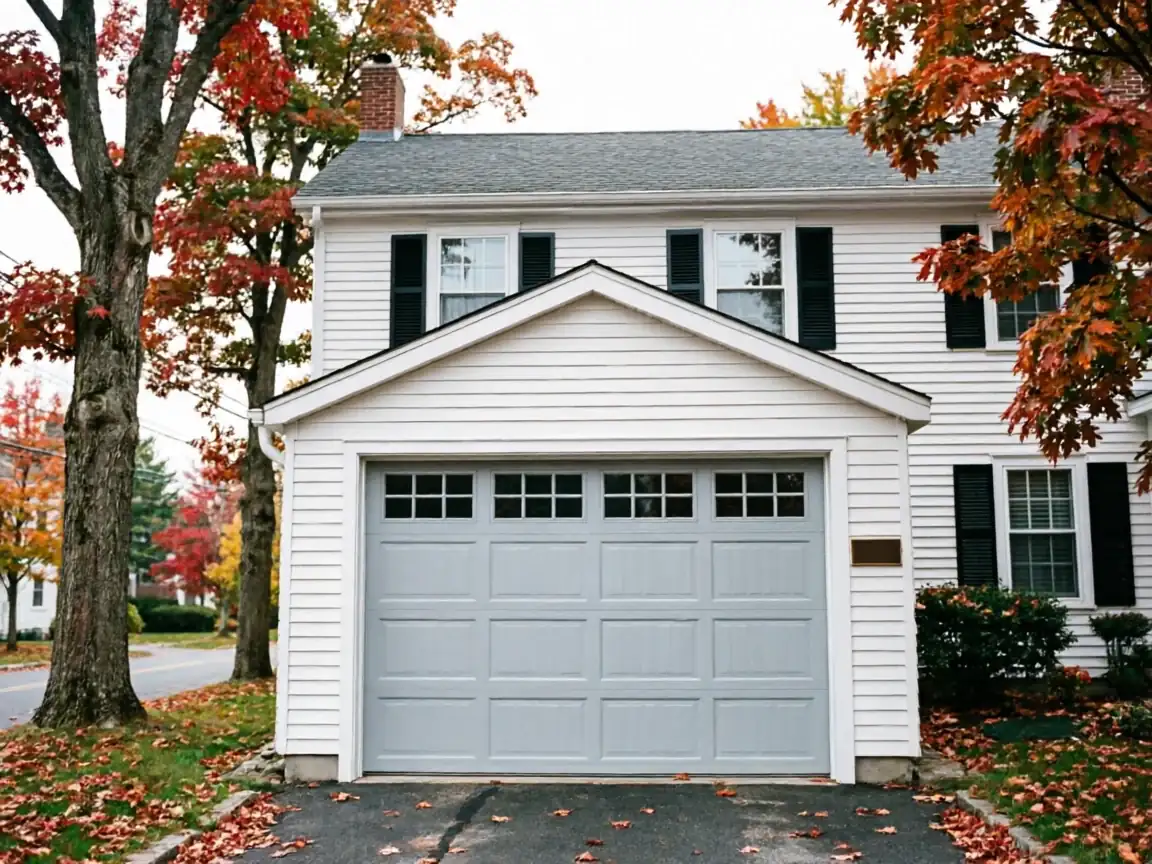
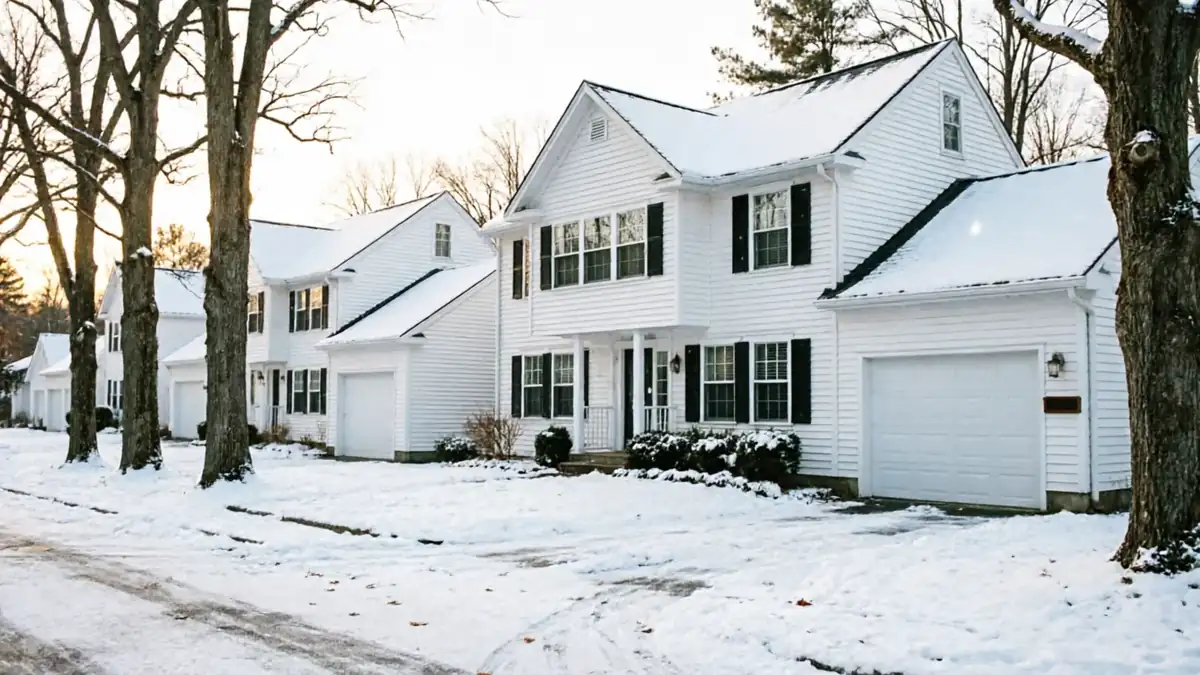
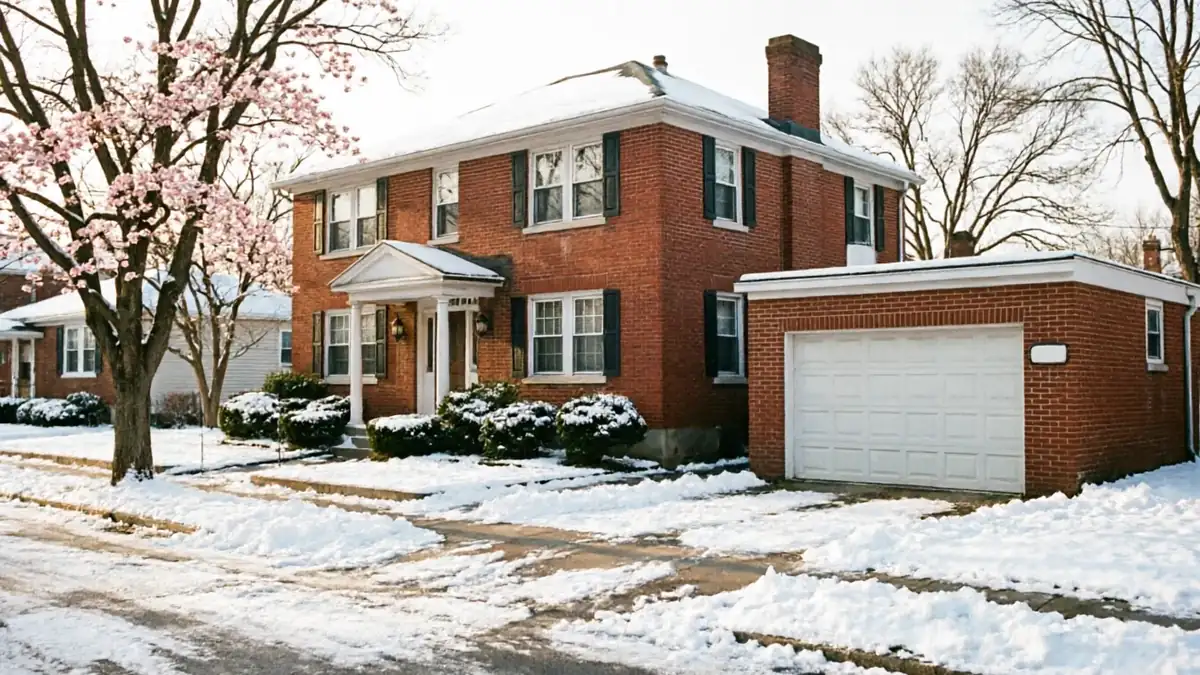
Housing in the Allentown service area runs from 1938 to 2005, with a median build year of 1964, and most of the stock across the 52 named areas we work in is still that 1960s-70s generation. Doors and openers from that era, or replacements installed on that era's framing, were never spec'd for today's insulated steel panels, which means the spring sizing is frequently wrong for the current door weight - not worn out, just undersized from the start. Layer on a severe cold climate band and you get steel contraction on the torsion spring coils every winter, which is the single biggest driver of mid-January spring failures we see. A spring rated tight for a 1970s hollow-core door has no margin left once it's lifting a heavier insulated replacement in sub-freezing air. That combination - older framing, mismatched spring sizing, hard cold - is why service calls here cluster around spring failure and track binding rather than opener electronics, which tend to be the newer part of the system regardless of the house's age.
The Symptom
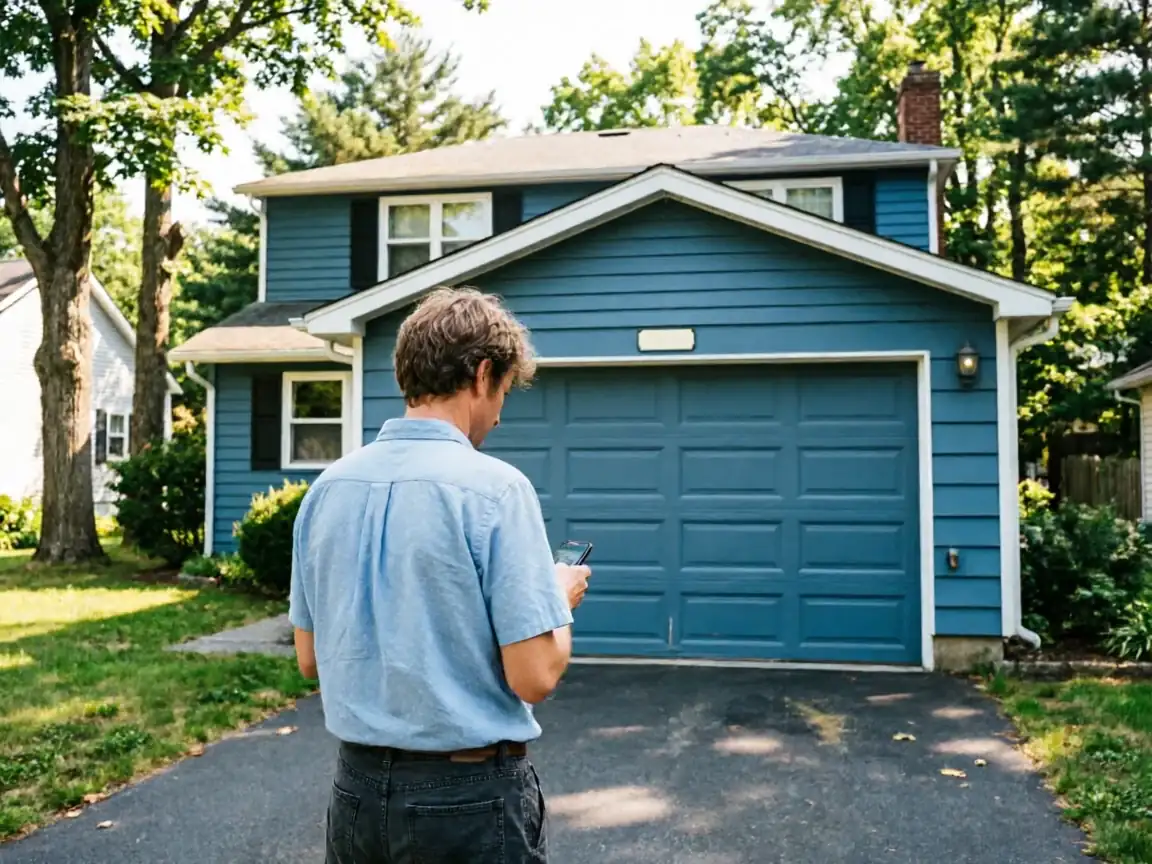
The call we get most is a door that's suddenly heavy - it won't stay up on its own, or the opener strains and reverses partway through the cycle. That's almost always the torsion spring losing tension, and in a cold snap it can happen overnight rather than gradually. A close second is a door that rattles or drags on one side only, which points to a roller or track issue rather than the spring, and it's worth telling us which one you've got before we come out, since it changes what's in the truck. If the door won't move at all and the opener motor hums without lifting, that's a dead giveaway for a snapped spring with the door still engaged to the opener - don't keep hitting the button, since that's how the opener motor gets damaged on top of the spring. None of these are complicated fixes on their own. They get expensive when they're left alone through a second winter in housing stock that was never built with today's heavier door weights in mind.