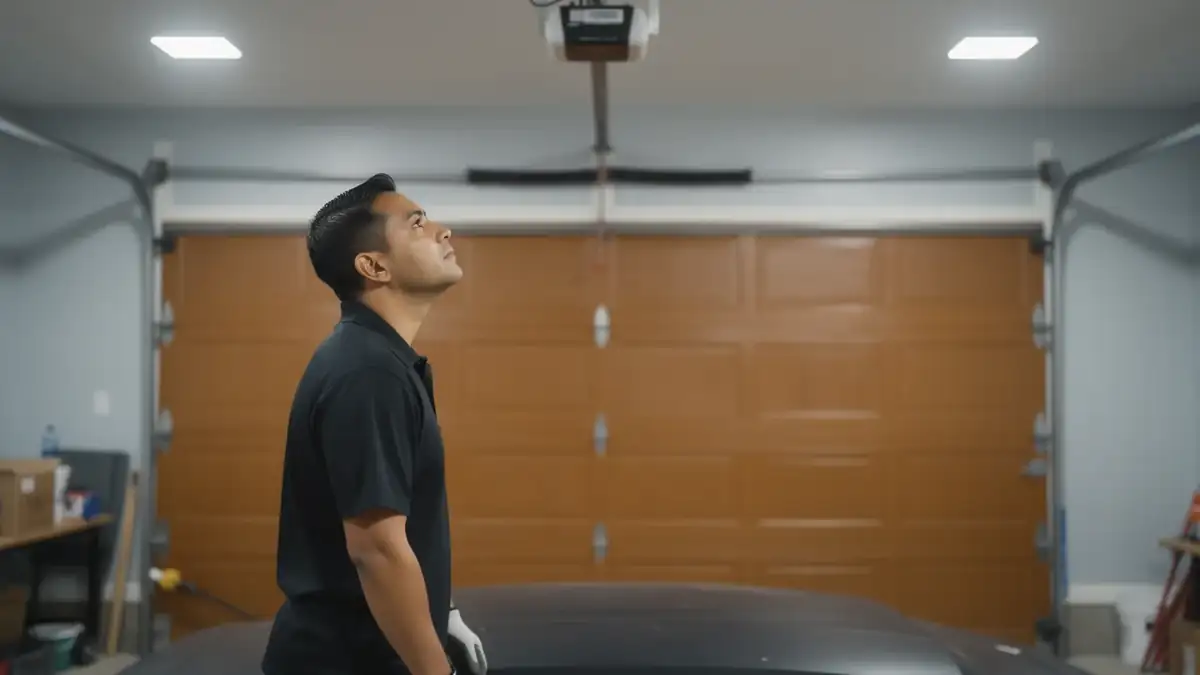
What to Look At First
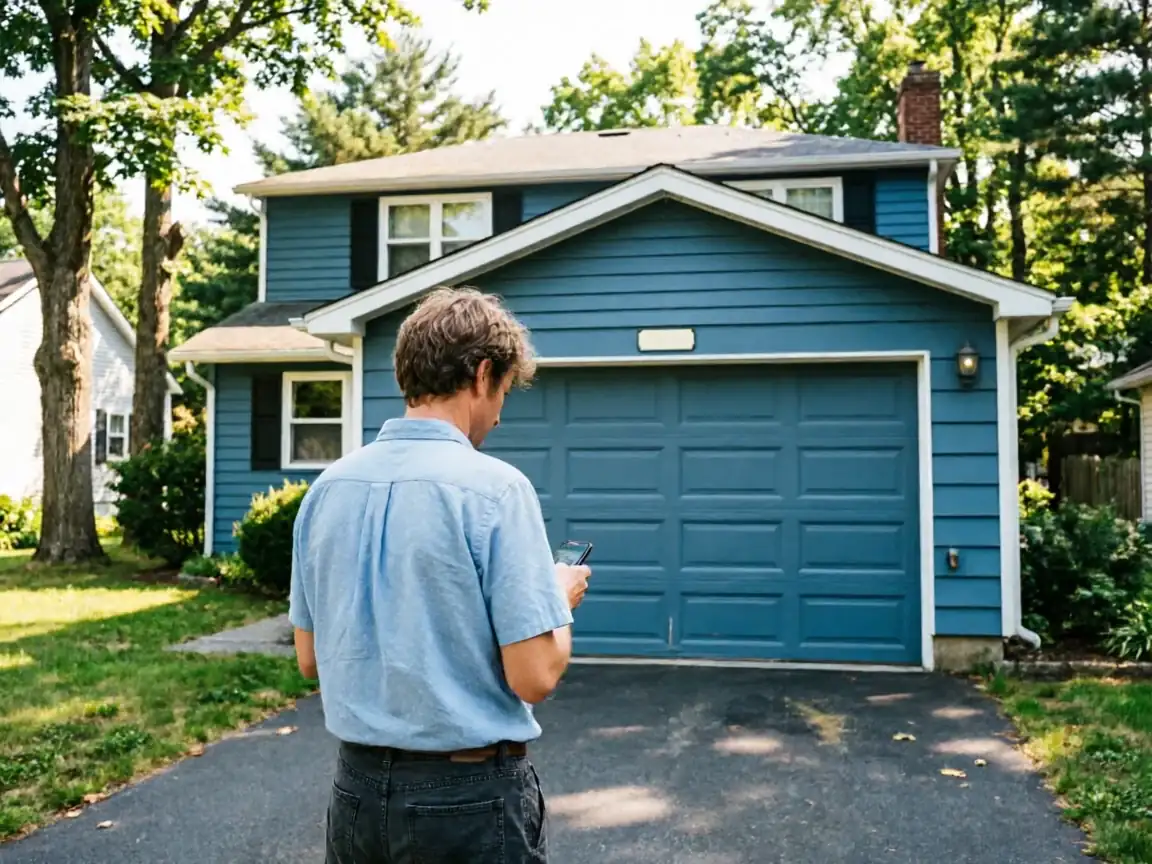
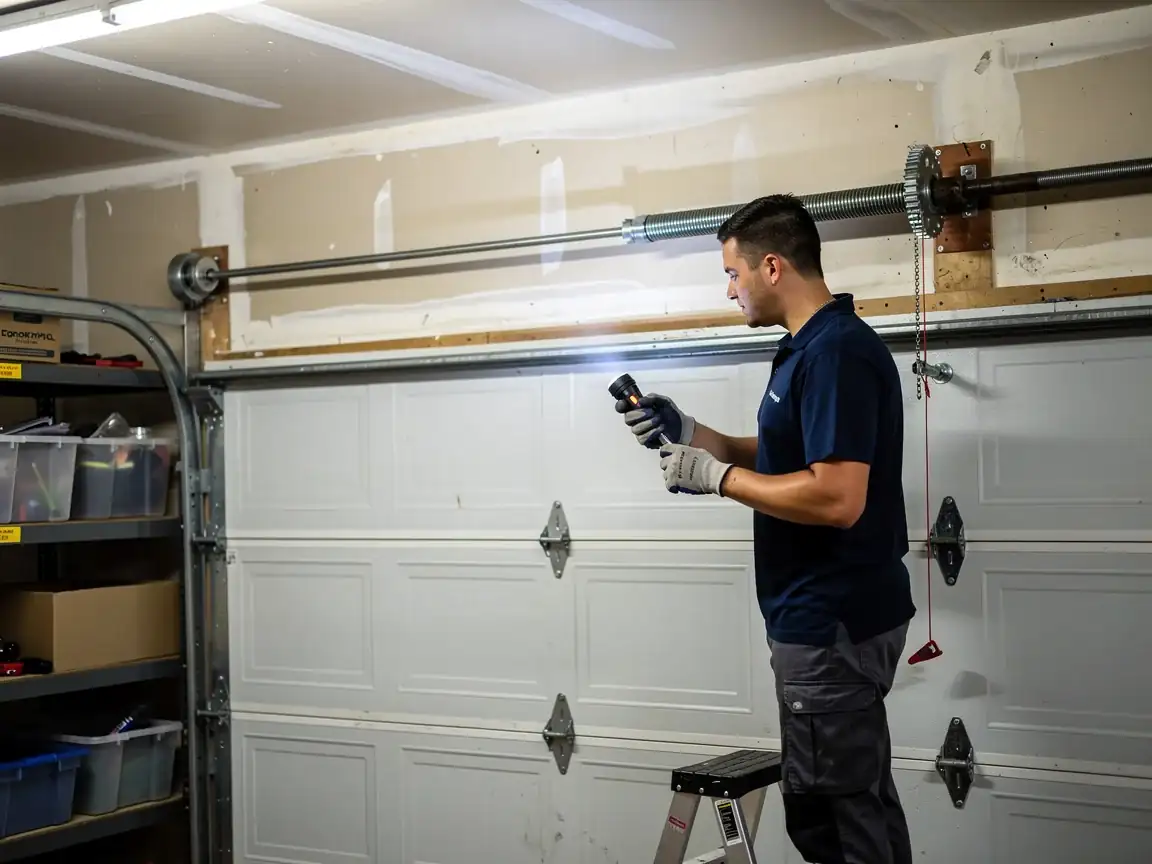
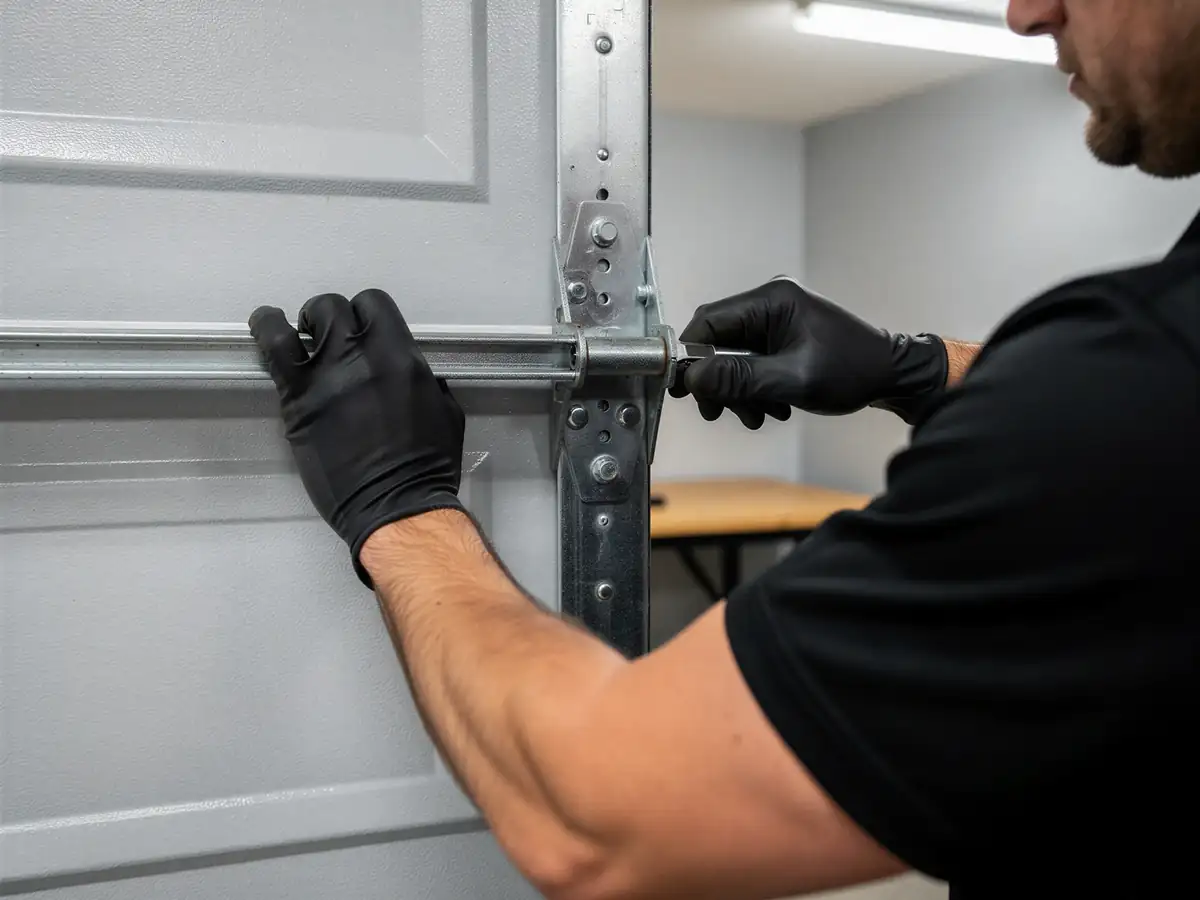
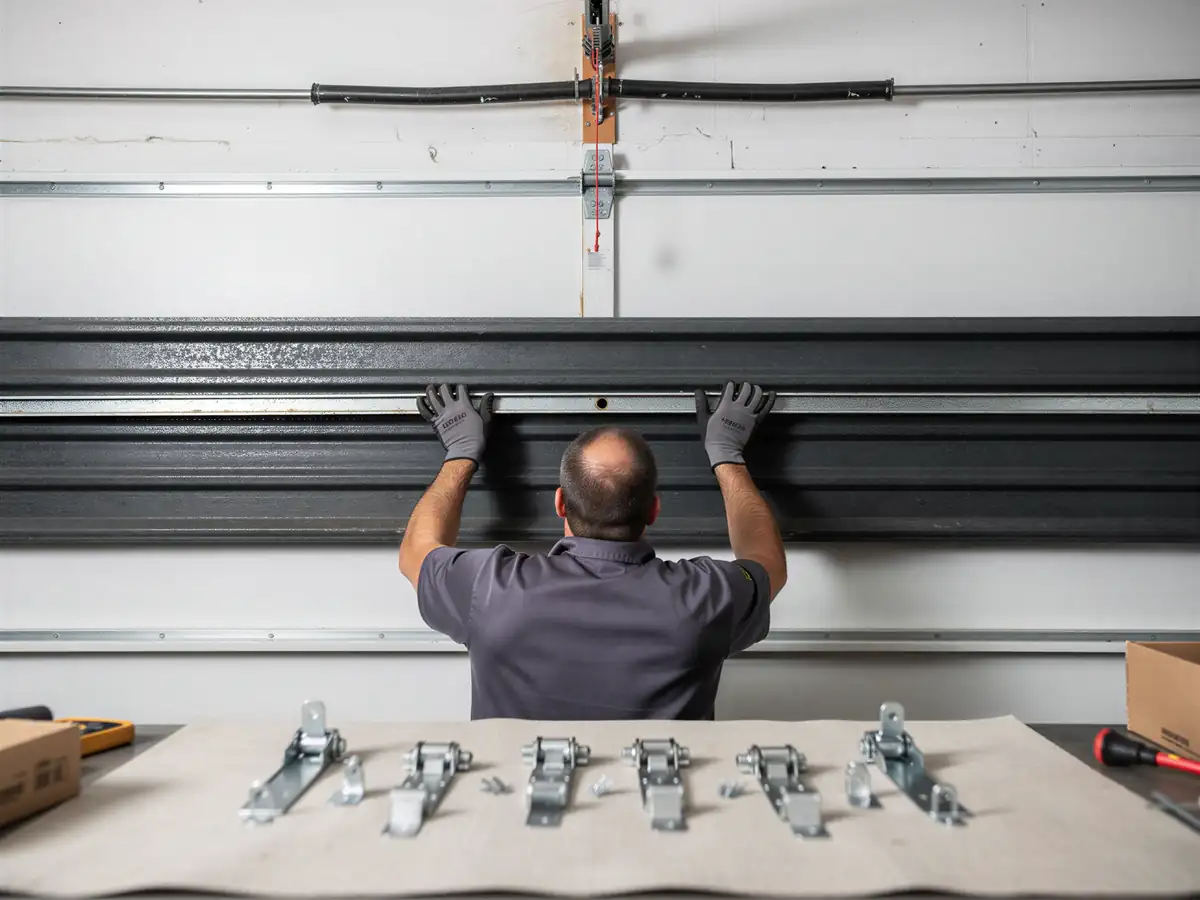
Start with the springs and the track, not the opener. Most houses in this service area were built between 1938 and 2005, with the median landing around 1964, which means a lot of doors here are still running on torsion hardware that's older than the owner standing next to it. If you hear a rhythmic thump as the door travels, look at the rollers first - on a house from the 1960s or 70s stock that's common across the 52 named areas we work in, those rollers are often the original steel ones, and steel on steel after 50-plus winters gets loud before it fails outright.
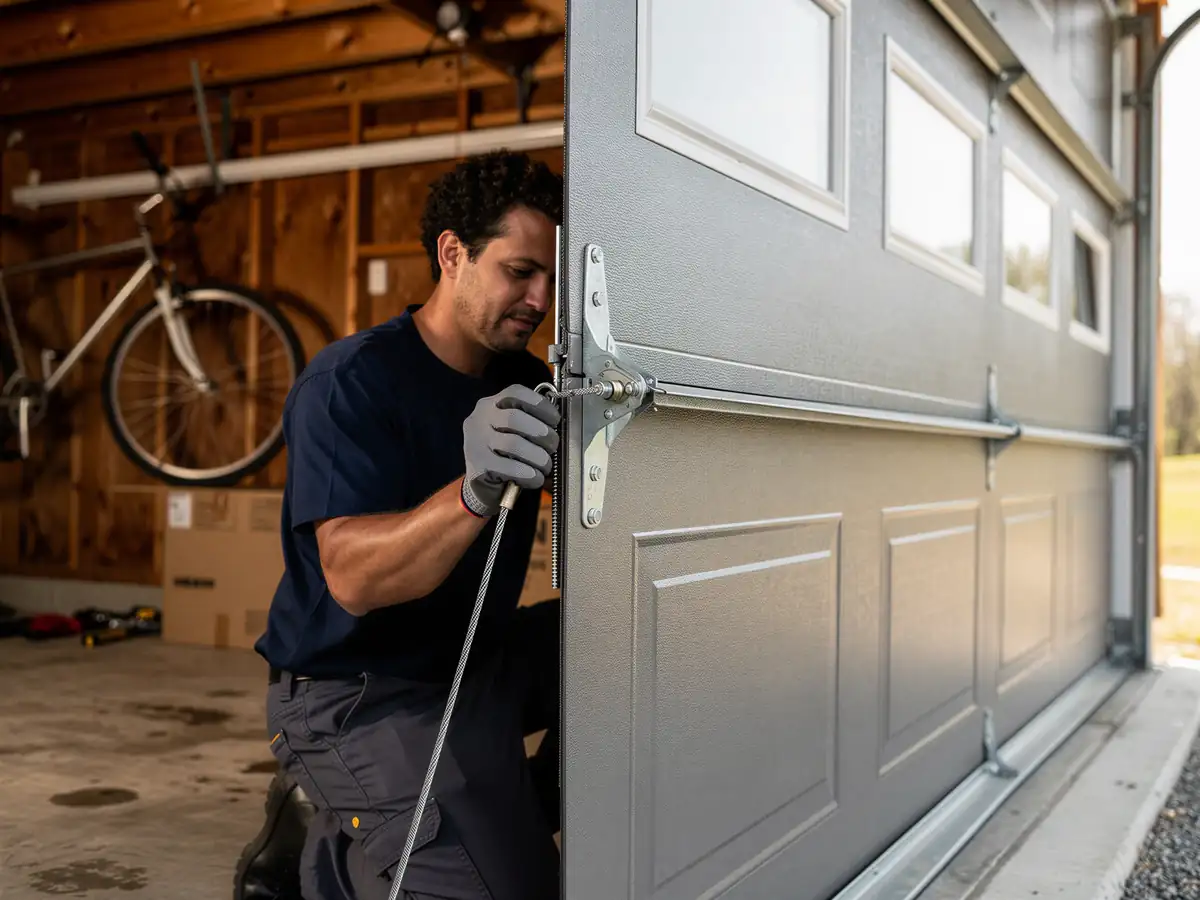
Check the bottom panel too. A door that slaps down the last foot instead of settling isn't a spring problem yet, but it's telling you the cable drum or the bottom bracket has slack it shouldn't have. On older one-piece or early sectional doors common to this era, that bracket was never designed for decades of thermal cycling, so a little play now is worth a look before it's a cable off the drum.
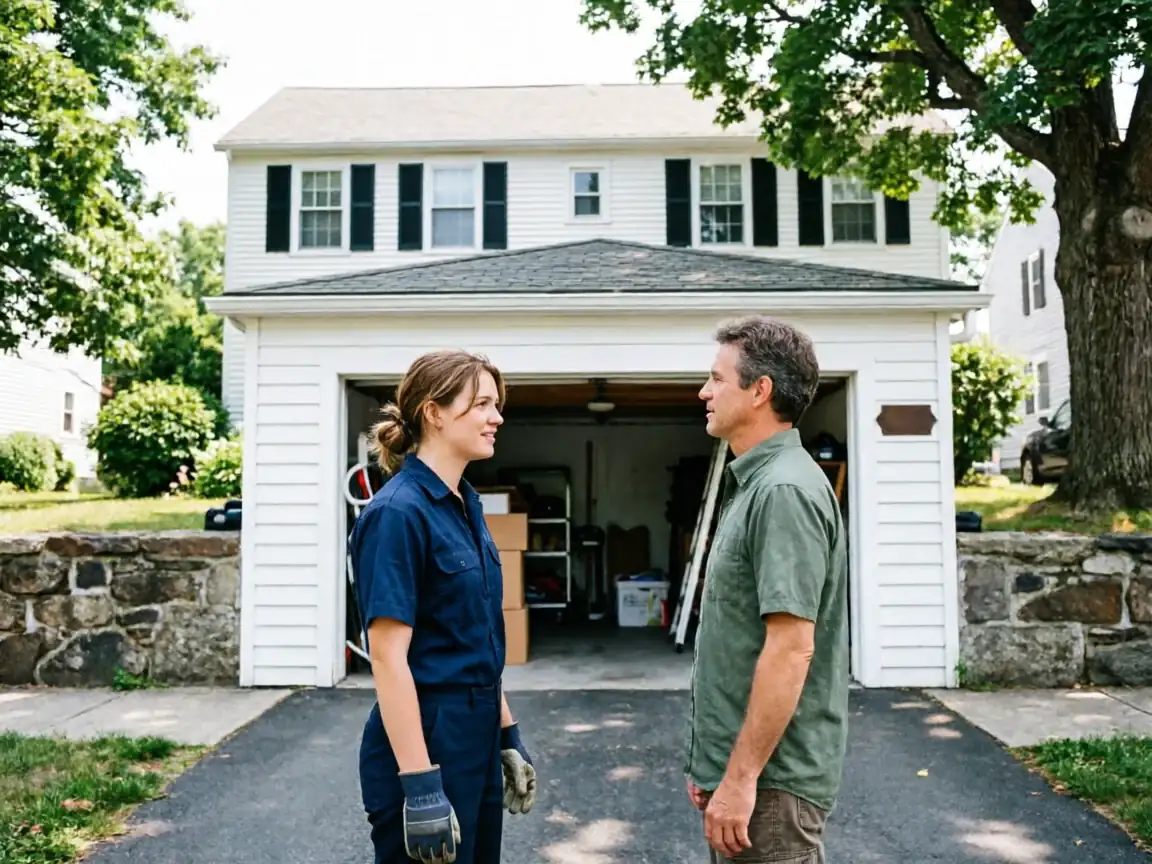
One honest note: we can't diagnose a specific noise over the phone with any confidence. Grinding, popping, and slapping can all sound similar through a car window or a phone speaker, and guessing wrong wastes your time and ours.
When to Call Someone
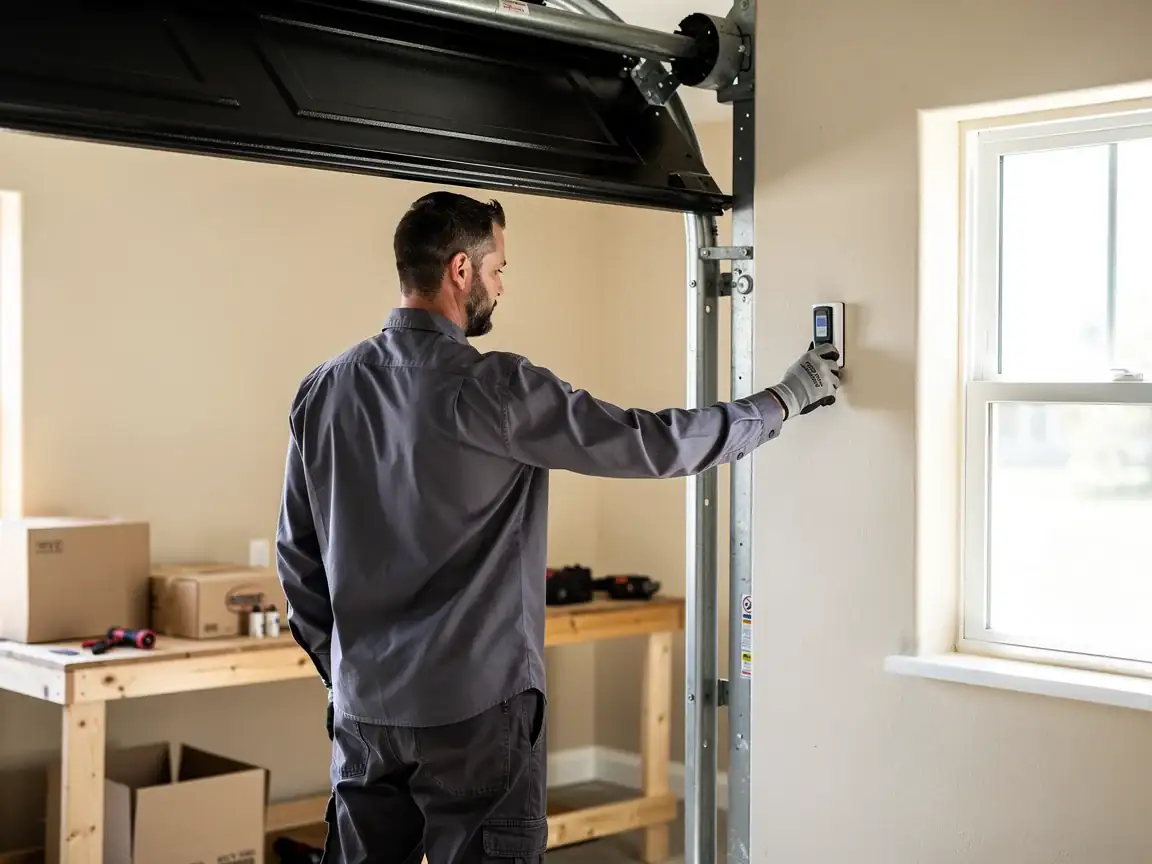
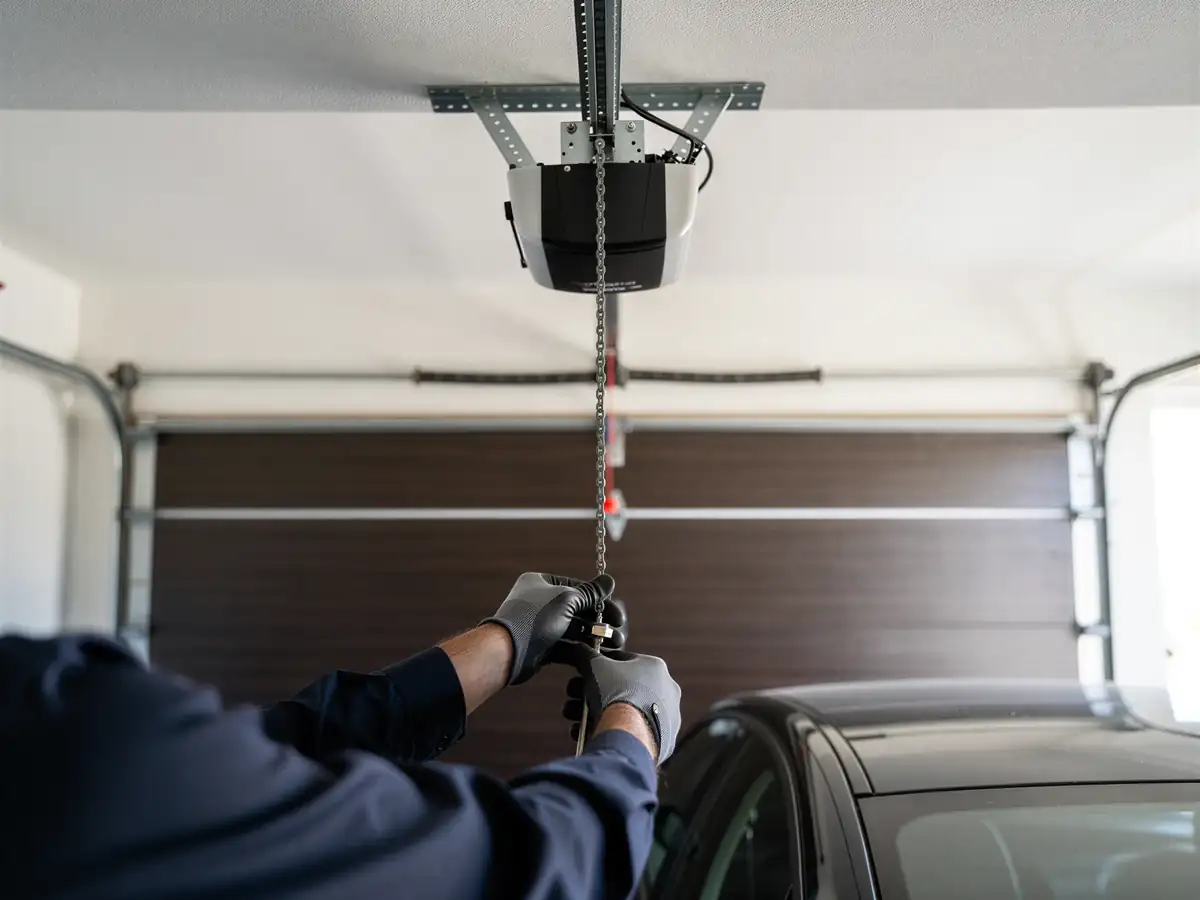
Call before the door stops moving, not after. A torsion spring that's losing tension on a house with 1960s-70s hardware doesn't usually snap without warning - it gets louder, the door gets harder to lift by hand, and the opener starts straining on the up-cycle. That strain is the opener motor doing a spring's job, and it will burn out the opener faster than the spring itself fails.
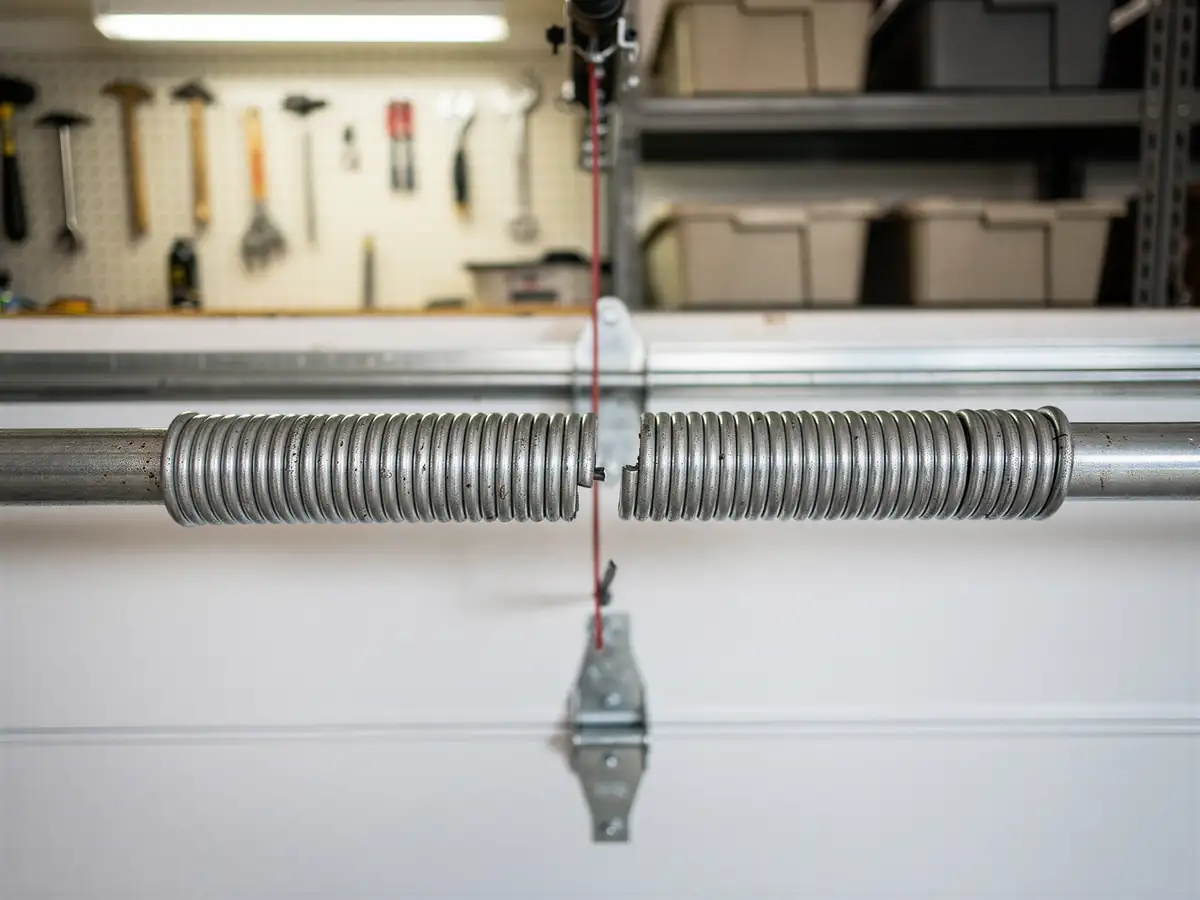
If you hear a sharp metallic bang followed by the door refusing to open at all, that's very likely the spring, and at that point the door is dangerous to force by hand - the counterbalance is gone and the panel weight is on you.
A scraping or grinding sound that only happens in cold weather is different. In this climate band - classified cold and severe - steel track and hardware contract more than people expect, and a door that ran fine in July can start grinding against a slightly out-of-plumb track in January. That's worth a call before the cold makes it worse, not after a cable jumps the drum.
What Is Going On
Noise is almost always a symptom of one of three things: lubrication, alignment, or fatigue
Dry hinges and rollers squeal. A track that's shifted even a quarter inch out of parallel will rattle or grind as the rollers fight it. And metal that's simply tired - a spring near the end of its cycle count, a cable with visible fraying - makes a different sound again, usually a pop or a snap rather than a steady grind.
Given that housing in this service area spans 1938 to 2005 with a median around 1964
A large share of the doors we're called to are on hardware that predates a lot of the quieter nylon-roller systems sold today. That's not a criticism of the houses - it's just math. A door installed in 1970 has had over fifty winters to work springs, dry out hinges, and loosen lag screws in a jamb that's shifted slightly with the house. The noise is the hardware telling you where it is in that cycle, and it rarely goes back to silent on its own.
How Local Conditions Play In
Cold severe winters do specific things to a garage door that milder climates don't. Steel contracts, lubricant thickens, and a spring under tension behaves differently at 15 degrees than at 70 - it's stiffer, slower to respond, and more likely to reveal a weak coil with a sharp noise instead of a slow one. If your door has been quiet all summer and suddenly starts grinding or popping once temperatures drop, that's the cold exposing wear that was already there, not causing new damage out of nothing.
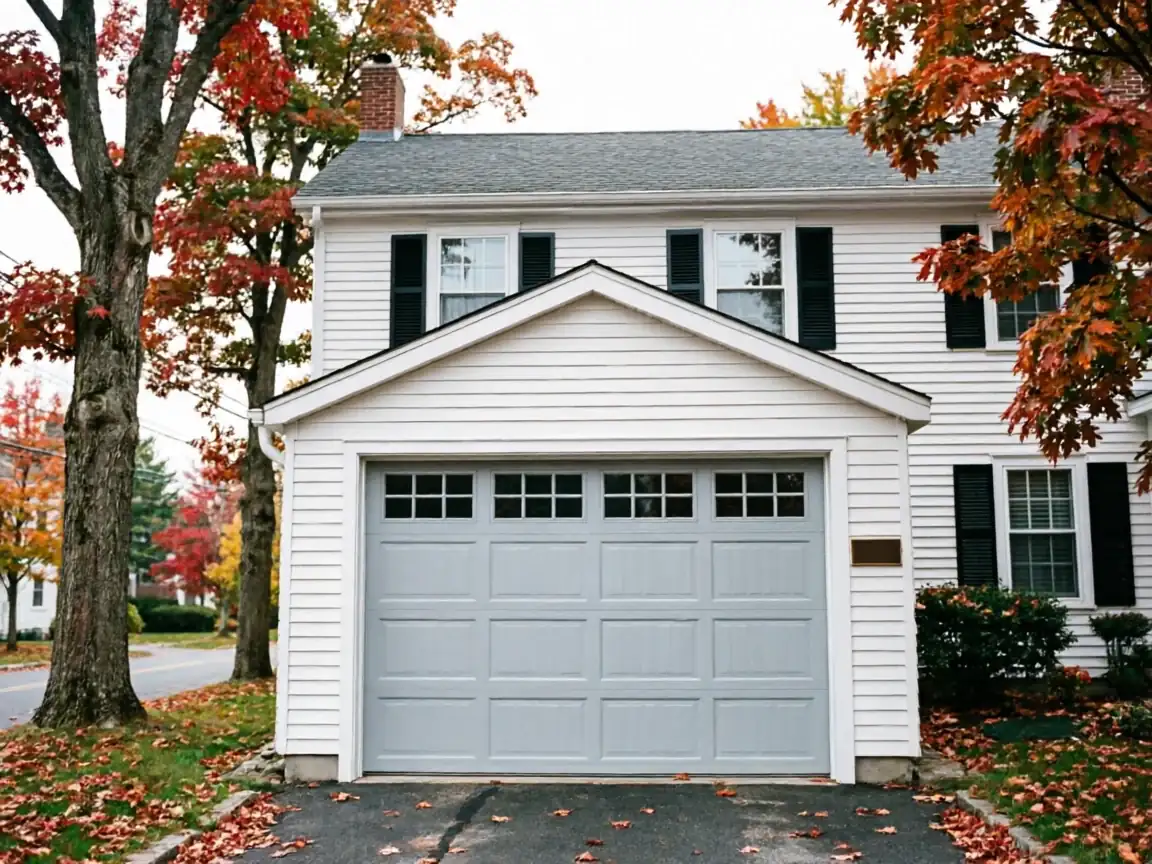
Houses in the areas we cover - from the older in-town stock near Fullerton out toward newer construction nearer Trexlertown and Breinigsville - don't all age the same way, but the climate hits every one of them the same each winter. A detached garage or one with less insulation around the door opening will usually show noise problems earlier in the season than an attached, heated one, simply because the hardware swings through a wider temperature range each day. None of this means the door is failing today. It means cold is a stress test, and an older torsion system that's already marginal will usually tell you about it in December rather than July.