What the Fix Involves
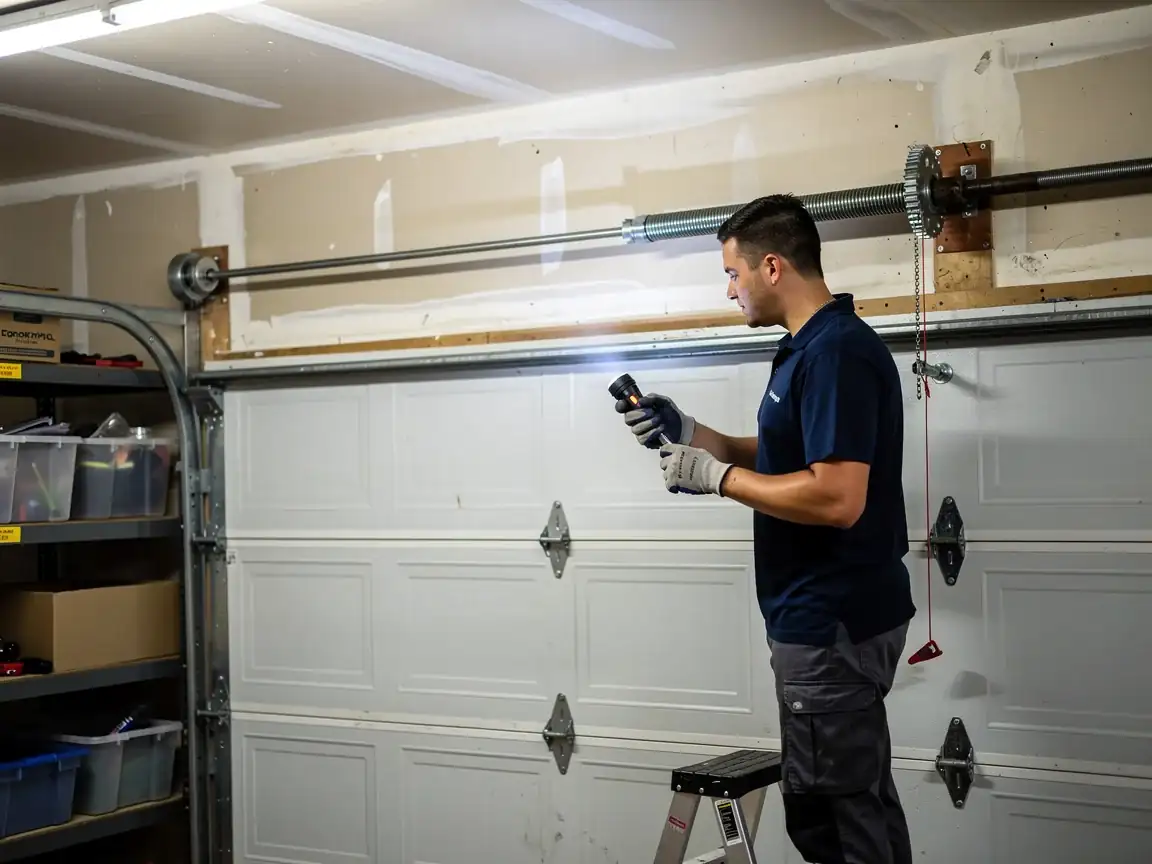
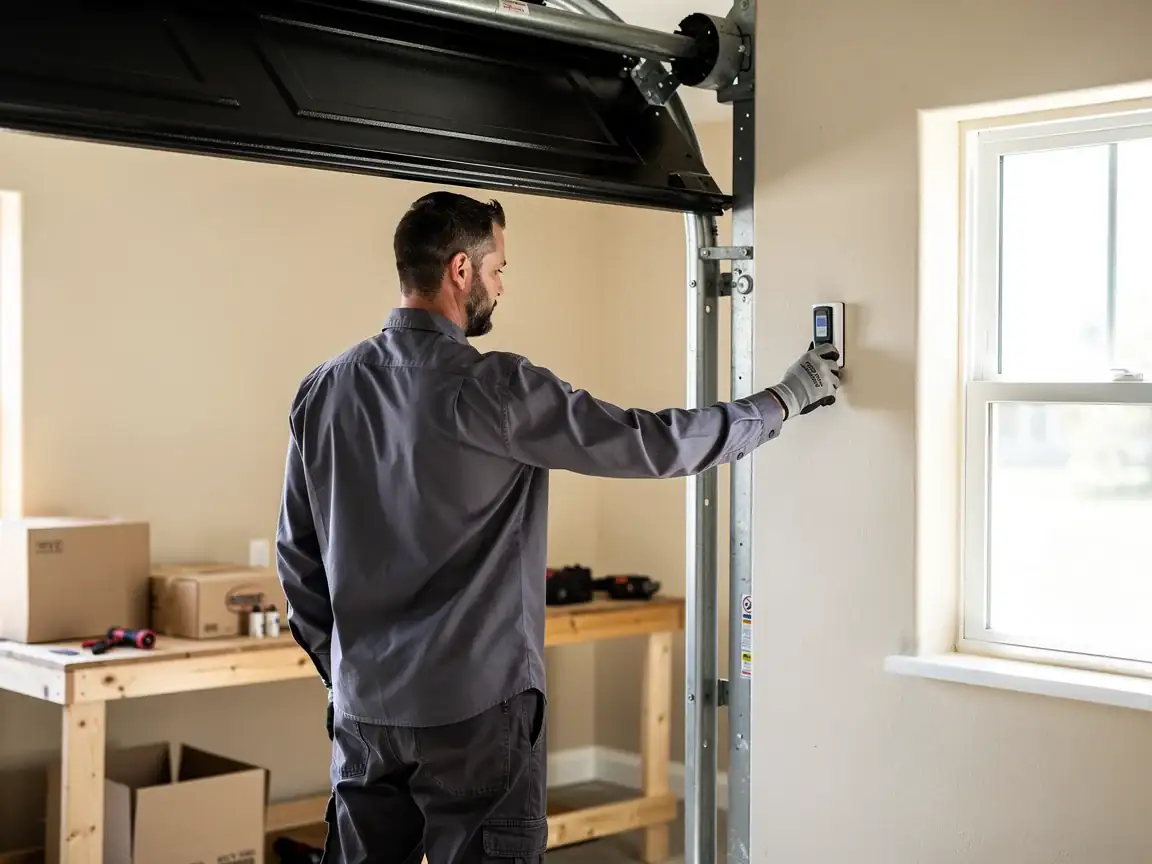
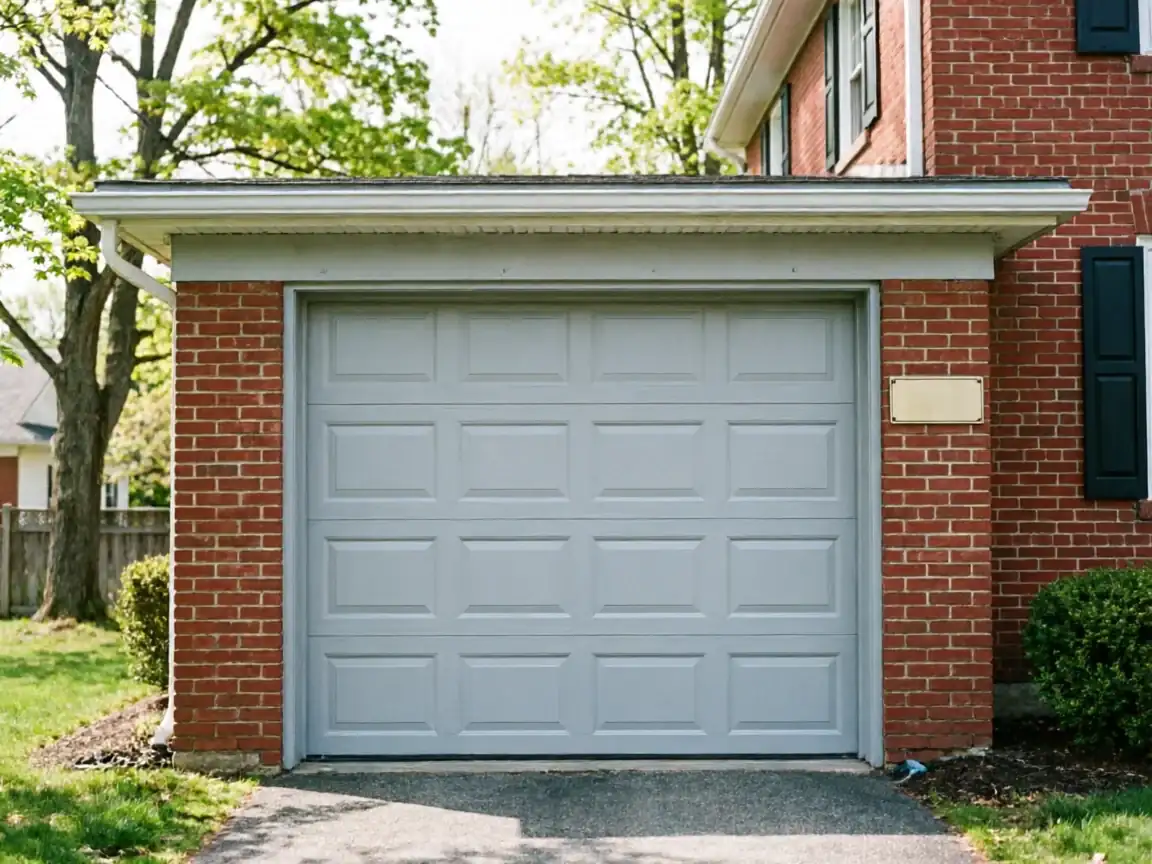
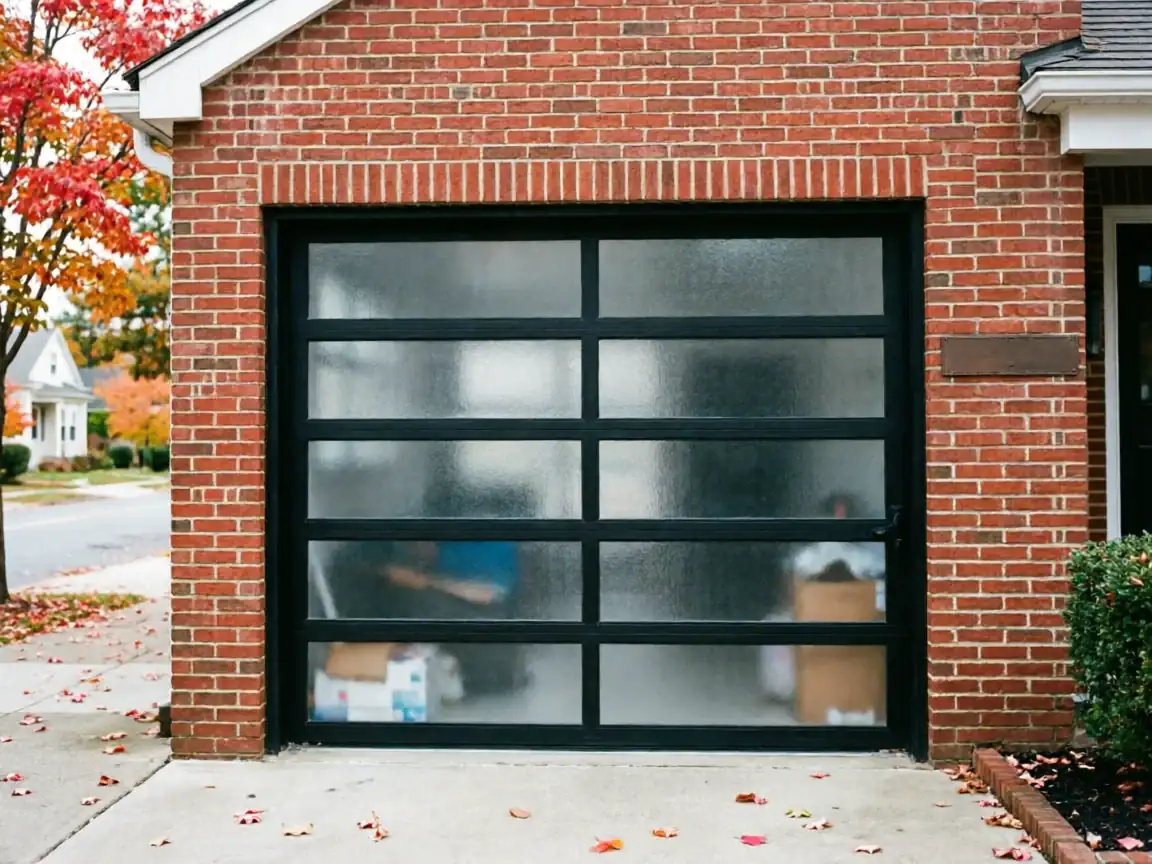
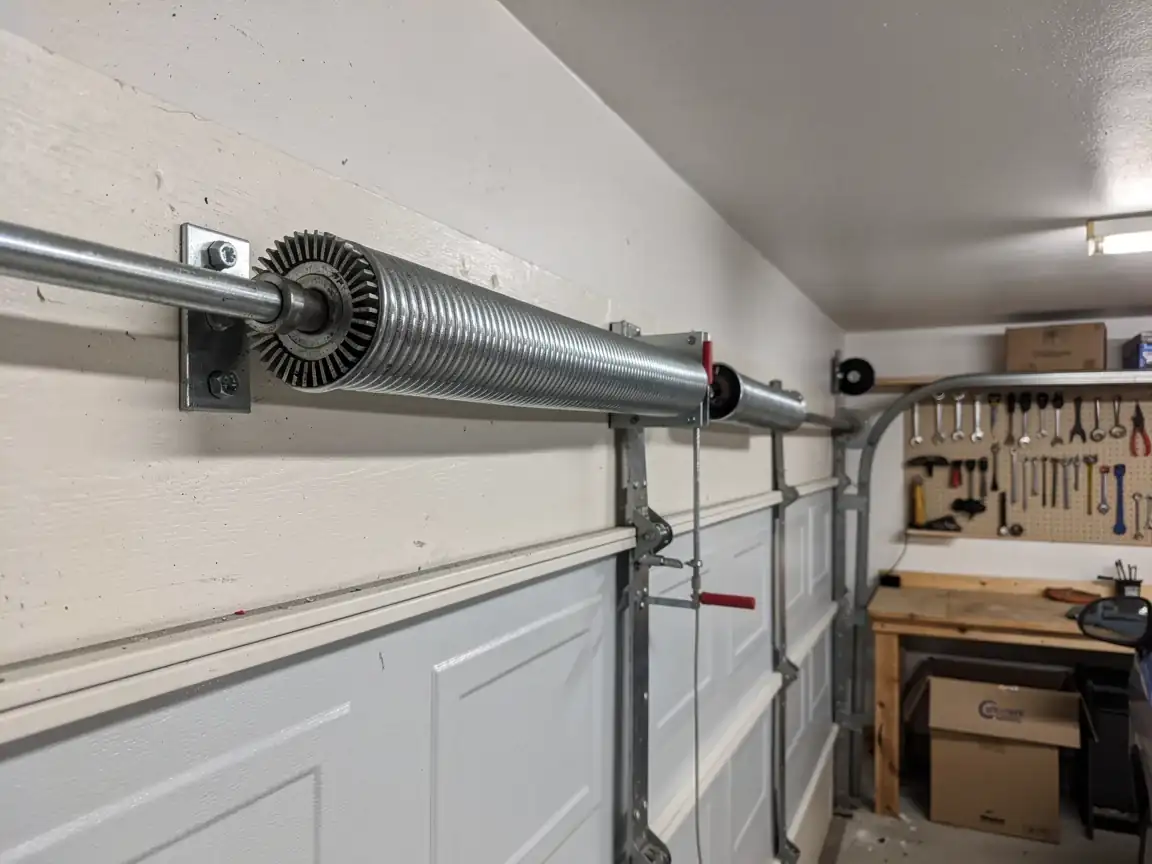
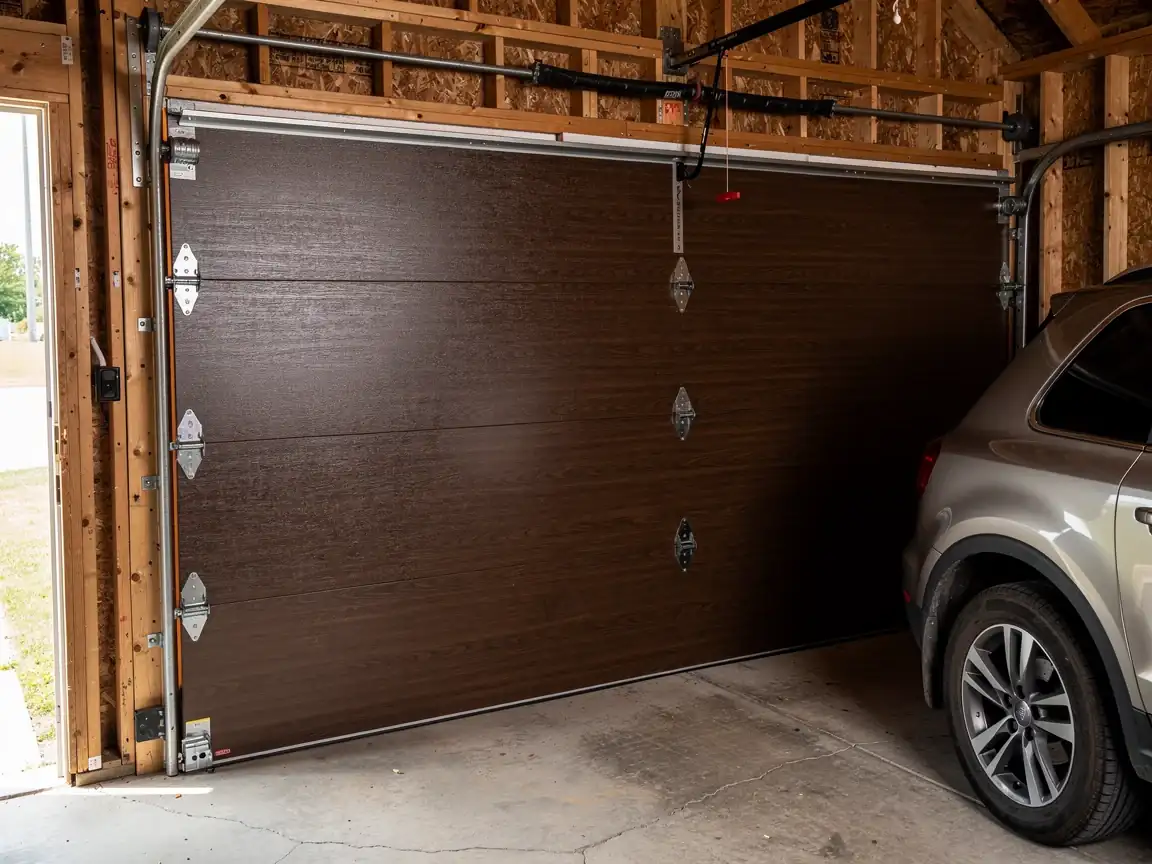
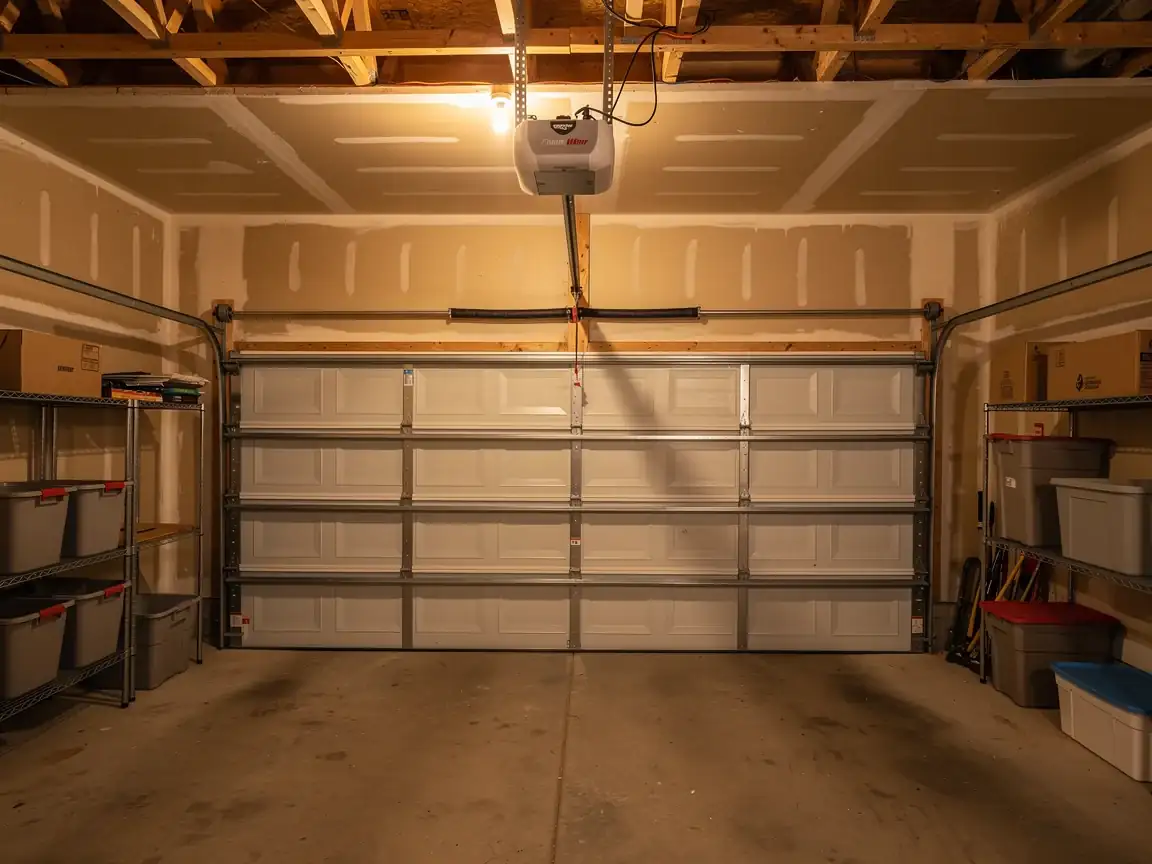
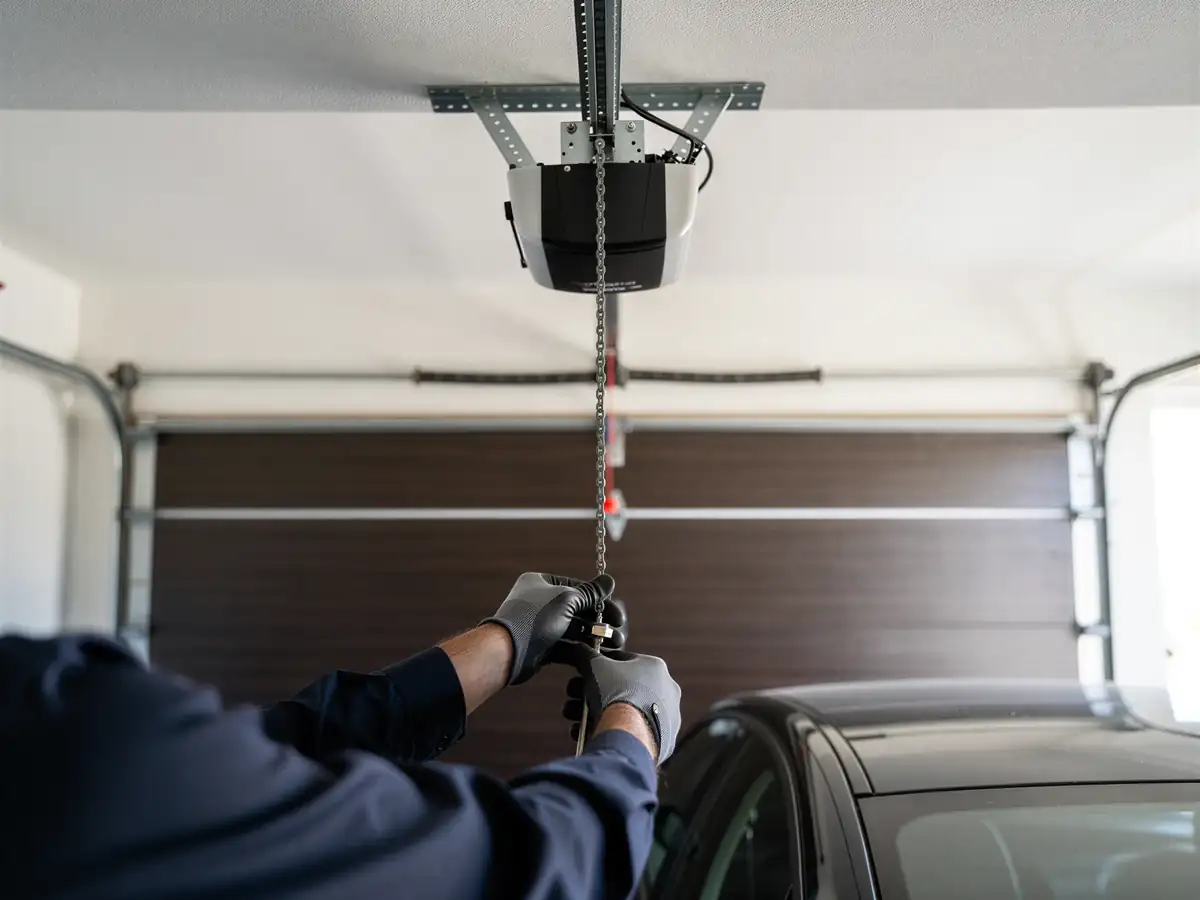
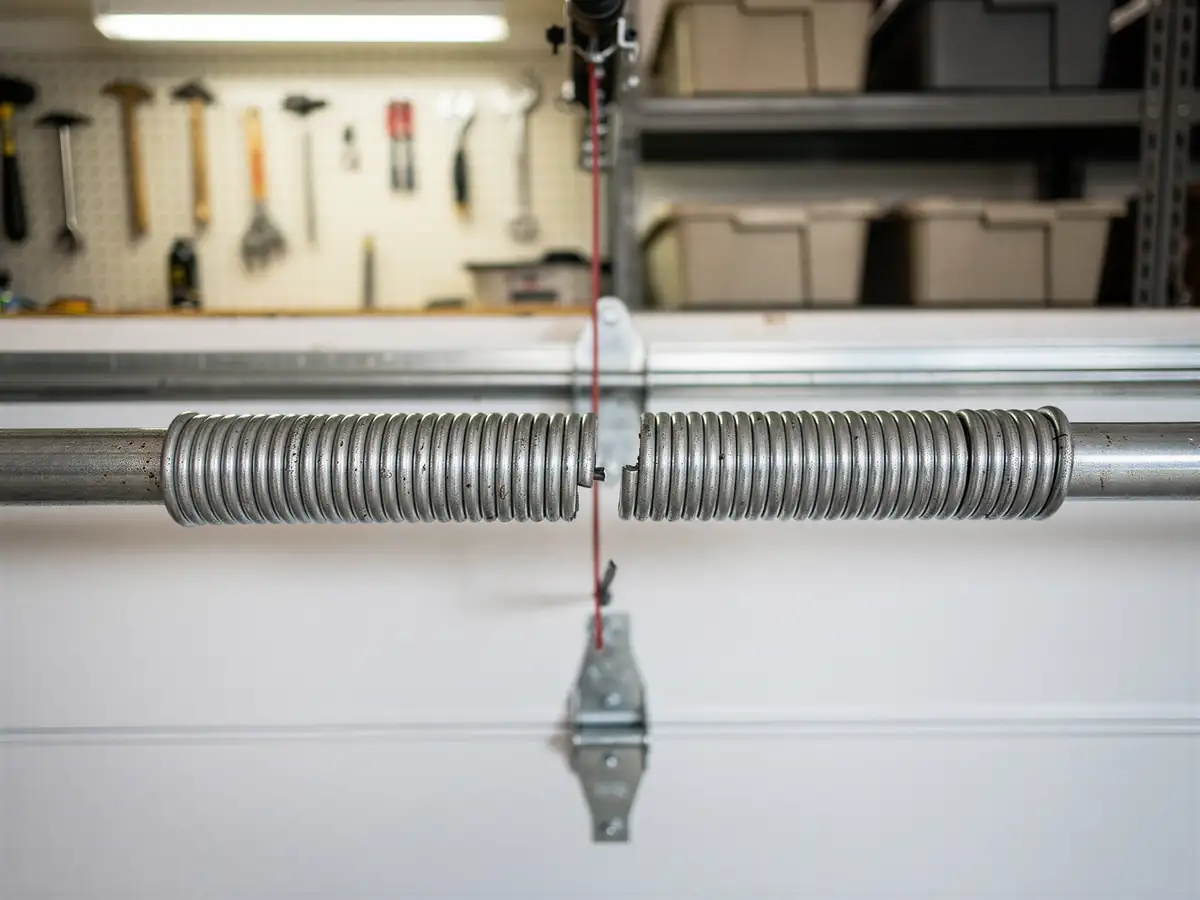
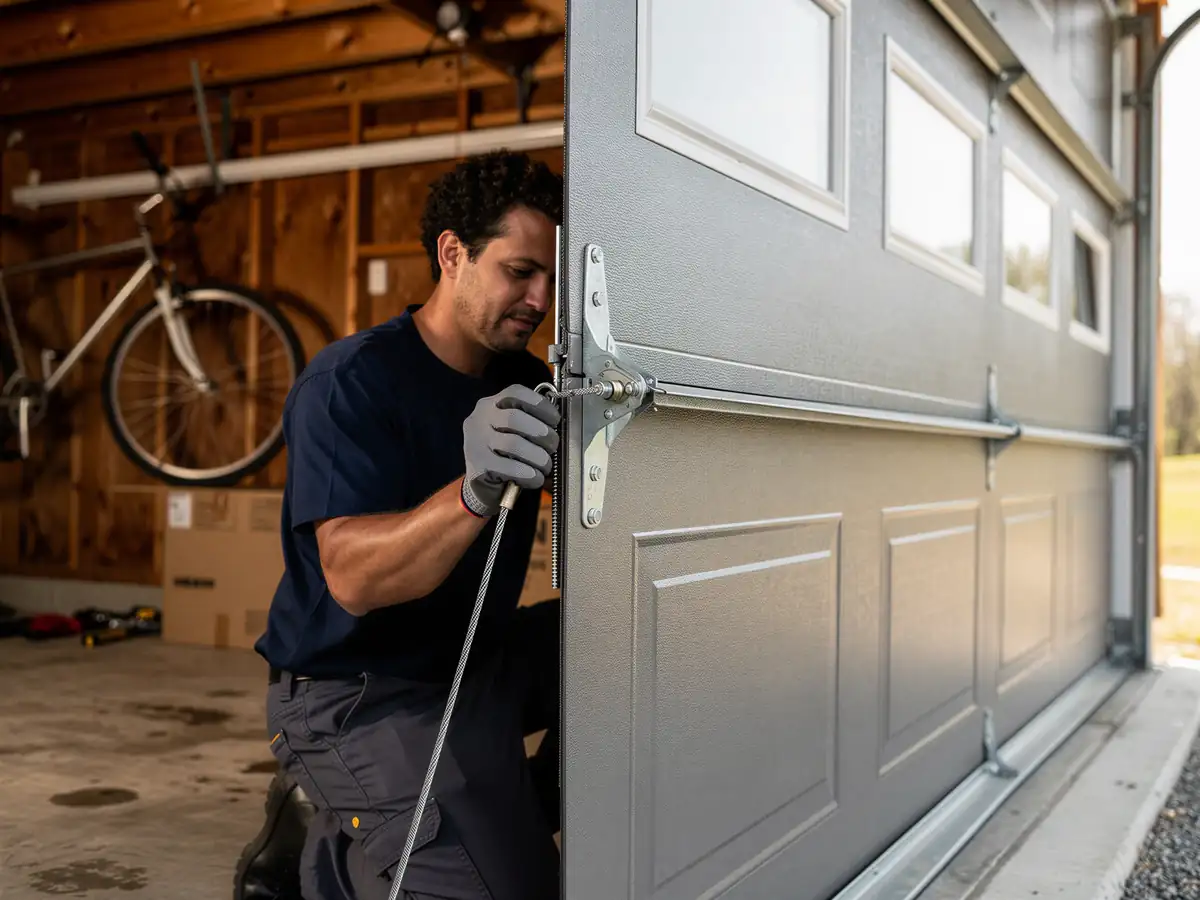
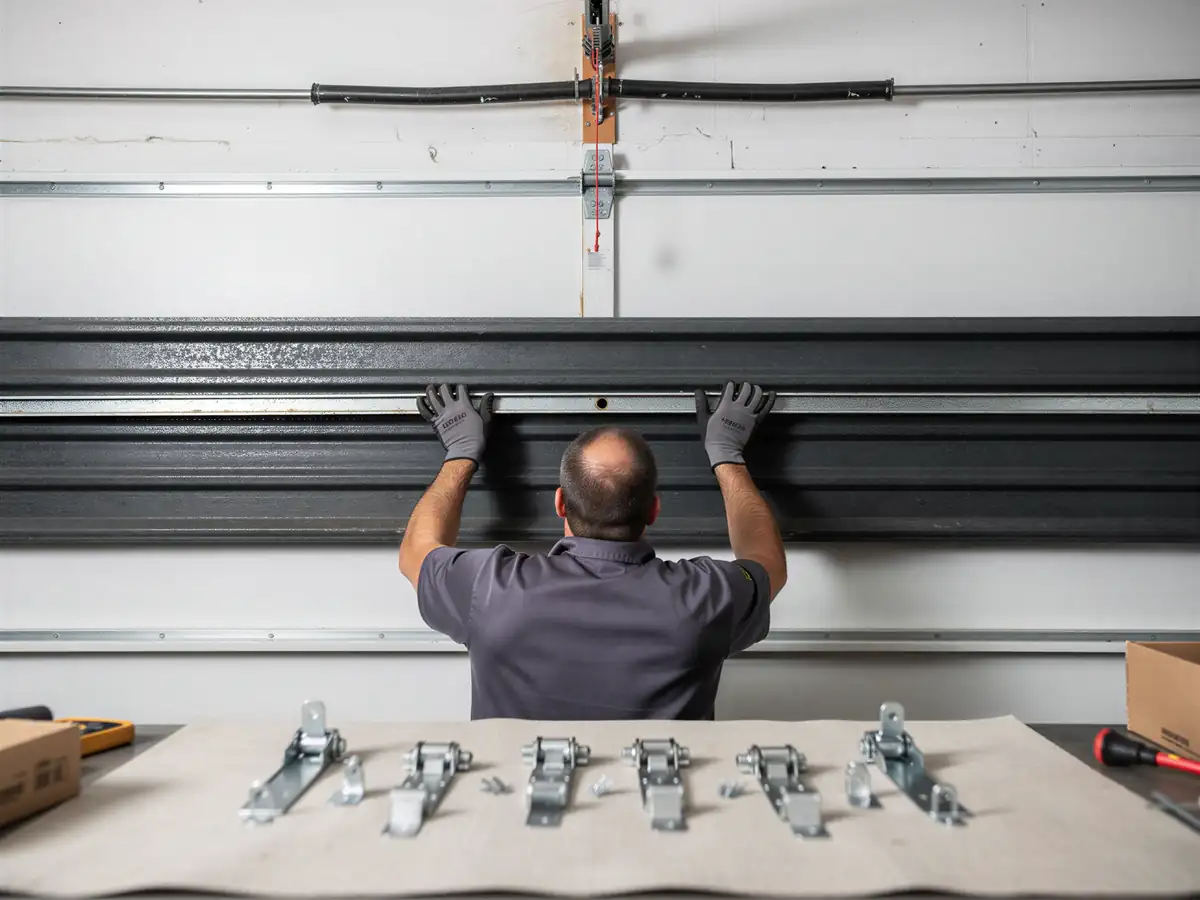
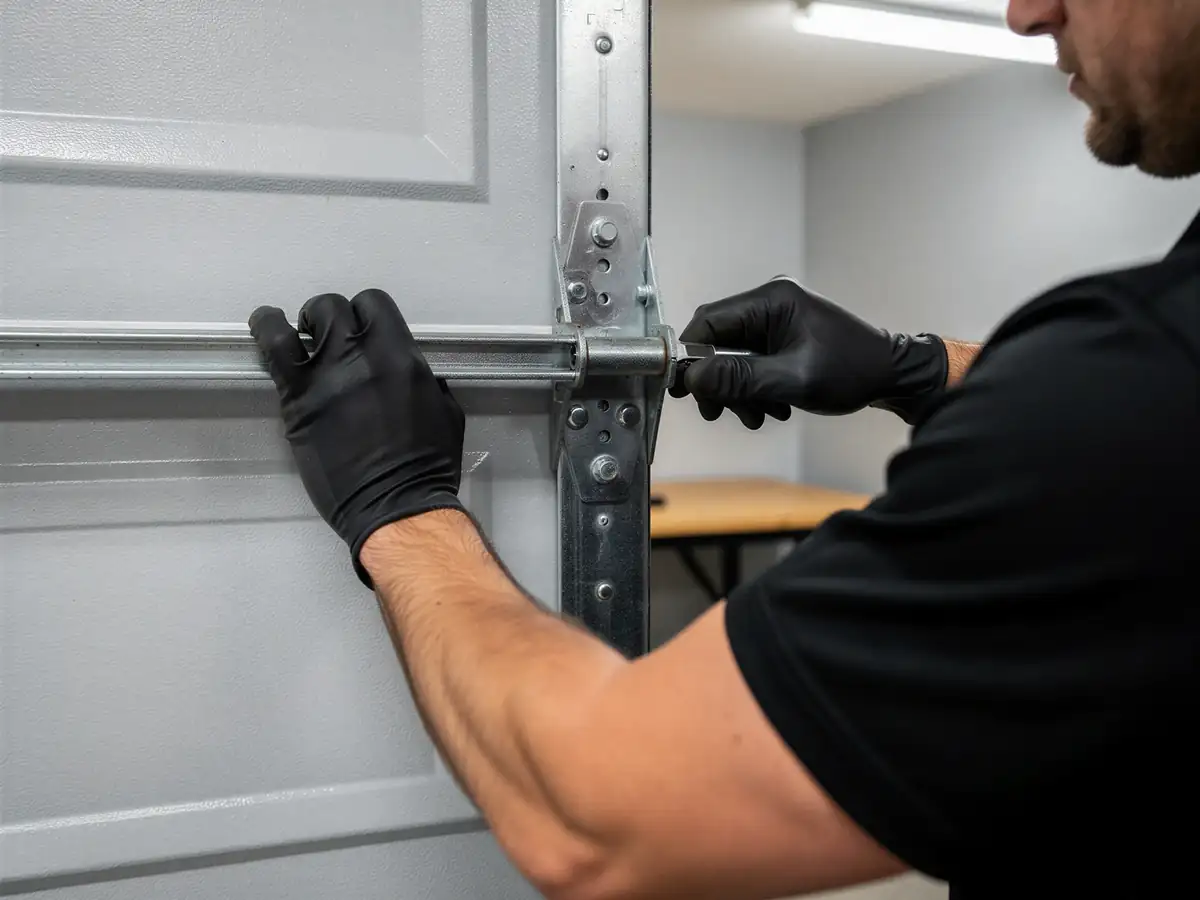
Most calls we get start with a door that won't open, or one that opens halfway and stops. On a torsion spring setup, that's almost always a broken spring - the coil that counterbalances the door's weight snaps after enough open-close cycles, usually with a bang loud enough that owners think something fell in the garage. We pull the old spring, measure the wire gauge and wind length against the door's actual weight (not just a stock size), and replace it with a correctly matched pair, not a single spring on a double door. If the drums, cables, or rollers show wear from the same age as the spring, we flag those too, since replacing one worn part on a 1960s-era track assembly and leaving the rest is how you end up back in the garage in six months. We don't replace an opener motor to fix a spring problem, and we say so up front.
Why This Fails Locally
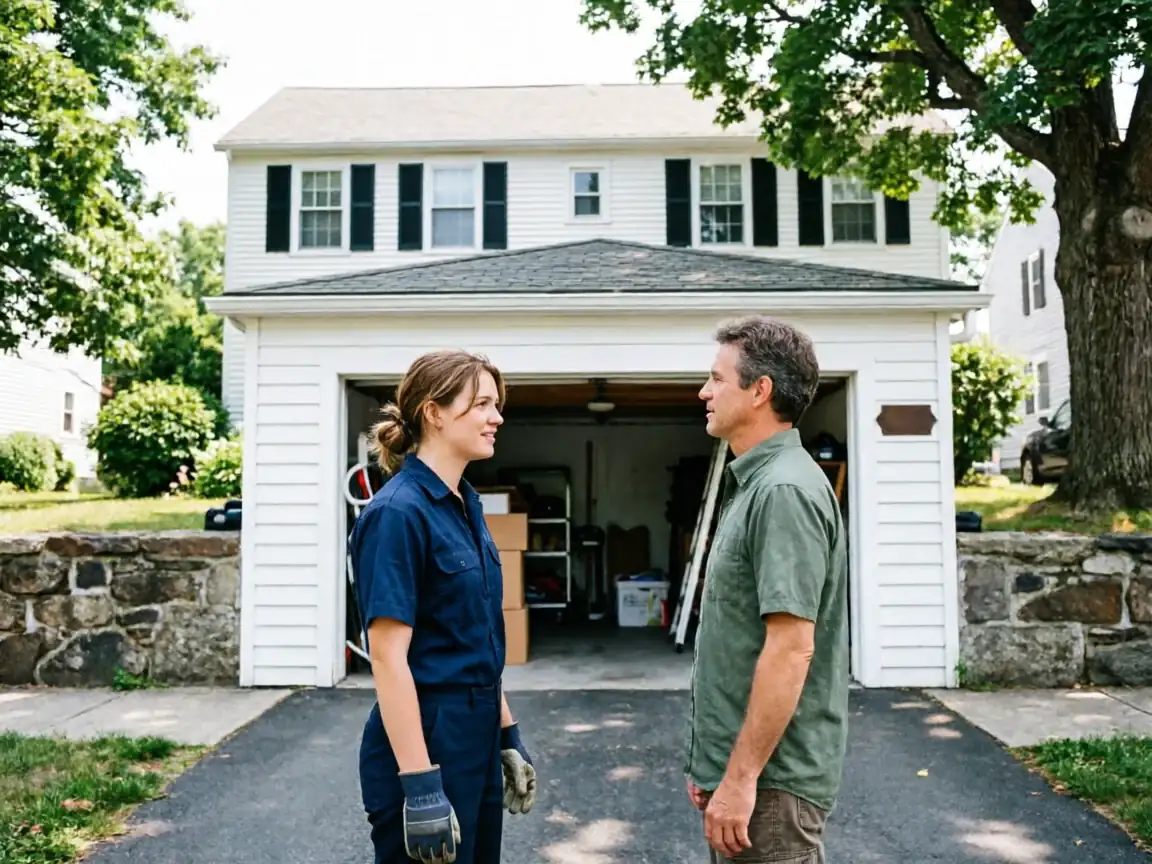
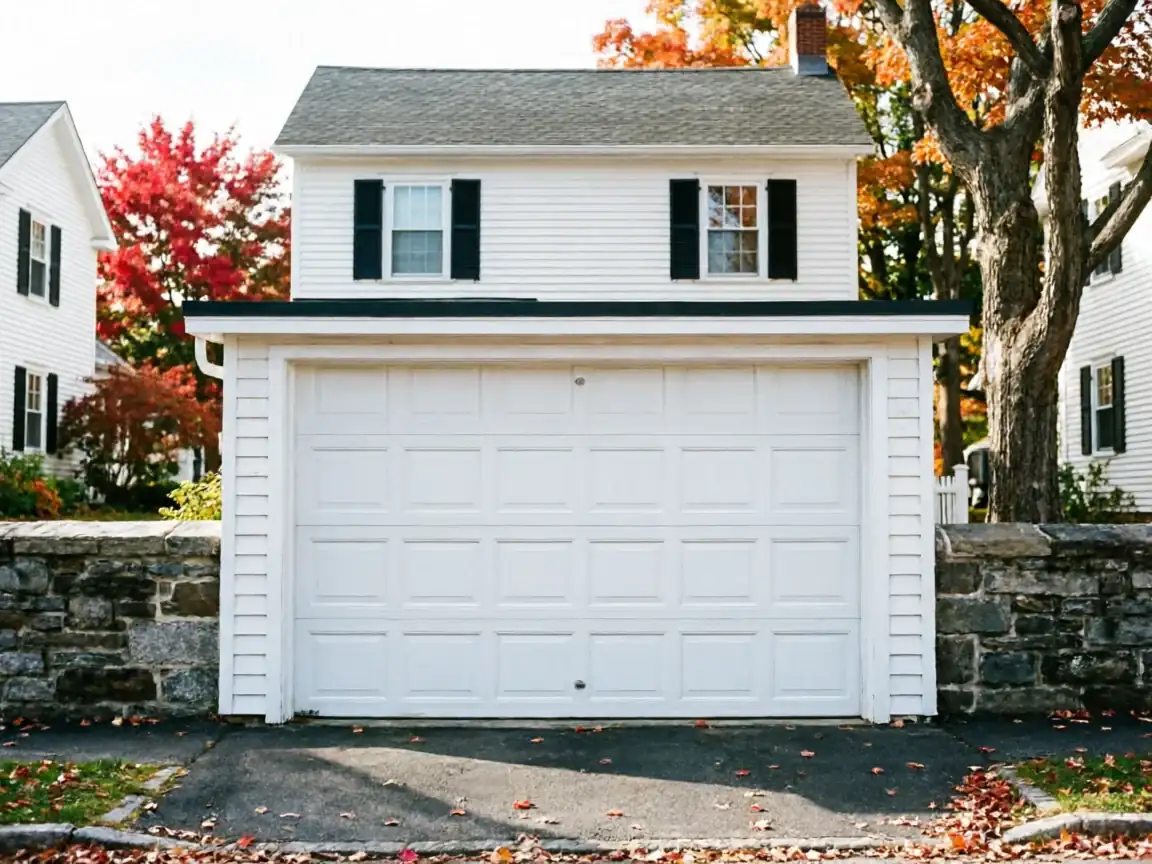
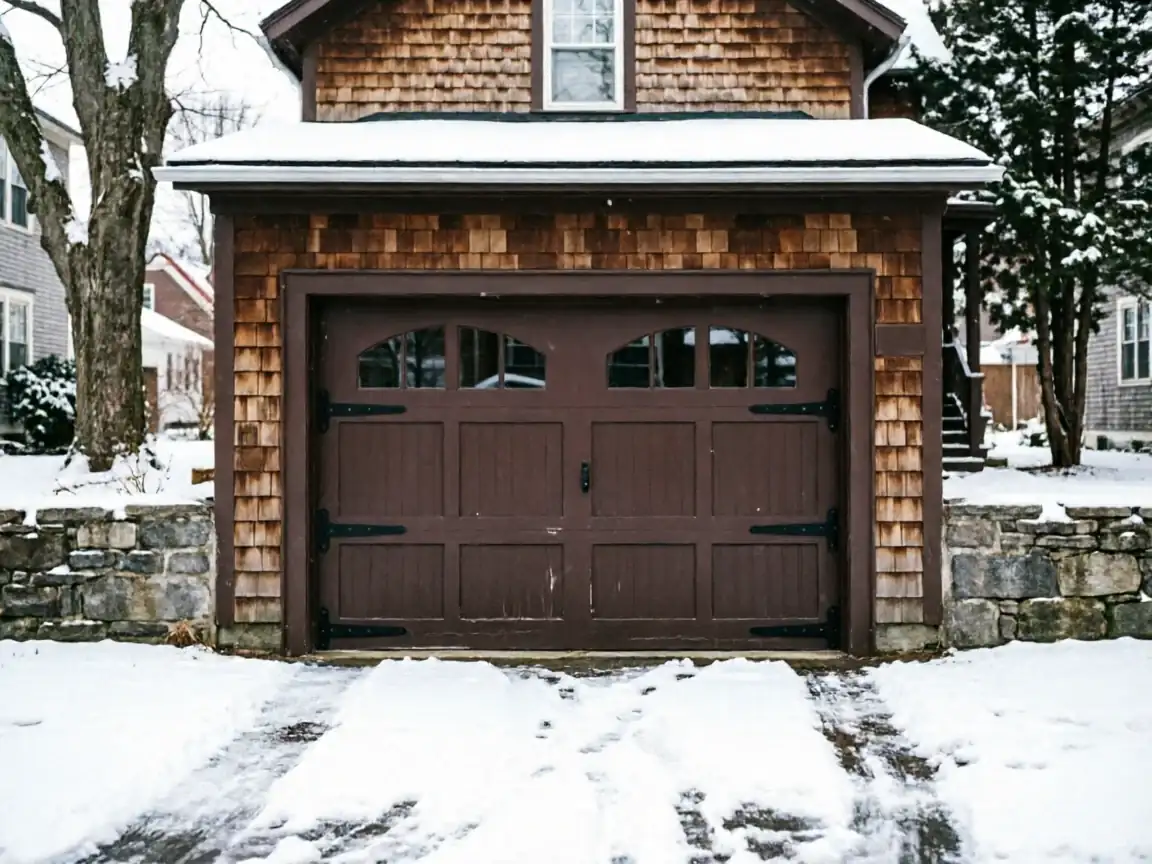
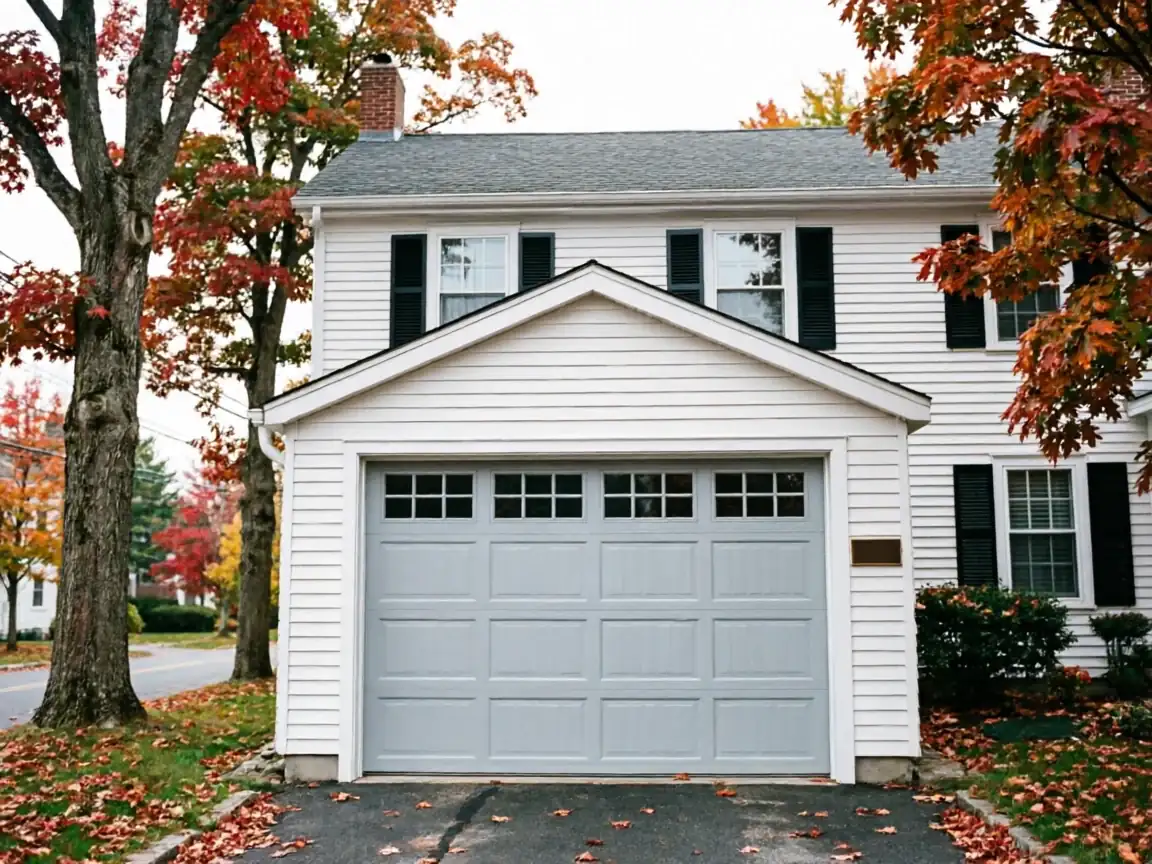
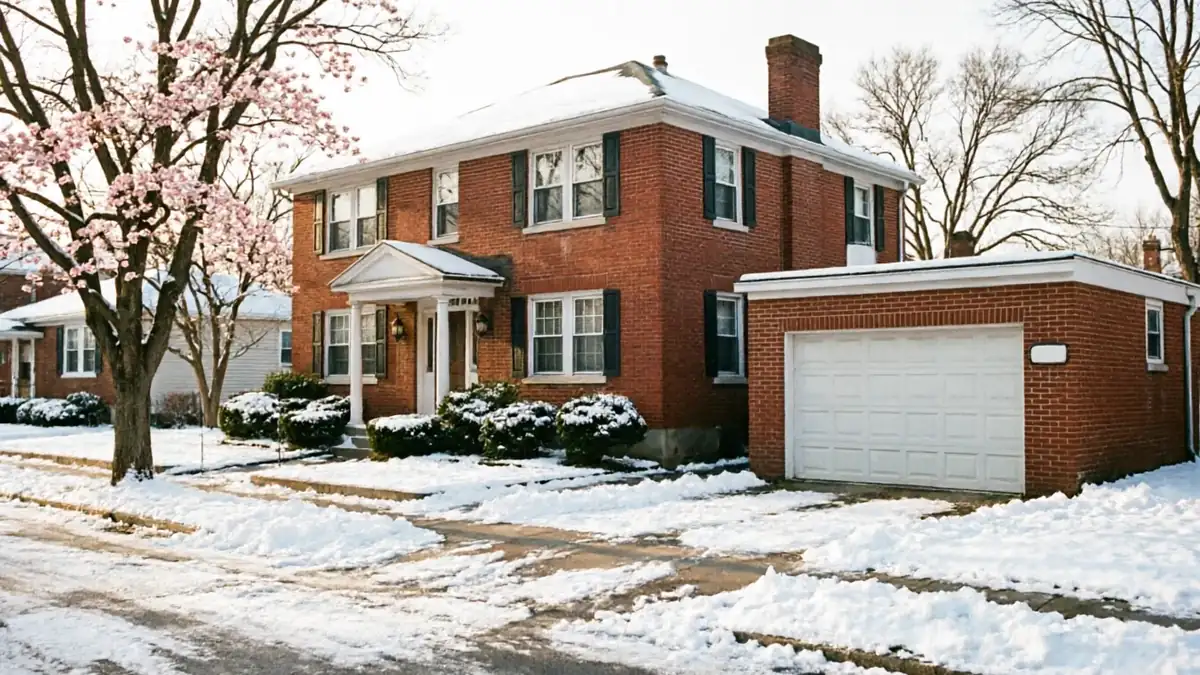
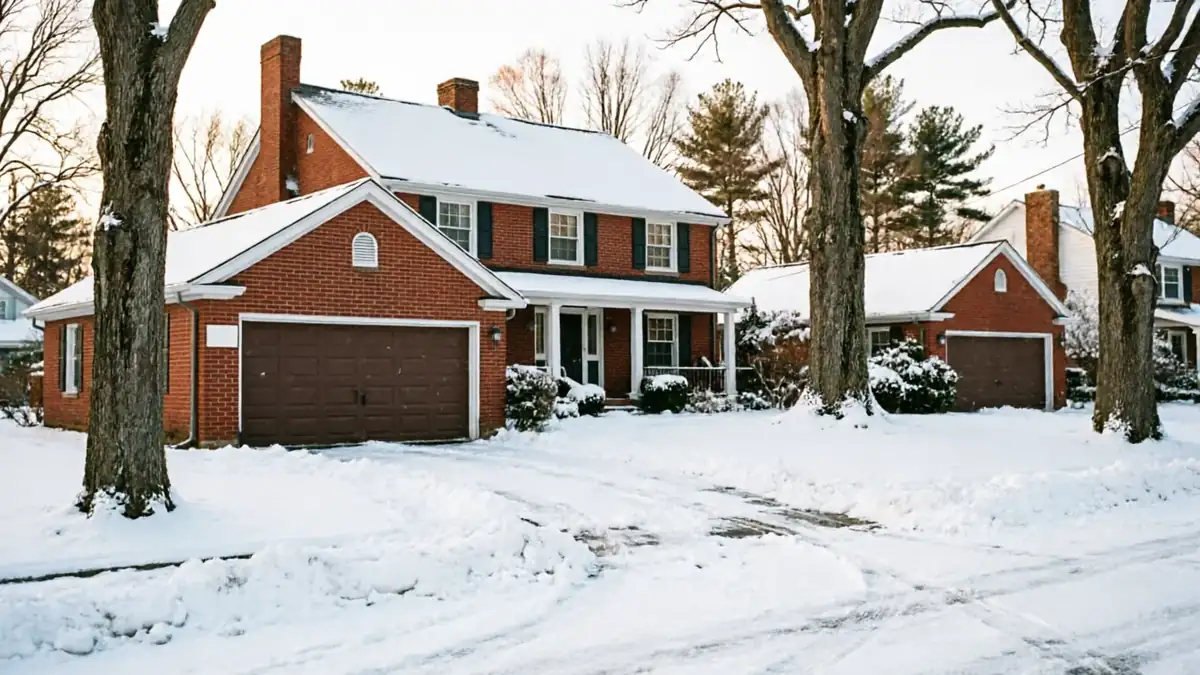
Housing in and around Allentown mostly went up between 1938 and 2005, with the bulk of it clustered in the 1960s and '70s - F2 across the 52 named areas in this corridor confirms that pattern, and the median build year here lands at 1964. Doors from that era were sized and sprung for lighter panel materials than what's common today, and a lot of them are still running original torsion hardware that was never rated for 60 years of cycles. Add a COLD-severe climate band, and steel contracts hard enough in a January cold snap that a spring already fatigued from decades of use is the first thing to go. This isn't a one-town issue in theory, but the combination of 1960s build dates and a real winter is exactly the combination that makes Allentown springs fail more often than they would in a newer, warmer market.
The Symptom
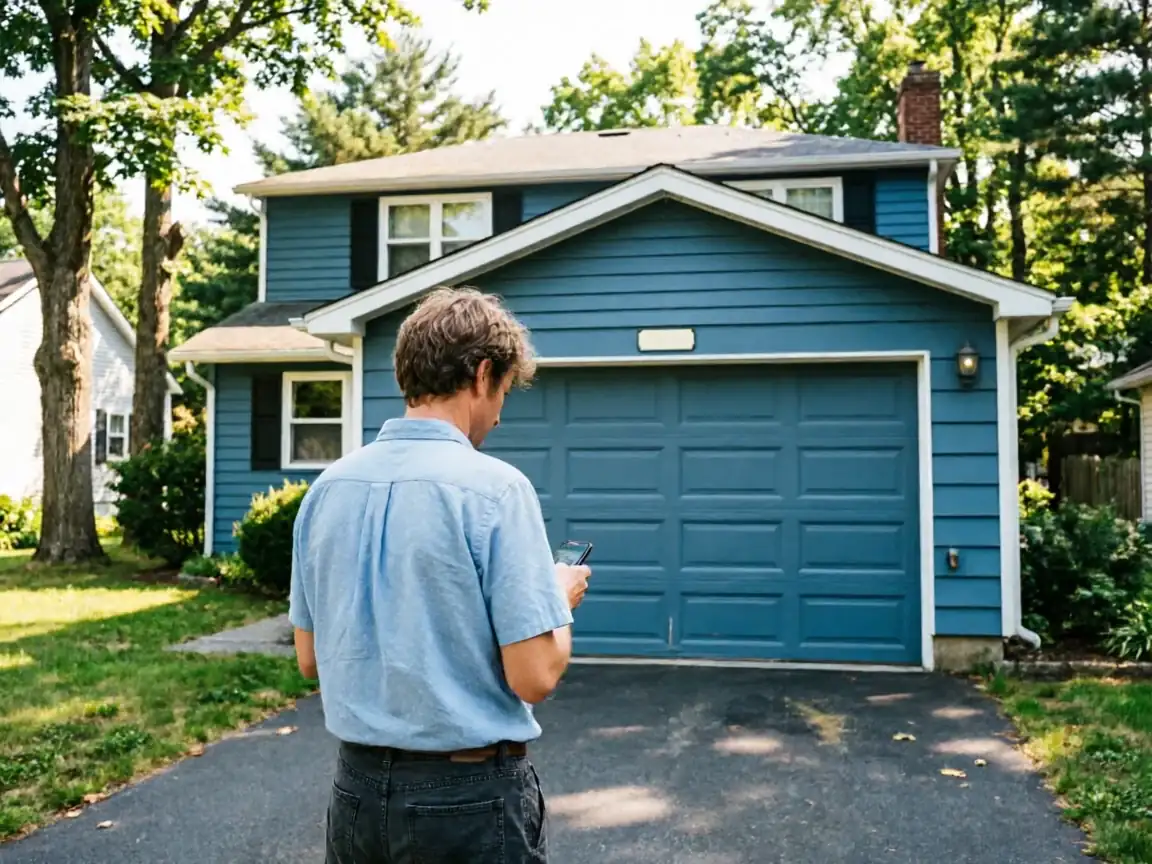
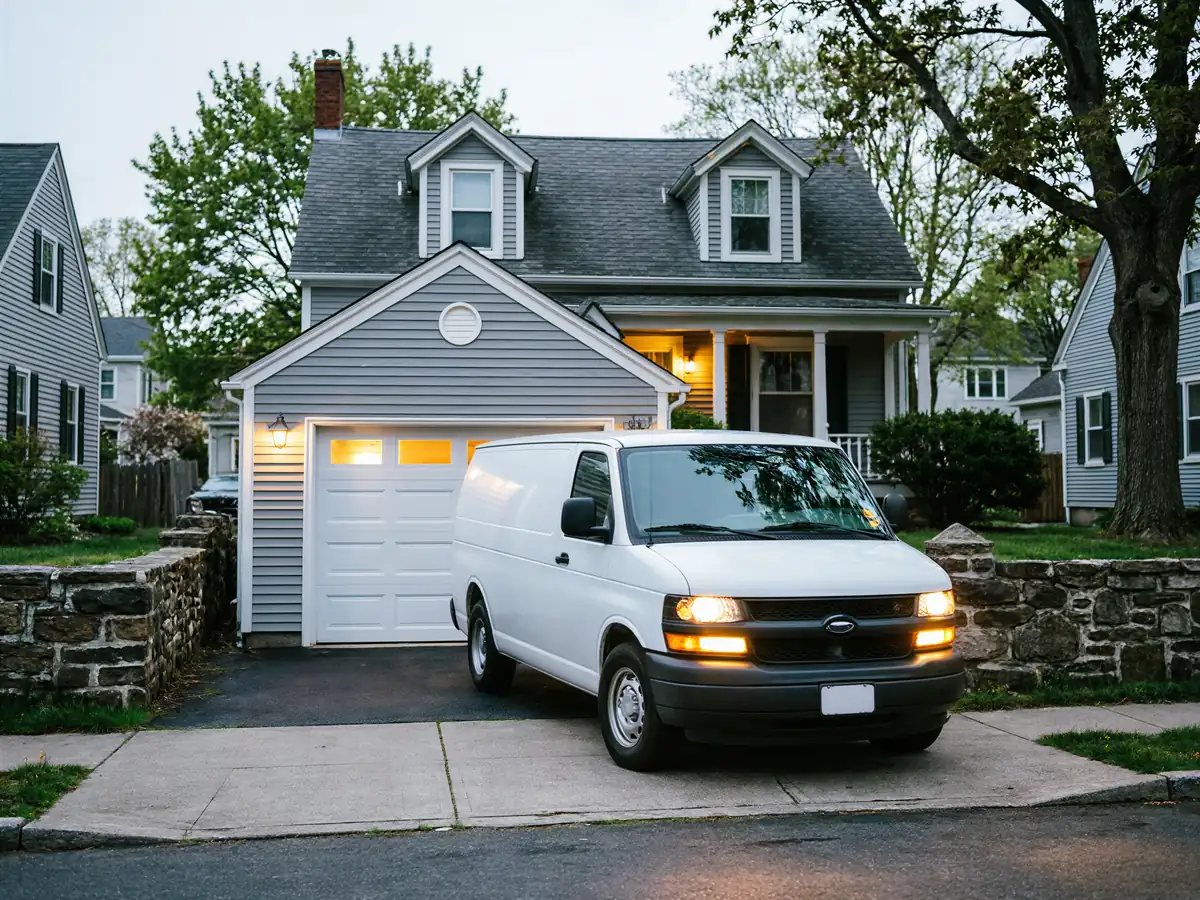
If your door sounds like a gunshot going off in the garage one morning and then won't budge, that's a torsion spring, not an opener problem - don't keep hitting the remote, since the opener will just strain against dead weight and burn out the motor gear next. A door that's noticeably heavier to lift by hand than it used to be, even before it fully breaks, is usually a spring losing tension gradually rather than snapping all at once, which is common on hardware original to a house built in the 1960s. We serve Allentown and the surrounding area out to about 13 miles, including Fullerton, Emmaus, Catasauqua, Whitehall, and Bethlehem, and the symptom pattern holds across that same older housing stock throughout the corridor.