The Symptom
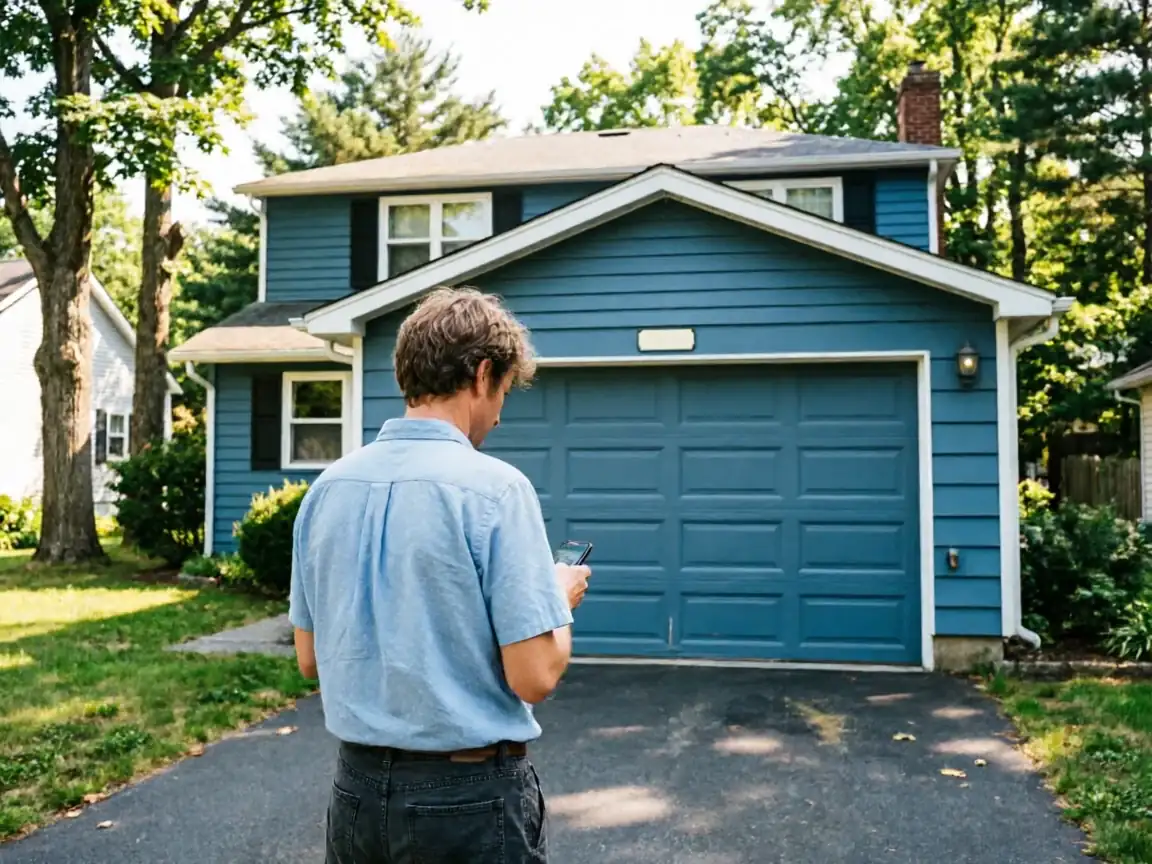
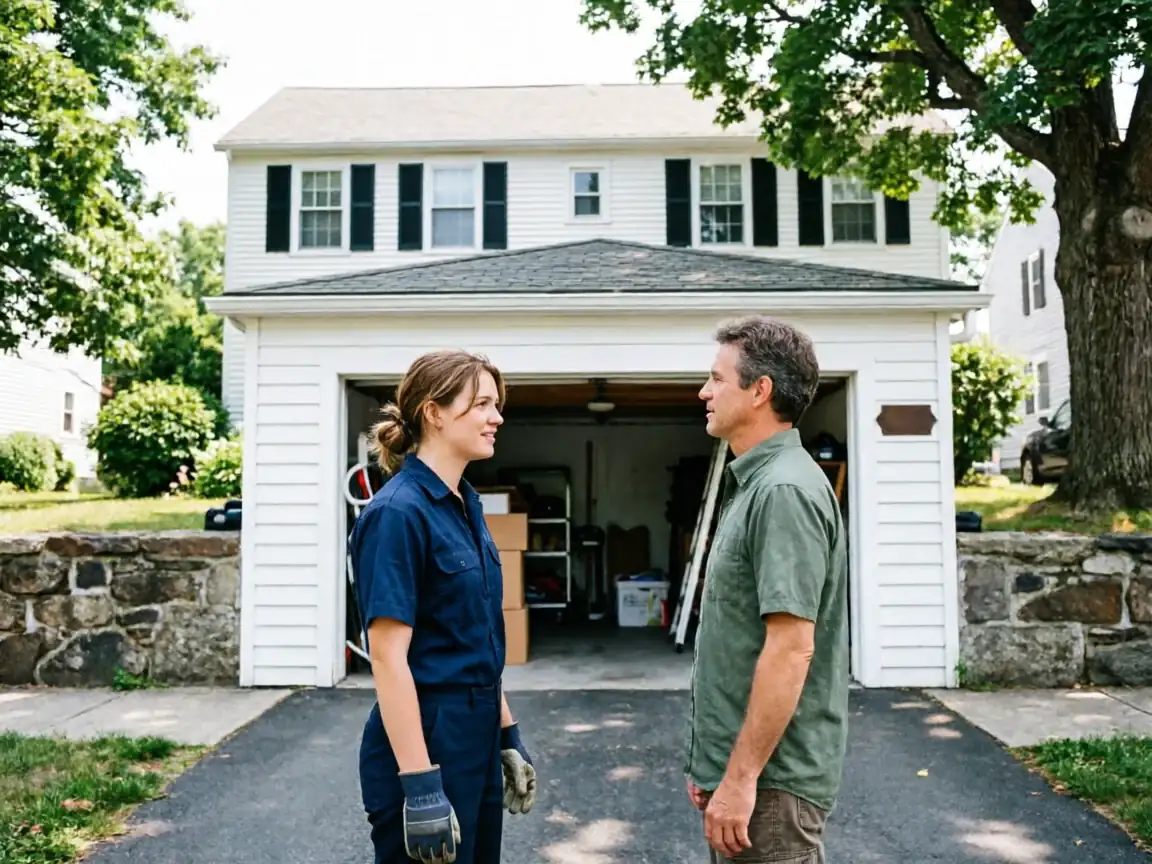
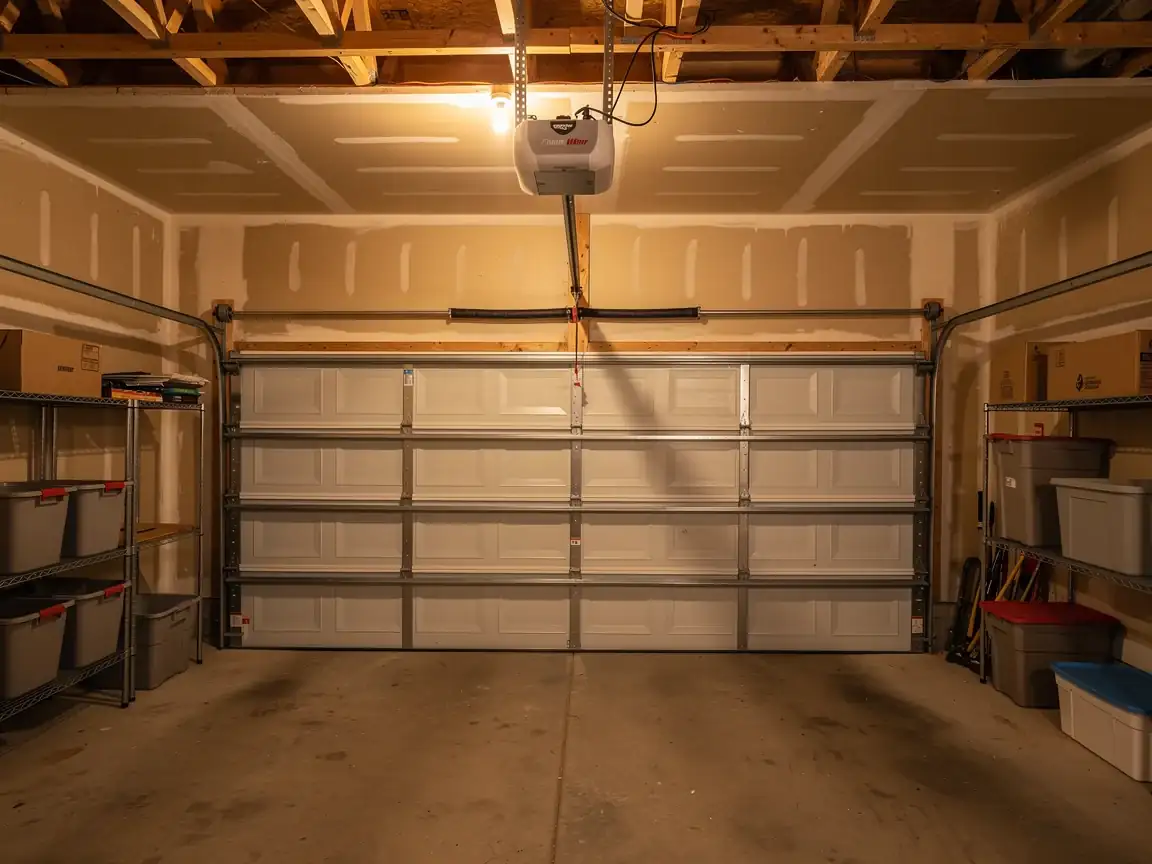
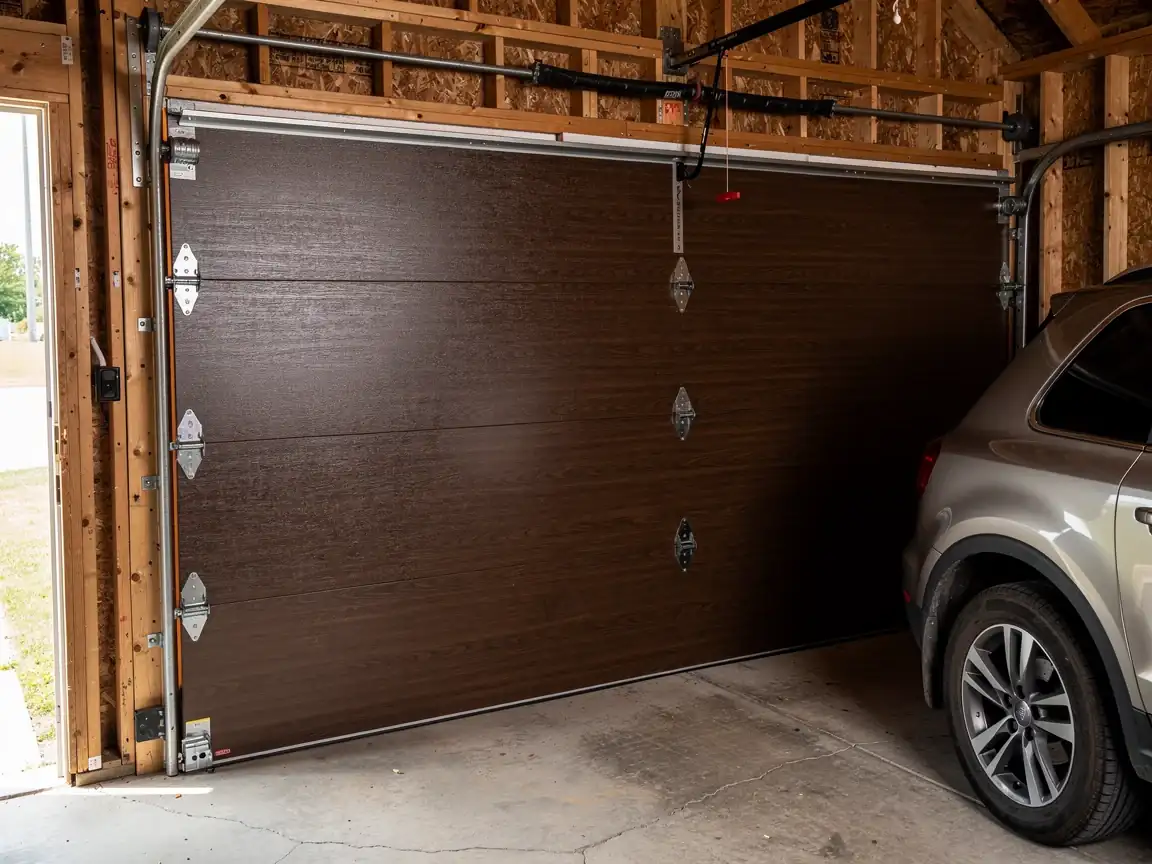
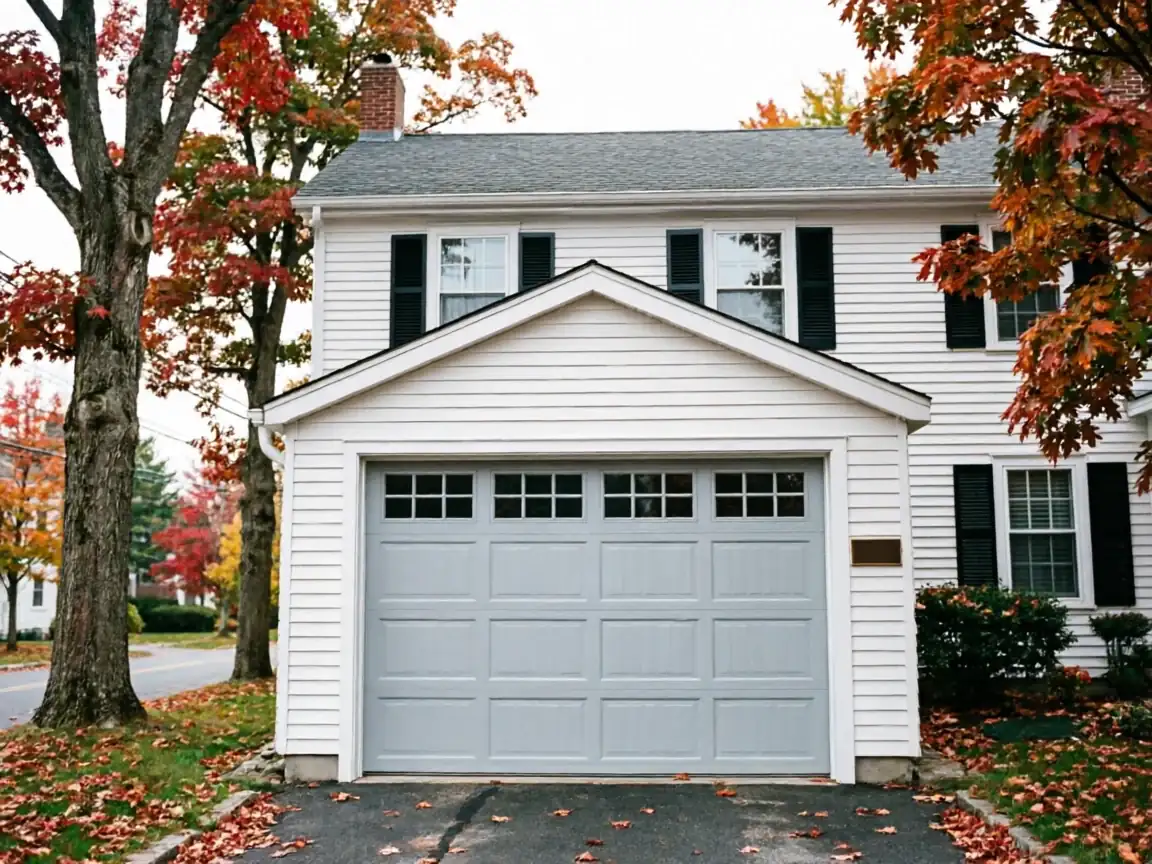
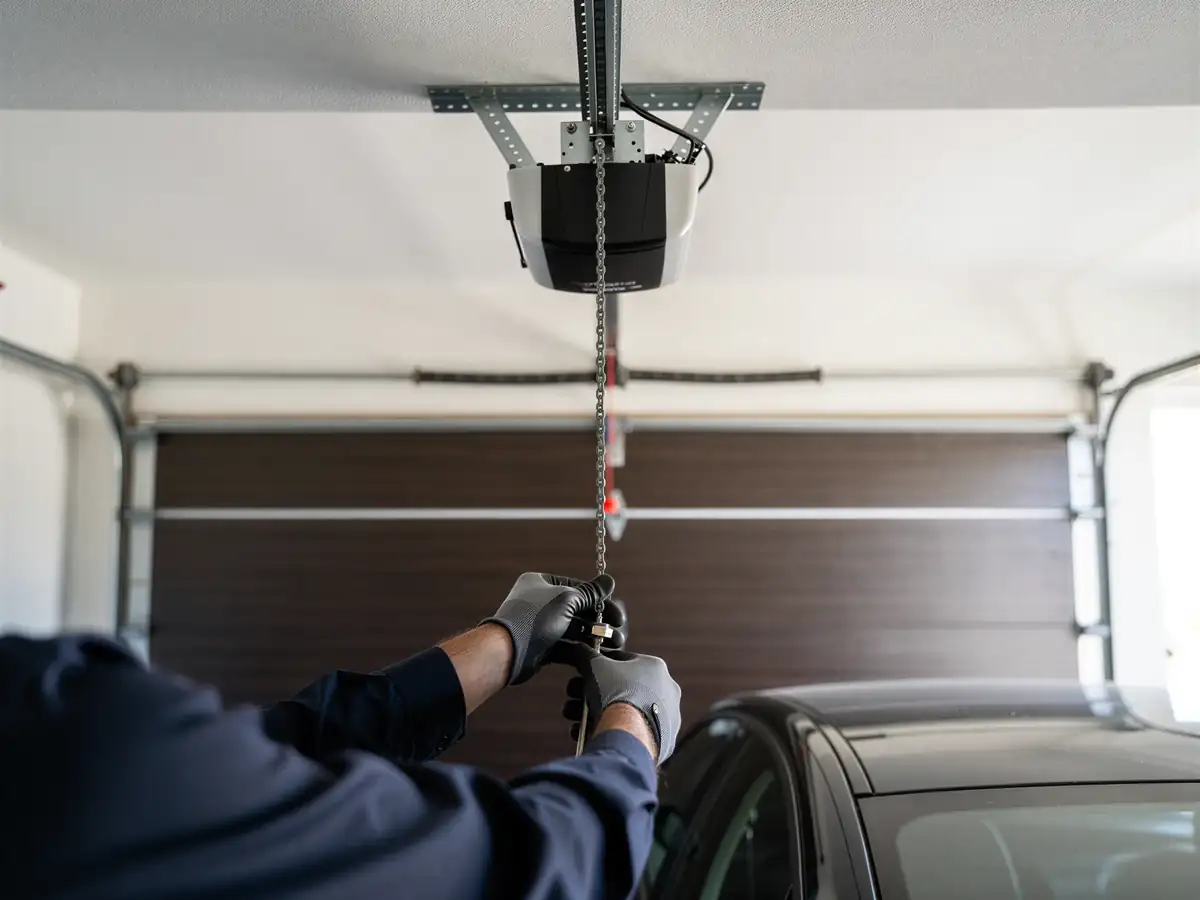
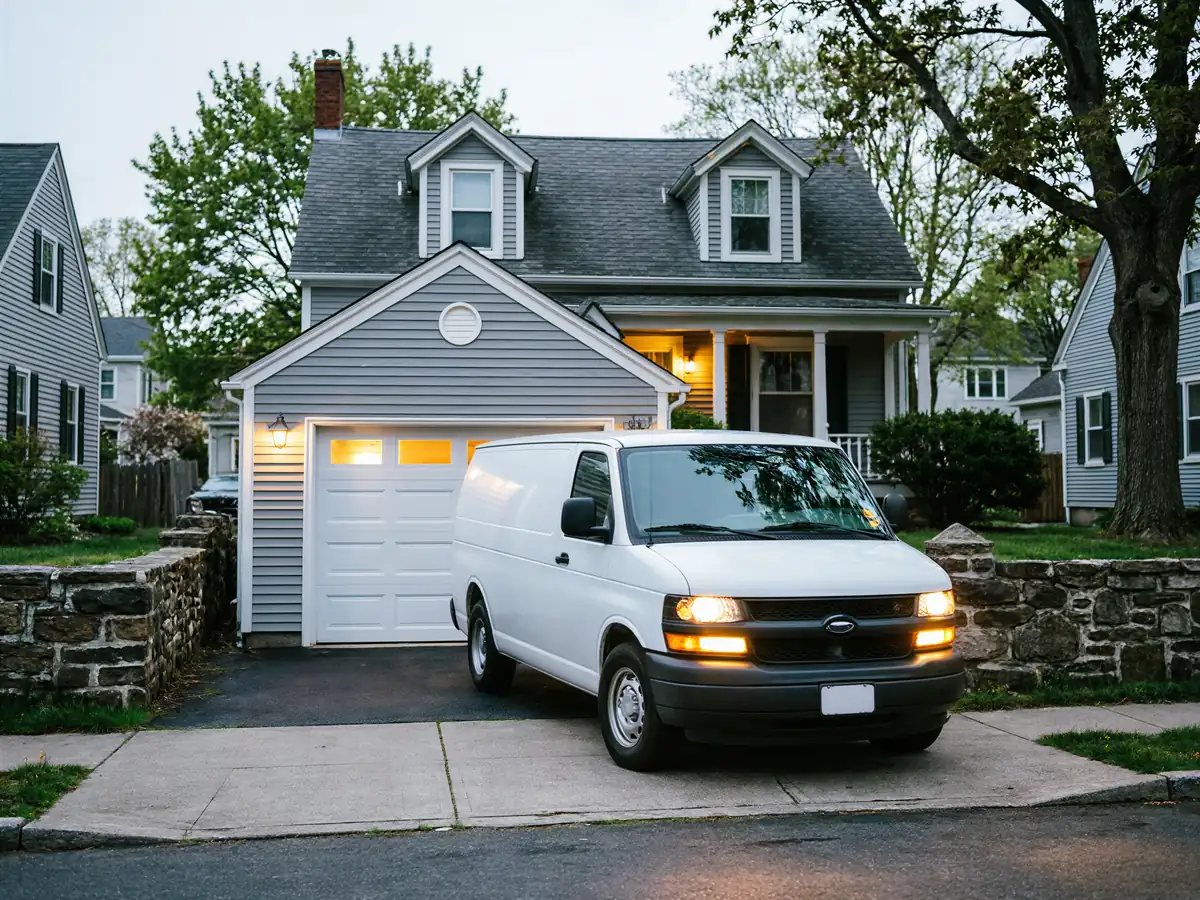
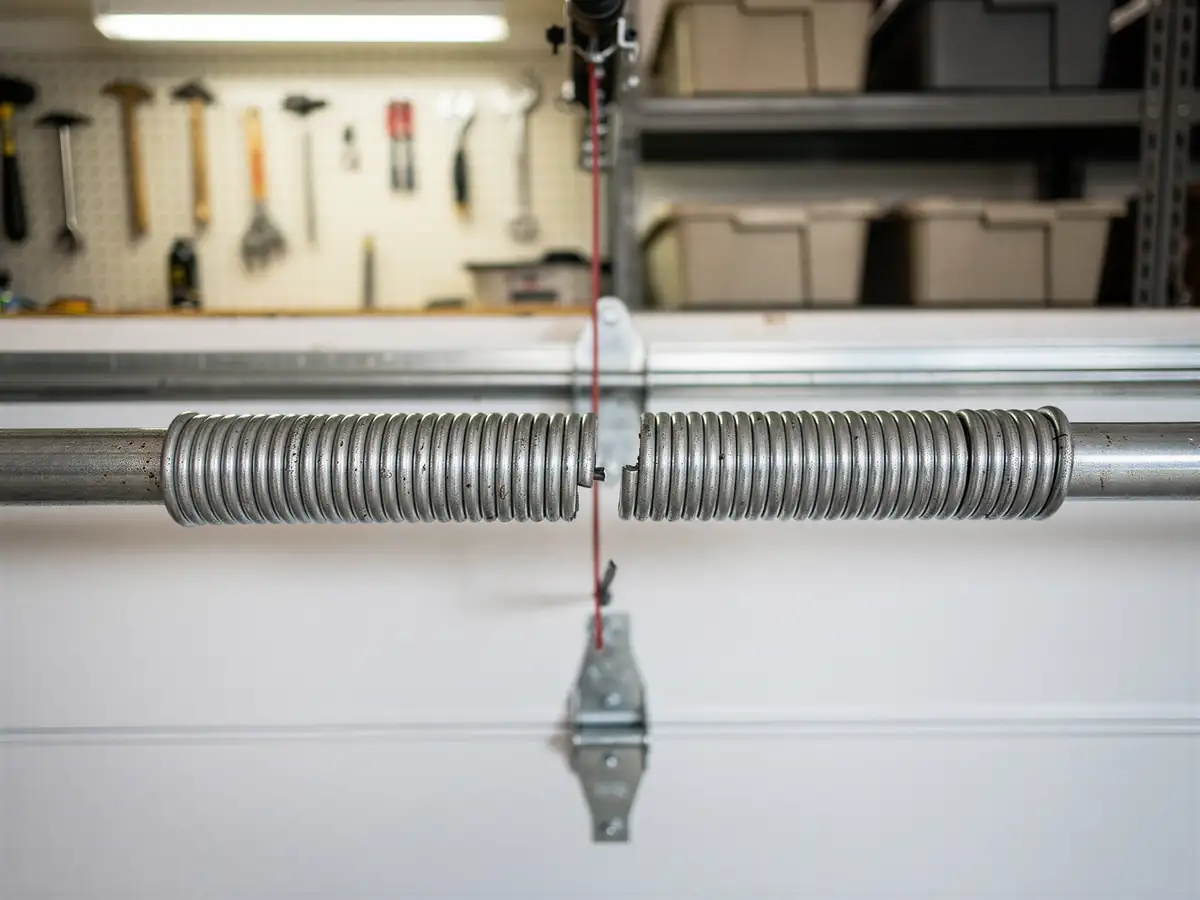
Emmaus sits four miles from Allentown, which is a short enough run that the drive itself isn't the story here. What matters is what's usually waiting in the garage by the time the truck pulls in. A spring that's going doesn't always announce itself with a bang. More often it's a door that feels heavier on the way up, an opener that strains and clicks before it gives up halfway, or a loud pop followed by a door that won't budge at all. If you've got a loop of cable hanging loose on one side, or the door slams down the last foot instead of settling, that's a spring that's already failed, not one that's about to. Four miles is close enough that there's no reason to keep working a door that's binding or dropping - it just gets harder to lift, and the opener motor takes the abuse until that fails too. See our Emmaus service page for the full list of what we handle in town; this page is about the spring job specifically.
Where This Job Goes Sideways
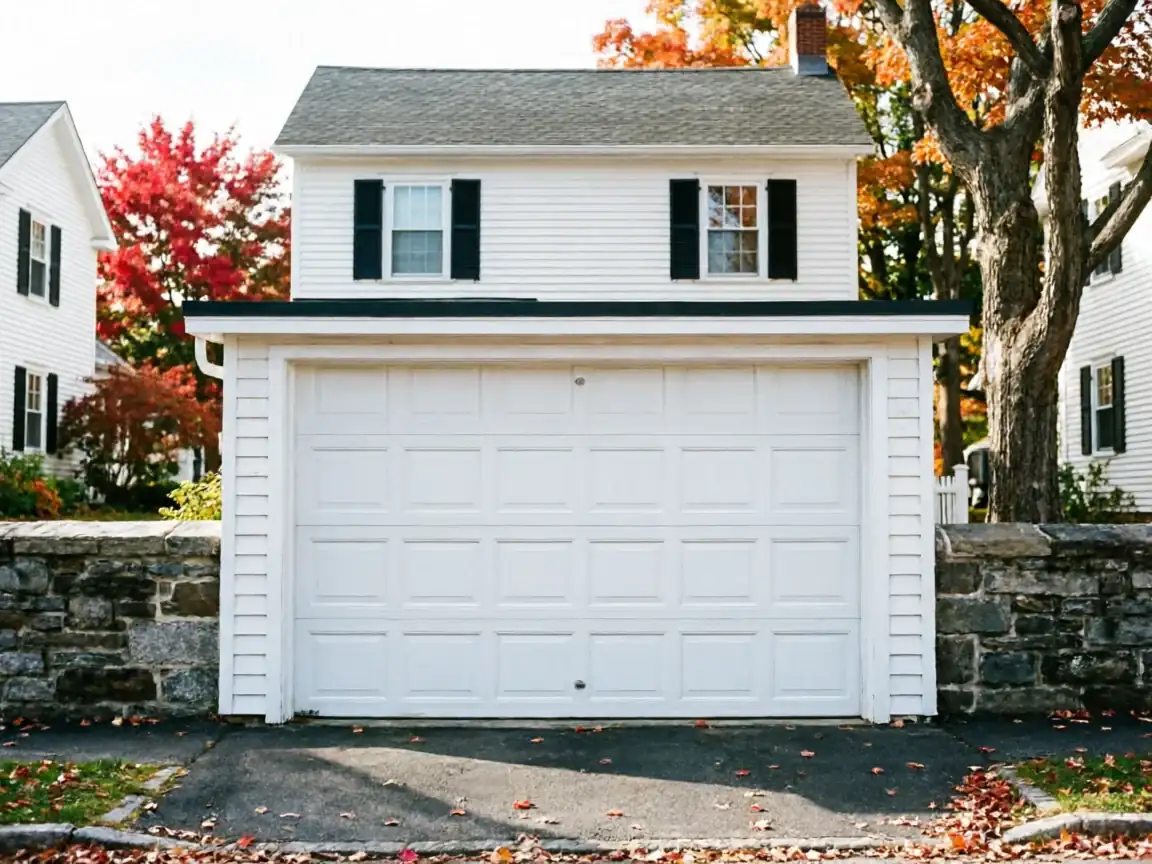
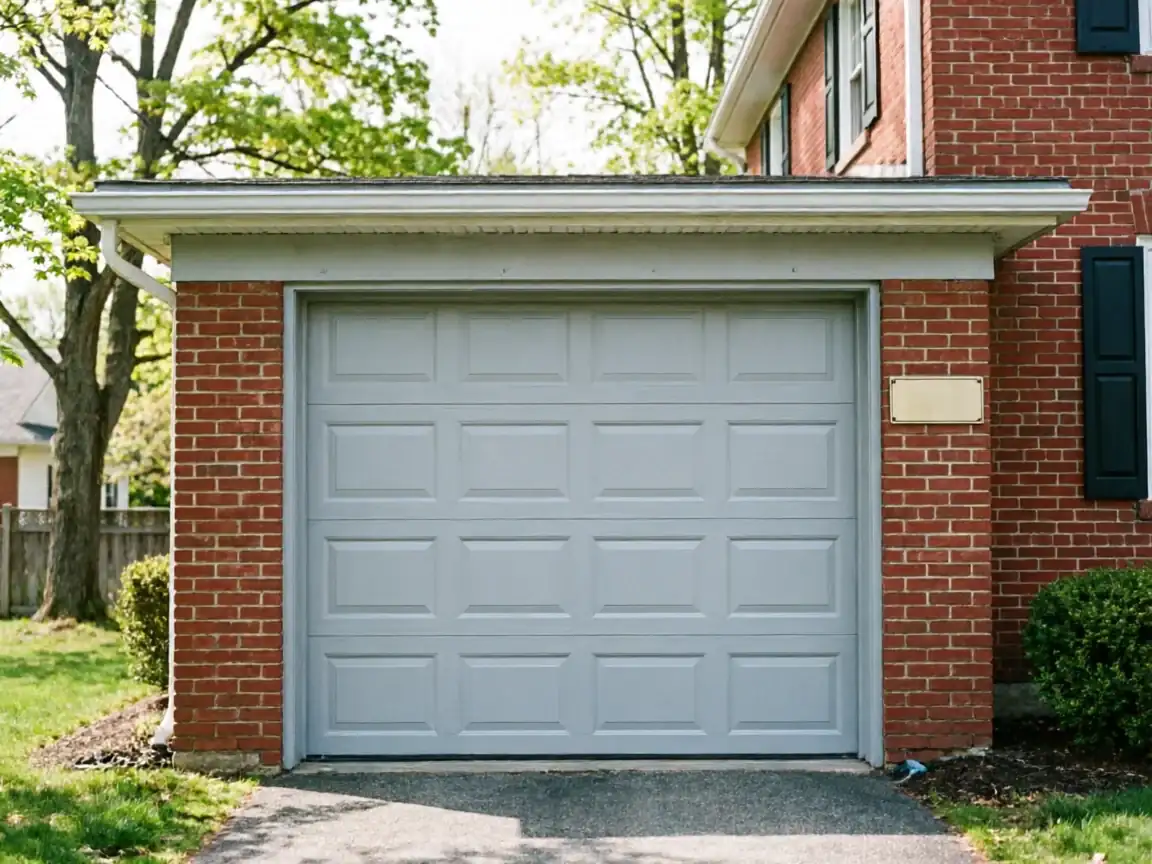
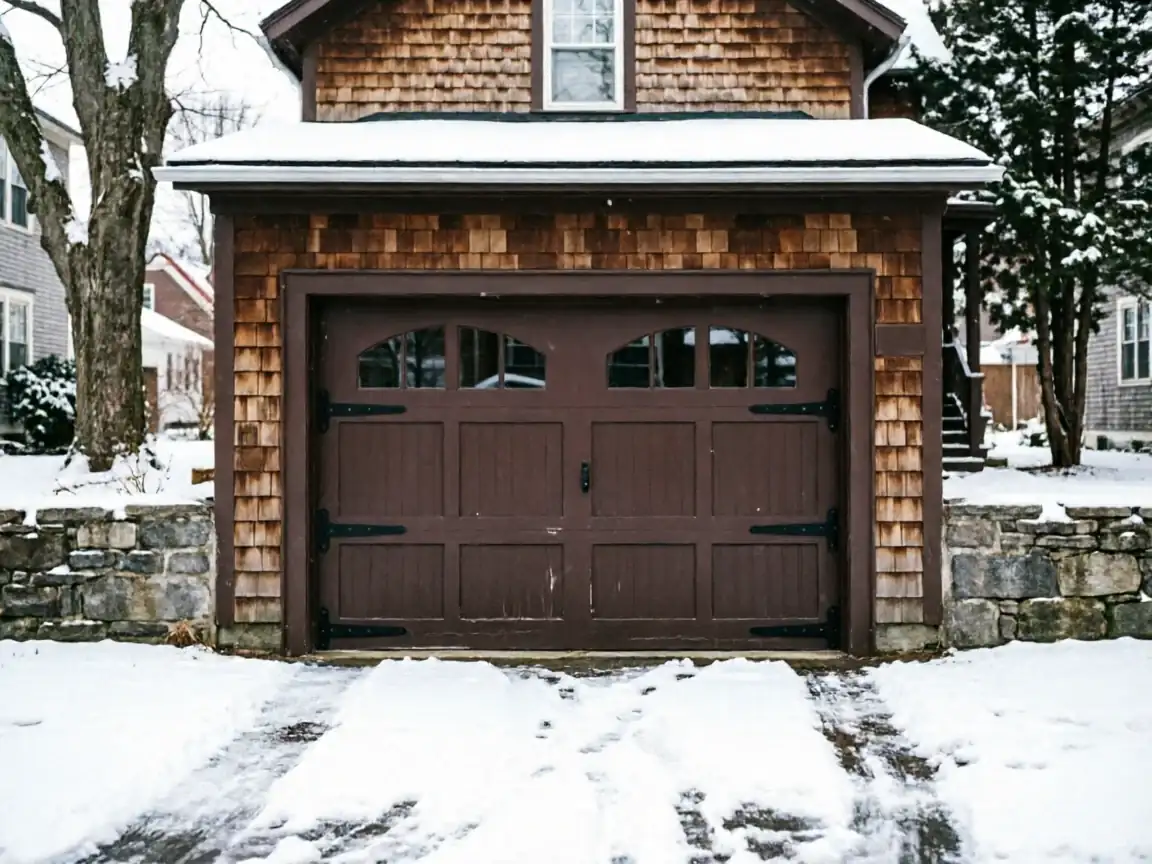
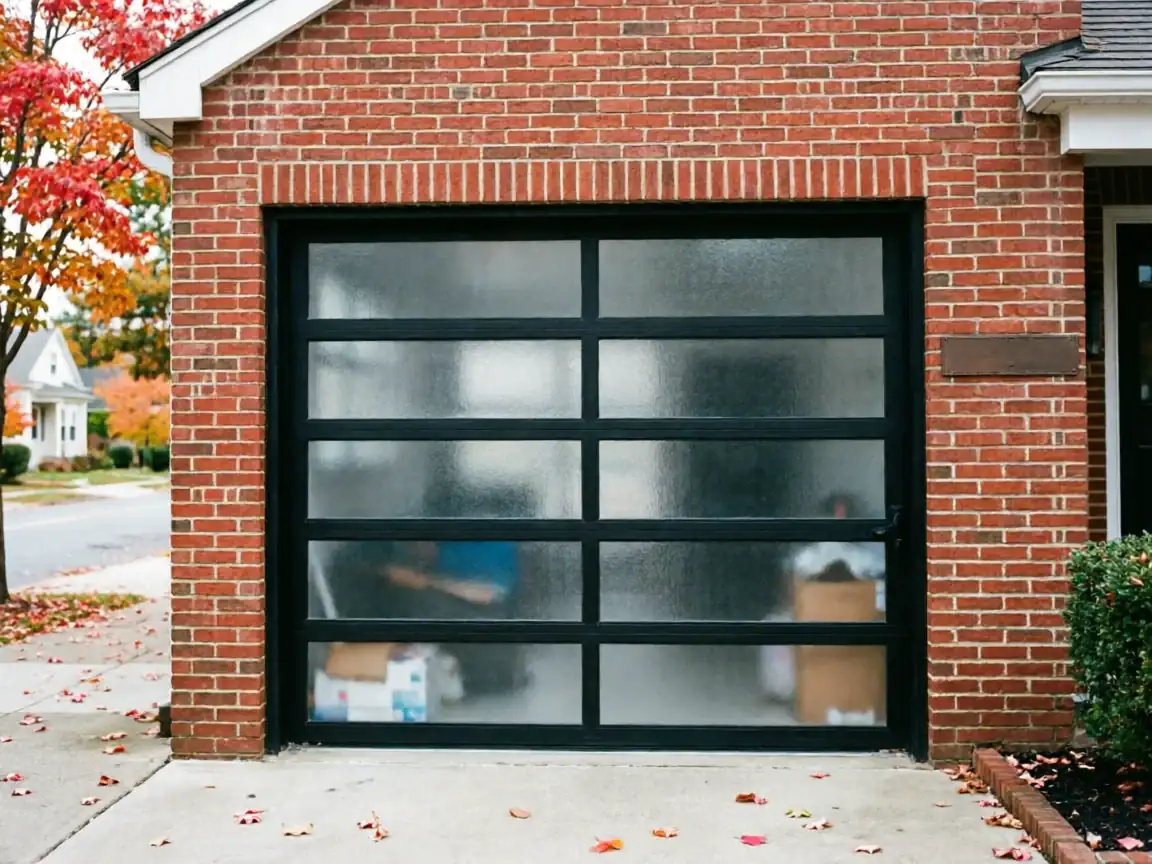
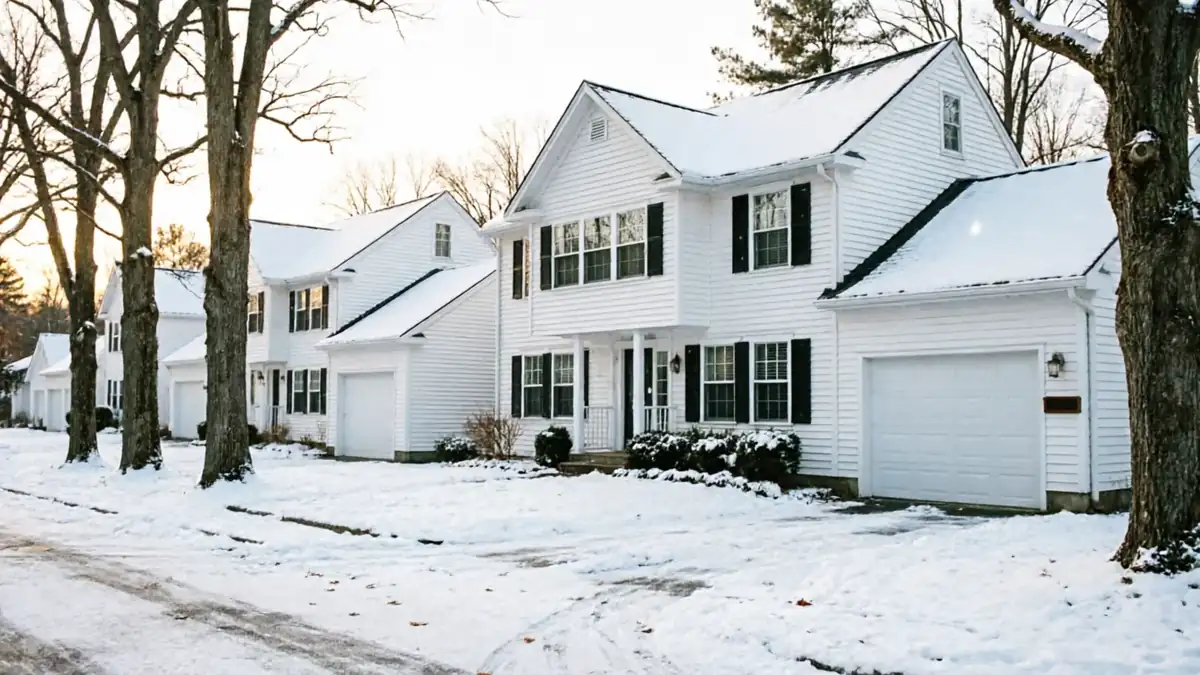
Emmaus homes carry a median build year of 1957, which is older than the broader service area's median of 1964. That seven-year gap matters more than it sounds - a lot of these garages were built with extension springs on side brackets rather than the torsion setups that became standard later, and some have been retrofitted over the decades with mismatched hardware that doesn't match the door's actual weight. That's where a repair goes wrong: someone puts in a spring sized for the wrong door, and it either fails again in a year or overloads the opener. On top of the age of the housing stock, this region sits in a cold, severe climate band, and repeated freeze-thaw cycling fatigues steel springs faster than a moderate climate would. A spring rated for a certain number of cycles gets there sooner here. With around 4,752 households in Emmaus, there's a real range of original 1950s hardware still in service alongside newer doors, so the fix has to match the door in front of us, not a generic size.
What the Fix Involves
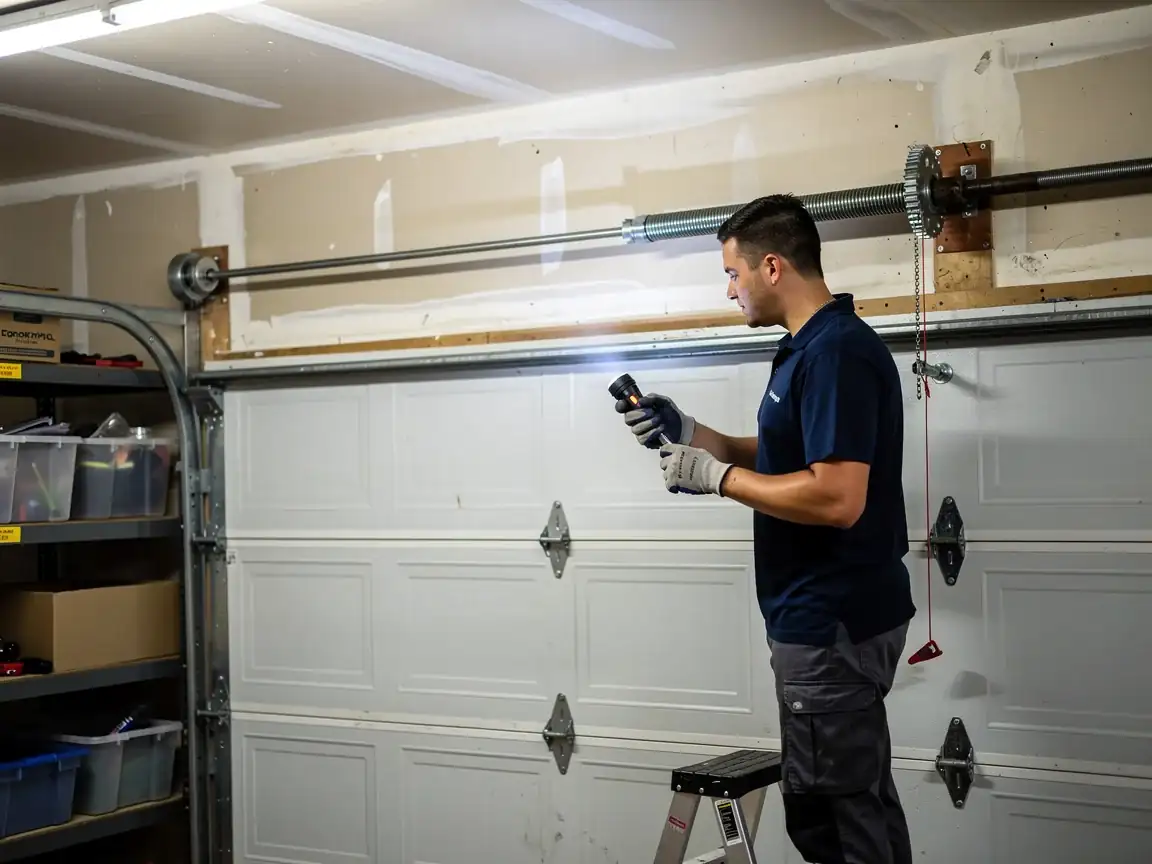
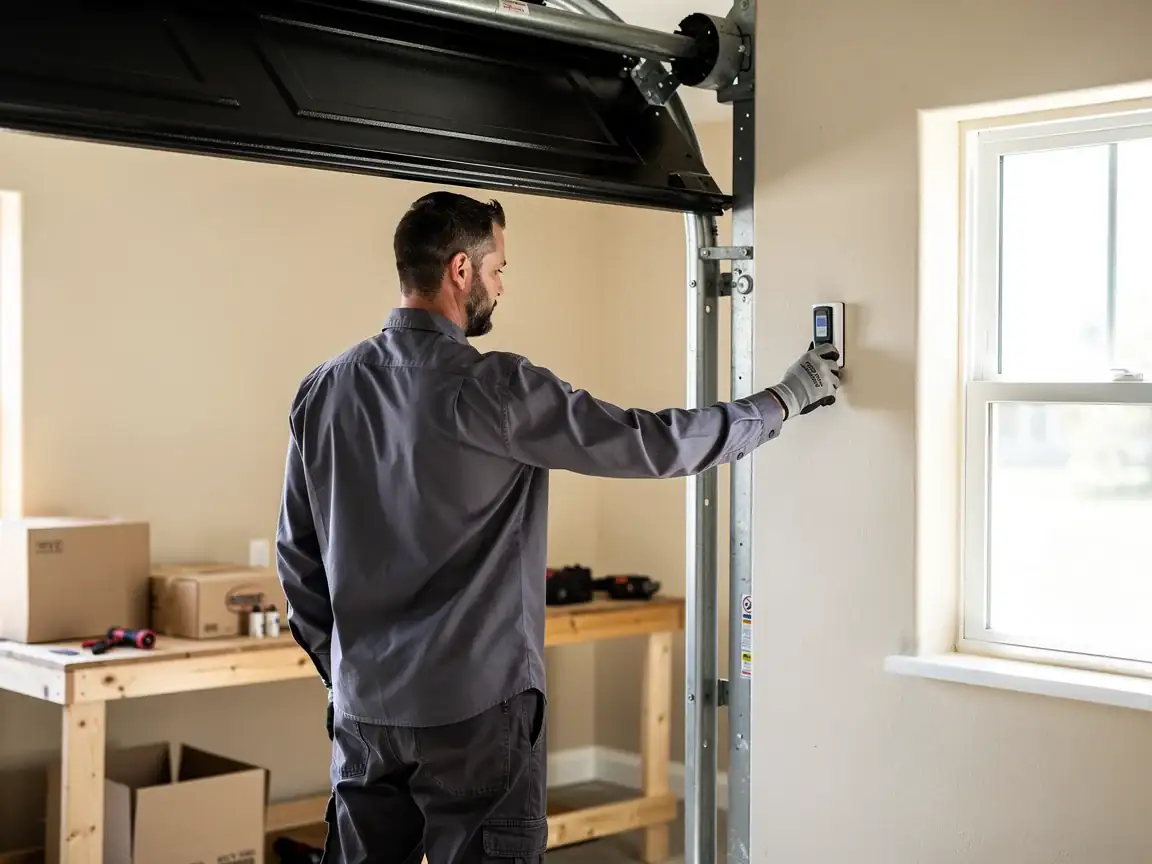
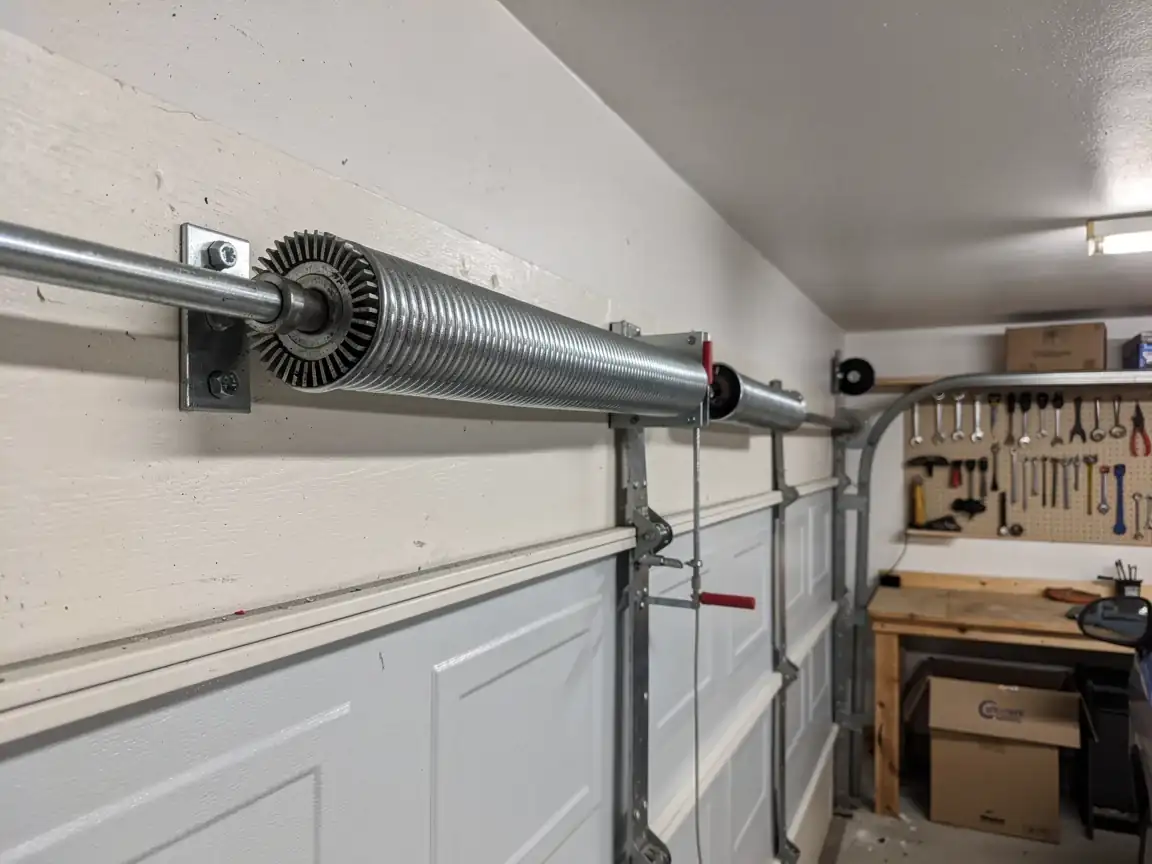
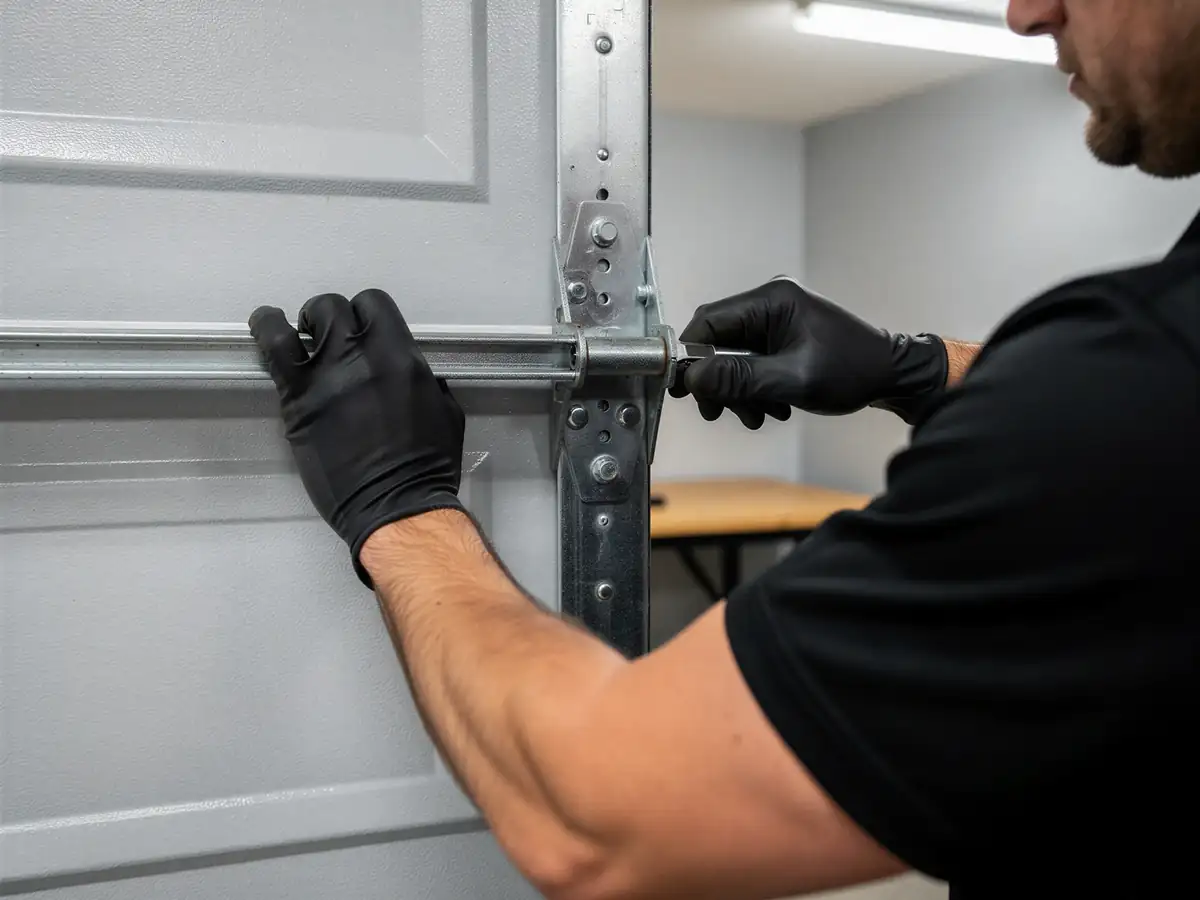
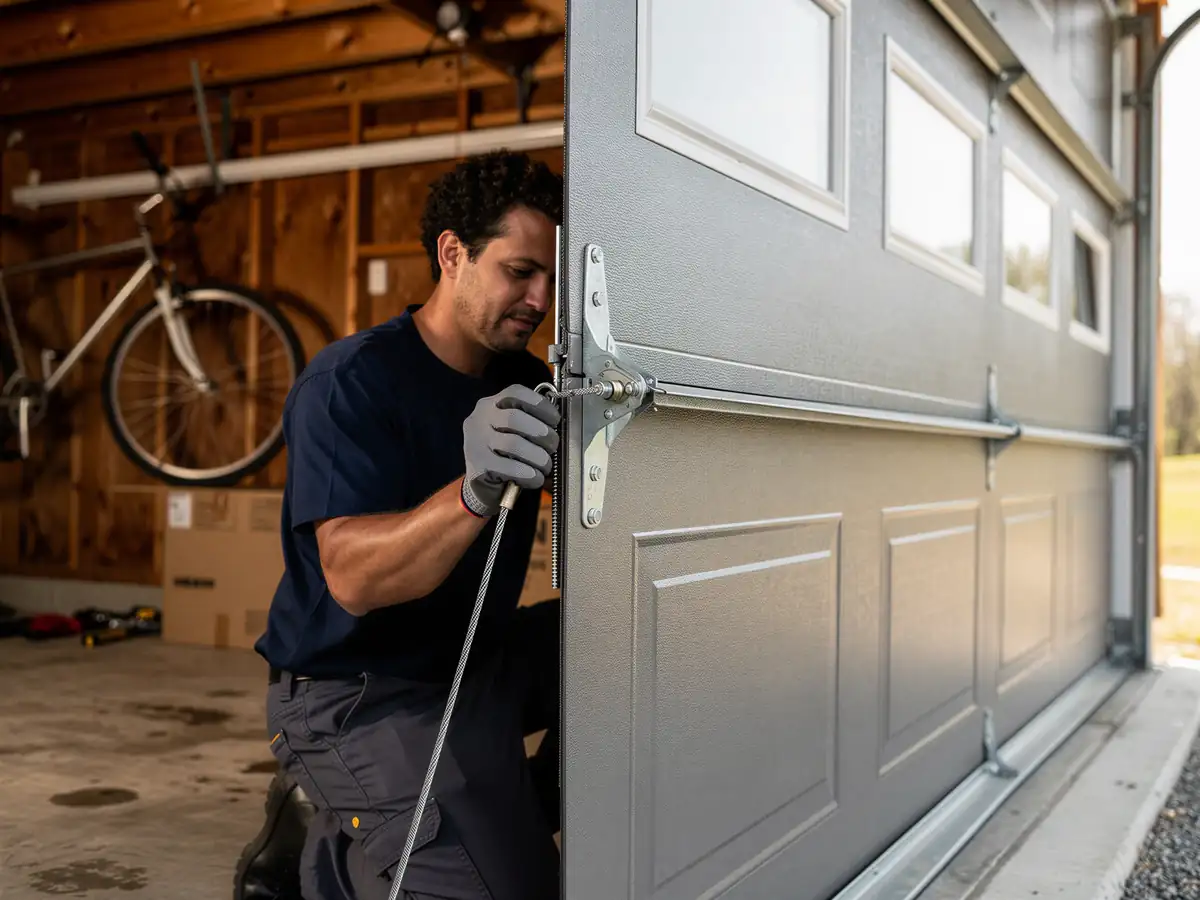
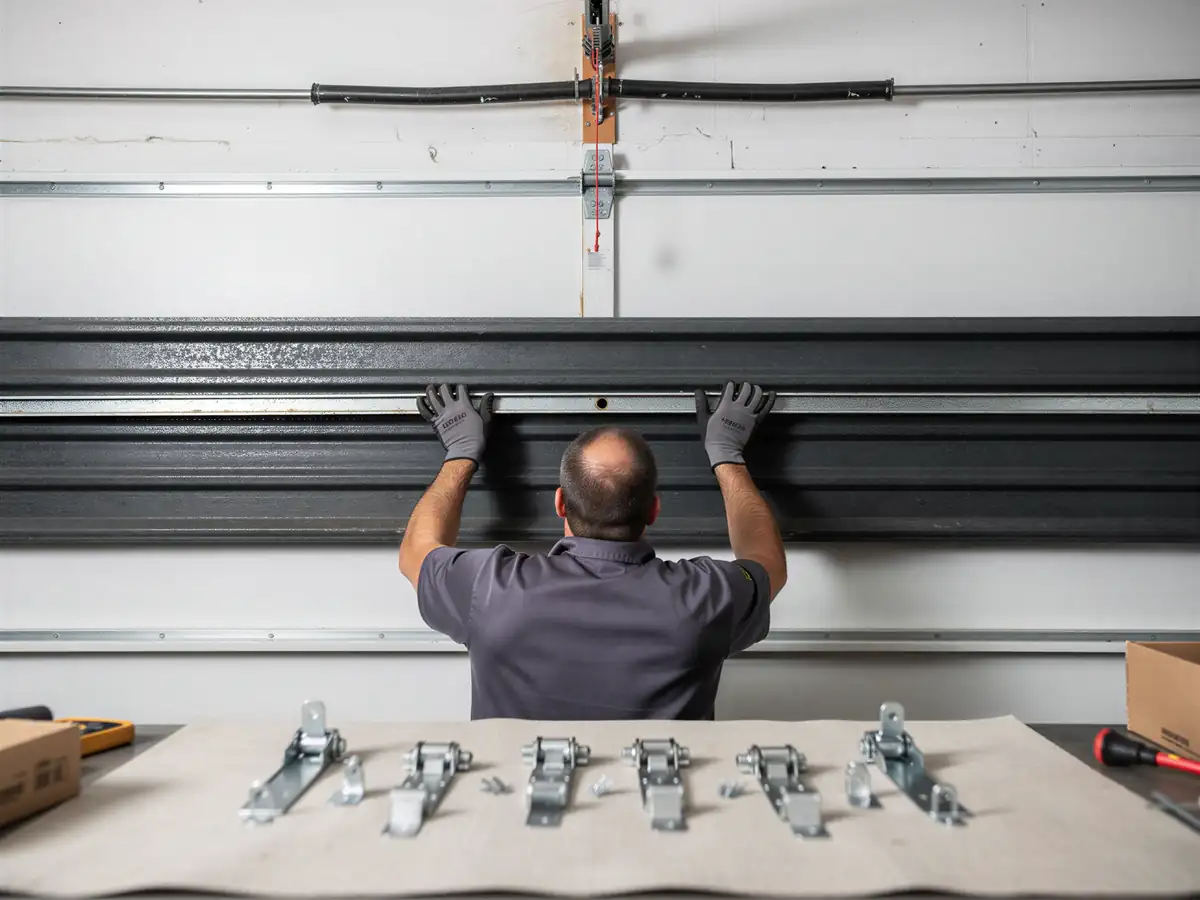
A proper spring repair starts with weighing the door, not guessing from the old spring's size - a sagging door or one with added insulation over the years won't match its original spec anymore, and that's common in housing stock from the 1950s and 60s. We measure the shaft, the wire size, and the wind direction, then match a spring built for the door's actual cycle load, accounting for the cold-climate fatigue this area sees. If it's a torsion setup, that means balancing both springs so the door doesn't rack to one side; if it's an older extension system, it means checking the safety cables are present at all, since a lot of pre-1970s installs never had them. One real limit: if the spring size needed isn't something we're carrying on the truck that day, there can be a short wait on parts rather than a same-visit fix - we'd rather order the right spring than force one that's close enough. For anything beyond the spring itself, our broader write-up on spring repair from the Allentown shop covers how we handle the job across the wider area.