The Symptom
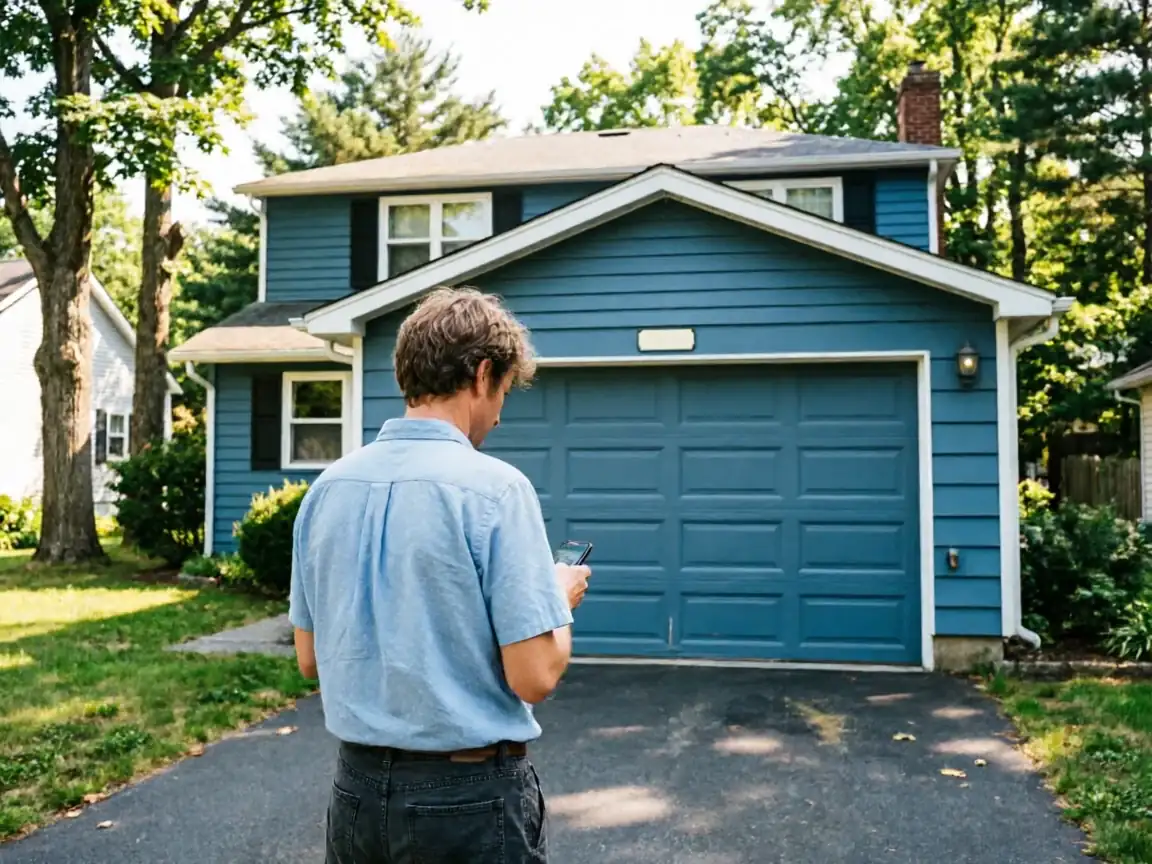
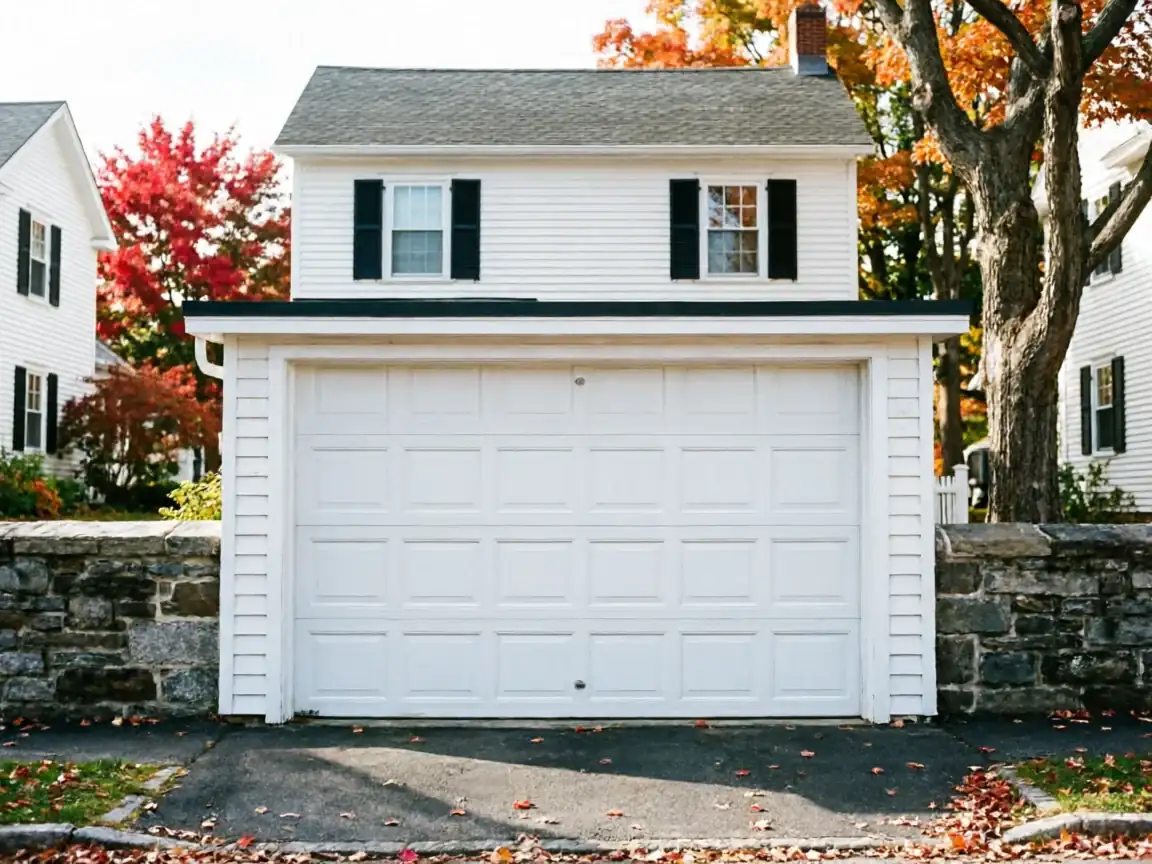
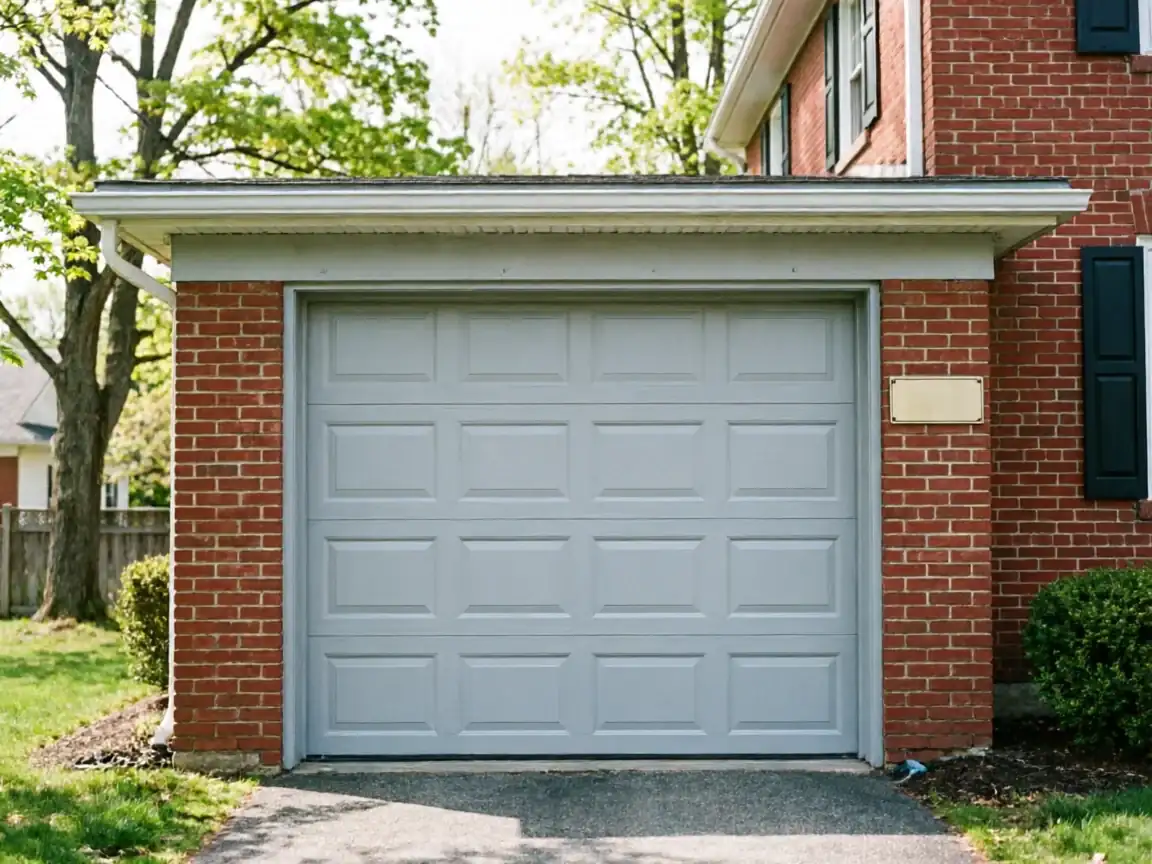
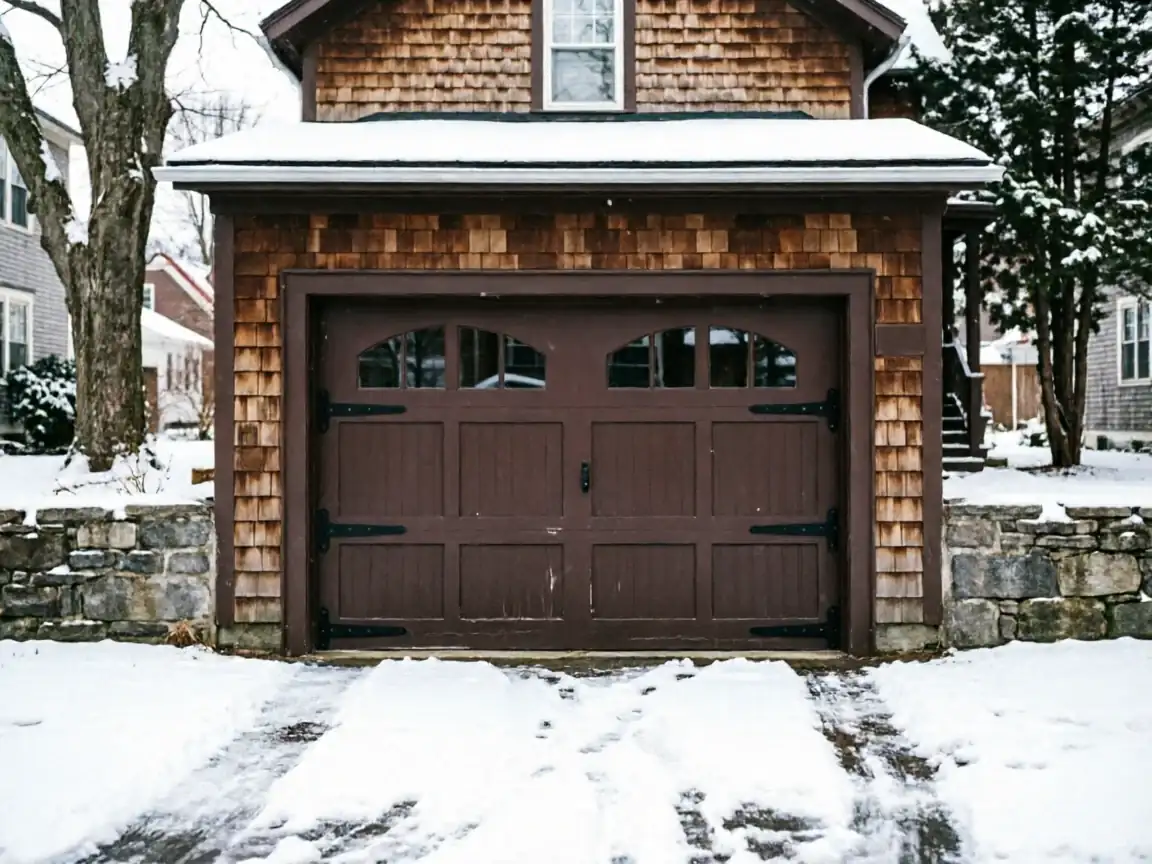
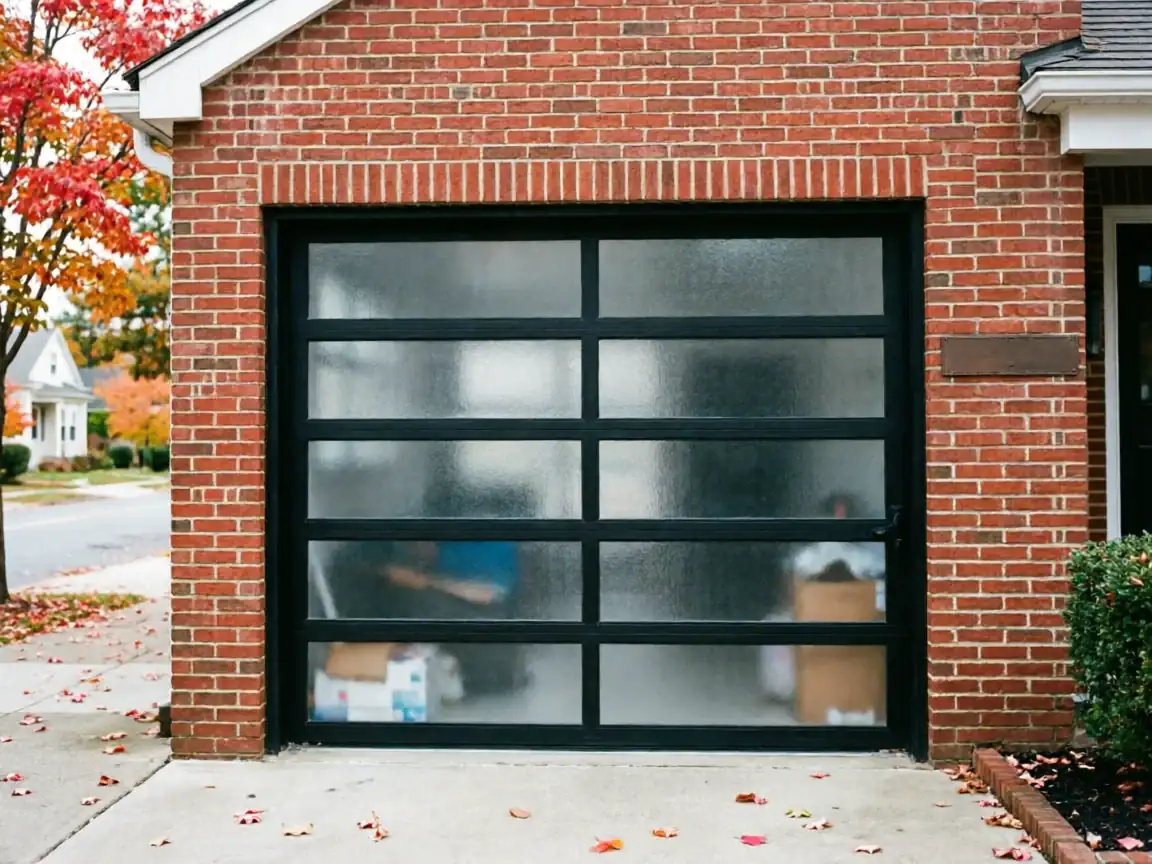
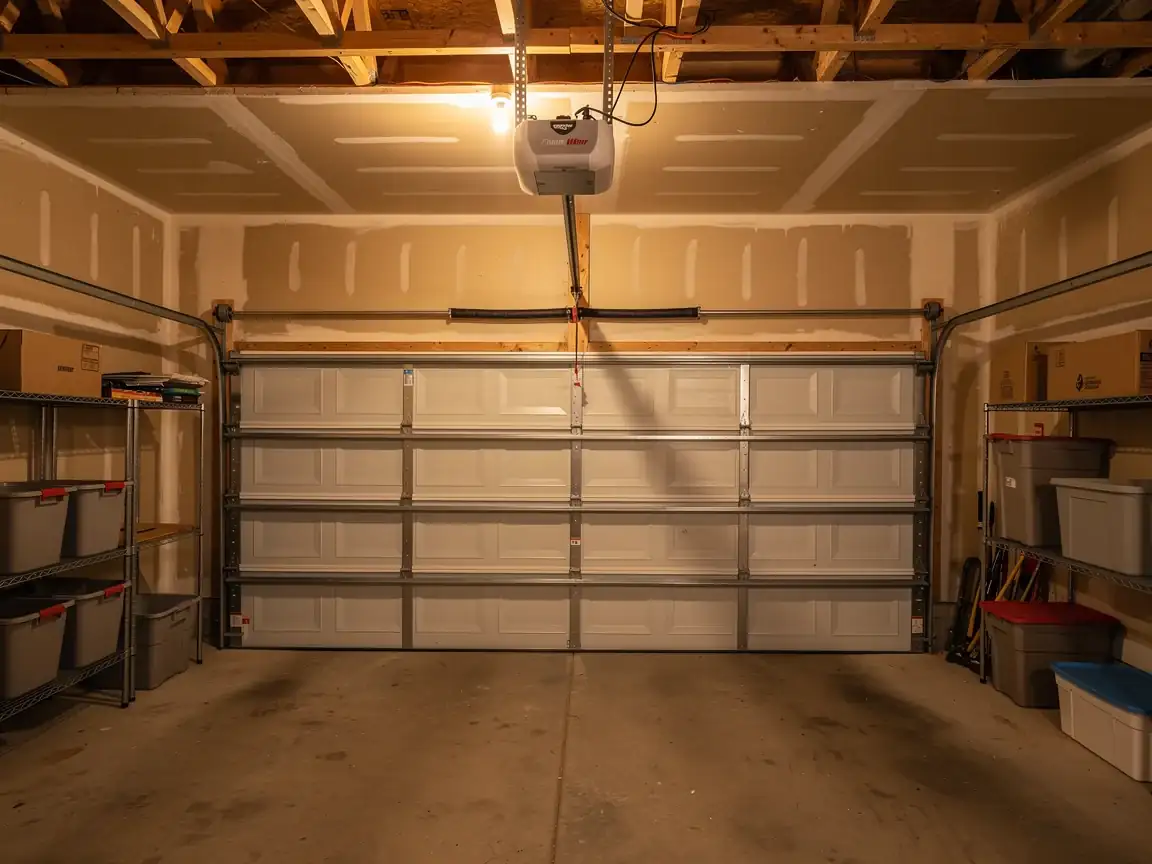
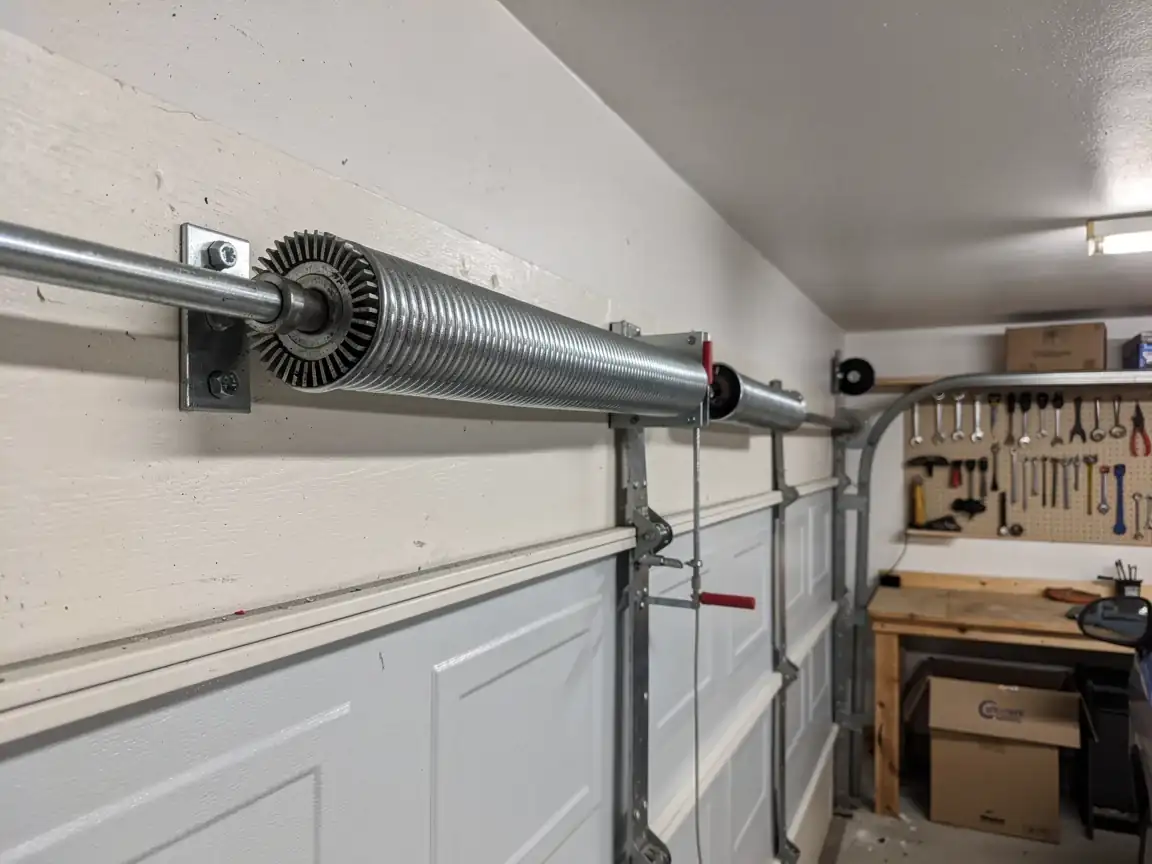
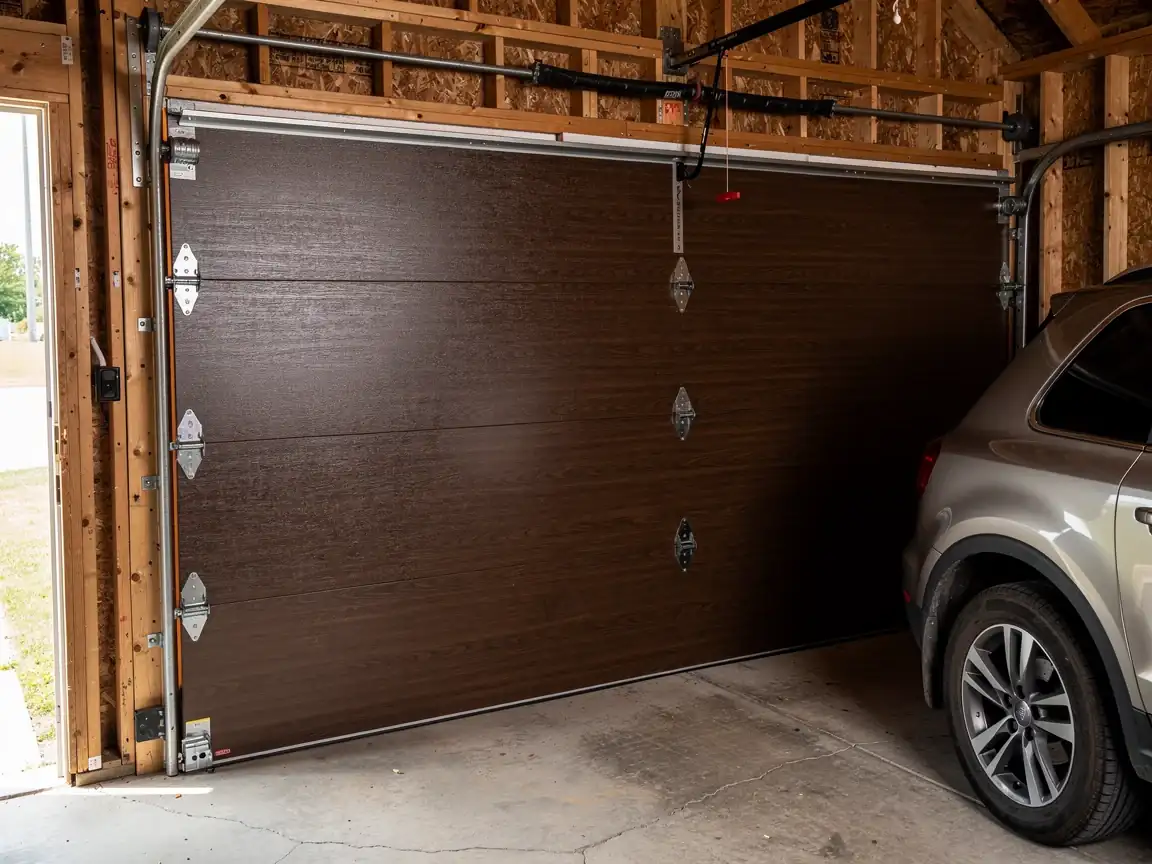
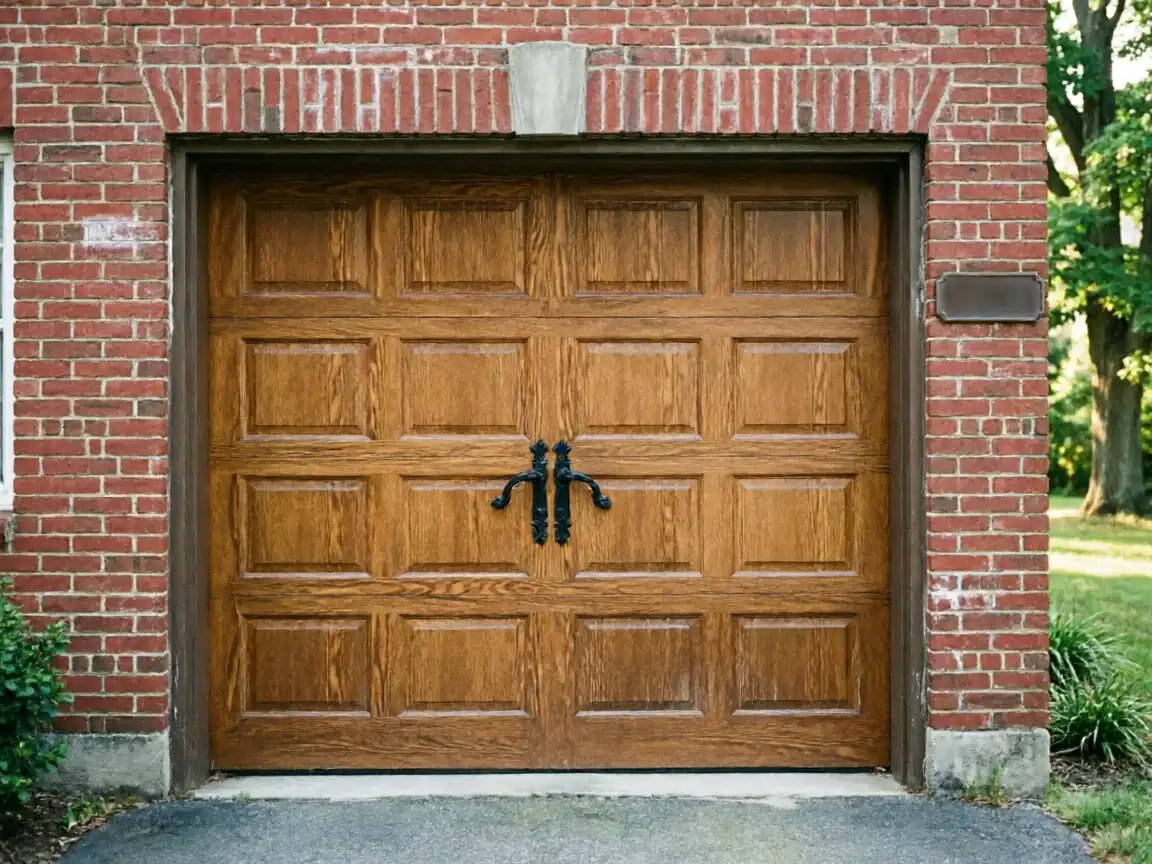
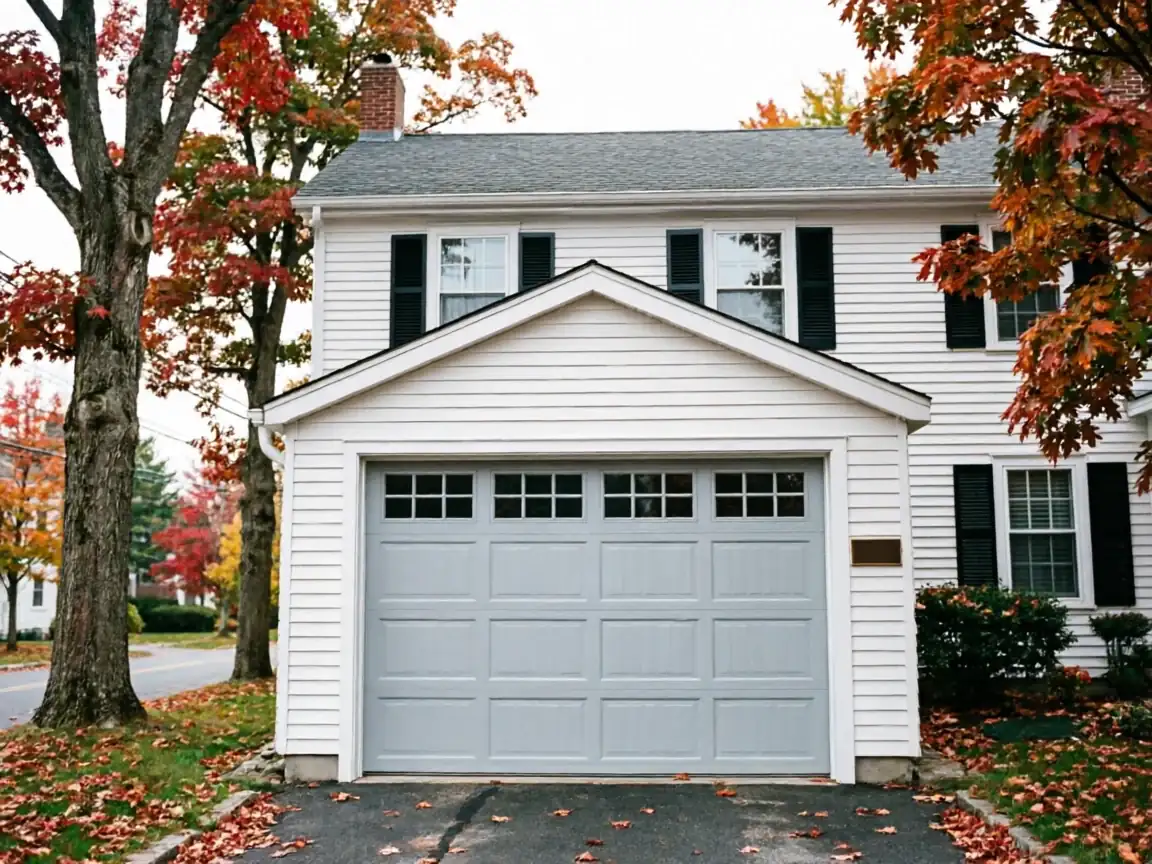
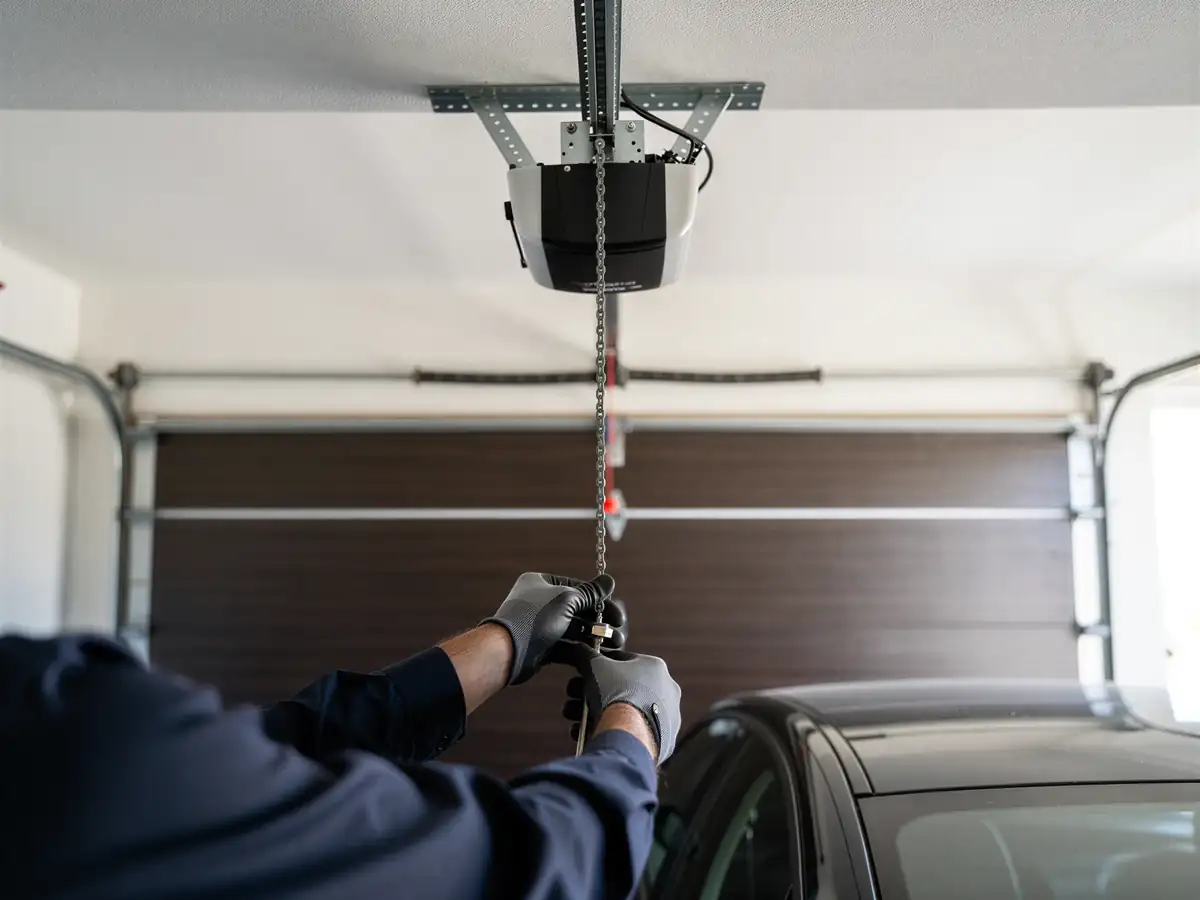
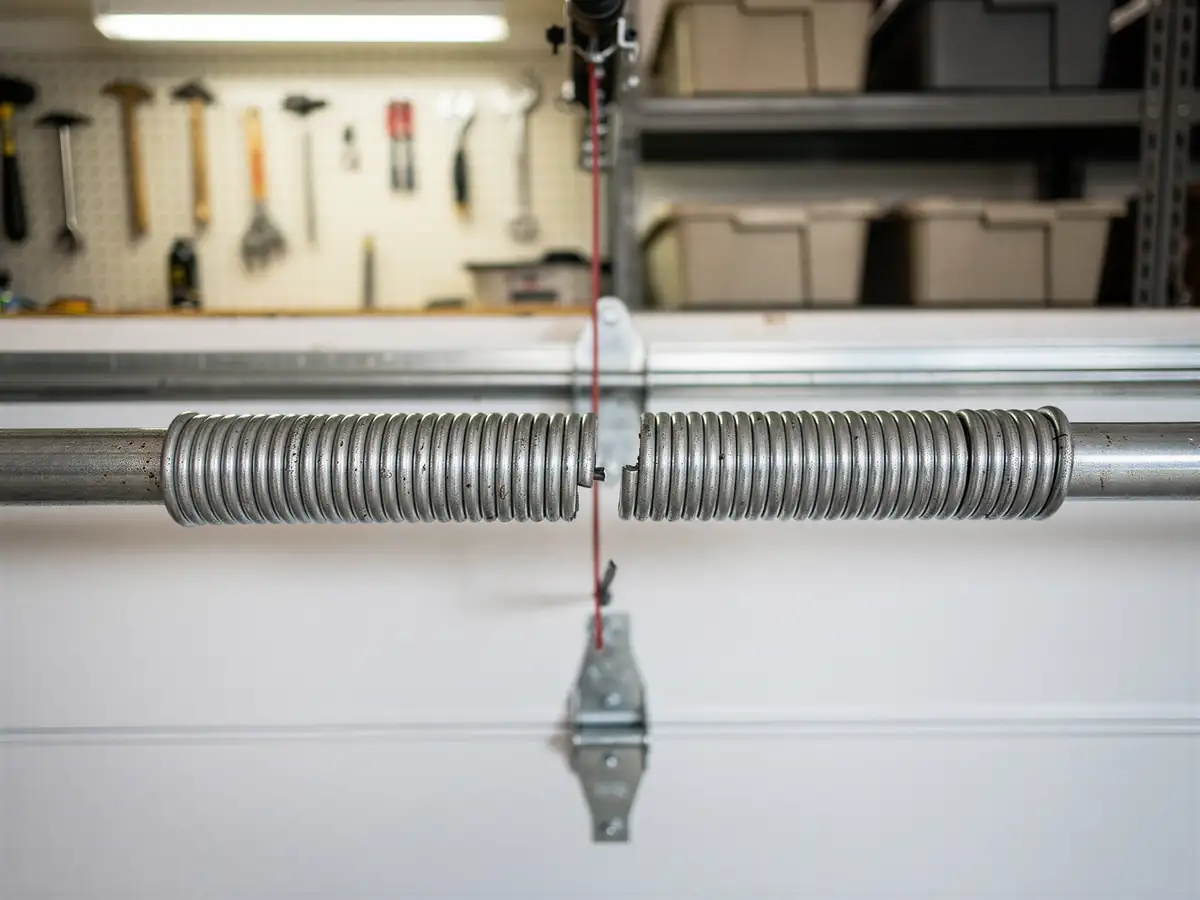
A lot of garages in Emmaus were built when the typical house on the block went up around 1957, and what's bolted to the header in a lot of those garages has never been swapped out. That matters more than people think. A torsion spring from that era, if it's still the original, is decades past any reasonable service life - springs are rated in cycles, not years, and nobody counts cycles until the thing snaps and the door won't budge, or worse, slams down on its own. If your door suddenly feels twice as heavy, or it drops the last foot instead of settling, that's usually the spring giving out, not the opener. On older Emmaus garages we also see side-mounted track hardware that was standard for the period - narrower rollers, lighter gauge track - which fails differently than what gets installed today. Know which one you've got before you guess at the fix.
Where This Job Goes Sideways
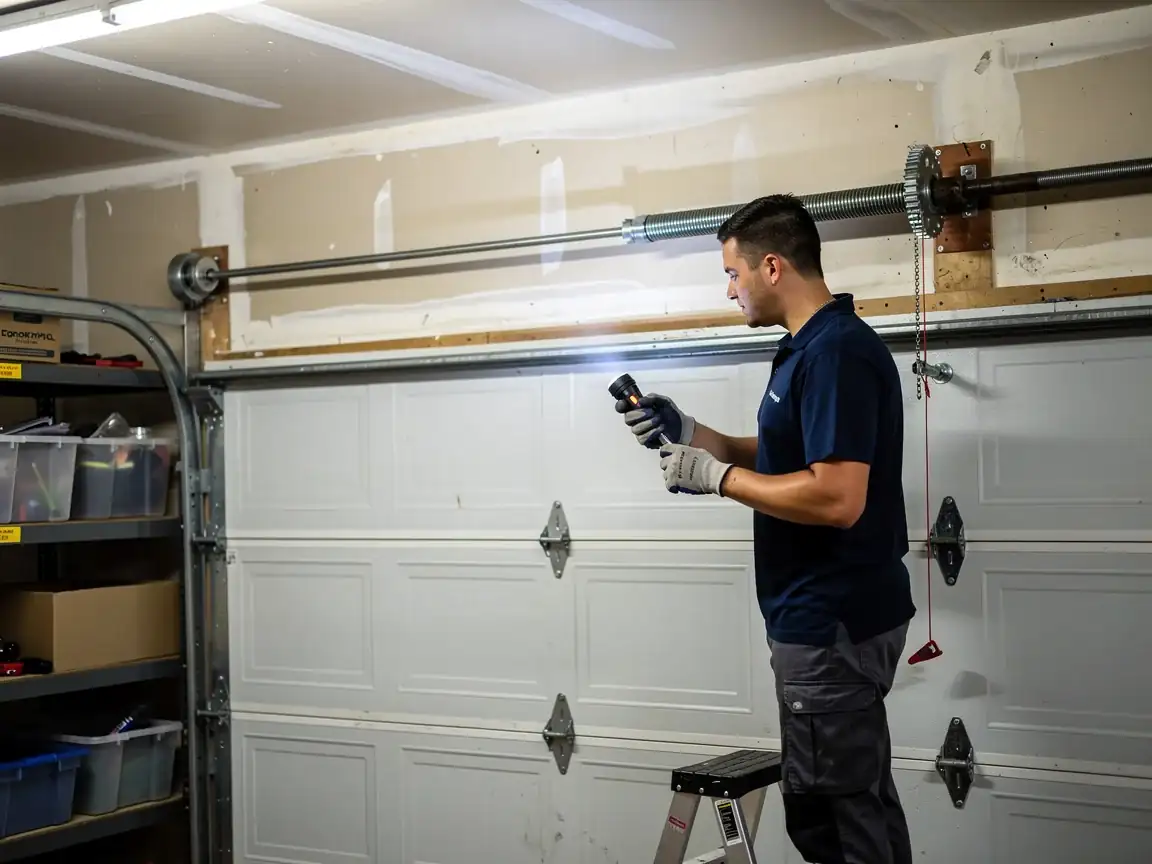
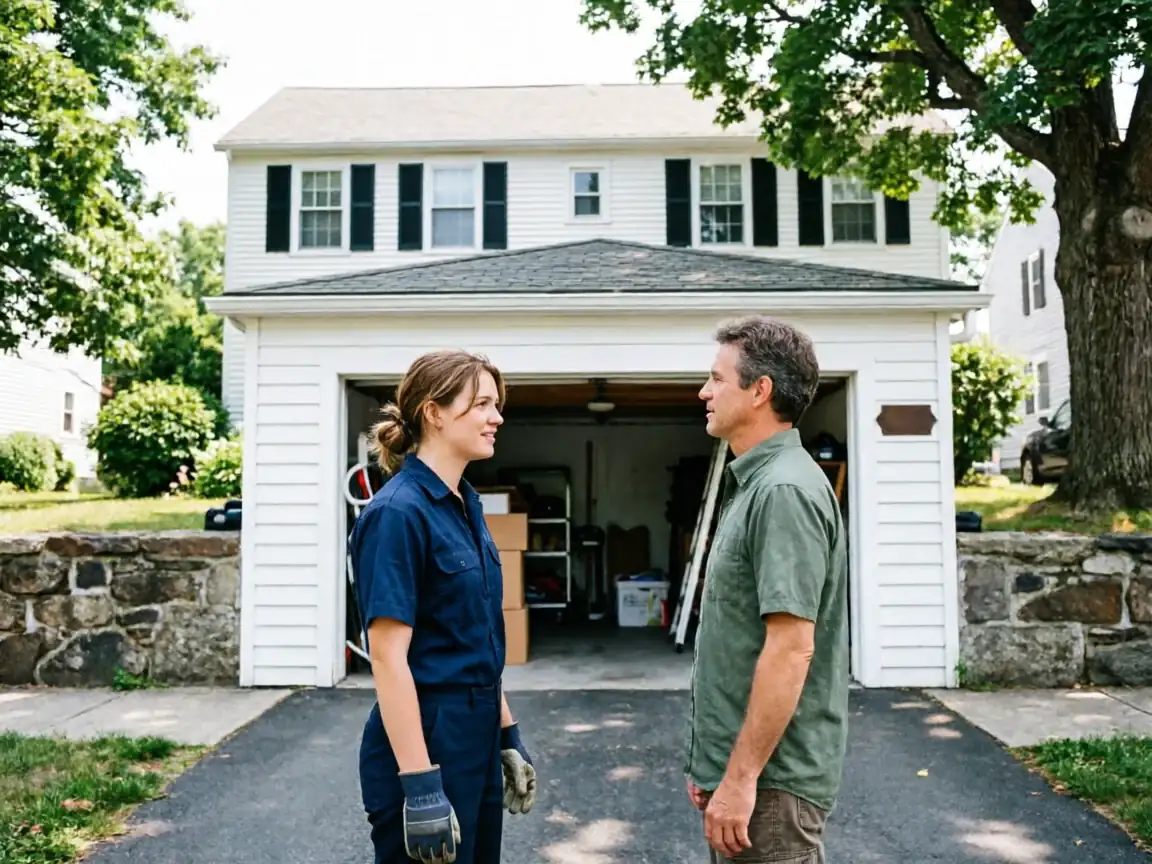
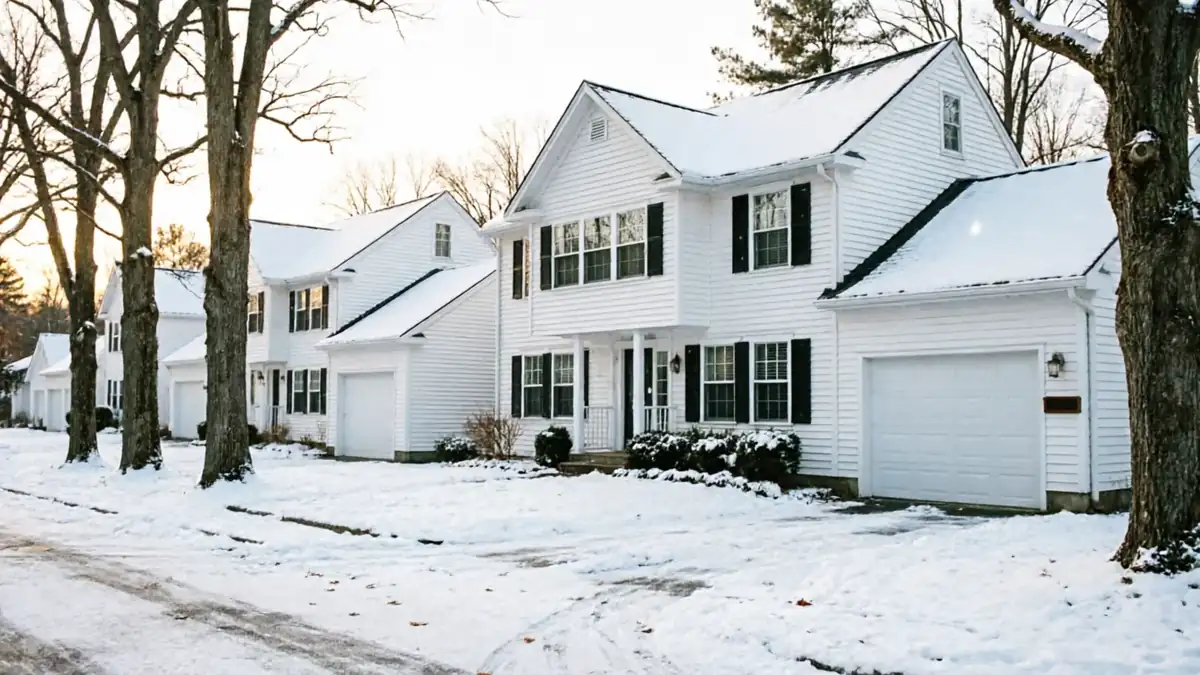
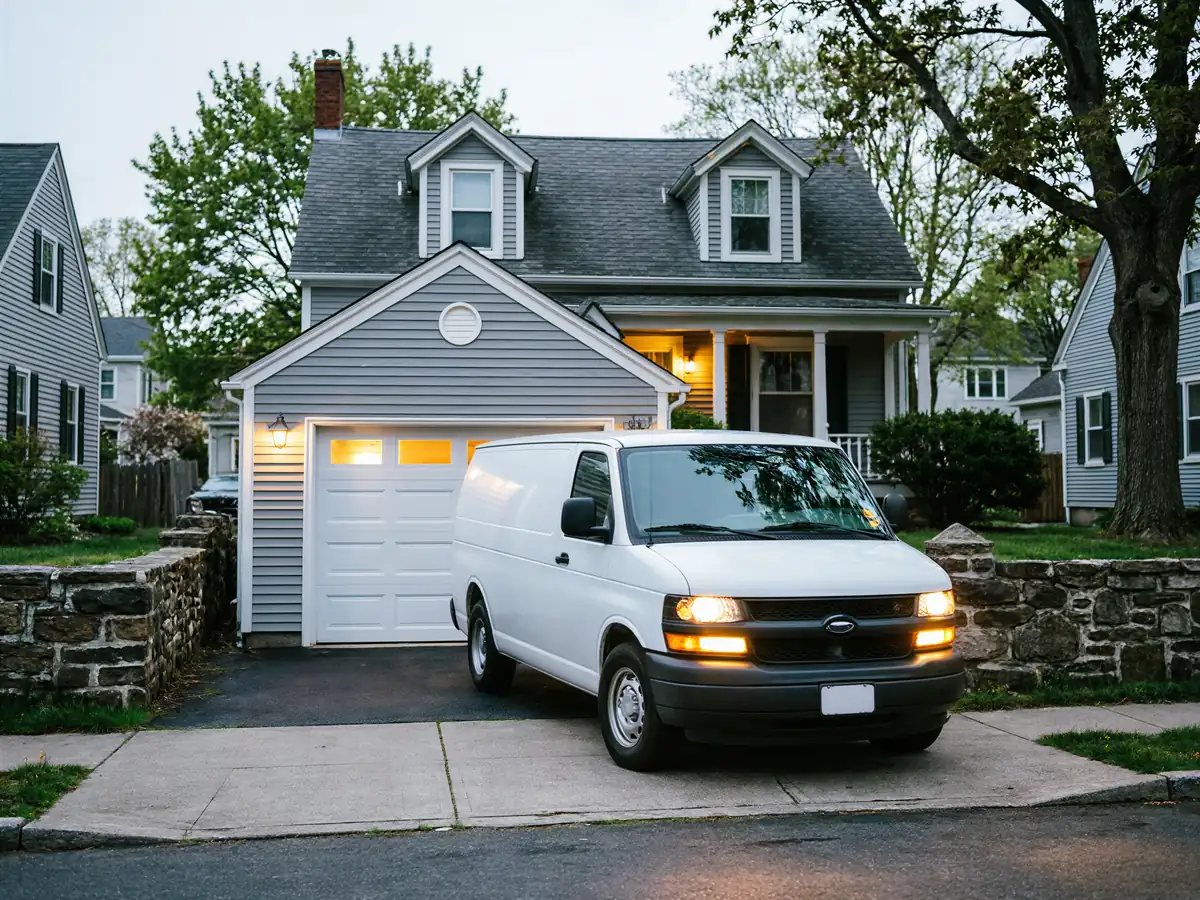
Cold makes a bad spring worse. This area sits in a climate band the federal data marks as cold with severe winter stress, and steel contracts in the cold - a spring that was barely holding on in October can let go on a January morning with no warning at all. That's when we get the call: door won't open, cable's off the drum, or the whole assembly is hanging crooked because one side gave and the other didn't. The other way this goes sideways is DIY tension work on original 1950s-era hardware that was never built to current spring charts. People try to wind it back by eye, using whatever bar is in the garage, and end up with a door that slams or a bar that kicks back. We drive the 4 miles from Allentown for these calls regularly enough to know the hardware before we open the panel.
What the Fix Involves
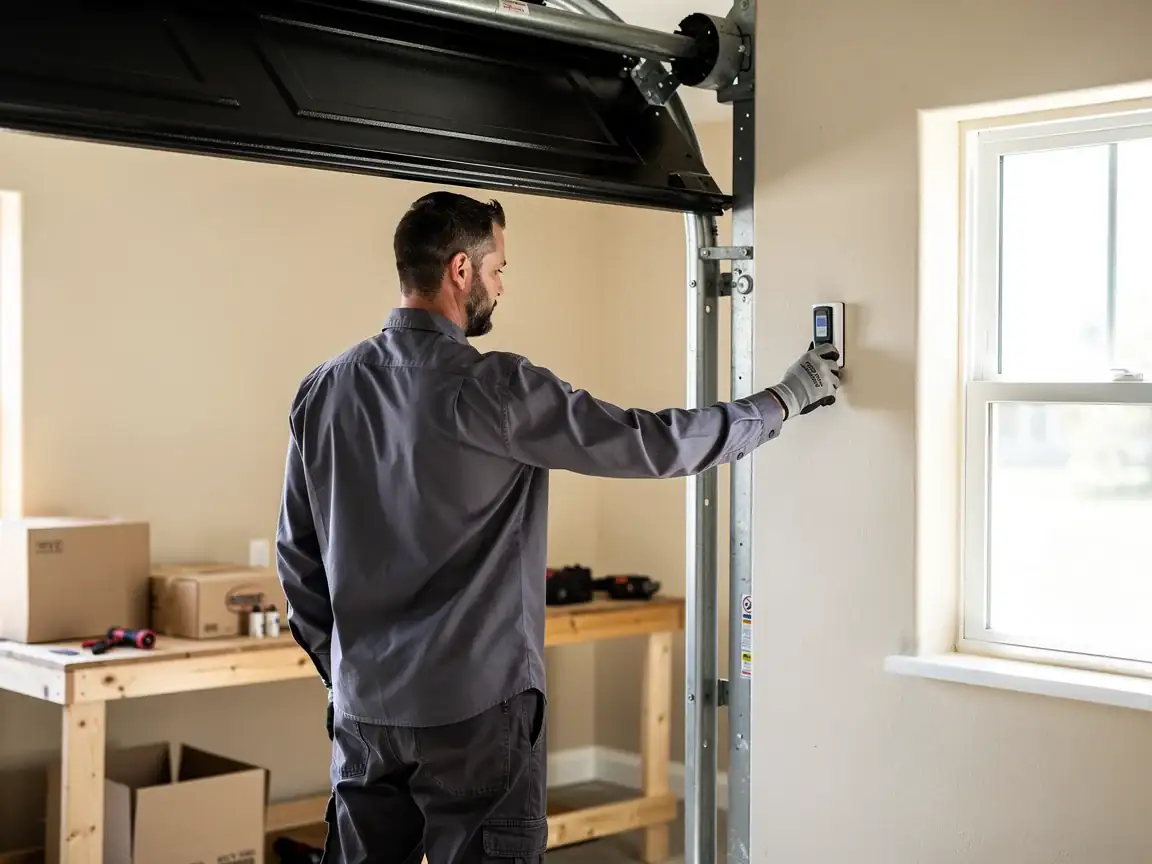
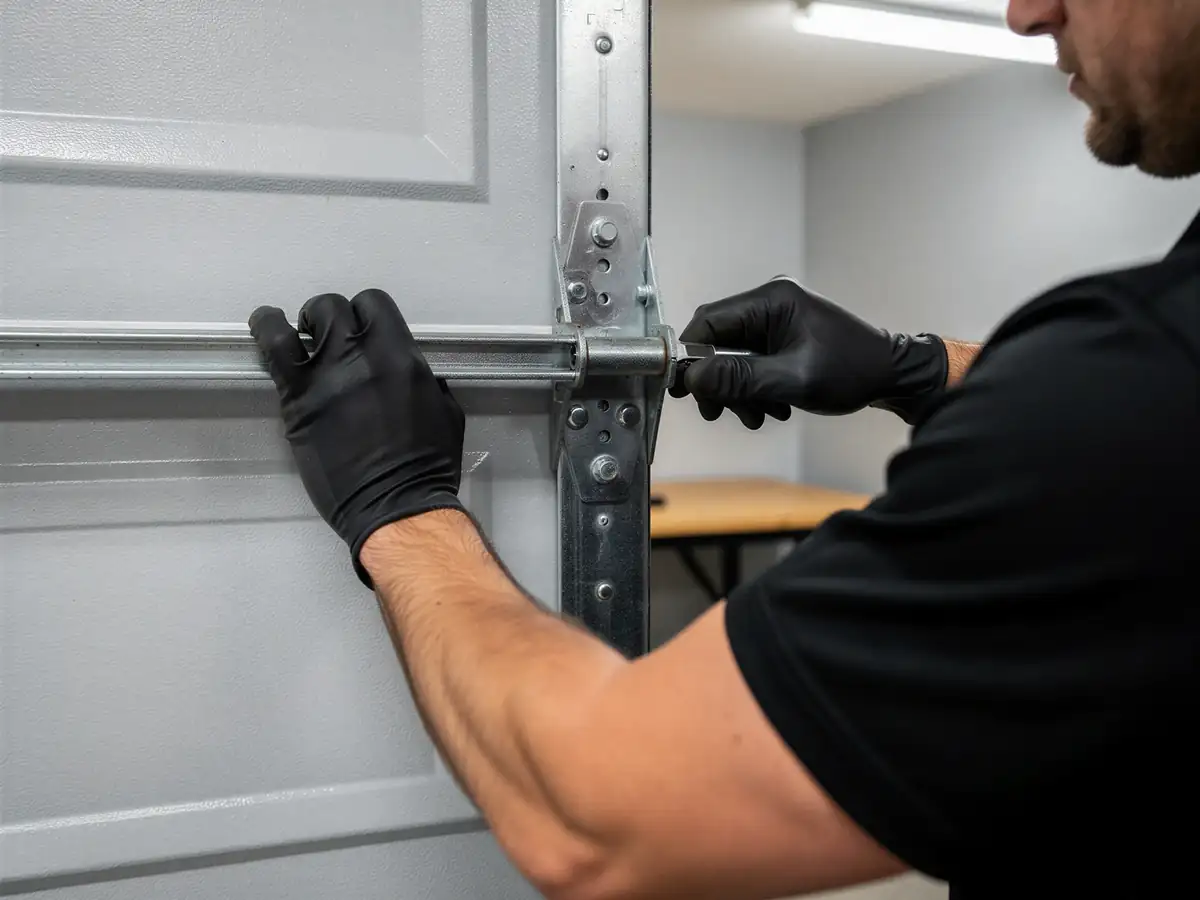
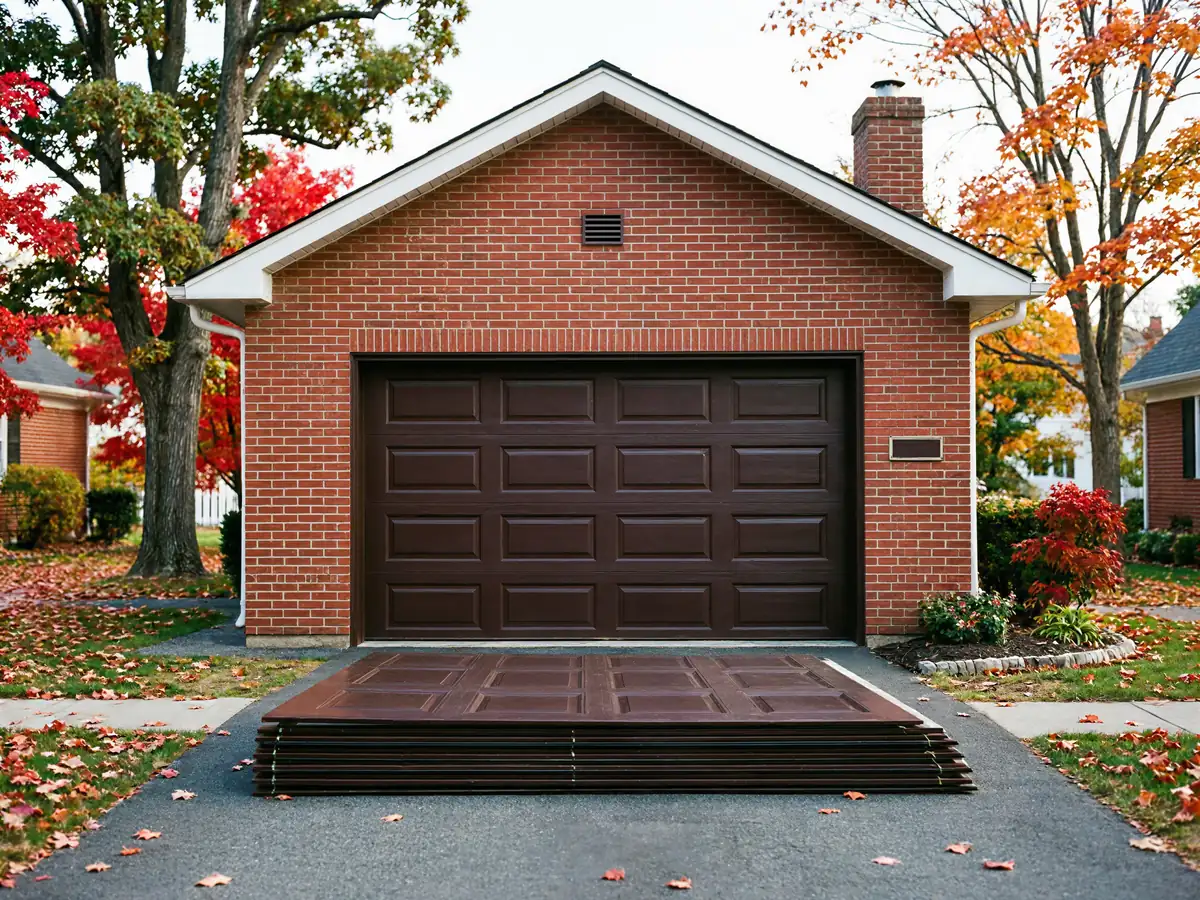
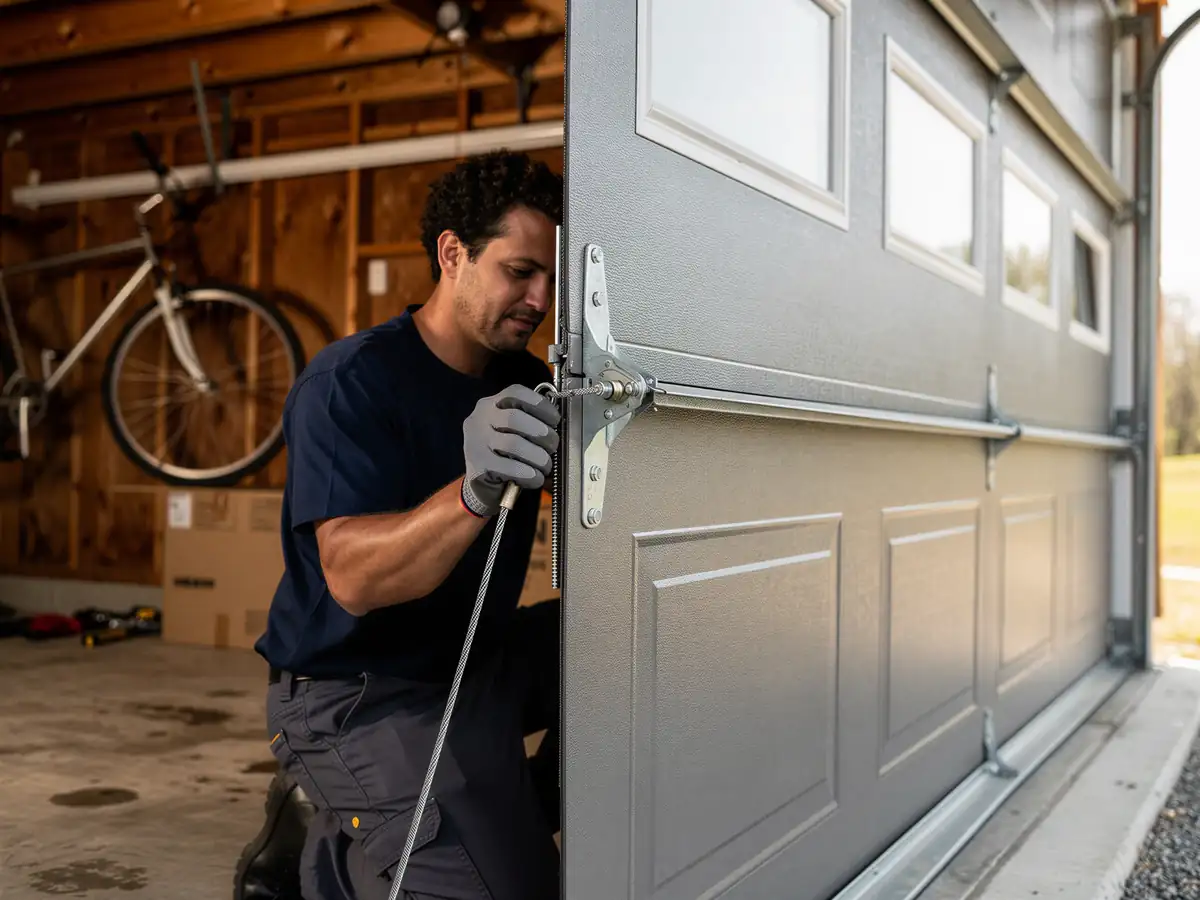
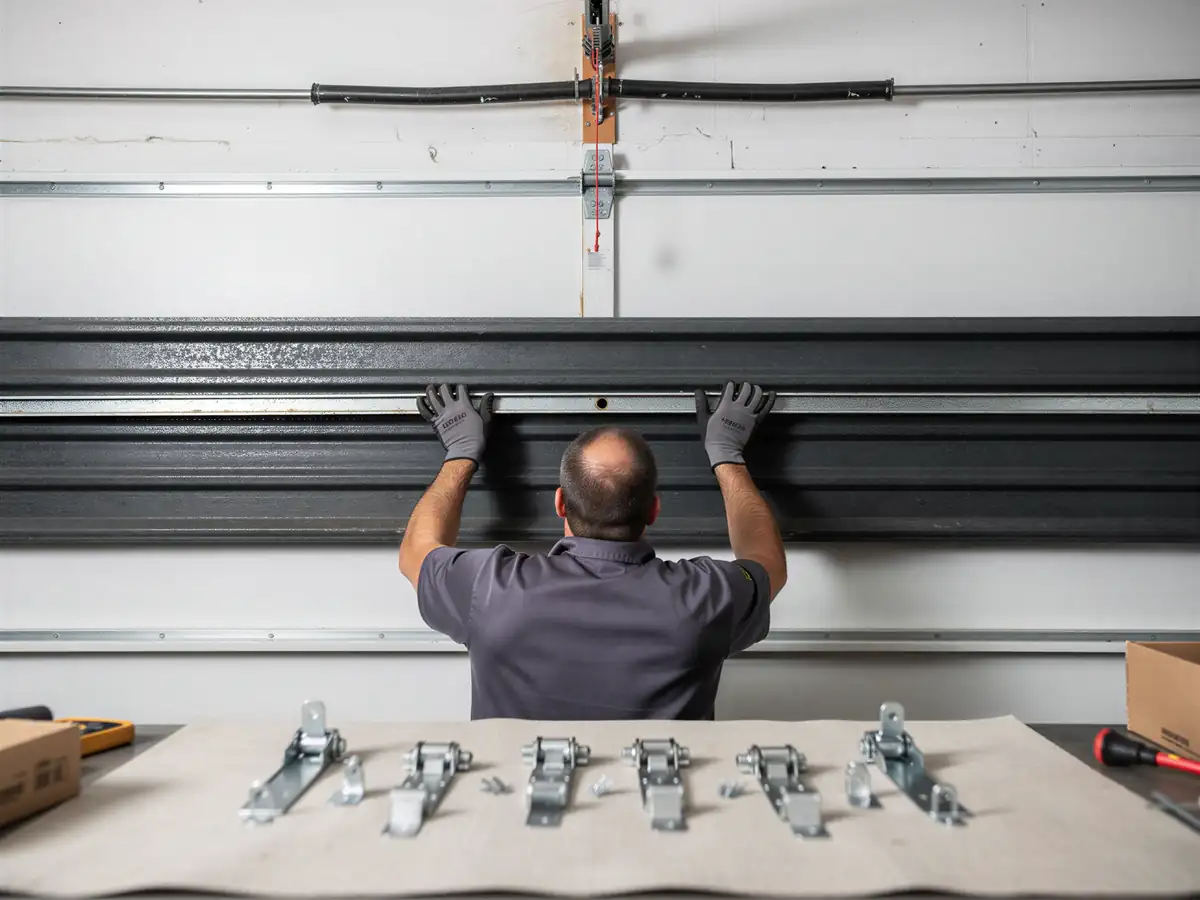
On a house with original or near-original hardware, the first step is figuring out what's actually there before ordering parts - a lot of Emmaus garages still run components that don't match what's on the shelf at a typical supply house today, so matching drum size and spring wind takes an extra look. Replacing a broken torsion spring means releasing the opposite spring too, pulling both drums, and resetting cable tension evenly, which is the part that goes wrong when it's rushed. If the track is bent or the rollers are the narrow older style, we'll tell you straight whether patching it makes sense or whether the whole rail assembly should go - on a door this old, replacing one section of track sometimes buys you a year before the next piece fails. We don't push full door replacement unless the panel itself is cracked or the hardware is beyond matching; a working spring and track swap on an otherwise sound door is usually the better dollar.