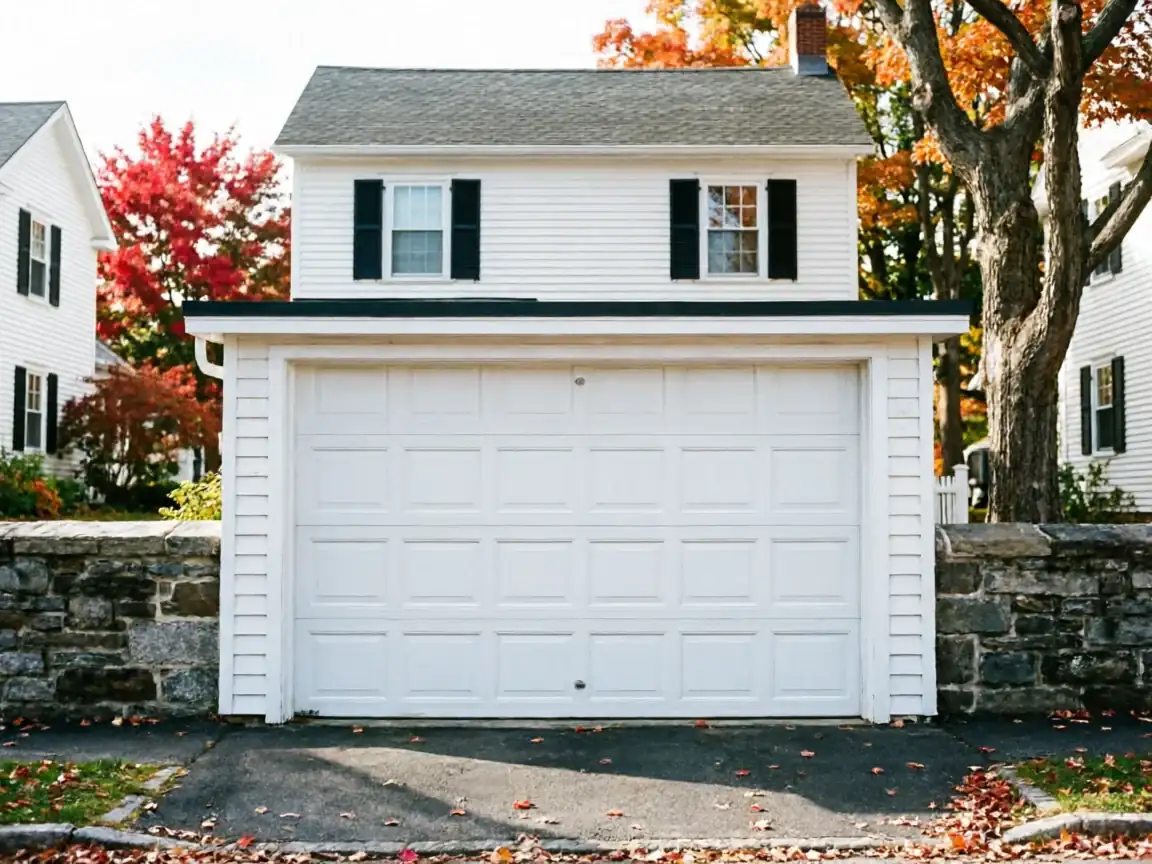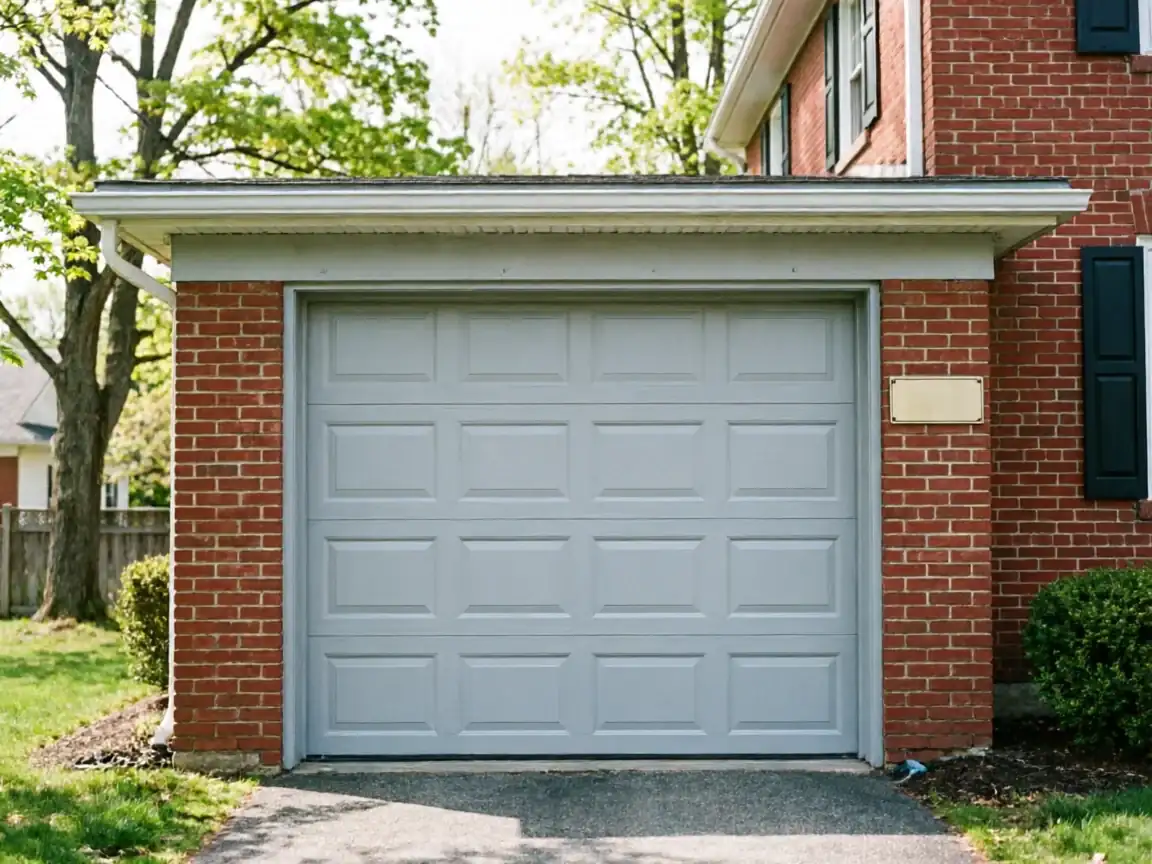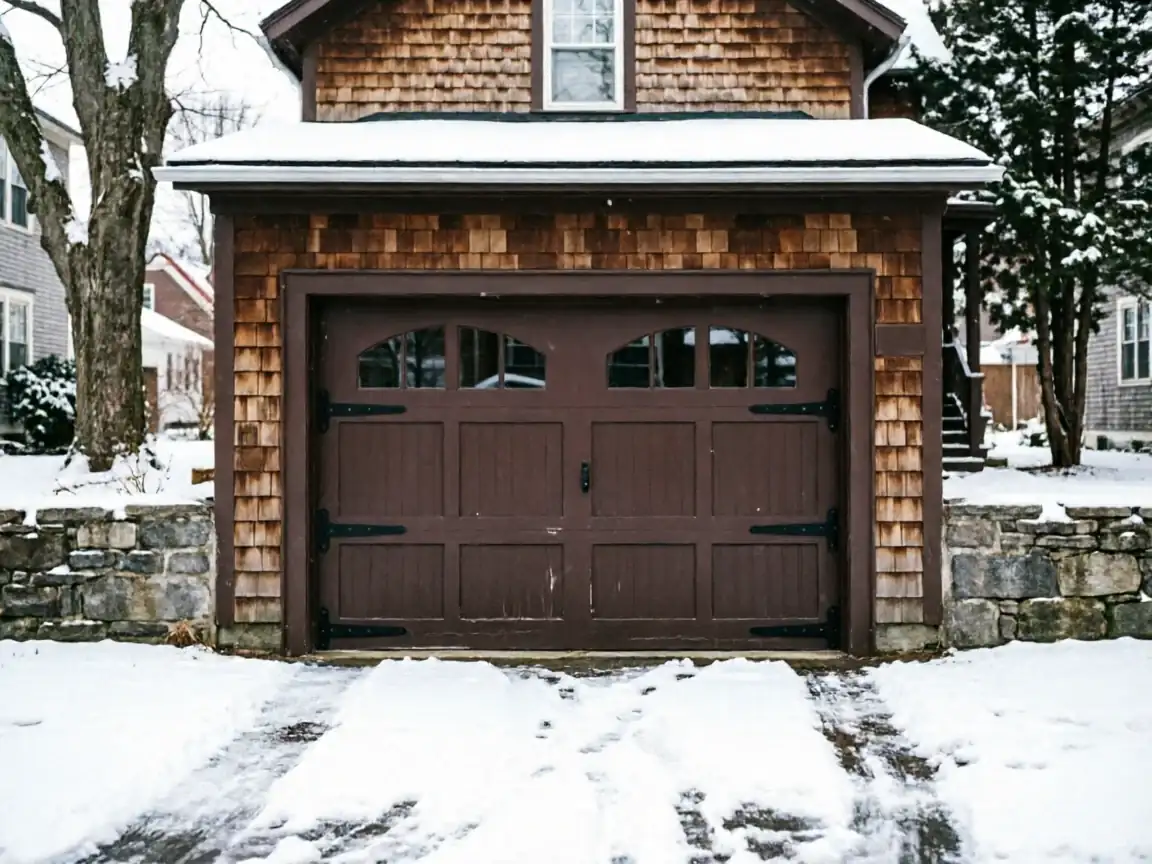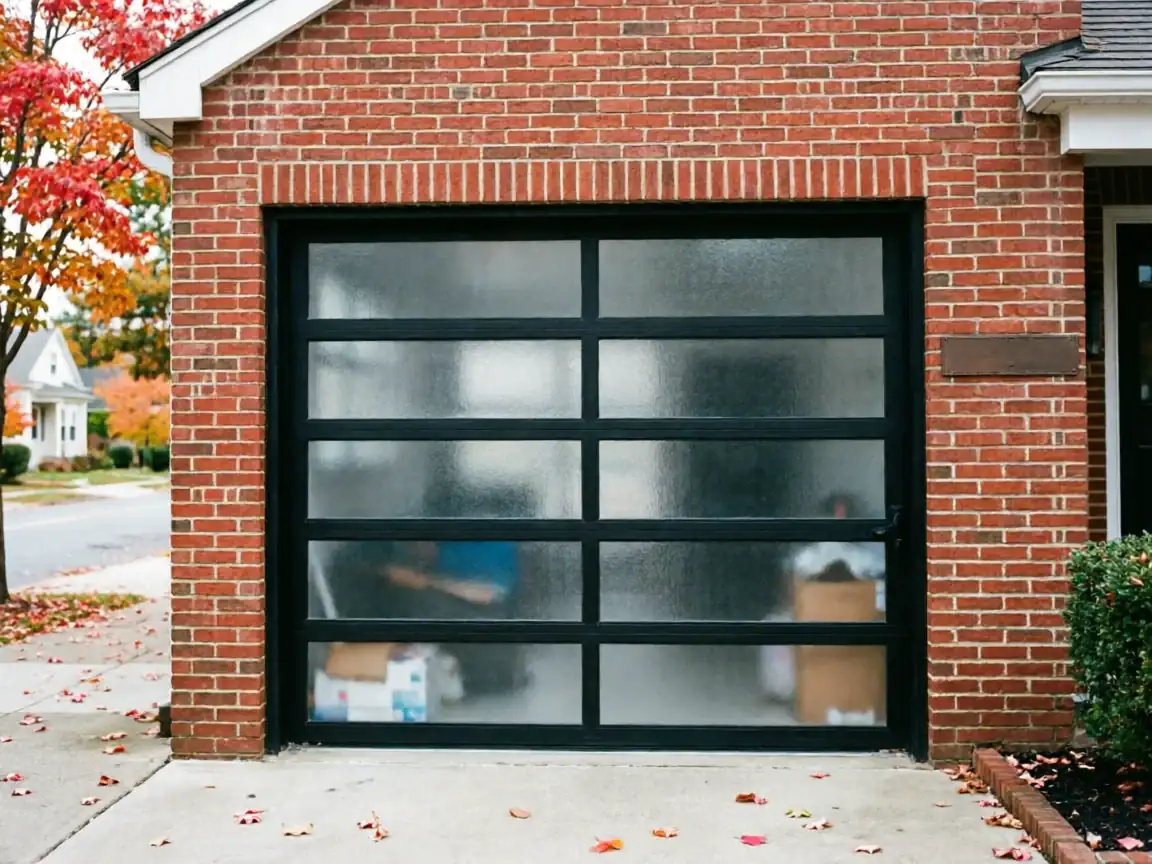
The Symptom
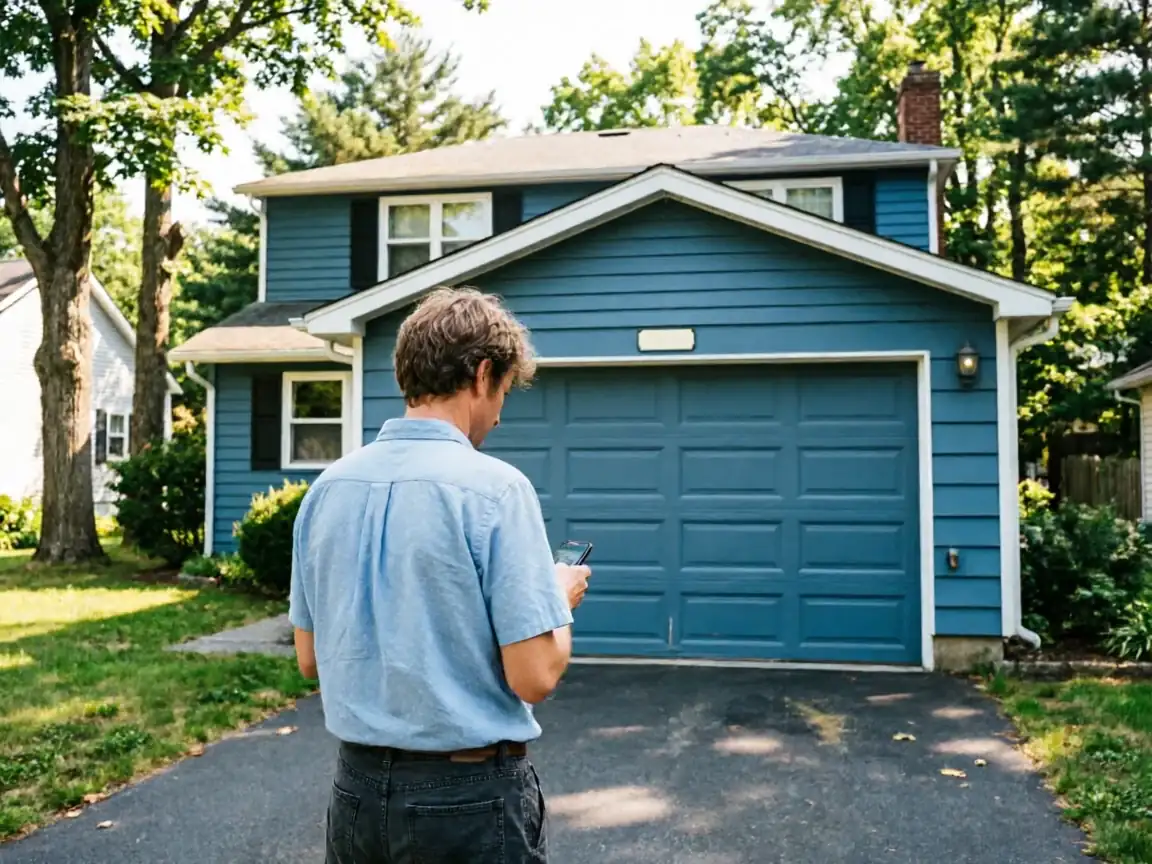
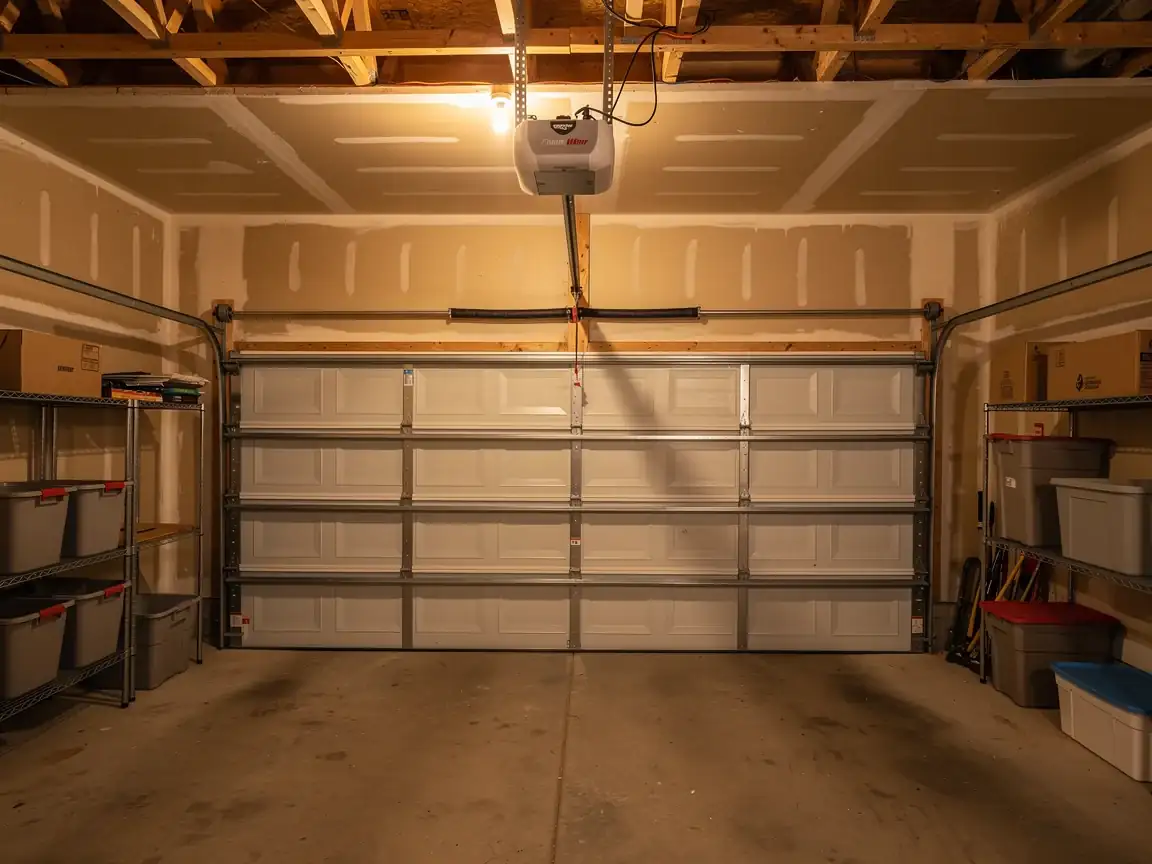
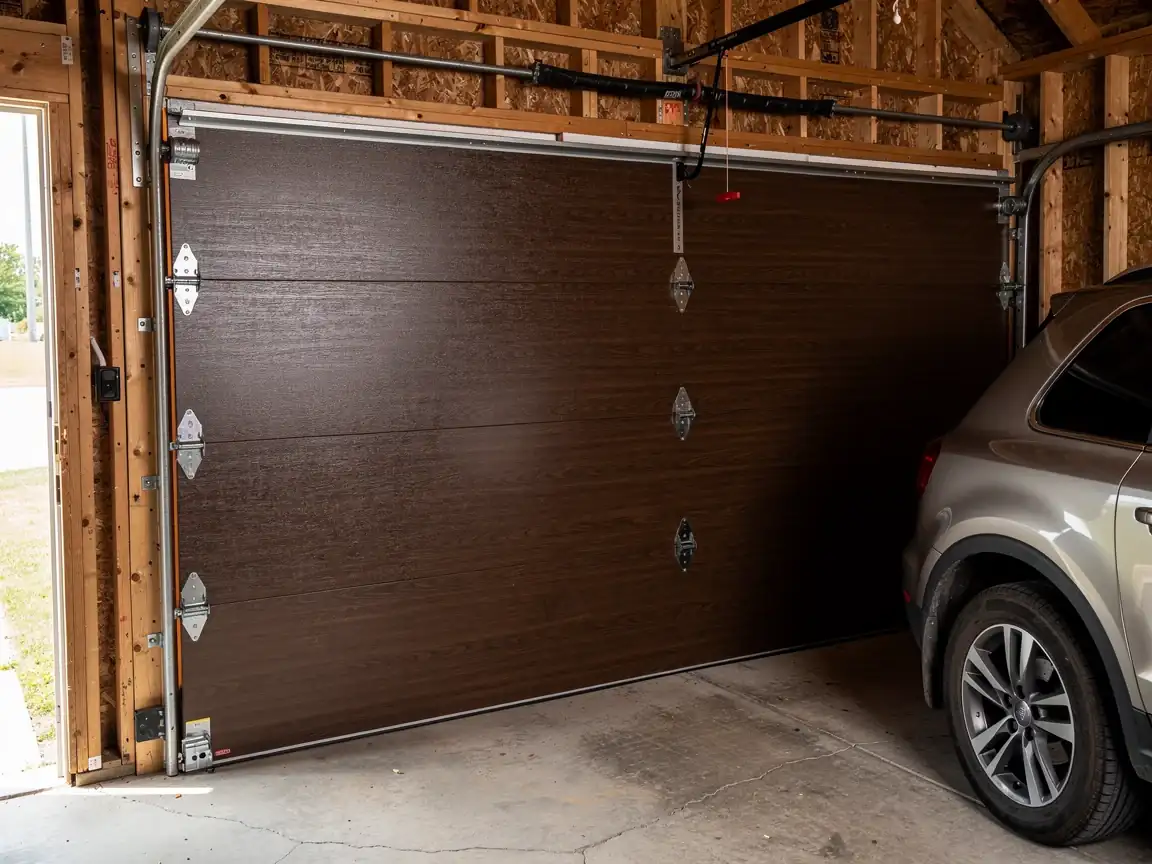
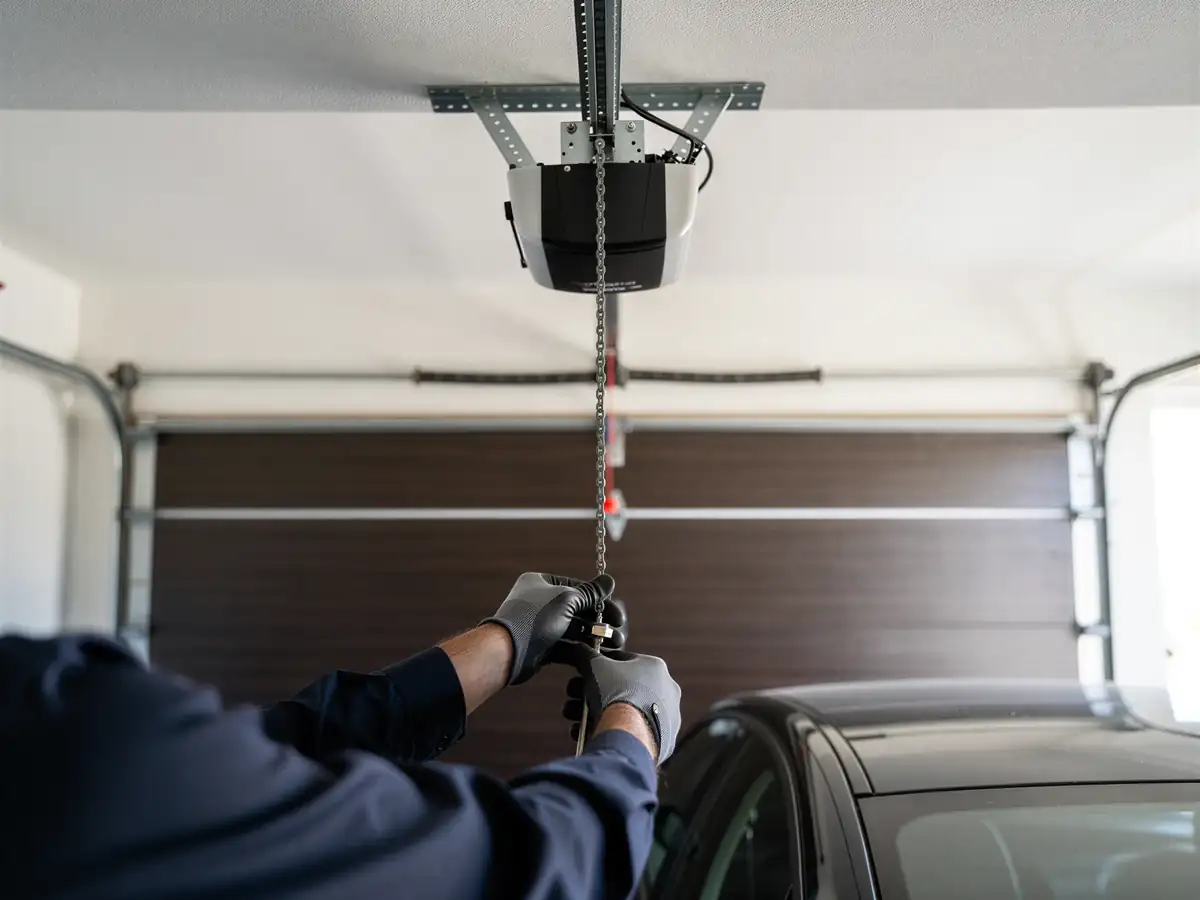
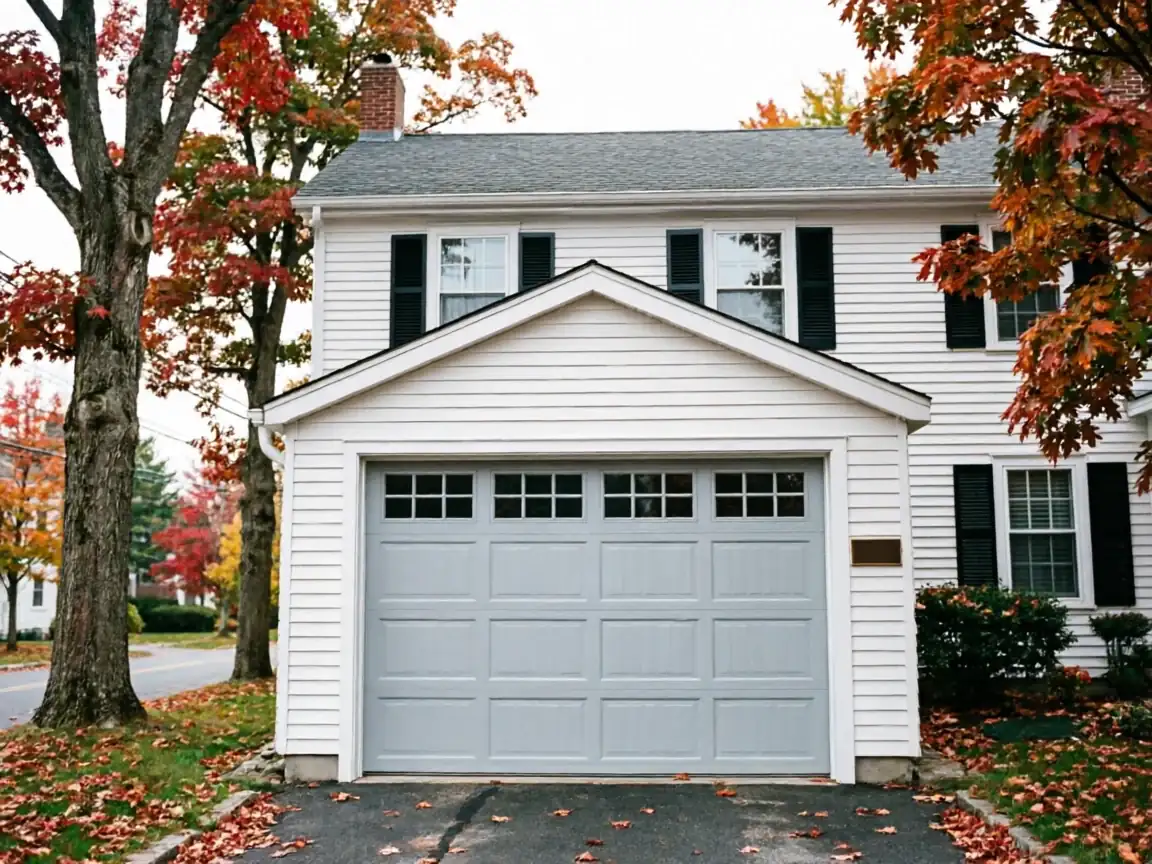
Emmaus households earn a median of $82,875, which puts a lot of owners right at the line where a repair bill and a replacement bill cost about the same over five years. That number matters more here than it does in neighborhoods built later, because the housing stock in this part of the service area centers on 1957 - older than the 1964 median across the wider Allentown area. A door and opener installed when a house went up in the late 1950s has usually been replaced once already, sometimes with mismatched parts: a newer opener bolted to an original wood-panel door, or a torsion spring sized for a lighter door than the one it's lifting now. The symptom that brings people to the phone is almost never the door itself - it's the door going quiet, or loud, or crooked, at the exact moment a Lehigh Valley cold snap tightens every piece of hardware in the garage.
Where This Job Goes Sideways
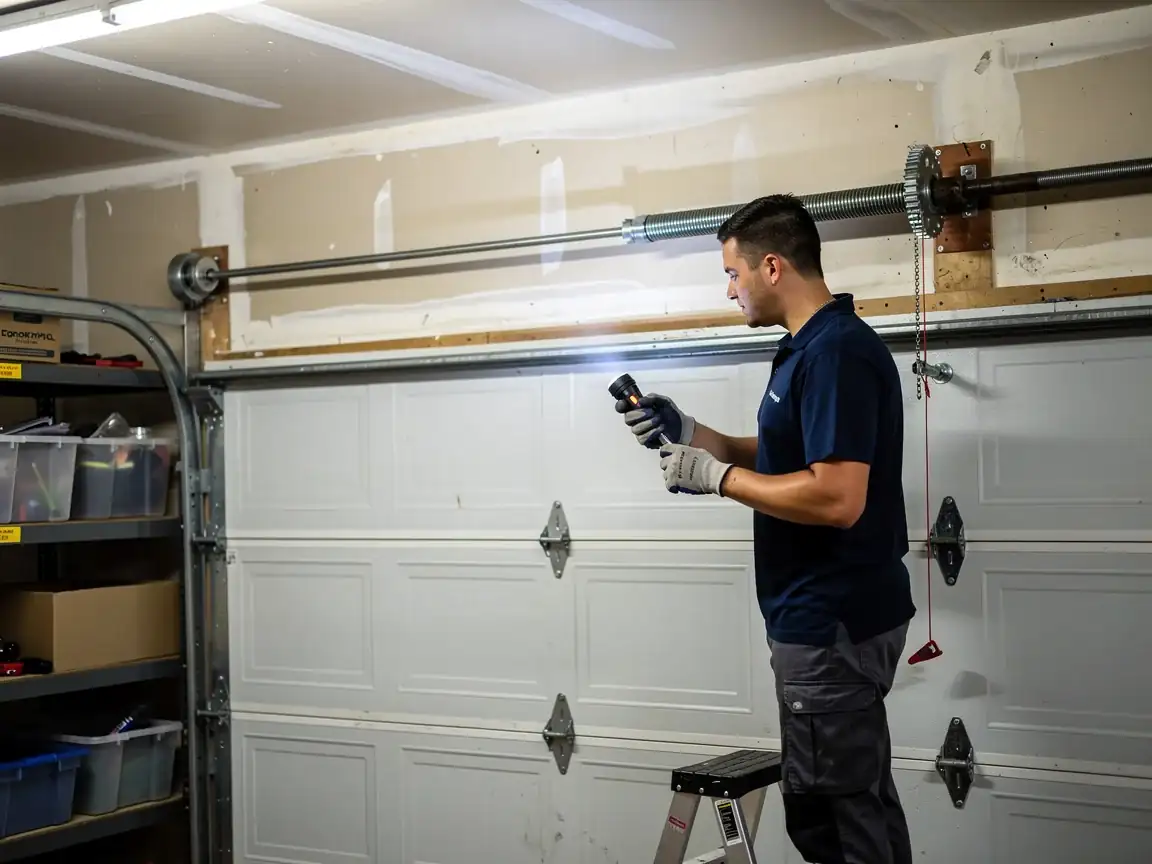
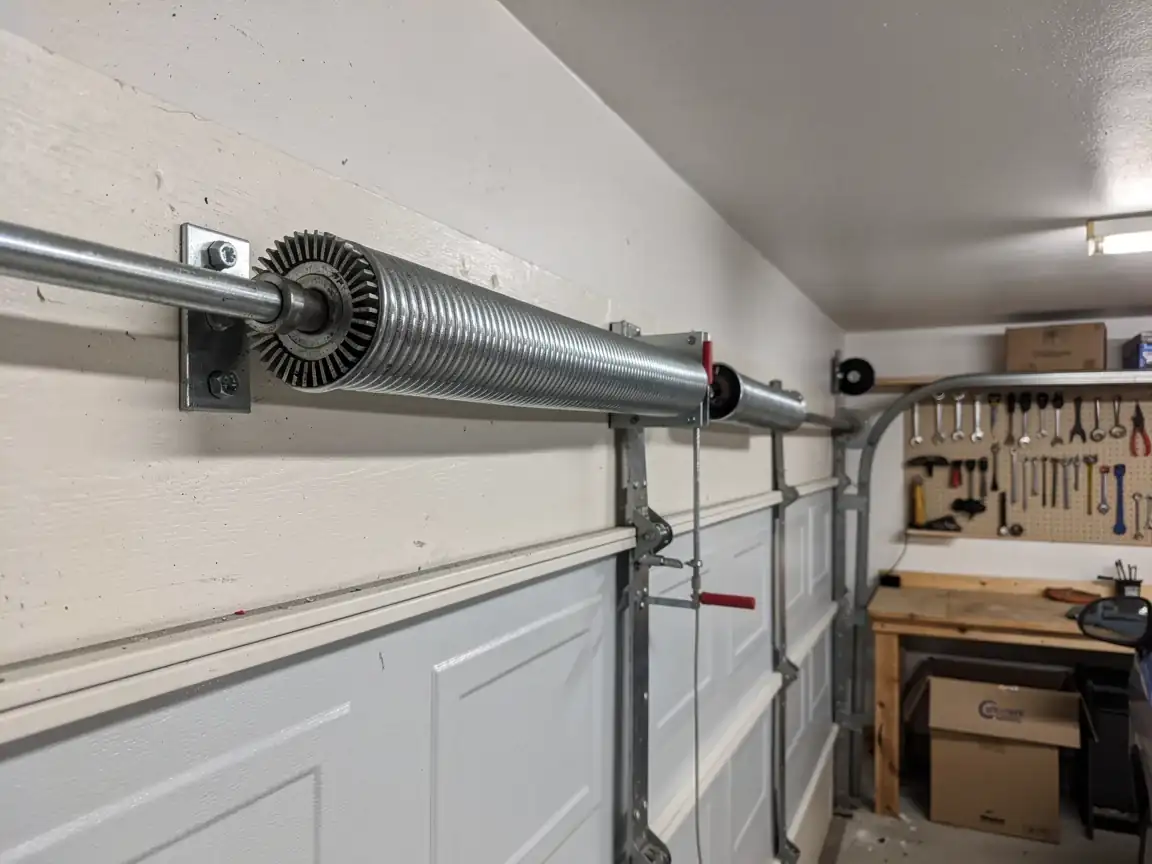
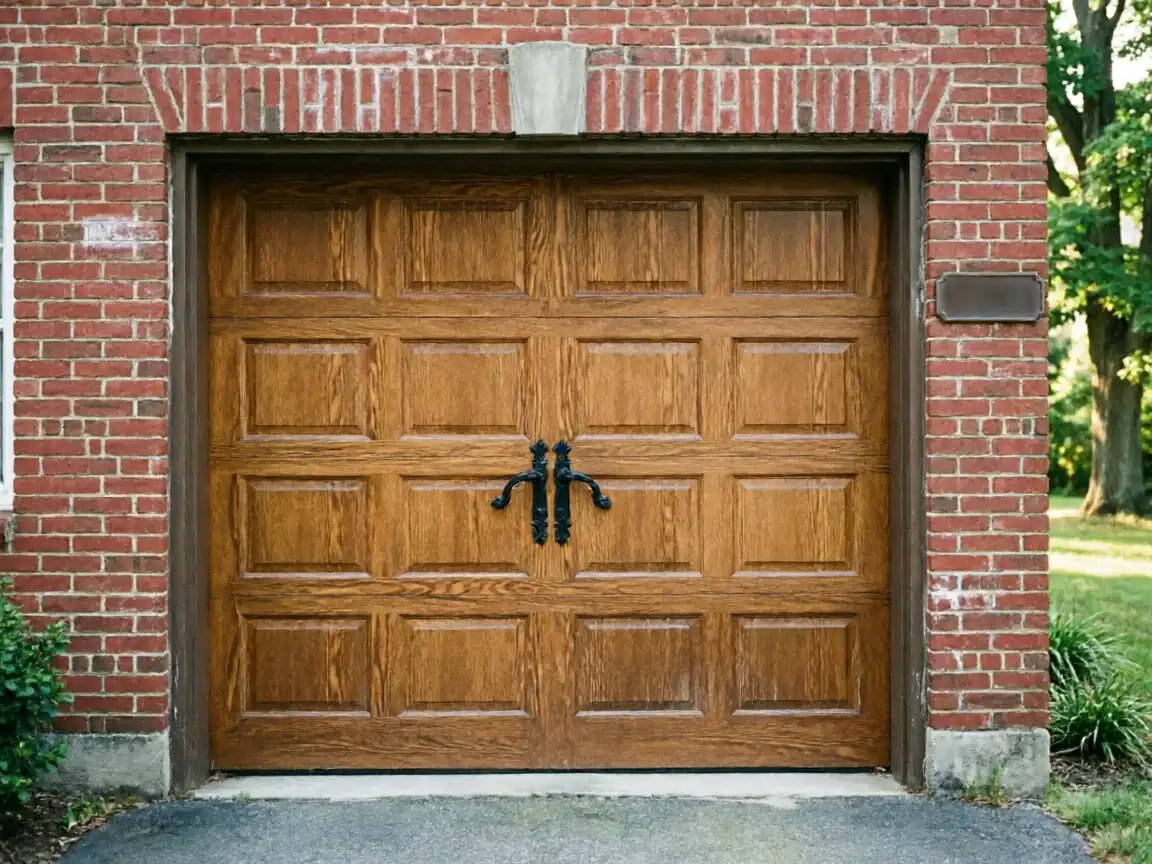
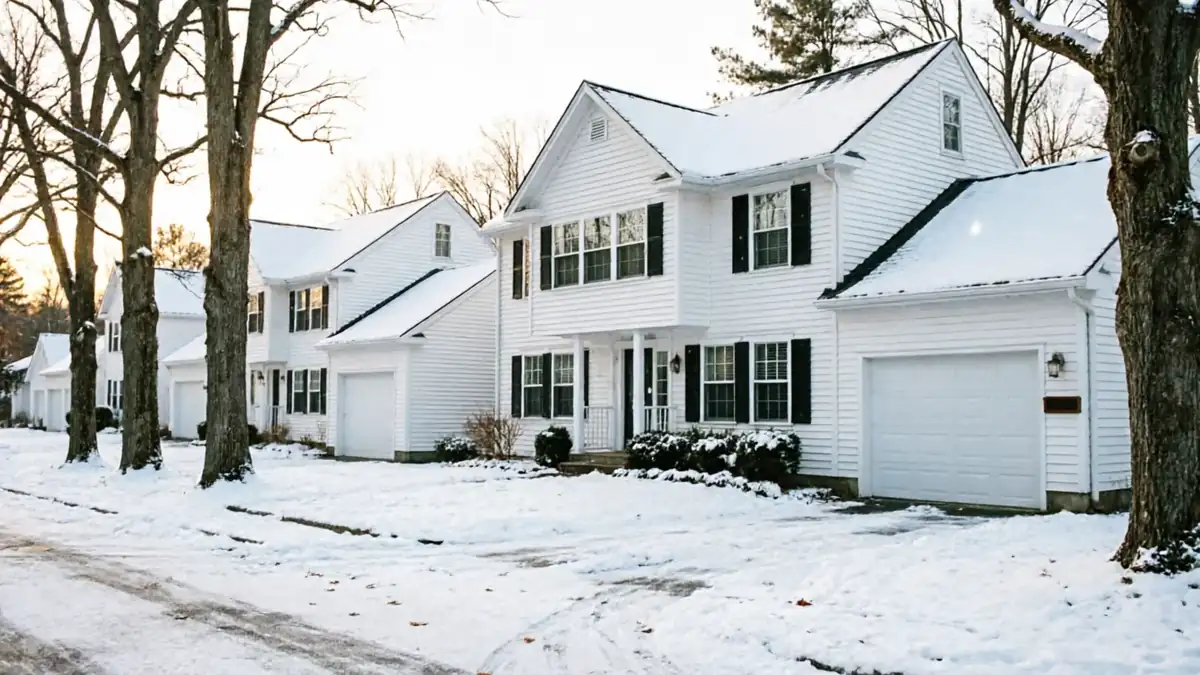
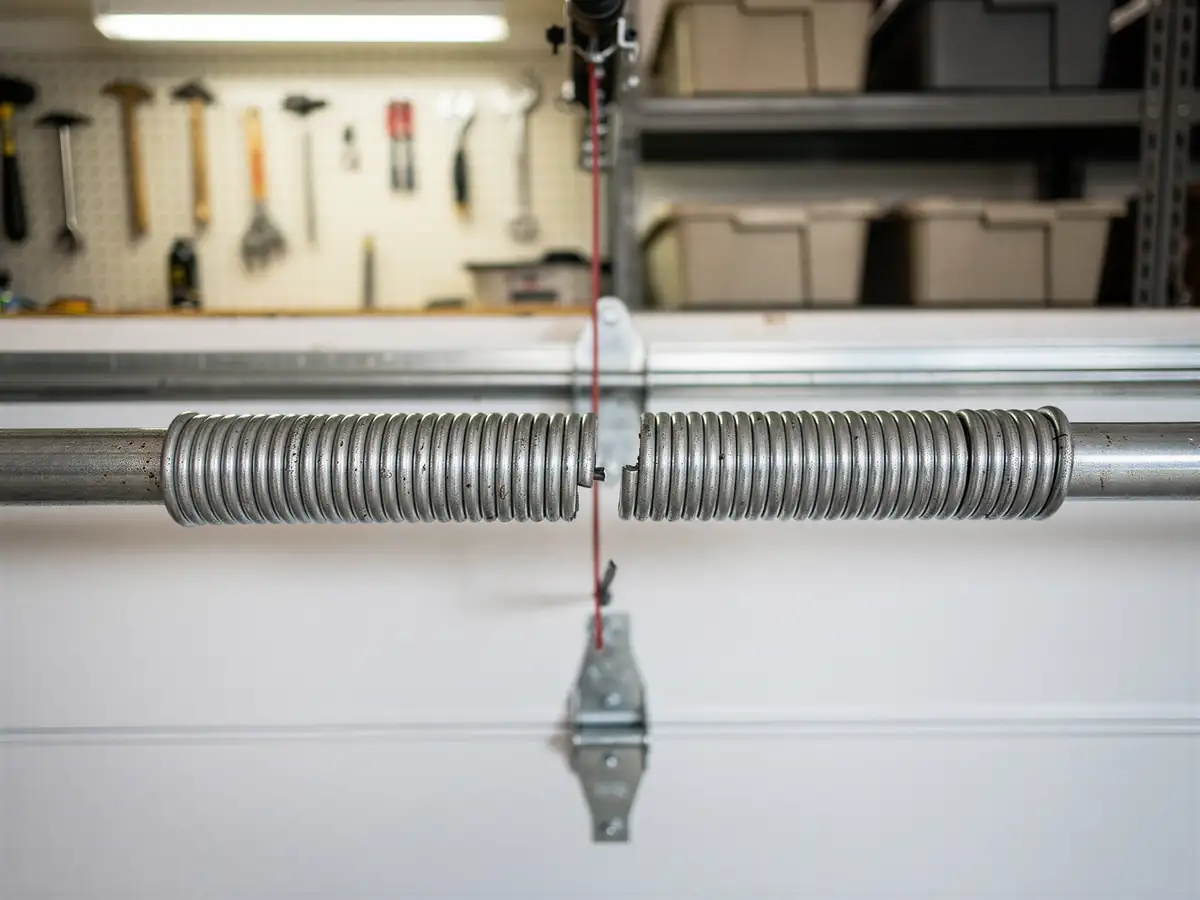
Houses from the late 1950s commonly have a single door opening sized differently than what's sold off the shelf today, and Emmaus sits inside a region built mostly across the 1960s and 70s, so parts for the oldest end of that range aren't always a direct swap. The other place this goes sideways is cold. The region sits in a severe cold climate band, and steel track and torsion springs contract in low temperatures - a spring that's been marginal all fall will often let go on the first hard freeze, and it tends to take a cable or a roller with it. On a household income near $82,875, that's usually still a repair, not a replacement - but if the door itself is original and the opener has already been swapped once, you're paying twice to keep patching a door that was due for retirement a decade ago.
What the Fix Involves
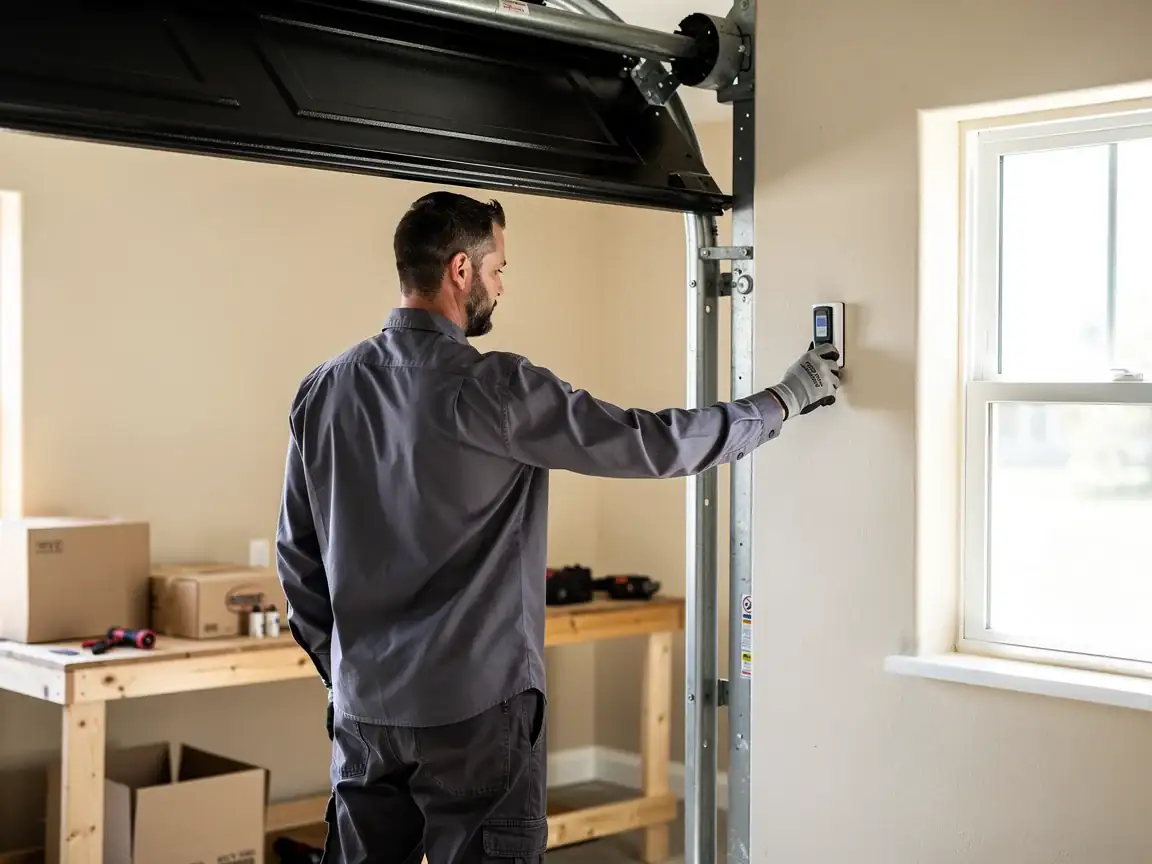
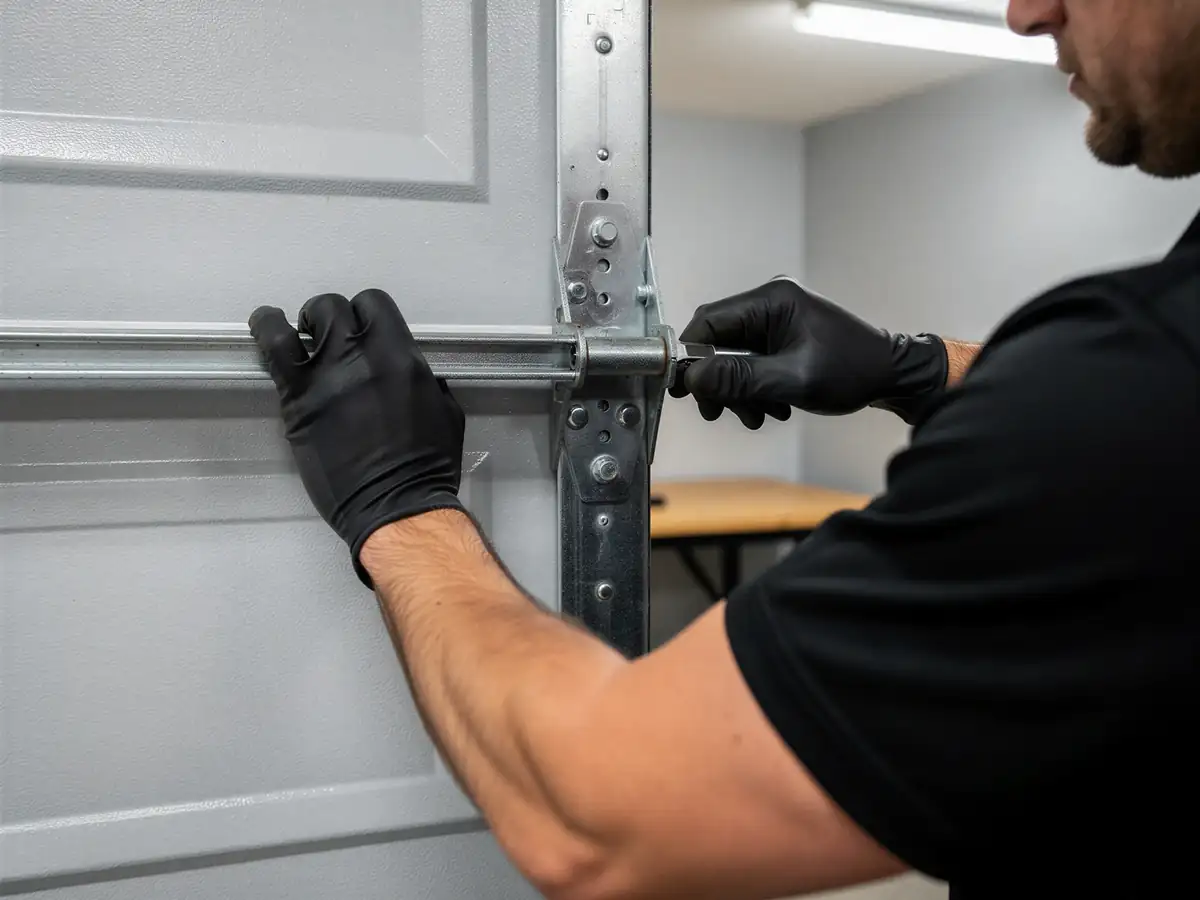
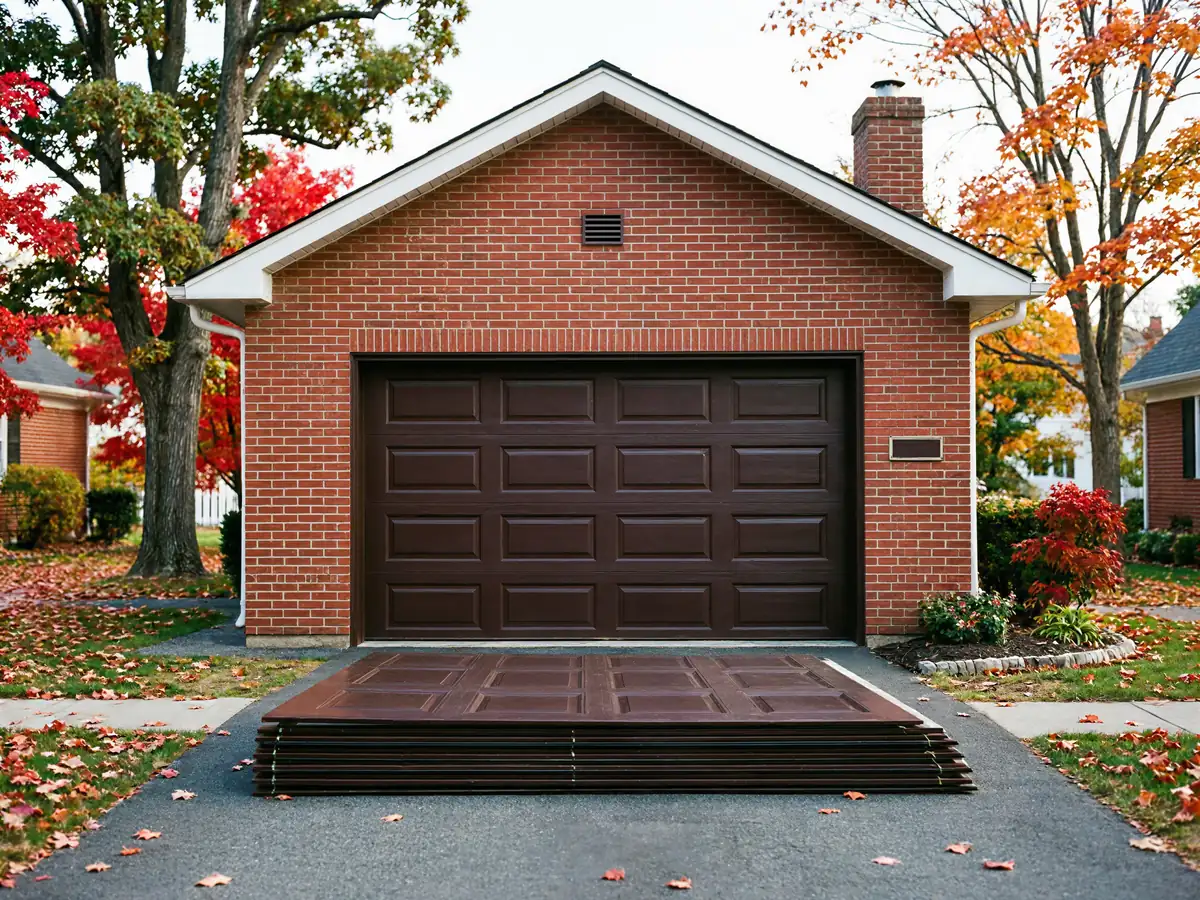
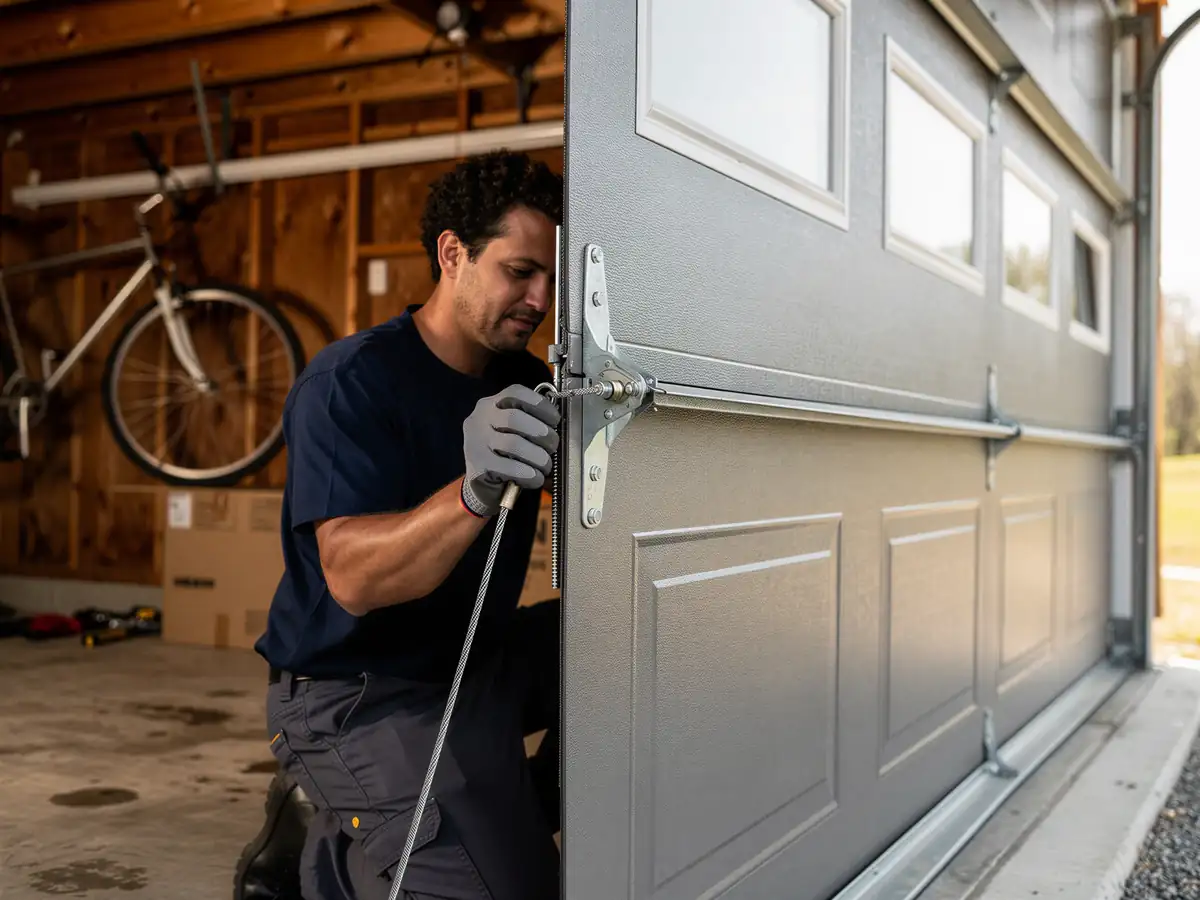
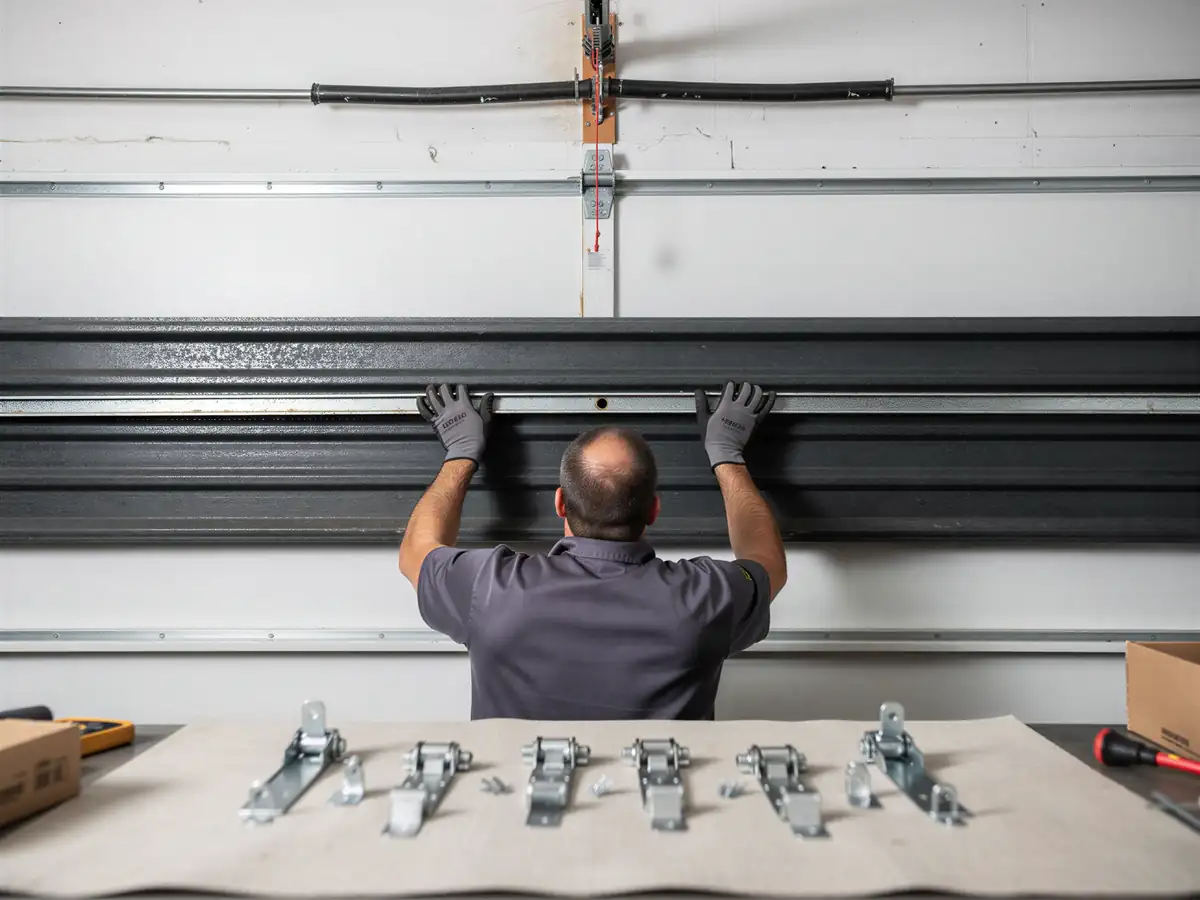
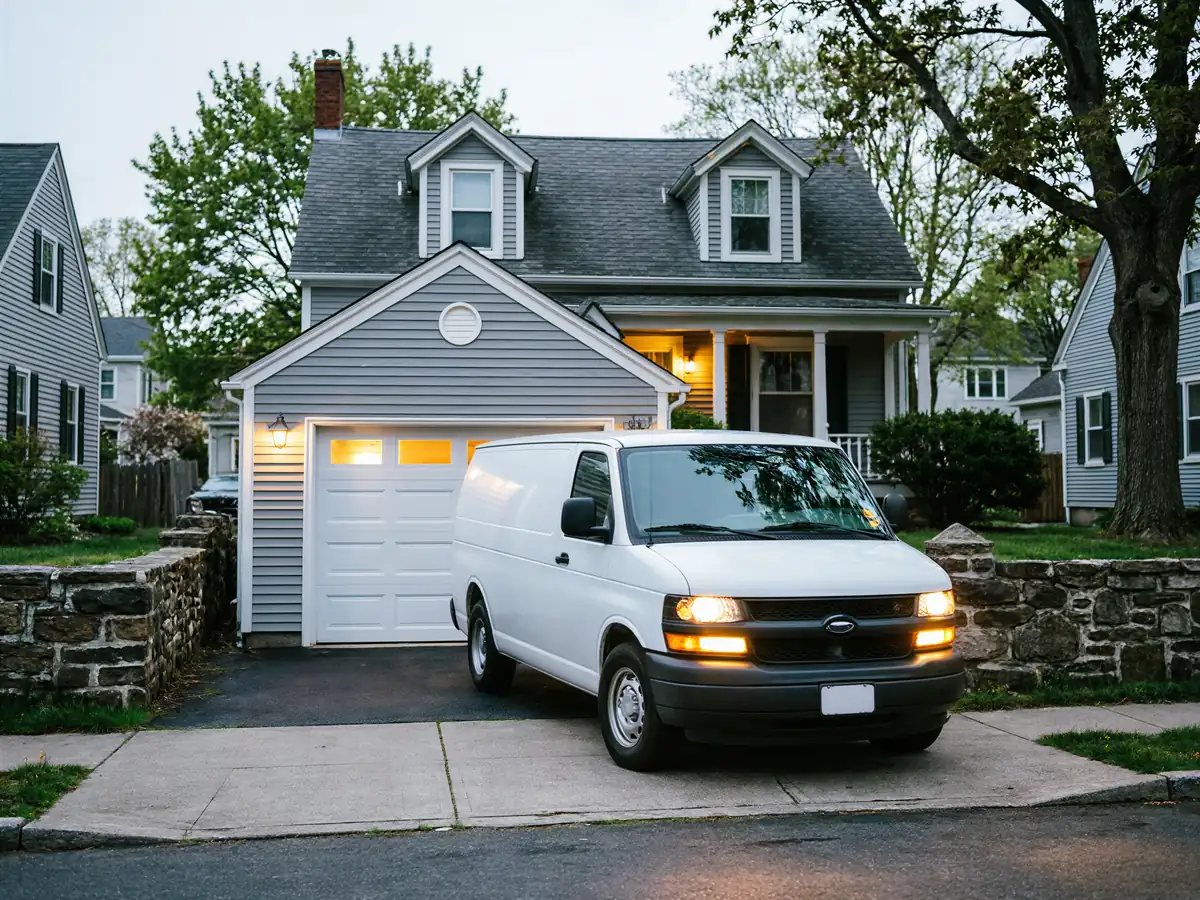
We travel the 4 miles from Allentown for most Emmaus calls. On a door from the late 1950s, the first step is matching the spring and cable to the actual door weight, not the nameplate on the opener, since those often get replaced independently over the decades. If the panel material is original wood or an early steel panel, replacement hardware sometimes has to be special-ordered rather than pulled off a shelf, which can add a day or two to the timeline - that's the honest limitation here, not every part for a 1957-era door is sitting in a warehouse nearby. Once parts are in hand, spring and cable work on a standard double door is a same-visit job. Full replacement makes more sense when the door itself, not just the hardware, is failing - warped panels, rusted track mounts, or a frame that's shifted with the house.