The Symptom
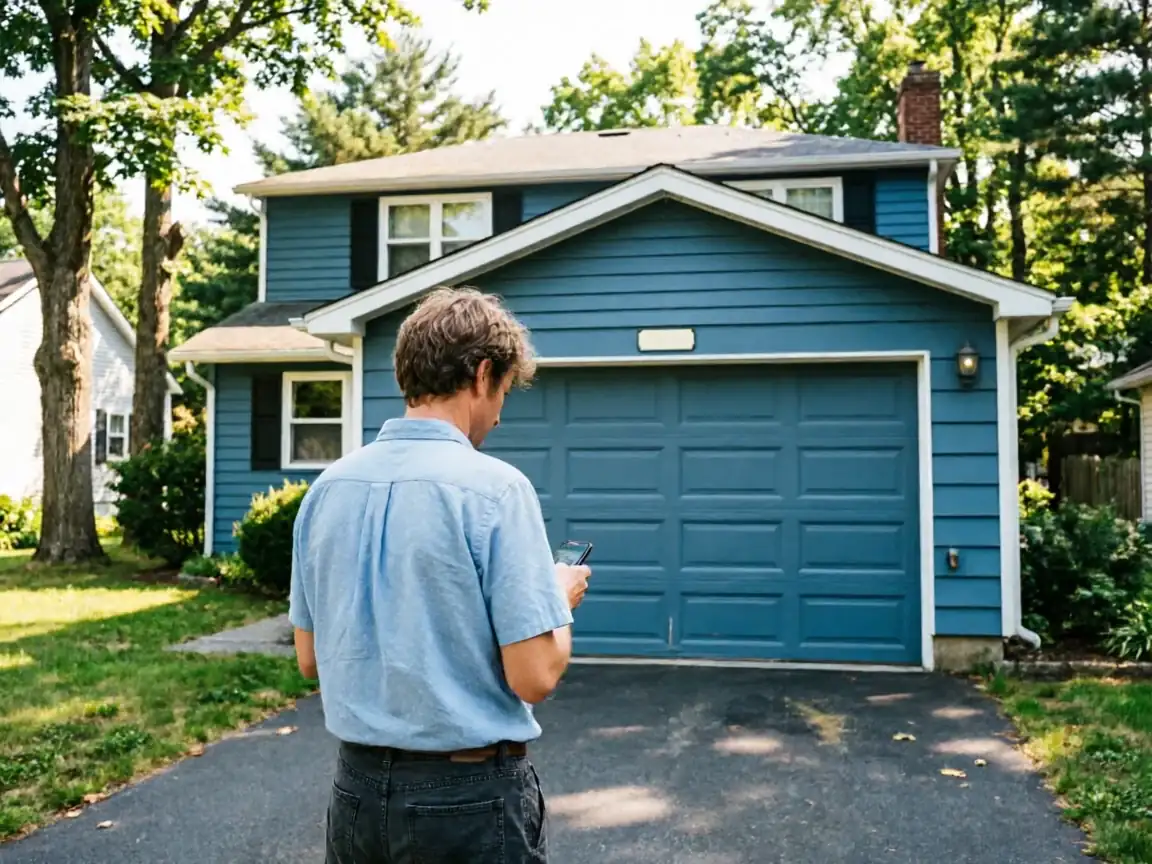
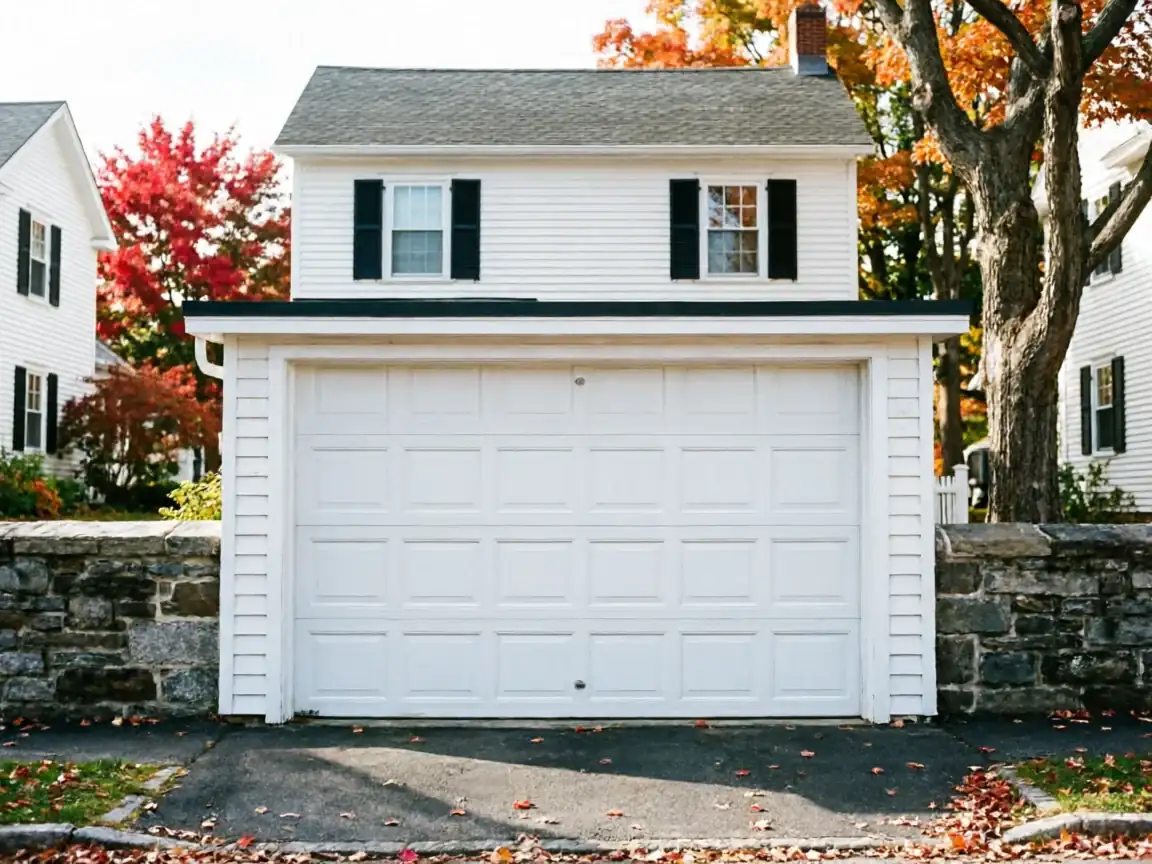
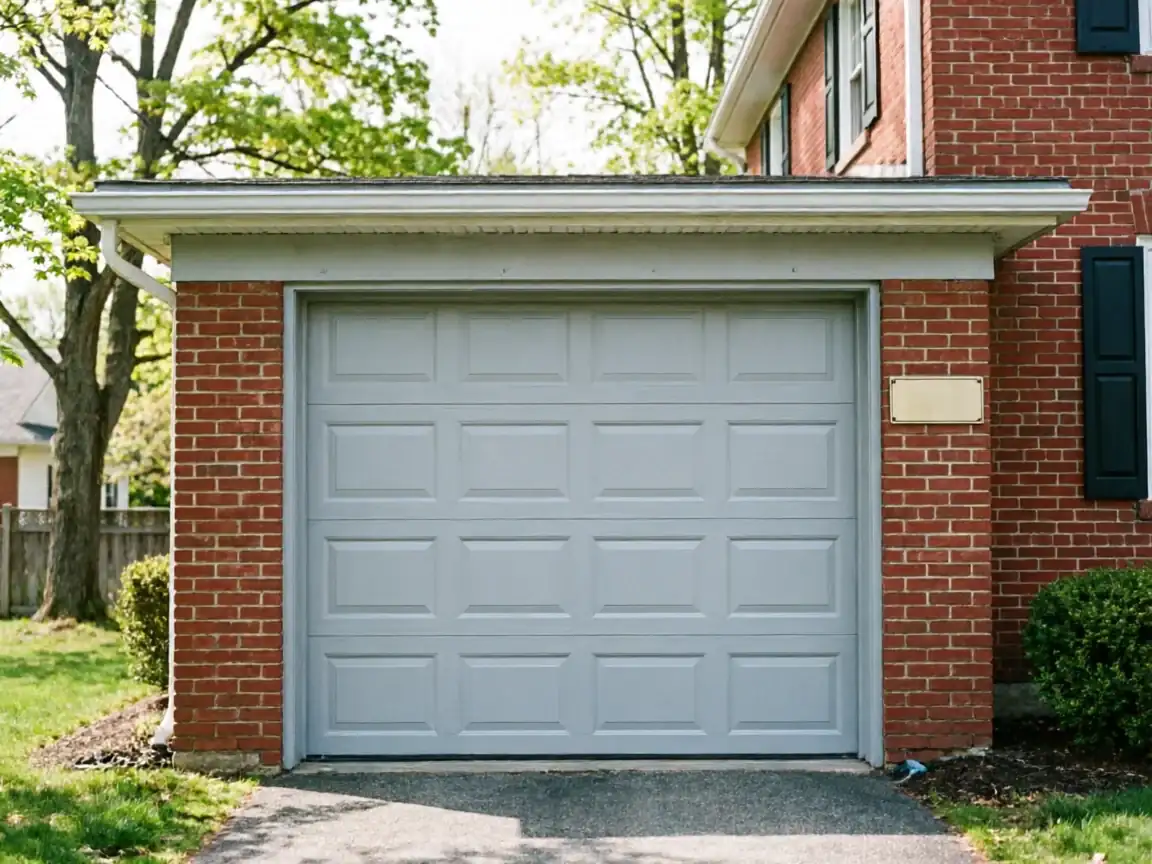
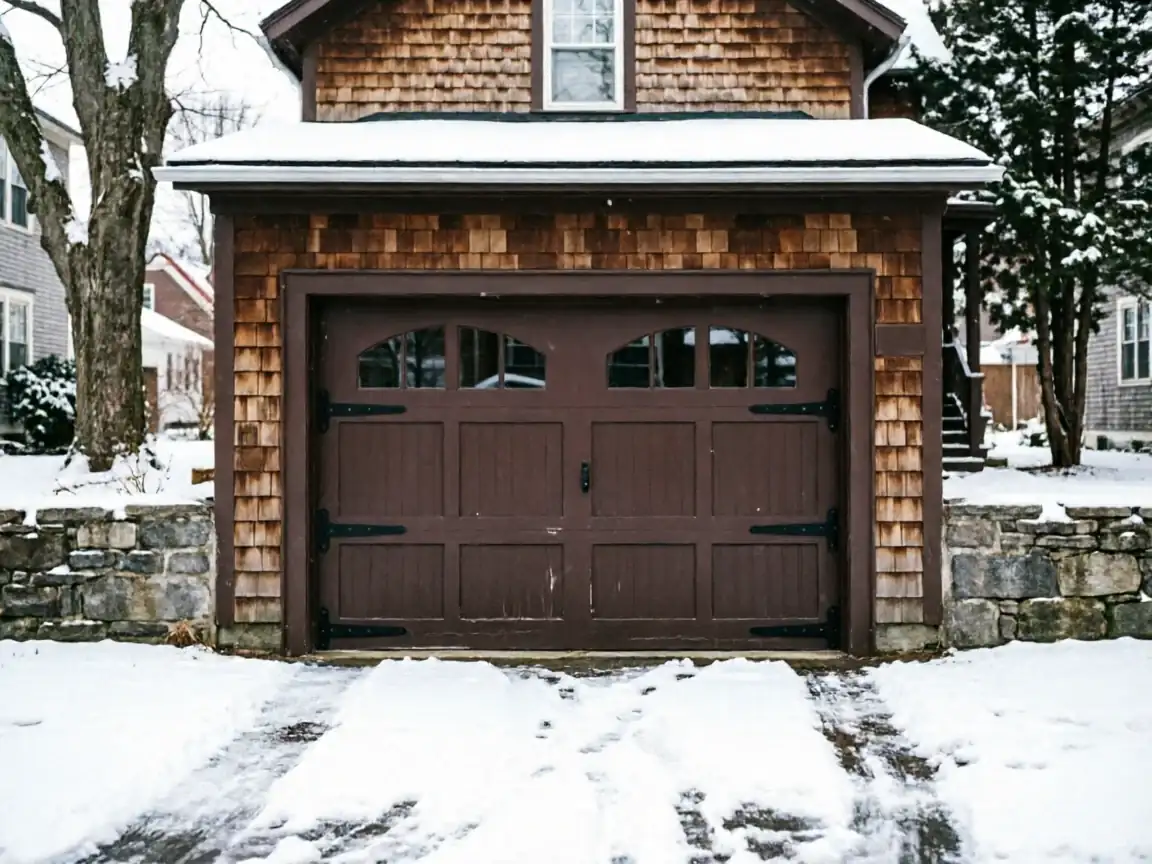
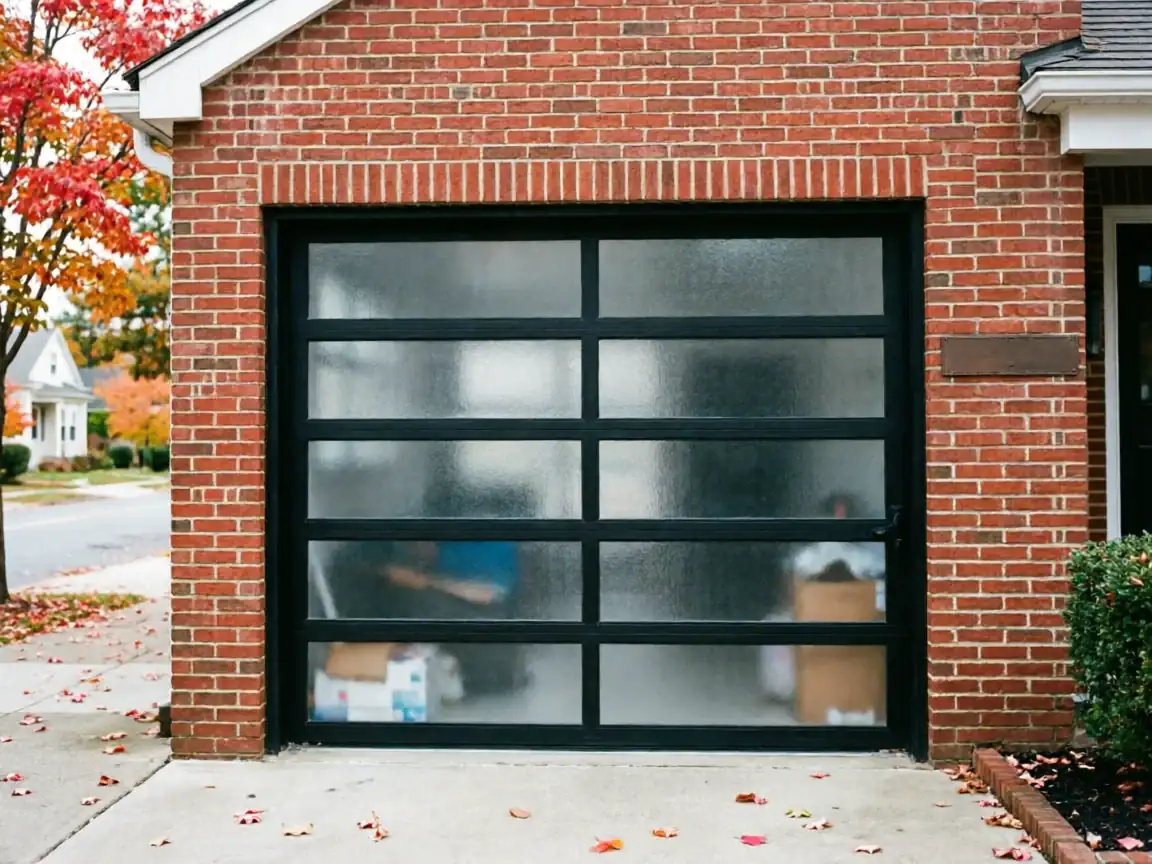
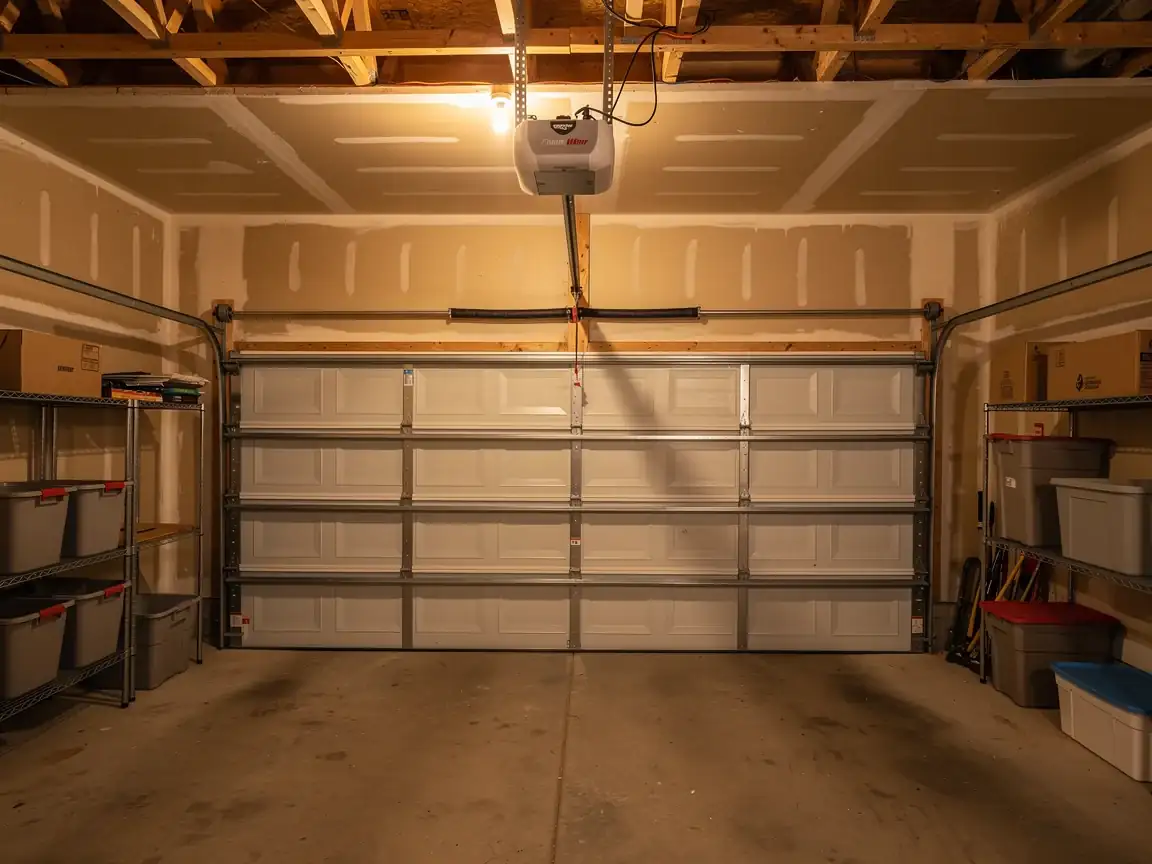
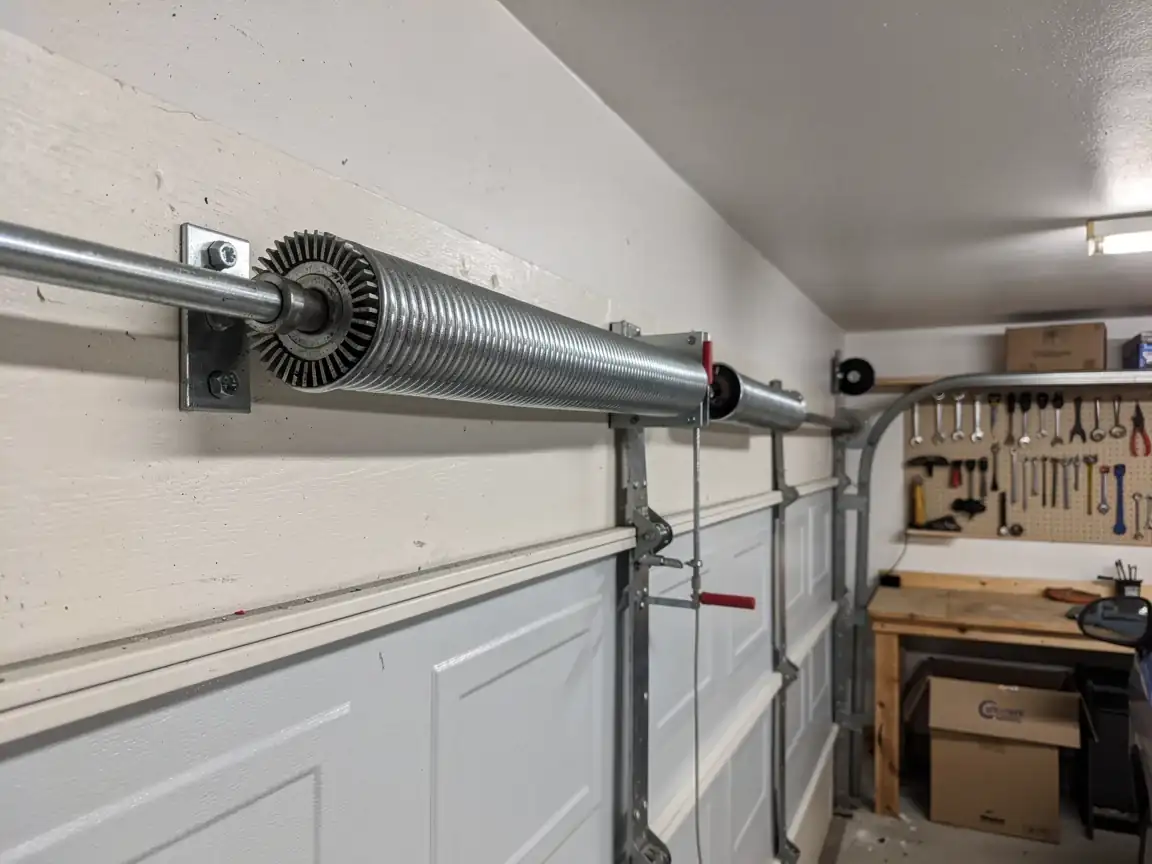
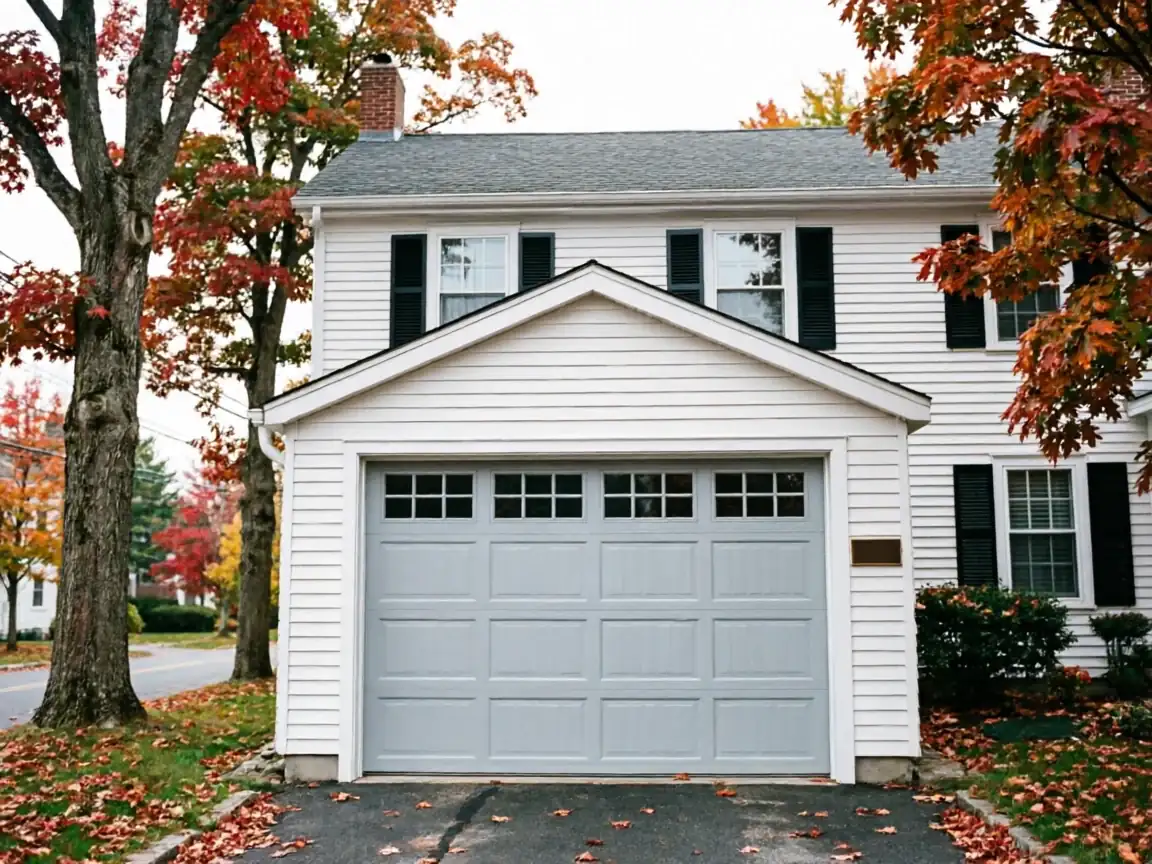
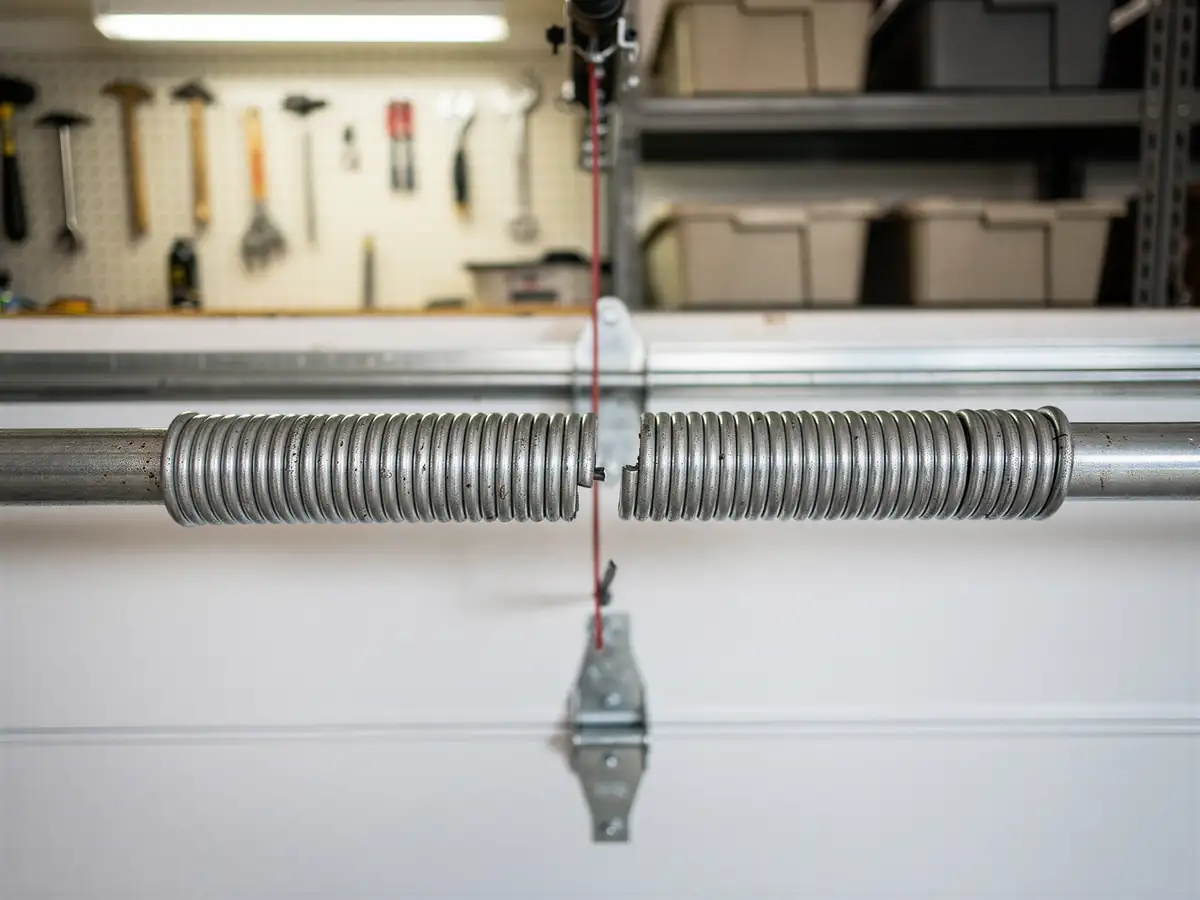
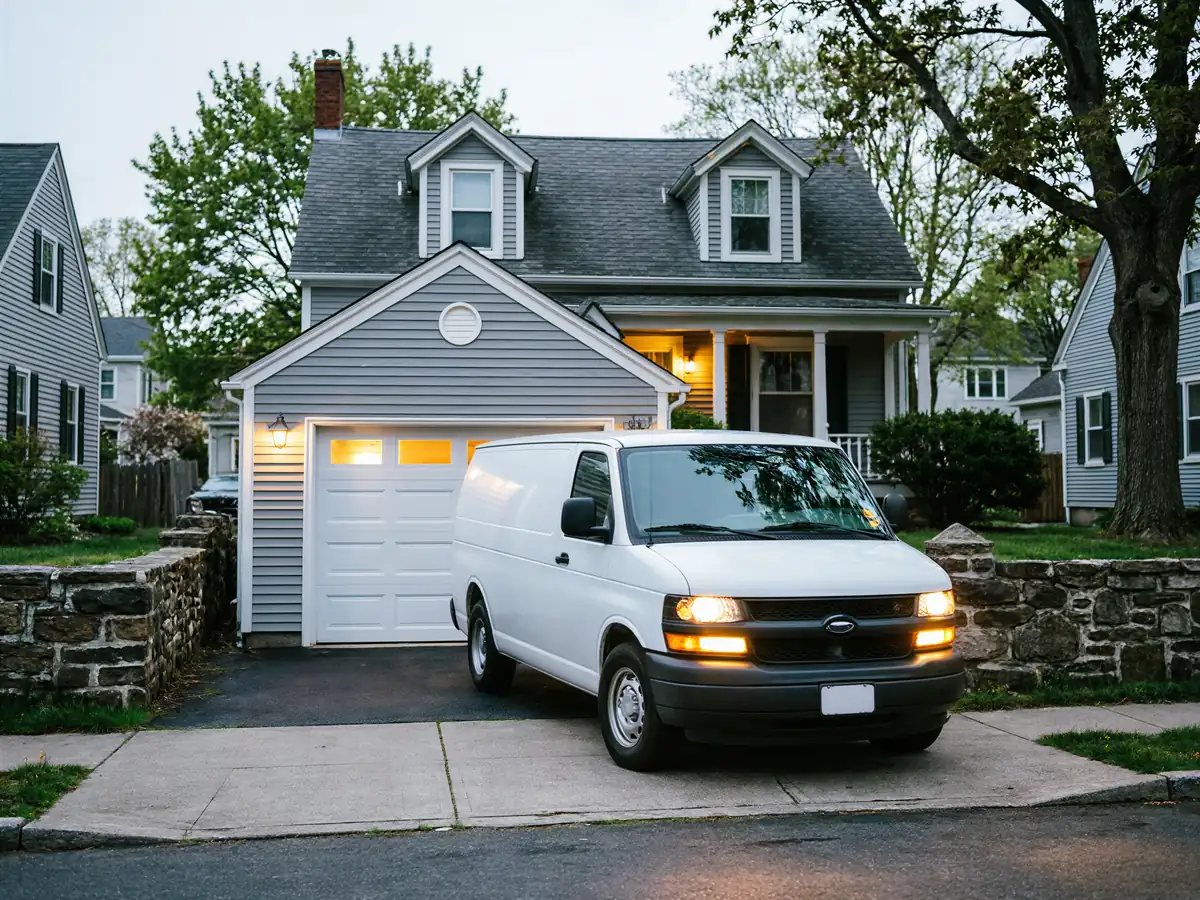
Most garages in Emmaus went up around 1957, and that one fact shapes almost every opener call we get from the area. These are single-car openings, often eight feet wide or narrower, built for the steel or wood-panel doors of the period, not the wider two-car doors you see in newer developments. When an opener was added later - and in a house this age, it almost always was - it got bolted onto a track and header that were never designed for it. So the symptom isn't always "opener won't run." It's the carriage grinding partway up, the door reversing for no reason, or the unit running but the door barely lifting off the floor. That last one usually means the opener is doing work the original spring and track weren't sized to share. On a house built in the 1930s with a modern door this looks different; on a 1957 Emmaus garage with its narrower, lighter original door, the complaint is almost always about the opener straining against hardware it was never matched to.
Where This Job Goes Sideways
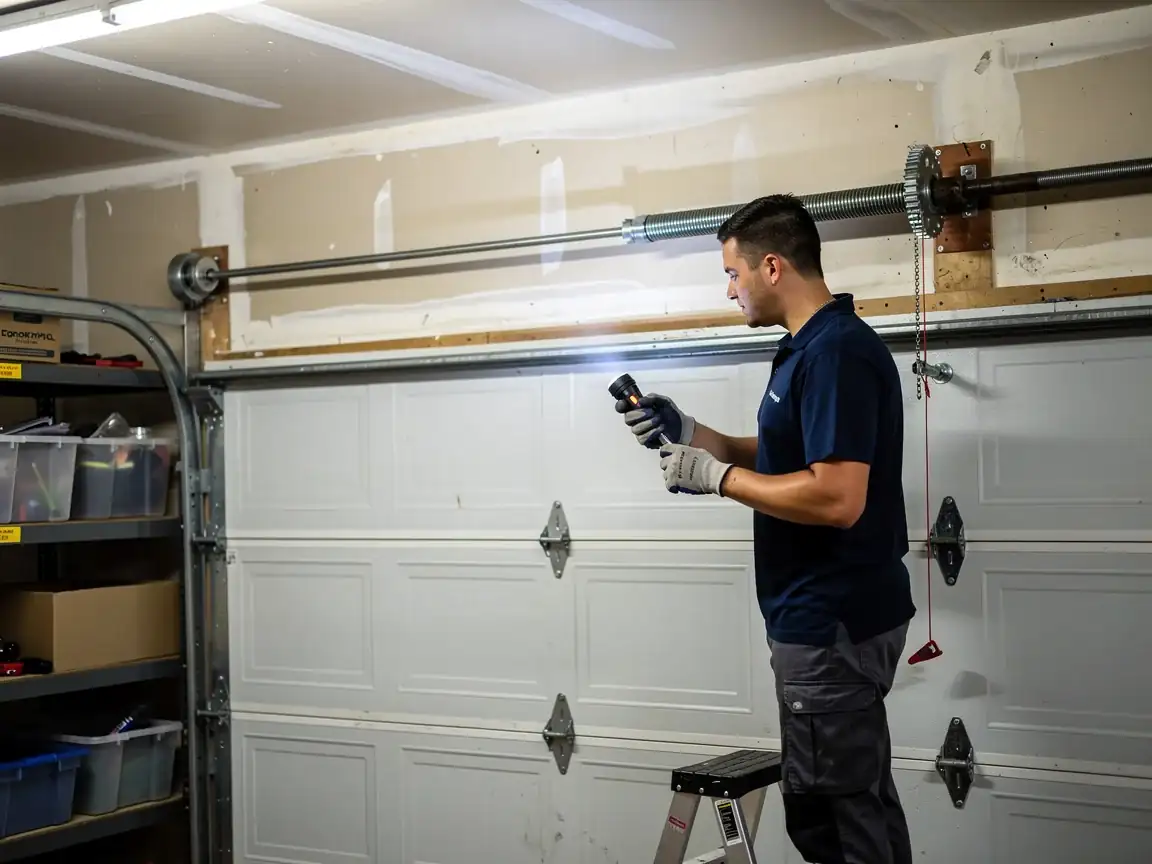
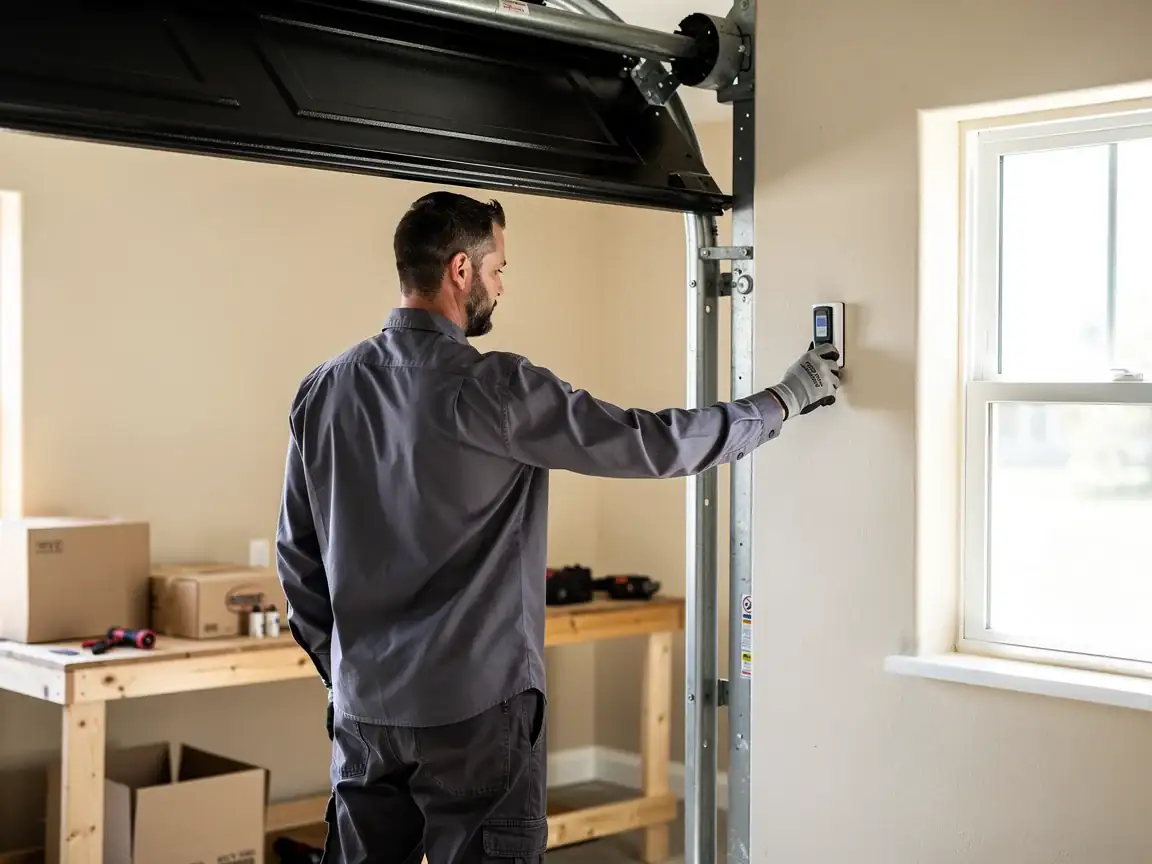
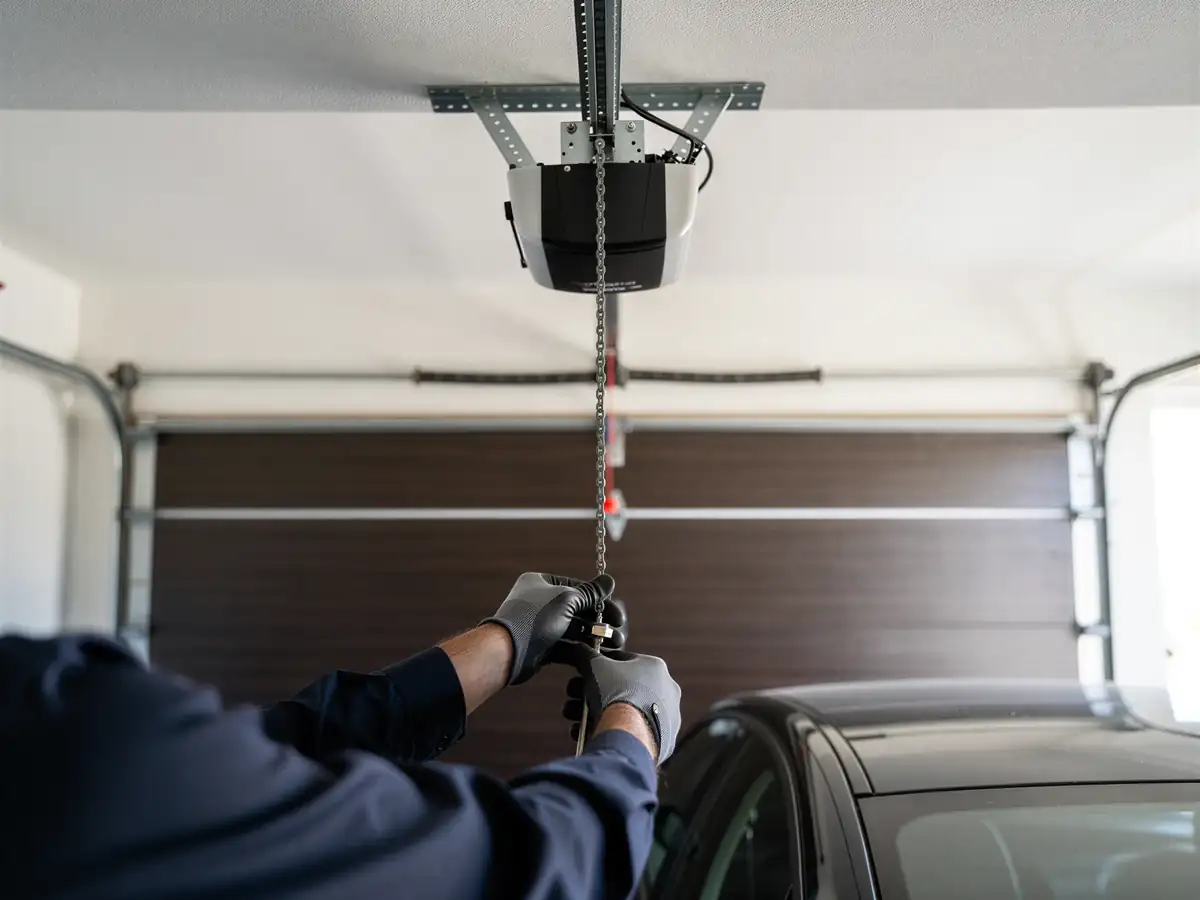
The trouble with retrofit openers on 1950s-era garages is that the fault you called about usually isn't the real problem. A chain that skips or a motor that hums without moving the door often traces back to a header bracket mounted on wood framing that's shifted over sixty-some years, or a track that was never quite square to begin with. We've opened up units in this part of the service area where the opener itself was fine - brand new, even - but it was fighting a door and track combination from a different era. Fix the opener alone and the same call comes back in a month. The other place this goes sideways: safety sensors. Houses this age often had openers added well before modern eye-sensor requirements existed, so the original install sometimes skipped proper photo-eye placement altogether. Replacing a unit here means making sure the new one actually meets current safety standards, not just matching what was there before.
What the Fix Involves
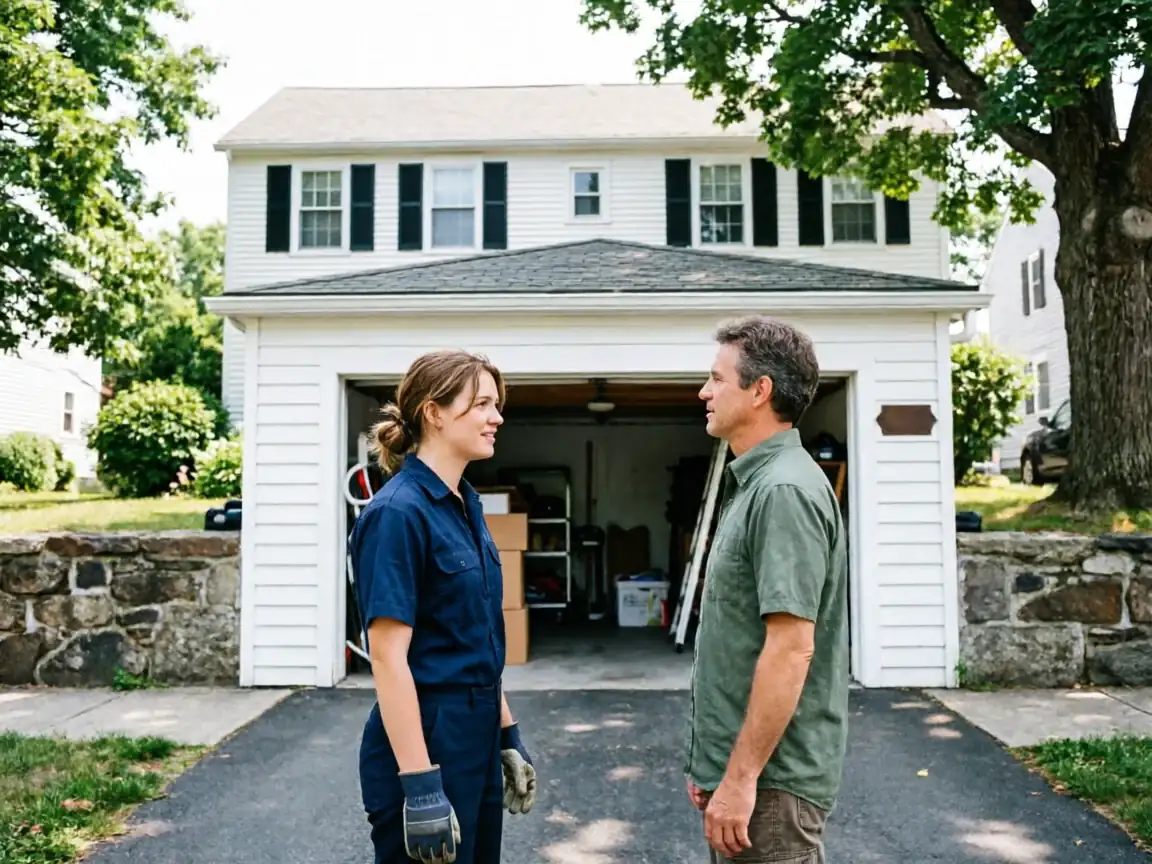
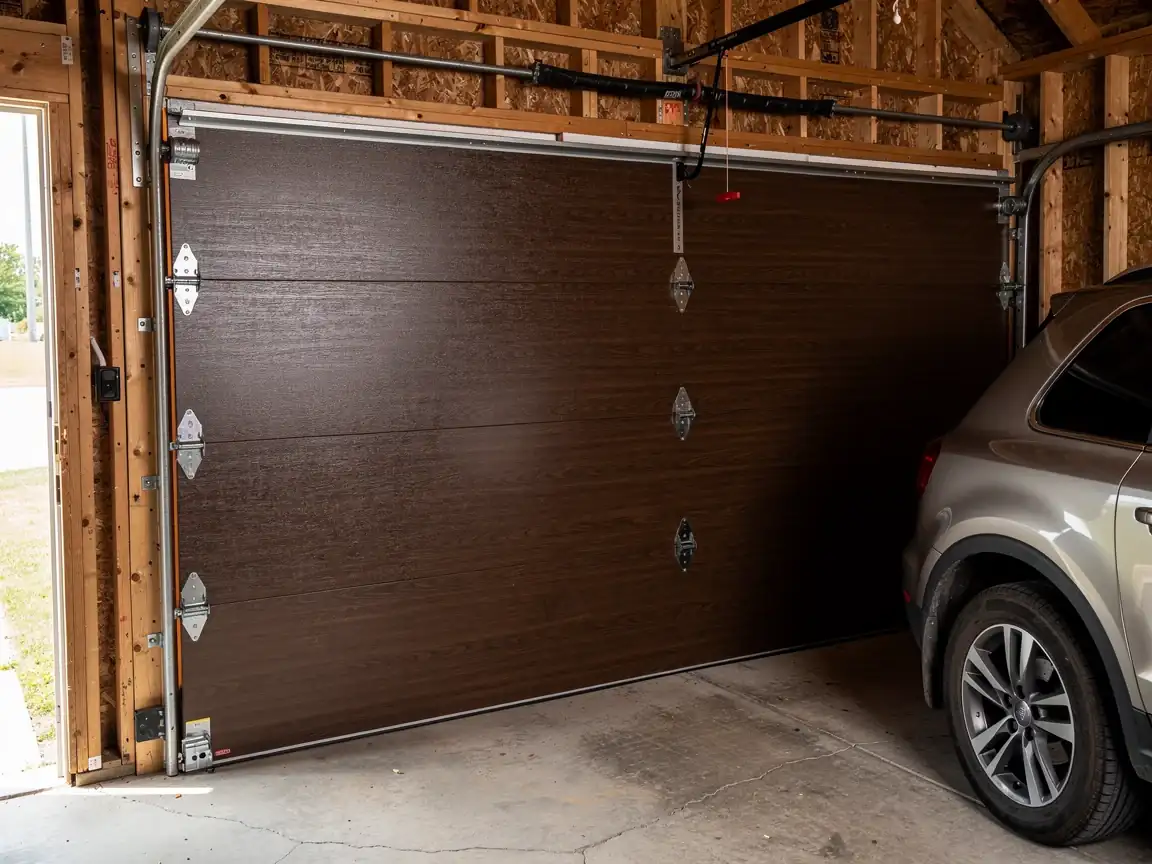
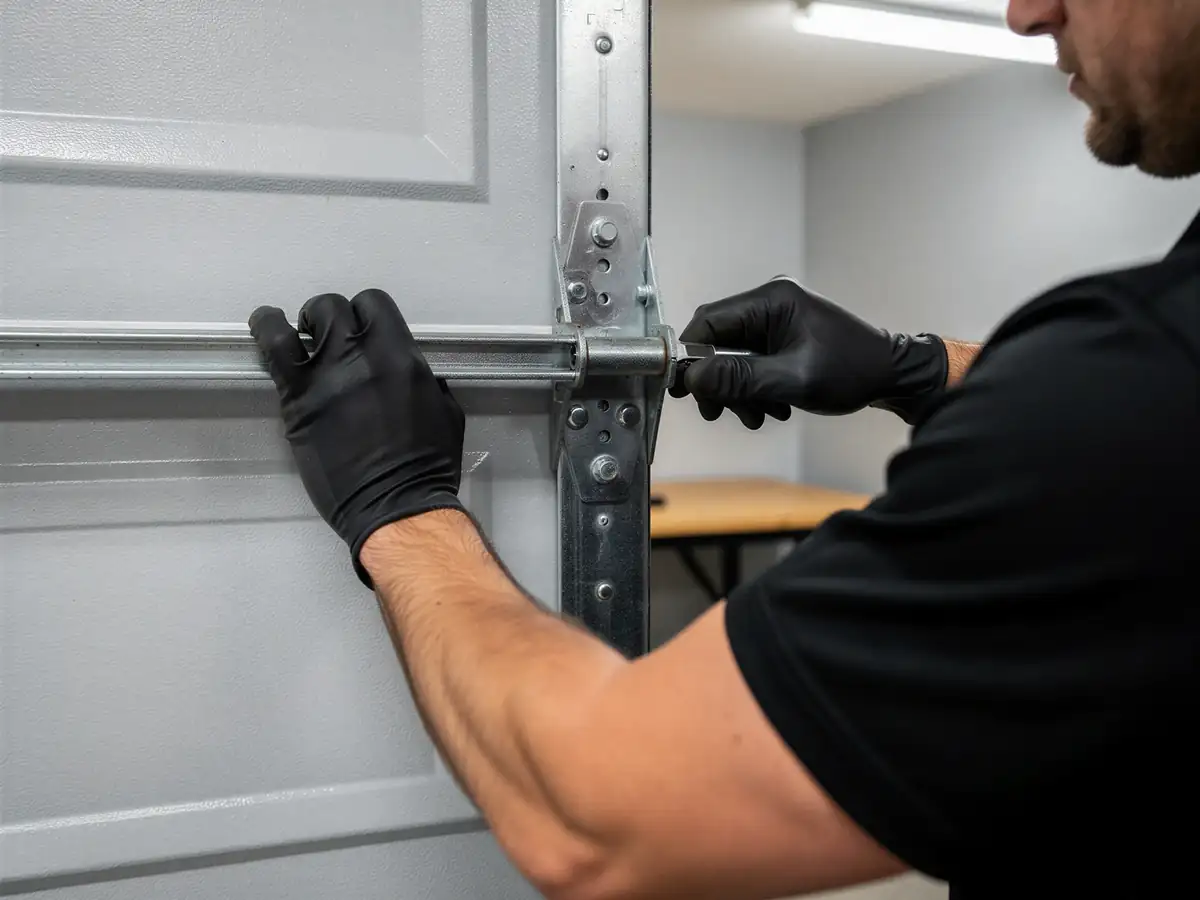
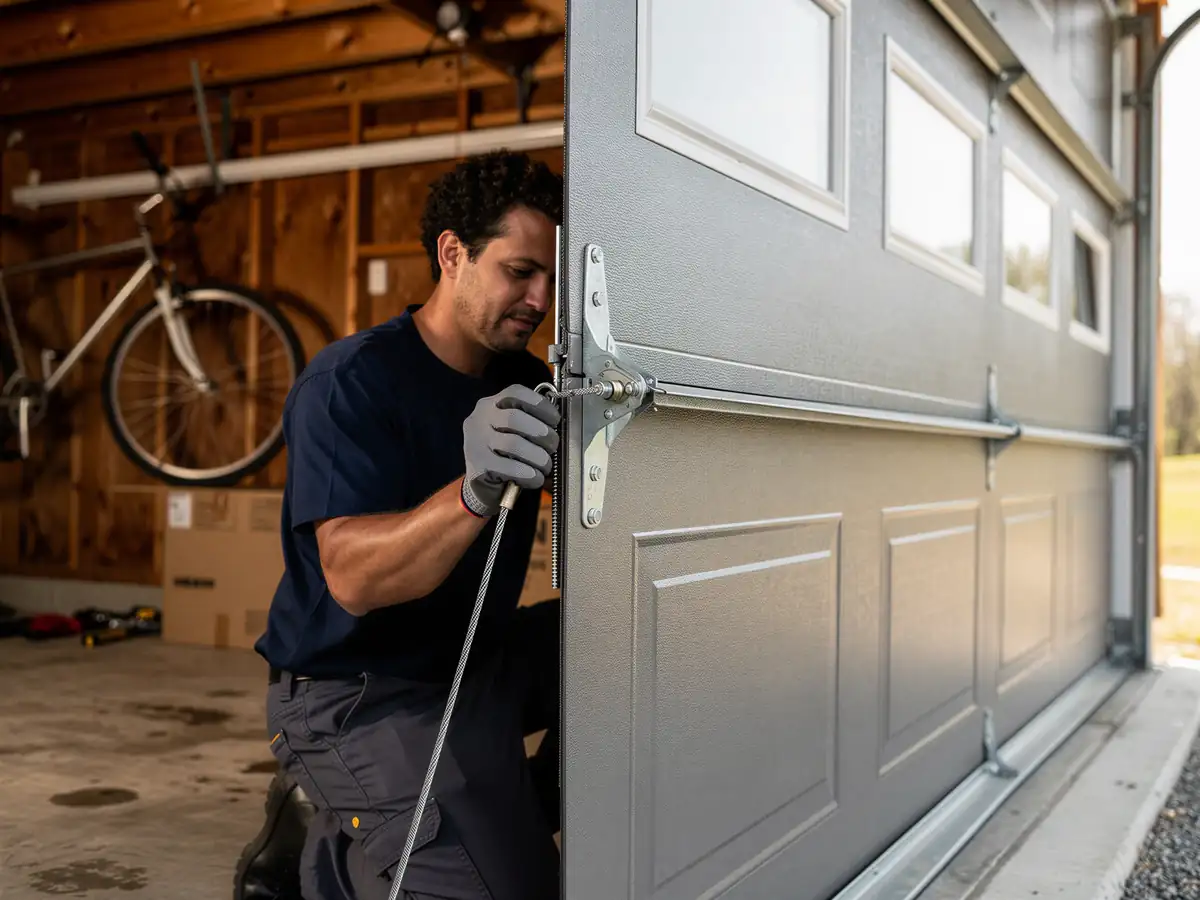
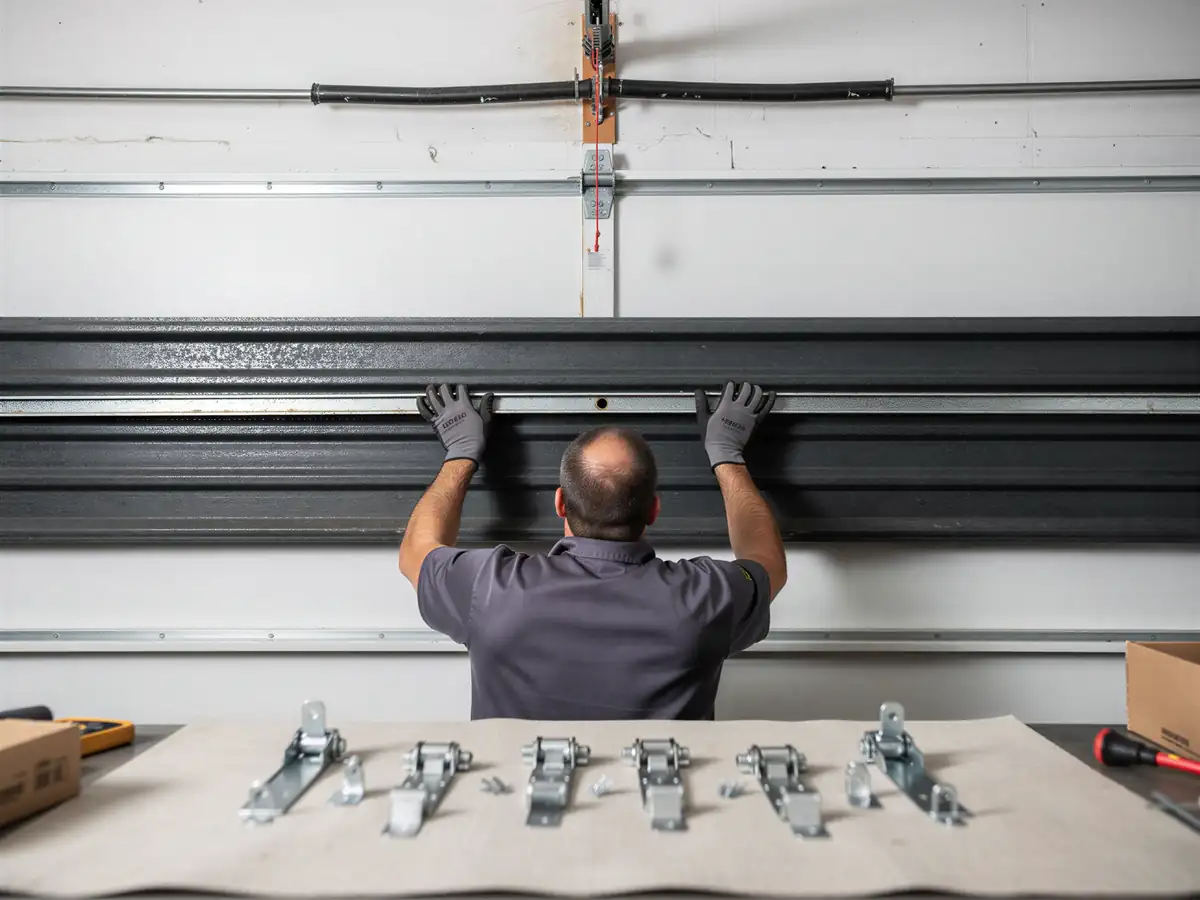
A proper opener repair on a house like this starts with the door and track, not the motor. We check whether the original header and track are still square and solid enough to carry a modern unit, because in a lot of Emmaus's older stock they aren't - sixty-plus years of settling does that. If the structure's sound, the repair is usually a motor or gear-set swap, a new set of safety sensors wired to current code, and resetting travel limits to match the door's actual weight and swing, not factory defaults built for a bigger two-car door. If the header's not sound, that's the honest limitation: we'll tell you when a repair means reinforcing or replacing the mounting point first, because bolting a new opener to failing wood just moves the problem down the road a few months. We travel out from Allentown for these calls, about 4 miles each way, so we schedule the visit with enough time to actually solve it, not patch it.