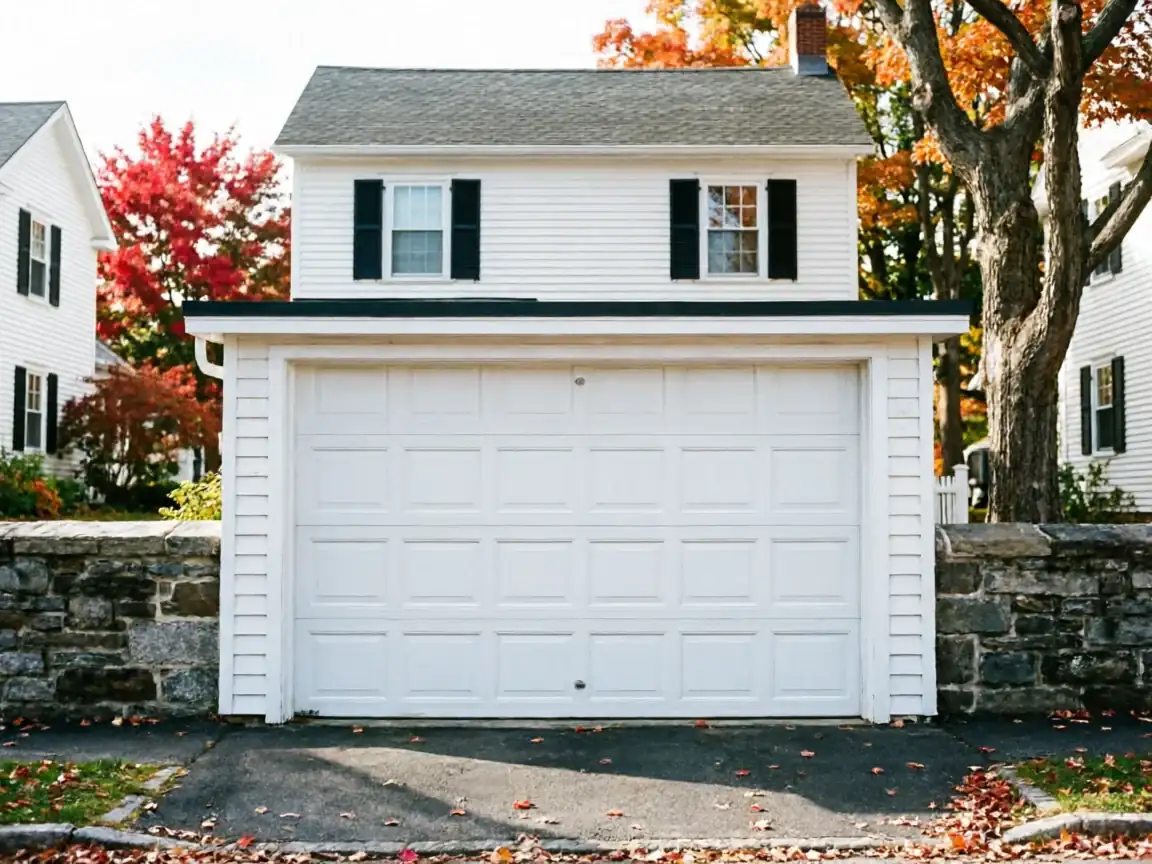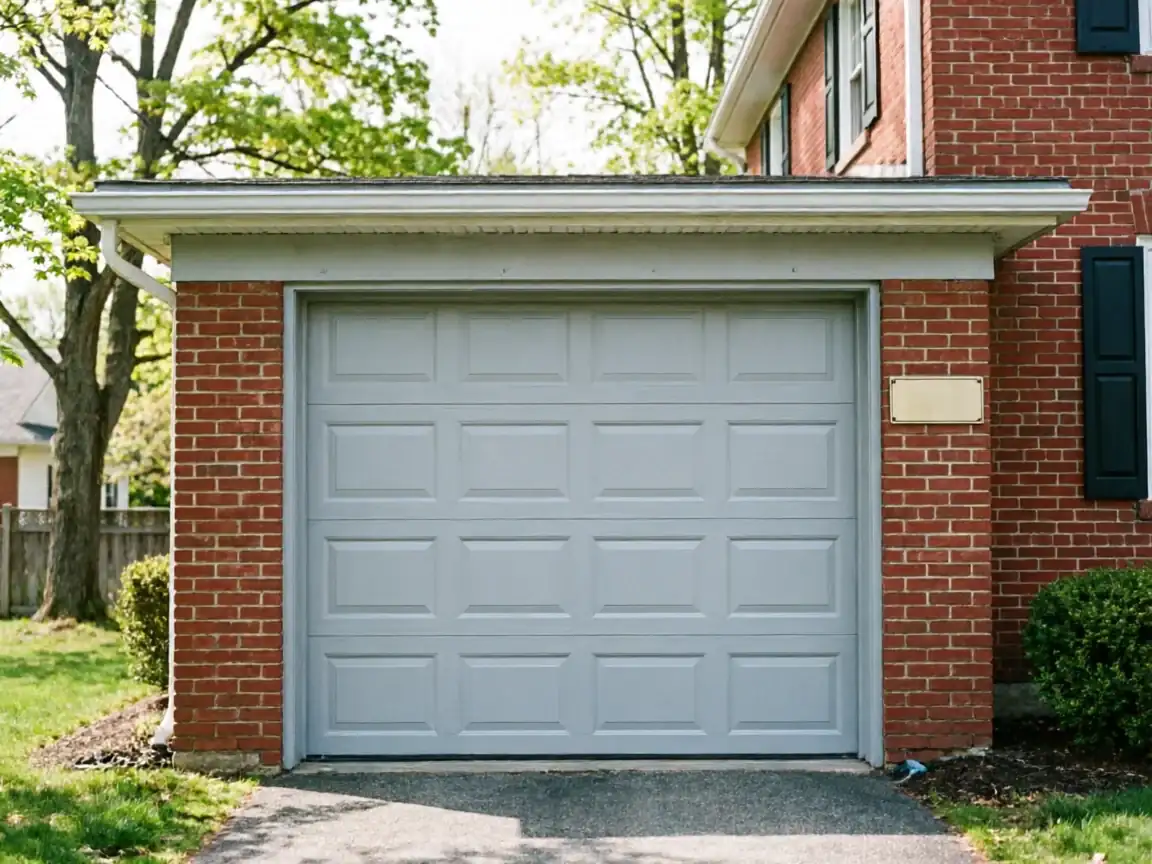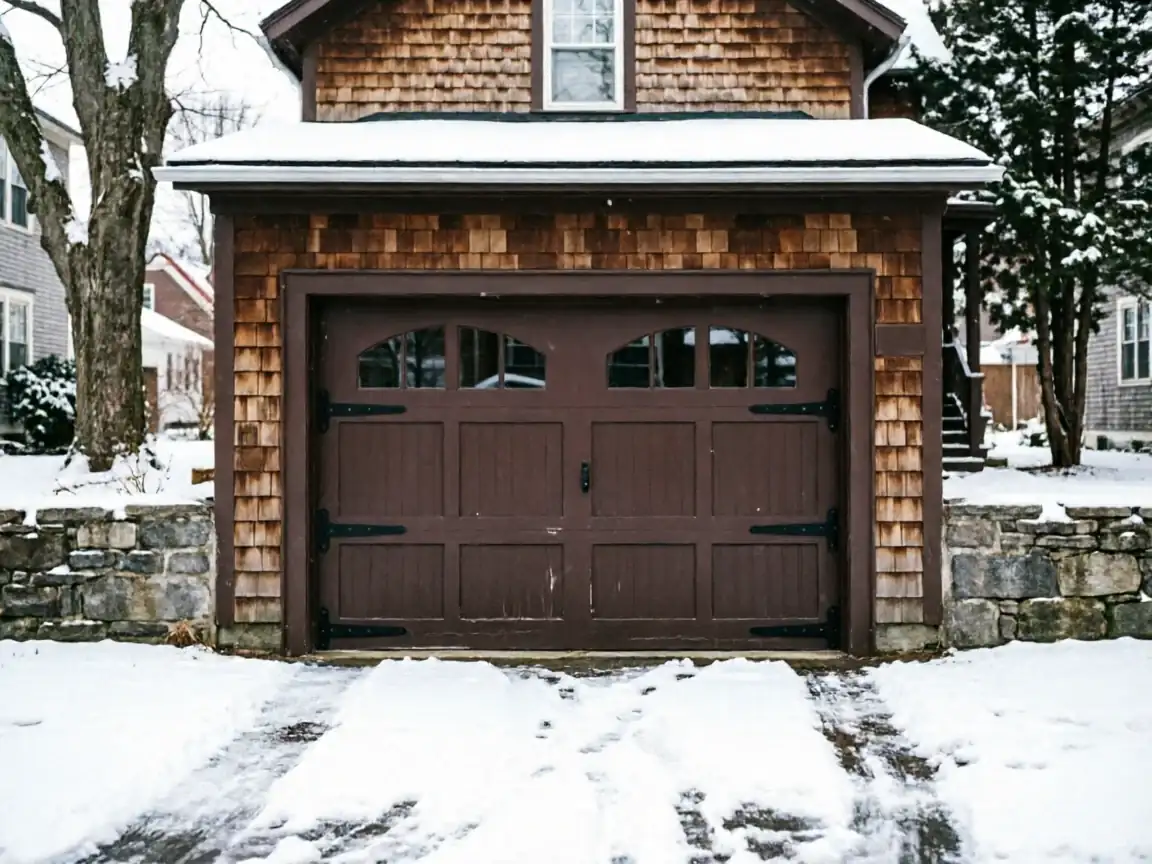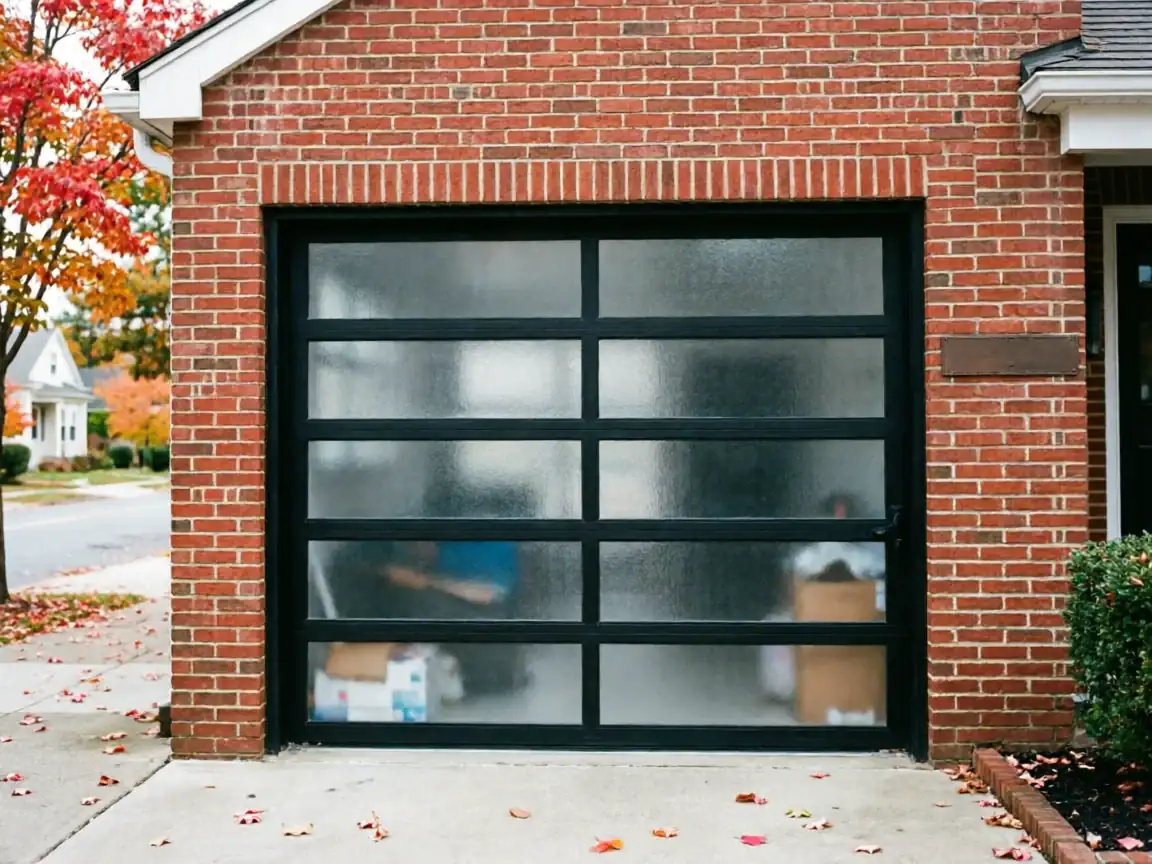
The Symptom
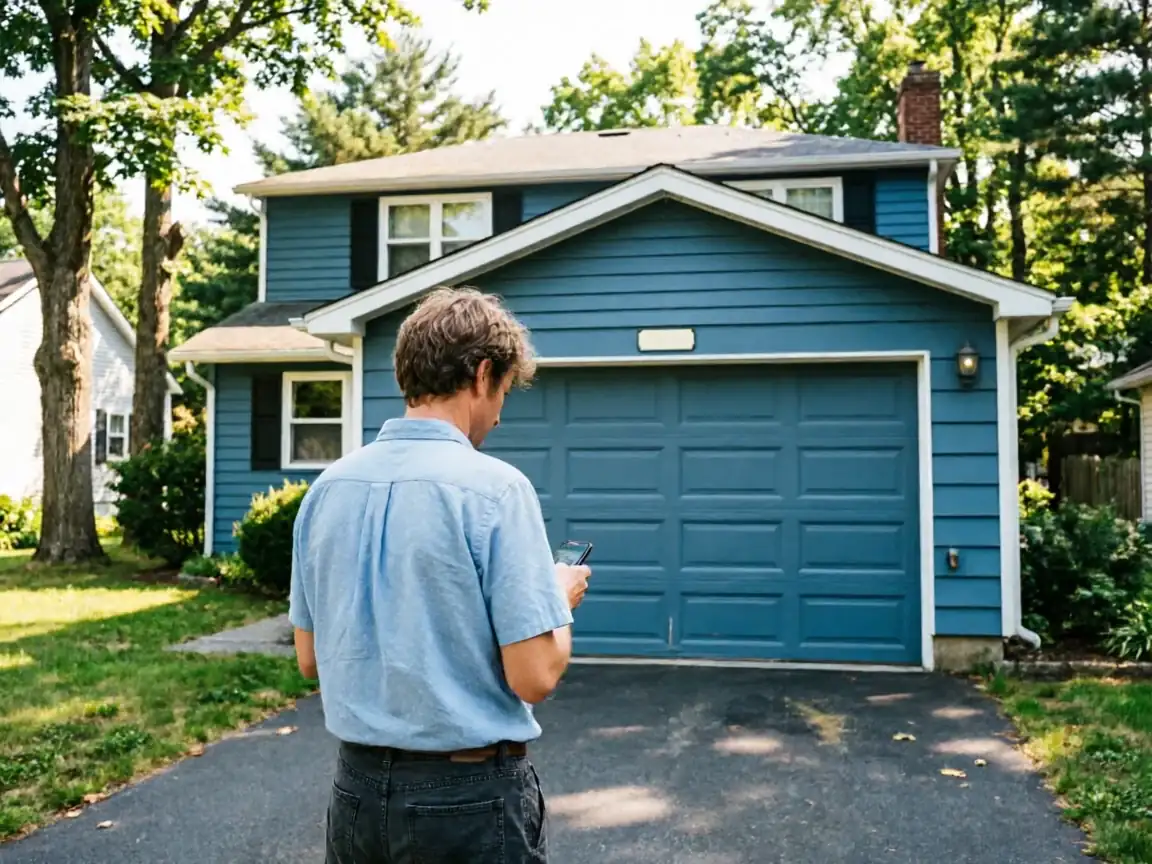
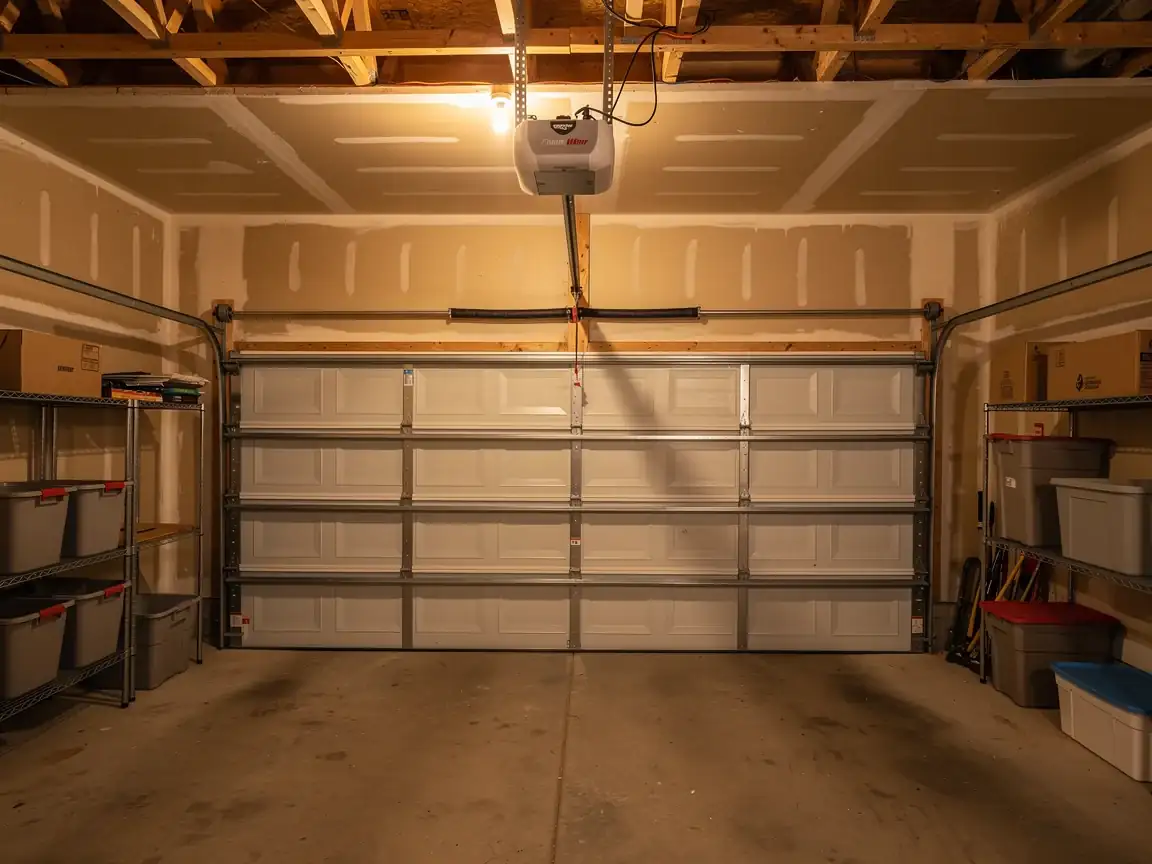
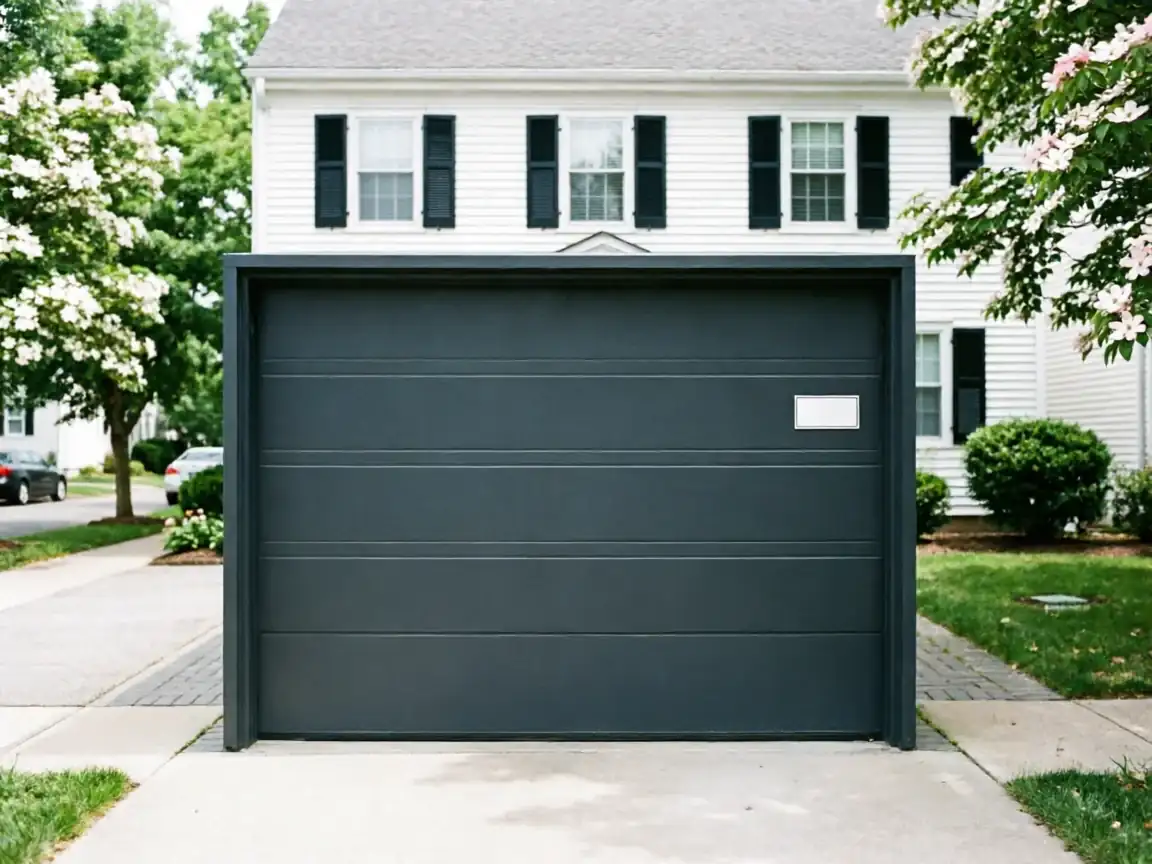
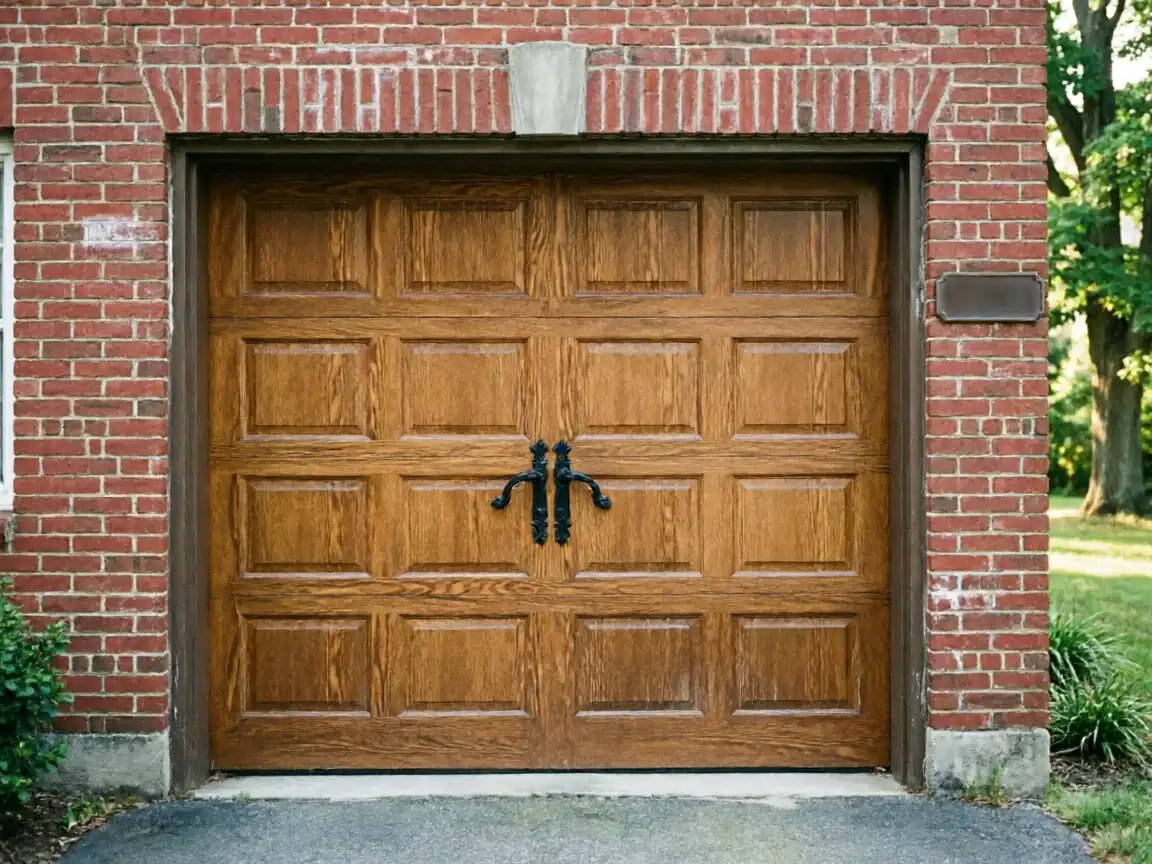
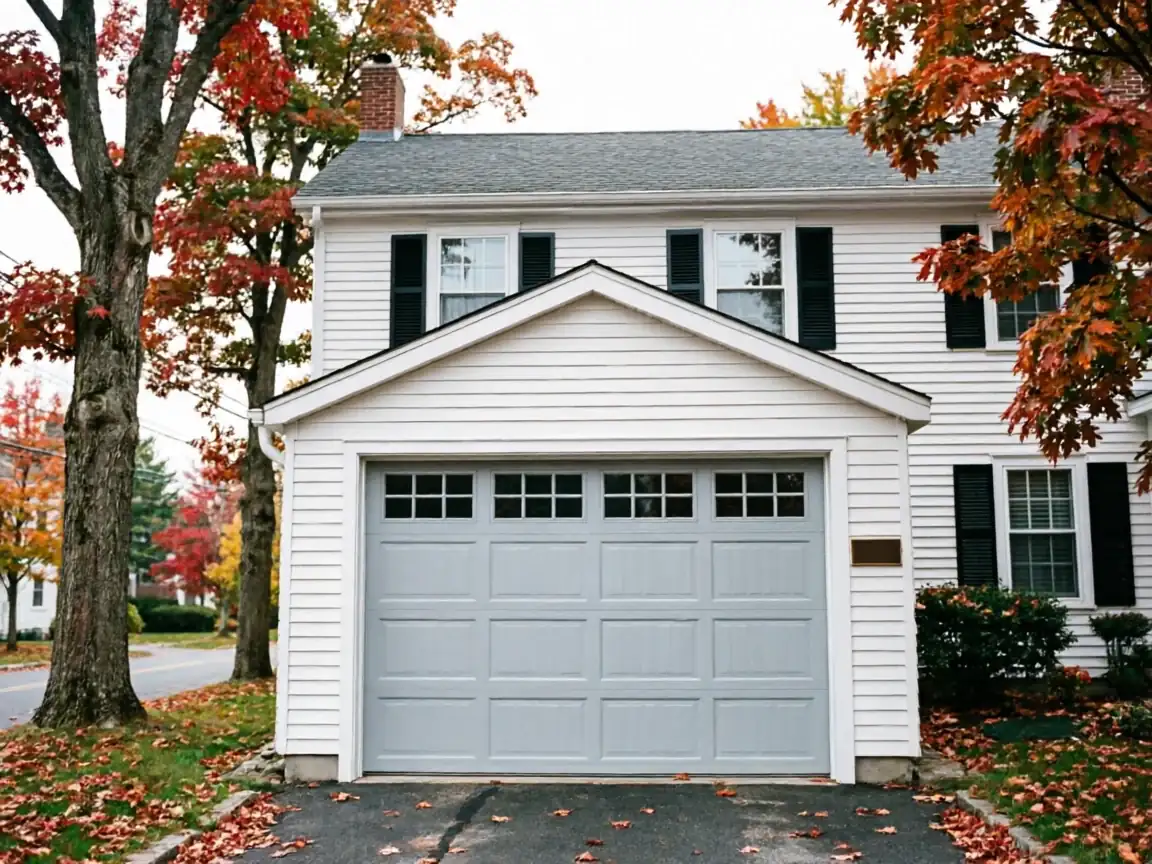
Most houses on this stretch of Emmaus went up around 1957, which puts them square in the first wave of steel sectional doors replacing wood swing-outs. A dented or rusted-through panel on a door from that build year usually isn't a simple swap. The steel gauge, the panel height, and the hinge spacing on a door that old often don't match anything a supplier stocks off the shelf. You'll see the damage start the same way every time: a low panel takes a hit from a car bumper or a snowblower, or years of road salt and freeze-thaw cycles eat through the bottom seam from the inside out. Given the cold winters this area gets, that bottom-panel rust is the complaint we hear most from owners with a door this age. One bad panel on a door built when steel gauges and section heights weren't standardized the way they are now can mean the whole door needs to come off, not just the damaged section. That's not us upselling you - it's what the hardware from that period forces.
Where This Job Goes Sideways
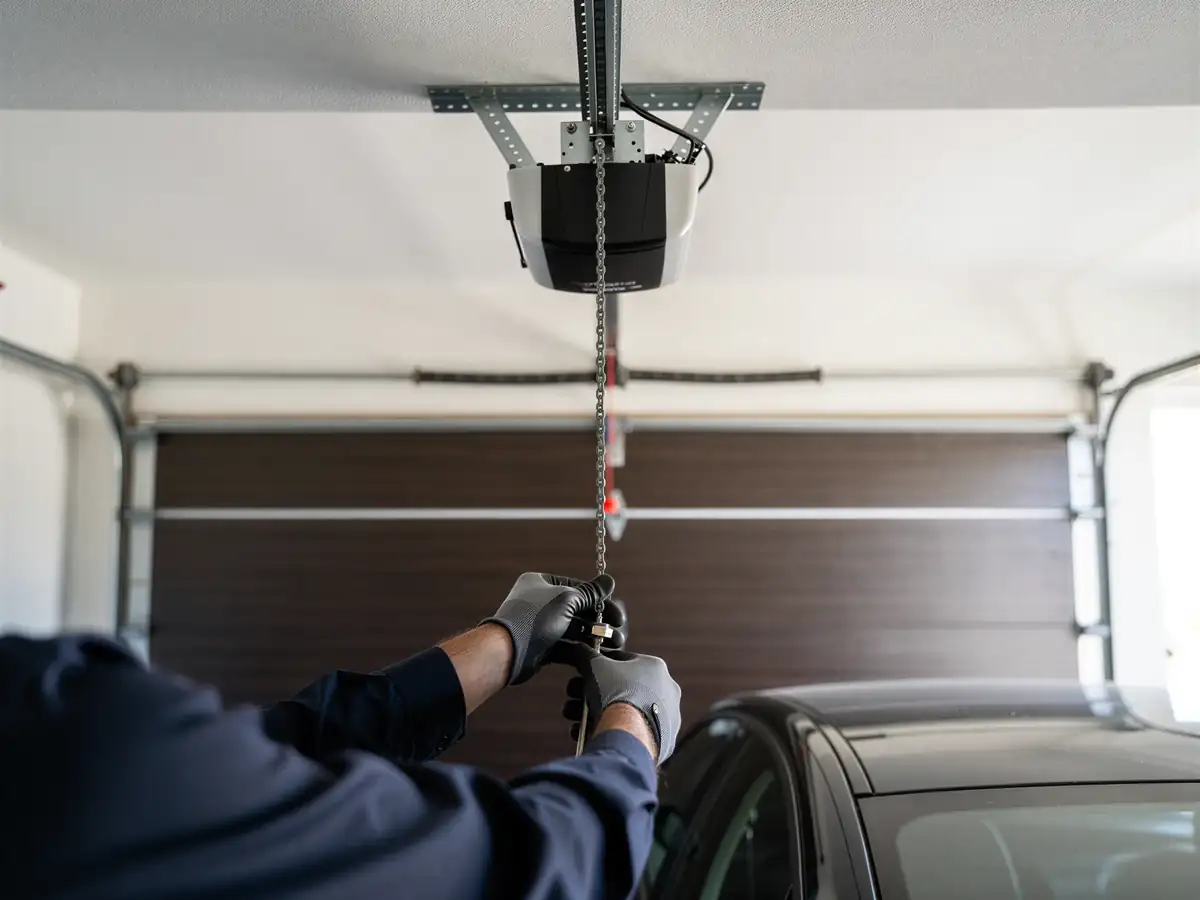
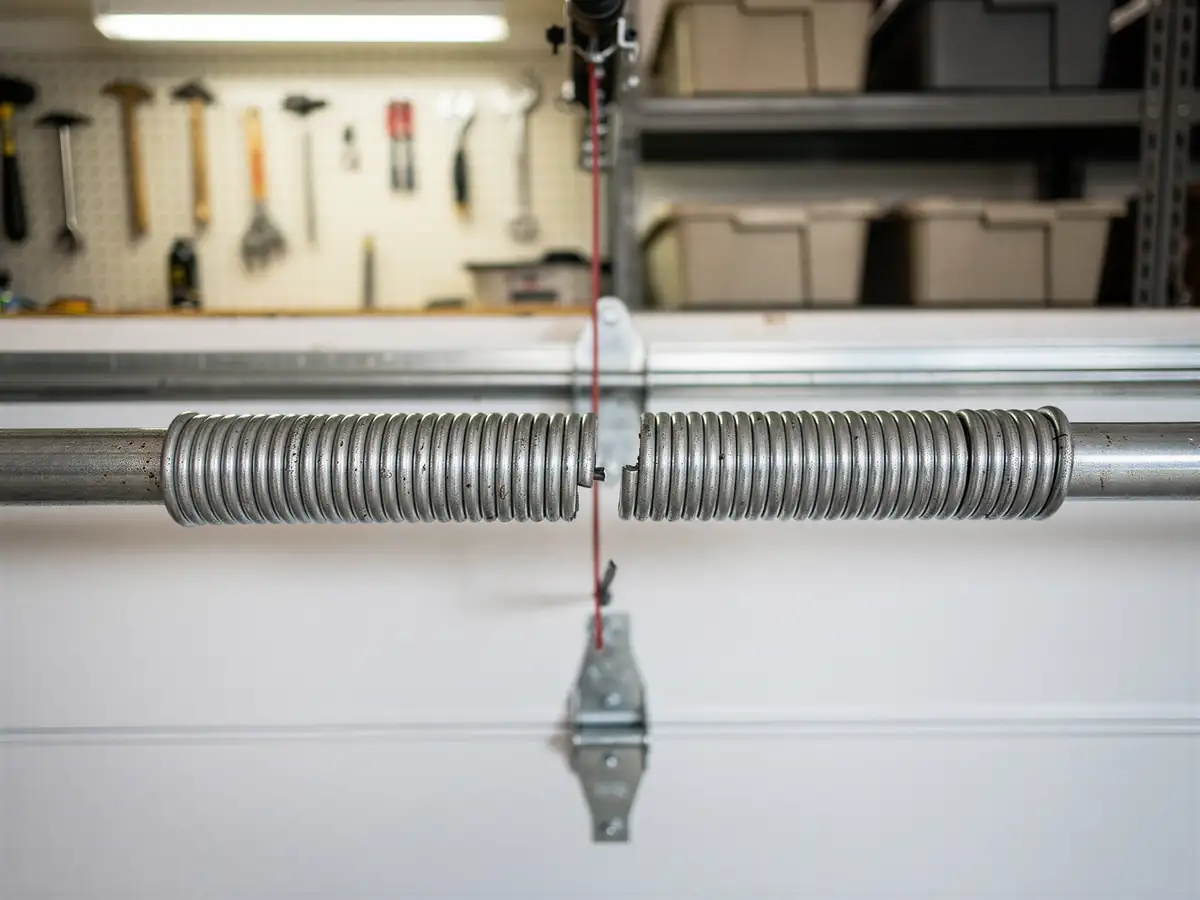
The trouble starts when someone tries to order a single replacement panel by eyeballing the measurements. A door hung during Emmaus's big building years can have a track profile and panel curvature that newer manufacturers don't carry, even if the brand name on the sticker still exists. You end up with a panel that's close but not flush, which throws off the roller alignment and puts uneven strain on the end hinges. In a climate with the kind of severe cold this region gets, a misaligned panel seam is where ice gets in, and ice inside a track is what cracks a roller or binds an opener motor overnight. The other way this goes sideways: someone matches the panel color and skips the gauge check, and six months later the new section is already denting where the old one held up for decades. We won't sell a single-panel fix on a door where the match isn't real - that's a case for full-door replacement, and we'll tell you that up front instead of forcing a part that won't sit right.
What the Fix Involves
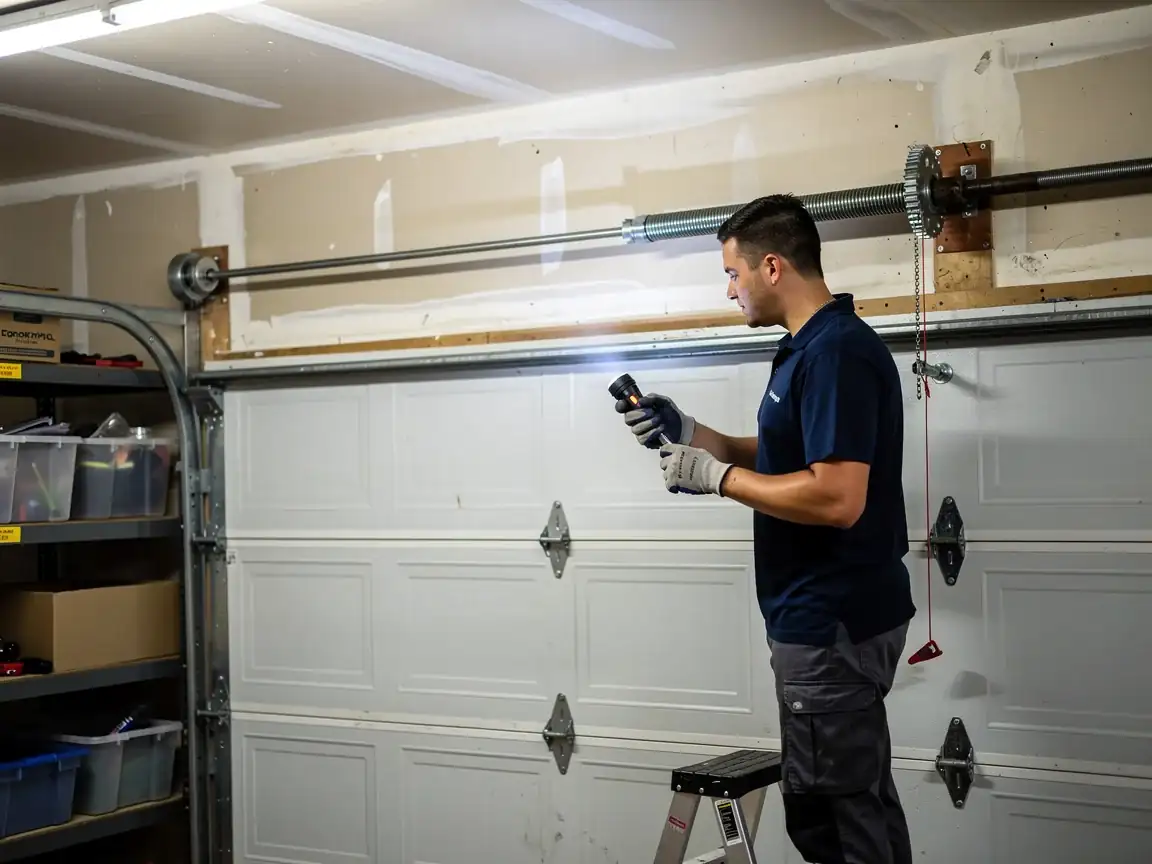
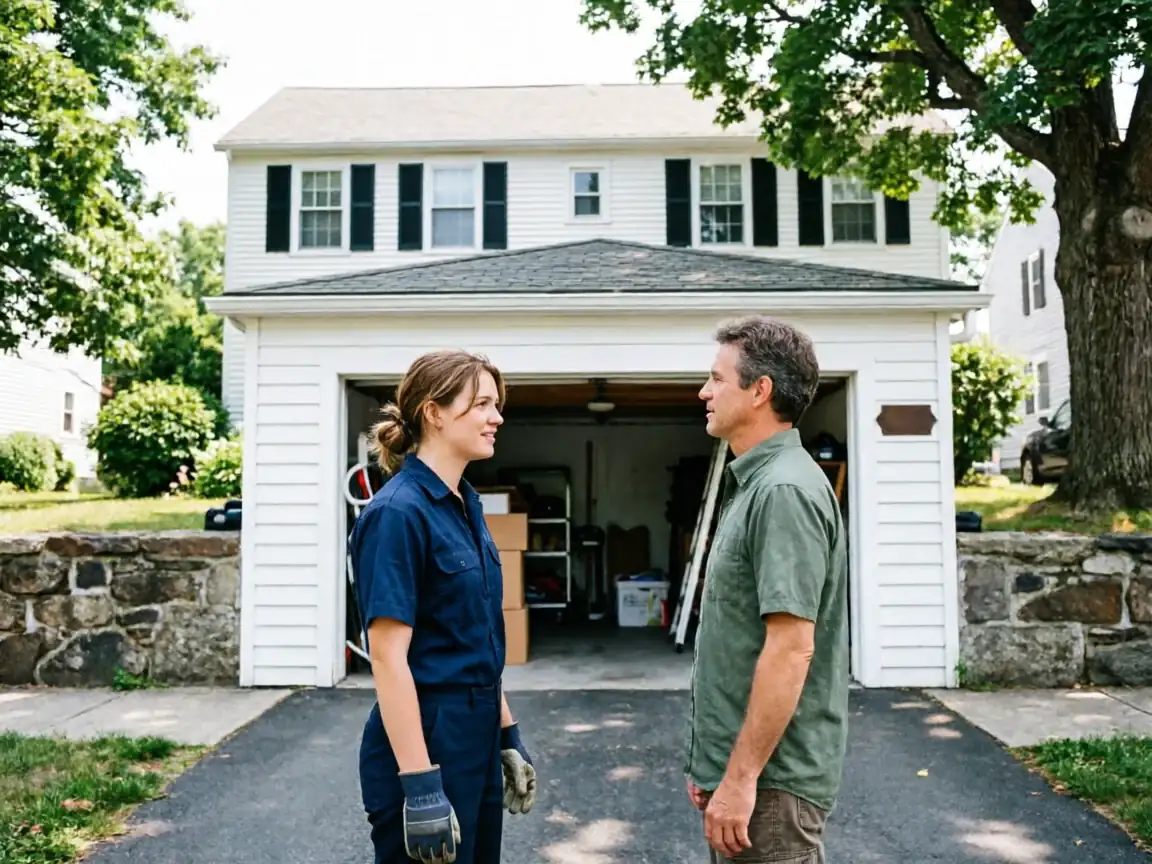
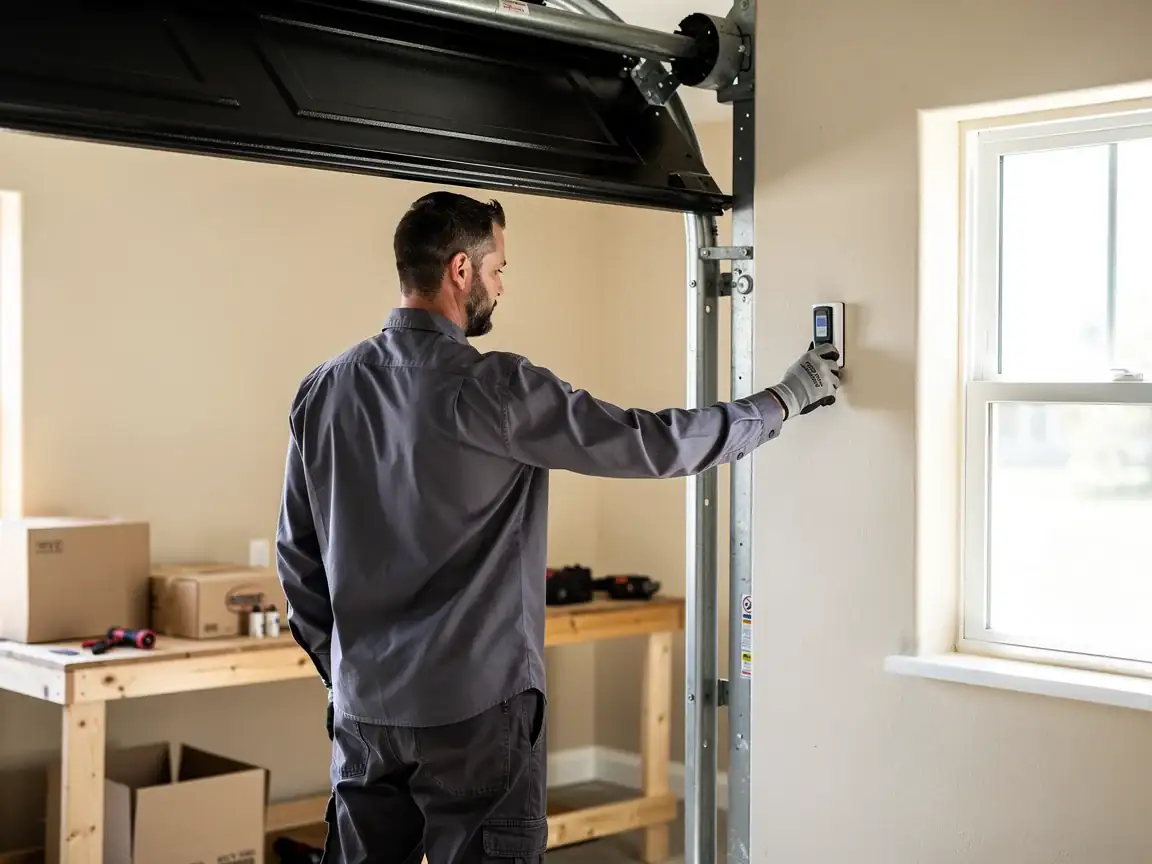
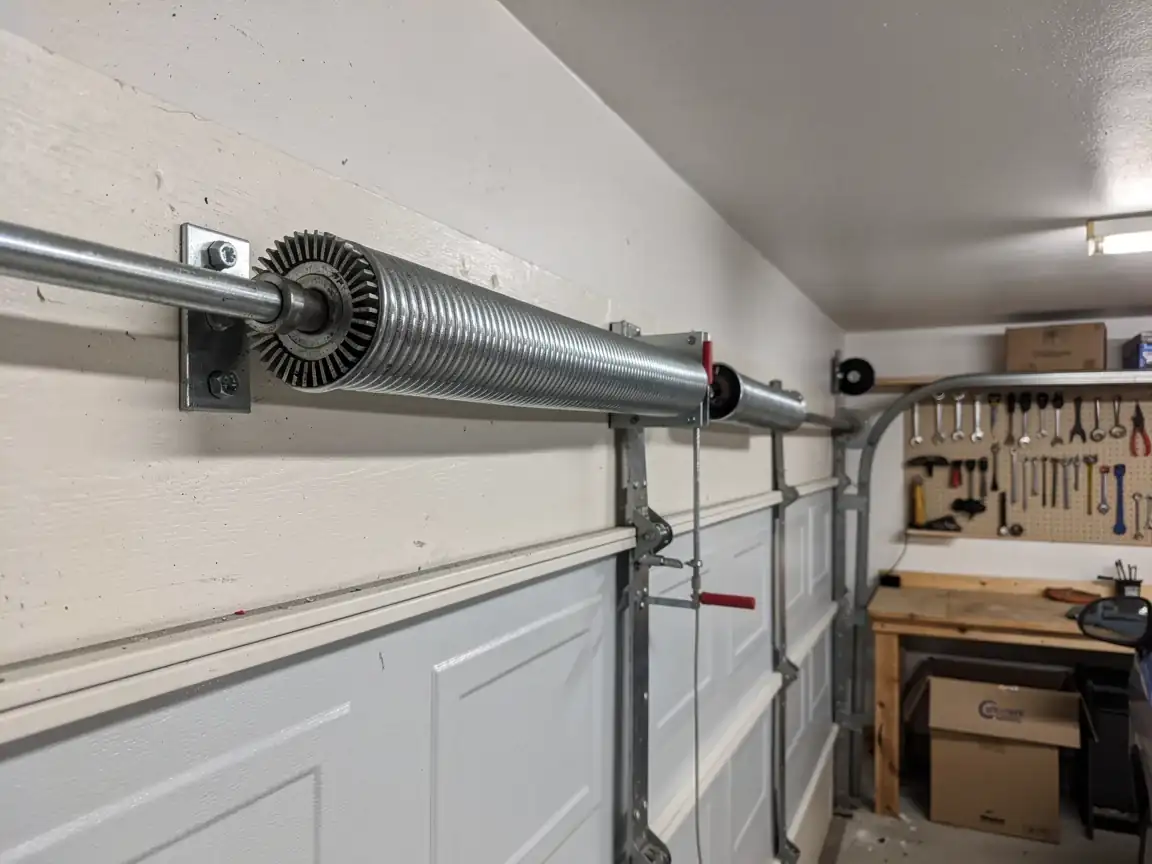
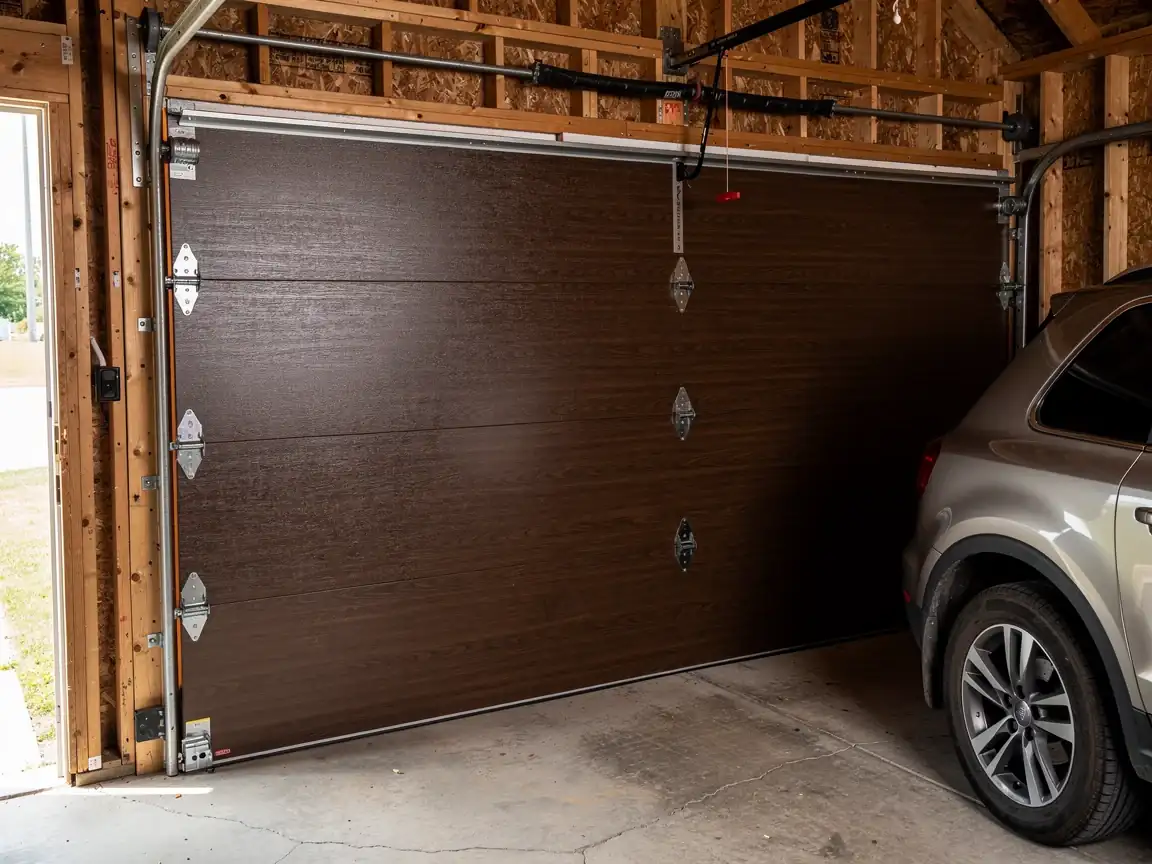
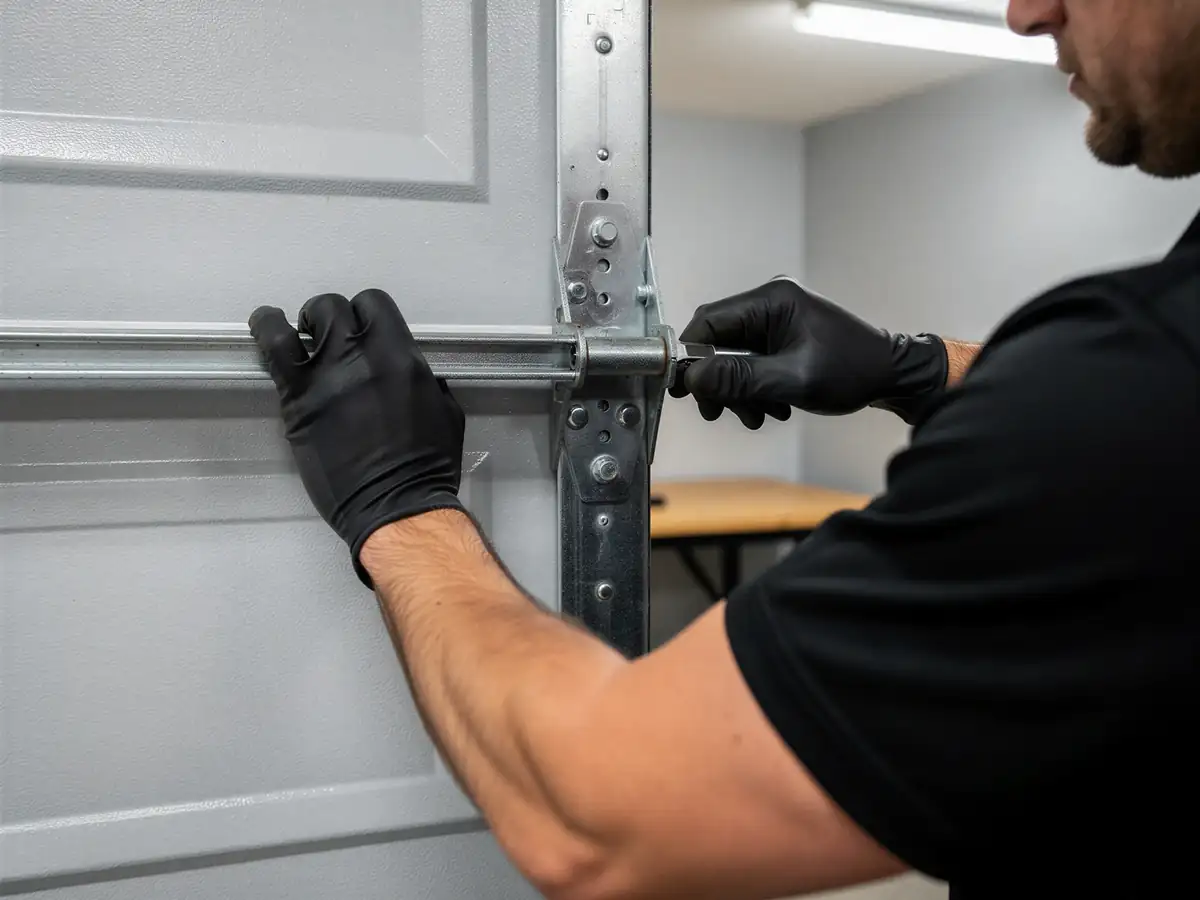
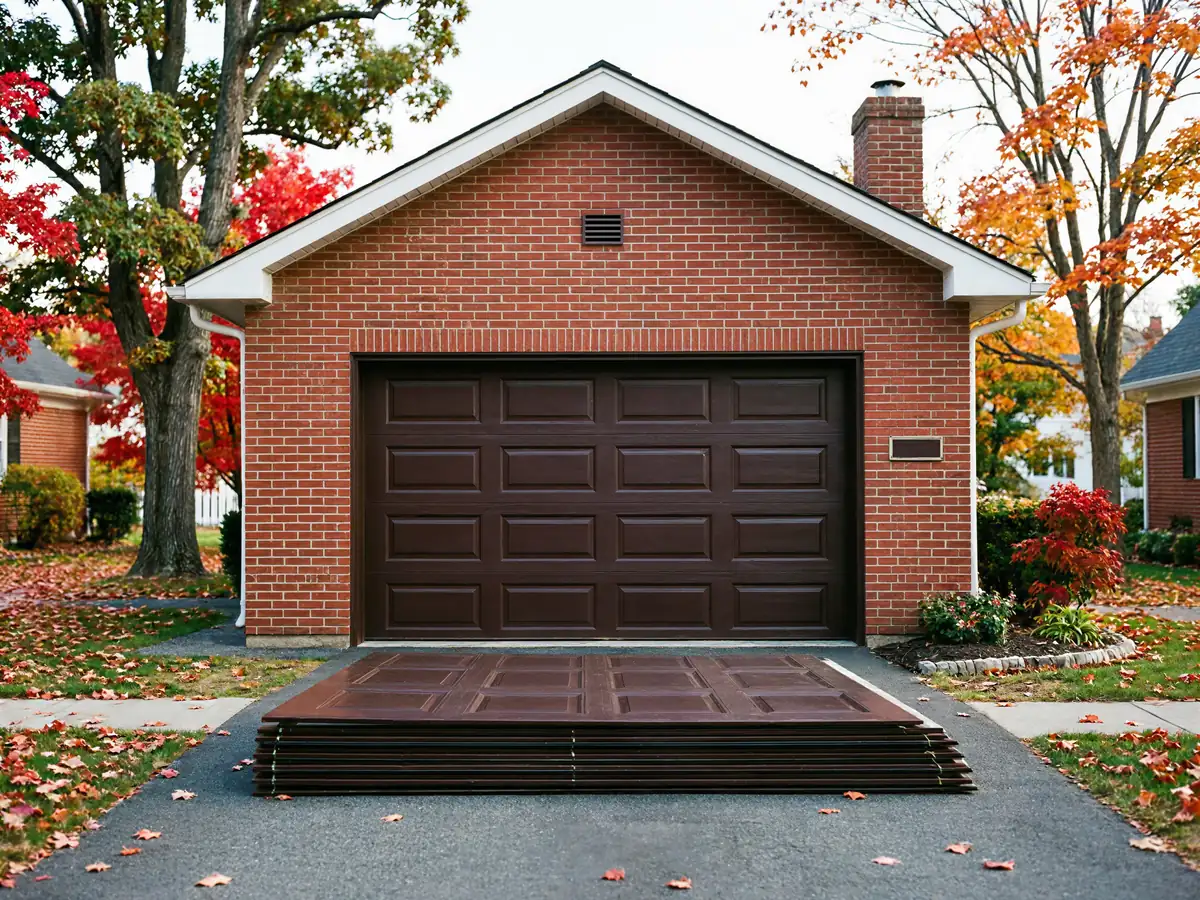
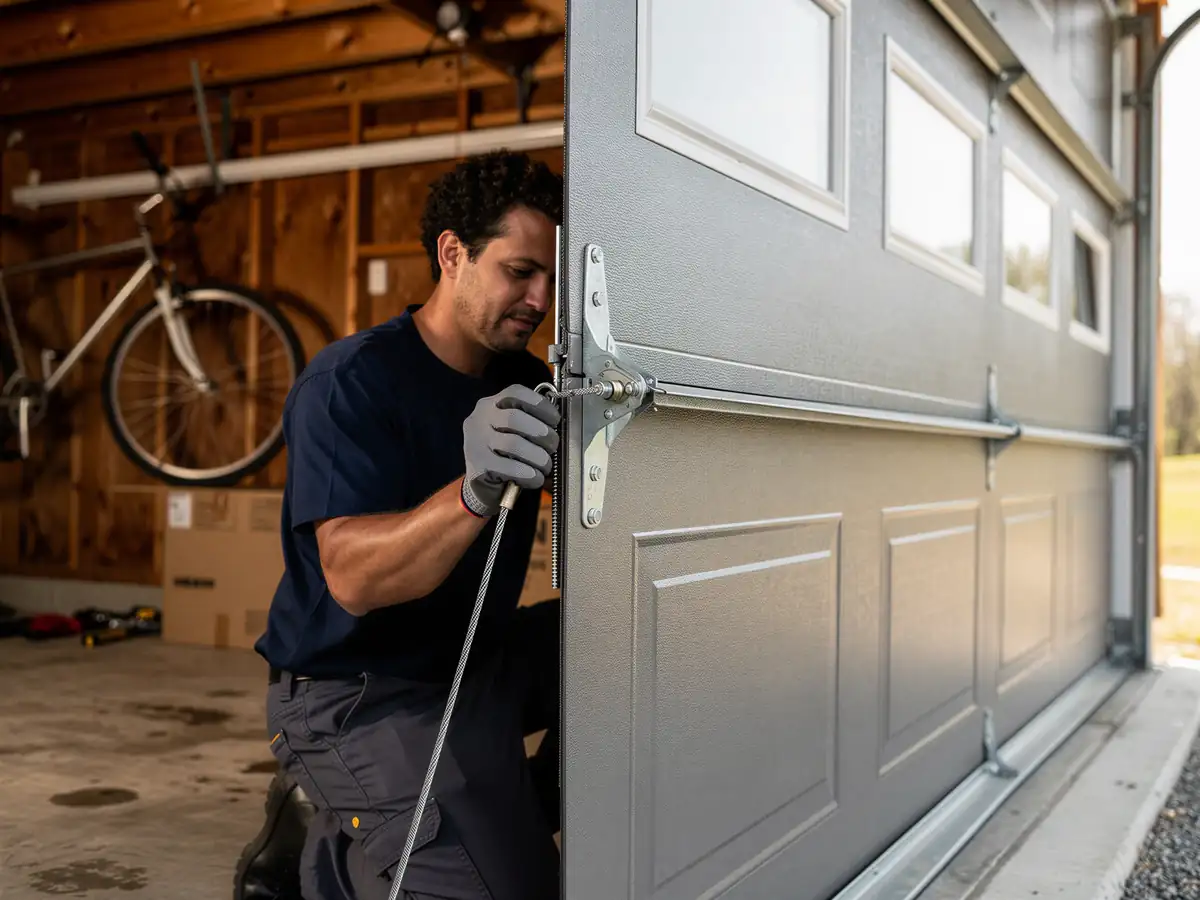
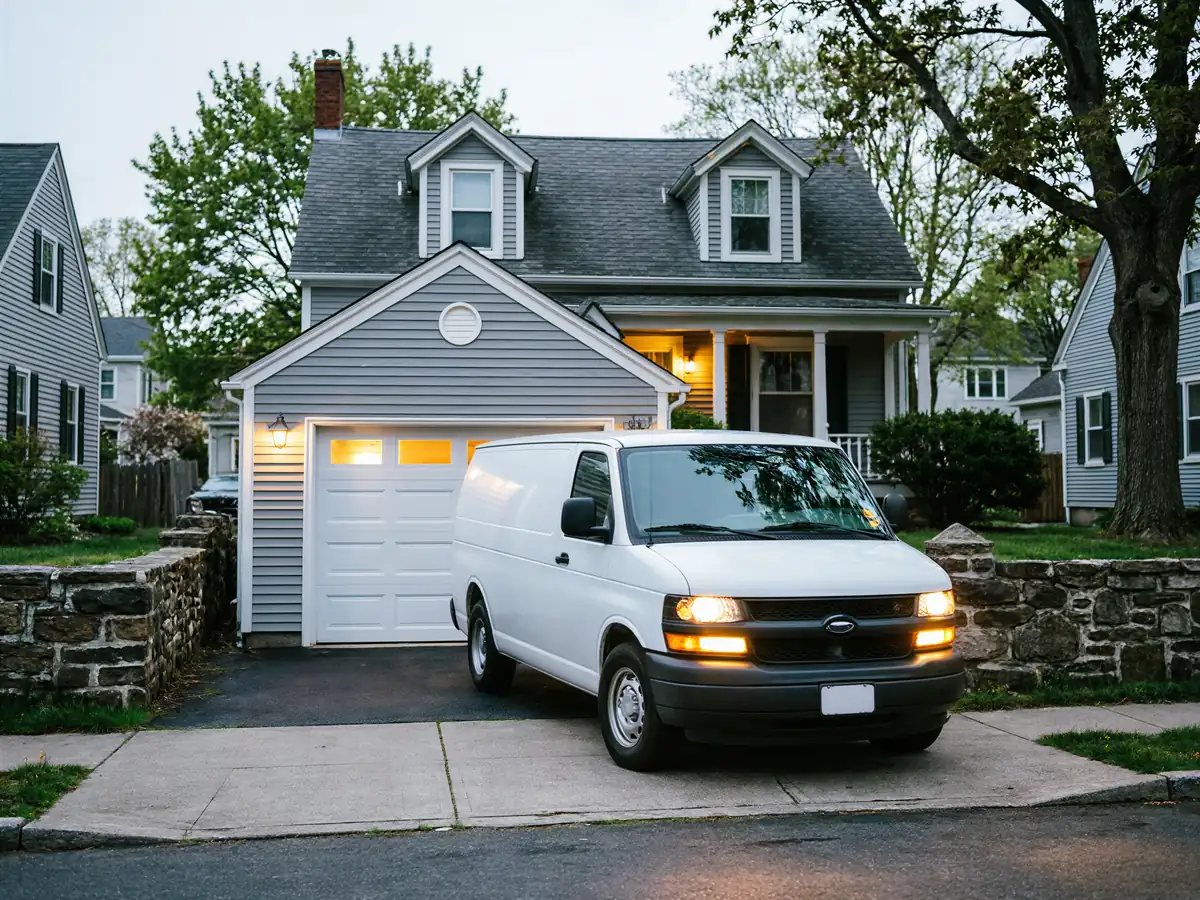
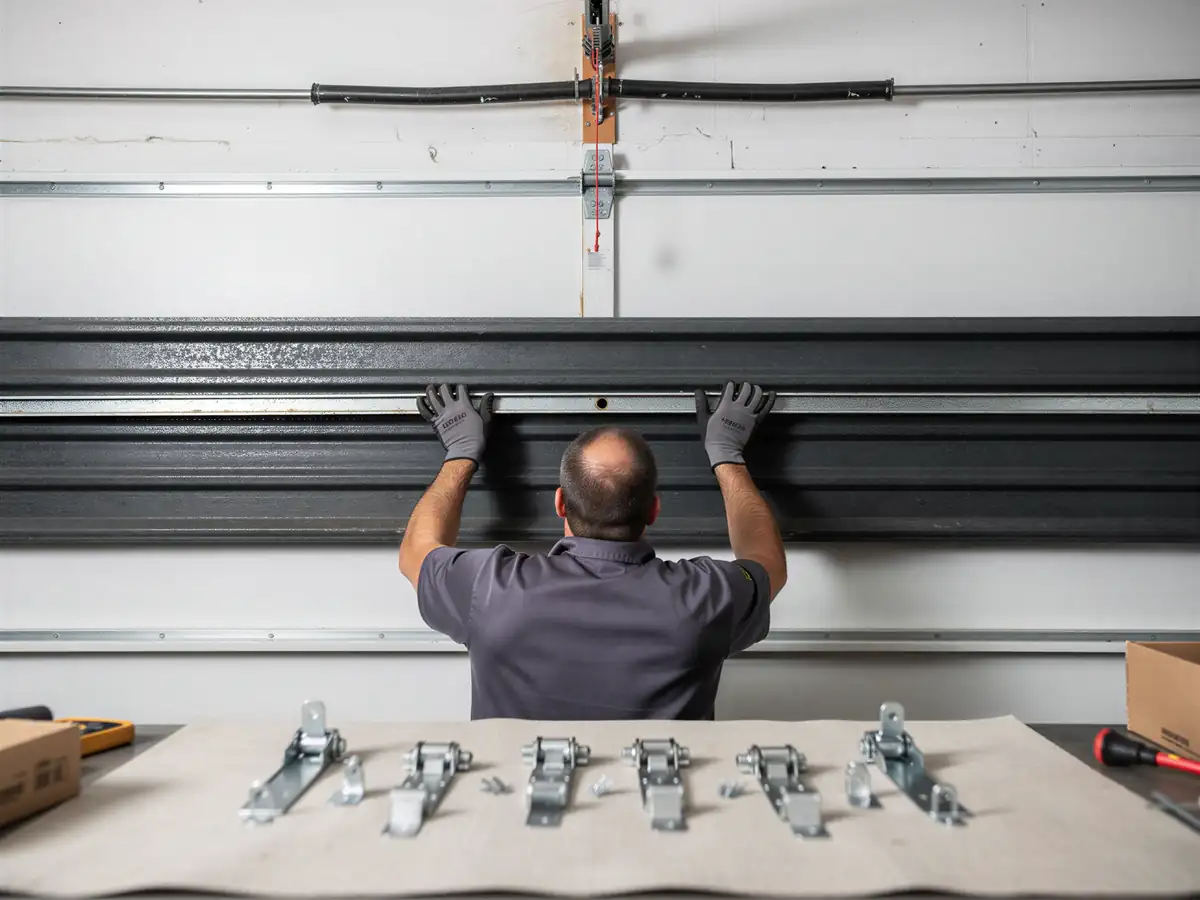
We start by measuring the actual section height and steel gauge on the door, not just the width, because a door built around 1957 can run a different panel spec than one built even ten years later in the same neighborhood. If a matching panel exists, we pull the damaged section, transfer the hardware - hinges, rollers, the end stiles - and reset the track alignment, since one panel out of square throws off the whole run. If no match exists, which is common on original doors this old, we'll price a full door in a size and style that fits the opening, and we're upfront when that's the cheaper and more durable option versus chasing a part that doesn't exist anymore. Either way, we travel in from Allentown, about 4 miles out, so there's no local branch stock sitting on a shelf in town - we bring what the job needs on the truck based on what we find at the door.