Can You Do This Yourself
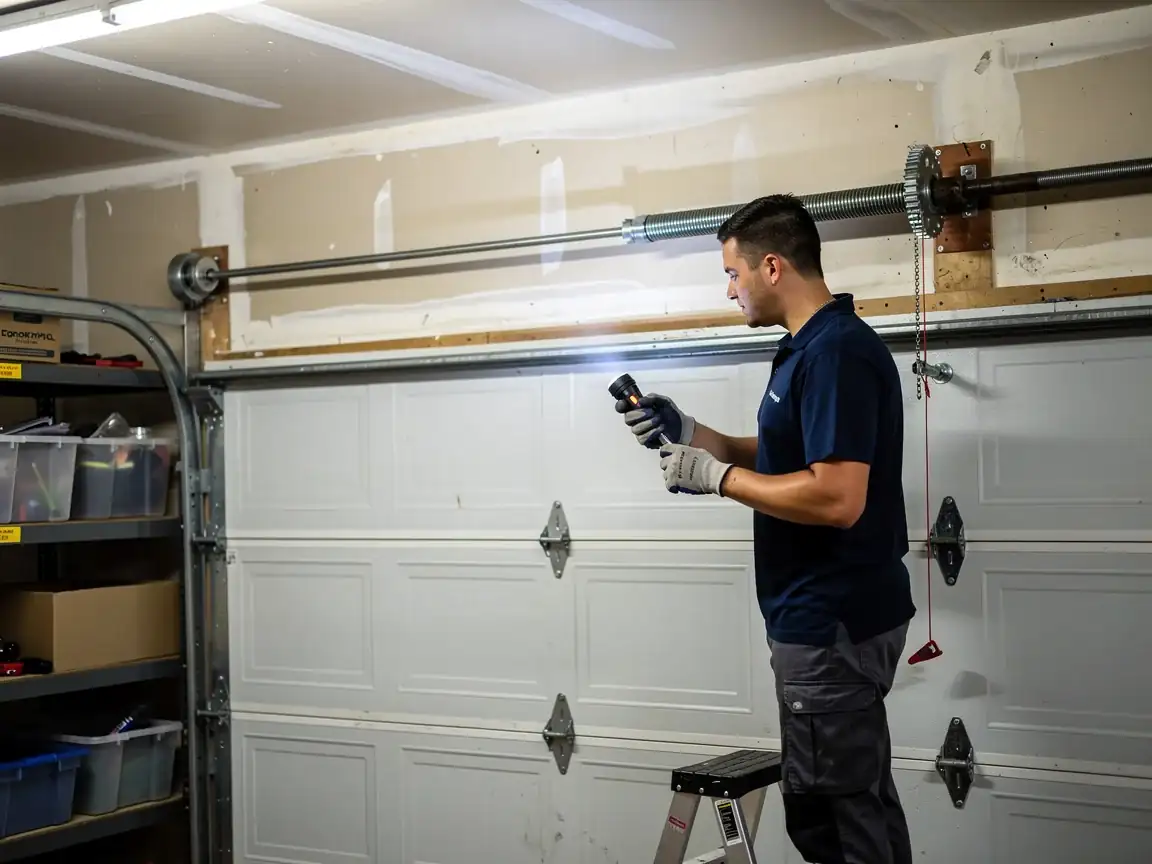
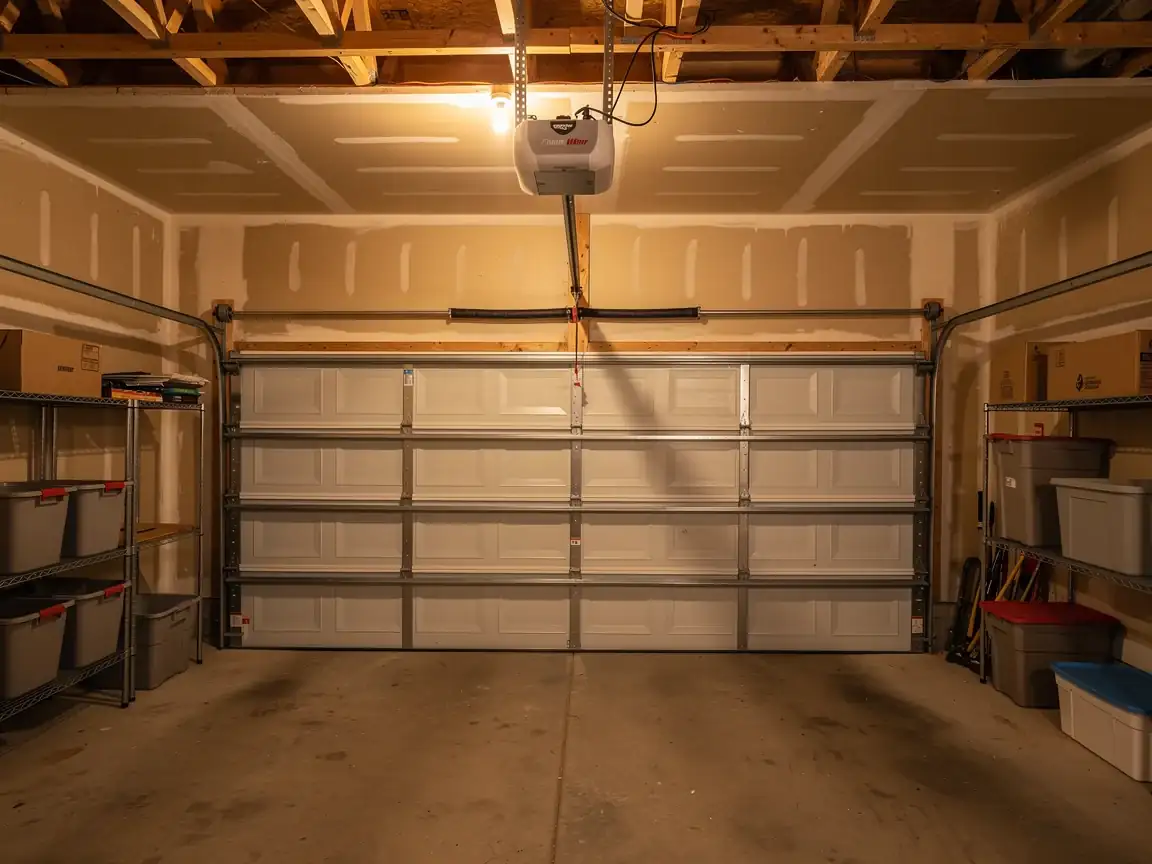
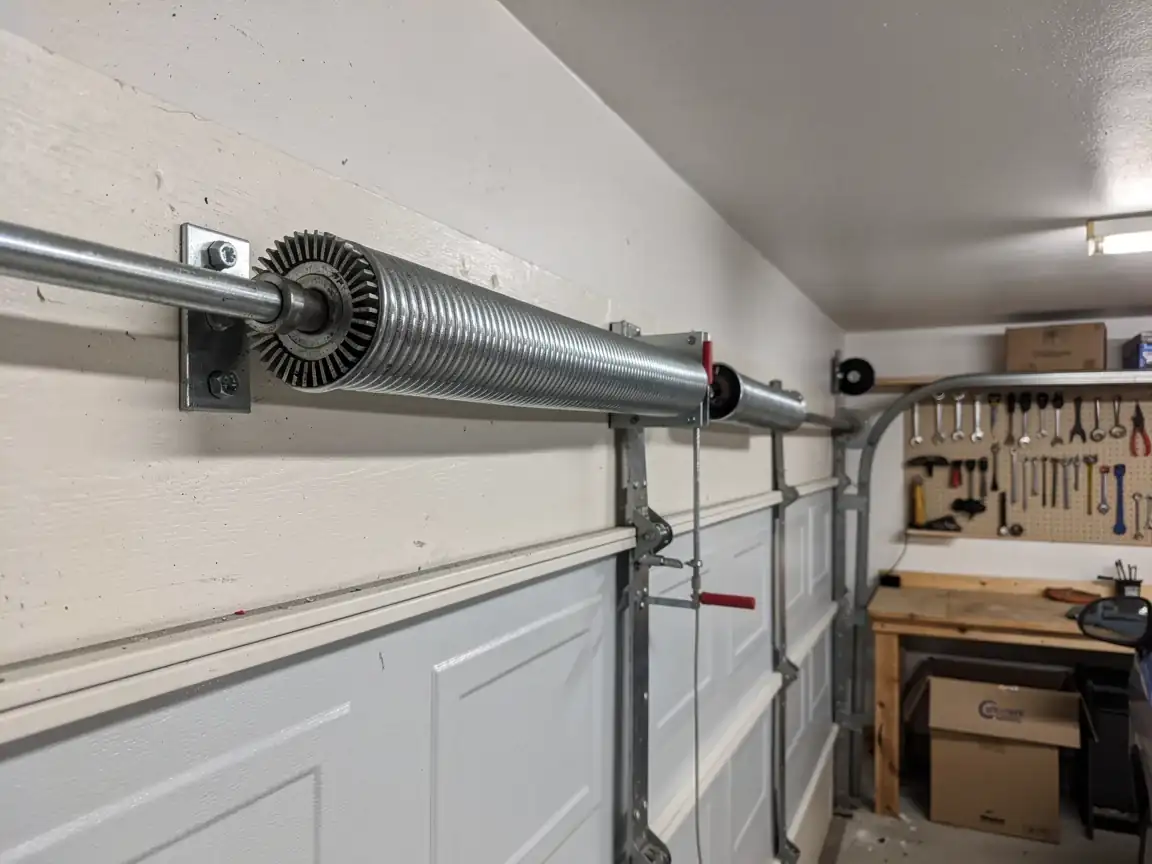
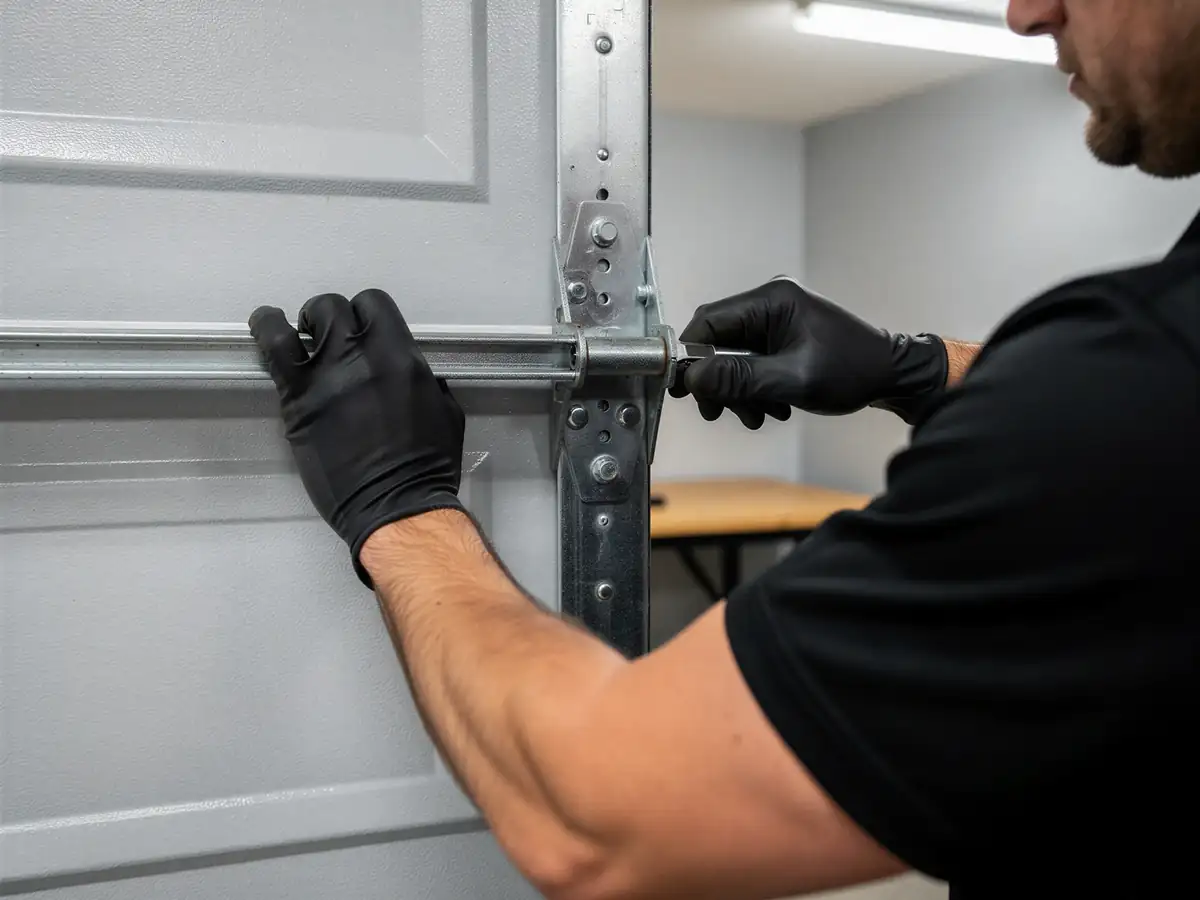
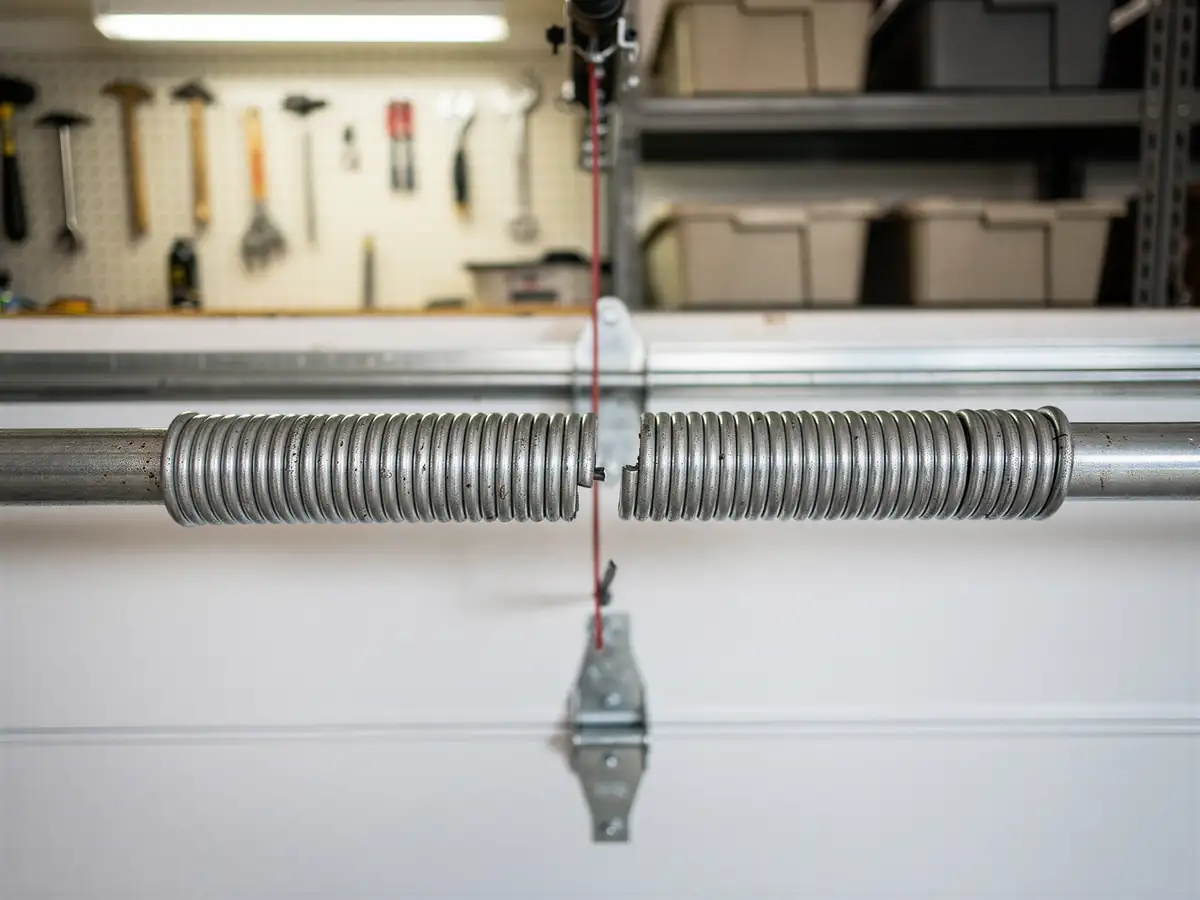
Some of this you can do. Lubricating rollers and hinges, tightening loose hardware on the track brackets, checking the balance by pulling the release and seeing if the door holds halfway - none of that needs a truck. What you shouldn't touch is anything on the spring side. A torsion spring under tension can do real damage, and on a door built in the 1965-era wave that's common through this part of the service area, the spring and the drum it's wound on are often original or close to it, which means more stored tension than a newer setup. If the door won't move, or it drops fast when you pull the release, that's a call, not a weekend project. We're honest about that line because the cost of getting it wrong is a hospital visit, not a return trip.
Stocked Parts
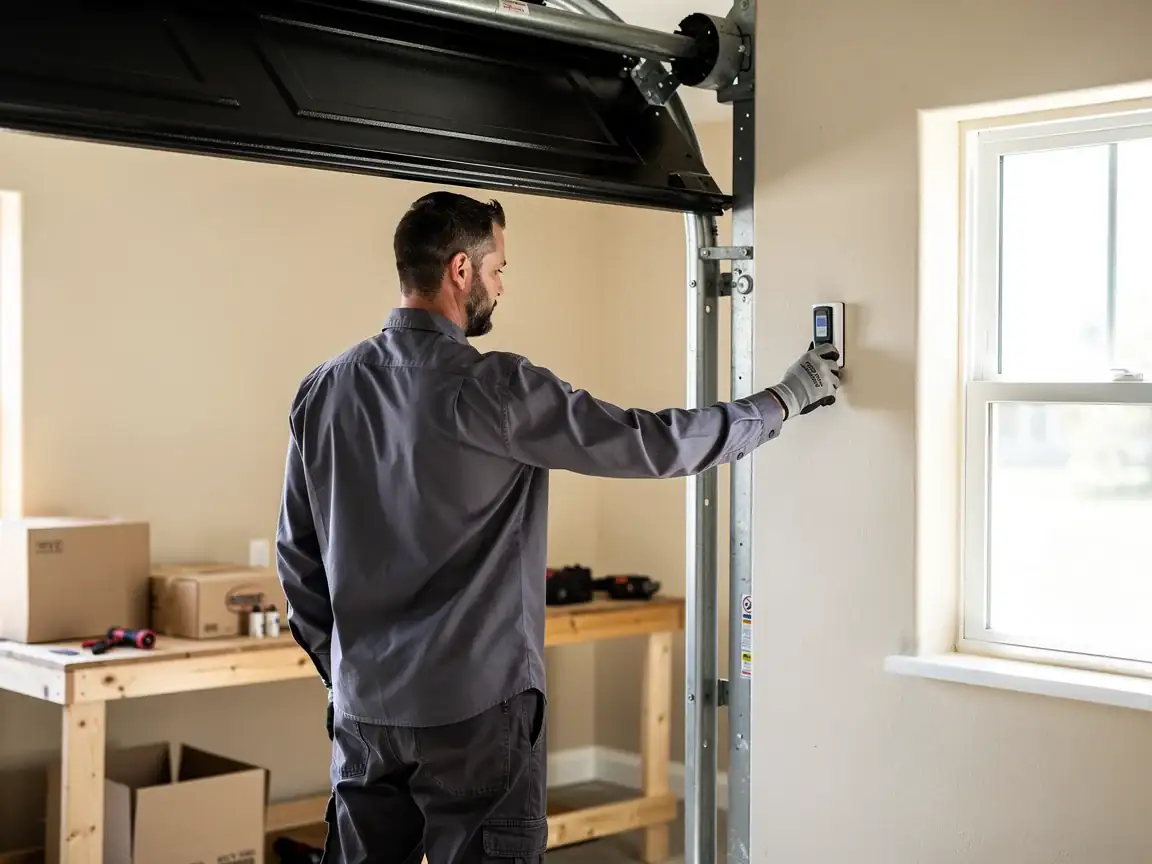
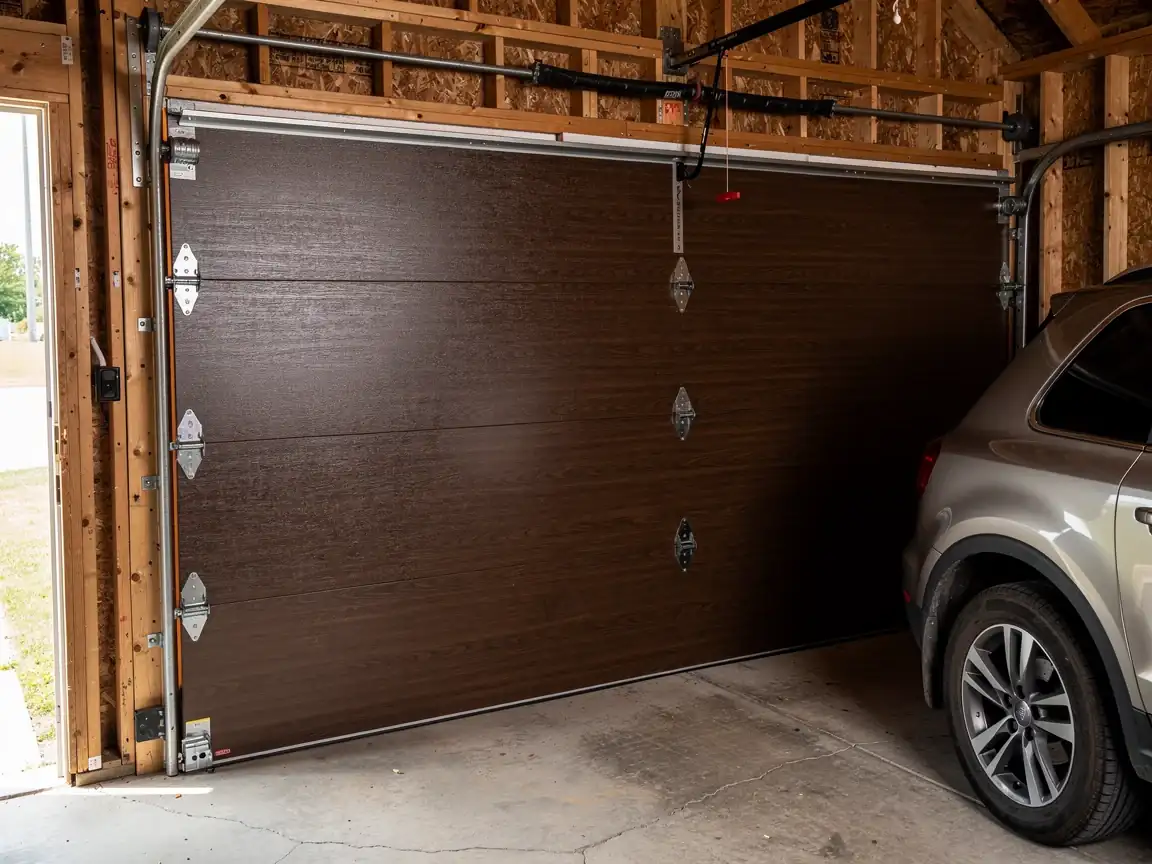
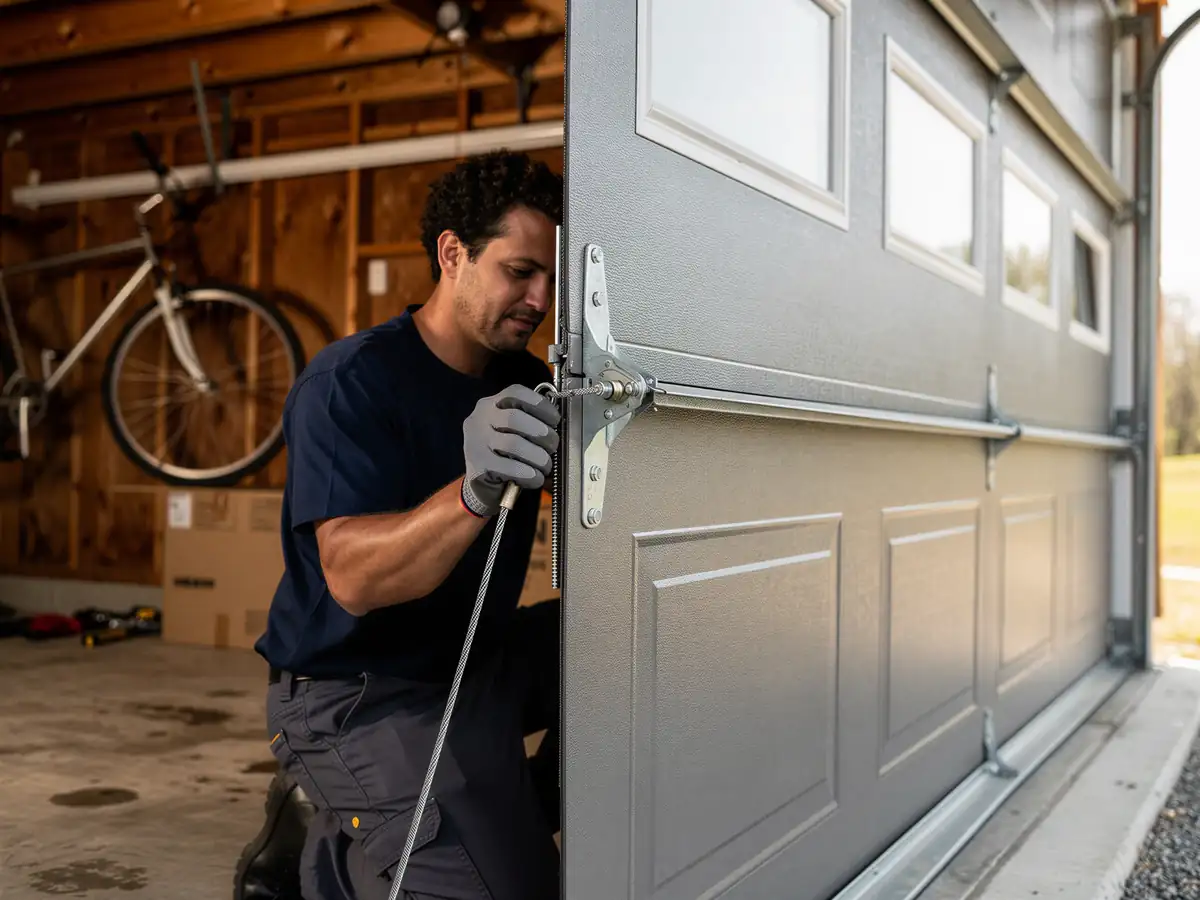
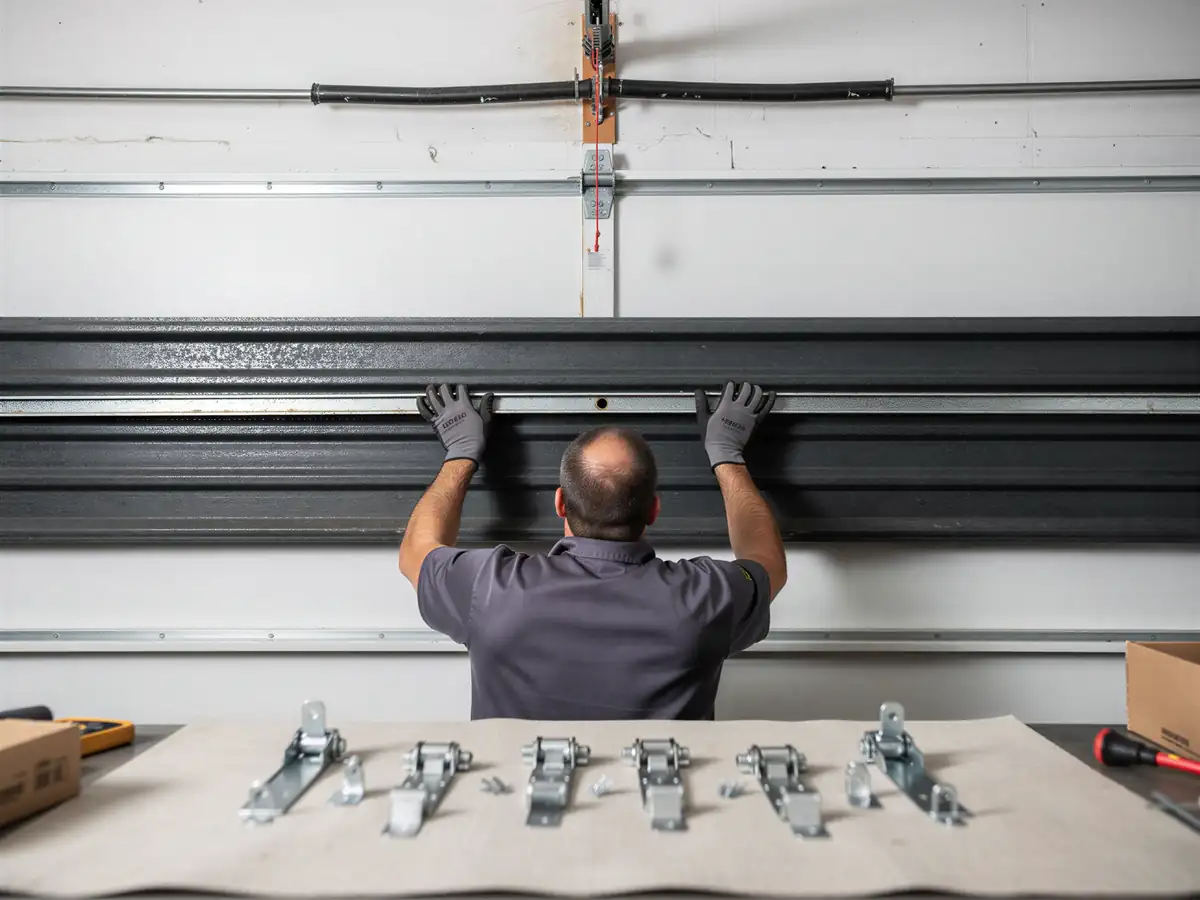
The parts that fail most on Fullerton's housing stock are the ones tied to its age - doors going up mostly in the 1960s and 70s, with this neighborhood's own median landing right around 1965. That means steel panels with the older style hinge spacing, torsion springs sized for heavier single-layer doors rather than today's insulated ones, and galvanized cable that's been through fifty-plus winters of a cold climate zone. We carry standard torsion springs, rollers, and cable in the sizes that fit that era of door. What we don't stock is anything custom to a discontinued panel design - if the door needs a matched replacement panel from a manufacturer that's since changed its spacing, that's a lead-time item, not a same-visit fix.
The Cost of This Job
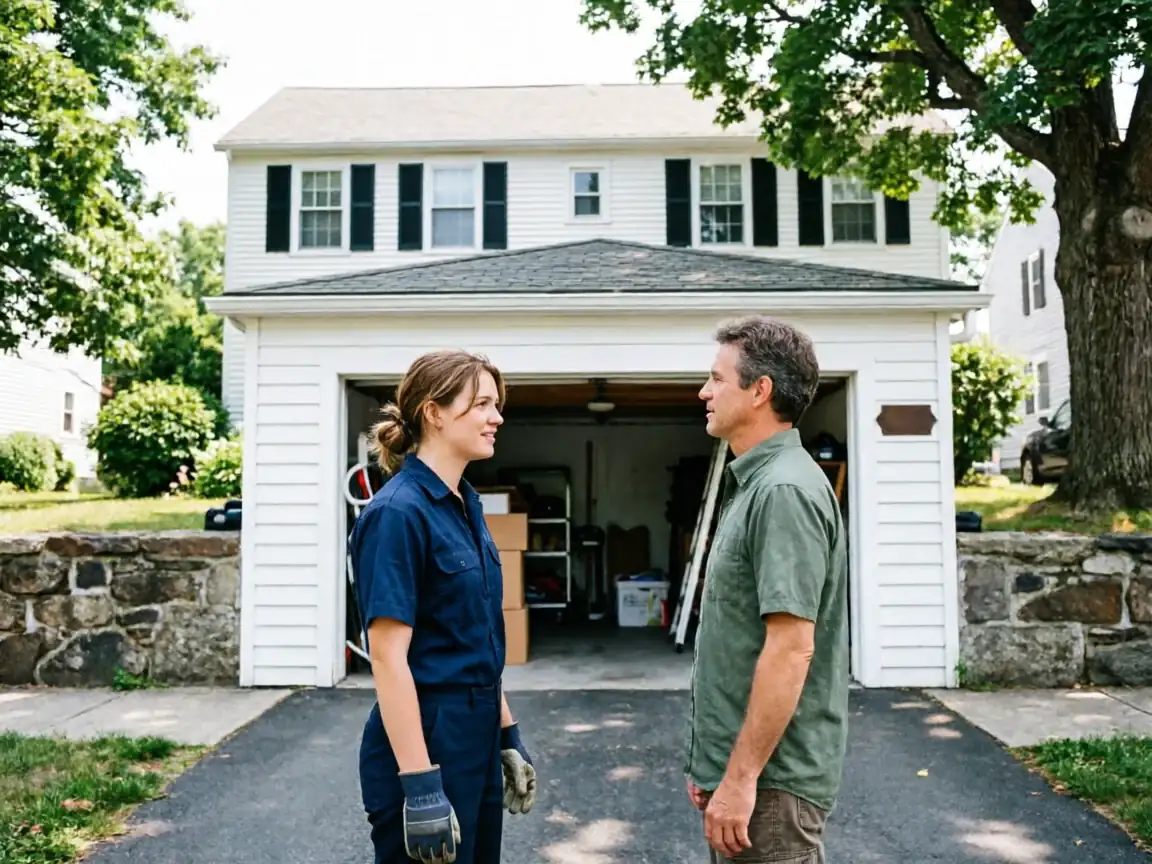
Fullerton's median household income is $63,357, close to $19,000 below the $82,797 median for the wider Allentown service area. That gap matters for the repair-or-replace call. On a door that's otherwise sound - straight panels, no rot, tracks aligned - a spring and hardware repair is the right call almost every time, and it's the option that fits a household budget here better than a full replacement. Where it tips toward replacement is a door with multiple failed panels or hardware worn past matching, on a house already carrying one income closer to this area's median than the region's higher one. We quote both options when the door's on the line, rather than defaulting to whichever pays better.
The Symptom
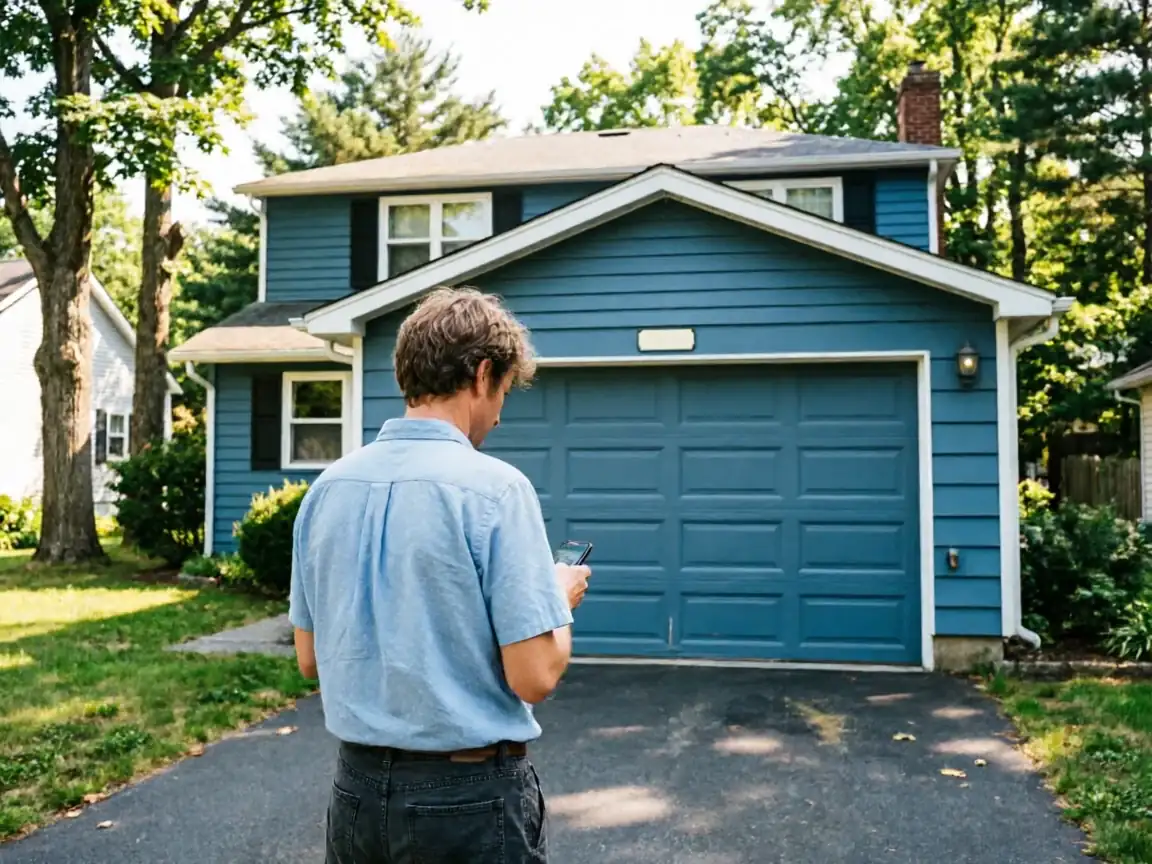
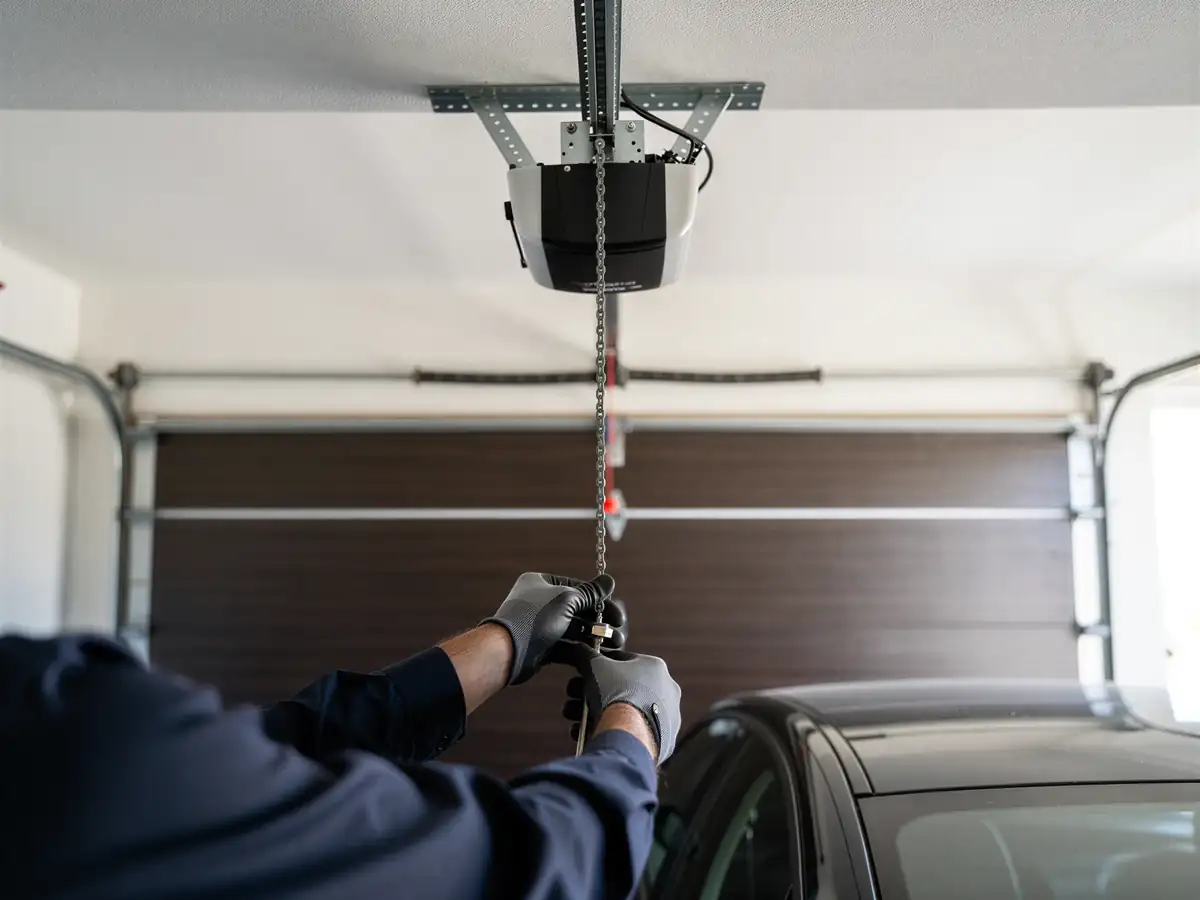
The door that drags, reverses halfway, or won't lift past knee height almost always traces back to the spring or the cable, not the opener - swapping the opener's motor doesn't fix a hardware problem underneath it. On the 1960s-70s stock that makes up most of this area, including the 1965-era median here in Fullerton, the giveaway is a door that feels heavier than it used to, lifted by hand, because the spring has lost tension gradually rather than snapping outright. If the door is noisy on one side only, that's usually a roller or a bent track section, not the spring. We're three miles out from our Allentown base, so a diagnosis call here isn't a long trip, but we still ask what the door is doing before we load the truck so we bring the right parts the first time.