Can You Do This Yourself
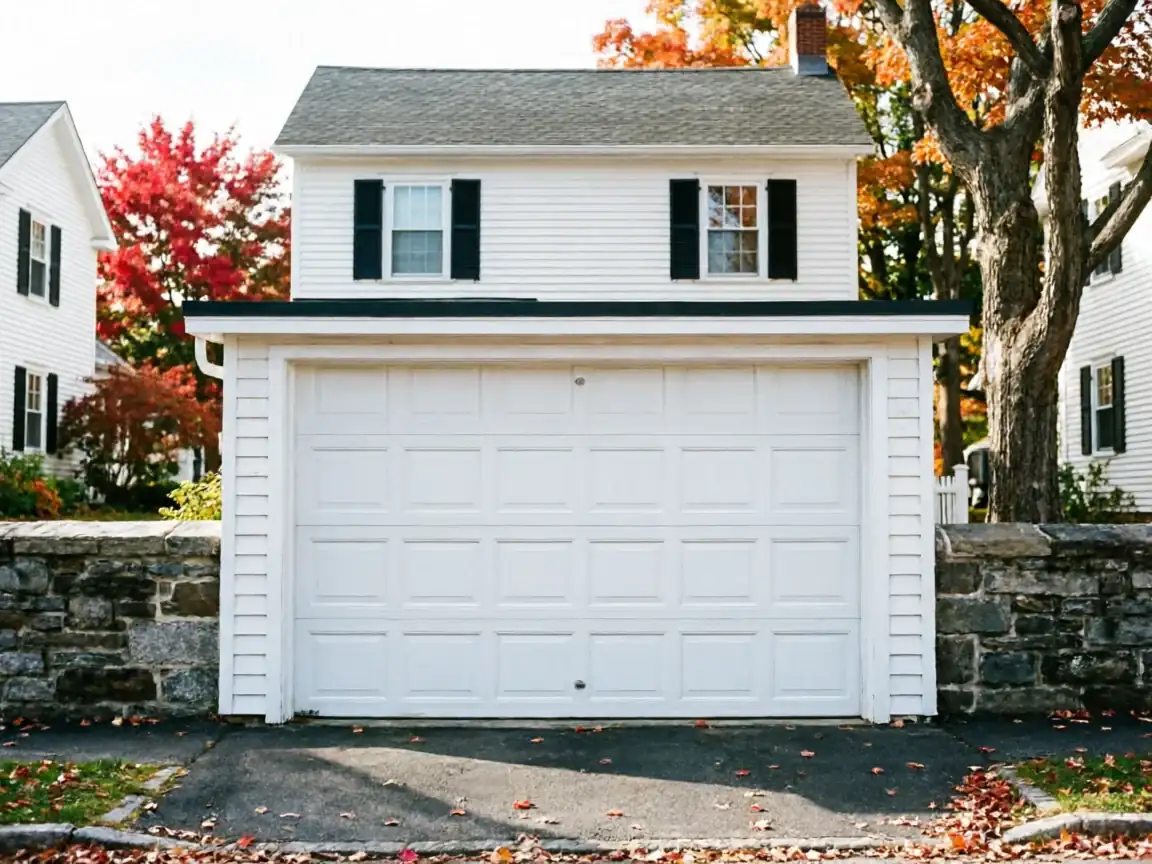
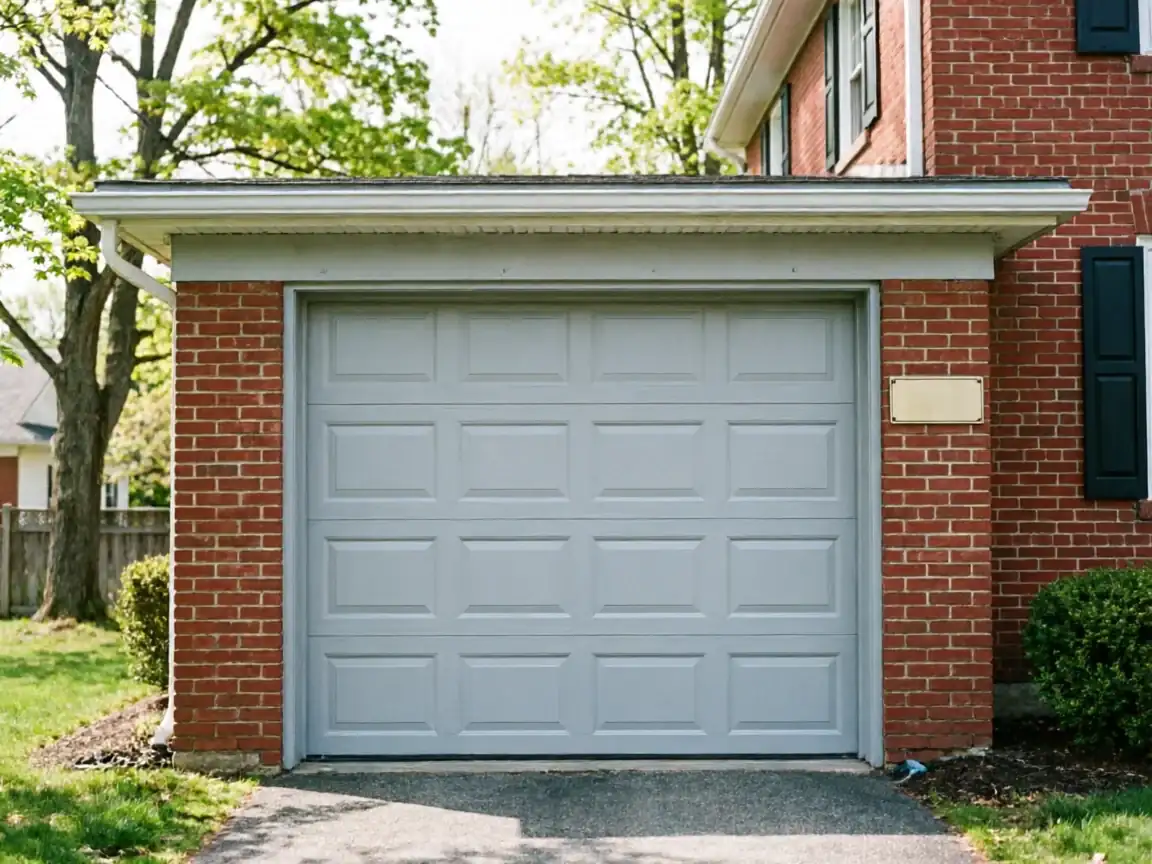
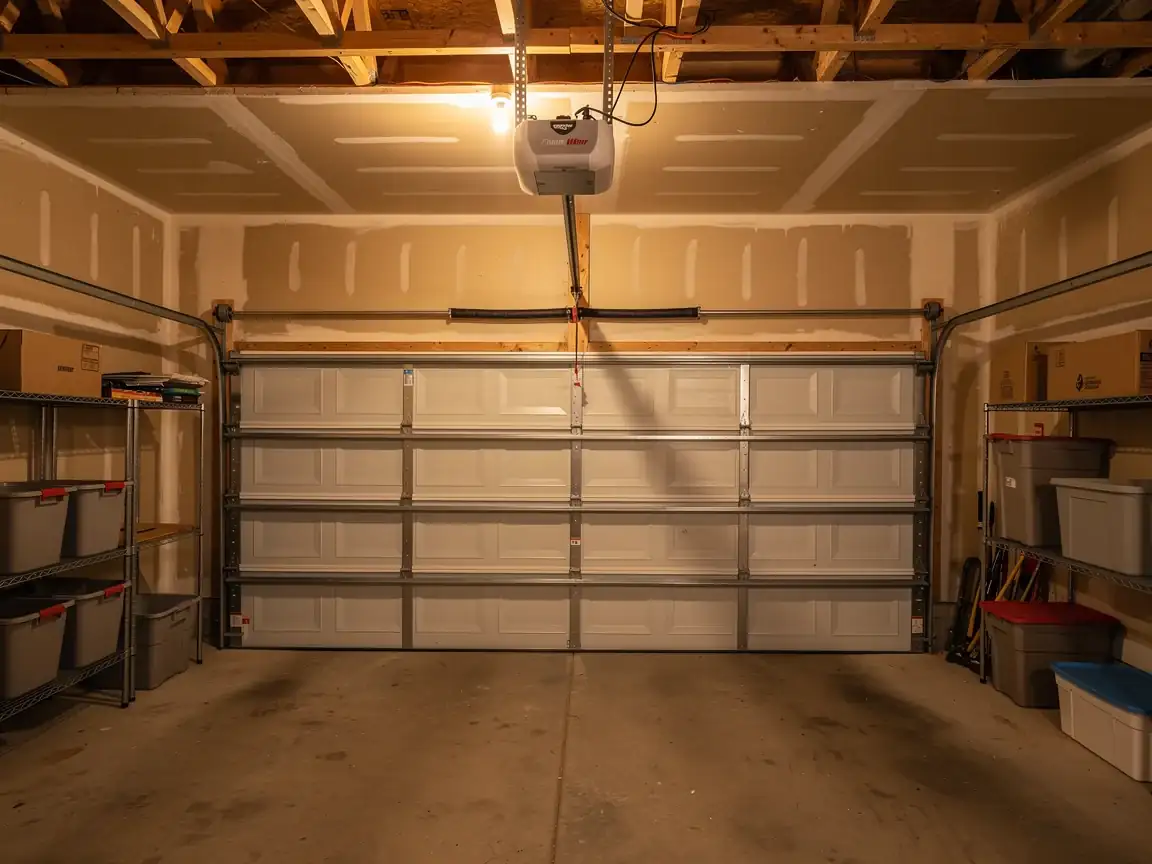
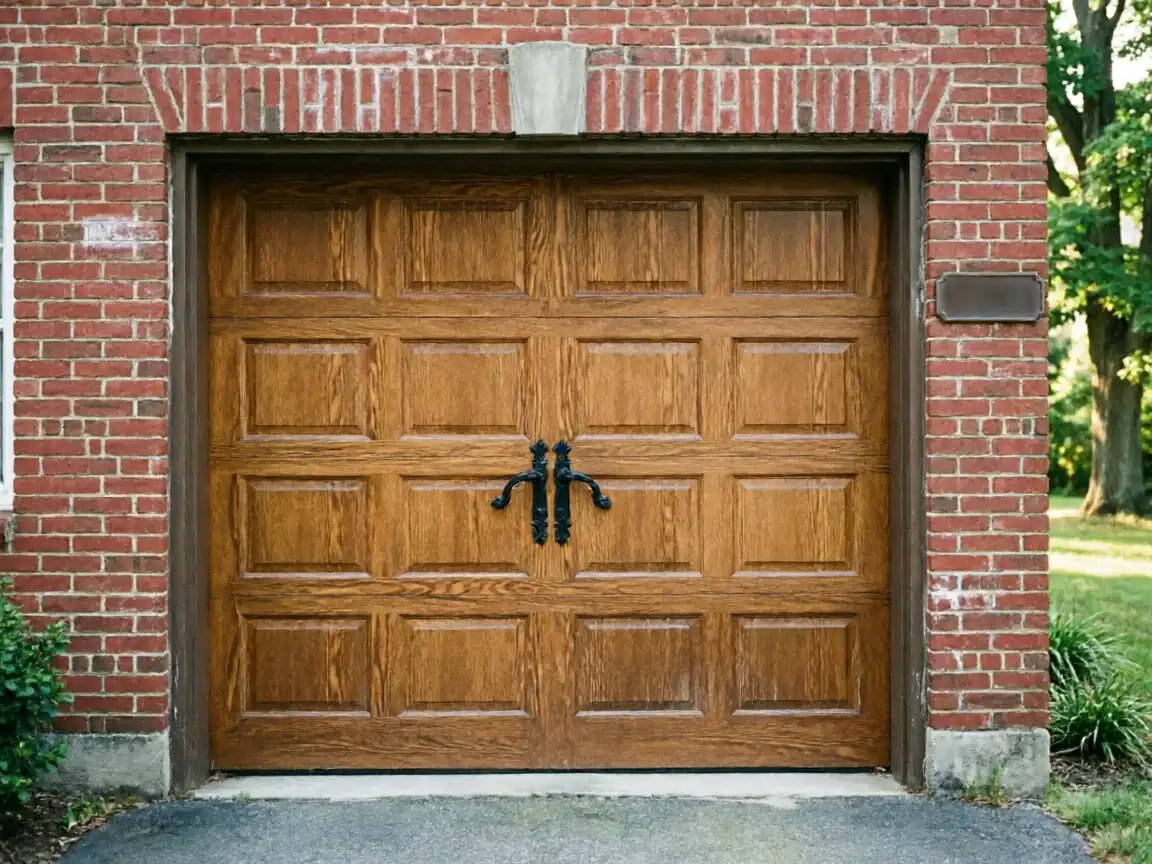
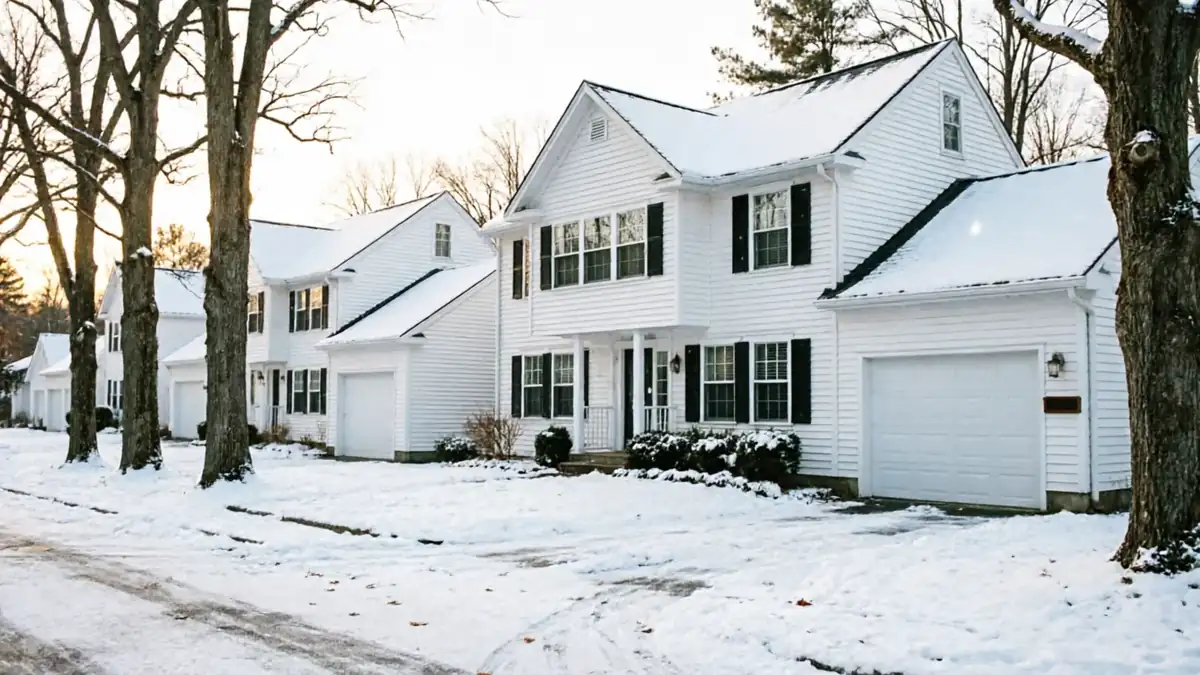
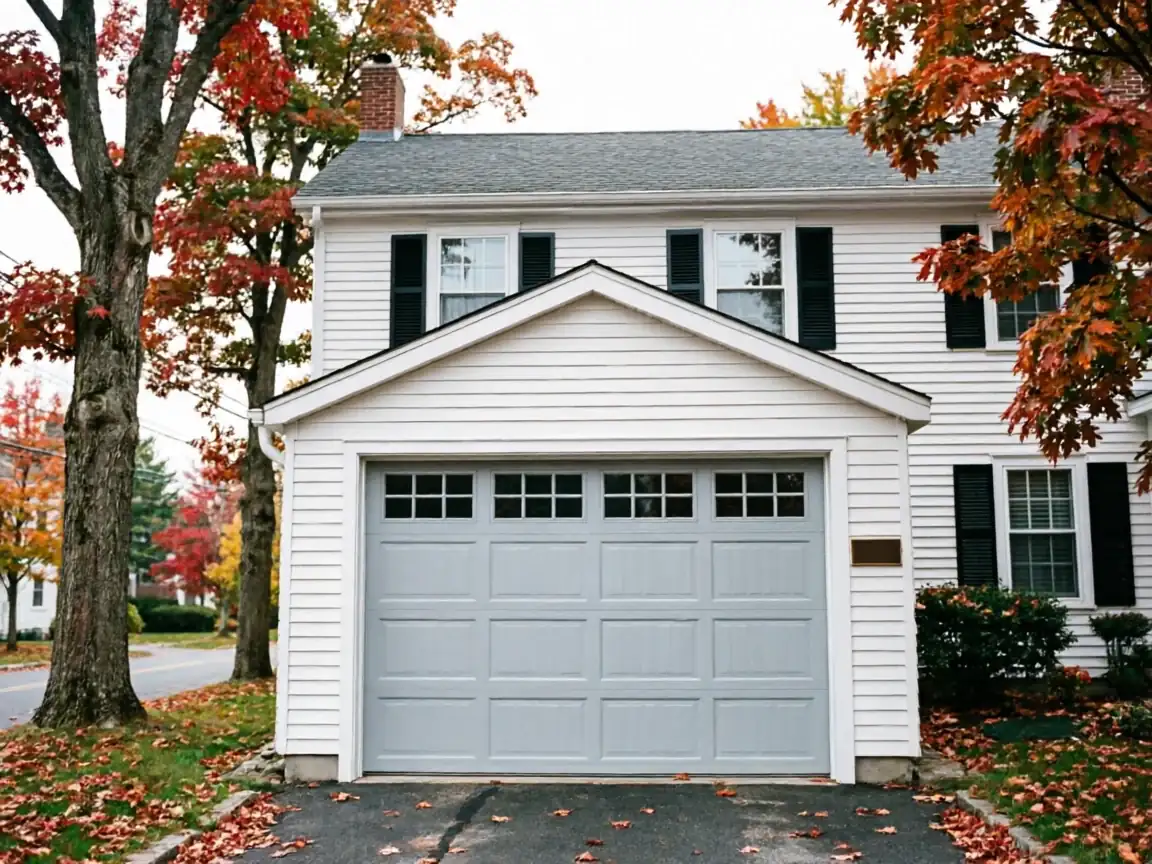
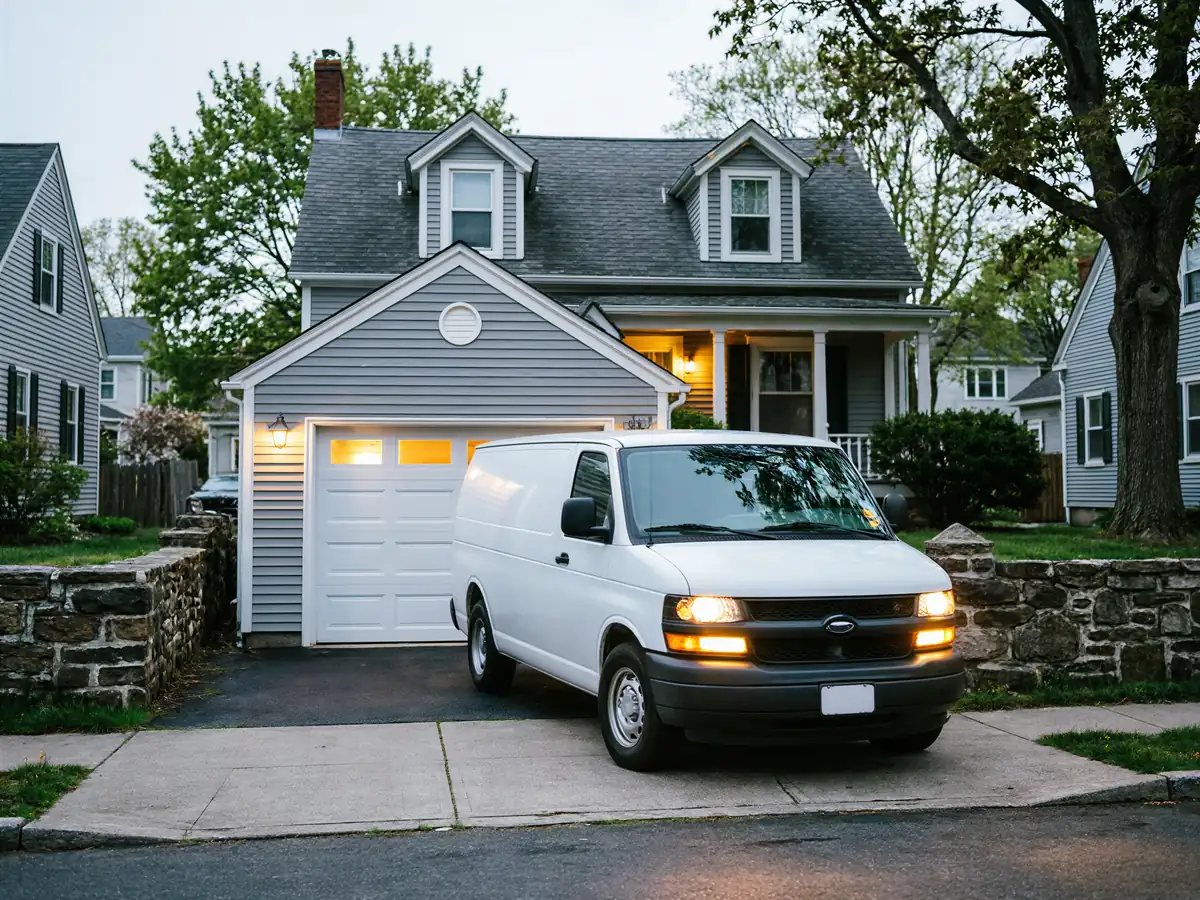
A lot of Fullerton houses went up around 1965, and the garage doors that came with them are lighter than what you'd see in a newer build - single-layer steel or wood-panel doors sized for the smaller single-car or narrow double bays common to that era. The openers paired with them are usually chain-drive units, often replaced once already over the decades, bolted to framing that's held up fine but wasn't built with today's heavier insulated doors in mind.
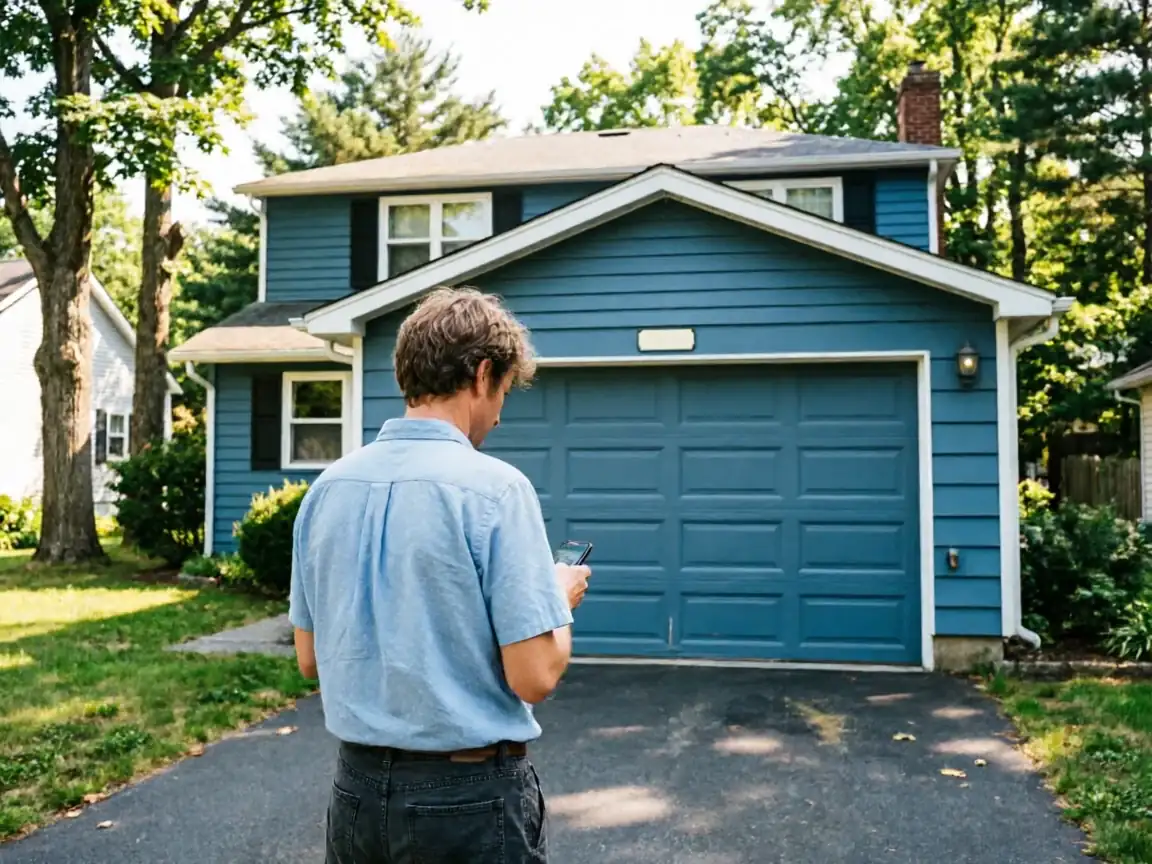
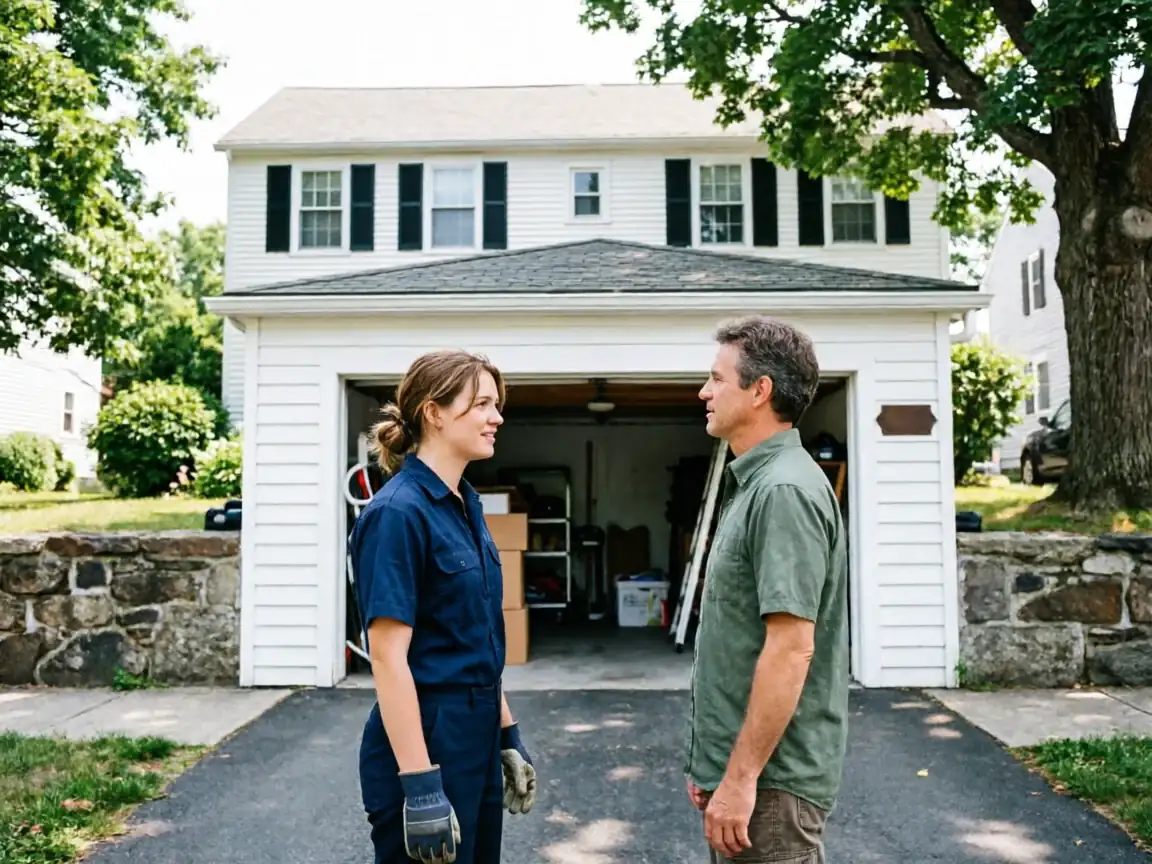
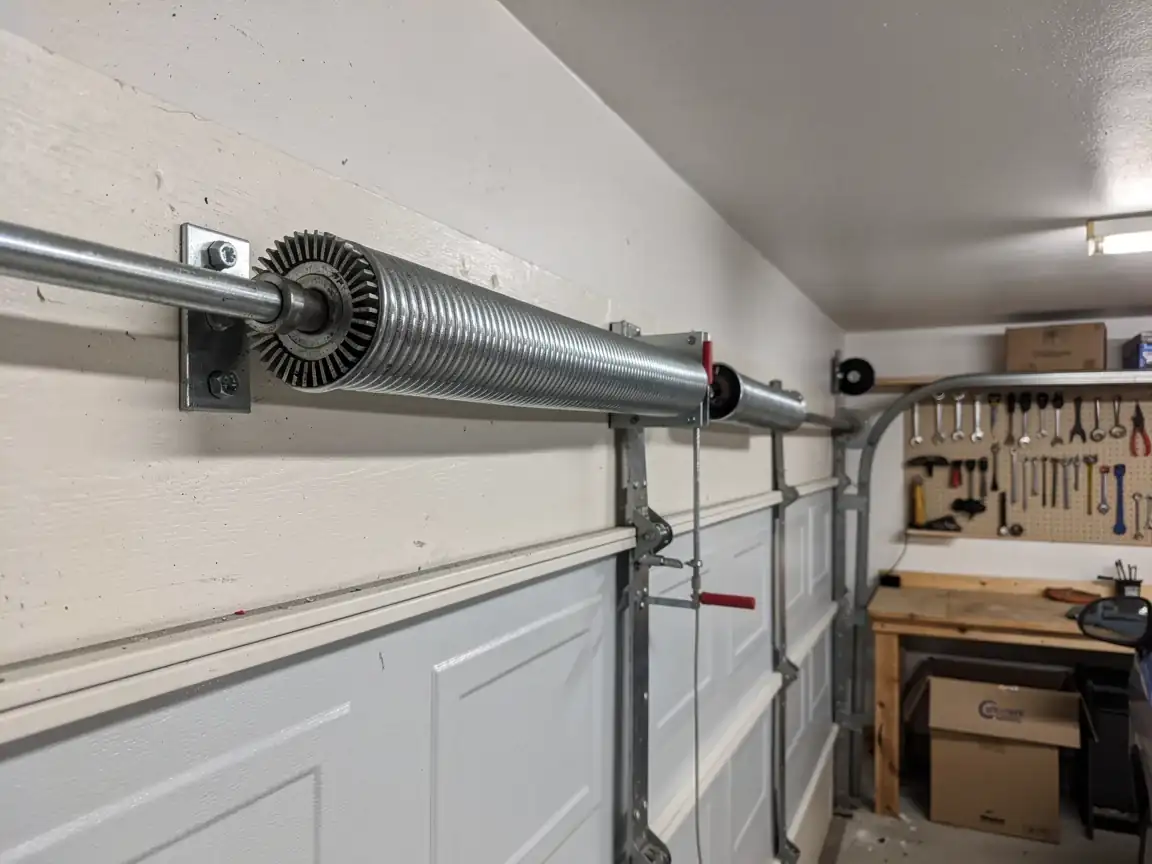
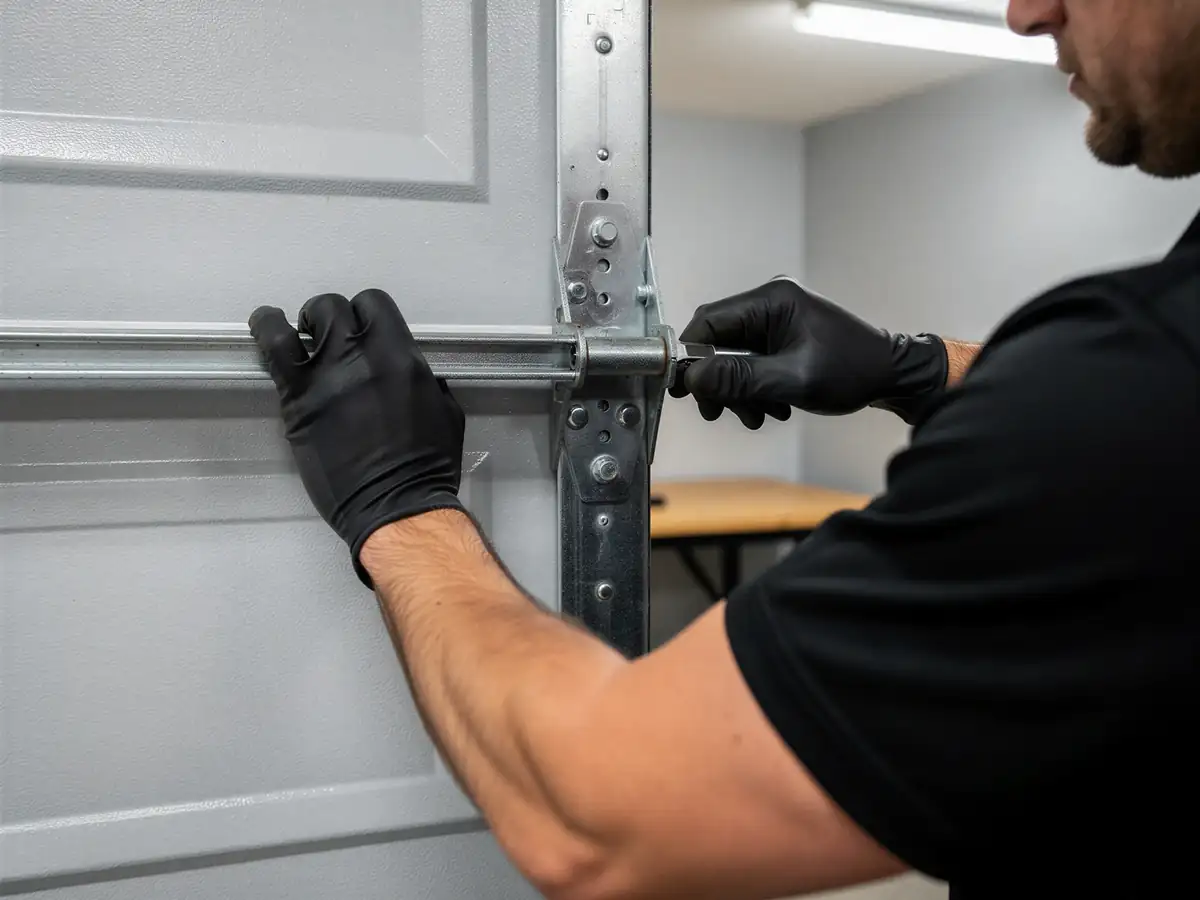
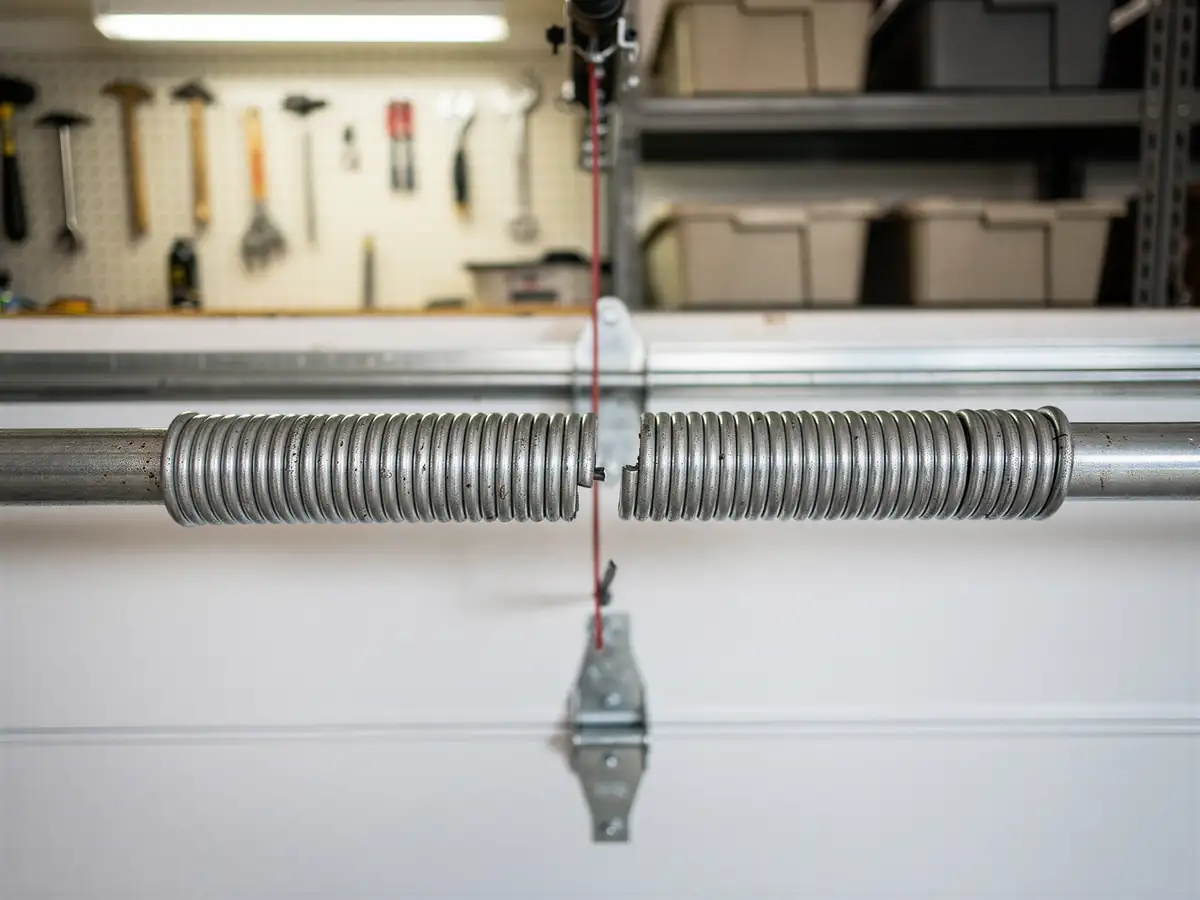
If your opener hums but the door won't move, or the chain has slipped off the sprocket, that's something you can often check yourself - pull the release cord, see if the door moves freely by hand. If it's stiff or heavy to lift manually, the problem may be in the door's springs or tracks, not the opener, and that's not a DIY fix. Anything involving the high-voltage side of the opener motor, the logic board, or re-tensioning travel limits on an older chain-drive unit is worth a call. We're not local to Fullerton - we come out of Allentown, about 3 miles off - so there's no same-hour drop-in, but we can usually tell you over the phone whether what you're looking at is a five-minute fix or not.
Stocked Parts
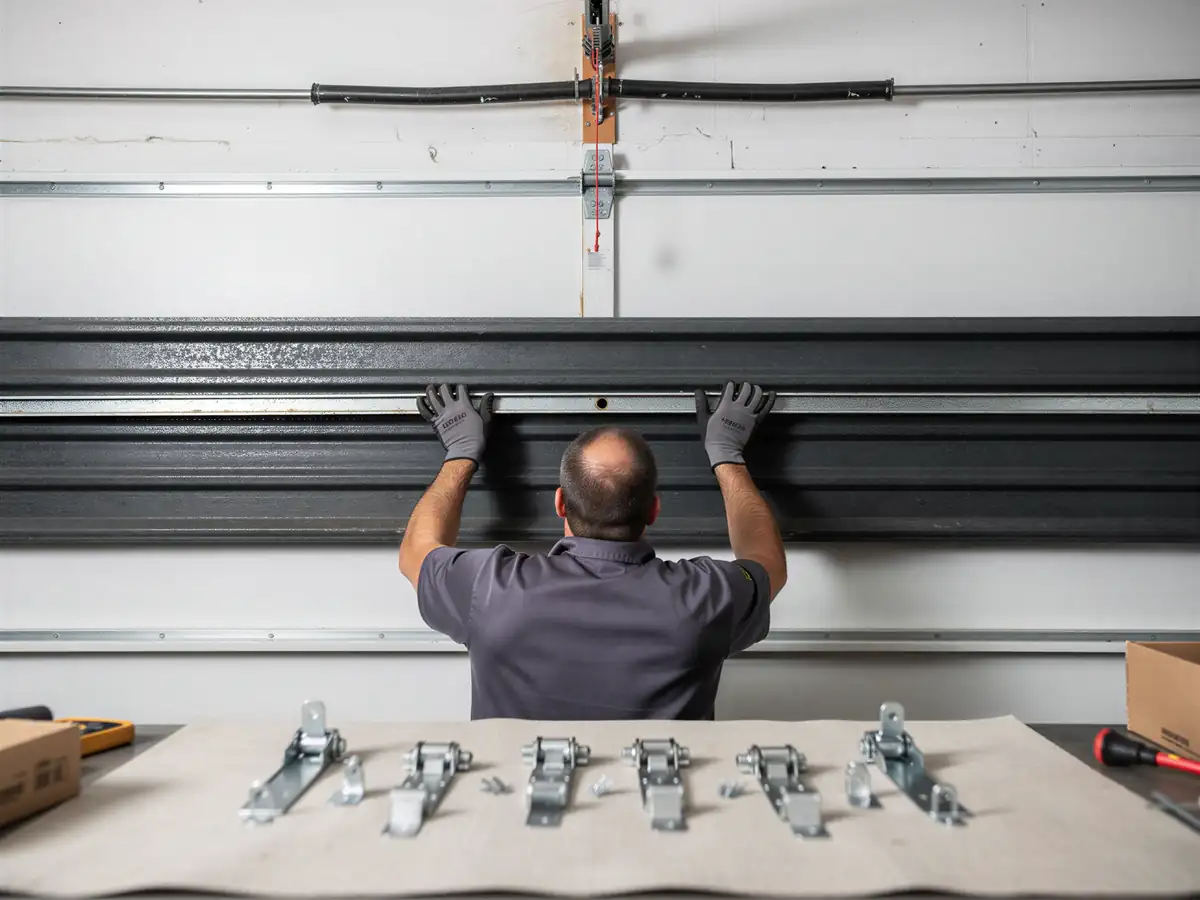
Because so much of Fullerton's housing dates to the 1960s and 70s, we see a consistent pattern of openers that are themselves 15-25 years old even after a replacement or two - chain-drive units with worn sprockets, tired capacitors, or limit switches that have drifted out of spec. We keep common chain-drive gear kits, standard logic boards, and universal remote/keypad receivers on the truck because that's what this housing stock actually needs, more than the belt-drive and smart-opener parts that newer builds call for.
The honest limitation: if your unit is a newer Wi-Fi-enabled model or a less common brand, the exact circuit board or wall console isn't something we carry on the truck every day, and that part may need to be ordered - which can mean a short wait rather than a same-visit fix.
What the Fix Involves
On a chain-drive opener from a 1960s-era Fullerton garage
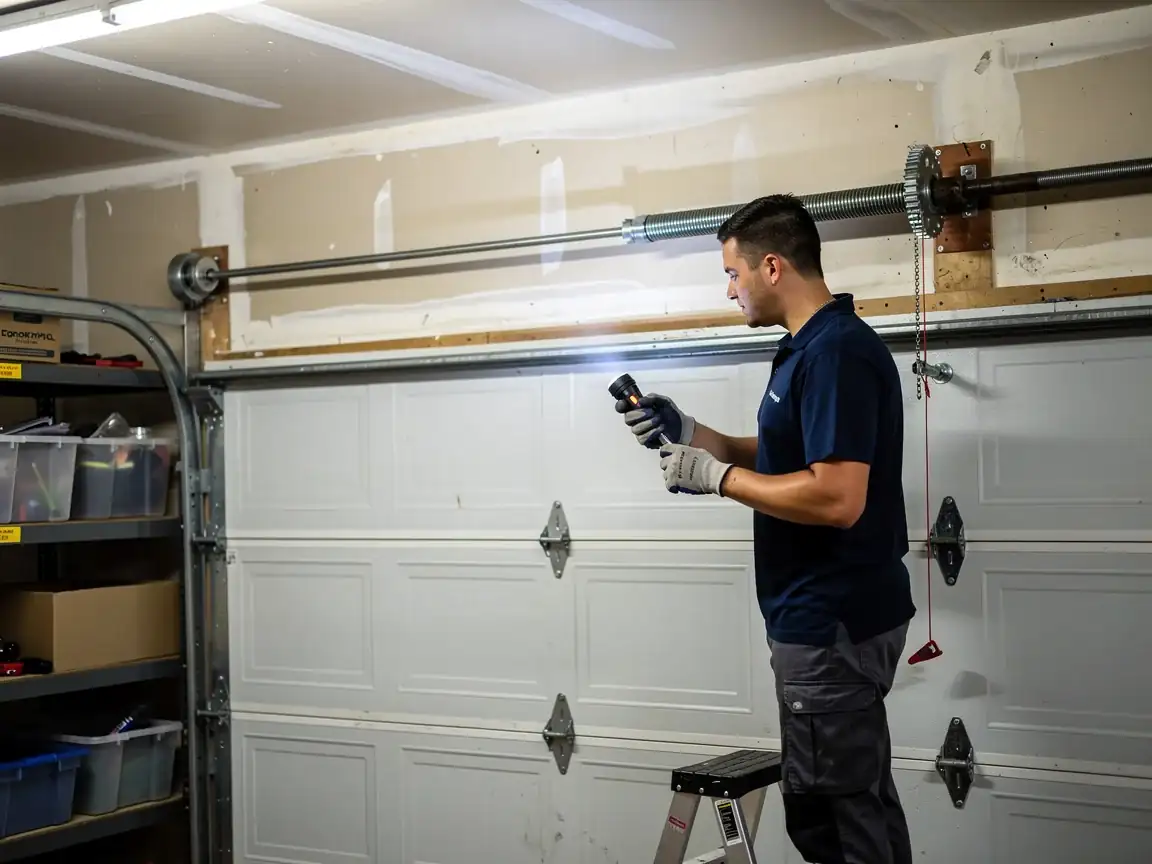
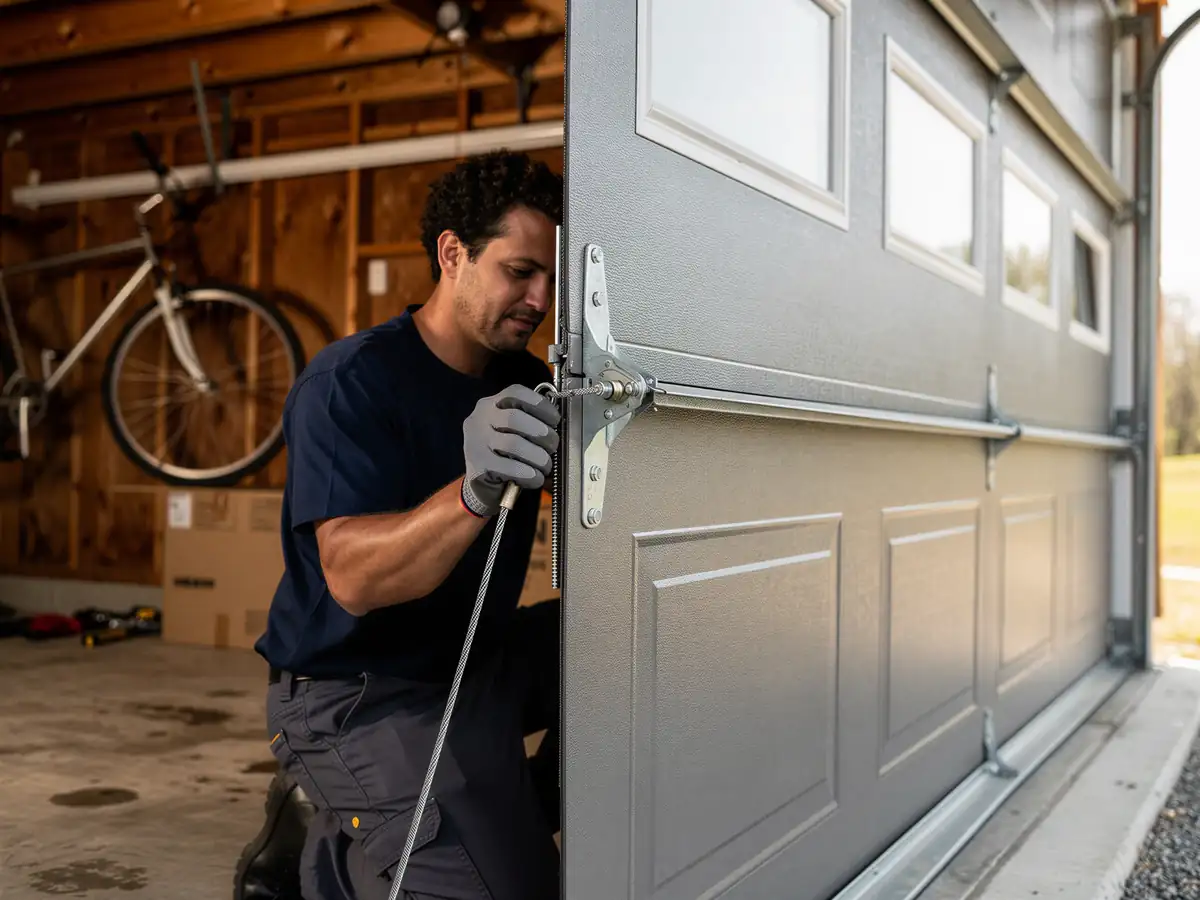
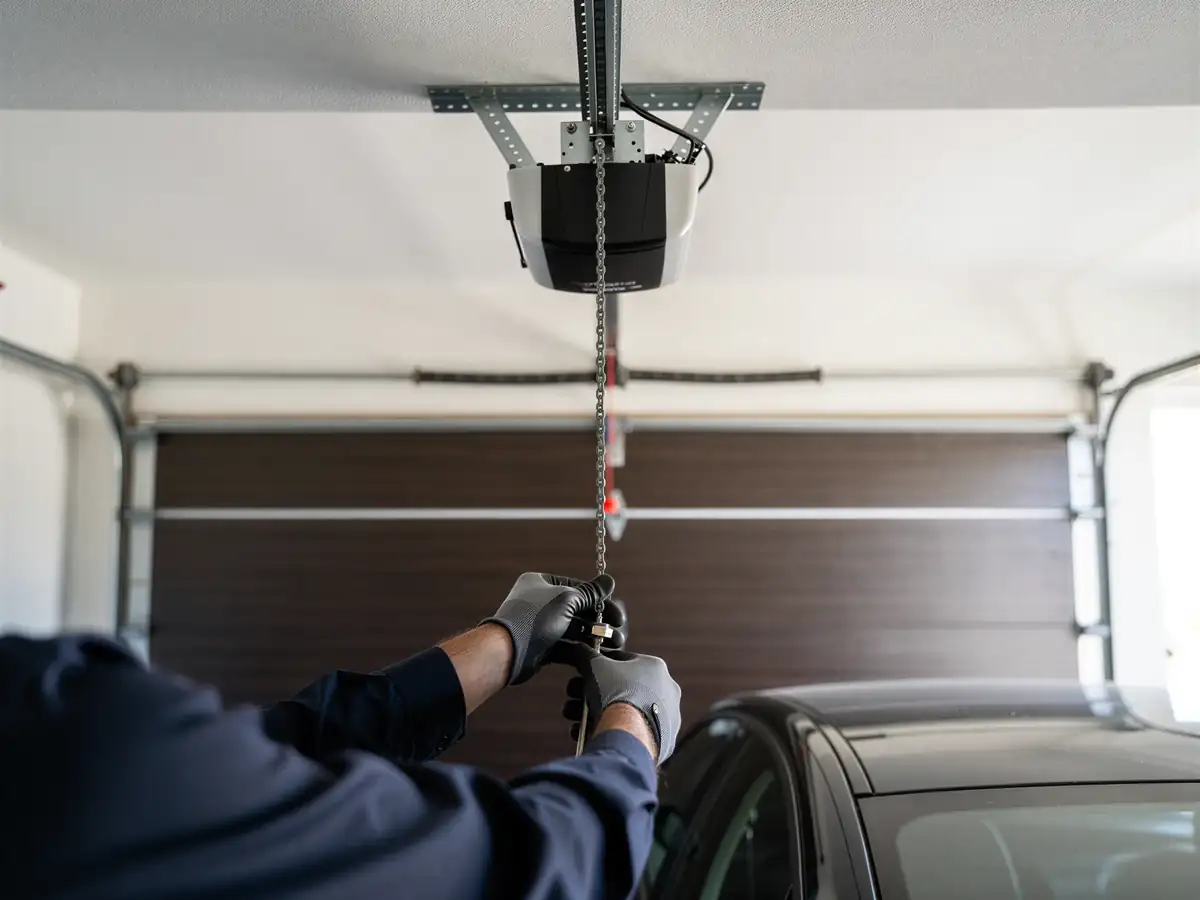
The job usually starts with checking the sprocket and chain tension, since sagging chains are the most common cause of a door that jerks or stalls partway up. We check the travel limits next - on older units these are mechanical switches that drift with age, not the digital sensors on newer boards, so they need physical adjustment rather than a settings screen.
We also check the safety reversal sensors near the floor
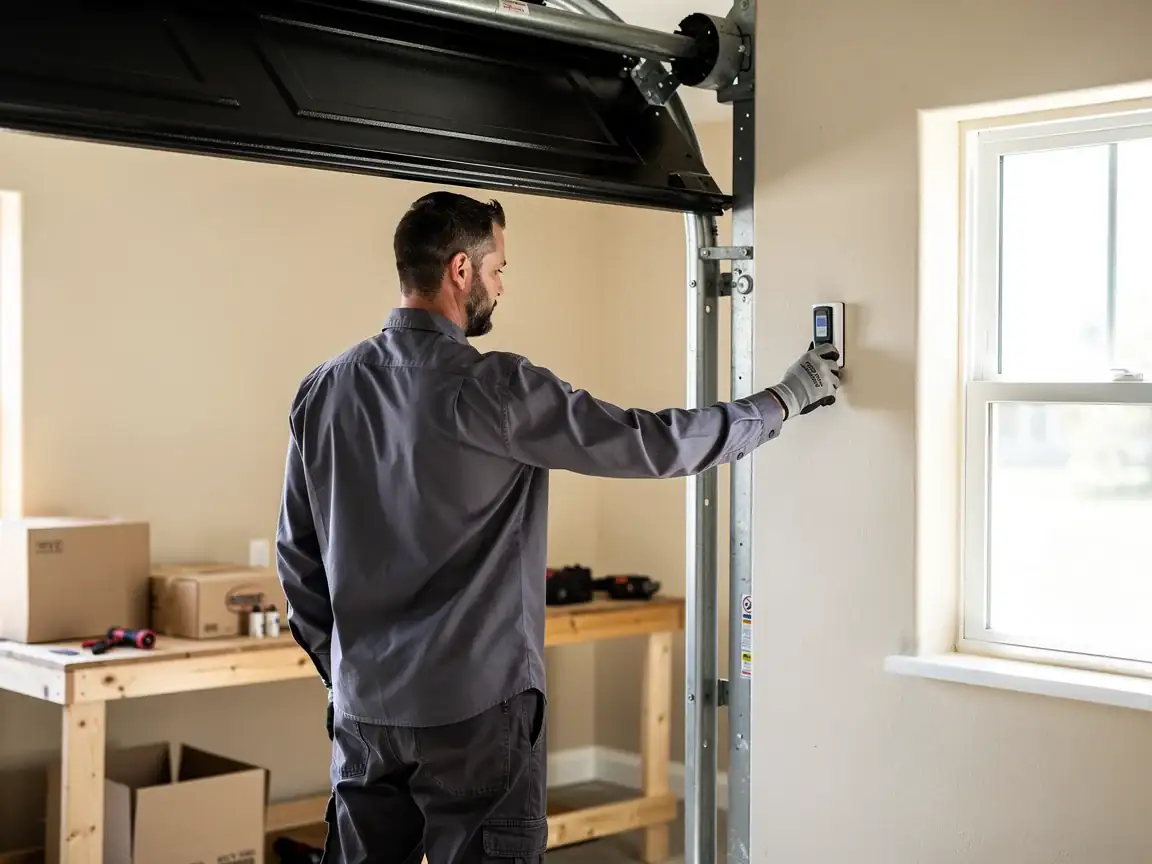
Homes built before the mid-1990s often didn't have these as standard, so if yours were added later, the wiring can be a patchwork that's worth tracing through rather than assuming it's wired the way the manual says. Last, we test the wall control and remotes for consistent signal, since corroded contacts in an old wall button are a common culprit that looks like a motor problem but isn't.
The Cost of This Job
We don't publish a flat price here, because what an opener repair costs depends on whether it's a sprocket and chain adjustment or a full logic board swap - and on a 1965-era door, the two look similar from the driveway. What we can say is that Fullerton's median household income, at $63,357, runs noticeably below the wider Allentown service area's $82,797, and we take that into account when we talk through repair-versus-replace: on an opener this old, a $150 fix now can still make more sense than financing a new unit, as long as the motor itself isn't the failing part.
We quote the job after we've actually looked at the opener and the door it's lifting, not before.
The Symptom
The call we get most from this part of the service area is a door that reverses right after it starts closing, or one that opens partway and stops. On the chain-drive openers common to Fullerton's 1960s housing stock, that's almost always the travel limit switches, not the safety sensors people usually blame first - the mechanical limits lose their setting over years of use in a way digital units don't.
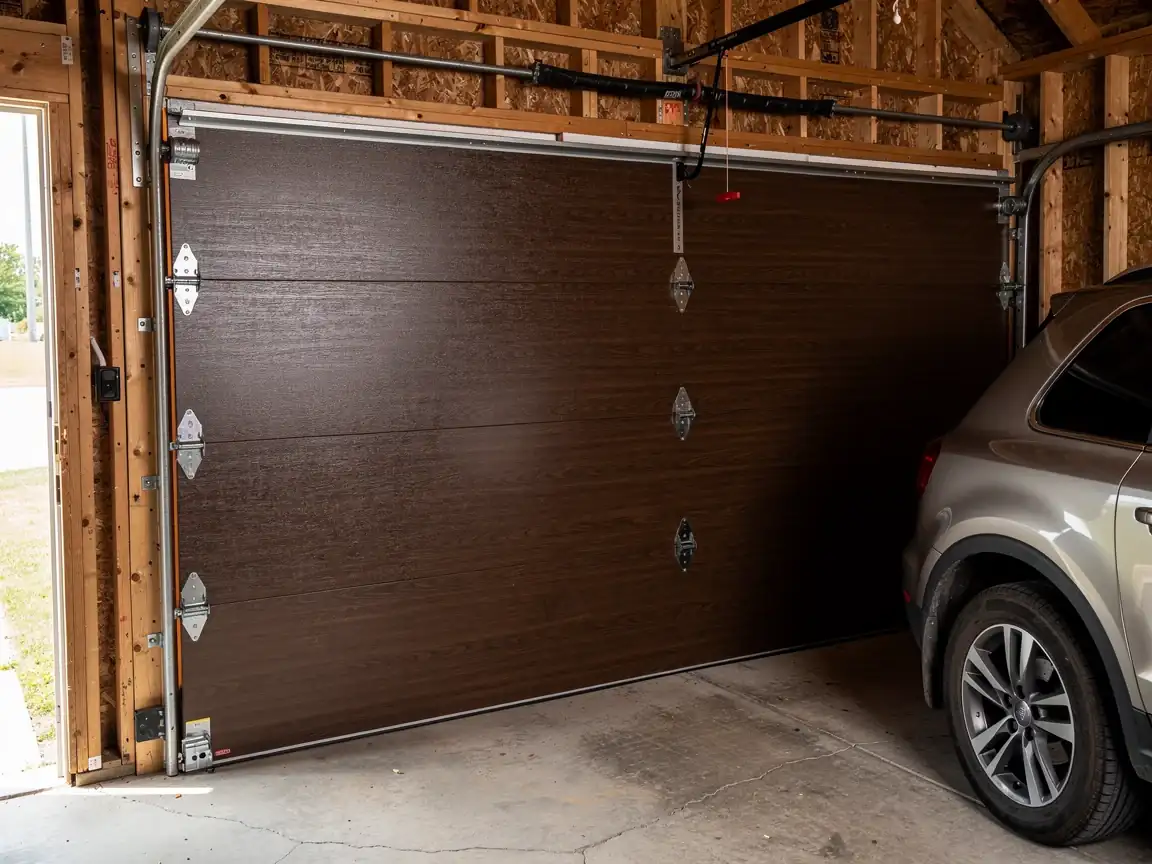
Cold matters here too. This region sits in a severe cold climate band, and a chain-drive opener that's slightly underpowered for a door that's swelled or stiffened in winter will strain and trip its own overload protection, which reads to the homeowner as 'the opener just stopped working' when really the door itself is harder to lift than it was in summer. We check both before we touch the opener - swapping a board on a door that's actually binding in its tracks doesn't fix the call.