Can You Do This Yourself
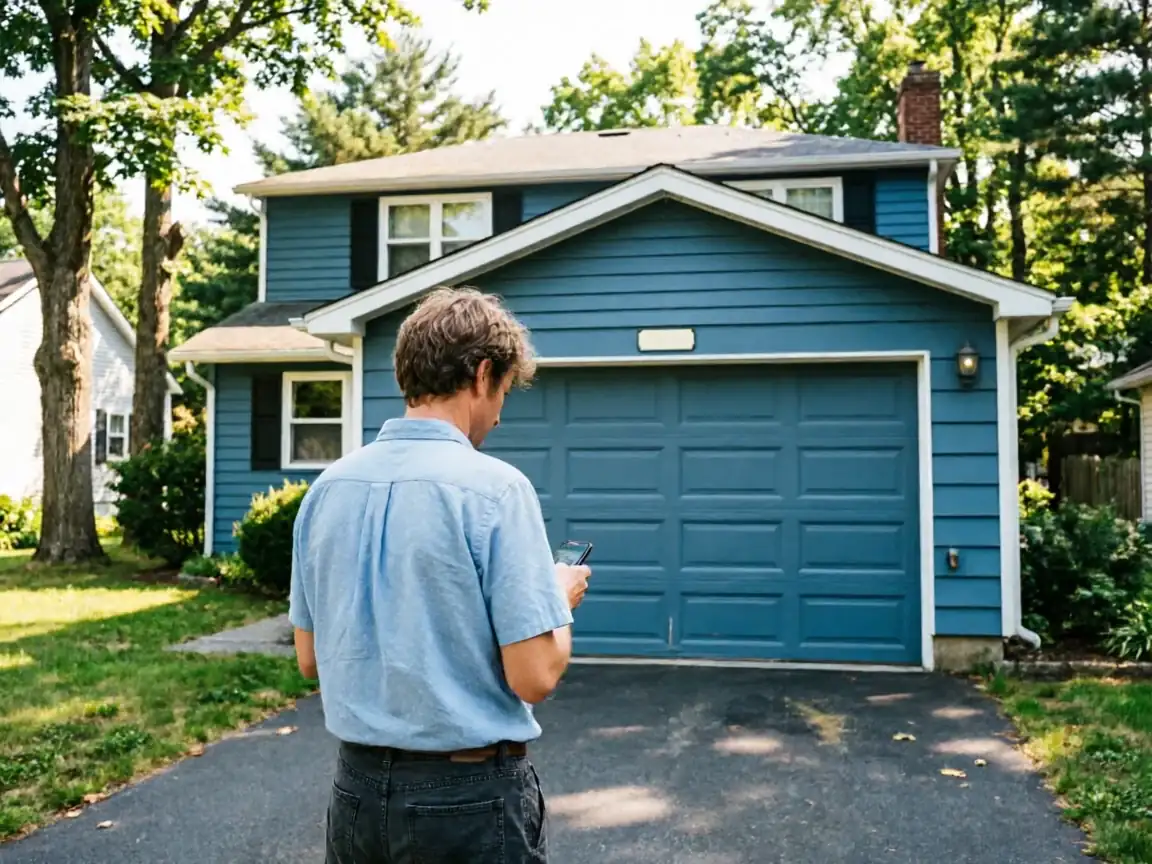
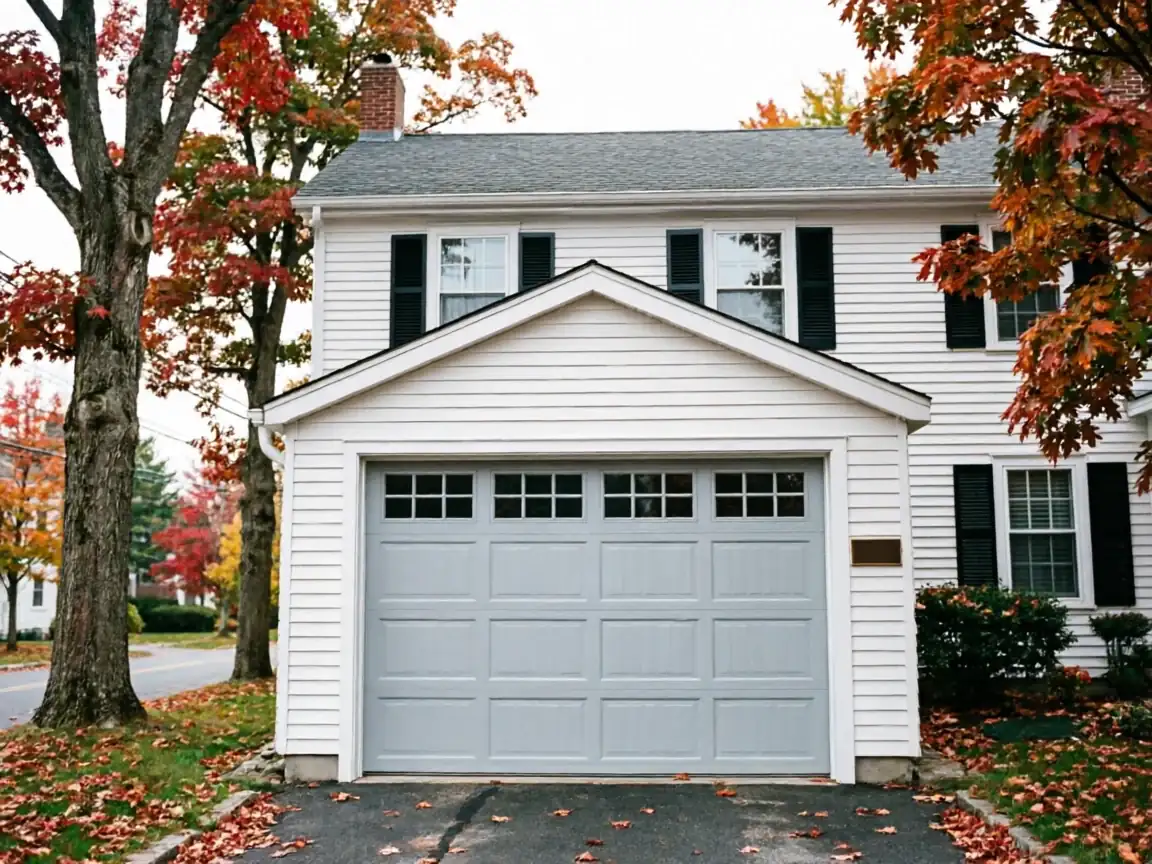
A lot of Fullerton homeowners look at a dented or rusted-through panel and figure it's a bolt-off, bolt-on job. Sometimes it is, if the door is a newer sectional with standard panel widths. But houses here went up mostly in the 1960s, median build year 1965, and plenty still carry the original steel doors or early replacements sized to openings that predate today's standard widths. Pull the wrong panel off one of those and you may find it doesn't match anything sold off a shelf.
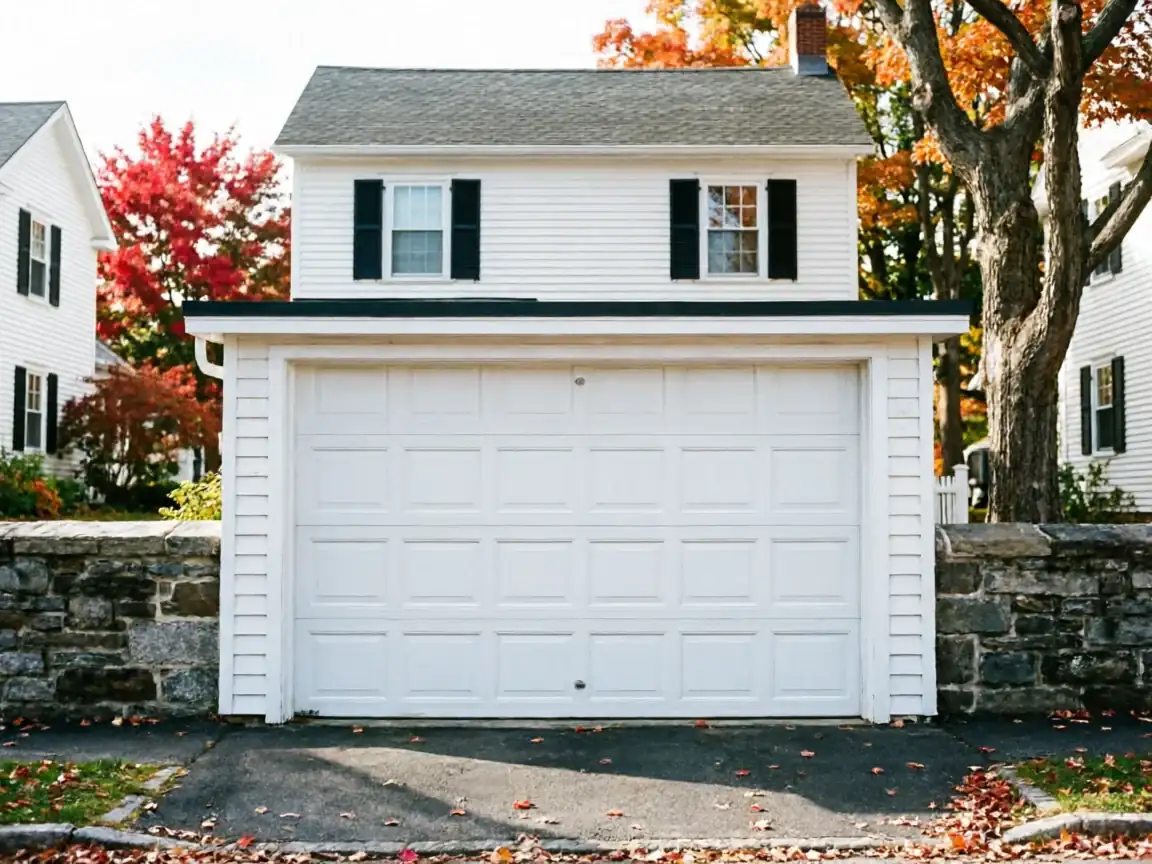
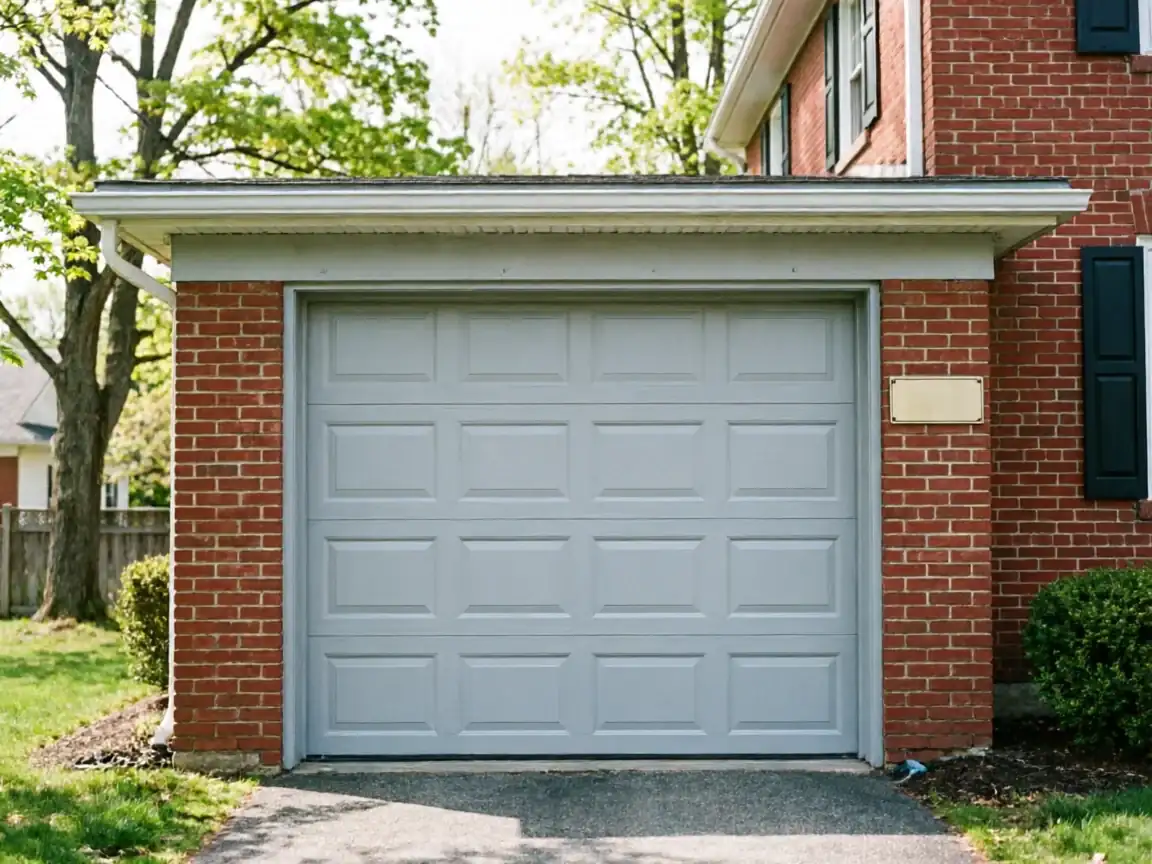
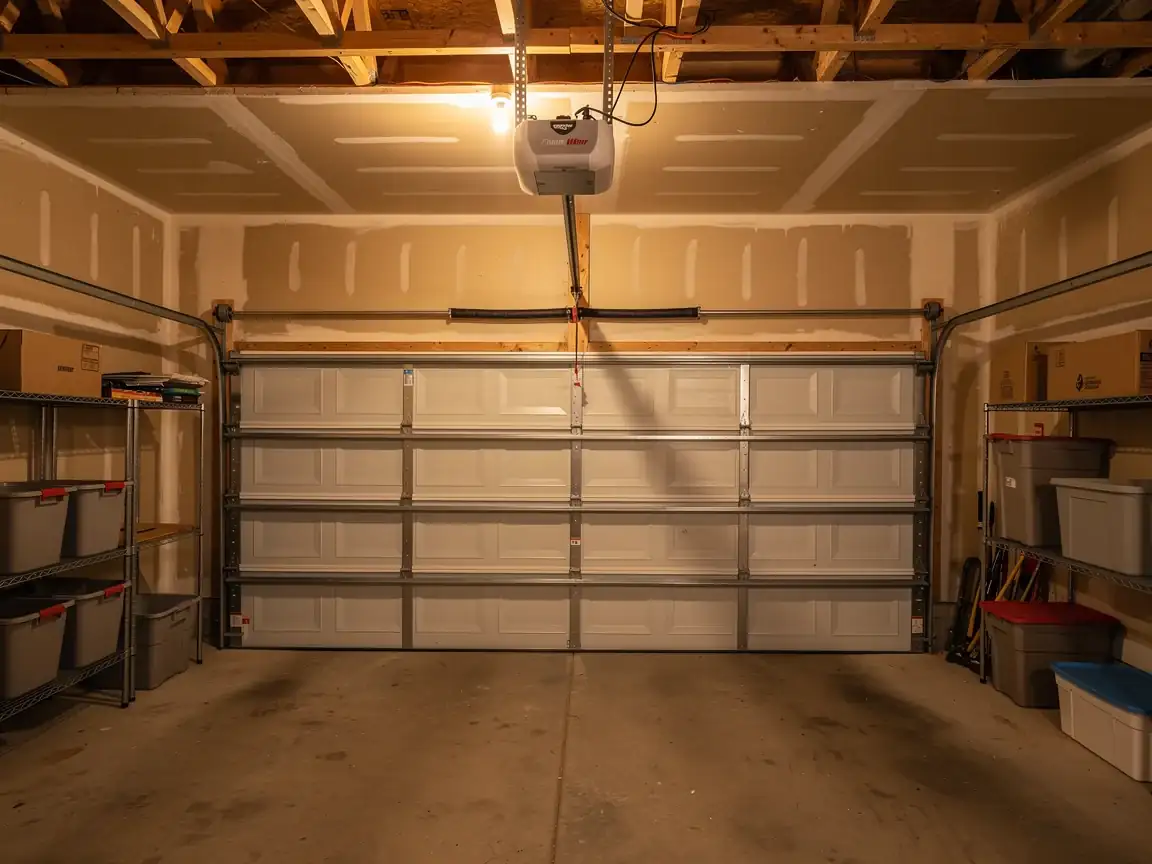
If your door is a true sectional with four or five stacked panels and visible seams between sections, a single damaged panel can sometimes be swapped without touching the rest. If it's an older one-piece slab door, or a sectional with non-standard panel height, that's not a weekend fix - you're into custom cutting or full-section replacement. We'd rather tell you that up front than have you order a panel online that doesn't fit.
What you can do yourself: check whether the damage is cosmetic (a dent that doesn't affect the track) or structural (a crack, a bent stile, hardware pulling loose). The first might wait. The second won't get better on its own, especially heading into another cold season.
Stocked Parts
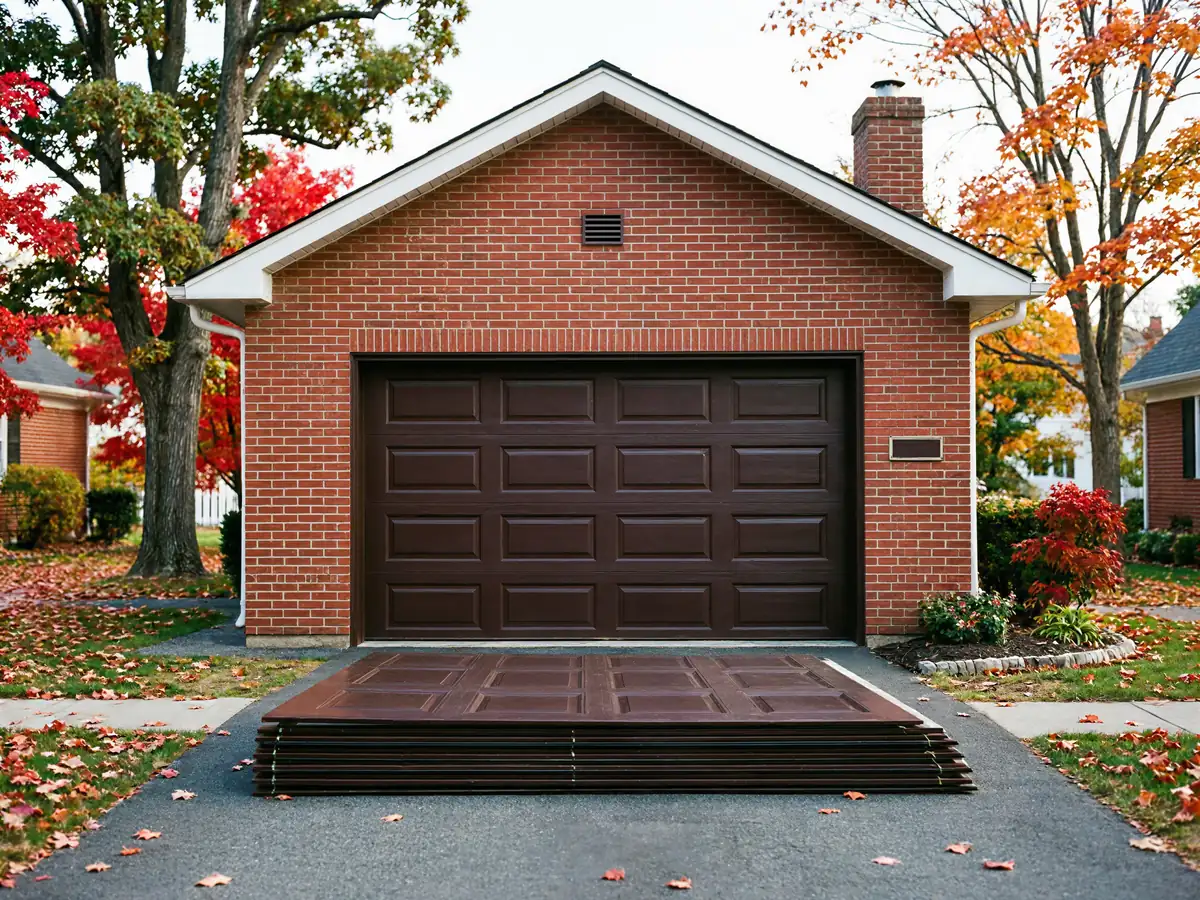
We carry common steel panel sections and end stiles sized for the door widths that show up most often on Fullerton's housing stock - openings built to 1960s-70s standard, which is still the bulk of what we see 3 miles out from Allentown. What we don't stock on the truck is anything for a non-standard or discontinued panel profile, and on houses this age that comes up more than you'd think, especially on doors nobody's touched since they went in.
When a panel doesn't match current stock, we order it. That's not a same-day fix, and we won't pretend otherwise - lead time depends on the manufacturer and whether the profile is still in production at all. For doors where the discontinued panel can't be sourced at a reasonable price or timeline, full door replacement usually ends up cheaper than chasing a part that's been out of catalog for years.
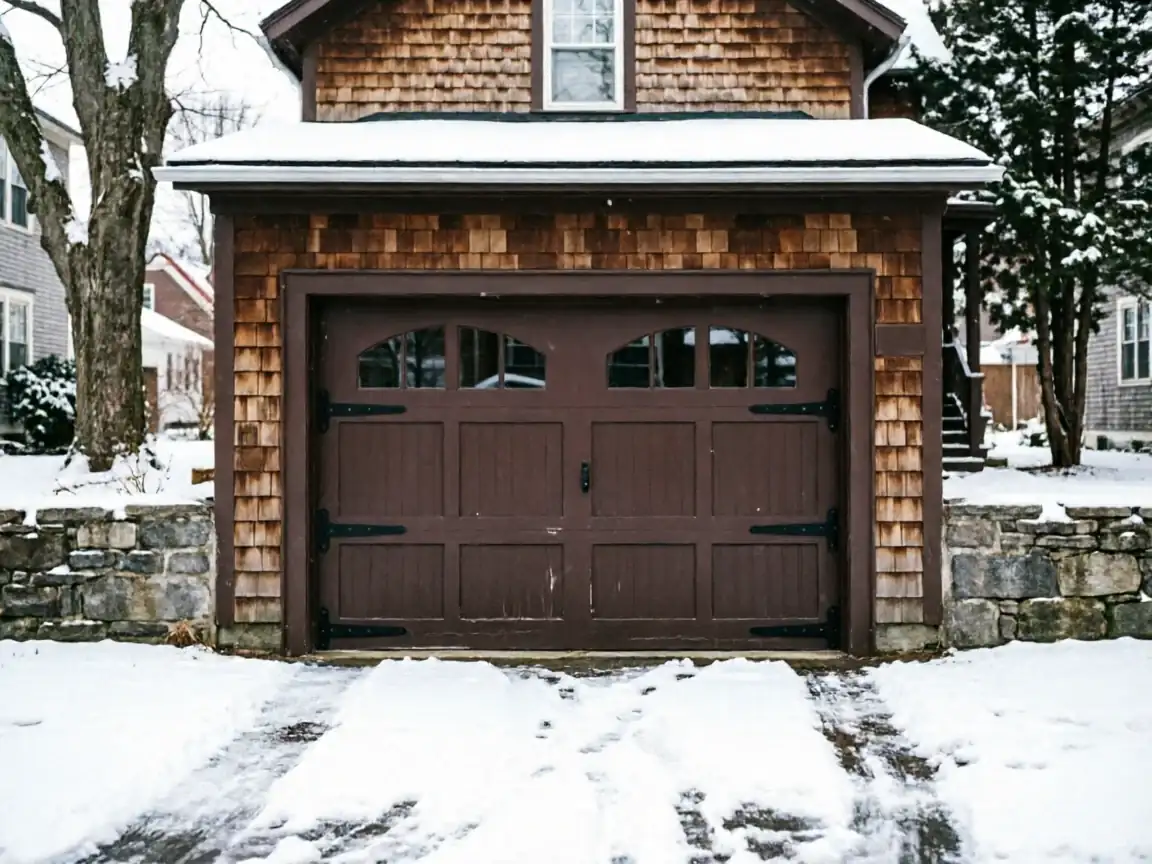
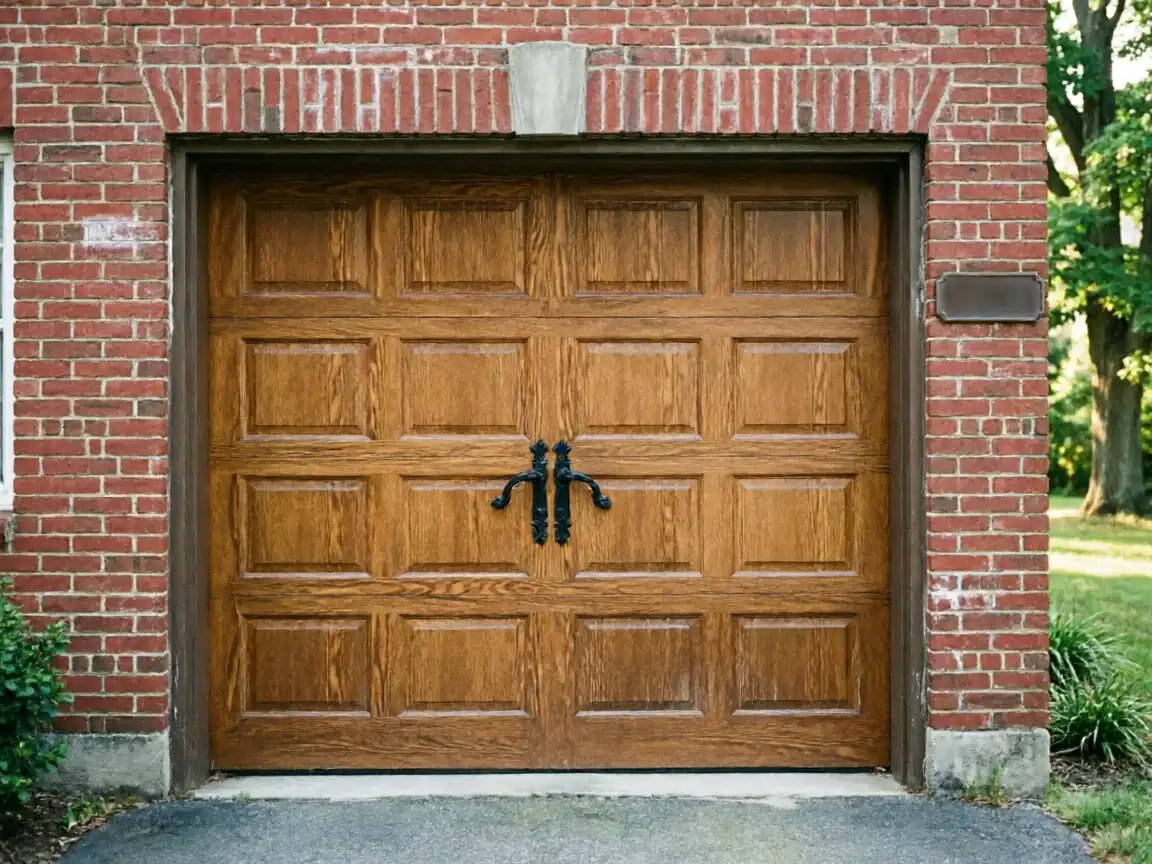
One honest limit: if your door is wood or a custom-fabricated panel style, we're not going to fabricate a matching replacement on site. We'll tell you straight whether a steel sectional swap-in is a reasonable path or whether you're better off with a new door front-to-back.
What the Fix Involves
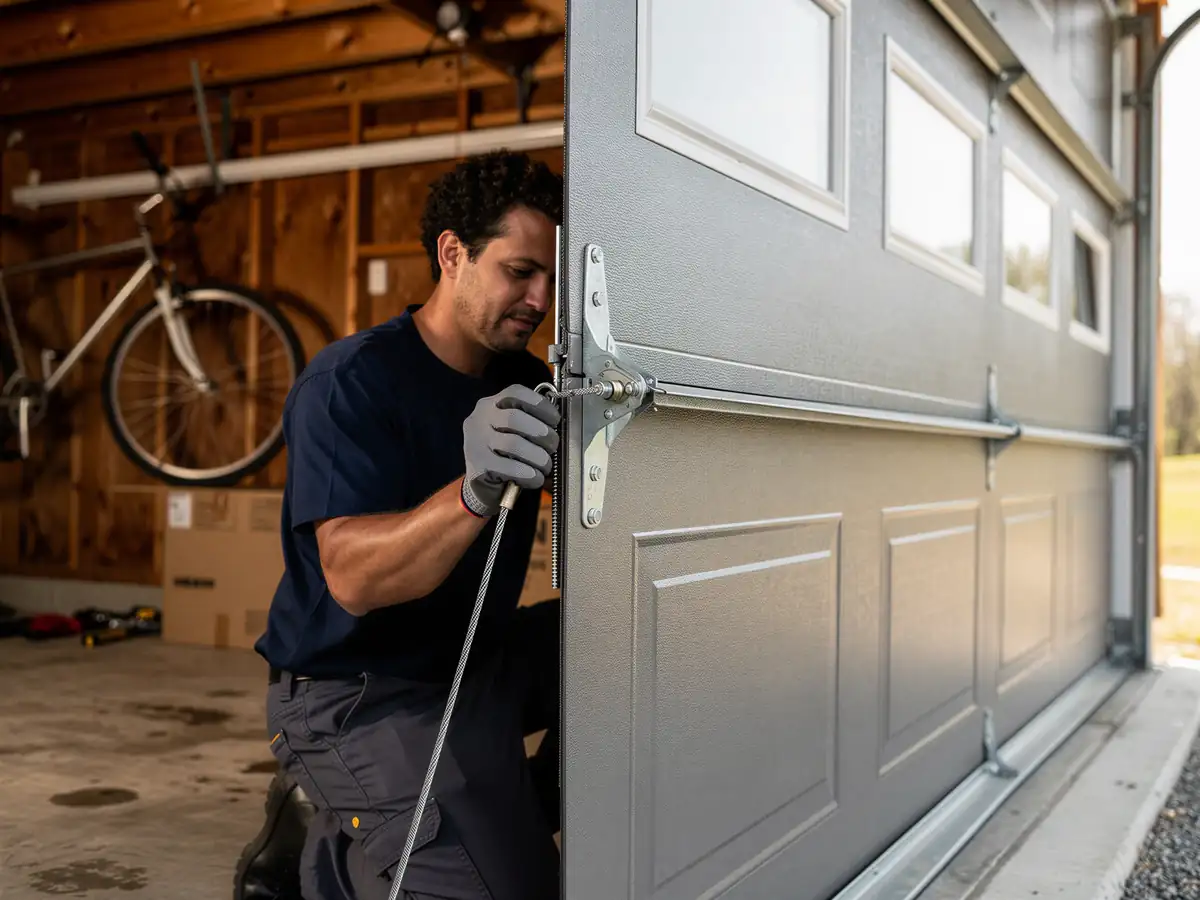
First we identify whether the damage is contained to one panel section or has pulled on the hinges and track alignment too
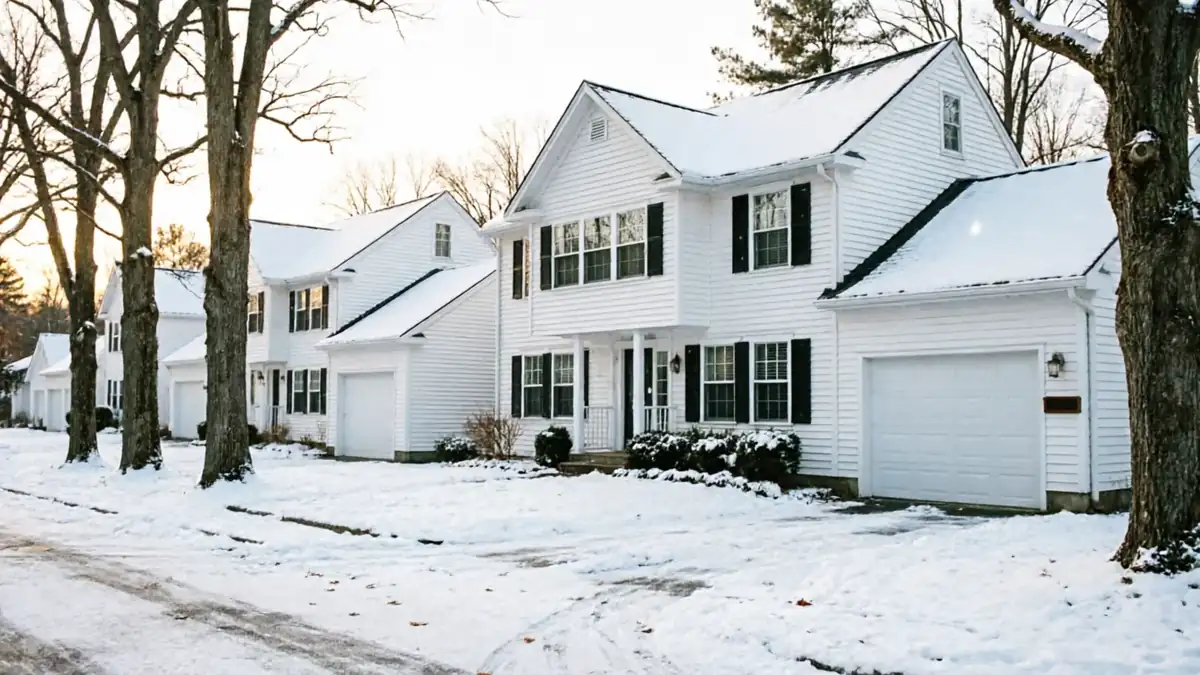
On a door that's been in an opening since the 1960s-70s building wave, hardware fatigue around the damaged section is common even when the dent itself looks minor. Fullerton's winters are part of that story: steel contracts in sustained cold, and a panel that's already stressed from an impact is more likely to crack along a seam during a hard freeze than in mild weather.
Once we've confirmed the panel section and hinge points
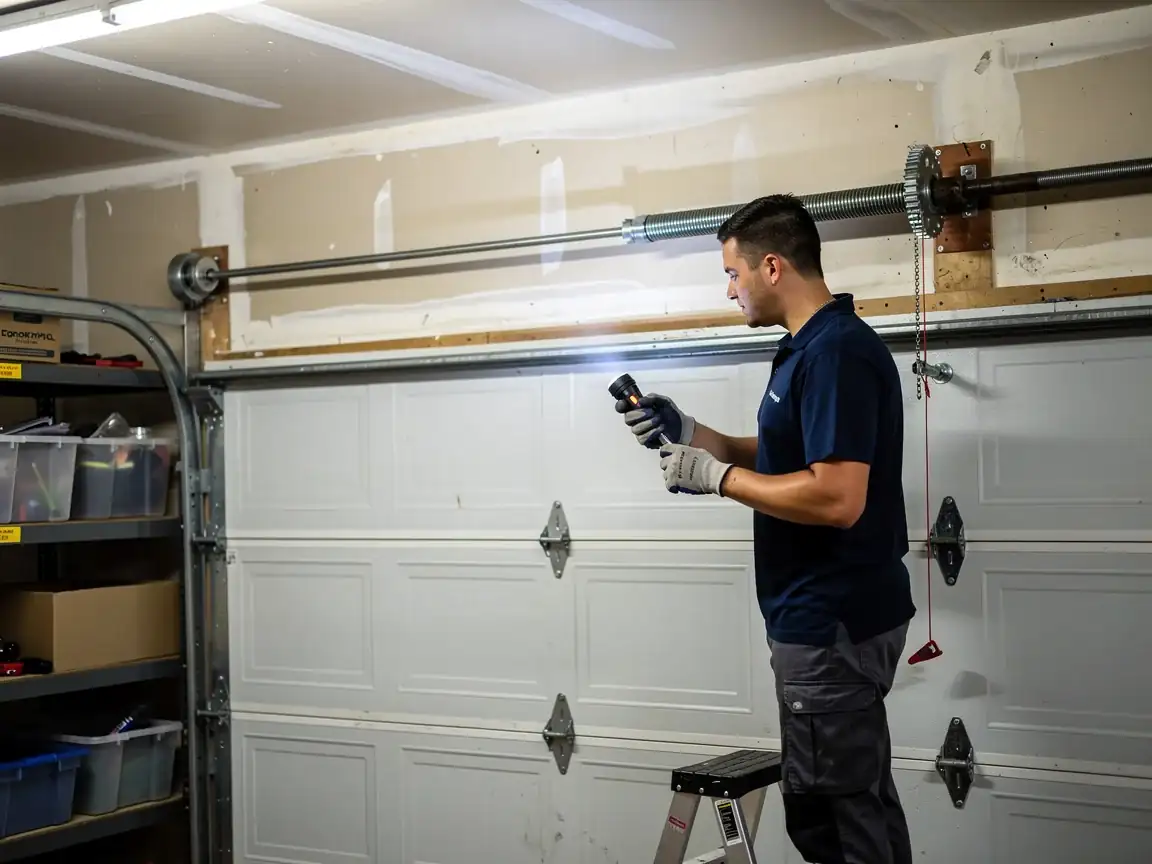
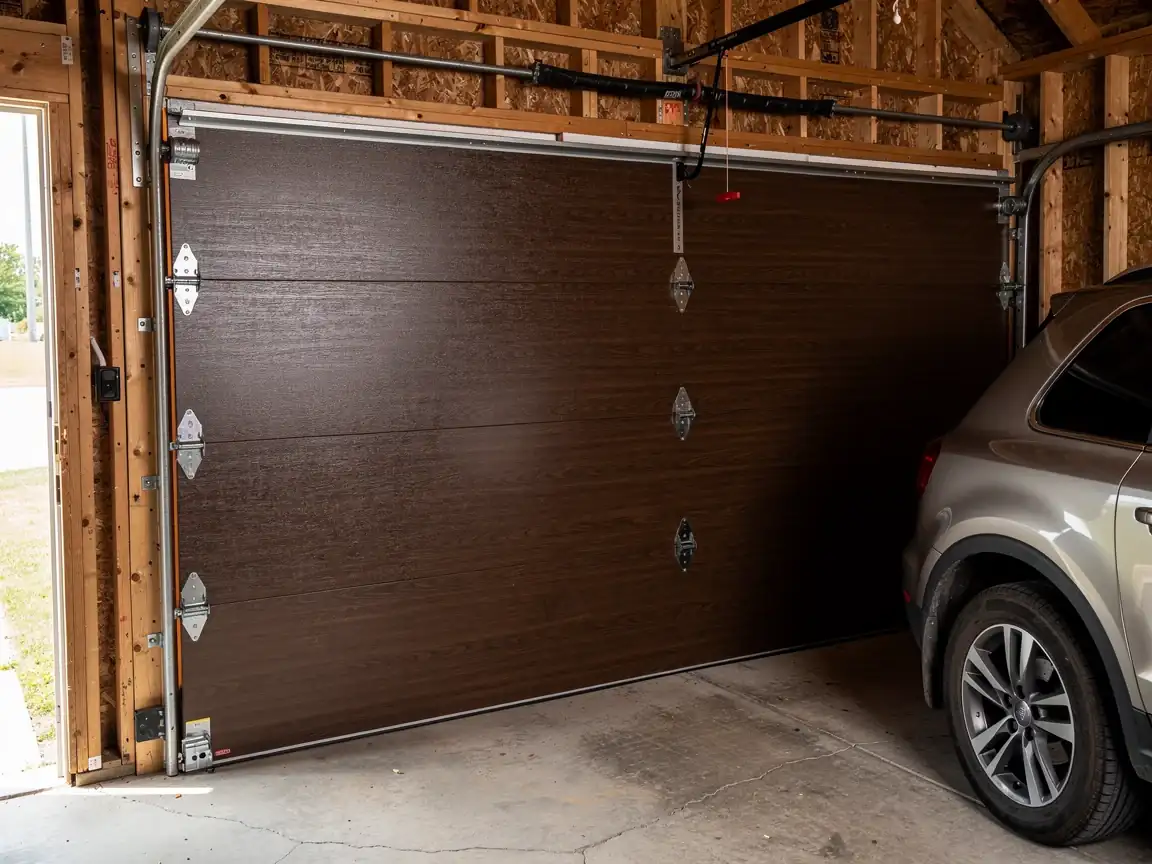
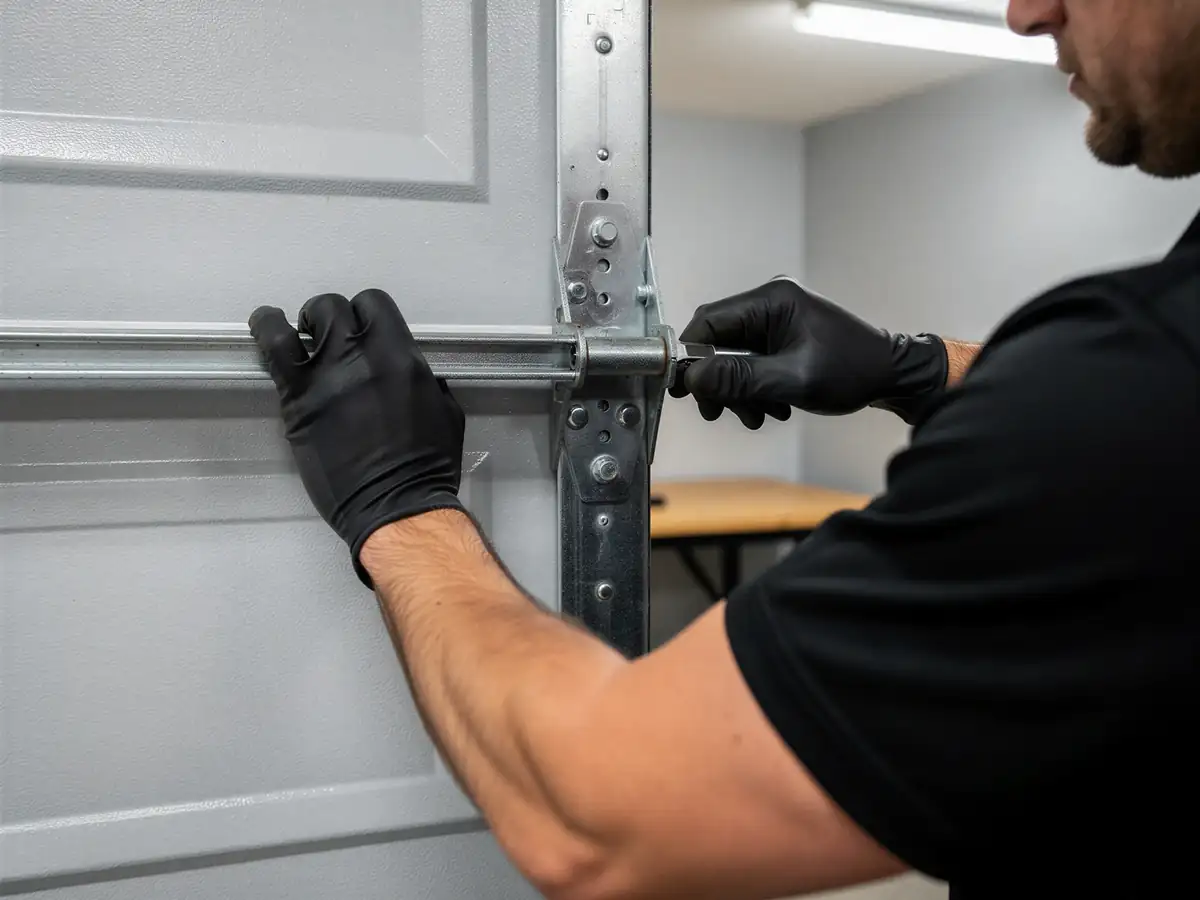
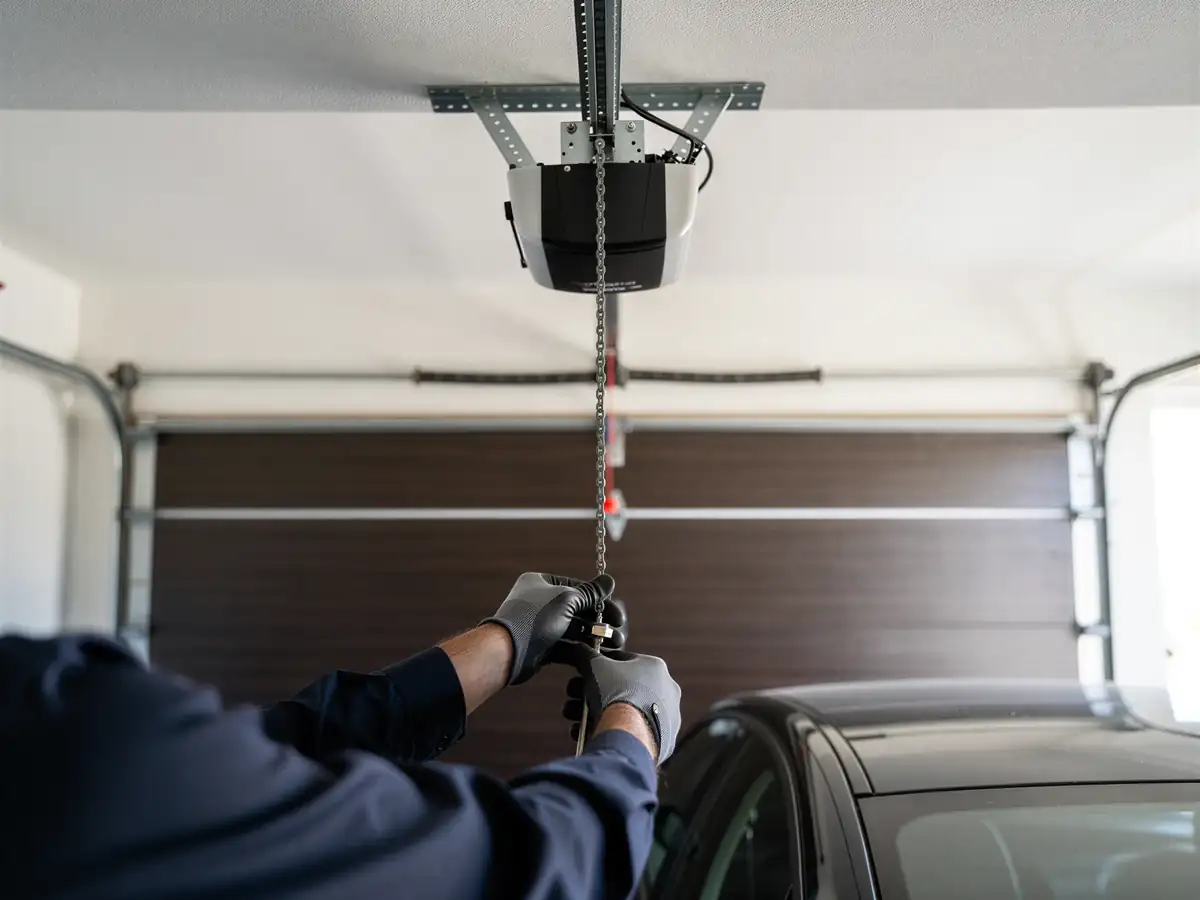
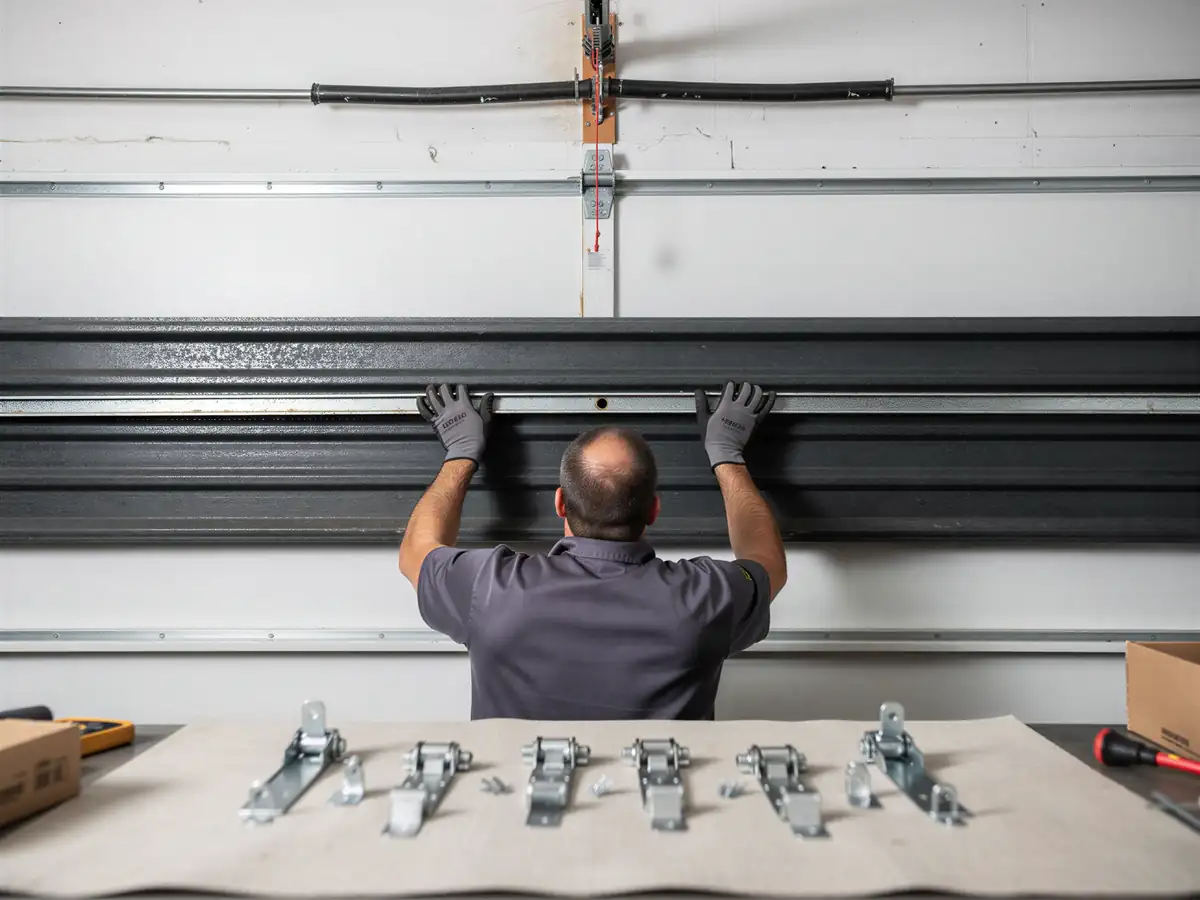
We disconnect the door from the opener, pull the damaged section's hardware, swap the panel, and reset hinges and rollers to the original track alignment. On older doors we also check whether the replacement panel's gauge matches the rest of the door - mismatched steel thickness shows up fast once the door's painted and back in the sun.
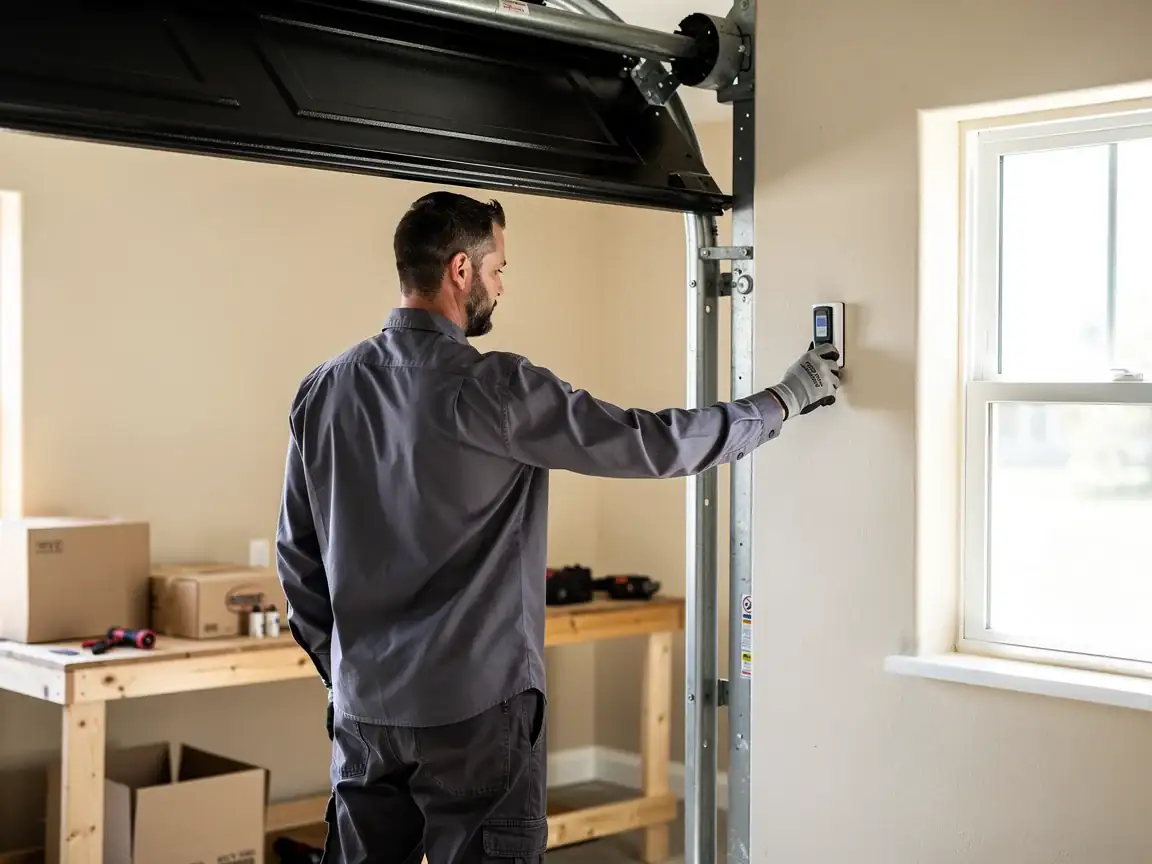
We test the balance and travel before we leave
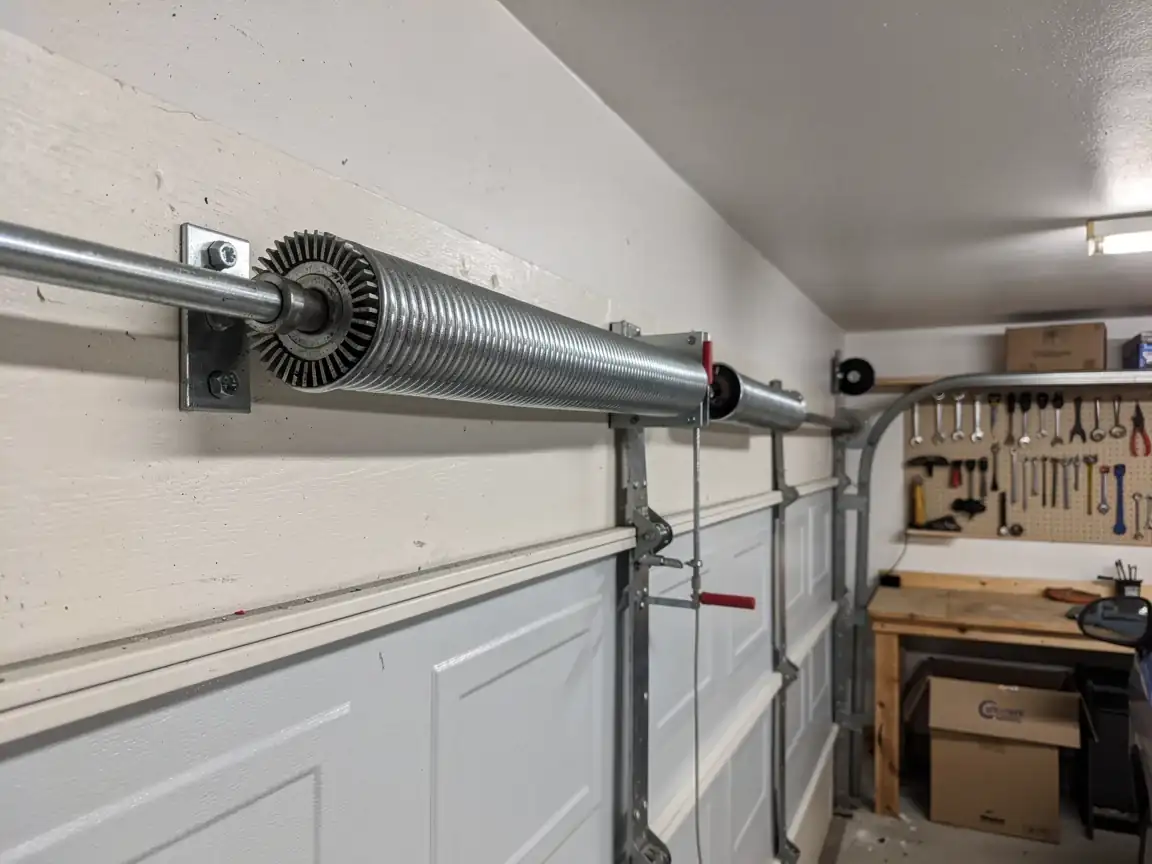
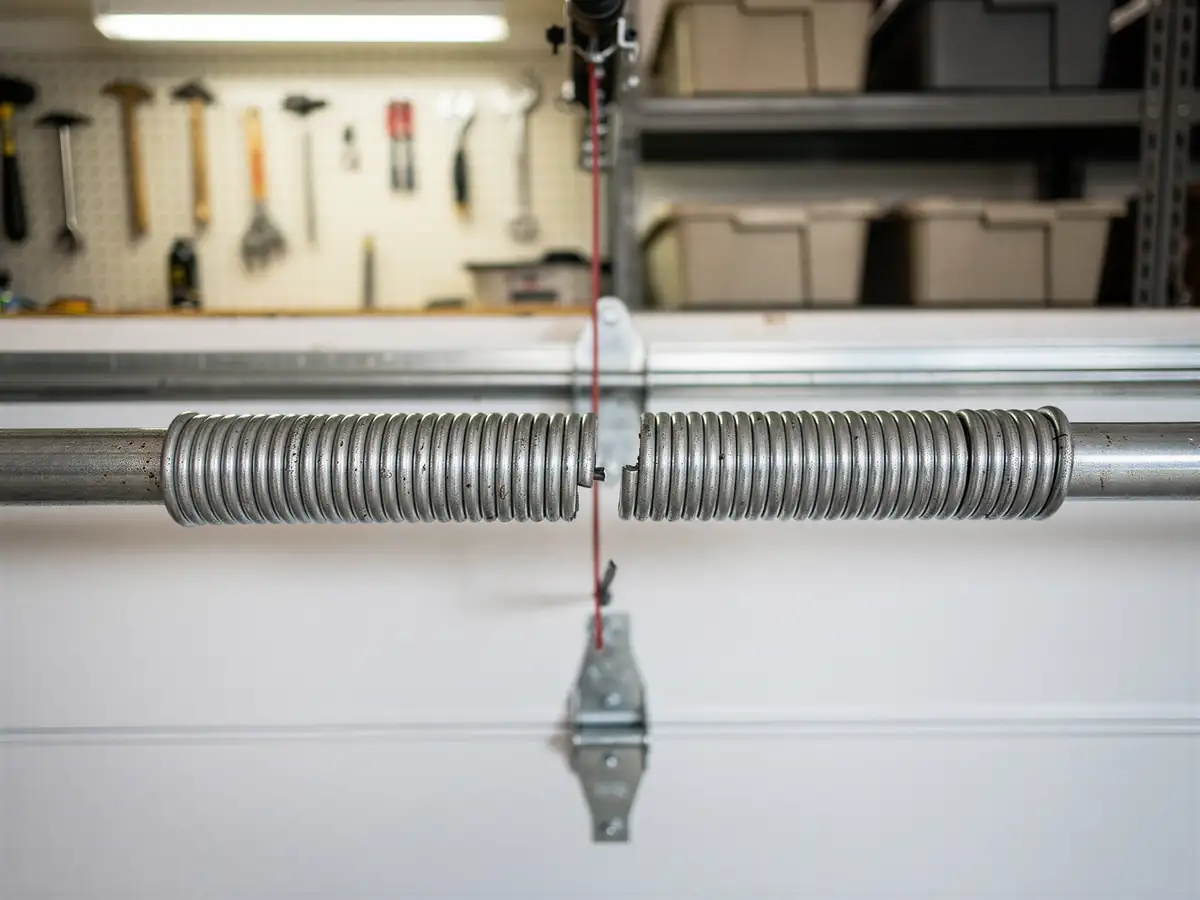
A panel swap that throws the door's weight off can overload the spring, which turns a panel job into a spring job within a season if it's not caught.
The Cost of This Job
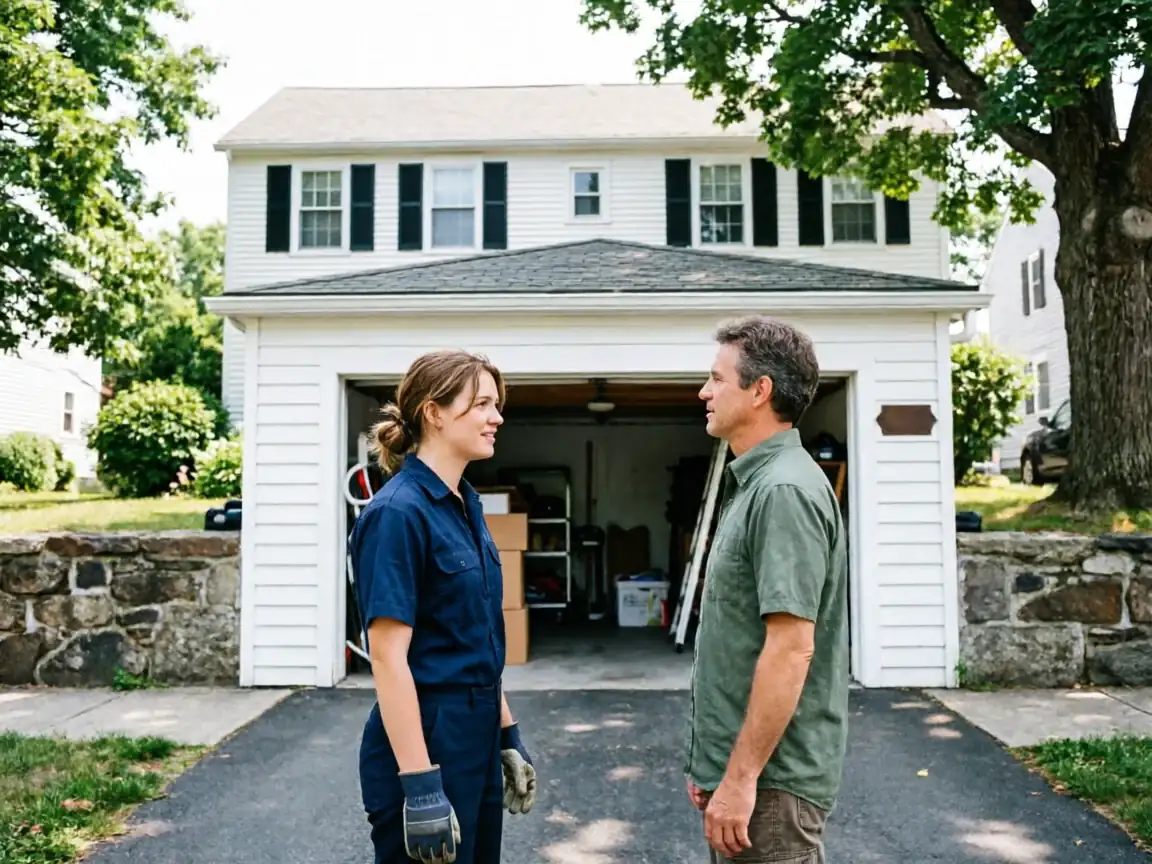
We don't quote a number without seeing the door, because the spread between a standard-width sectional panel and a sourced replacement for an older, non-standard opening is real money, not a rounding difference. What drives the cost here specifically: Fullerton's median income runs below the service area's broader figure, and we know that matters when a homeowner is weighing panel repair against full door replacement on an older house.
If the damage is one section on a standard-width door, that's the cheaper end. If it's an older slab door or a panel profile no longer in production, sourcing cost and labor both go up, and at some point replacing the whole door costs about the same as chasing one obsolete panel - we'll tell you if you've hit that point rather than let you spend toward it blind.
The Symptom
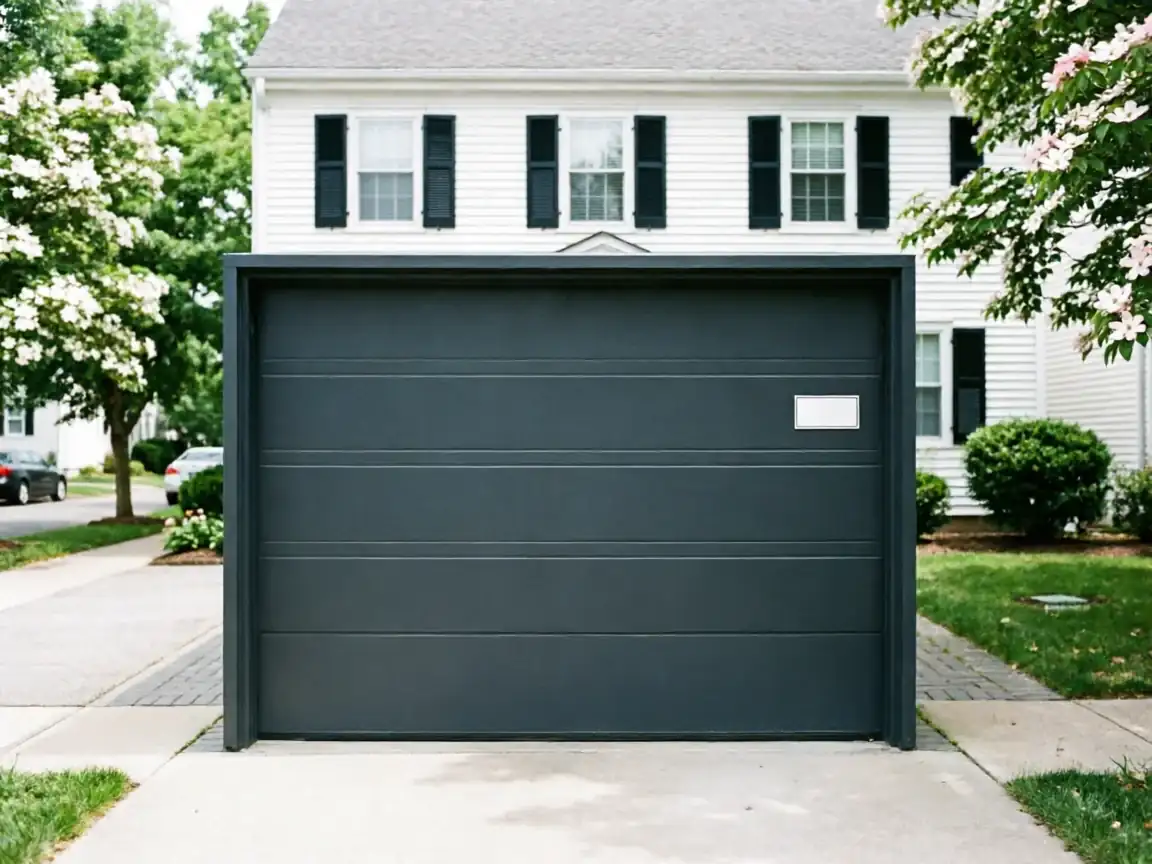
The most common call we get out of Fullerton for this is a single lower panel, dented or rusted through at the bottom edge, usually from a car bumper tap or years of road salt splash sitting against steel that's been there since the 1960s building wave. Second most common: a cracked panel seam that shows up after a cold snap, where steel that's already a little stressed from age finally gives along the weakest point.
Less common but worth mentioning - on doors from that same era, panel damage sometimes isn't the real problem. It's loose or rusted hinges letting a panel flex more than it should, and the panel cracking is a symptom of that, not the cause. We check hinge tightness and track alignment on every panel call for exactly that reason, because replacing the panel without fixing the hinge just buys you the same call again next winter.