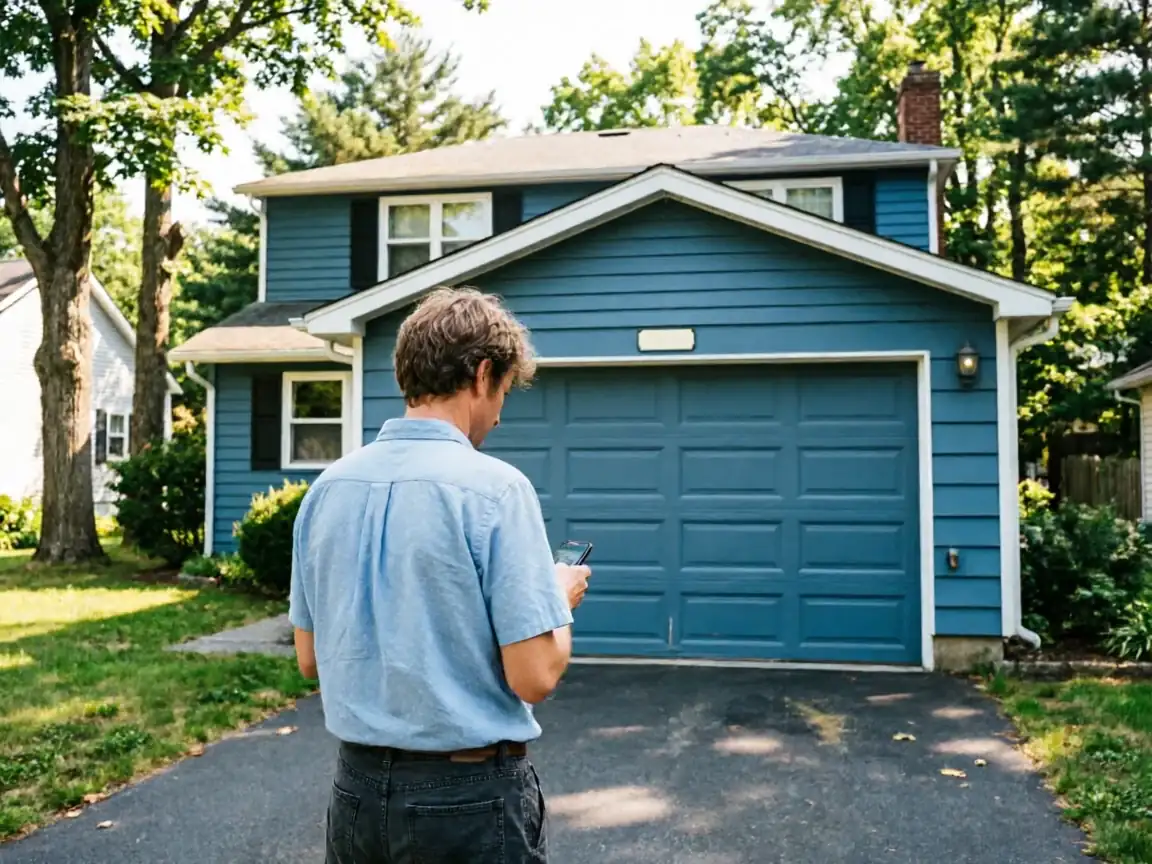
Can You Do This Yourself
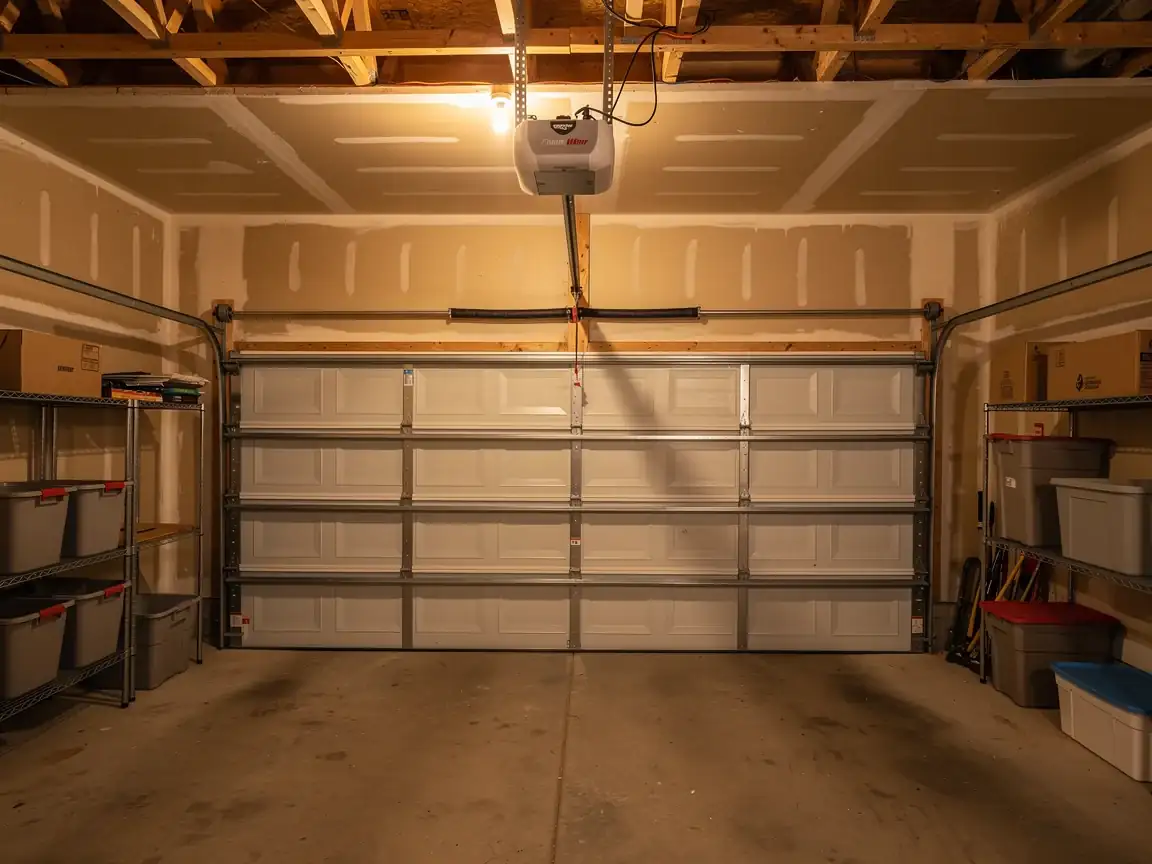
Fullerton is a small place - about 6,476 households, a fraction of the 154,639 across the whole area we cover from Allentown. That size matters for what kind of jobs come up here: it's not a mix of eras, it's mostly one era. Houses went up with a median year of 1965, so the garages behind them were almost all built for the same door hardware, and the failures repeat in a pattern.
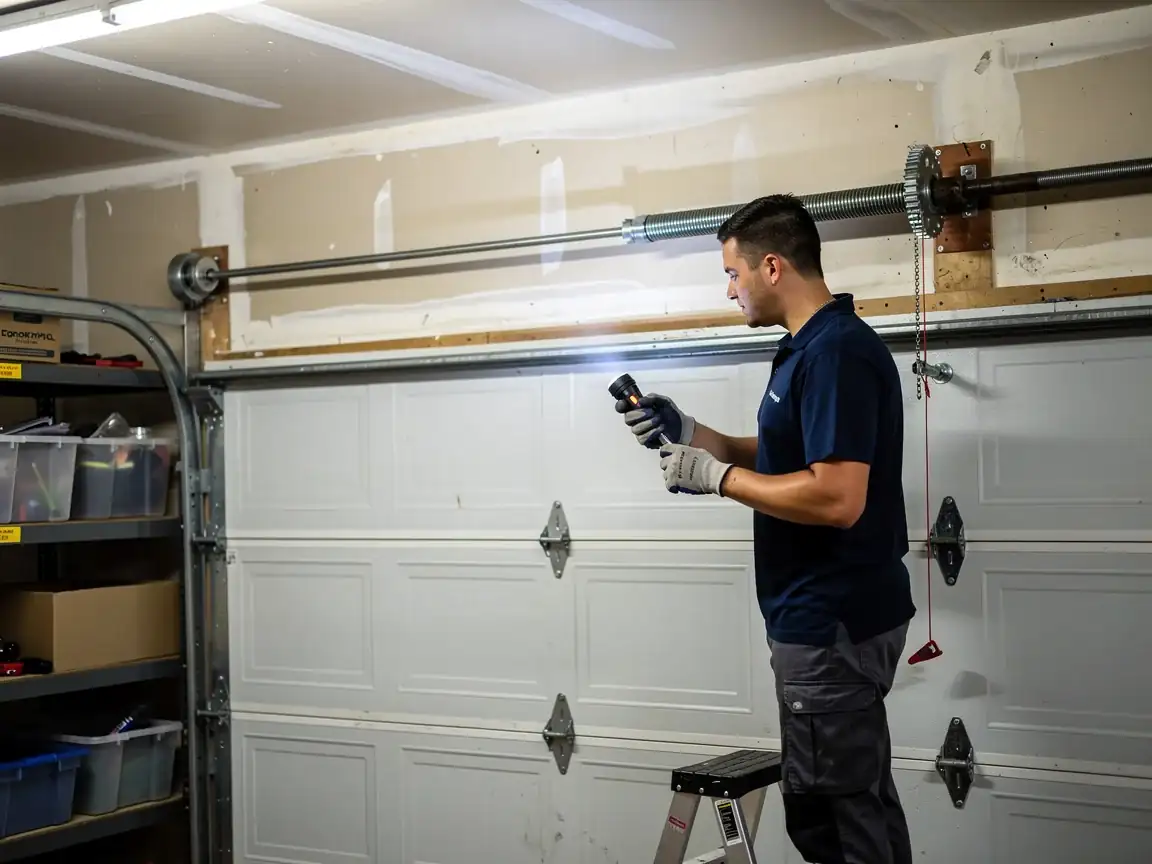
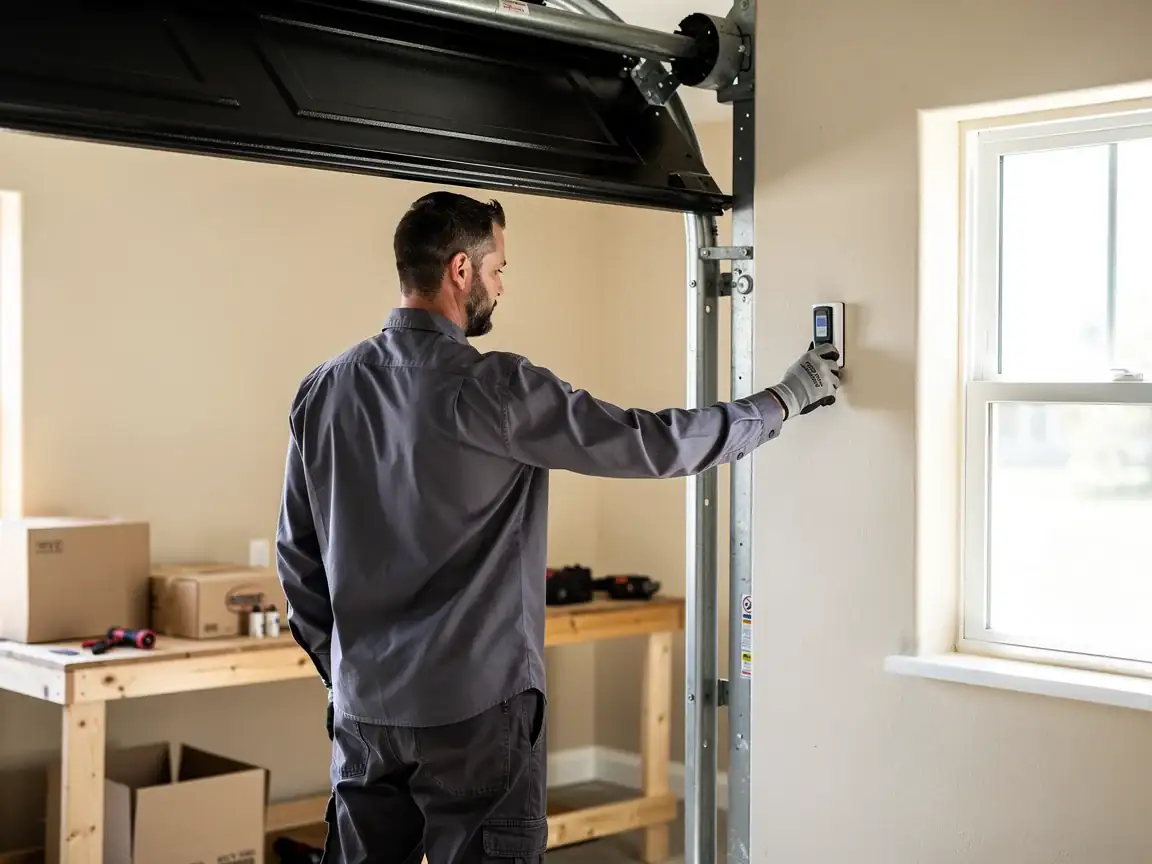
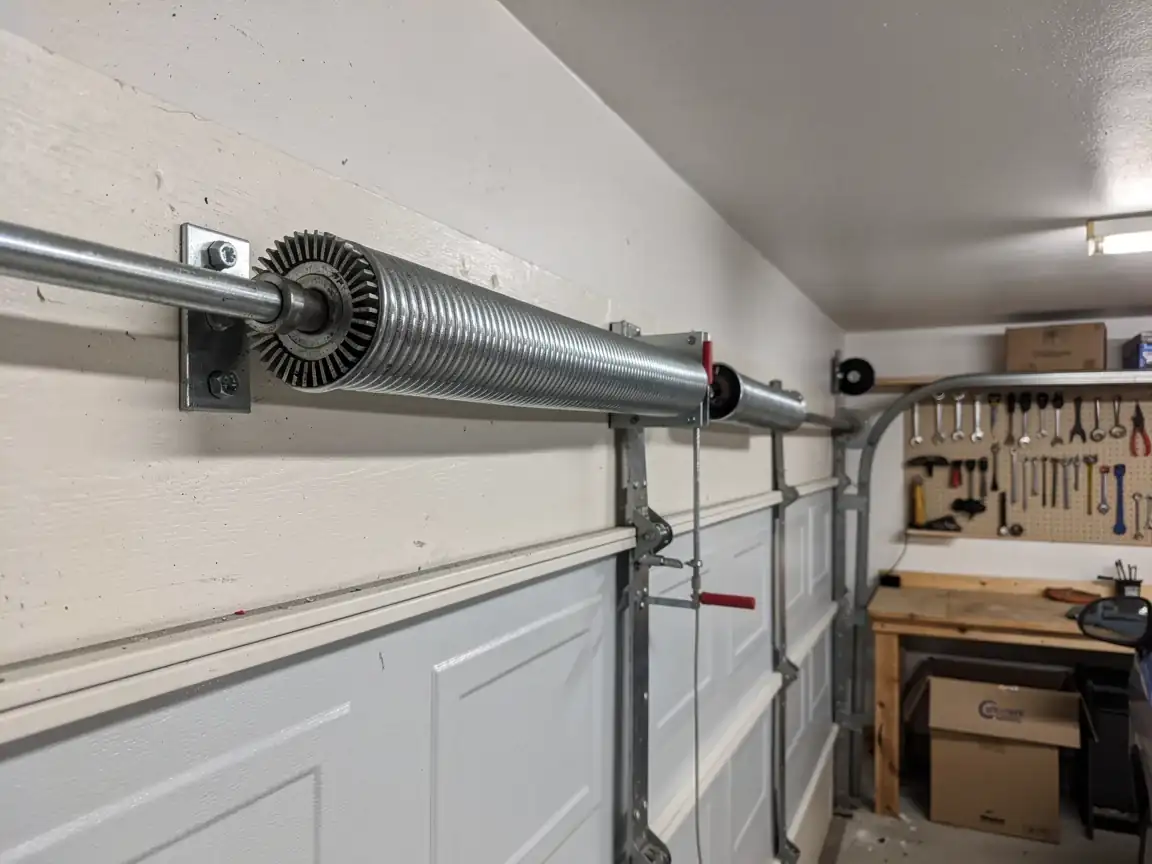
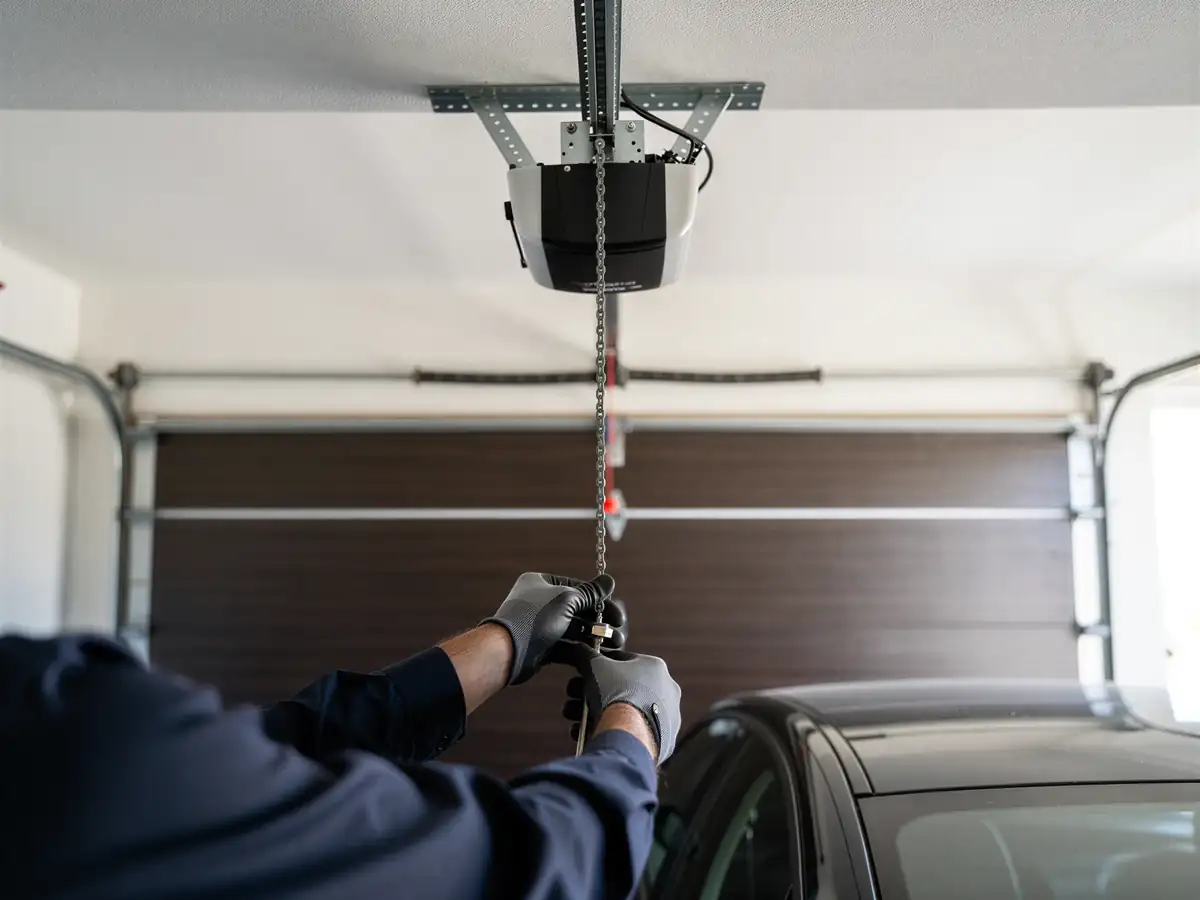
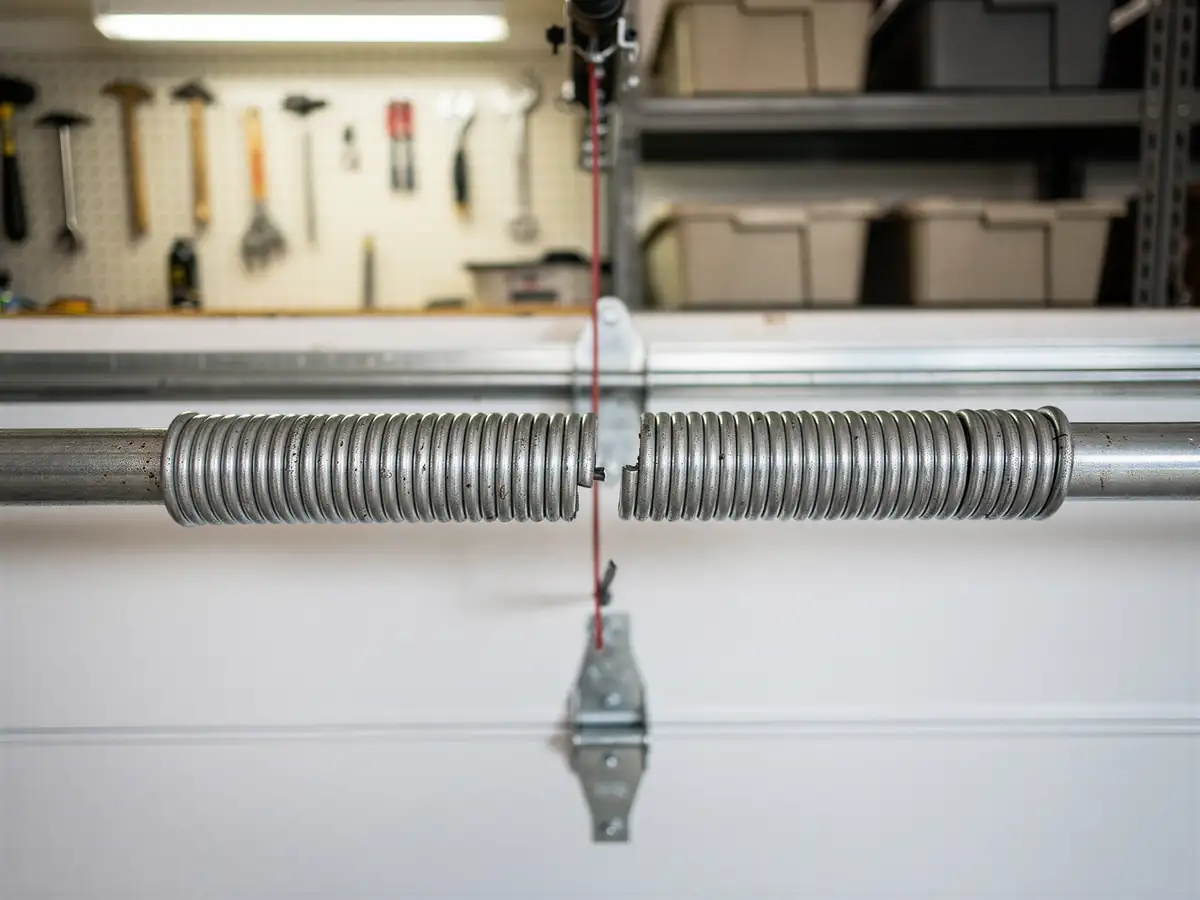
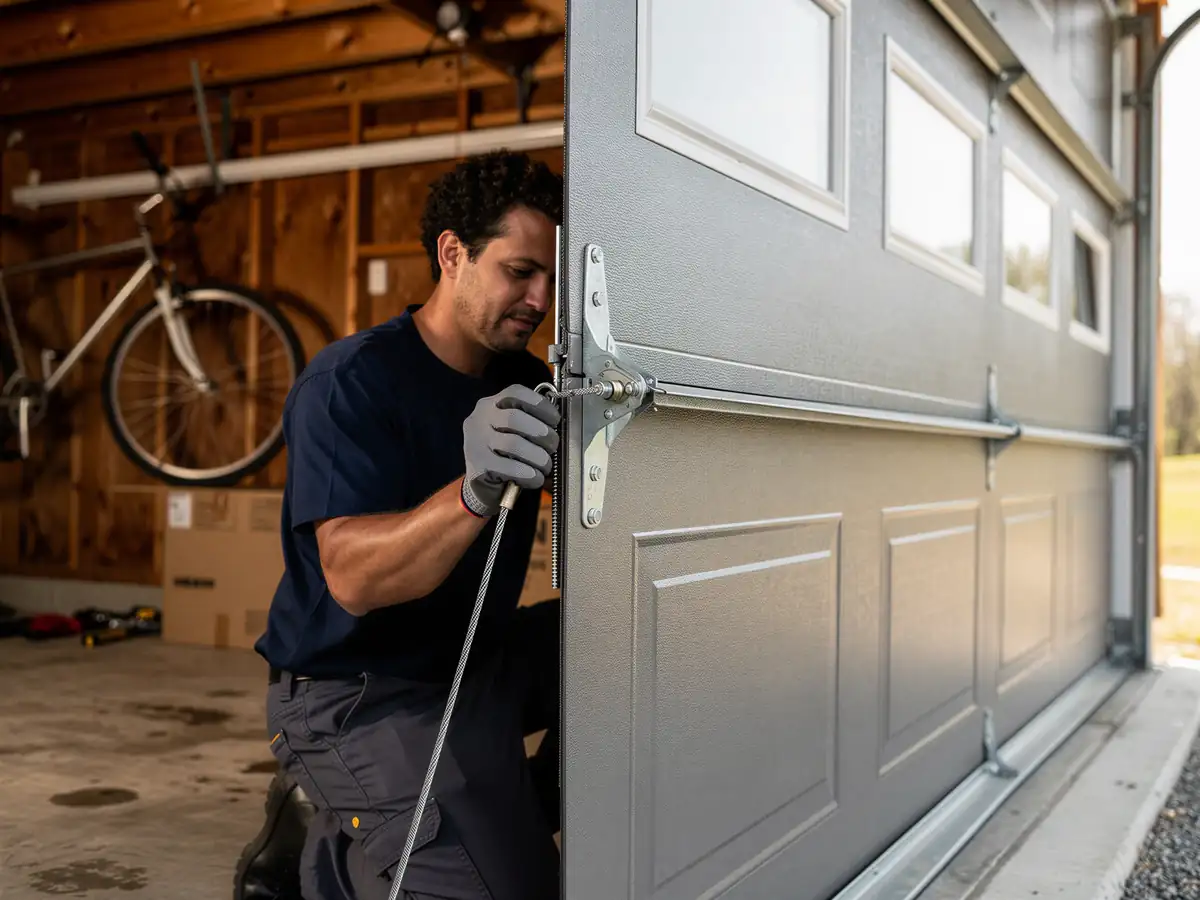
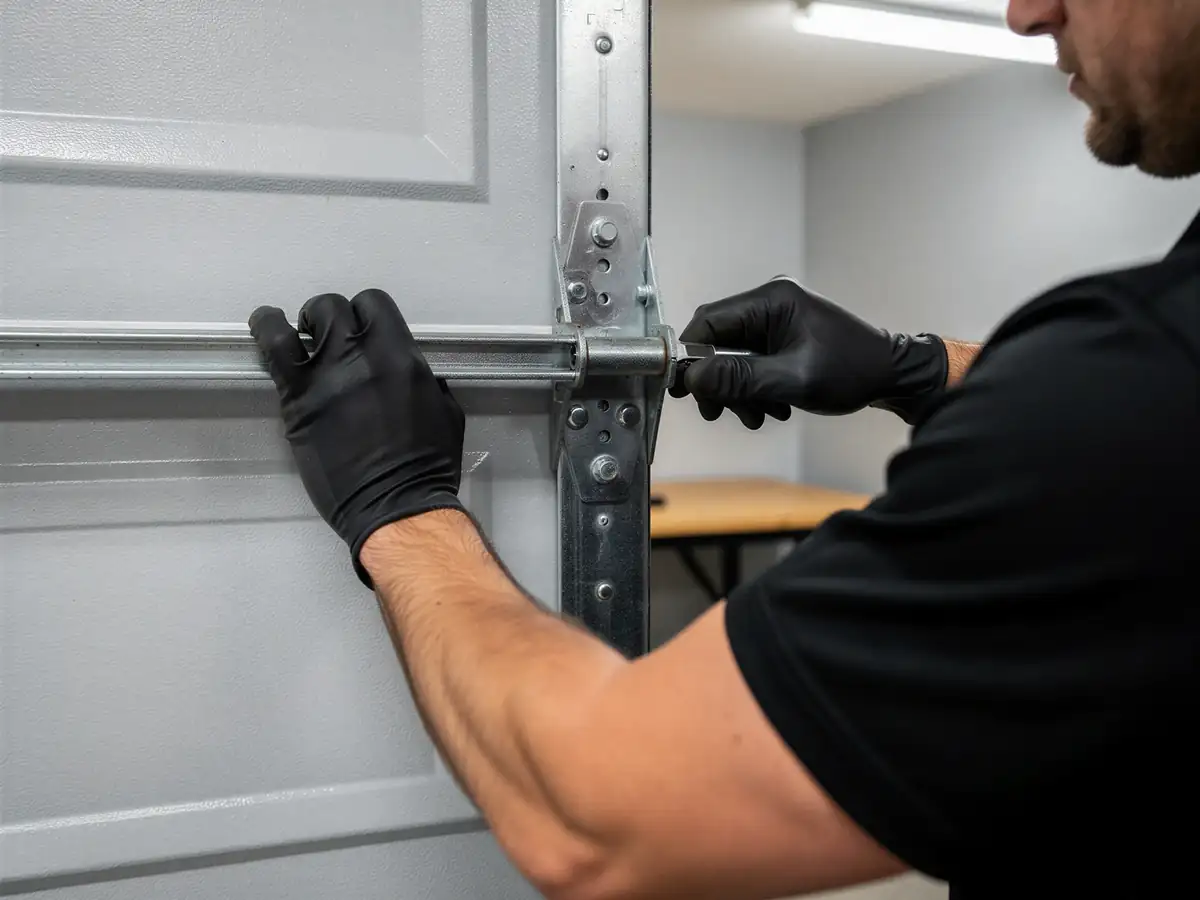
A torsion spring that's lost tension, a cable that's frayed off the drum, a roller binding in a track that's racked slightly out of square - none of those are jobs to start without the right bars and clamps. A torsion spring under load can put you in the hospital if the winding bar slips. If the door won't open and the springs look intact, check the obvious first: the opener's unplugged, the manual lock is engaged, the sensor eyes are knocked out of alignment or have a cobweb across the beam. Those you can fix yourself in five minutes. Anything involving the spring, the cable, or the torsion tube - leave it. We'd rather get a call for something simple than a call for something that went wrong halfway through.
Stocked Parts
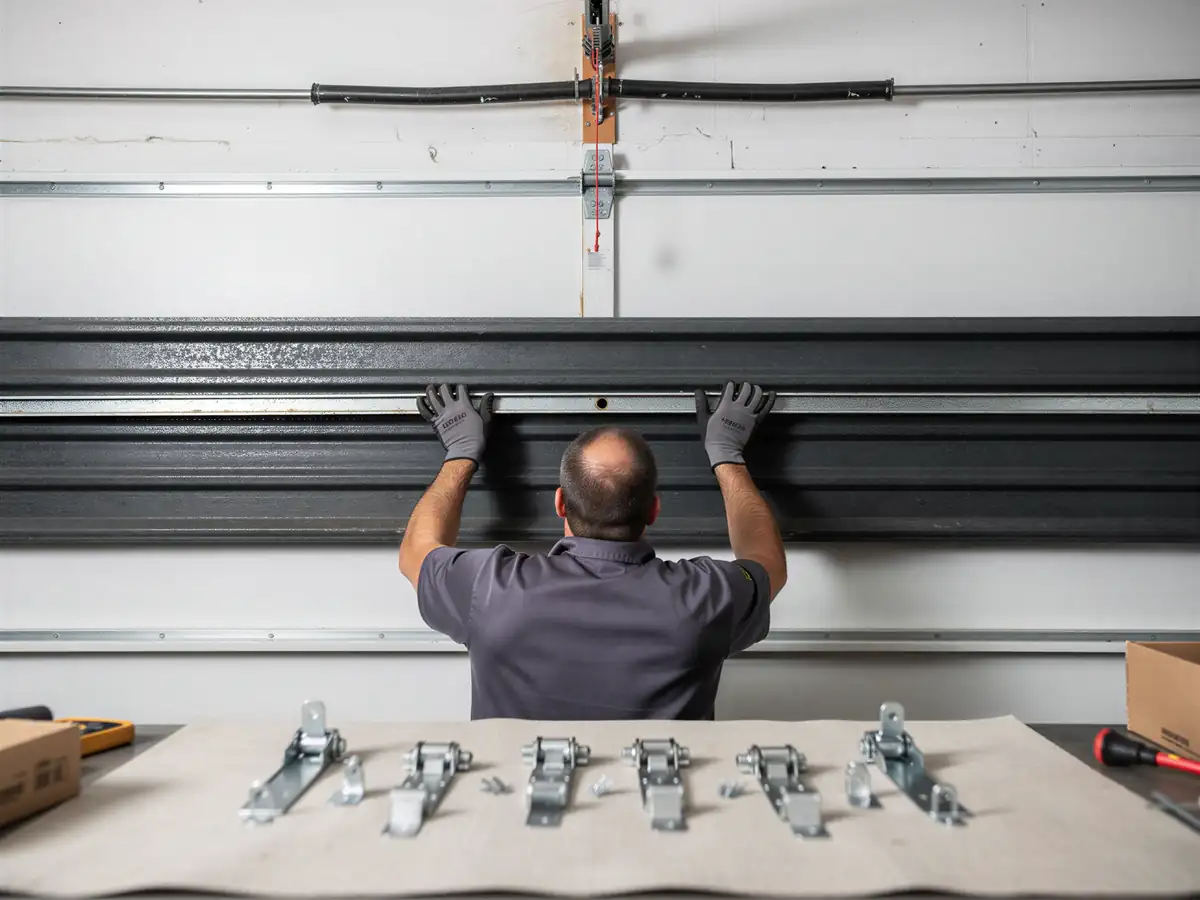
Because Fullerton's housing clusters so tightly around that 1965 median build year, the parts that fail here are predictable, and we carry them on the truck rather than ordering them after we've already looked at the door: torsion springs sized for the standard door weights of that era, extension spring sets for the older single-car garages, galvanized cable, and steel rollers to replace the originals that have worn their bearings out.
Where we don't carry stock is anything custom - a non-standard panel width, a specialty insulated door, or hardware from a manufacturer that's stopped making parts for a model that old. Those we order, and that's the honest limitation: if your door needs a part outside the common sizes, expect a wait of a few days rather than a same-visit fix. We'll tell you that on the spot, not after you've paid for a diagnostic.
What the Fix Involves
Most calls in Fullerton start with us checking the spring first
Because a door built in the 1960s is more likely to be on its second or third spring set than its first - that's just what forty-plus years of winding and unwinding does to steel. We check spring wind count and tension, look at the cable where it wraps the drum, and run the door by hand with the opener disconnected to feel where it binds.
Cold matters here
This area sits in a severe cold climate zone, and steel contracts in winter - cables stretch tighter, springs lose a little flex, and openers that are already marginal tend to fail in January rather than July. If the fix is a spring replacement, we match the wind and wire gauge to the door's actual weight rather than guessing off the old spring's size, since too light a spring just means a return call sooner than it should happen.
The Cost of This Job
Median household income in Fullerton runs around $63,357, noticeably below the roughly $82,797 average across the rest of the area we cover. That's not a number we mention to make small talk - it's why we walk through repair-versus-replace honestly before recommending either one. A spring and cable job on a door that's otherwise sound is usually the right call. A door with a cracked panel, a bent track, and an opener on its last legs is a different conversation, and sometimes the honest answer is that a new door costs less over three years than patching the old one twice.
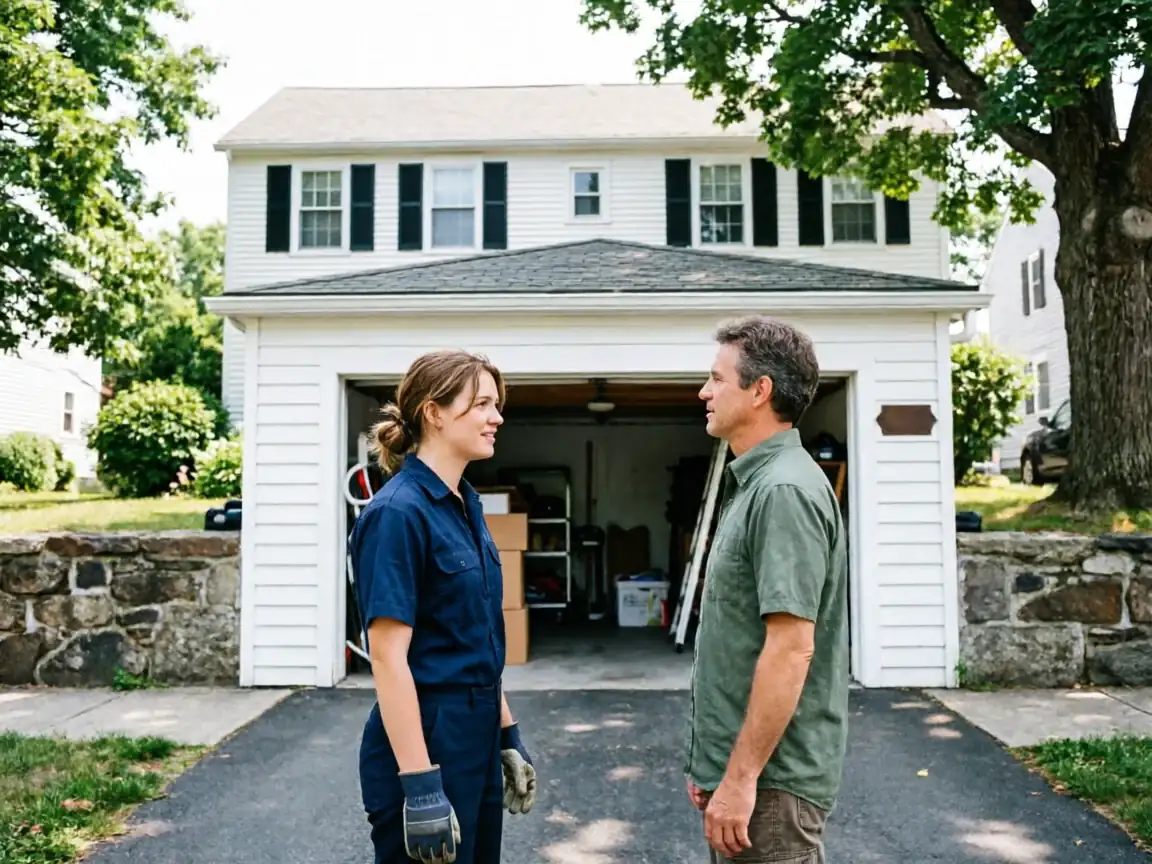
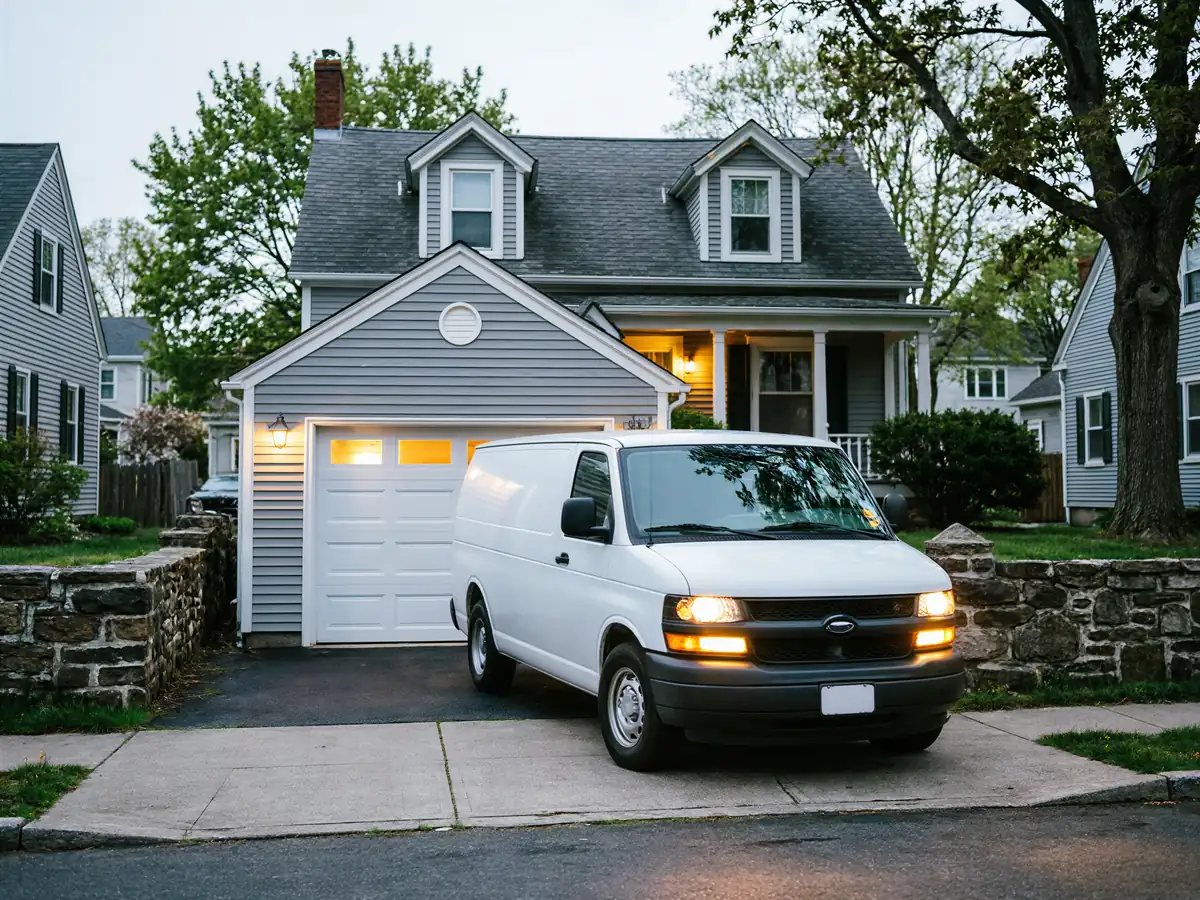
We're 3 miles out from our shop in Allentown, which keeps the trip itself from adding much to a bill. What changes the price is the part, not the drive.
The Symptom
The most common thing we hear from Fullerton is some version of "it worked fine yesterday and now it won't move" or "it's making a grinding noise and stopped halfway." On a door from this era, that's almost always the spring or the cable, not the opener - the motor is often the newest part on the whole assembly, since openers get replaced more often than the spring system behind them.
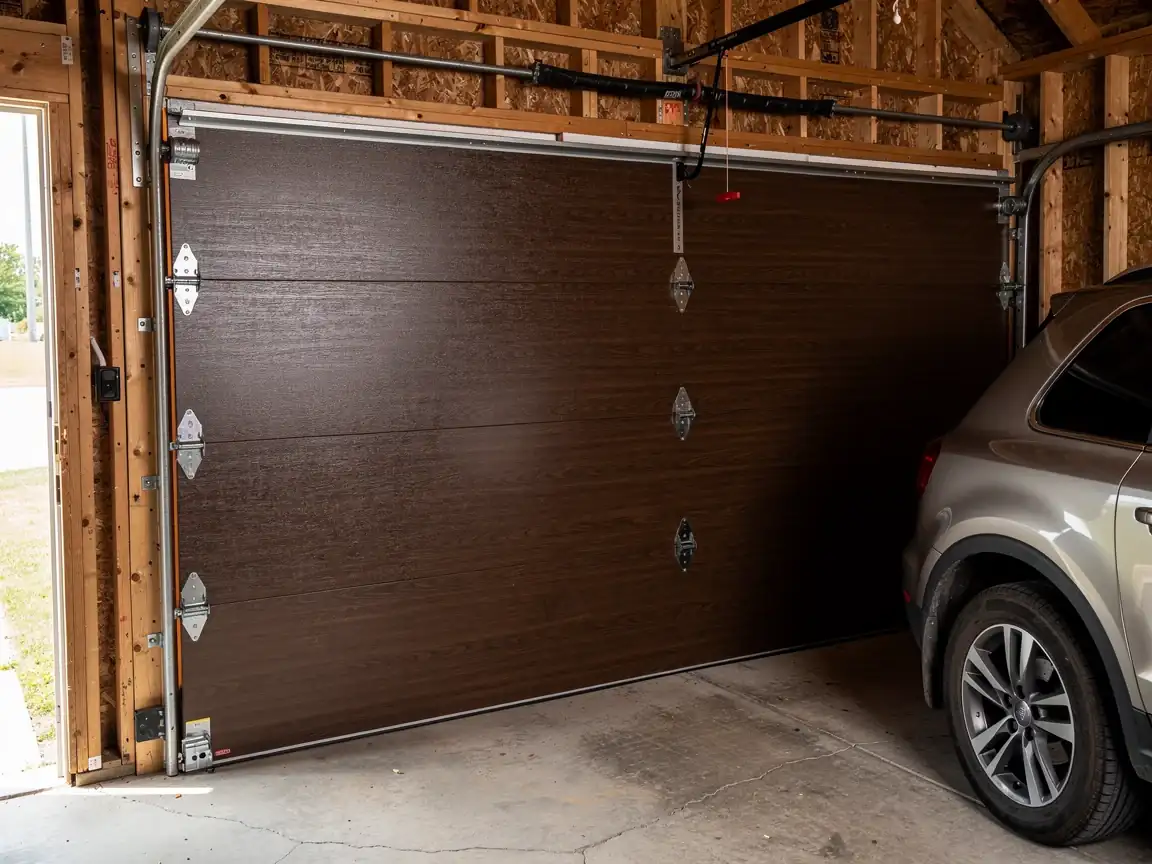
If the door is heavy to lift by hand with the opener disconnected, that's a spring that's lost tension, not a trip to the hardware store for WD-40. If it jerks or hangs crooked on one side, check the cable on that side before you assume the track is bent - a cable that's slipped off the drum will cock the door at an angle that looks like a track problem but isn't. Either way, those are hardware faults specific to the age of door common around here, and they're worth a look before the spring that's left fails too.