Can You Do This Yourself
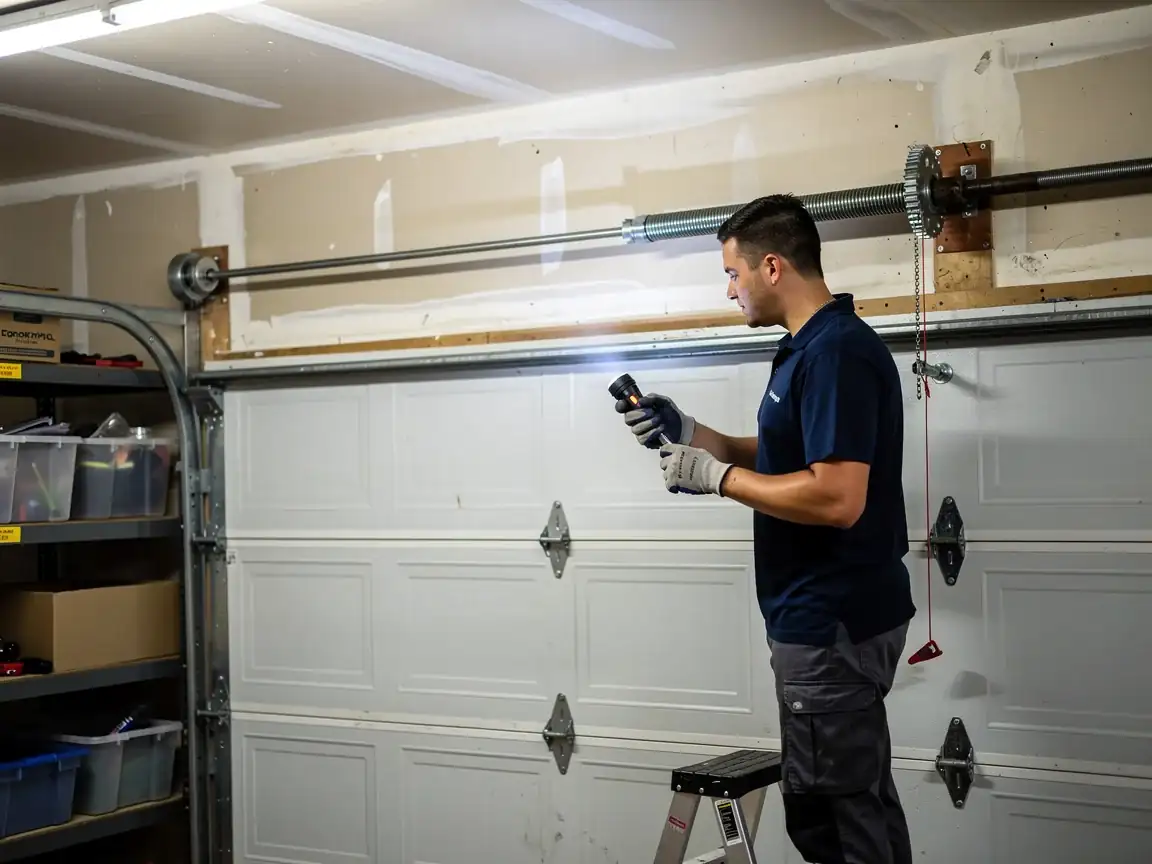
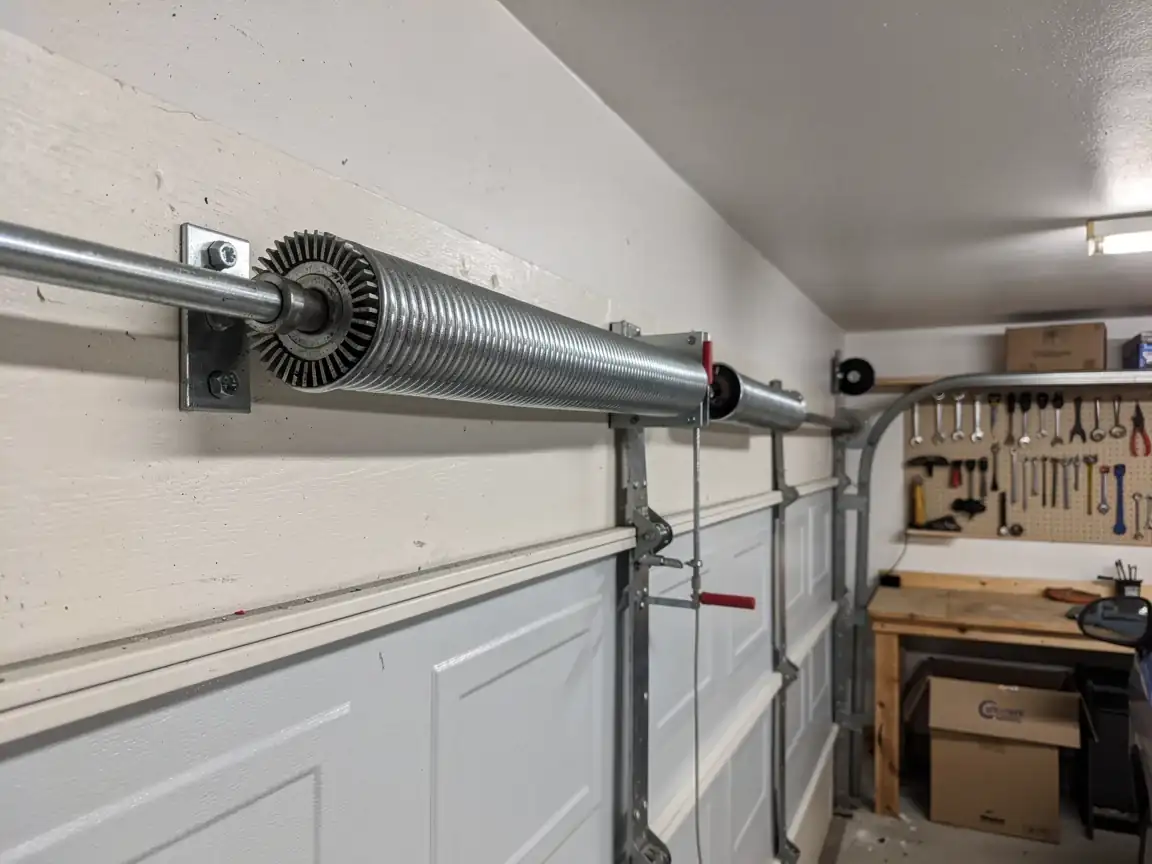
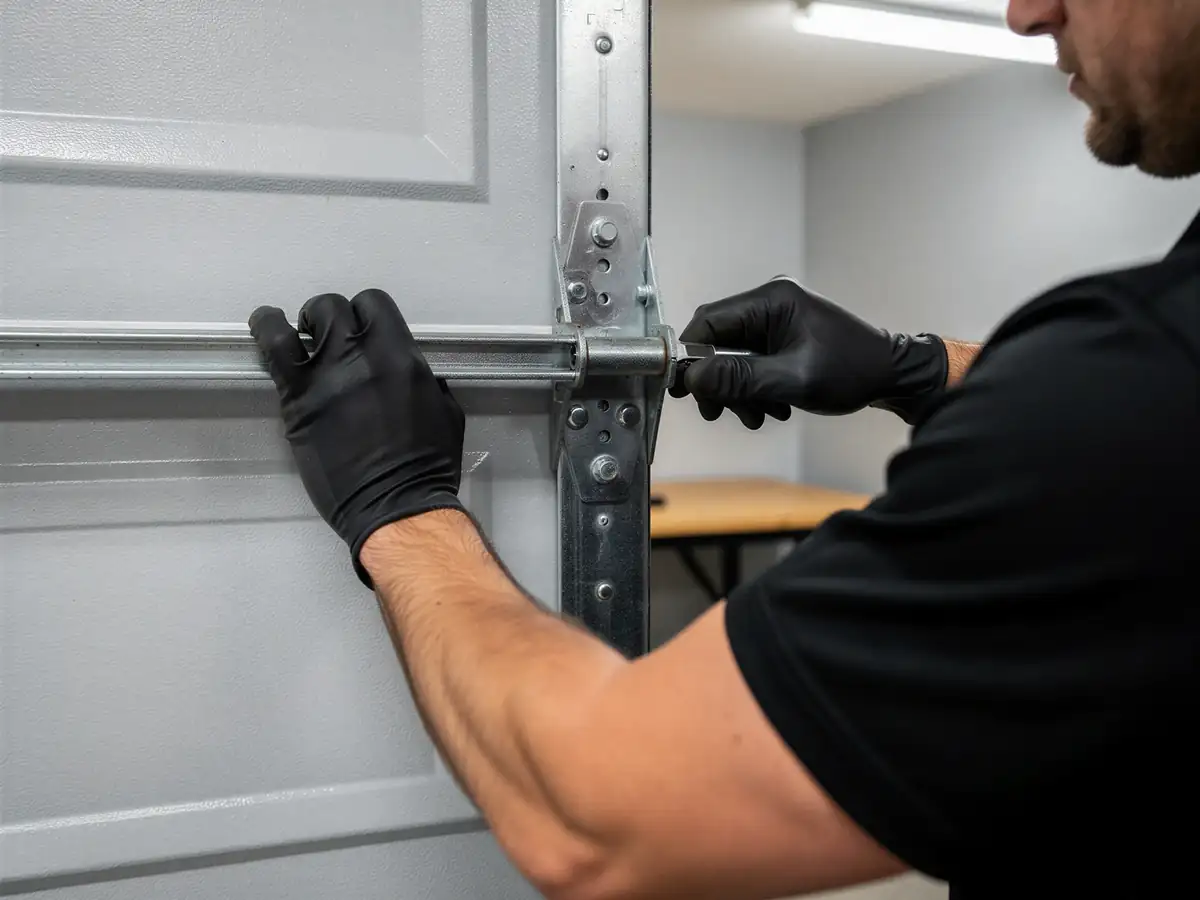
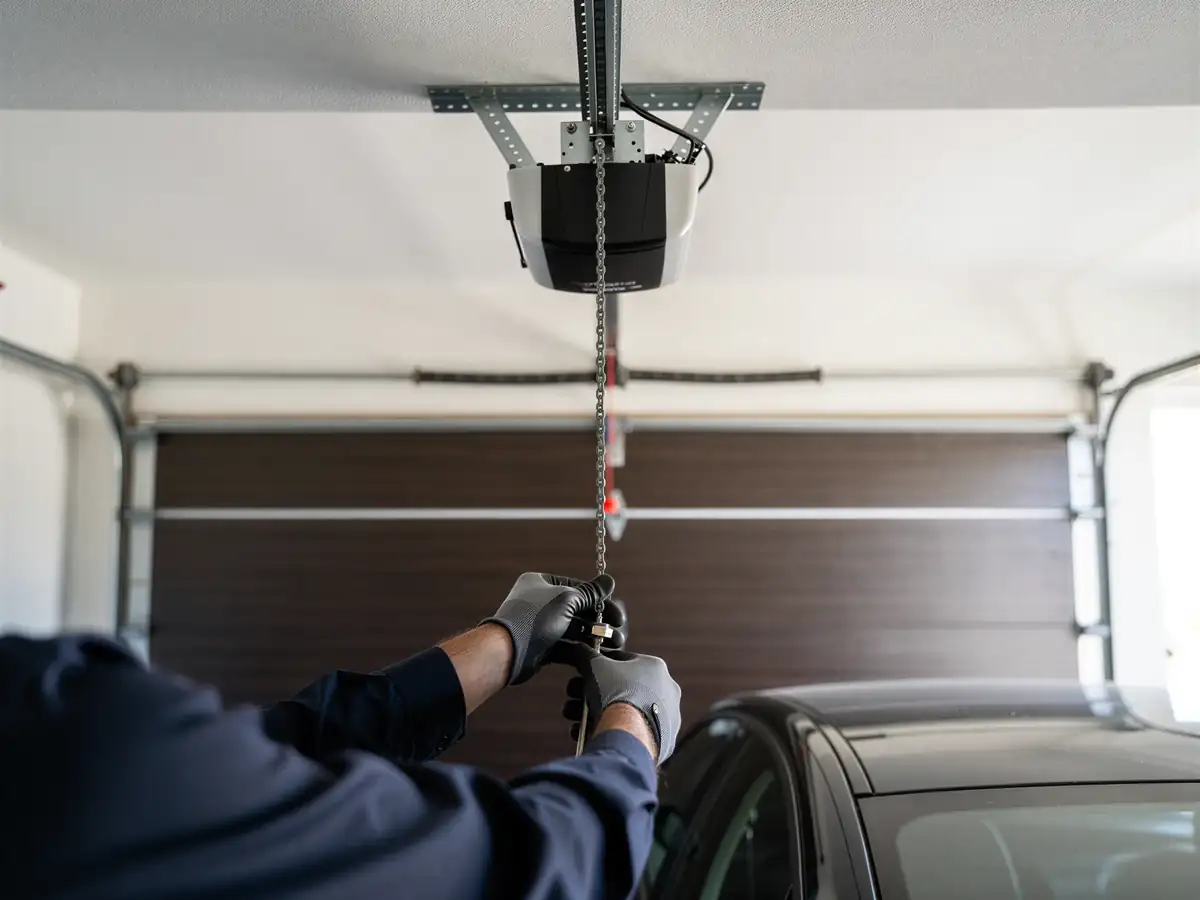
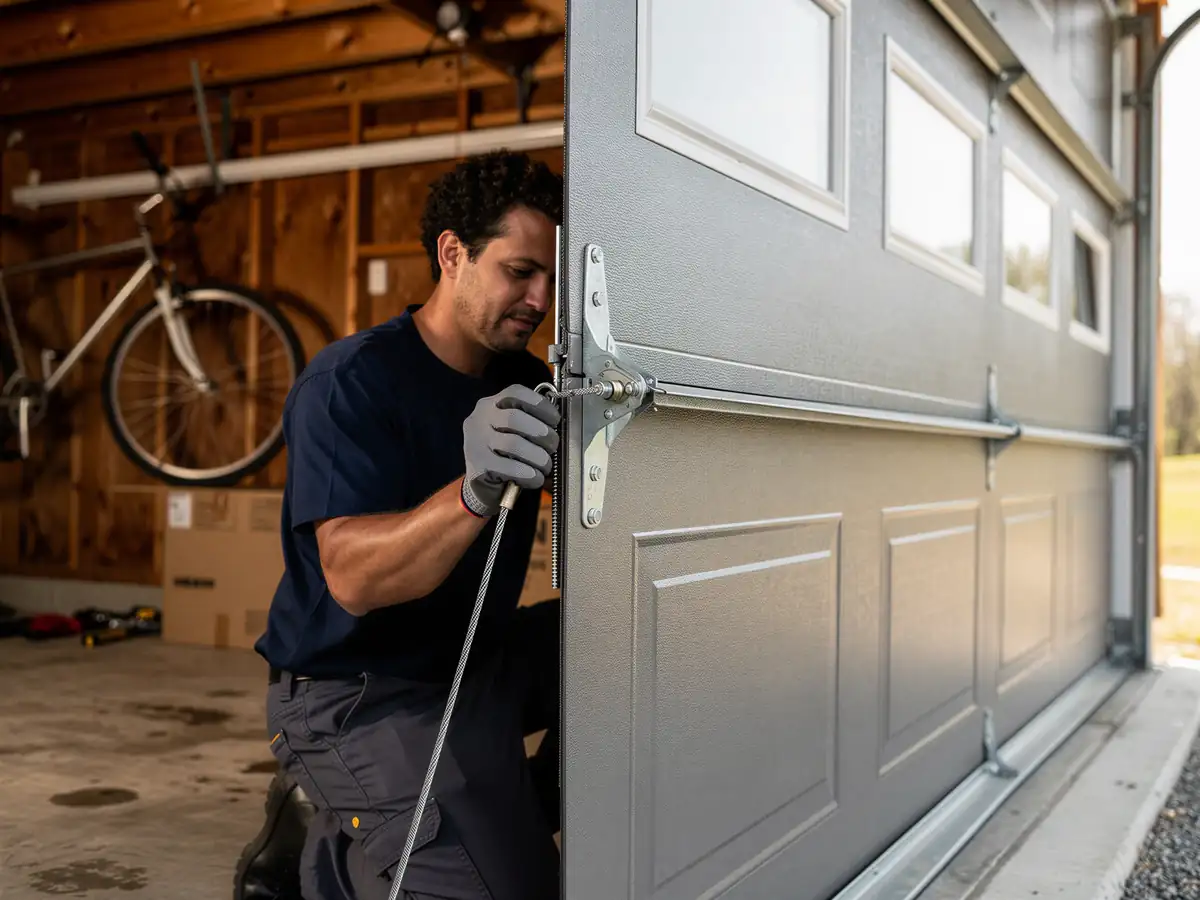
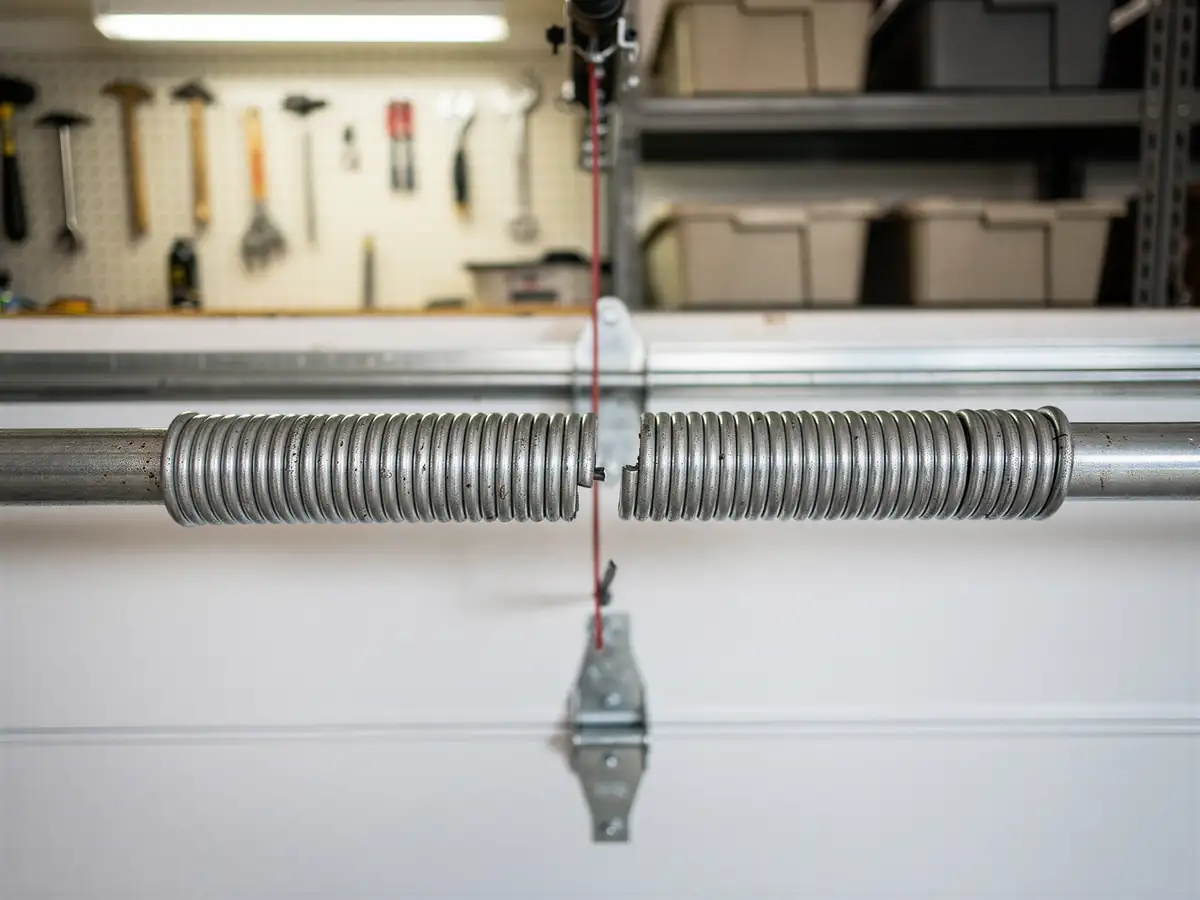
A broken torsion spring is not a weekend project, and we'll say that plainly before anything else. The spring is wound under enough tension to break bones or take an eye if the winding bars slip, and on the mid-1960s doors common in Fullerton, the shaft and bearing plates have usually seen sixty years of use with no service at all. Rust on the winding cone, a stripped set screw, or a bent shaft turns a simple spring swap into a hazard fast. What a homeowner can safely do: disconnect the opener, confirm the spring is actually broken (look for the gap in the coil near the center bracket), and leave the door closed until someone with the right bars and clamps gets there. Fullerton sits about 3 miles from our Allentown shop, so a call here doesn't mean a long wait on a tech - but it does mean the drive up gives us time to ask the right questions before the truck rolls: door size, spring type, how old the opener is. That's what lets the right spring show up on the first trip instead of the second.
Stocked Parts
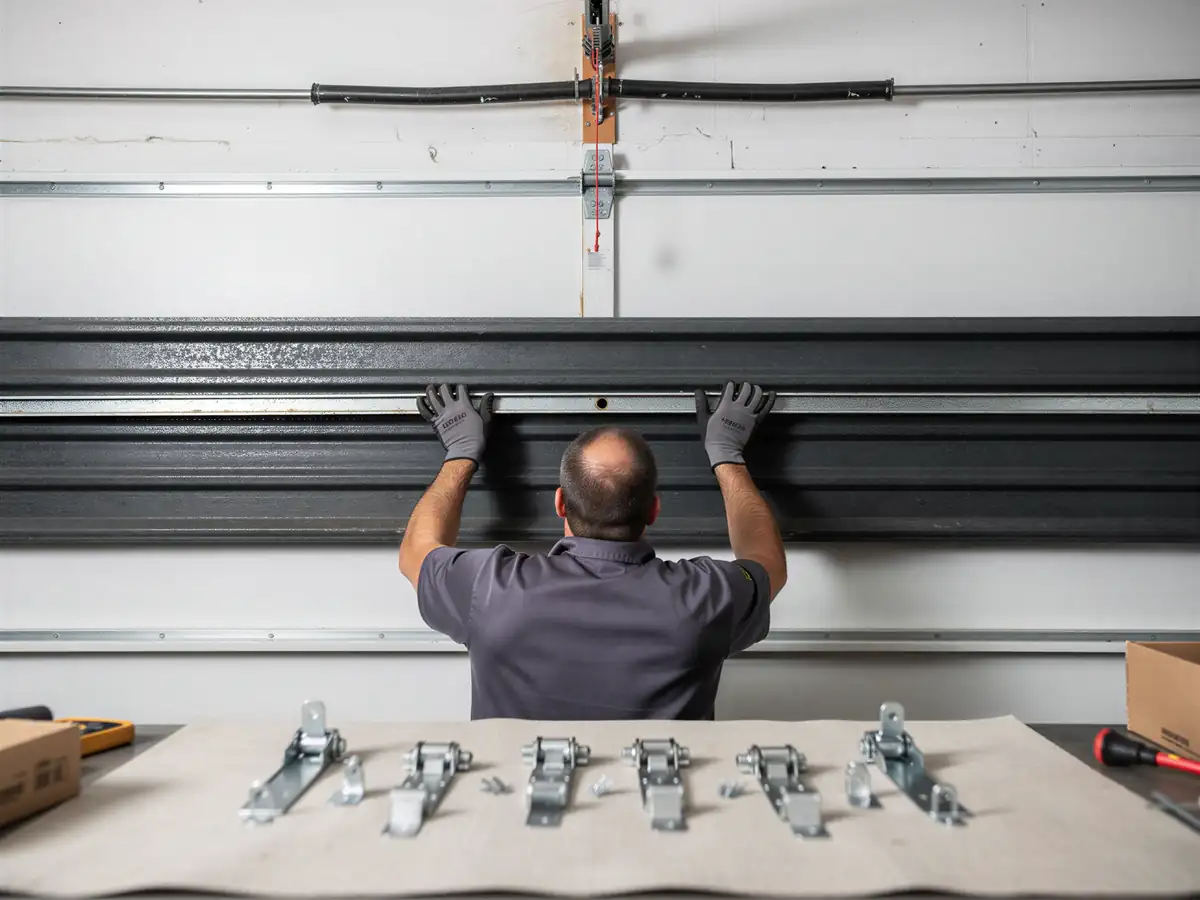
Most of what breaks on a Fullerton garage door was installed when the house was built, and with a median build year of 1965 for this area, that means a lot of single torsion springs sized for doors that were standard then but aren't always standard now. We carry common torsion spring sizes for both single and double doors, along with the shafts, cable, and center bearing plates that tend to go along with a spring failure on a door this age. What we don't carry on the truck is anything custom-wound for an oversized or architecturally unusual door - those get ordered, and we'll tell you that up front rather than pretend otherwise. For the straightforward case, a standard torsion spring swap on a 1960s-era door is a same-trip job.
The Cost of This Job
We don't post a flat number for spring repair because the spring size, the number of springs, and the condition of the shaft and bearings change the job, and quoting a price without seeing the door usually means quoting the wrong one. What we can tell you: a single broken torsion spring on a standard door is a far smaller job than a double-spring replacement where both springs have aged out together, which is common since springs on the same door usually get replaced in pairs even if only one has broken. If the median income figure for this area runs lower than other suburbs we cover, that's one more reason we quote the job on the door in front of us rather than a regional average.
The Symptom
The door that won't budge, or that an opener strains against and then gives up on, is the classic broken-spring call. You'll often hear it before you see it - a loud bang from the garage, sometimes mistaken for something falling, which is actually the spring letting go under tension. On a door built when this neighborhood's housing stock went up, in the early-to-mid 1960s, the symptom can also show up more subtly: the door feels heavier to lift by hand than it used to, a sign the spring is weakening but hasn't fully broken yet. Either way, a door that's hard to lift, crooked when it opens, or stuck a few inches off the floor points to the spring system, not the opener - and running the opener against a dead spring repeatedly is how you turn one repair into two.