Where This Job Goes Sideways
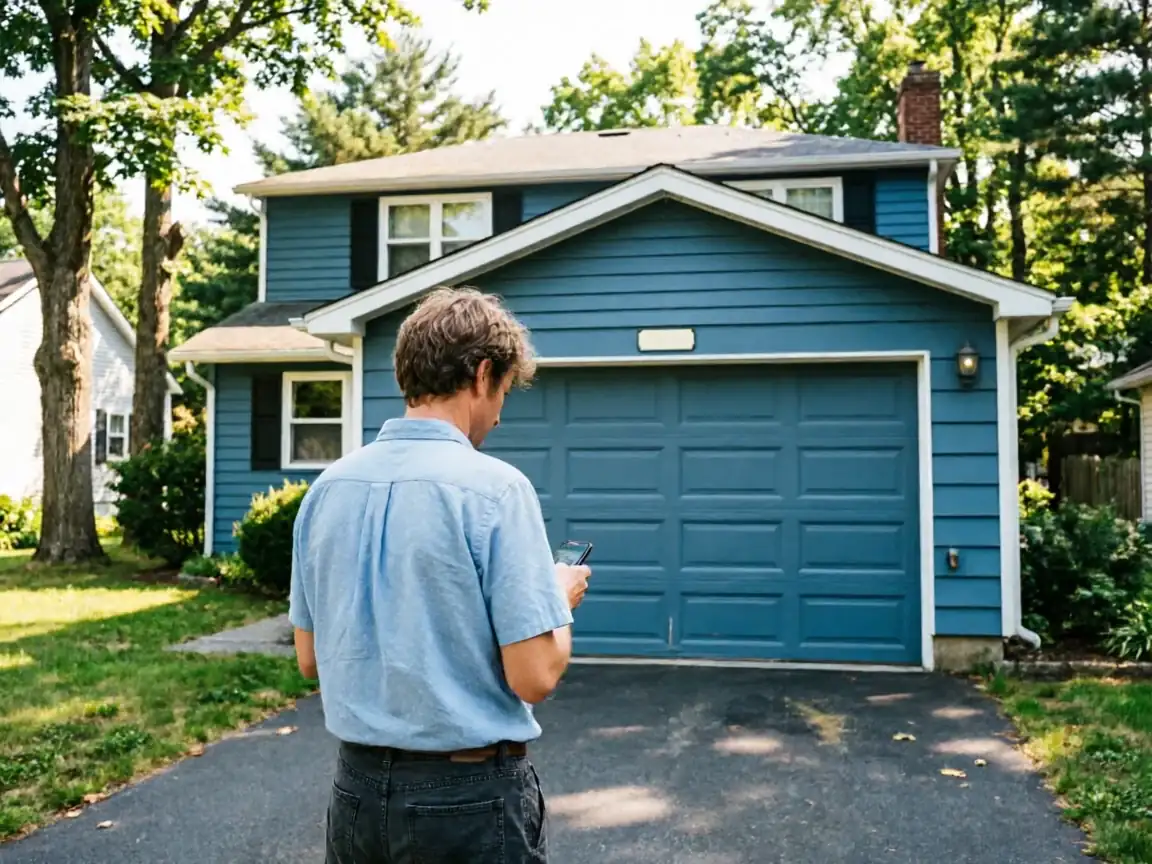
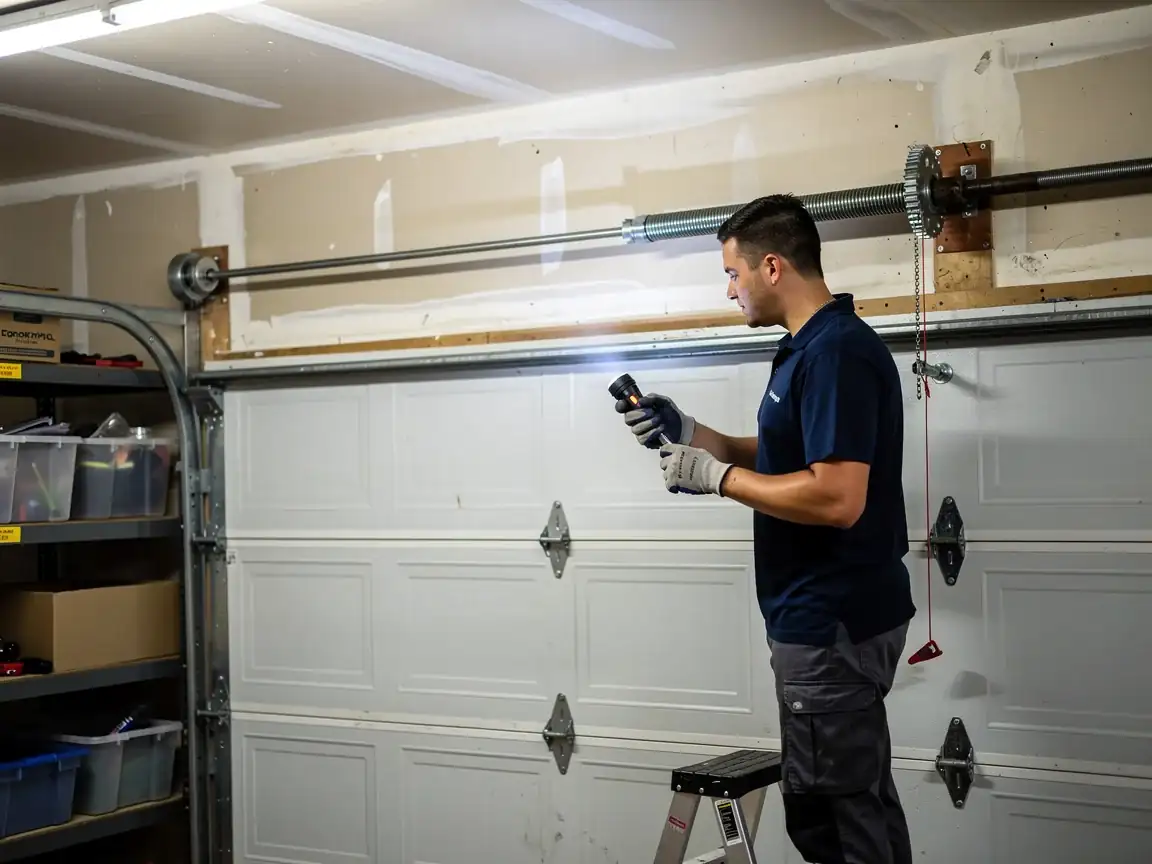
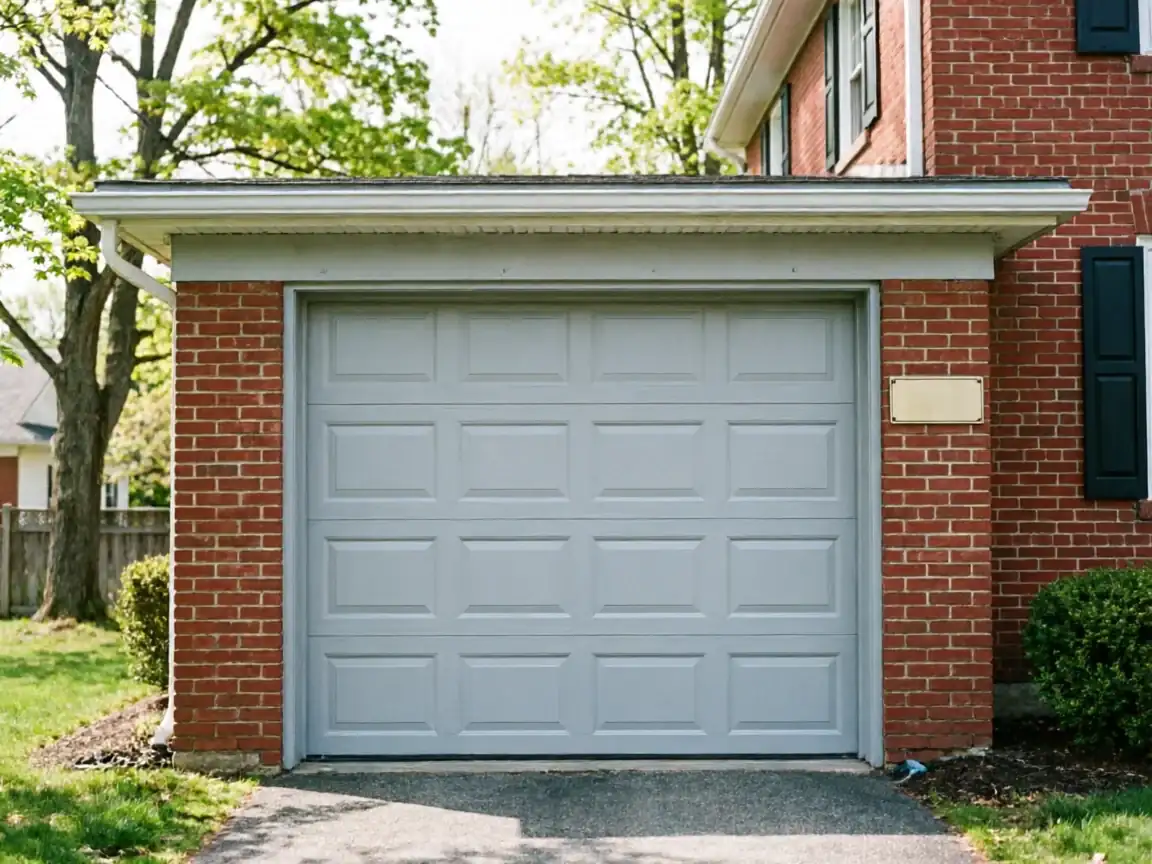
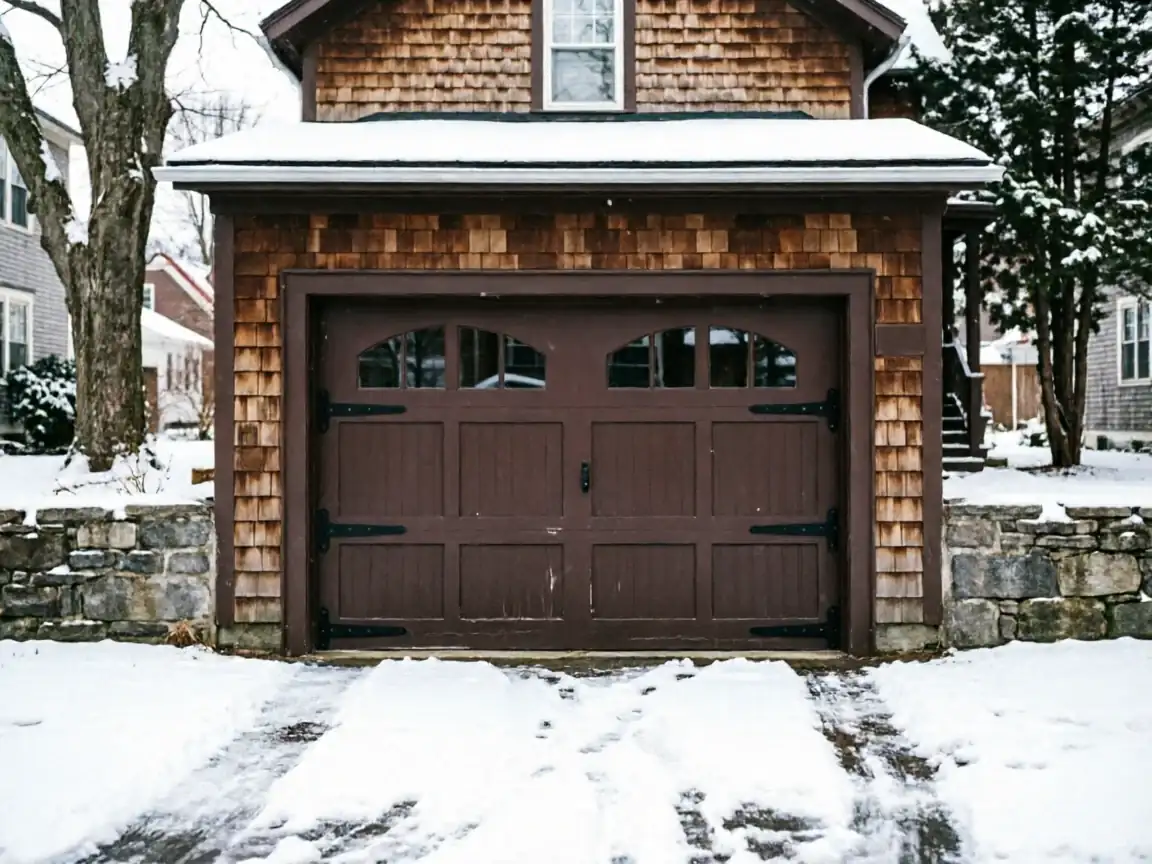
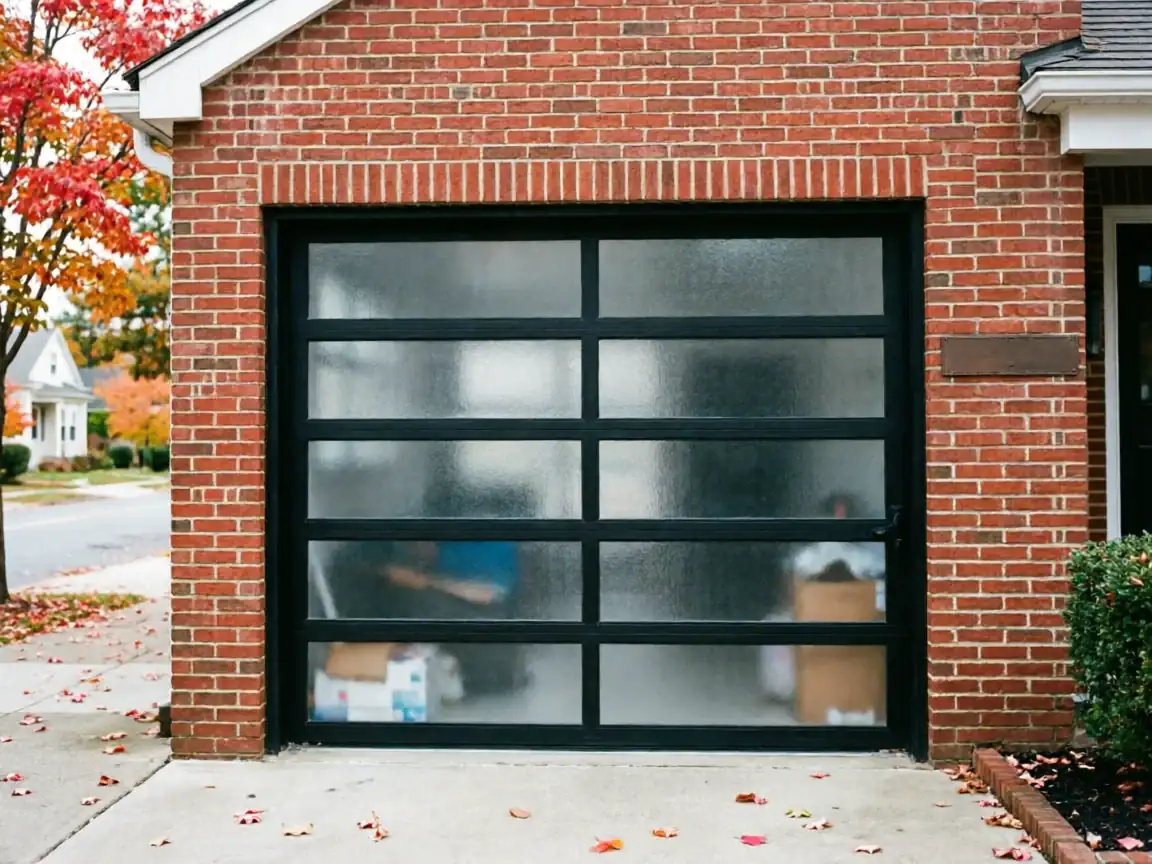
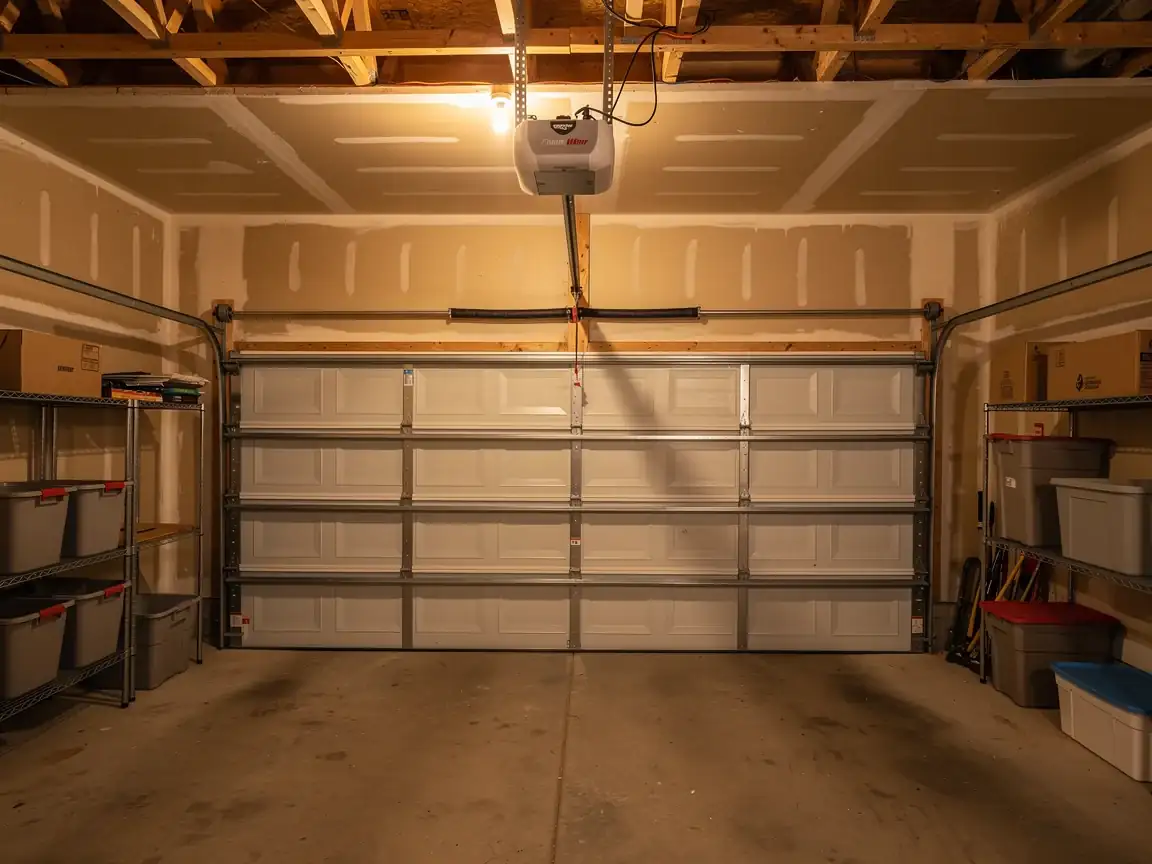
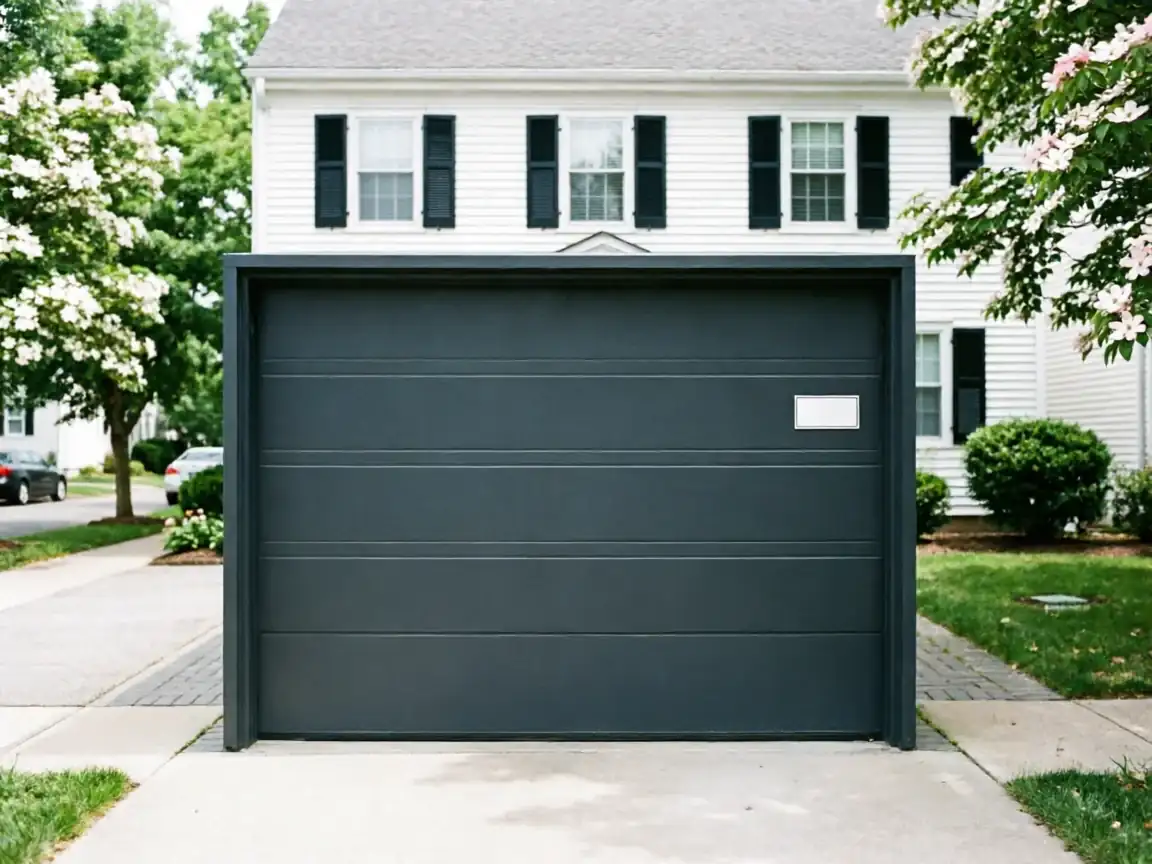
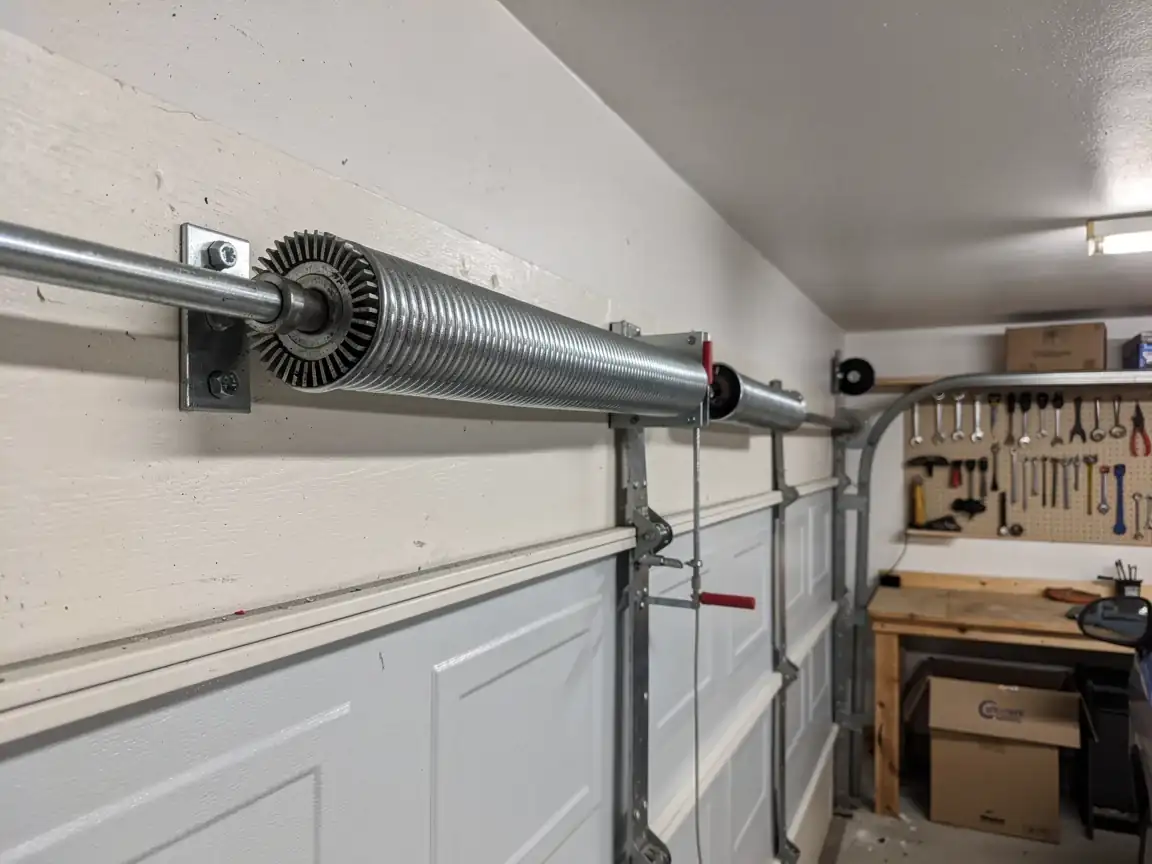
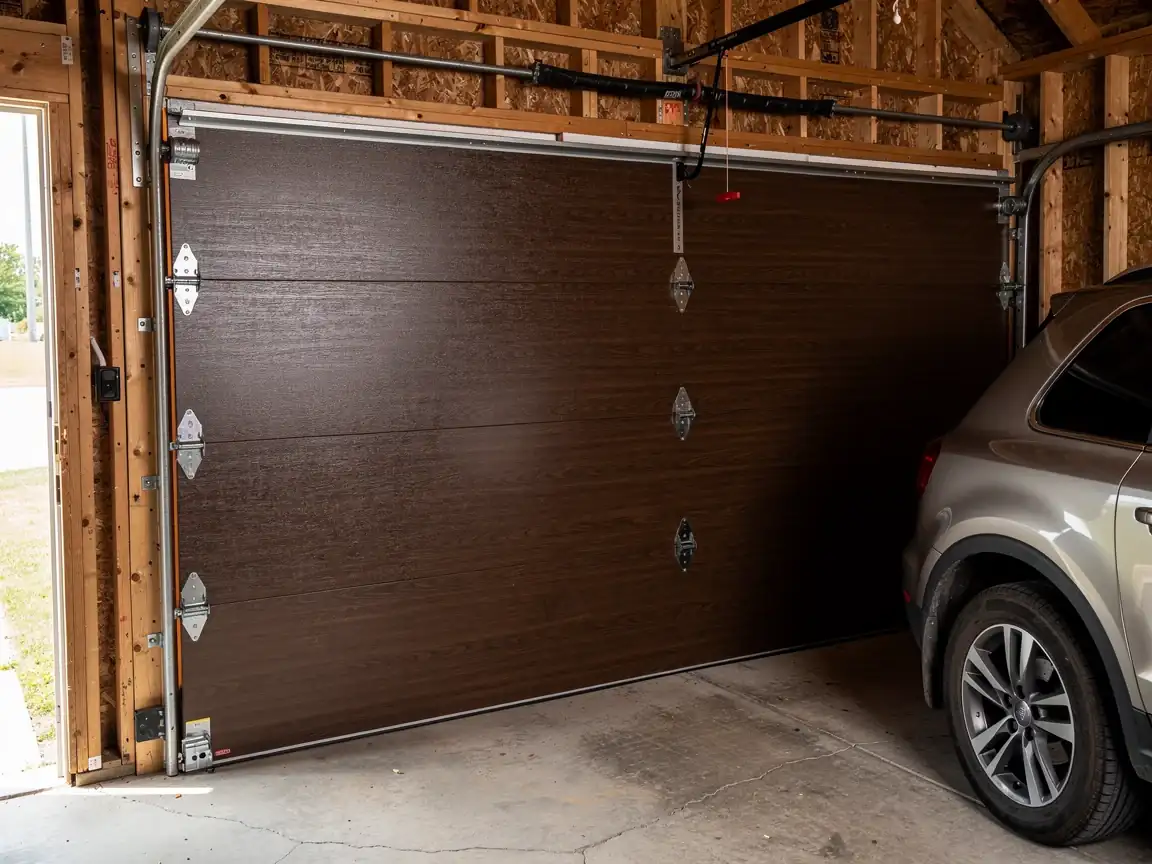
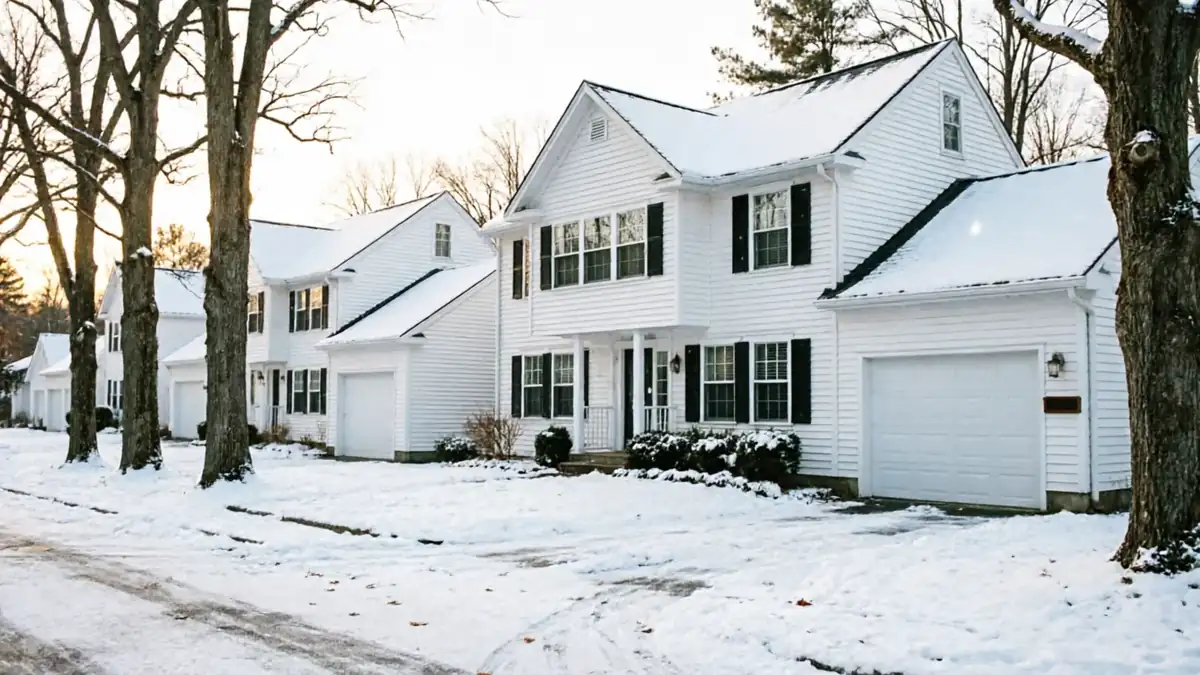
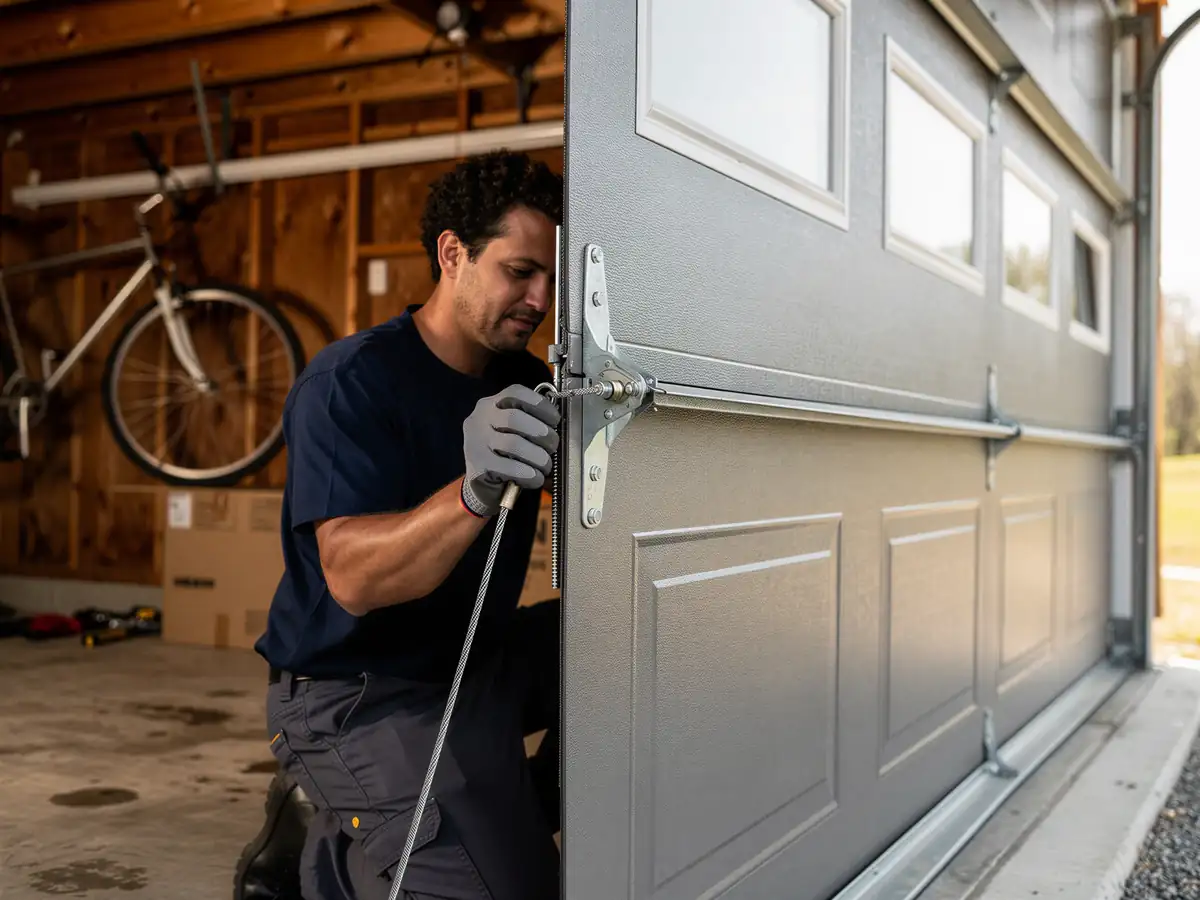
Ancient Oaks sits on housing built with a median year of 1998, which is a different animal than most of what we see closer to Allentown, where the stock runs 1960s and 70s. That matters here because homes from this era mostly went up with two-car garages and 16-foot steel sectional doors on factory-set extension or torsion cable, not the narrower single doors and older drum setups you find on pre-1970 construction. The cable on a door this size carries more weight across a wider span, and the lift system is usually a standard torsion spring with galvanized cable run through steel drums at each end of the shaft.\n\nWhere this goes sideways is when a cable on one side of a wide door starts to fray and nobody notices until it snaps, because a 16-foot door doesn't always sag evenly - it can look level until it isn't. We've also seen the factory cable on these builds start showing rust pitting well before it looks obviously worn, especially after a few hard winters, because a severe cold climate band does not treat zinc coating kindly.
The Symptom
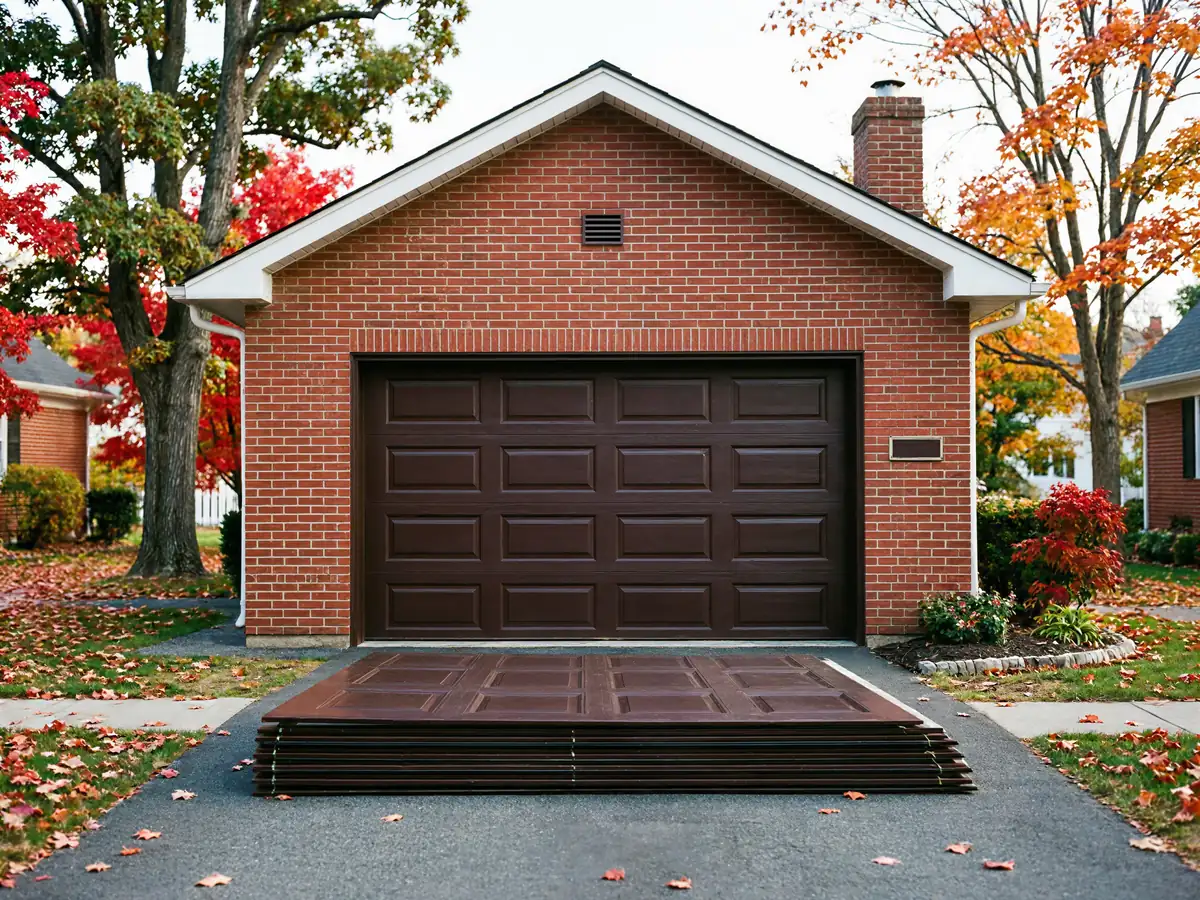
On a door this wide, a failing cable usually shows up as one corner dropping before the other, or the door running crooked in the track on the way down. Sometimes you'll hear a sharp snap and the door will just stop, half up or half down, with one side of the bottom panel sitting lower than the other. If the cable has already let go, the door will not move on the opener at all, or it'll try and bind hard against the track.\n\nDon't force it with the opener if you hear grinding or see the door hanging crooked - that's the fastest way to bend a track or warp a panel on a door this size, and panels for a late-90s steel sectional aren't always a quick match off the shelf.
Booking a Visit
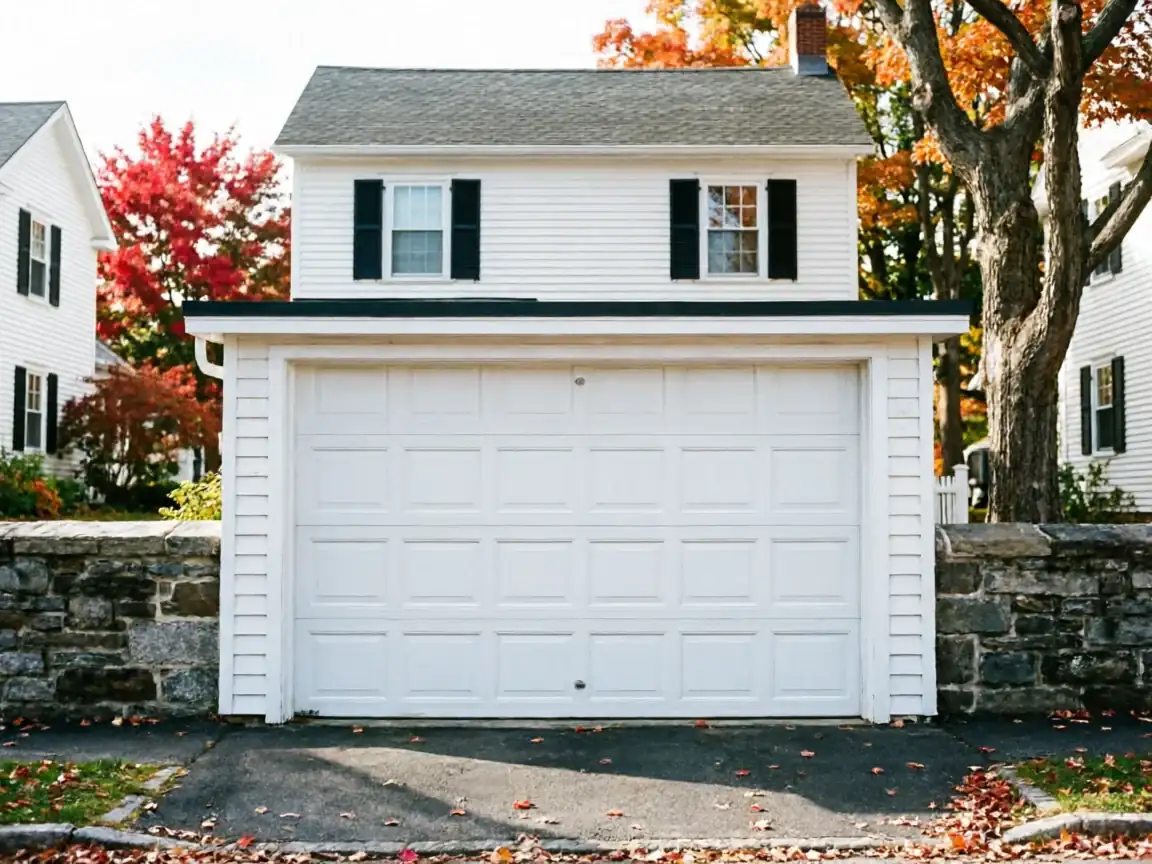
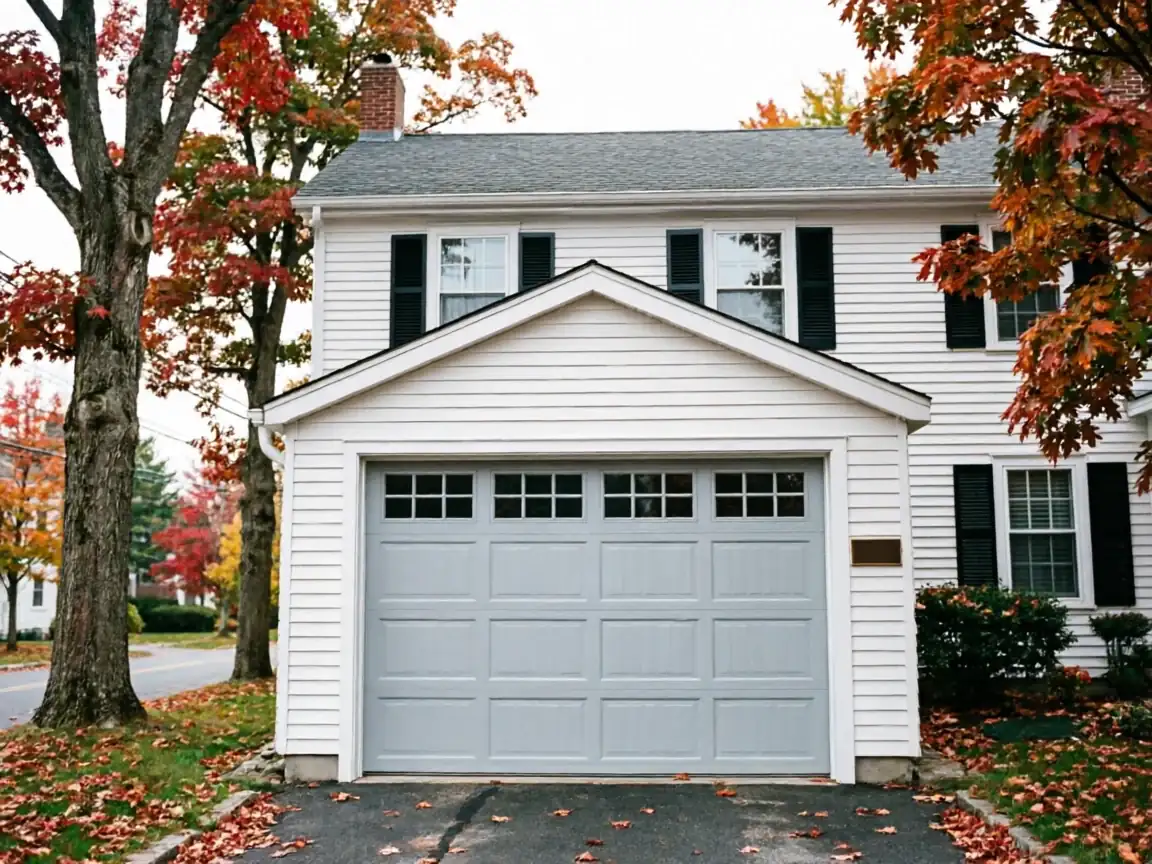
We run out of Allentown, about 7 miles from Ancient Oaks, so a visit here is a scheduled trip rather than a drop-in from a local branch - we don't have a yard or depot in Ancient Oaks itself. When you call, tell us the door is a standard two-car width if that's what you've got, since most homes in this area were built with that size, and it helps us bring the right cable and drum stock the first time instead of a second trip.
Can You Do This Yourself
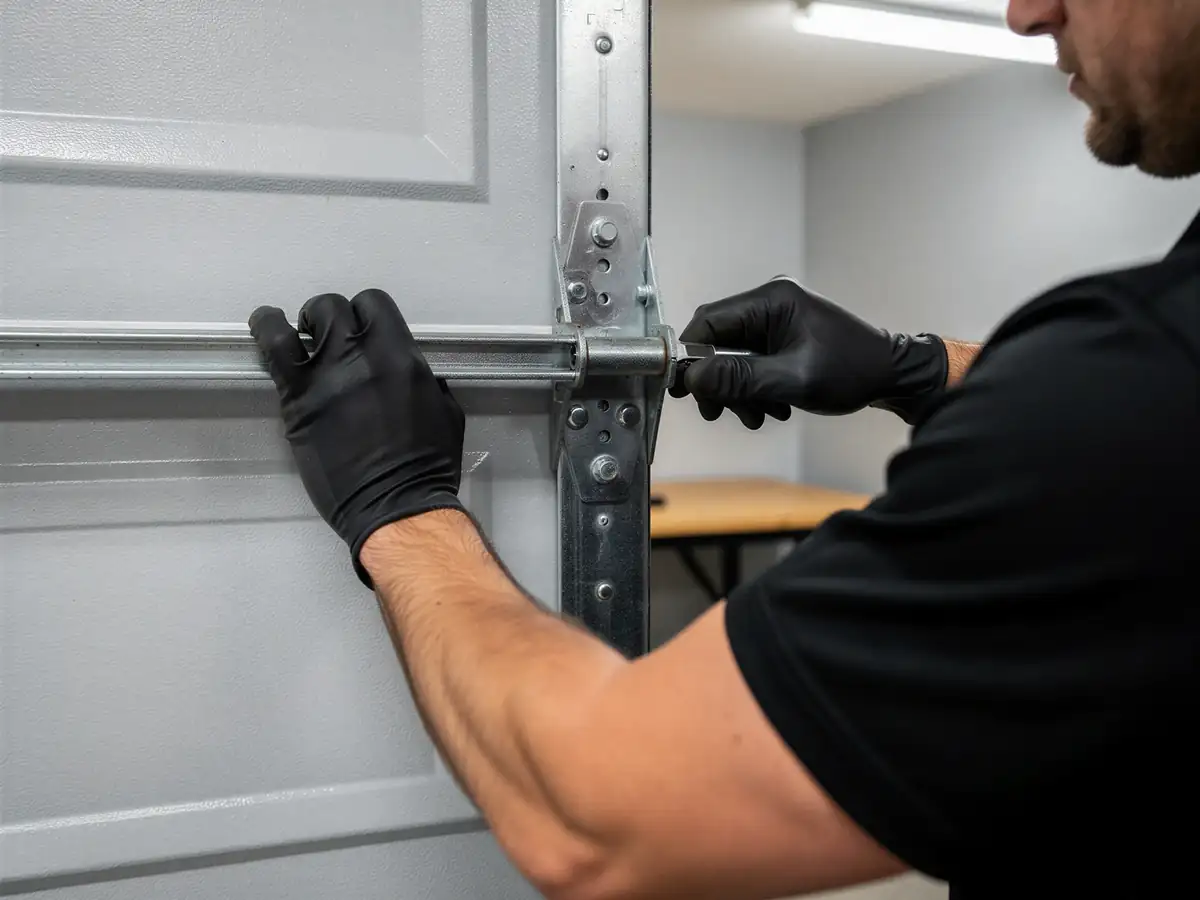
A snapped cable on a torsion door means the spring is still under load even with the cable gone, and that's not a safe DIY fix - the stored tension in a torsion spring on a door this wide can take a finger off if it lets go while you're working near it. Checking the cable visually for fraying or rust pitting is fine to do yourself, and worth doing once a winter given how a severe cold climate treats exposed steel cable over the years. Replacing it is a job for someone with winding bars and a clamp, not a ladder and a pair of pliers.