Where This Job Goes Sideways
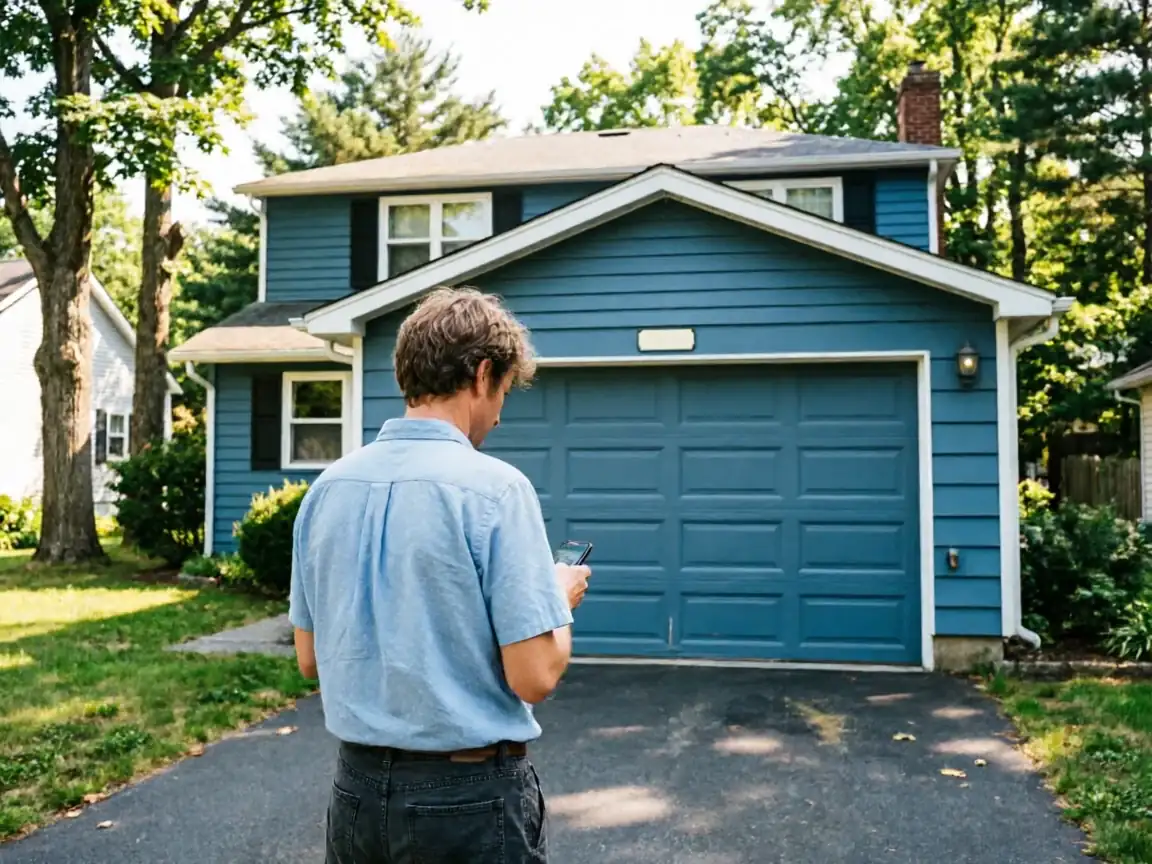
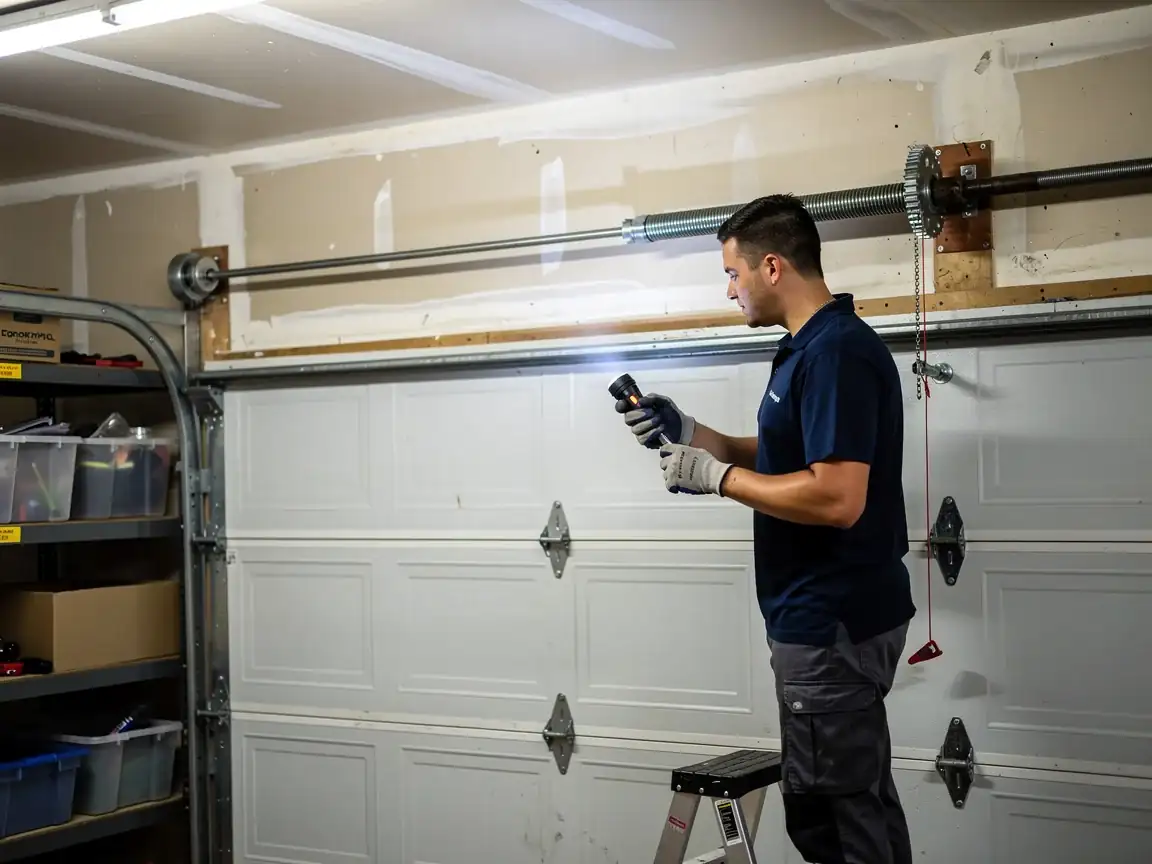
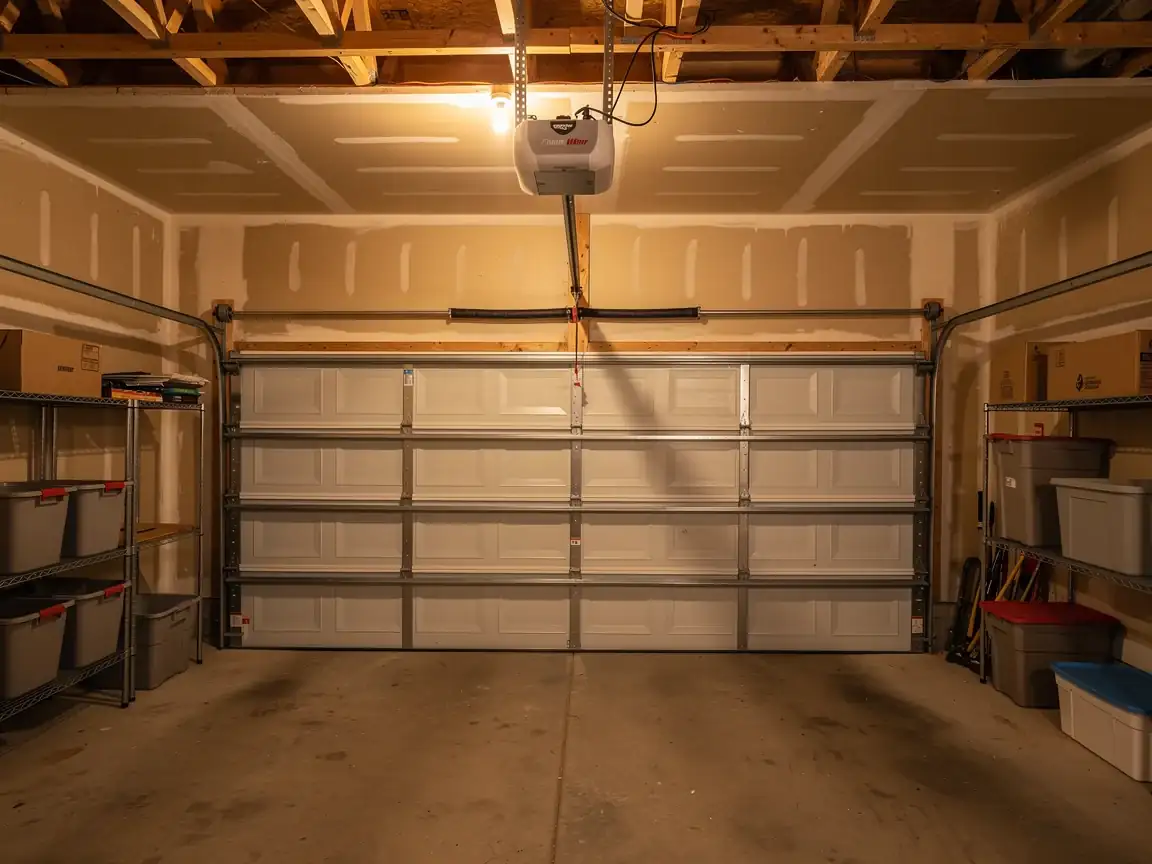
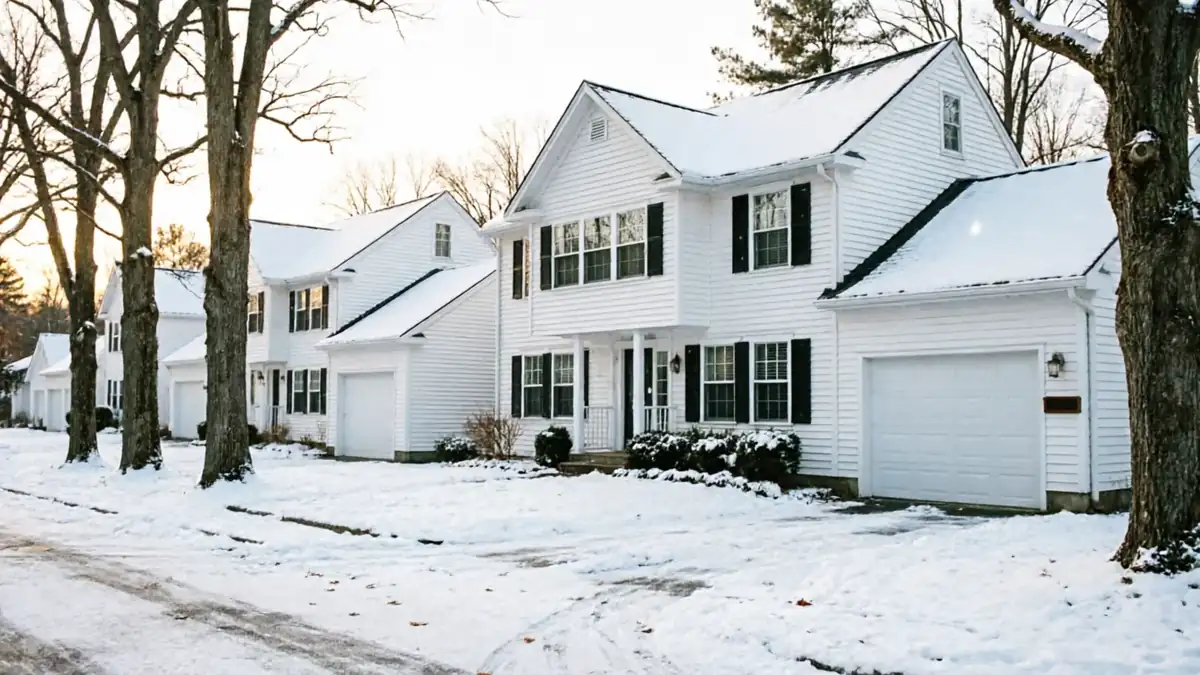
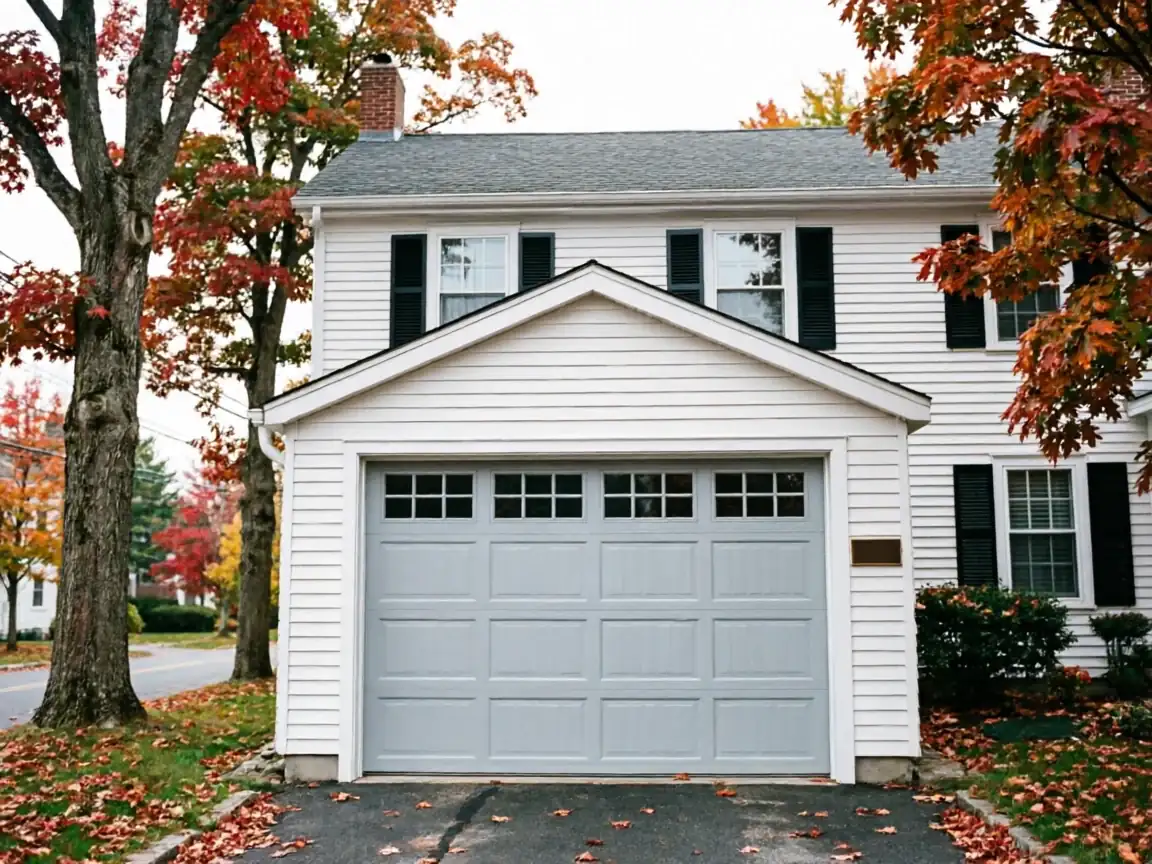
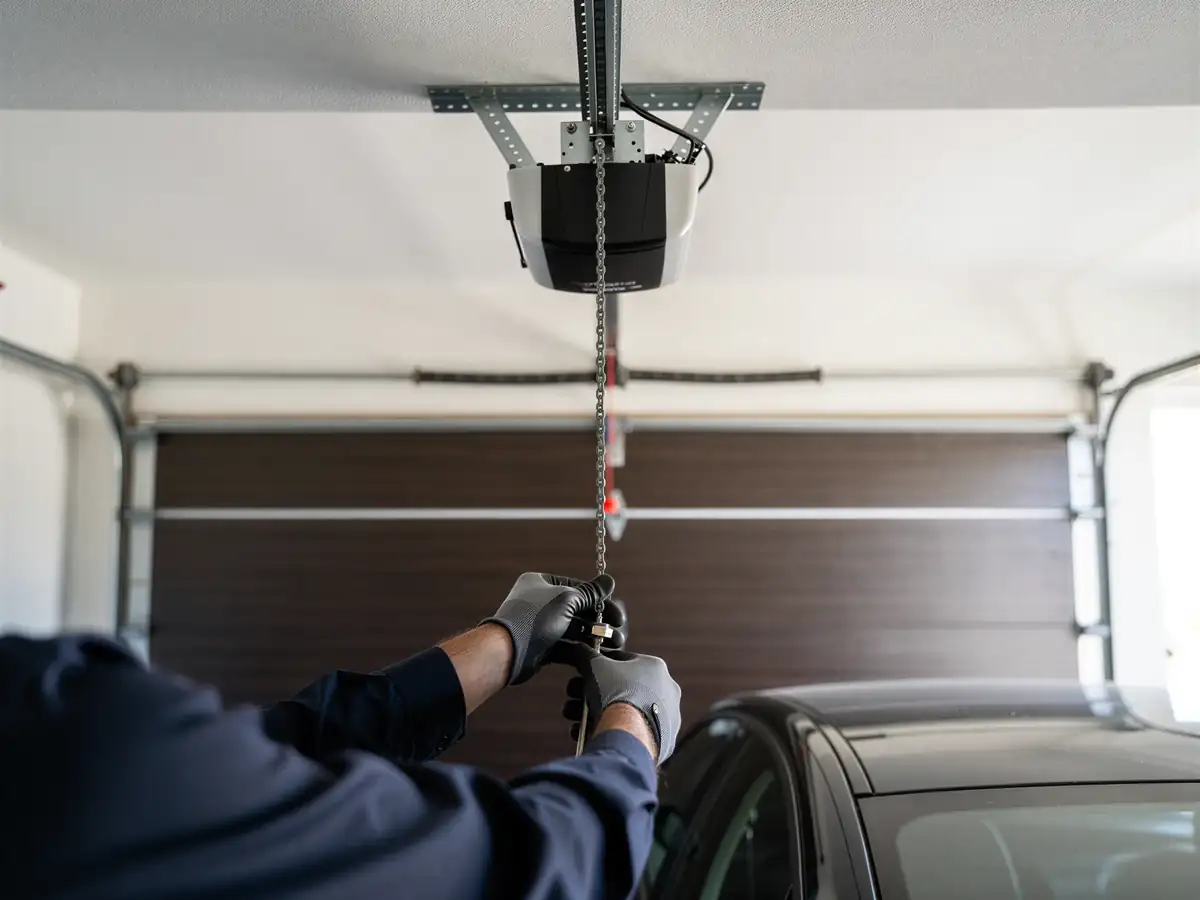
Ancient Oaks sits about 7 miles out from our shop in Allentown, which puts it on the far edge of a normal service loop rather than a quick hop. That matters for opener calls specifically, because opener problems are rarely obvious from the driveway the way a snapped spring is. A tech has to get hands on the unit, run the logic board through its diagnostic sequence, and check the sensors before knowing what part is actually bad. On a job that far out, we'd rather diagnose it right the first trip than guess over the phone and drive back. The houses here were mostly built around 1998, which is much newer than the 1960s-70s stock that makes up most of the wider Allentown area. That means most openers in Ancient Oaks are chain or belt-drive units from the late 90s through the 2000s, not the older screw-drive or chain units with exposed gears you'd find in an older neighborhood. The failure points are different: circuit boards, capacitor wear, and safety-sensor alignment, not the stripped gears and worn pulleys common on 40-year-old units.
The Symptom
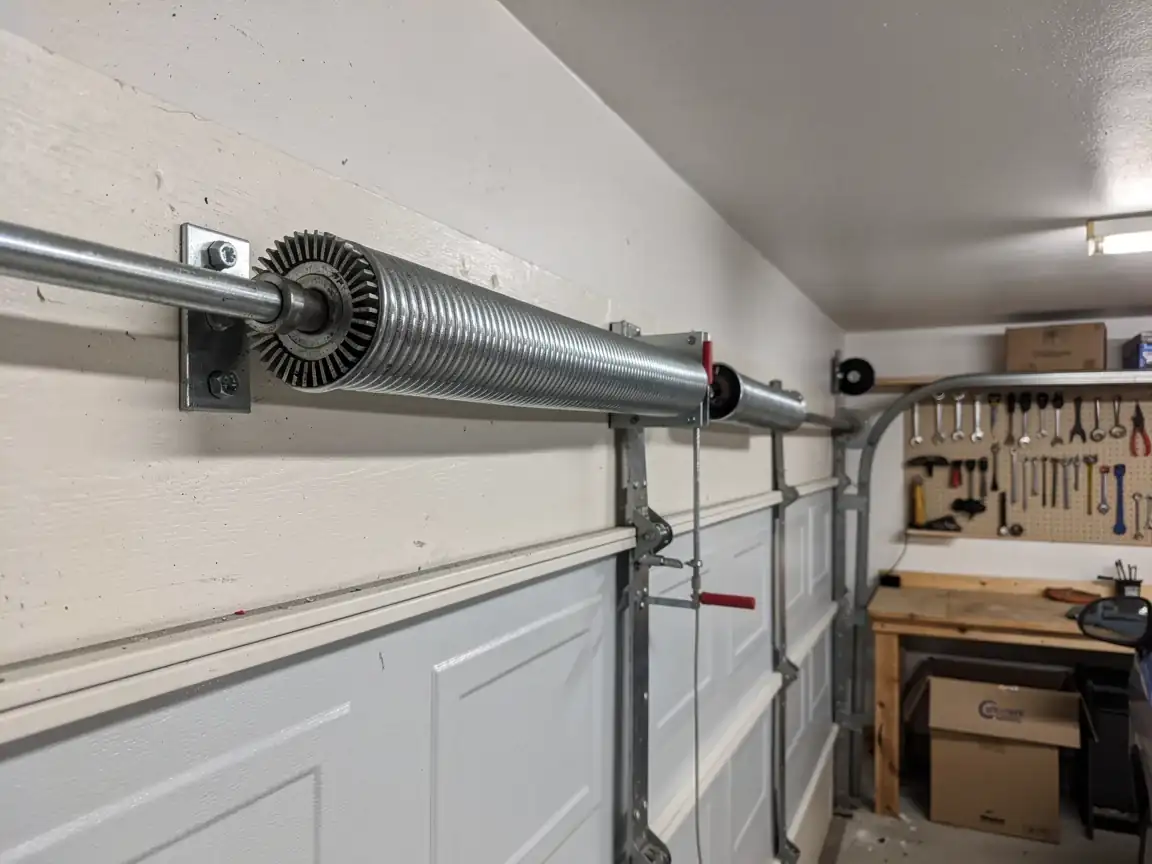
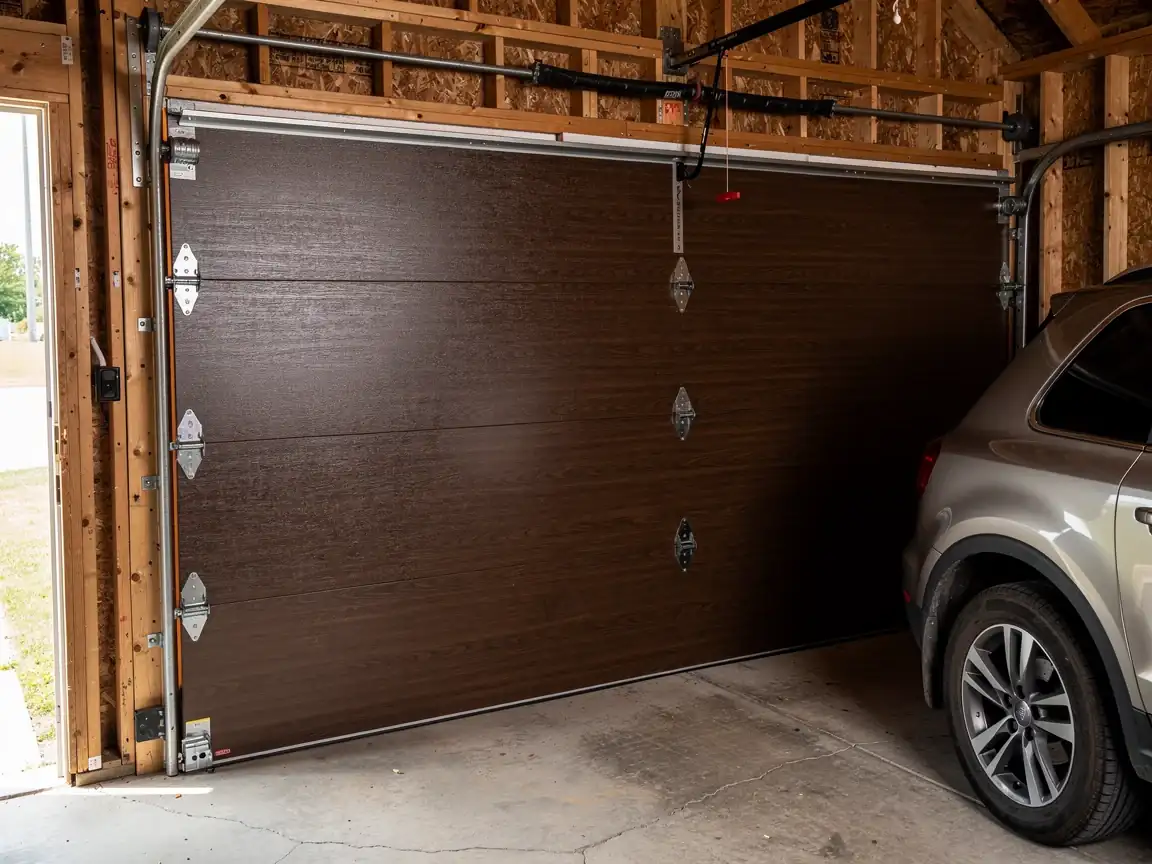
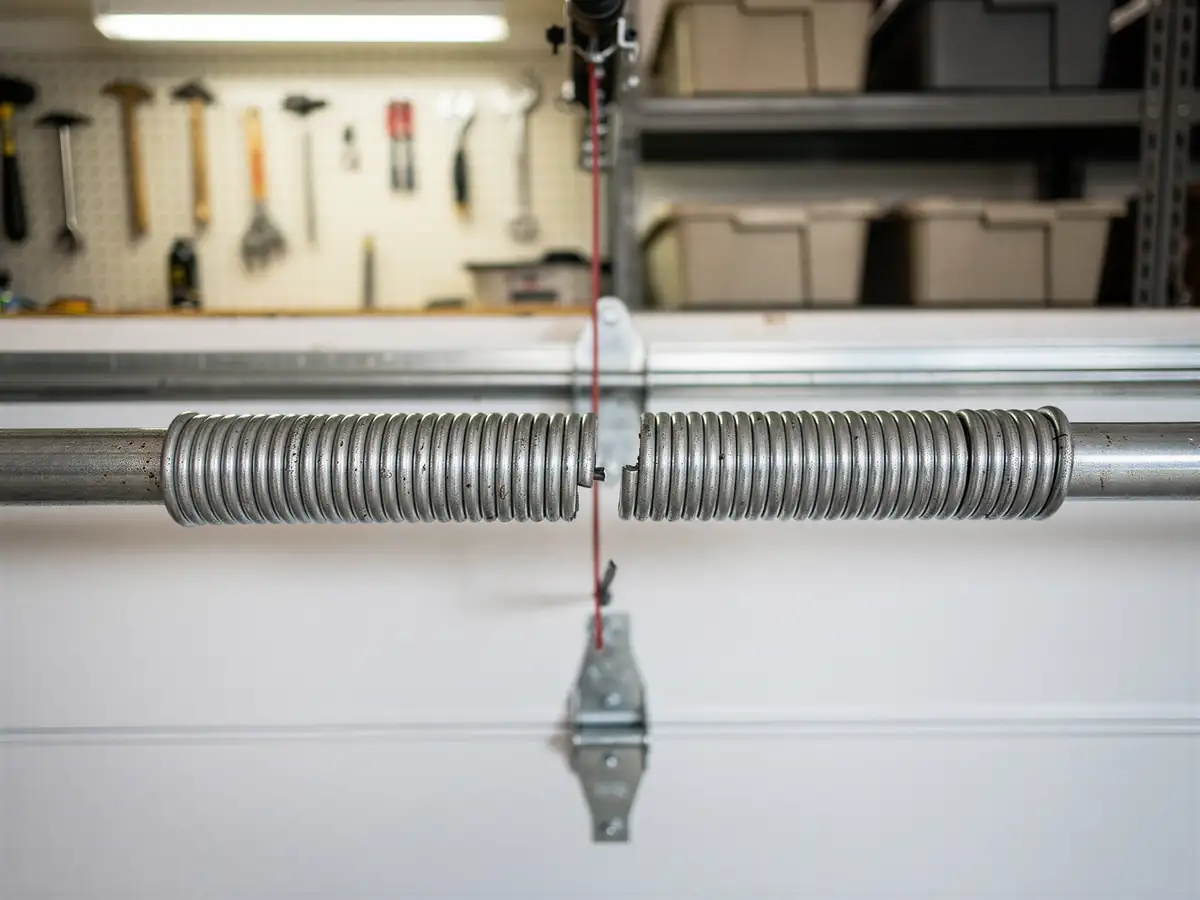
The most common call from this part of the service area is a door that hums or clicks but doesn't move, which usually points to a dying capacitor or a worn drive gear rather than anything mechanical with the door itself. Close behind that: a door that reverses partway down, almost always a misaligned or dirty safety sensor low on the track. Dead remotes or a keypad that's stopped responding usually means the logic board has lost its programming, which can happen after a power flicker. Less often, the whole unit goes silent, no light, no hum, which is either a tripped breaker or a board that's actually failed. None of these are spring problems, so if your door still lifts fine by hand with the opener disconnected, the issue is almost certainly in the opener itself, not the hardware holding the door up.
Booking a Visit
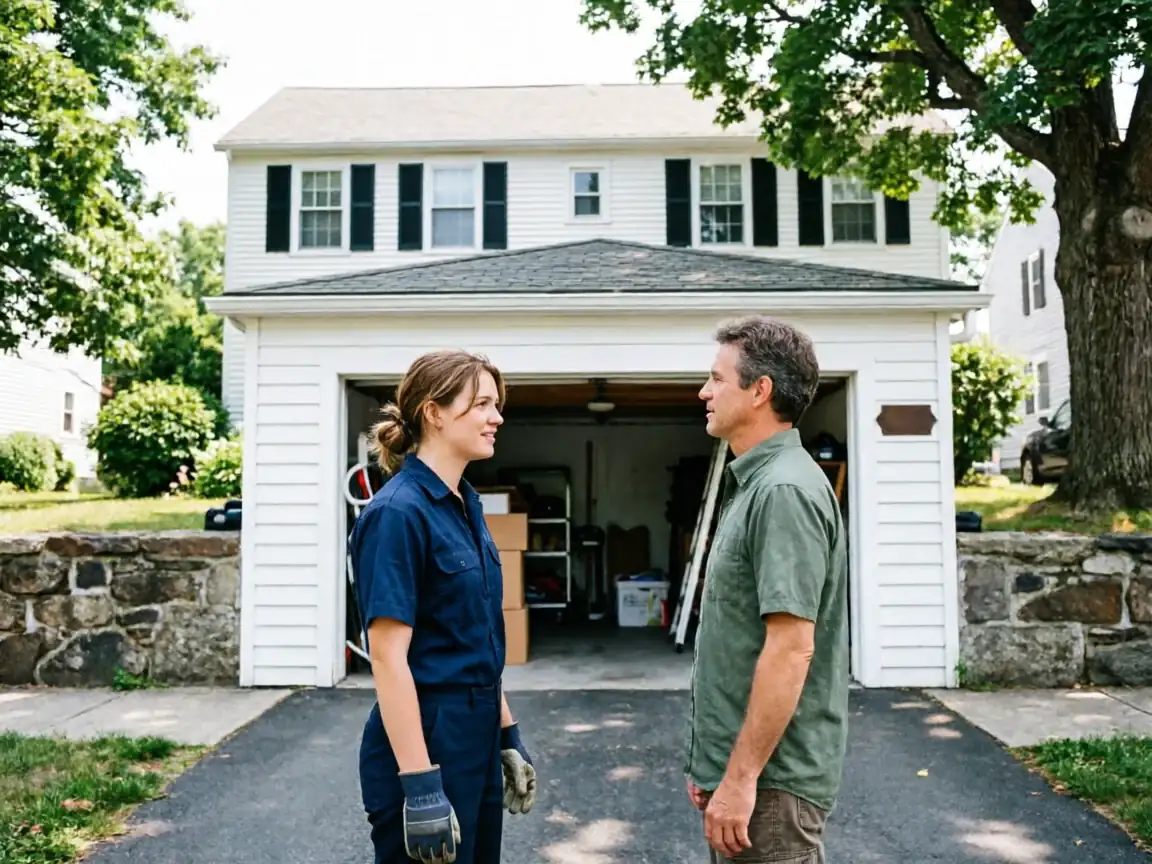
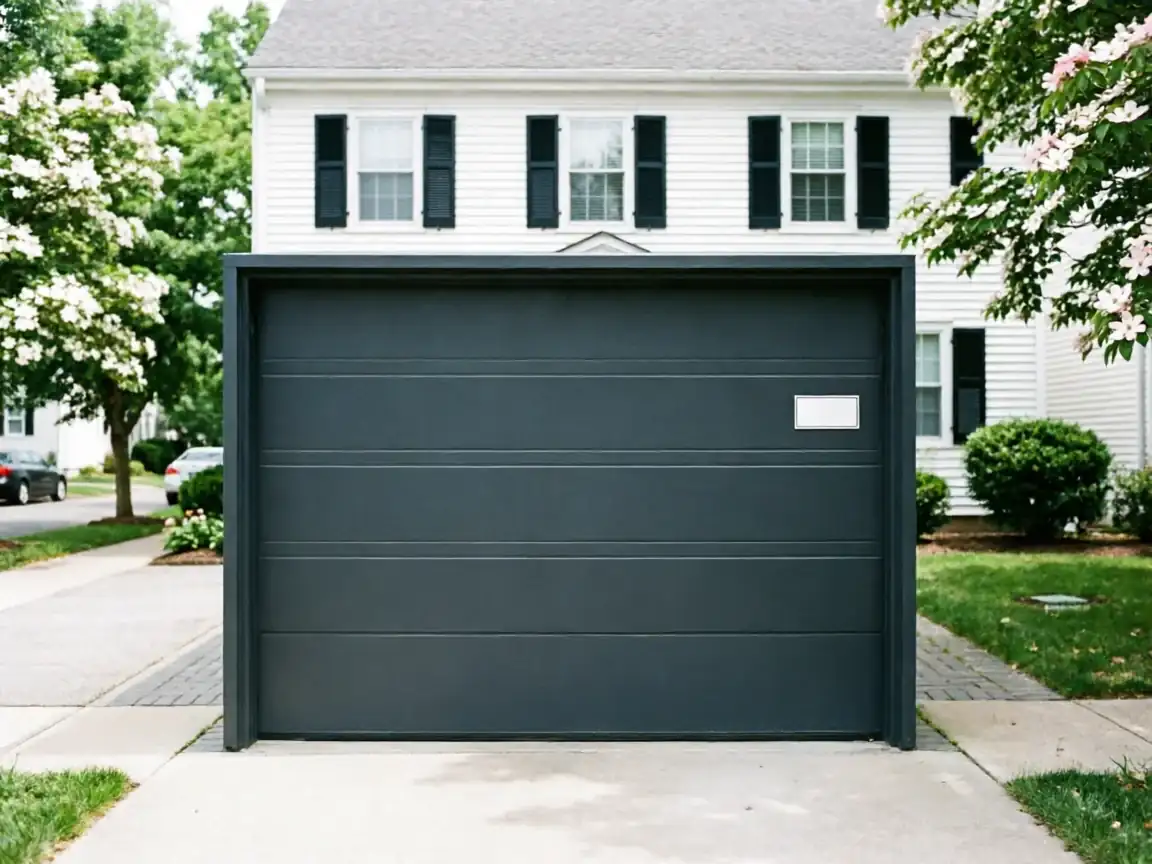
Because Ancient Oaks runs on the Allentown loop rather than a local branch, we schedule the drive out as part of the day's route rather than dispatching from somewhere closer. That's a 7-mile trip each way, which we build into how we stack appointments on days with calls out in this direction. Tell us the opener brand and roughly how old it is when you call so the tech brings the right sensor and remote stock. You can see what else we handle on doors themselves at our Ancient Oaks garage door page, and if you're closer to the shop itself, the general opener repair page for Allentown covers that side of things at garage door opener repair in Allentown.
Can You Do This Yourself
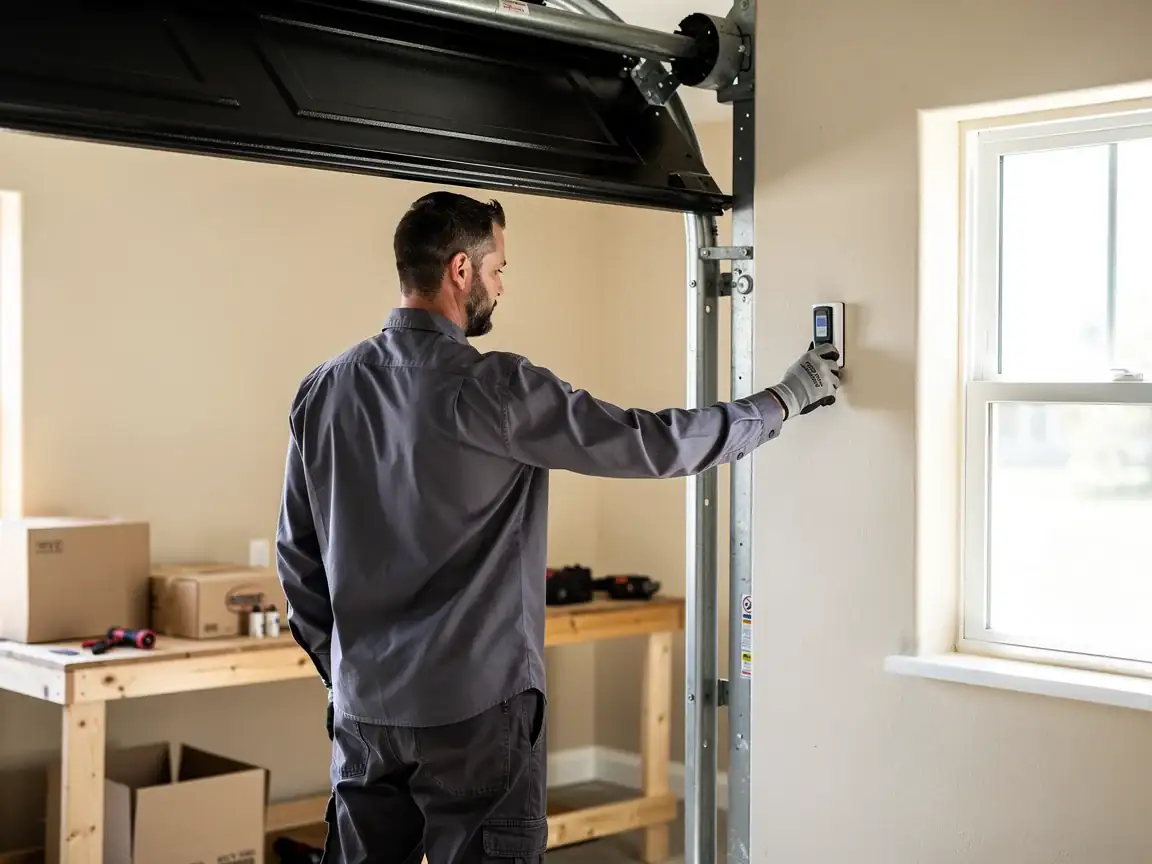
A few things are worth checking before you call anyone. Reset the breaker for the garage circuit; a tripped one looks exactly like a dead opener. Wipe down the two small sensor eyes near the bottom of the tracks and make sure nothing's blocking the beam between them, since a reversing door is almost always one of those two things. Reprogramming a remote is usually a button-press sequence printed on the motor unit itself, and that's safe to try. What you shouldn't open up yourself is the logic board or the motor housing. On a unit from the late 90s or 2000s, parts aren't standardized across brands, and getting into the board without knowing what you're looking at risks turning a $150 part into a full unit replacement.