Where This Job Goes Sideways
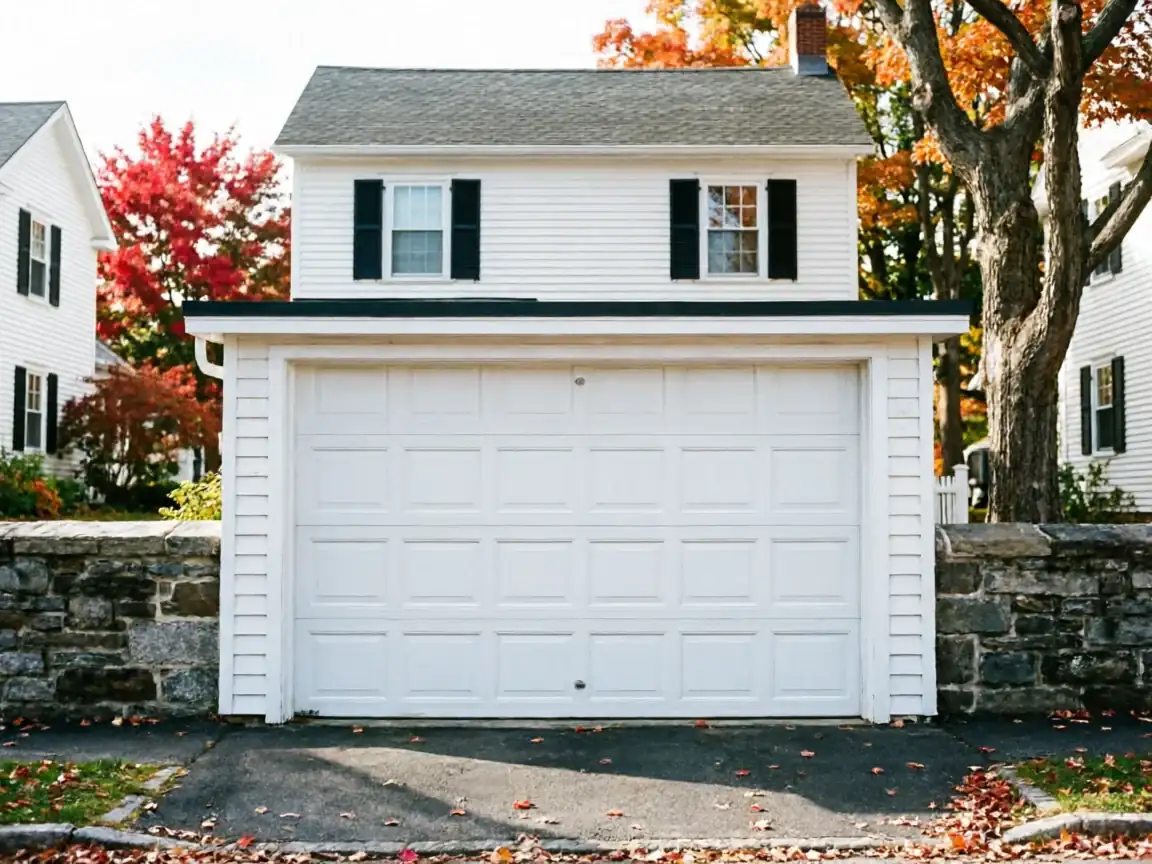
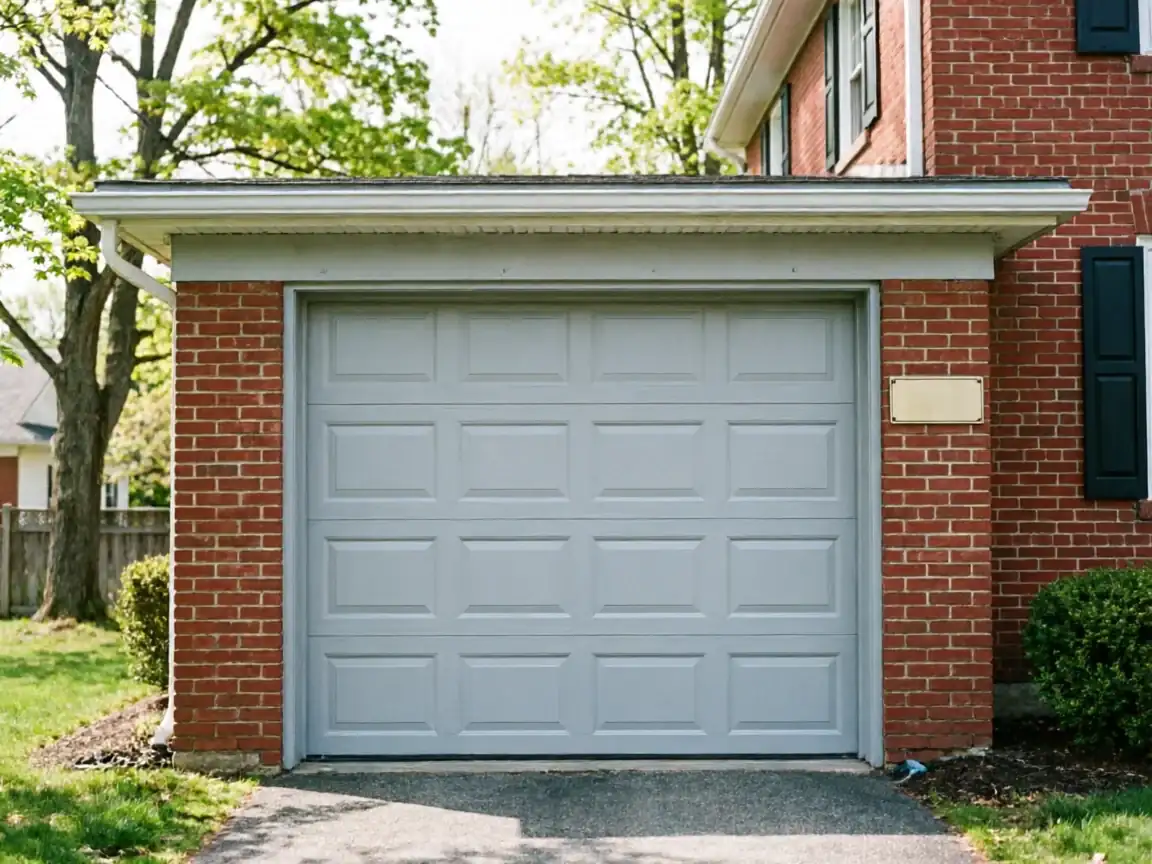
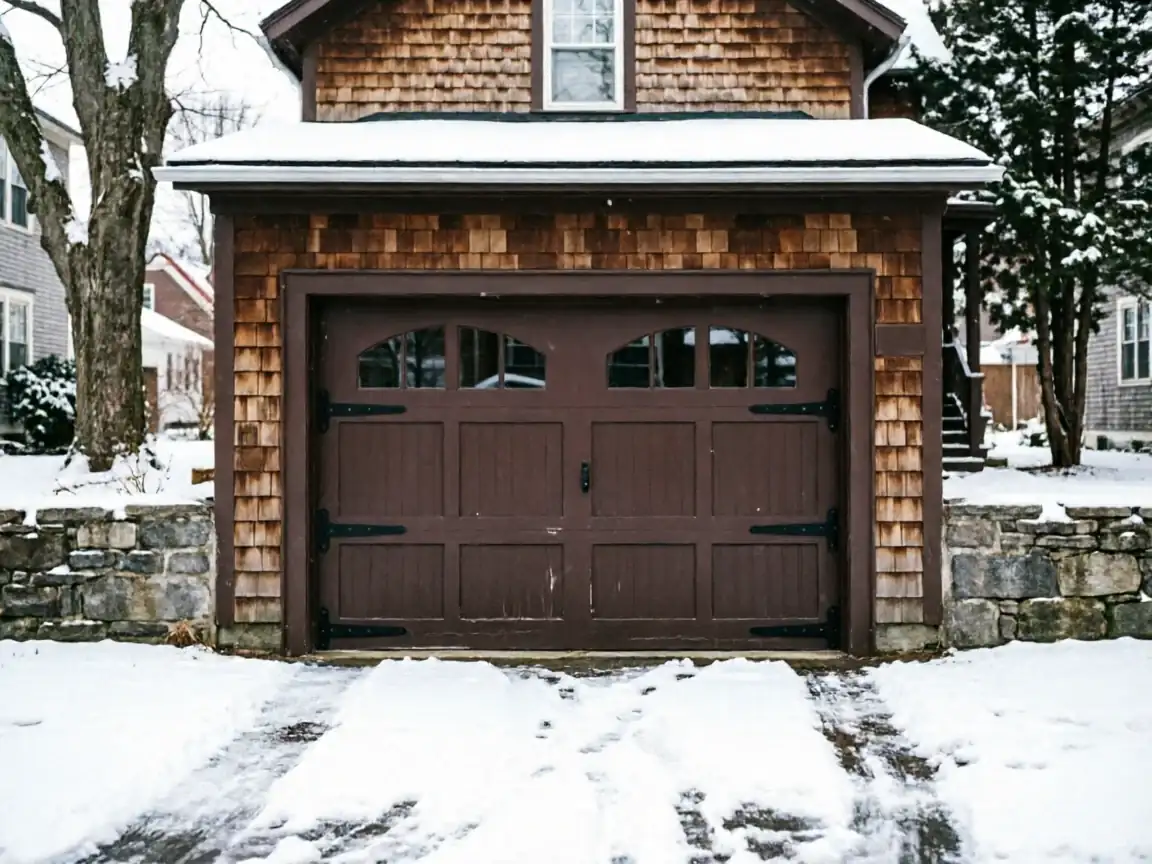
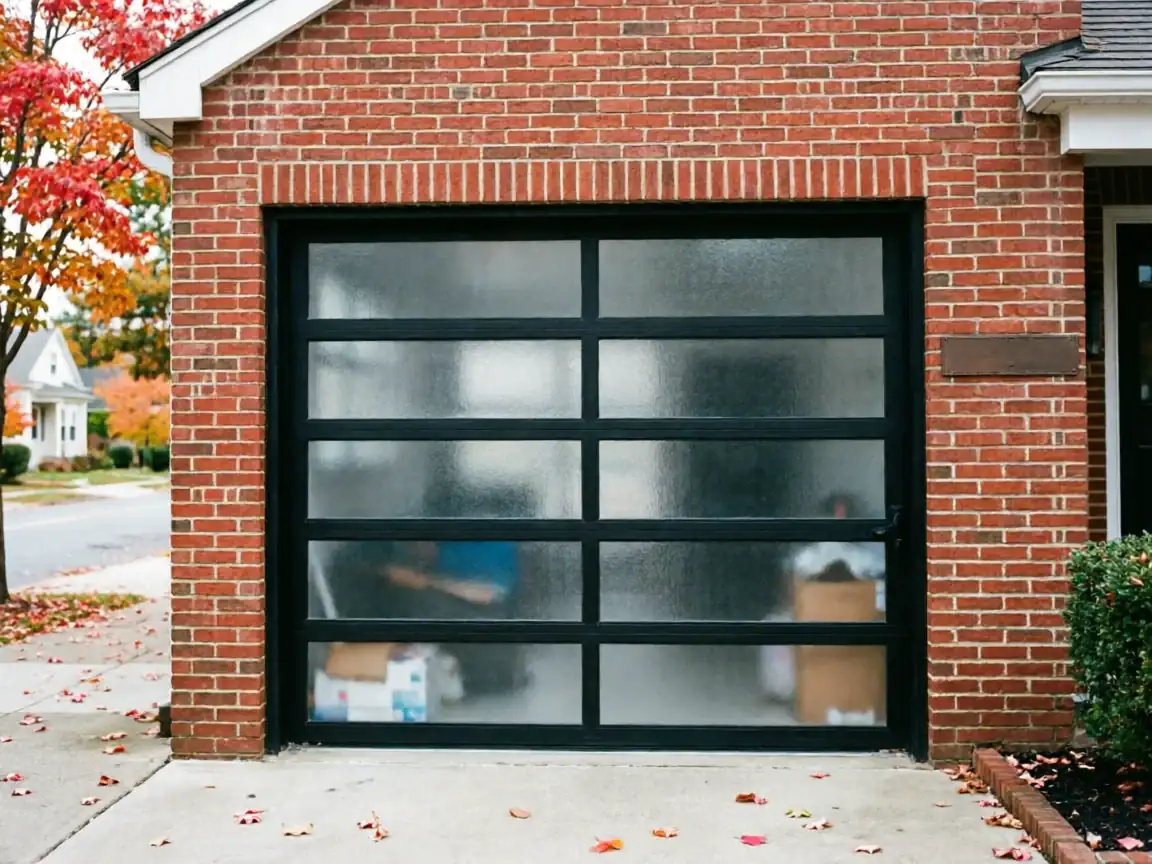
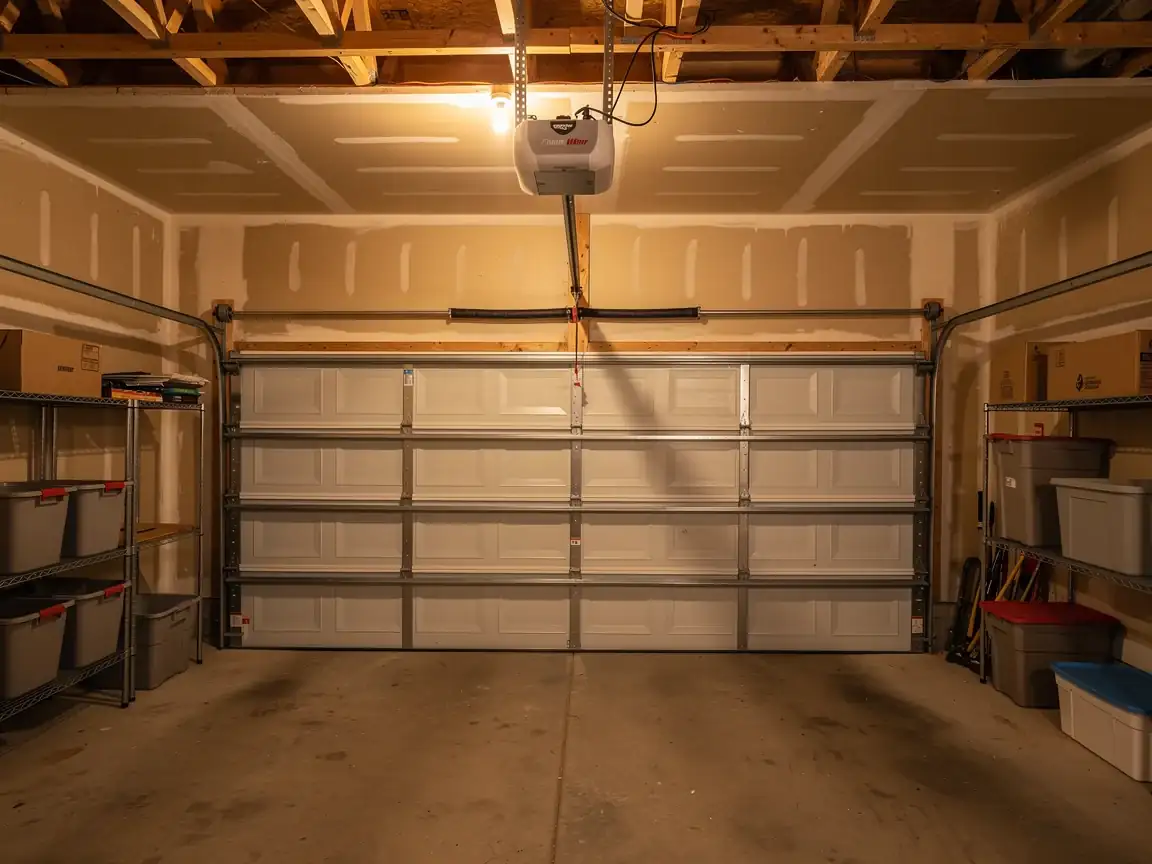
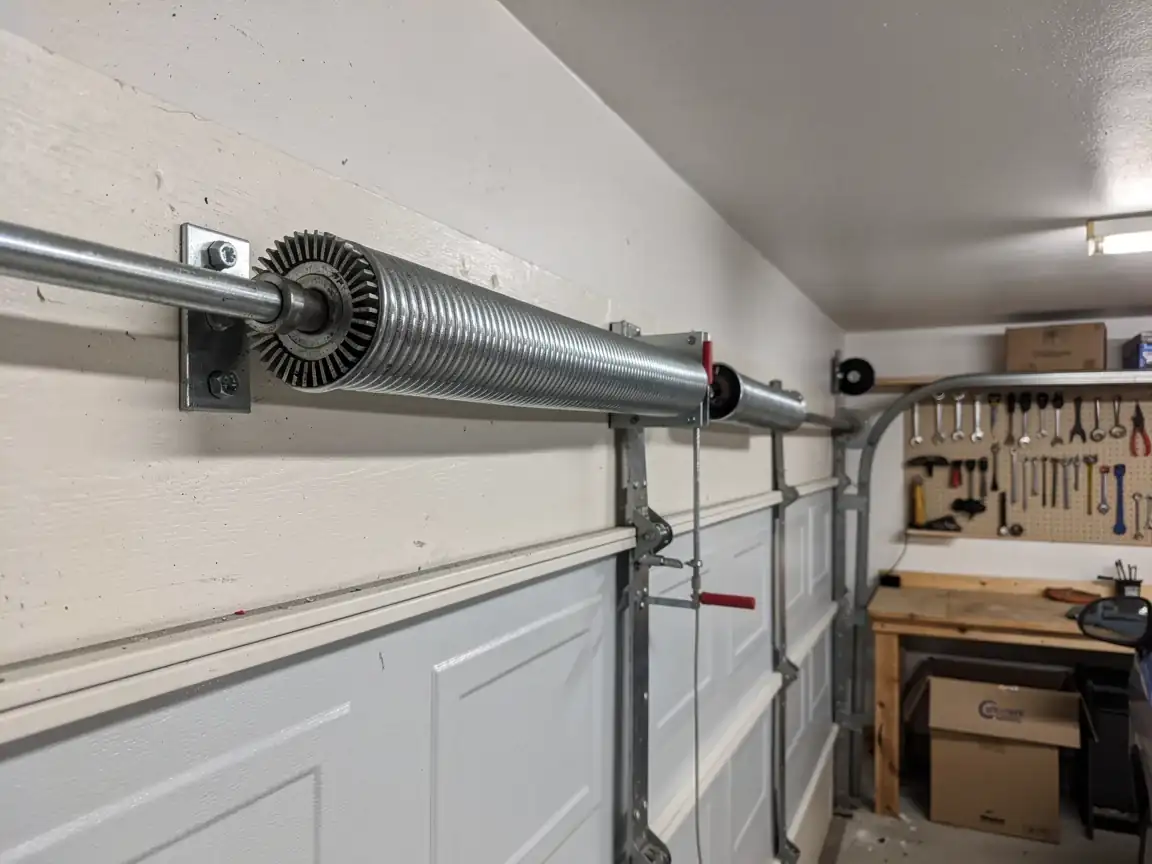
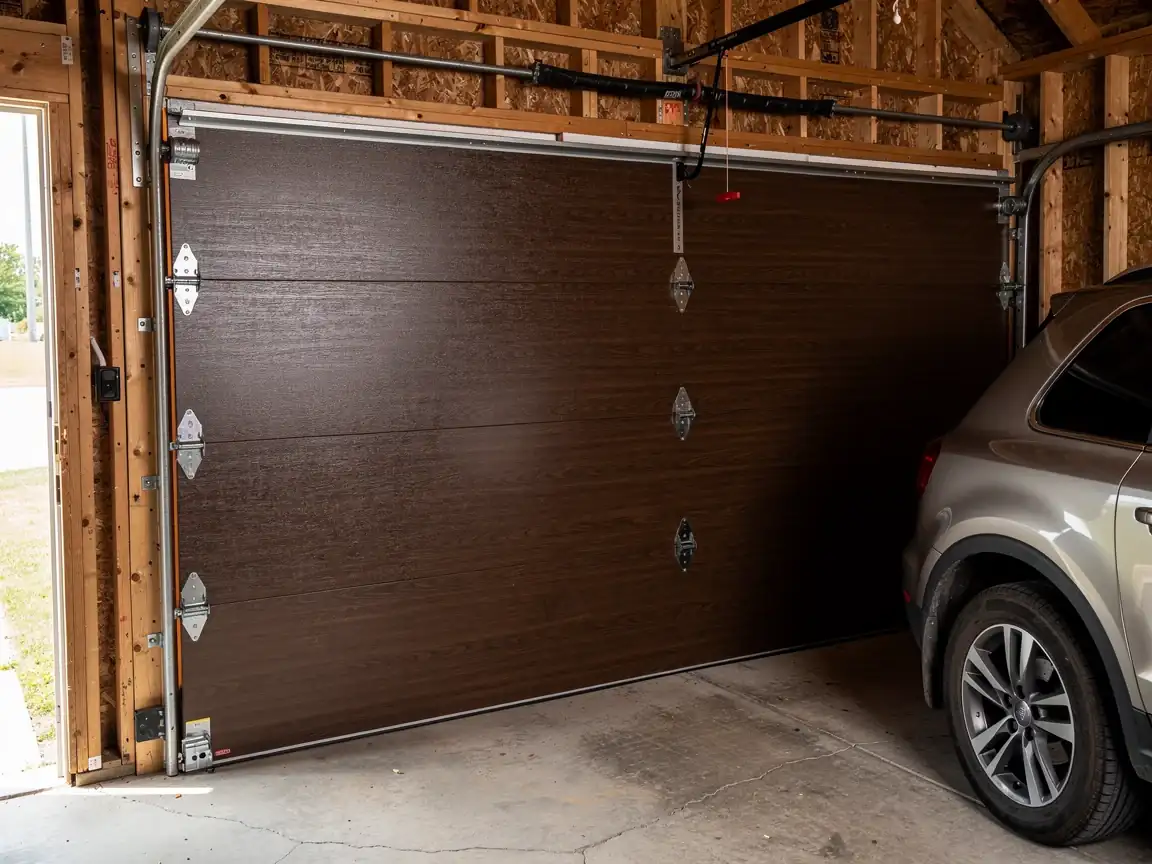
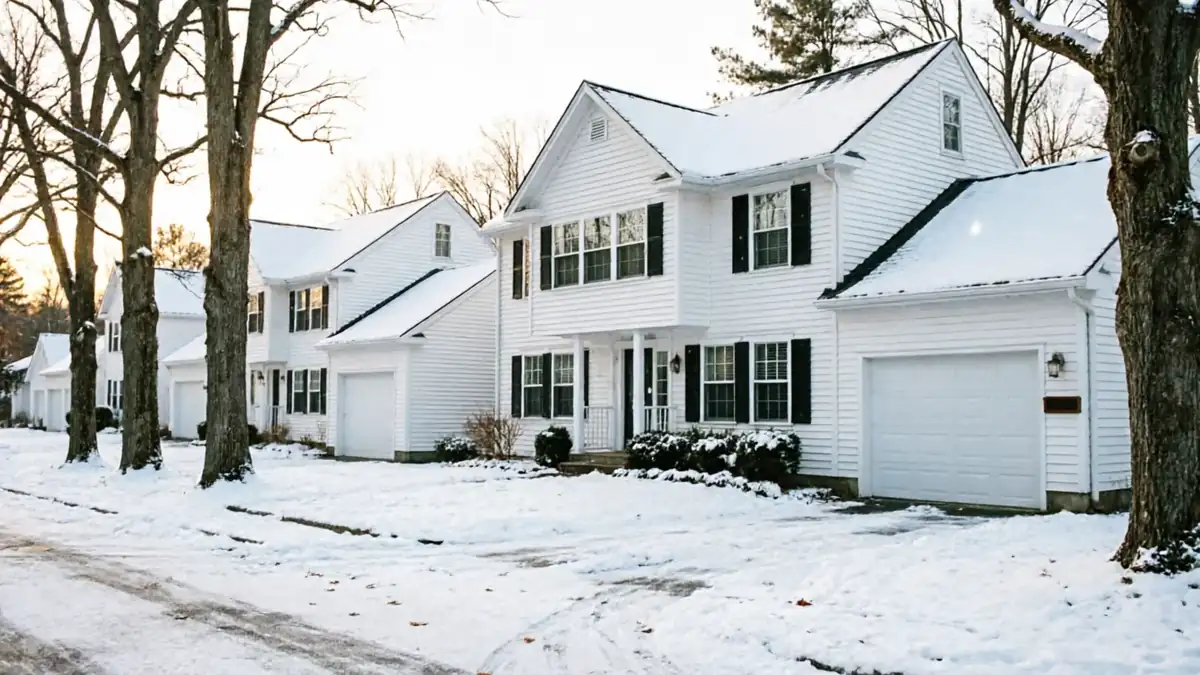
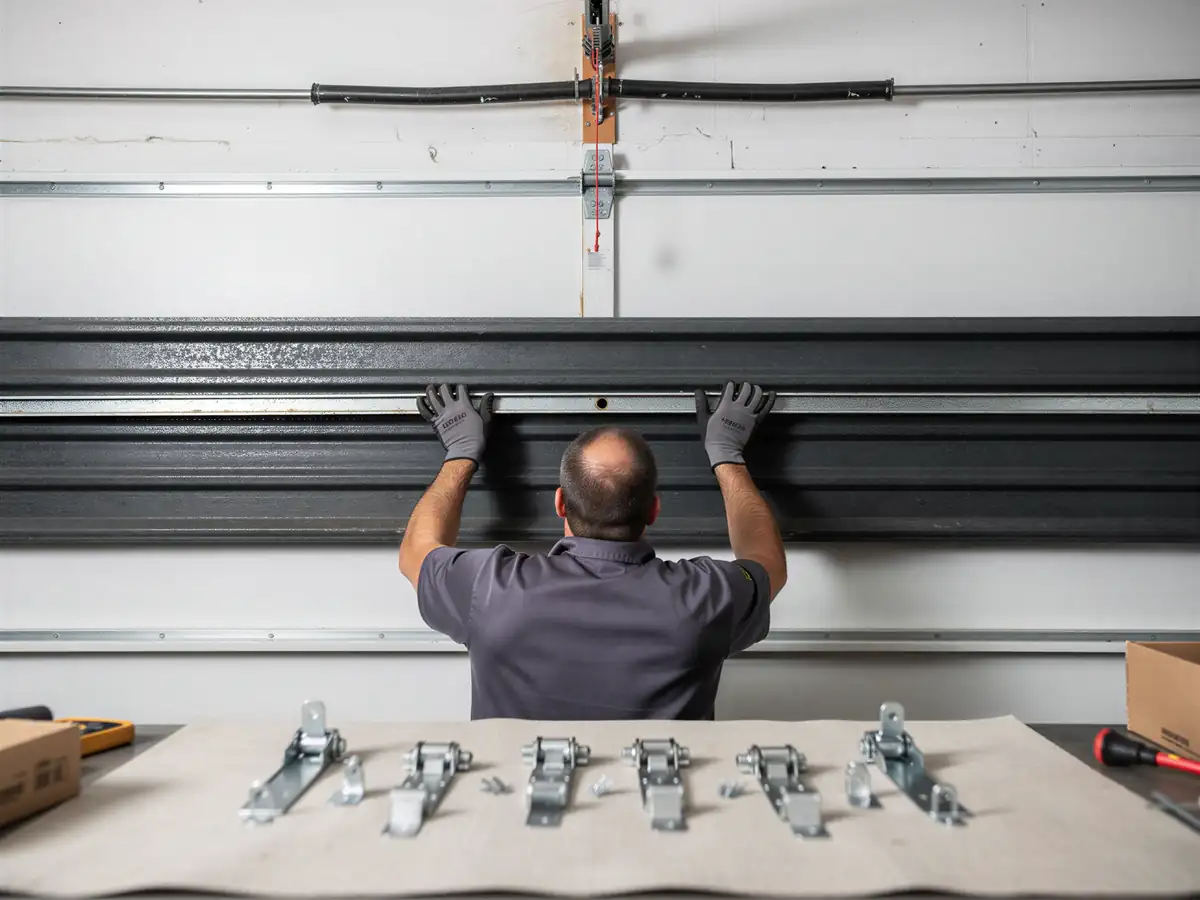
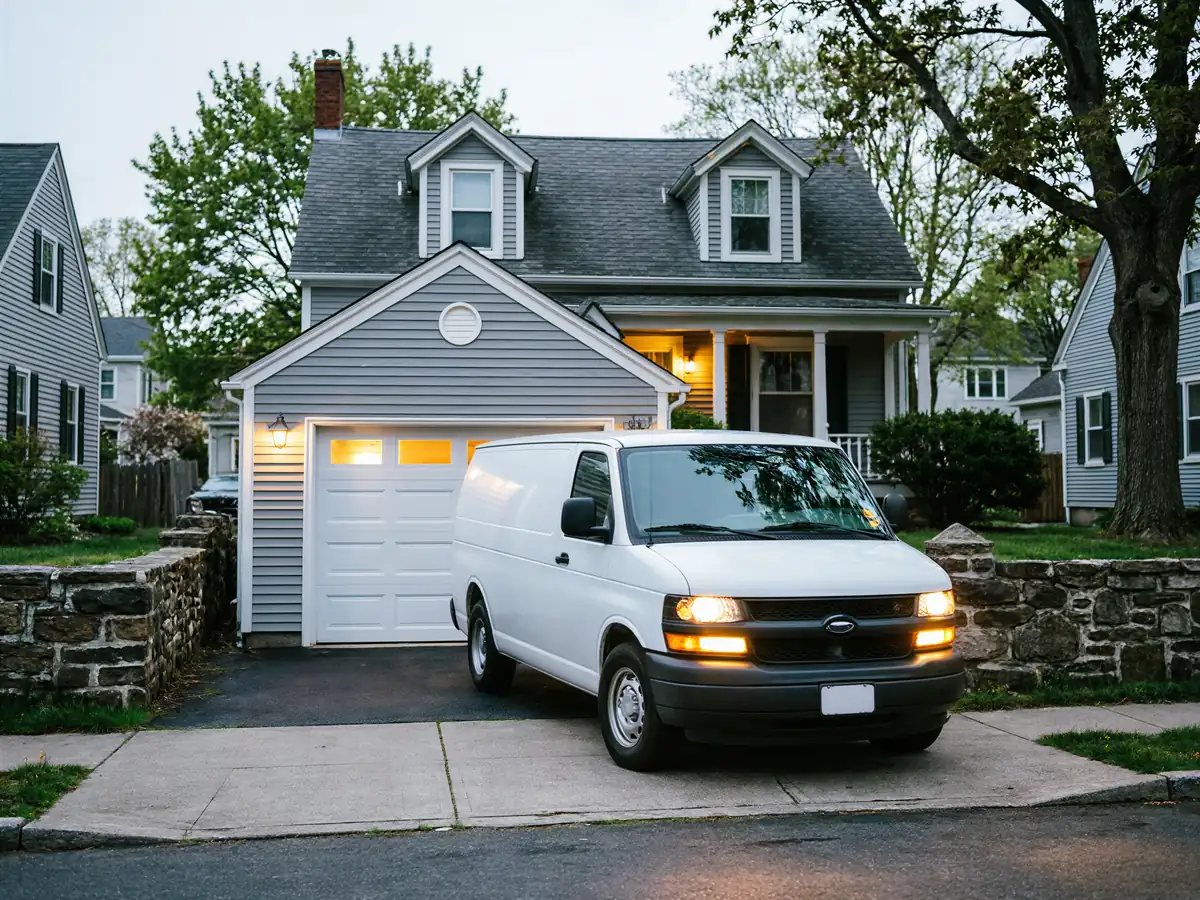
Most of Ancient Oaks went up around 1998, which puts it a couple decades past the bulk of Allentown's housing stock, where the median build year sits closer to 1964. That gap matters more than it sounds like it should. A door installed in the late '90s is almost always a steel sectional on a torsion spring system engineered for that door's weight - not the older extension-spring setups still common on Allentown's pre-war and mid-century blocks. When something breaks here, it's usually the torsion spring itself, a worn center bearing, or an opener logic board from the original install finally giving out after two and a half decades of winters. We don't carry a depot in Ancient Oaks - the truck comes out from Allentown, about 7 miles - so the fault needs to be clear before we load parts. Newer construction also means fewer odd retrofits and mismatched hardware from prior owners patching things themselves, which actually makes diagnosis more straightforward than on an older house with three generations of repairs stacked on top of each other.
The Symptom
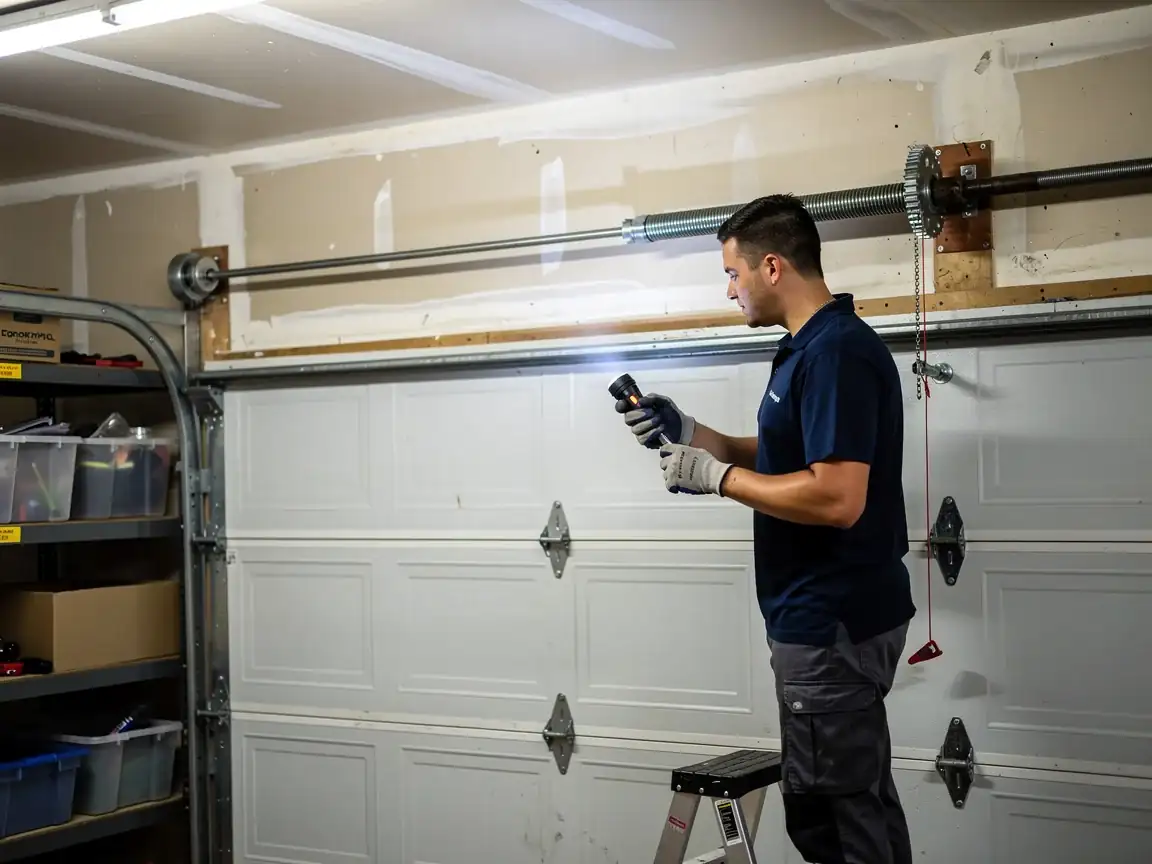
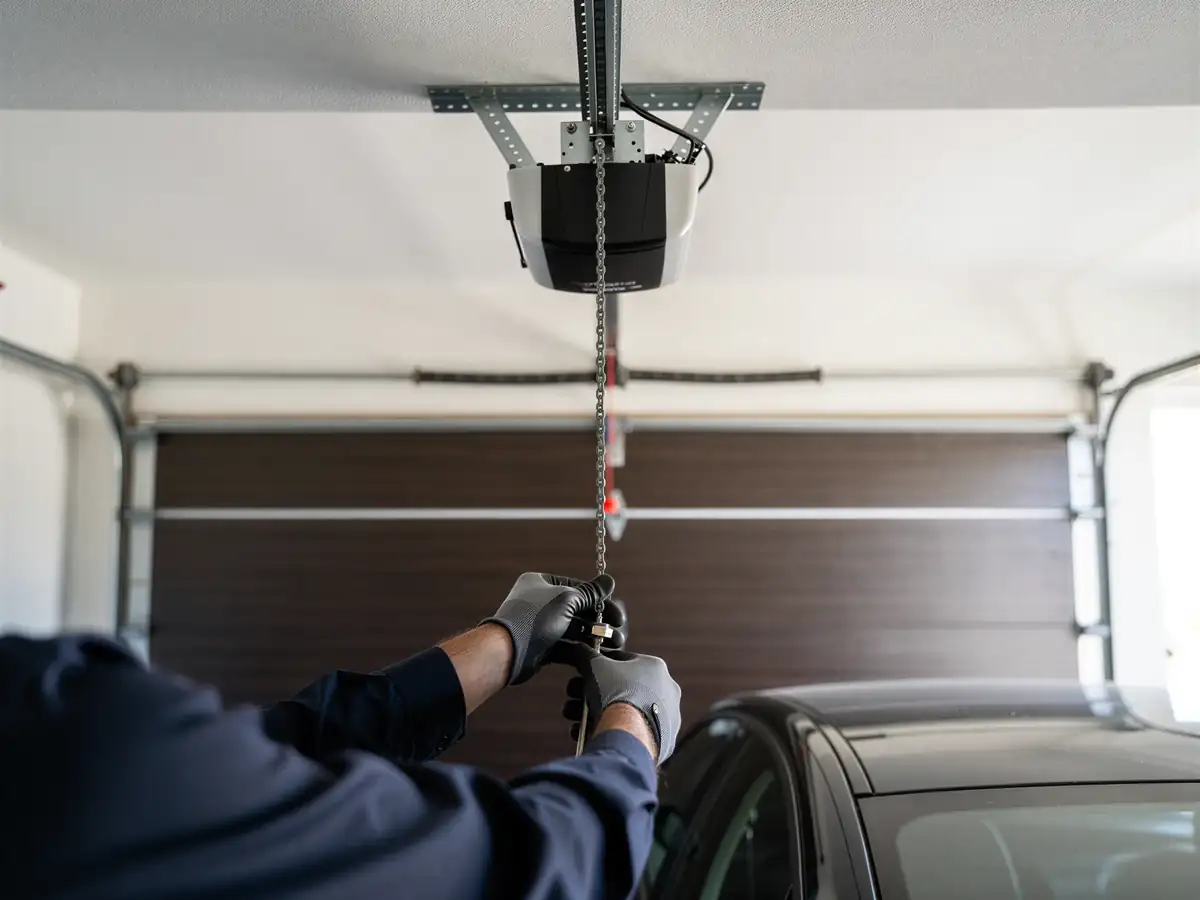
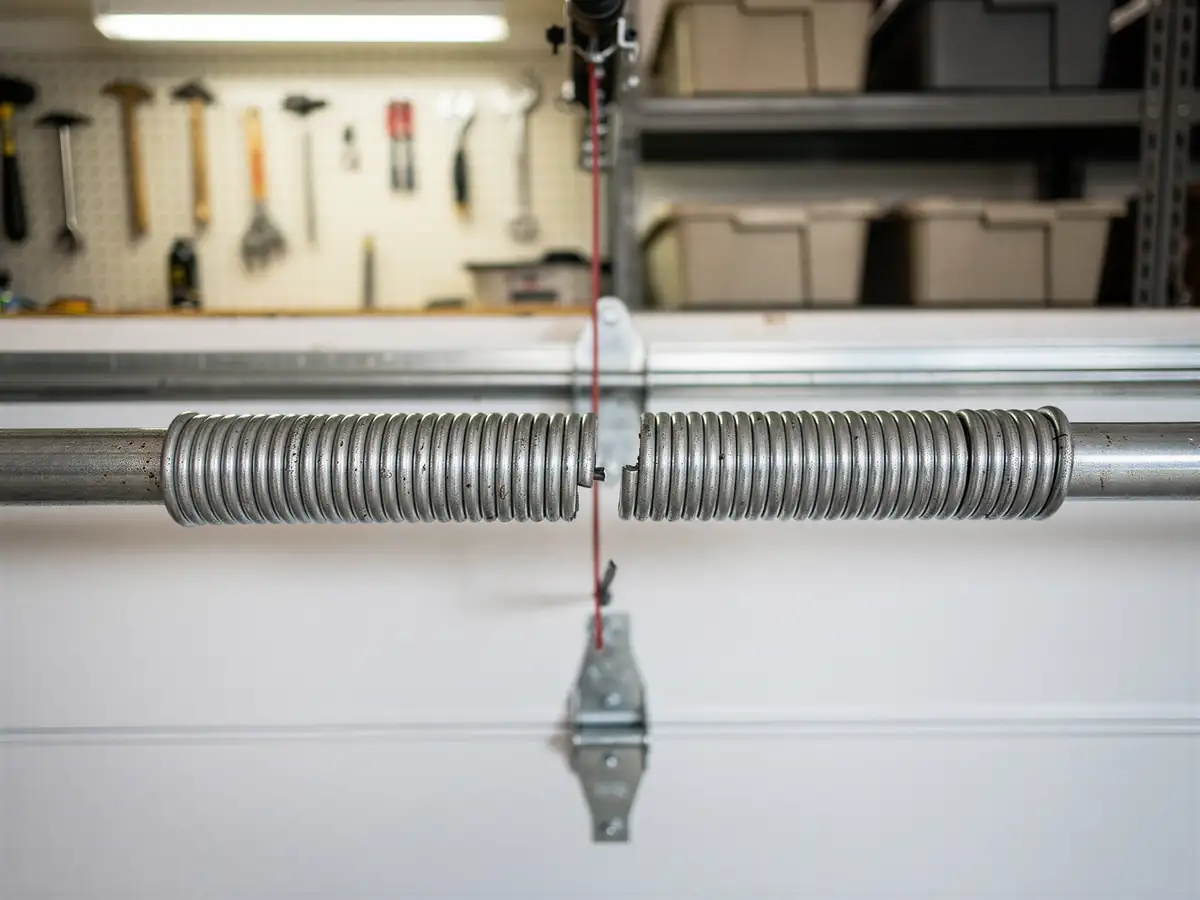
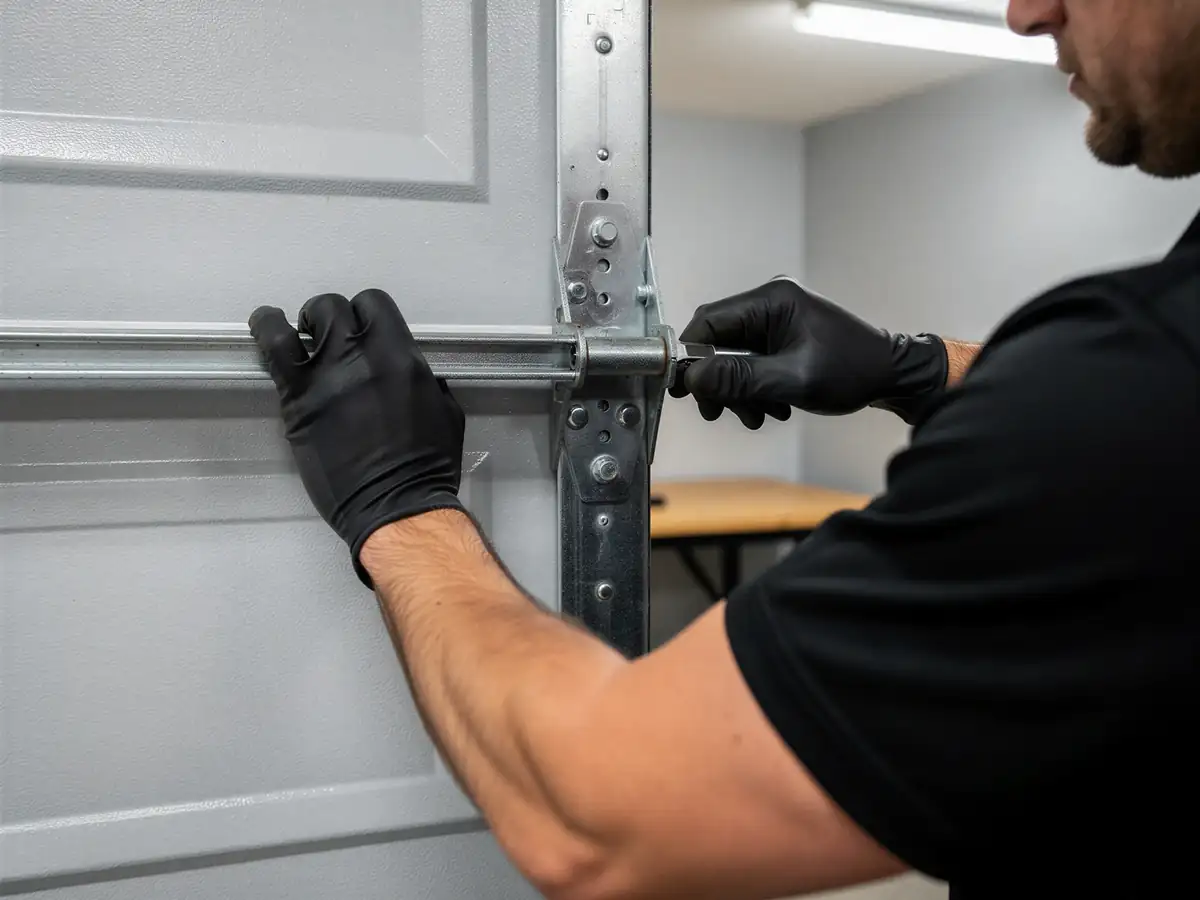
On a house built in the late '90s, the door that won't open usually isn't a track problem - it's a spring that's done its last cycle, or an opener motor that's drawing more current than it should right before it quits for good. You'll hear a loud bang in the garage (that's the spring letting go, not the door itself failing) or you'll notice the opener straining, clicking, and reversing instead of lifting. On the coldest mornings, cold-hardened lubricant on original hardware can make a marginal spring feel like a dead one - press the button and get a shudder instead of a lift. This region sits in a cold, severe climate zone, and steel springs that have handled twenty-plus winters are closer to the end of their cycle count than a homeowner might guess from the outside. A door that's merely stiff on a 20-degree morning is different from one that's actually broken; we sort that out before anyone commits to a repair.
Booking a Visit
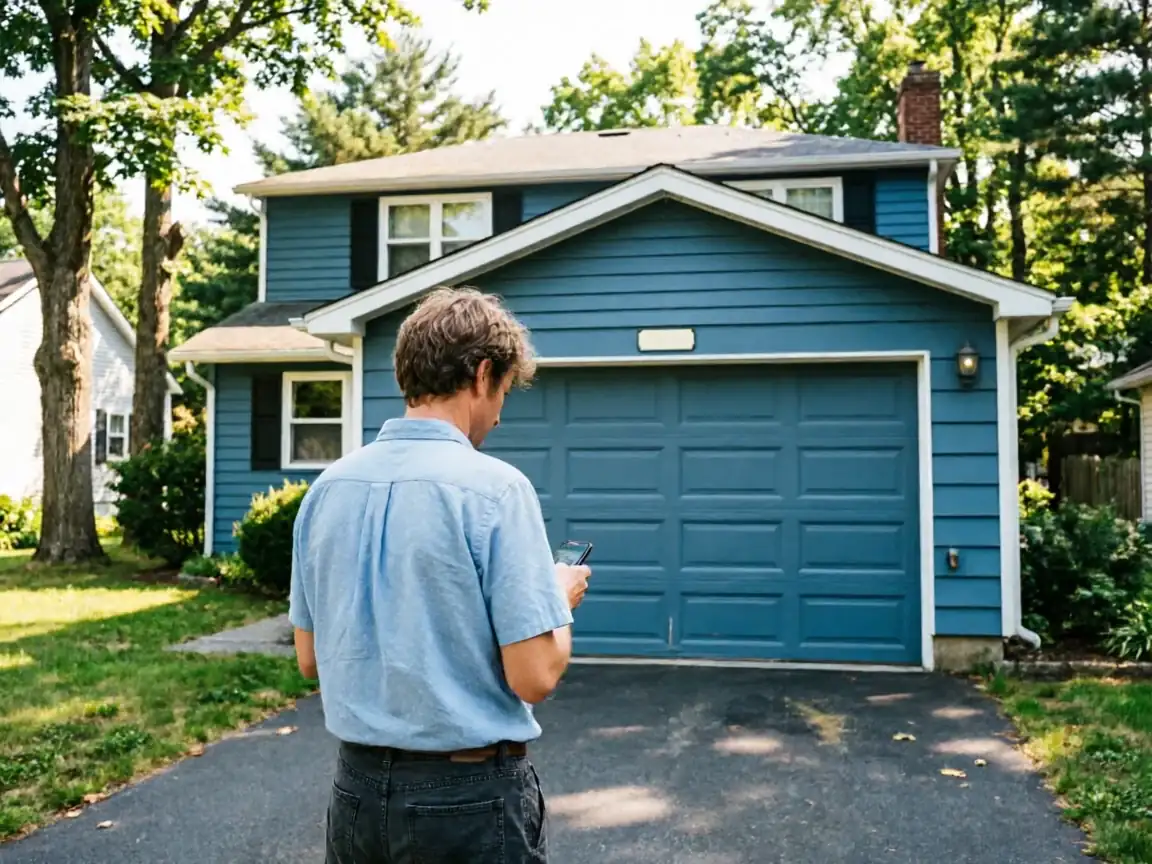
Because the crew travels from Allentown to reach Ancient Oaks, it helps to know roughly what's happening before the truck heads out - whether the door won't move at all, moves partway and reverses, or makes a specific noise. That lets us bring the right spring size or opener part on the first trip instead of a second one. You can see the broader service area and what we cover from the Ancient Oaks garage door page, or look at the full range of repair work we handle out of the shop on the Allentown garage door repair page.
Can You Do This Yourself
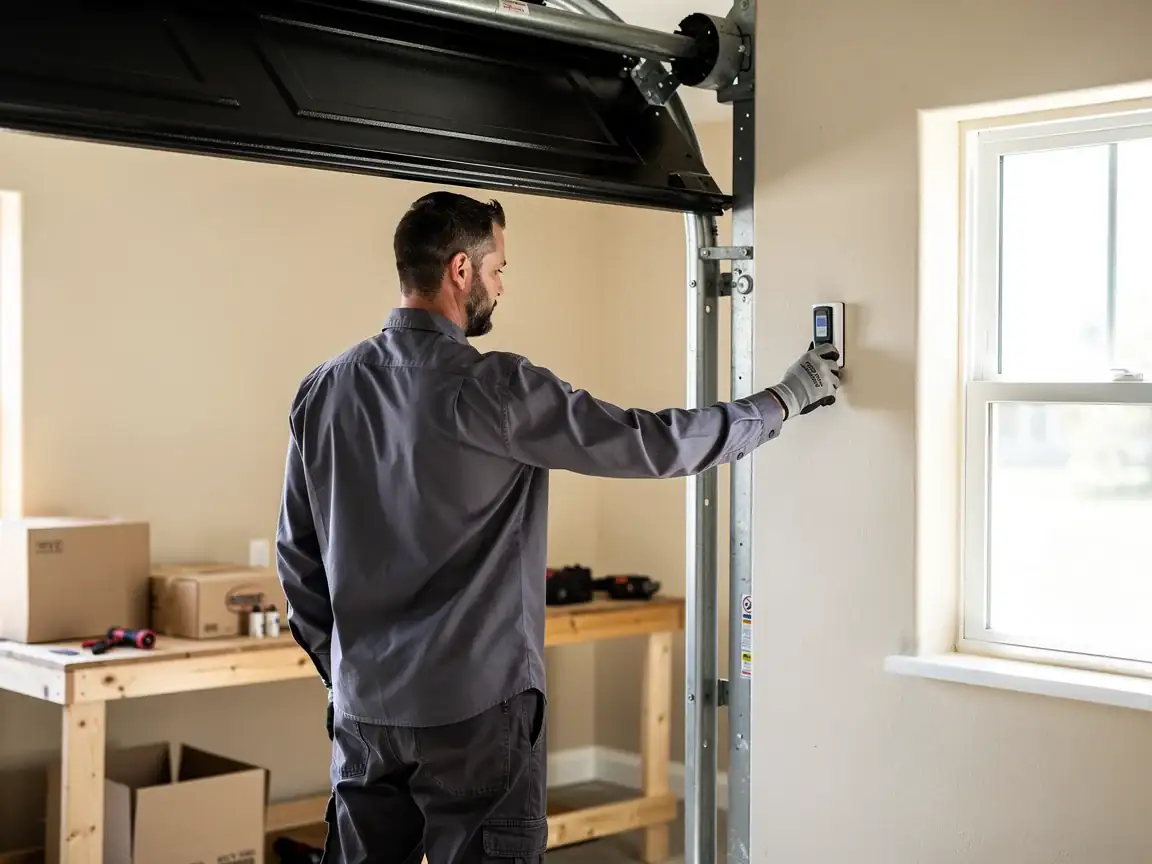
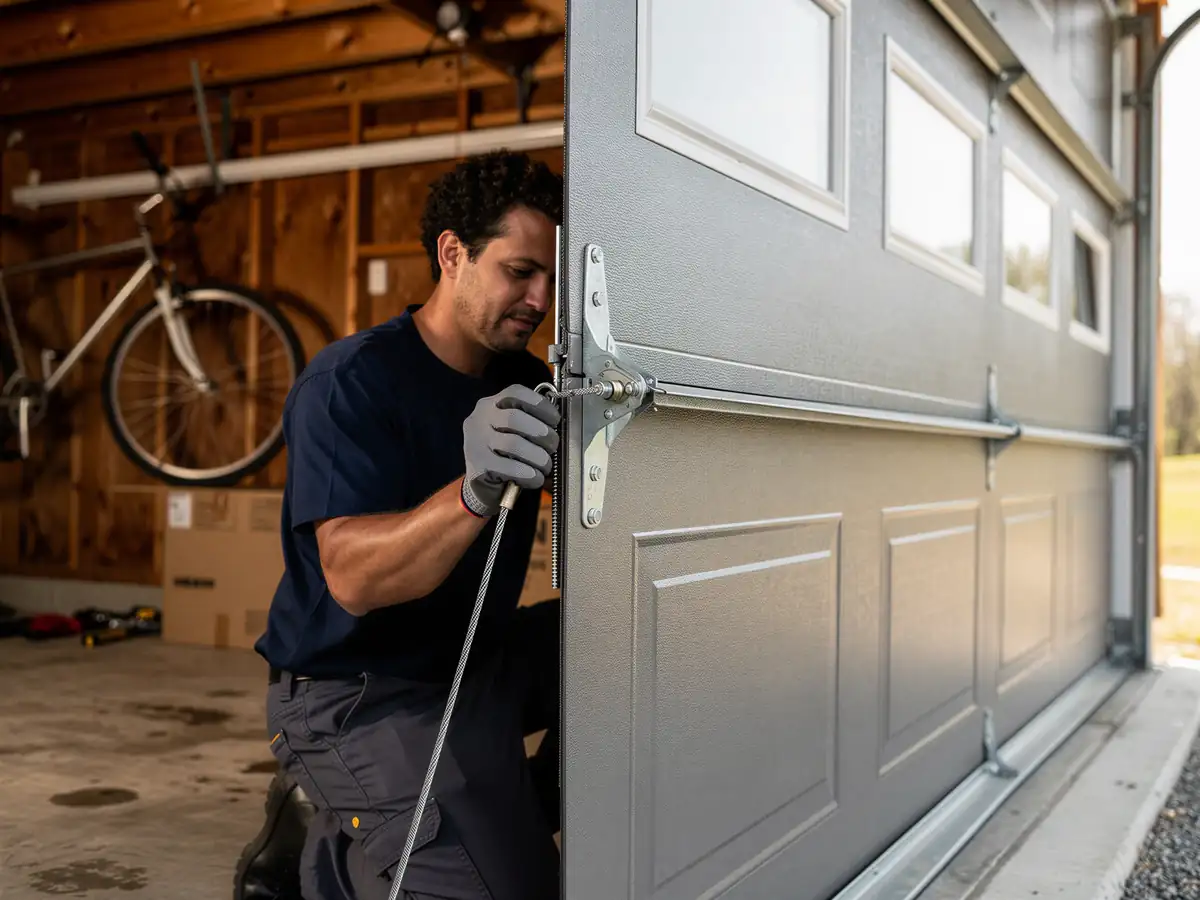
A torsion spring under tension is not a safe DIY project - the stored energy in a coil sized for a standard double door can break fingers or worse, and this isn't the place to save a service call. What you can check yourself: make sure the opener's safety sensors near the floor are clean and aligned (a blinking light on the opener unit usually means one of them is knocked out of position), and listen for whether the noise is coming from the spring area overhead or the track itself. If the door is binding on one side only, that's often a roller or track alignment issue rather than a spring, and it's worth mentioning when you call so we bring the right fix the first time.