Where This Job Goes Sideways
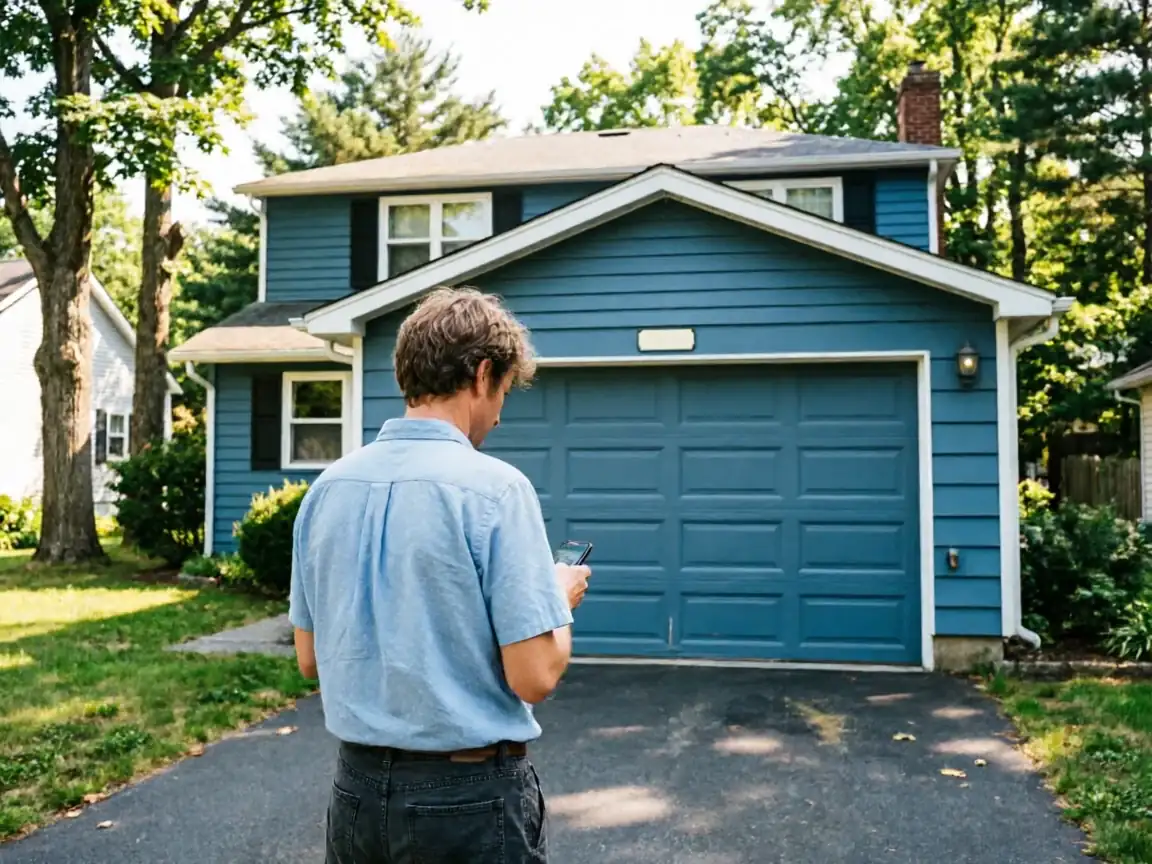
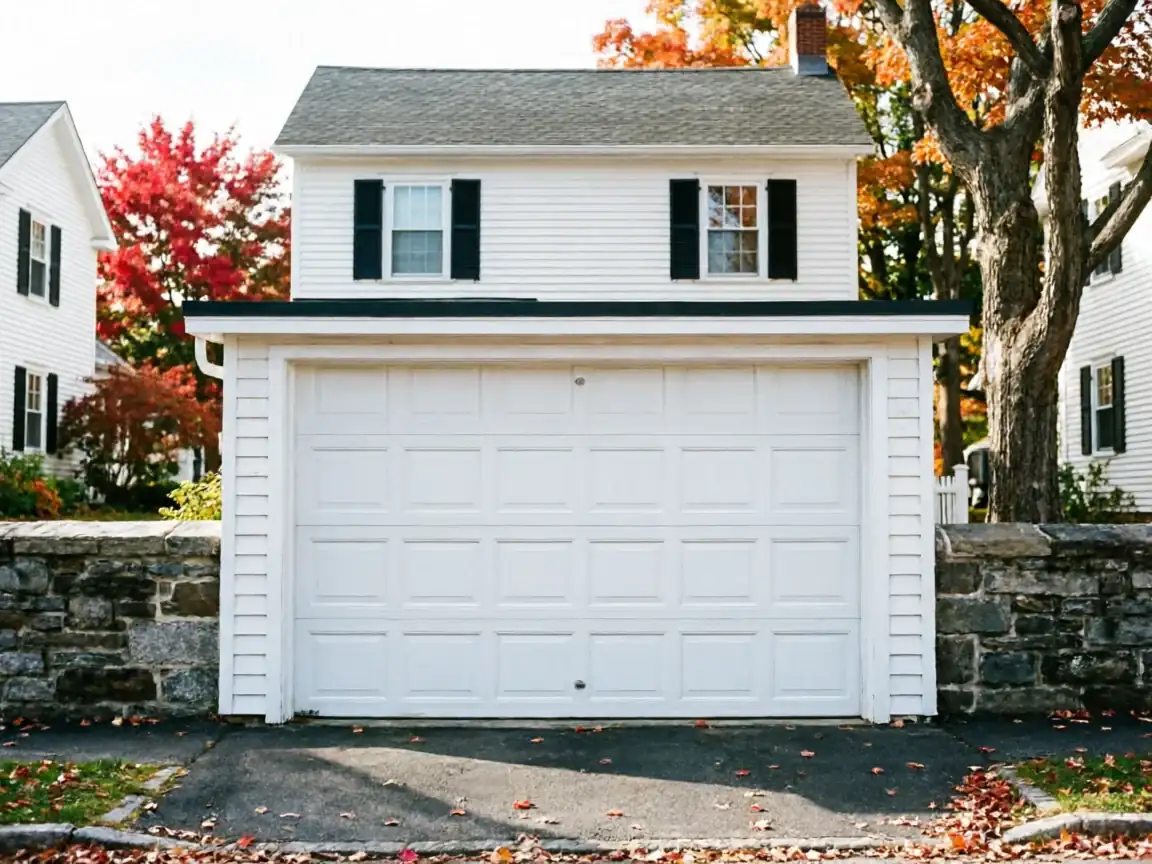
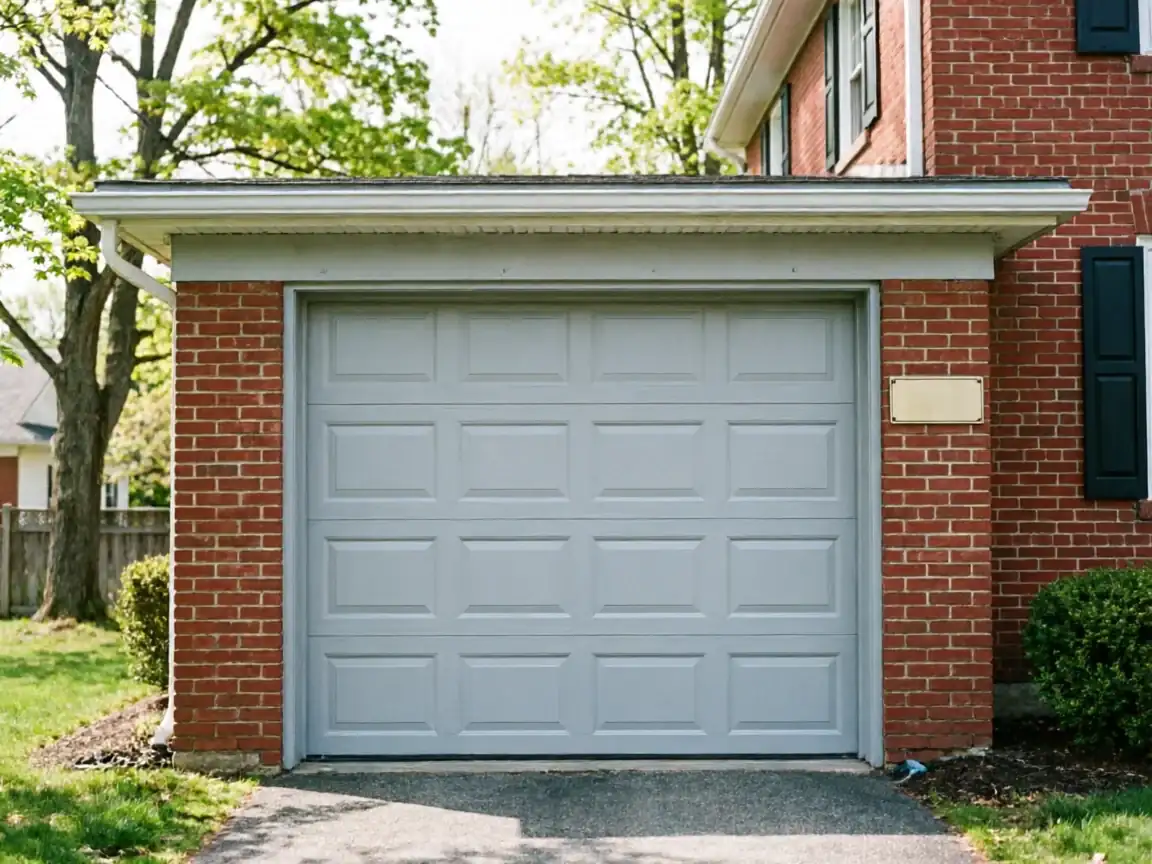
Bethlehem sits about 10 miles out from our shop in Allentown, which means the first call matters more than it would for a job five minutes away. If we show up with the wrong panel width or the wrong stile profile, that's a wasted trip both ways, not a quick run back for a part. So before a truck leaves, we want photos of the door, the panel count, and ideally a shot of the label inside the end stile.
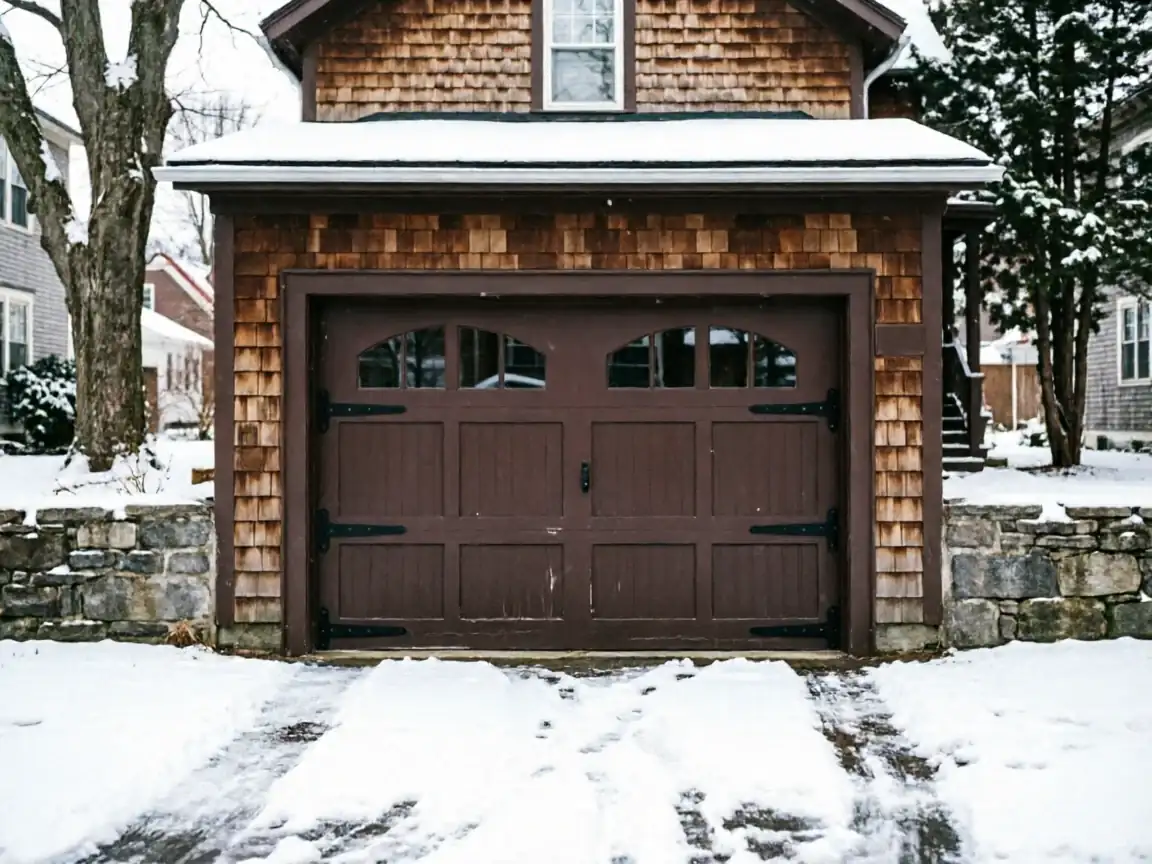
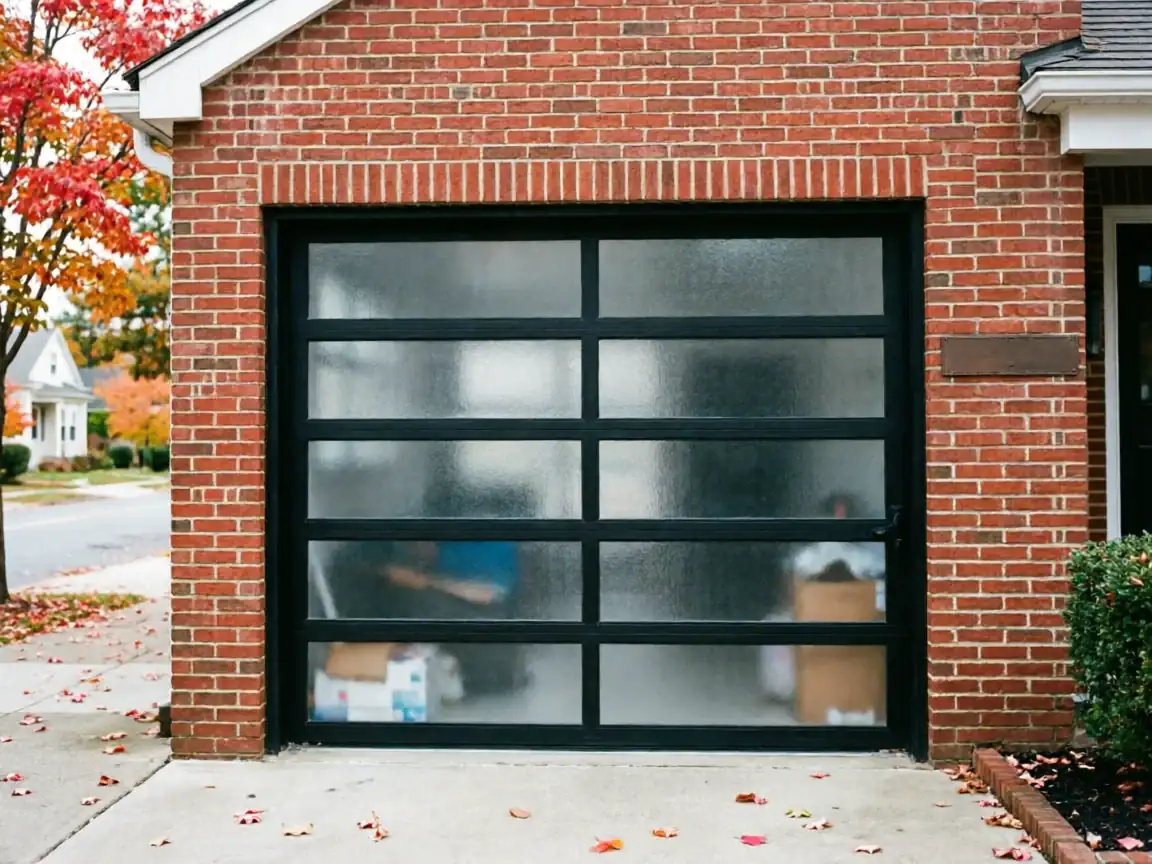
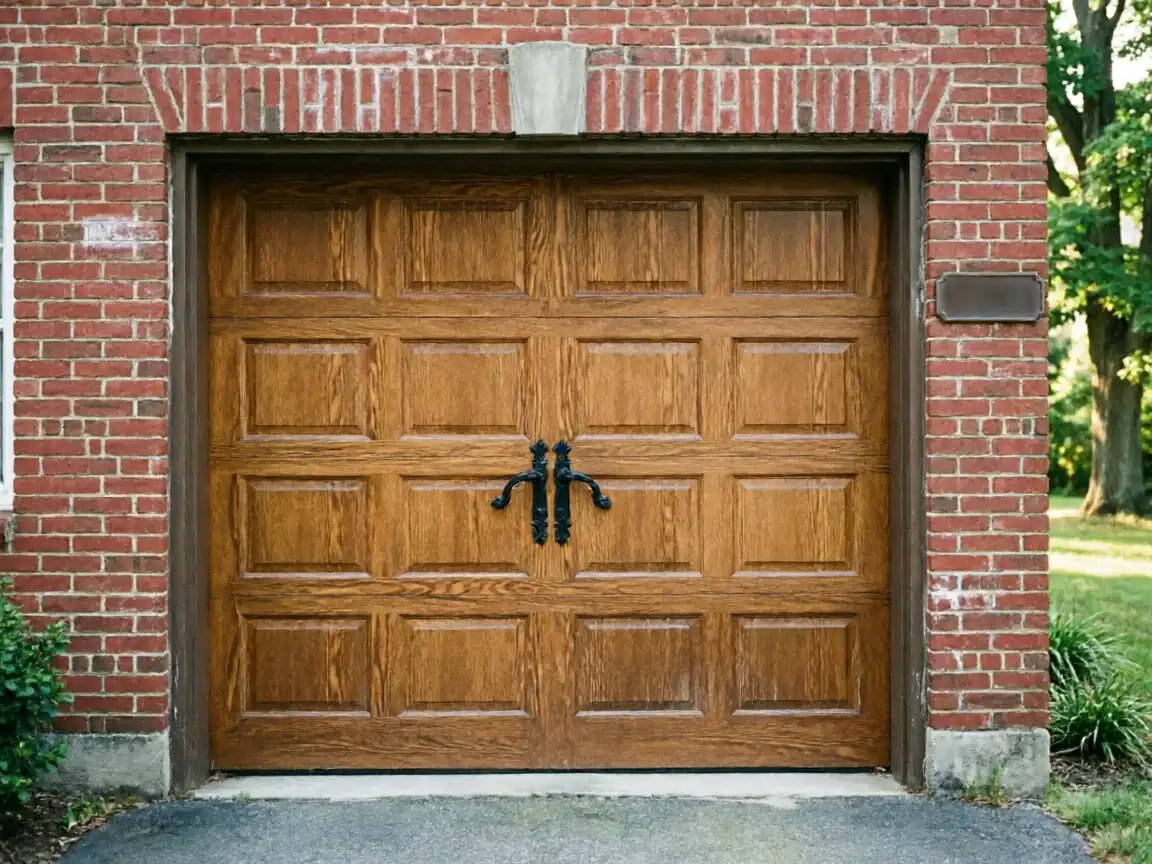
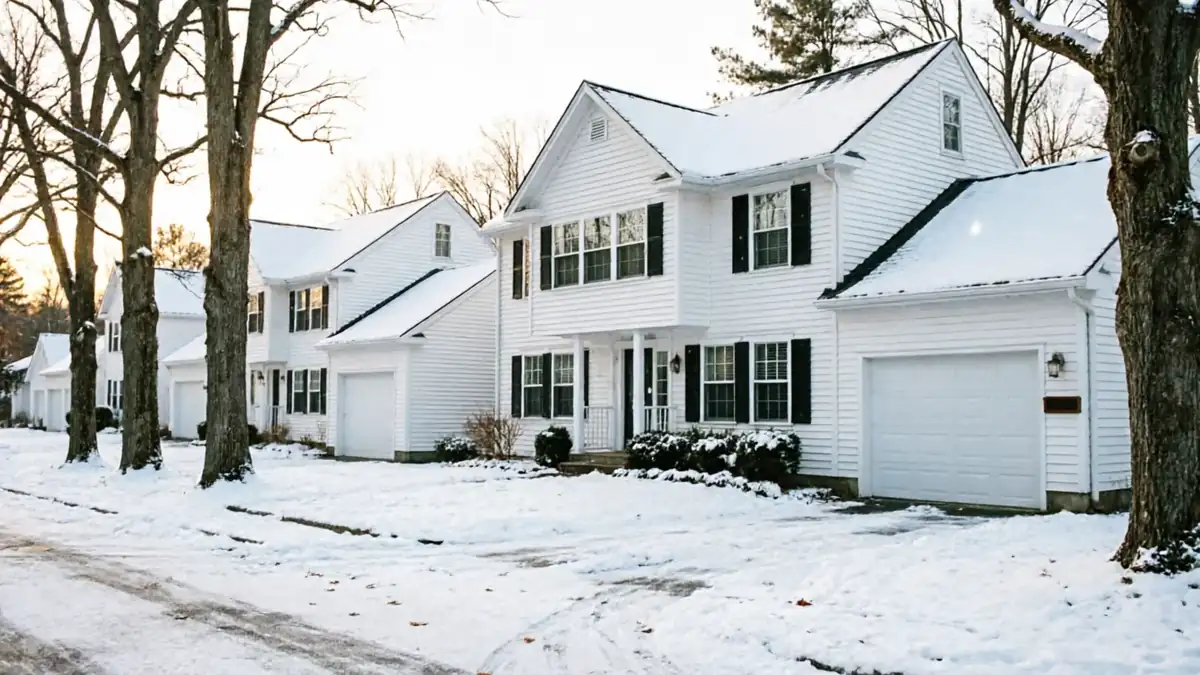
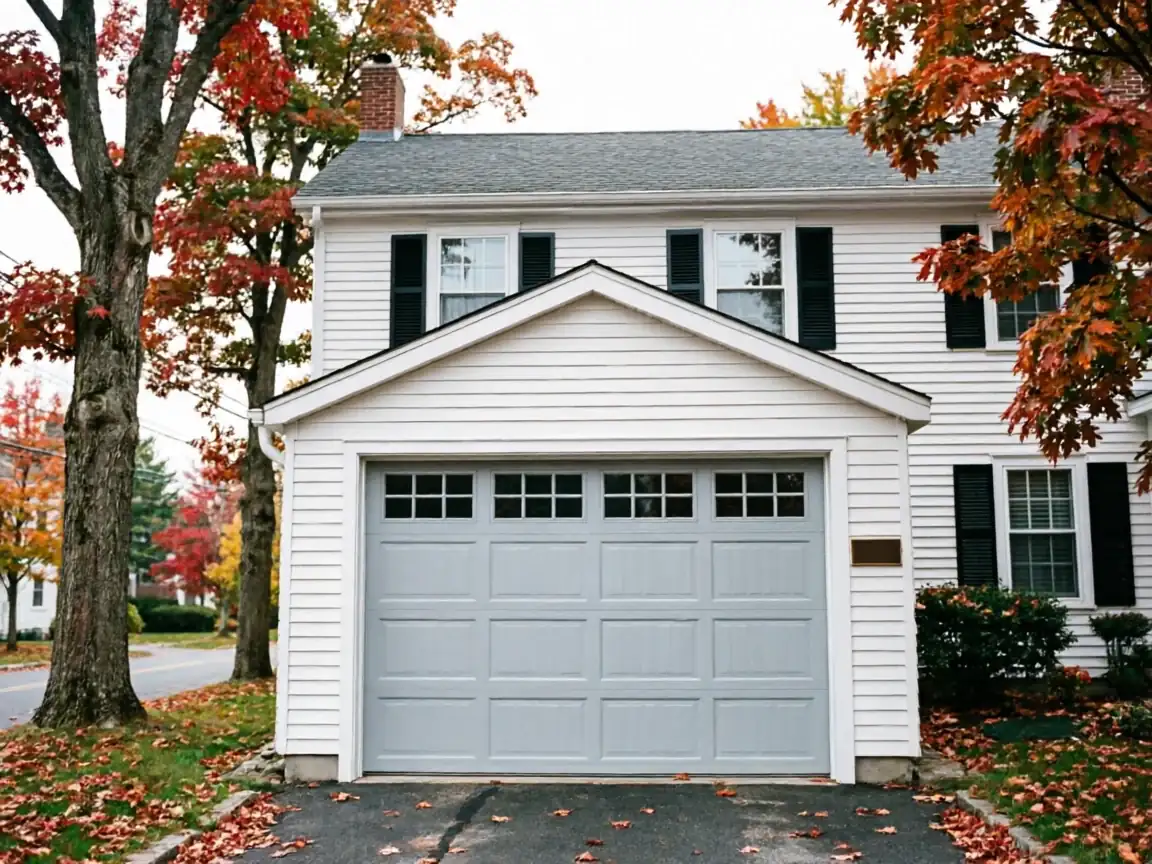
The housing stock here works in our favor once we know what we're dealing with. Across the wider Allentown service area, homes run from 1938 up through 2005 with a median build year around 1964 - a lot of original doors on old track systems. Bethlehem's own housing skews newer, with a median build year closer to 1988. That's a different generation of garage door: more of these are factory-built steel sectional doors on standard track widths, not the custom one-off wood doors you find in the older pockets of the service area. Matching a single damaged panel to an existing door is usually more realistic here than it is in a neighborhood full of 1950s stock.
How Long You Are Without the Door
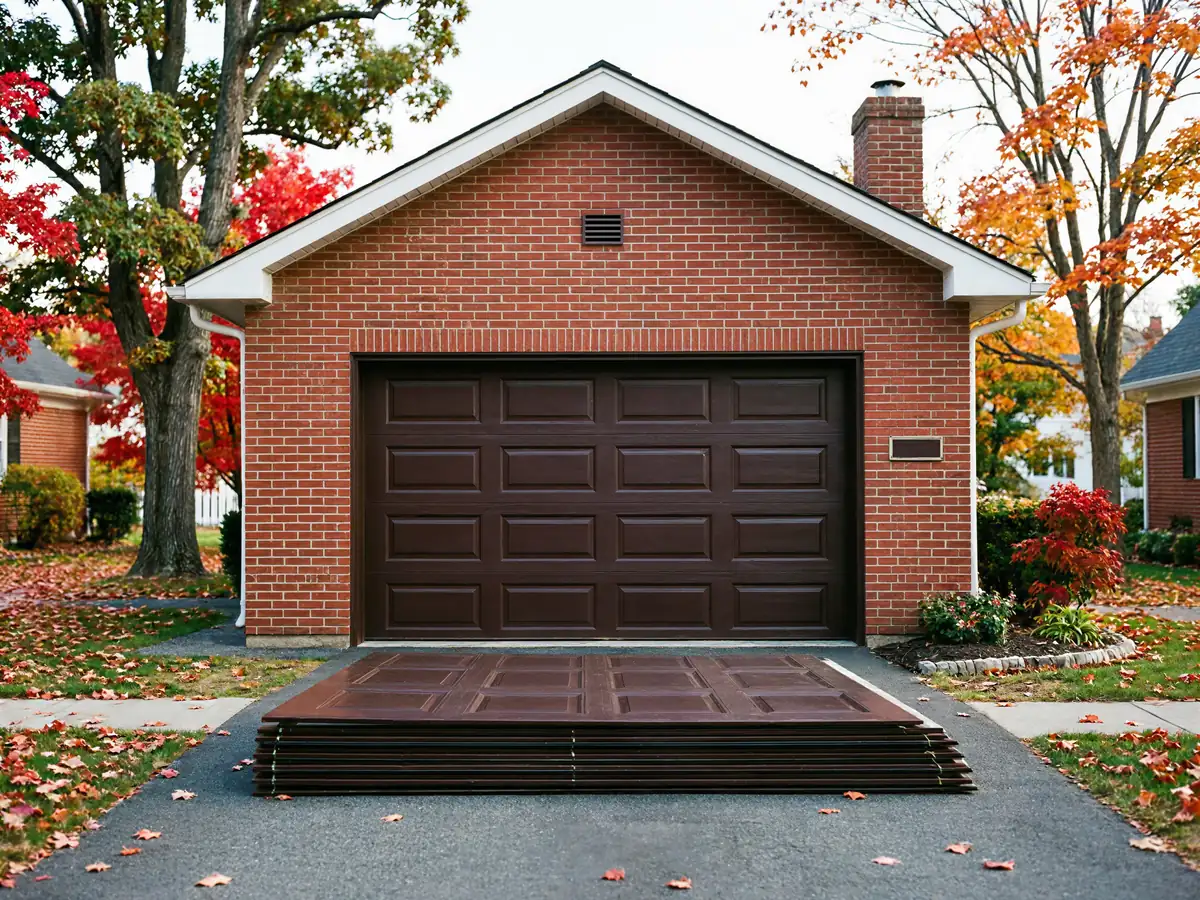
We don't carry a stock of every panel profile on the truck, and we don't have a branch in Bethlehem - every job rolls out from Allentown. If your door is a common sectional design, matching a single panel can happen on one visit. If the manufacturer discontinued that profile, or the door is old enough that nobody makes a matching panel anymore, you're looking at a special order, and that adds days before we're back out your way.
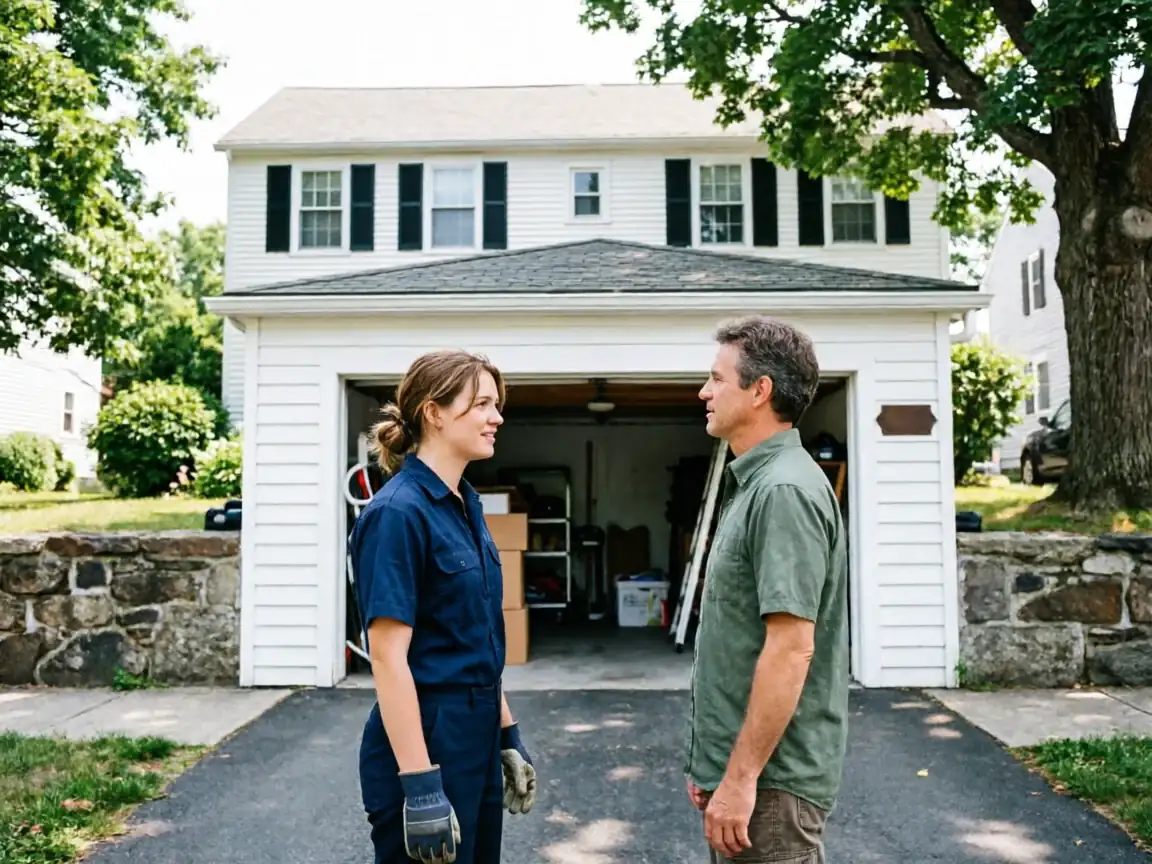
This is the honest limitation: we can't promise a same-day fix on every panel job, and a 10-mile drive means we schedule in a way that makes sense for both of us, not a rush trip for one panel. What we can do is tell you straight, on the first look, whether your door is a match-and-replace job or an order-and-wait job, so you're not guessing.
What the Fix Involves
A panel job starts with identifying the door
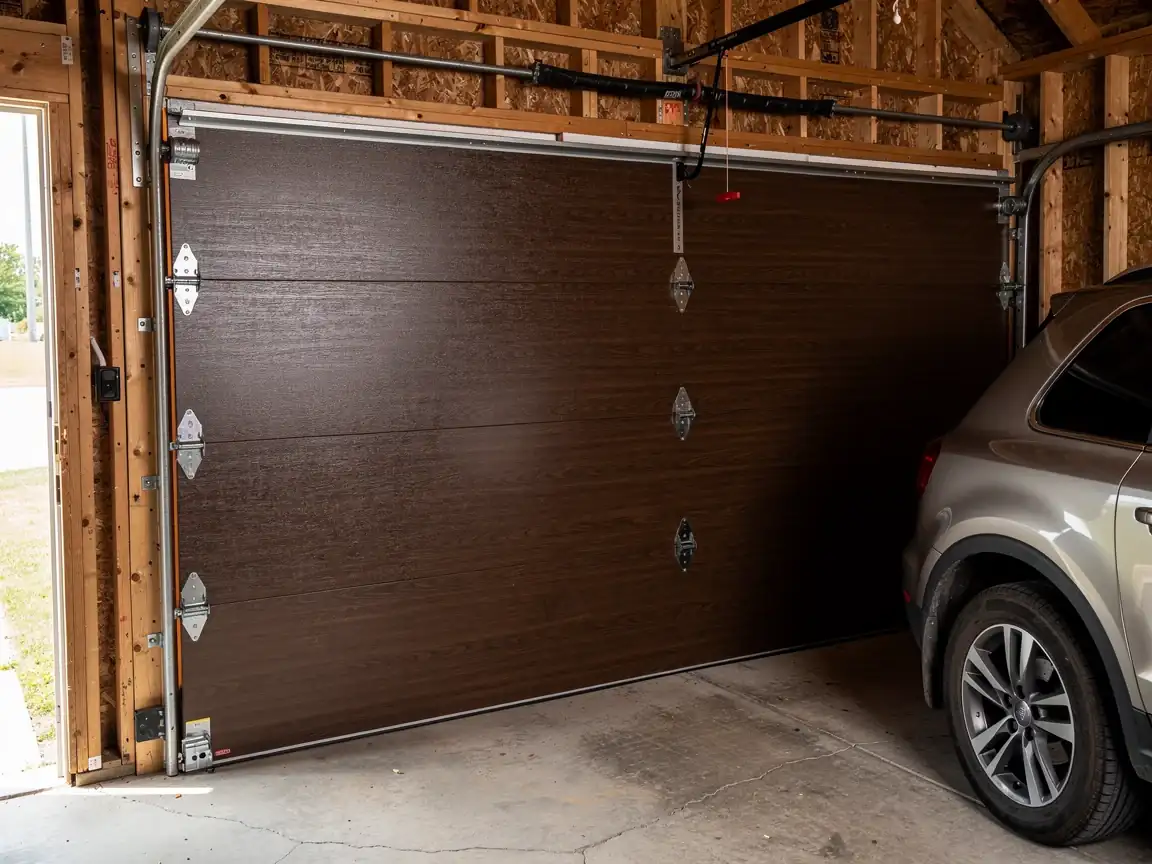
Manufacturer, model, panel width, and whether it's insulated or not. Bethlehem's newer housing stock, built mostly from the late 1970s through the late 1990s, more often has insulated steel sectional doors than the older solid wood or thin single-layer steel doors you'd find on a 1960s-built house. That matters in a cold-climate area like this one: a damaged panel on an insulated door needs a matching insulated replacement, or you end up with a mismatched R-value section that sweats and frosts differently than the rest of the door through winter.
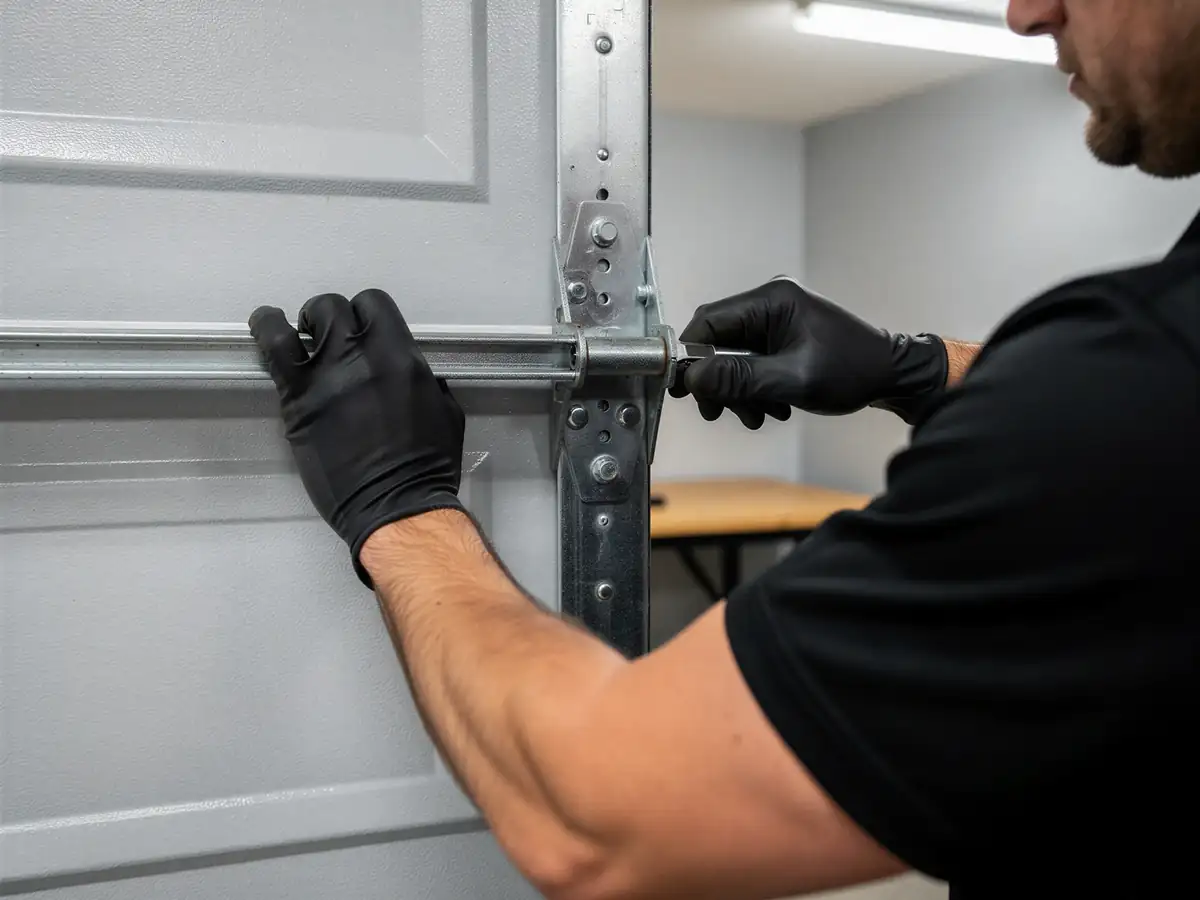
Once we've got the right panel, the job is mechanical
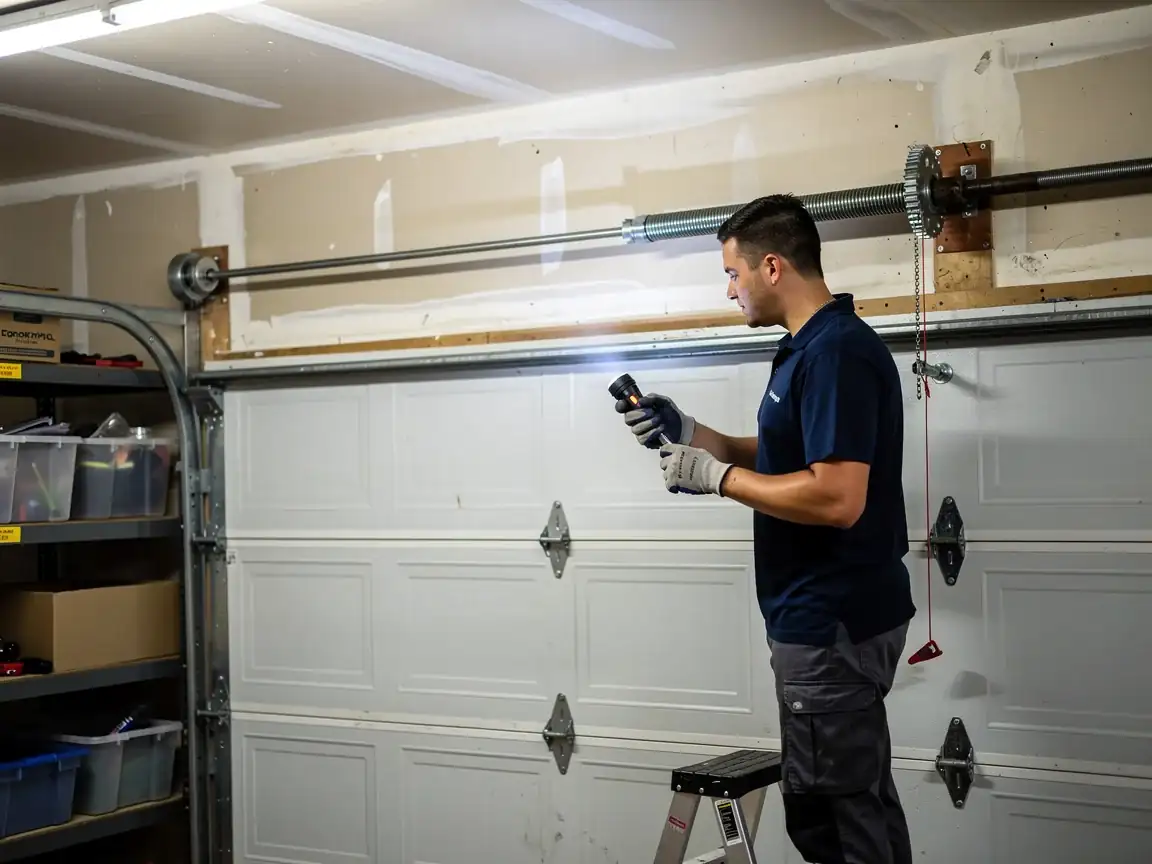
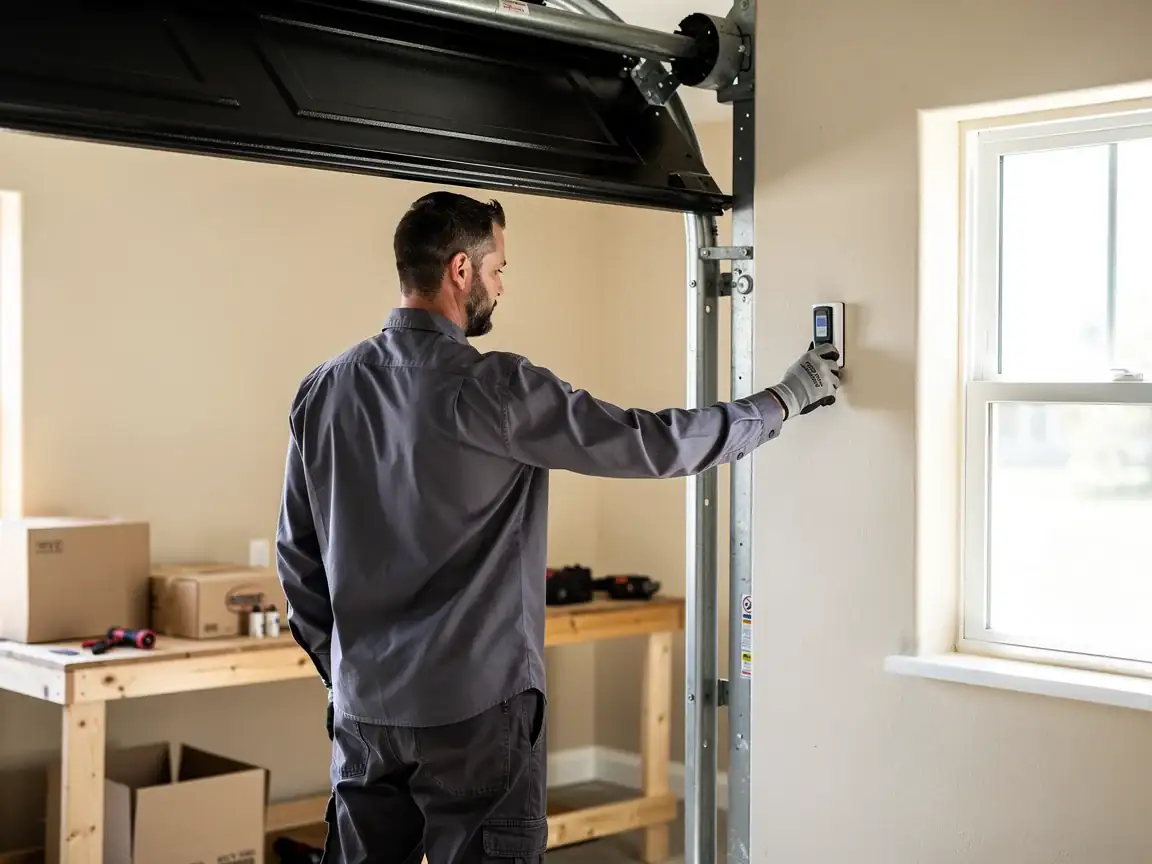
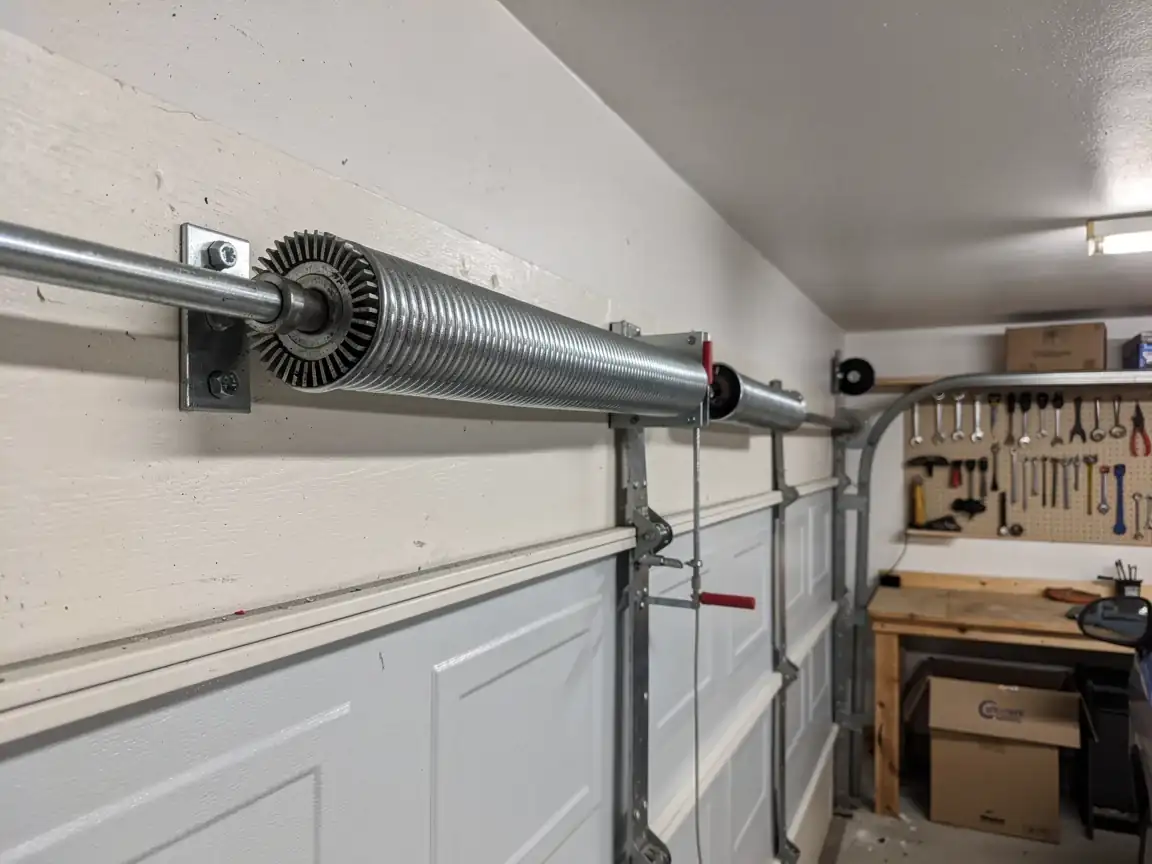
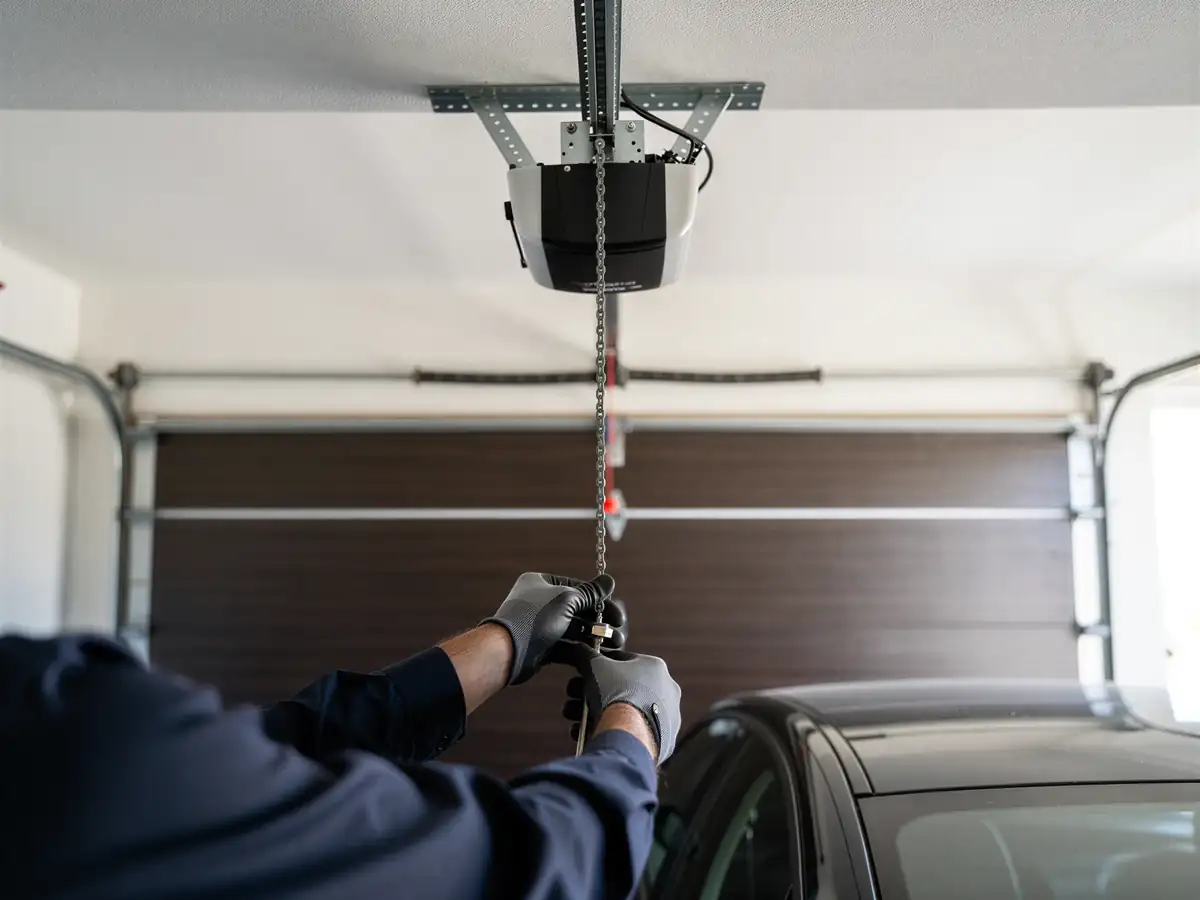
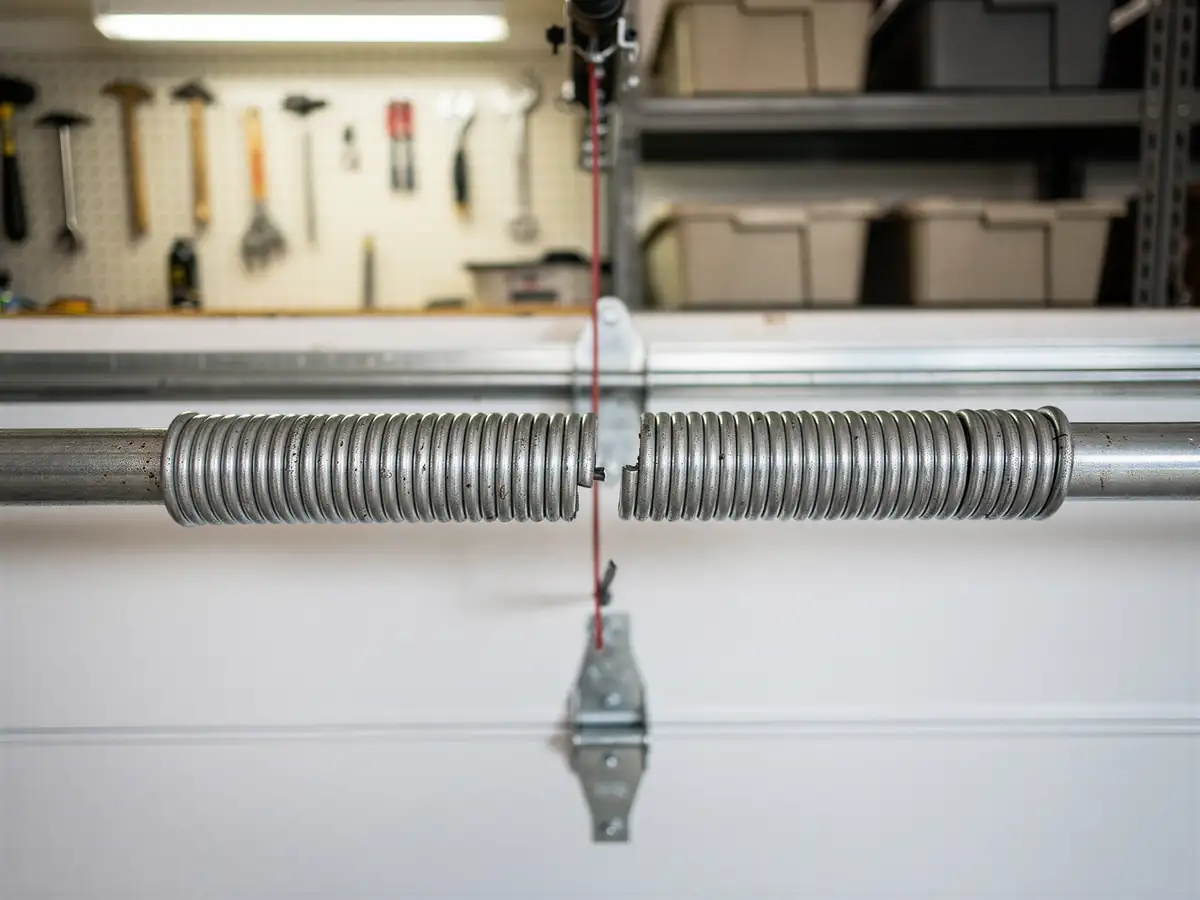
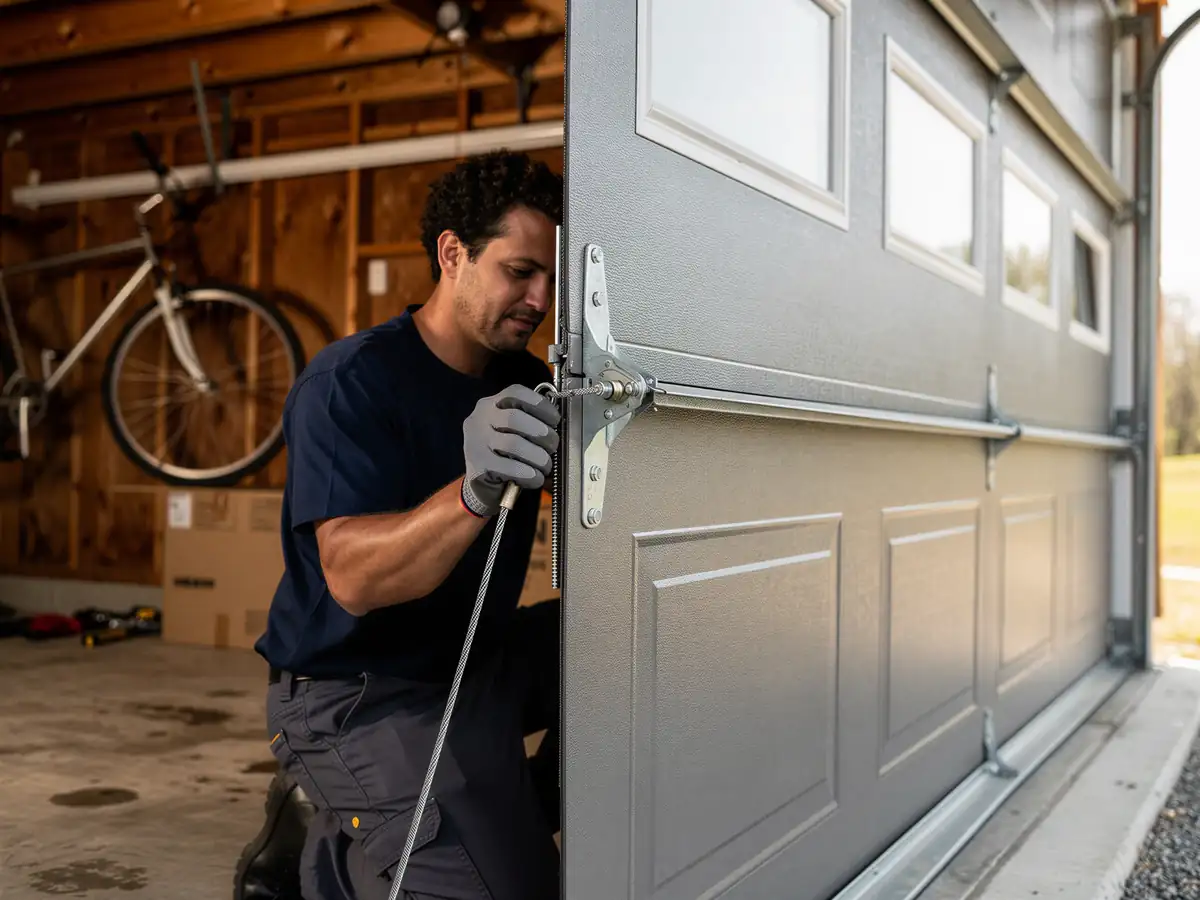
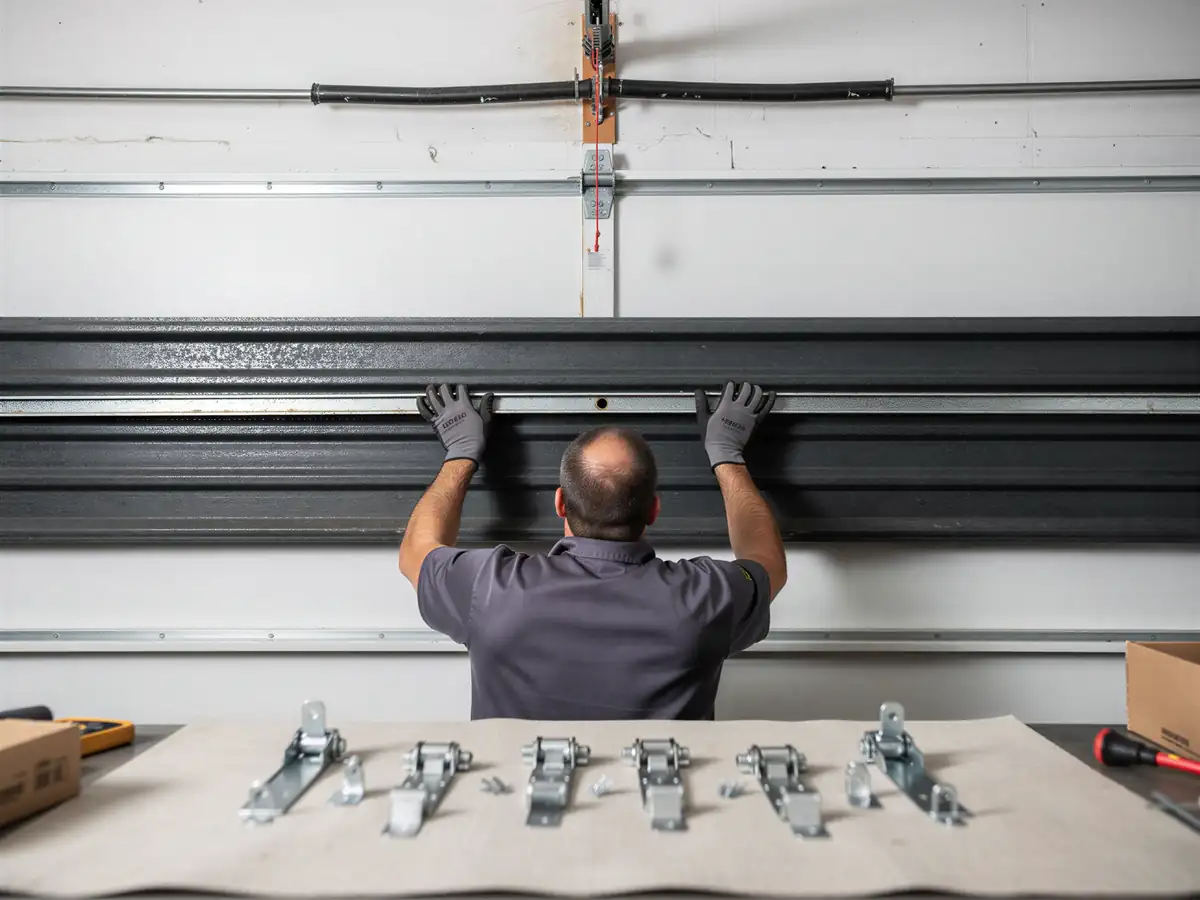
Disconnect the opener, support the door, remove the end hinges and roller brackets holding the damaged section, swap the panel, and reassemble with the existing hardware where it's still sound. Hinges, rollers, and cables that have put in 20-plus years of work often get replaced at the same time, since the labor to access them is already done. We check spring tension before closing out the job - a new panel changes the weight balance slightly, and an old spring set may need adjusting.
The Cost of This Job
We can't quote a number here without a photo of your door and a panel ID - profile, width, and insulation all move the price, and a mismatched guess is worse than no number at all. What we can tell you is what tends to drive the cost in this area: median household income here runs well above the wider service area's figure, and we see more homeowners in Bethlehem choose to match insulated panels rather than mix insulation types on the same door, which costs more up front but holds up better through a cold winter.
The other cost driver is age. A door built close to that 1988 median for this town usually still has parts in production somewhere, which keeps the job in match-and-replace territory. A door at the older end of the range, closer to the service area's 1960s stock, is more likely to need a special order, and that adds to both the timeline and the bill.